






Quick Answer: The FDA’s approval of new oral treatments for gonorrhea simplifies care, but accurate diagnosis is still essential. At-home testing remains a critical first step, especially because symptoms are often absent. These new meds don’t replace the need to confirm infection through a test.
From FDA Approval to Your Bedroom: Why This News Matters
On the surface, the approval of gepotidacin and zoliflodacin, two oral medications designed to combat gonorrhea, sounds like a breakthrough for anyone who’s ever felt the dread of a burning sensation, cloudy discharge, or the quiet panic of having no symptoms at all but knowing you were exposed. According to the FDA press release, these new drugs aim to tackle strains of gonorrhea that have grown resistant to traditional antibiotics, like ceftriaxone and azithromycin. And because they’re taken orally, they can, at least in theory, be prescribed and taken without the need for an injection at a clinic.
But here’s the catch: these medications don’t find the infection. They treat it. And that distinction makes all the difference, especially if you’re relying on at-home testing to protect yourself and your partners. Gonorrhea still requires a clear diagnostic process, typically through a NAAT (nucleic acid amplification test), before a provider will prescribe these new drugs. So even with these oral options on the table, the first step still starts with you, a sample, and a test.
This article will walk you through everything you need to know: what these new treatments do, what they don’t, how testing fits into the picture, and how to move forward if you’re scared, confused, or just trying to do the right thing after a risky encounter. Whether you’ve got a sore throat after oral sex, cloudy pee that doesn’t feel quite right, or just that gnawing feeling that you might have been exposed, we’re here to make sense of it all.
What Makes These New Gonorrhea Treatments Different?
Until now, the go-to treatment for gonorrhea in the U.S. has been a shot of ceftriaxone, an intramuscular injection that, let’s be honest, not everyone’s thrilled about. The experience of walking into a clinic, pulling down your pants, and getting poked in a room that smells faintly of antiseptic is hardly a vibe. But ceftriaxone has remained the best option because gonorrhea has a nasty habit of becoming resistant to whatever we throw at it.
The newly approved drugs, gepotidacin and zoliflodacin, represent the first new class of antibiotics for gonorrhea in over 30 years. That’s a big deal. They work by targeting different bacterial mechanisms than older drugs, meaning they might be effective even in cases where standard antibiotics fail.
Gepotidacin, in particular, showed promise in clinical trials by successfully treating urogenital gonorrhea without needing an injection. But that doesn’t mean you’ll be able to pick it up over the counter or guess your way into treatment based on symptoms alone. You still need a positive test result, and, in many cases, lab confirmation that your strain is appropriate for treatment with these new drugs.
| Medication | Type | Route | Effective Against | Limitations |
|---|---|---|---|---|
| Gepotidacin | Novel Antibiotic | Oral | Urogenital Gonorrhea (NAAT-confirmed) | Not yet widely available; prescription only |
| Zoliflodacin | Spiropyrimidinetrione class | Oral | Uncomplicated Gonorrhea (some strains) | Limited data on extragenital use (throat, rectum) |
Figure 1. Key differences between the newly approved oral gonorrhea treatments.

People are also reading: Silent Spread: The Overlooked STD Crisis in Queer and Trans Communities
Why You Still Need to Test, Even With a "Cure"
Imagine this: You wake up with a sore throat, and your brain instantly goes to the worst-case scenario. You remember that hookup last week, the one that skipped condoms because "it was just oral." You Google your symptoms and land on an article about these new oral gonorrhea treatments. Suddenly, it feels like a shortcut. Why test when there’s a cure already?
But here’s the trap: symptoms aren’t reliable. According to the CDC, more than 50% of people with gonorrhea don’t show symptoms. And even when they do, those symptoms often mimic other things, yeast infections, UTIs, strep throat, or just irritation from rough sex or a new lube. So unless you get tested, you’re not treating gonorrhea. You’re guessing. And guessing wrong means you could miss the infection entirely or treat the wrong condition.
Self-diagnosis can lead to misuse of antibiotics, which only accelerates resistance, something these new drugs are specifically designed to fight. That’s why home testing kits remain essential, especially for people who don’t have easy access to a clinic or who want the privacy of testing at home. The goal of these new medications isn’t to replace testing, it’s to make the path from positive result to effective treatment less painful, less invasive, and potentially more accessible down the line.
Check Your STD Status in Minutes
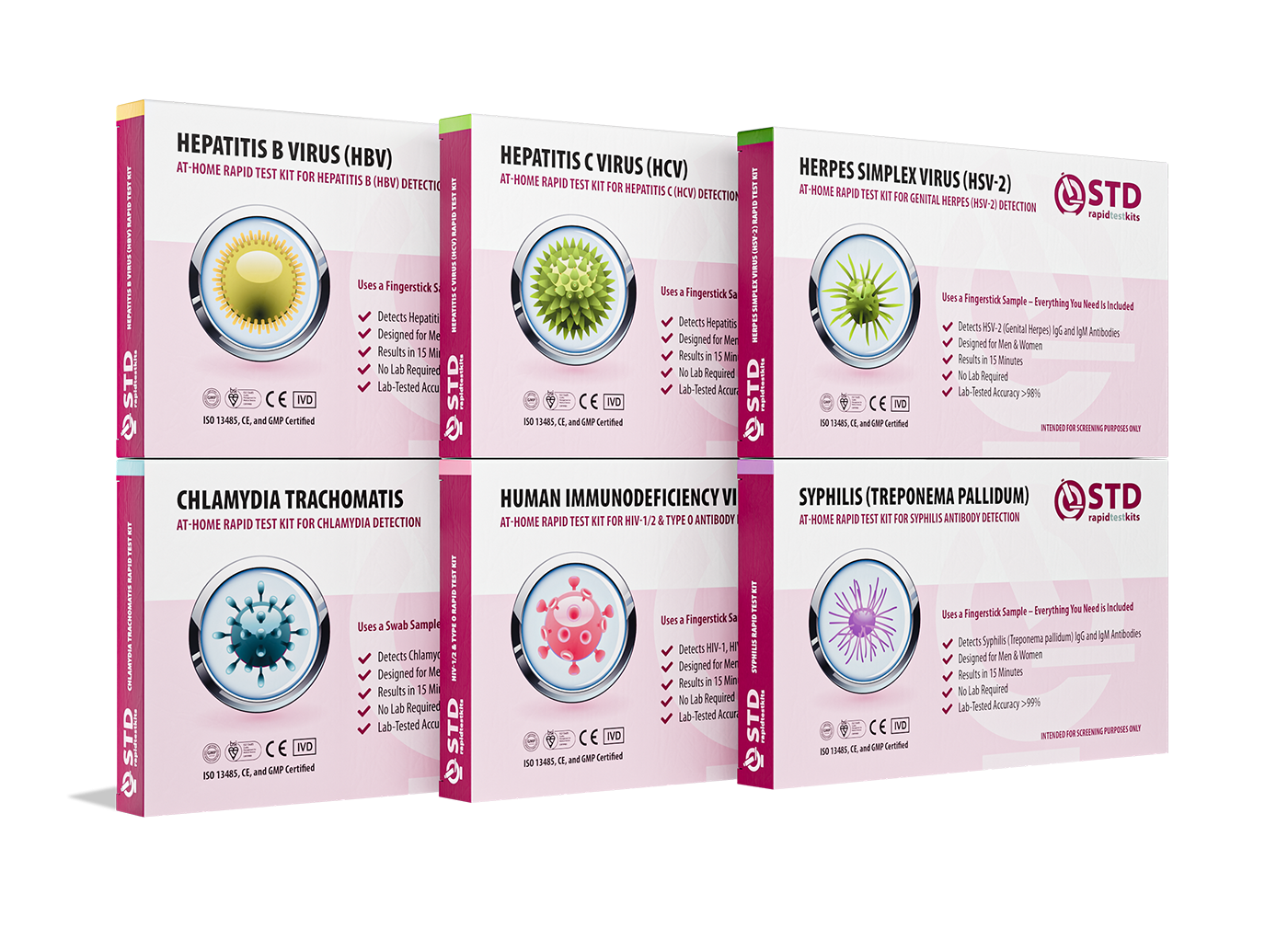
Test at Home with Remedium6-in-1 STD Test Kit
 For Men & Women
 Results in Minutes
 No Lab Needed
 Private & Discreet
Order Now $119.00 $294.00
For all 6 tests
How Long After Exposure Should You Test for Gonorrhea?
Let’s say you had unprotected sex three days ago, and now you’re feeling a little off. Maybe there’s an itch you can’t ignore, or maybe there’s nothing at all, just the echo of that voice in your head saying, “Was that a mistake?” You’re not alone. This is one of the most searched-for questions about gonorrhea: When is the right time to test?
Here’s the truth, plain and simple: the gonorrhea window period, the time between exposure and when a test can detect the infection, is typically between 2 and 7 days. But accuracy improves the longer you wait. A test taken too early might come back negative even if you’re infected. That false sense of safety can be dangerous, especially if you think a new treatment means you don’t need to retest.
Timing matters. At-home gonorrhea test kits usually rely on urine or swab samples and use highly sensitive methods like NAAT. While some people choose to test around day 3–4 out of anxiety, a follow-up test around day 7–14 is often recommended to catch any infections that weren’t detectable early on.
| Days After Exposure | Test Detection Likelihood | Recommended Action |
|---|---|---|
| 0–2 days | Very low | Wait before testing unless symptoms are severe |
| 3–6 days | Increasing but not reliable | Consider early test + plan to retest |
| 7–14 days | High | Best window for accurate results |
| 15+ days | Very high | Test if symptoms persist or for peace of mind |
Figure 2. Gonorrhea testing window after exposure, with recommended testing actions.
One reader shared a story that’s all too familiar. He tested on day 4 after a hookup that felt "off", nothing showed up. By day 10, he started feeling a burning sensation and retested. This time, it was positive. That first test wasn’t wrong, it was just too soon. The new FDA-approved treatments might help once you’ve got a result, but they don’t change the biology of infection timelines.
Will These Treatments Be Available for Everyone?
This is where things get tricky. While gepotidacin and zoliflodacin are promising, they’re not yet available over-the-counter, and their use will likely be guided by strict clinical protocols for now. These aren’t magic pills you can pick up at the pharmacy after a hunch. In fact, because these drugs target antibiotic-resistant strains, providers will be especially cautious about prescribing them unnecessarily.
If you test positive for gonorrhea using an at-home kit, your next step will still involve contacting a provider, often via telehealth, to discuss treatment. In some cases, a provider might recommend the standard injectable treatment first, especially if the infection is in the throat or rectum, where treatment success rates can vary. Zoliflodacin, for instance, has shown limited data for treating extragenital infections.
The bigger picture? These drugs aren’t a substitute for access, they’re part of a larger shift toward more flexible, decentralized care. That’s good news for people who can’t or won’t visit a clinic in person. But the foundation of that care remains the same: you need an accurate test to start the process.
What About People Who Don’t Have Symptoms?
If you’re waiting for a discharge or burning sensation to appear before testing, you might be waiting forever, and still be infectious. Gonorrhea can live in the throat, rectum, urethra, or cervix with zero symptoms. This silence is part of what makes it so widespread. One recent study published in the journal The Lancet Infectious Diseases estimated that up to 75% of extragenital gonorrhea cases in men who have sex with men were asymptomatic.
We spoke to someone who didn’t even know they were infected until a routine test flagged it. No symptoms, no warning. They felt embarrassed, but also grateful, because early detection meant they could avoid passing it on to their partner. “I would have never known,” they said. “I felt totally fine.”
Testing is like turning on the lights in a dark room. Just because you don’t trip over anything doesn’t mean there’s nothing there. You need to see clearly before you can act. That’s why even in the age of new treatments, symptomless people still need regular, reliable access to screening.
If You’ve Tested Positive, Now What?
The moment you see a positive result, it can feel like the floor drops out. You might panic. You might shut down. You might reach for your phone and immediately Google “can gonorrhea go away on its own?” (Spoiler: it usually doesn’t.) But here’s where the new treatments can help. Instead of finding a clinic that offers injections or navigating walk-in waitlists, you may soon be able to get oral treatment from a licensed provider via telehealth, assuming the new medications are approved for that setting.
Your first step is confirmatory testing, especially if your result came from an at-home test with only one control line or unclear results. Then, it’s about communication, partners, providers, and a treatment plan that fits your situation. The shame? That part’s optional. Because being proactive about your health isn’t just responsible, it’s courageous.
And if your test was negative, but you’re still unsure, especially after recent high-risk exposure, don’t treat a single result as the end of the story. Retesting is part of the process. Gonorrhea can take up to two weeks to show up on a test depending on where it lives in your body. If something still feels off, listen to your gut and test again later. The tools are in your hands, literally, if you’ve got an at-home kit nearby.
At-Home Testing and the Future of STI Care
The approval of new gonorrhea pills is a big step forward, but not just for medicine. It signals a deeper shift in how we think about sexual health. More people are asking: “Can I test from home? Can I treat from home? Can I take care of my body without a doctor’s office?” And the answer is increasingly yes, but only if testing stays central to the process.
Let’s paint the scene. You’re living in a small town. The nearest clinic is 40 minutes away, and the nurse there also goes to church with your family. You're not about to sit in her waiting room and explain why you need an STD test. Instead, you order a discreet kit online, test at home, and get a result within minutes. You breathe. You act. That’s what accessibility looks like, not just the pill, but the entire experience of testing and treatment without shame or exposure.
At-home kits don’t just give you privacy. They give you timing flexibility. You don’t have to wait for an appointment. You don’t have to explain yourself to a stranger. And in a world where STIs like gonorrhea are adapting fast, you need to be just as nimble. The faster you test, the faster you treat, and the more likely it is that treatment will work.
Will These Pills Impact Resistance Rates?
This is where things get serious. One of the biggest challenges in treating gonorrhea isn’t just the bacteria, it’s the evolution of the bacteria. According to the World Health Organization, drug-resistant gonorrhea is already a global concern. Every time a treatment is misused, whether it’s someone skipping a dose, using the wrong drug, or taking antibiotics without confirmation, it fuels that resistance.
The irony? The new drugs designed to fix resistance could make the problem worse if people start self-medicating without testing. That’s why organizations like the CDC are doubling down on the importance of diagnostic stewardship, essentially, making sure we only treat what we know is there.
And this circles back to you, the person reading this after a scare, a symptom, or a bad feeling. You have more power than you think. Using an at-home test, waiting the right number of days, and confirming a result before starting treatment isn’t just protecting you, it’s protecting the people you care about and the future of antibiotics themselves.

People are also reading: Chlamydia Rapid Test Instructions: What Each Line Really Means
Case Story: “I Thought the New Pill Meant I Didn’t Need to Test”
Sofia, 28, read about the new FDA-approved pills on her lunch break and felt a weird sense of relief. She had recently hooked up with someone new, didn’t use protection, and had been feeling a little raw down there. But now there was a pill, right? Why bother testing when the cure was here?
She ordered some leftover antibiotics from an online gray-market pharmacy and took them for a few days. When her symptoms didn’t go away, she finally used an at-home gonorrhea test, and it was negative. Confused, she went to a clinic, where they diagnosed a yeast infection and scolded her for taking the wrong drugs. “I wasted time, made my symptoms worse, and probably contributed to resistance,” she said. “All because I thought treatment came first.”
Sofia’s story isn’t unique. It’s exactly the kind of outcome public health officials worry about. But it’s also a lesson in sequence: test first, treat second. It doesn’t matter how good the pills are if we’re taking them for the wrong thing.
Retesting: When, Why, and What It Means for You
Even if you’ve tested and treated for gonorrhea once, the story might not be over. The CDC recommends retesting three months after treatment, not because the treatment failed, but because reinfection is common. Many people resume sexual activity soon after symptoms clear and don’t realize their partner never got treated. Others get exposed again in new relationships and don’t test until symptoms show up, if they ever do.
One man shared that he got treated for gonorrhea in October, then tested positive again in January. “I thought I was immune after the meds,” he said. “But I didn’t realize my partner never followed up.” The result? Another round of medication, another awkward conversation, another spiral of stress.
That’s why retesting is part of the process. New pills might reduce some barriers, but they don’t make you bulletproof. If you’re sexually active with new or multiple partners, especially without protection, regular testing is the only way to stay ahead of it. Set a reminder. Schedule it into your routine. Testing isn’t a one-time event, it’s ongoing maintenance for your body and your peace of mind.
Check Your STD Status in Minutes
Test at Home with Remedium6-in-1 STD Test Kit
For Men & WomenResults in MinutesNo Lab NeededPrivate & DiscreetOrder Now $119.00 $294.00
For all 6 tests
Shipping, Discretion, and What Happens After You Order
If you’ve never used an at-home test, here’s how it works. Once you place your order, your test kit arrives in discreet packaging, no labels, no logos, nothing to alert your roommates, mail carrier, or partner. Inside, you’ll find everything you need: sterile swabs, instructions, a cassette for the result, and sometimes a dropper or buffer solution depending on the kit type.
You collect your sample, usually a swab or urine, follow the steps, and wait for results. Some tests show a line in 10 minutes. Others are mailed back to a lab for confirmation. Either way, the result is yours. You decide who sees it. You decide what comes next. And if the result is positive, you can reach out to a provider with confidence, knowing you’ve taken the first step based on evidence, not panic.
The arrival of new oral treatments doesn’t change that process. If anything, it makes that first test more important. Because when the right treatment is finally within reach, you want to make sure you’re reaching for it for the right reason, and at the right time.
FAQs
1. So… can I just take the new gonorrhea pill and skip the test?
We get why you’d ask, but no, you still need a test. The new meds are prescription-only and meant to be used when a confirmed gonorrhea infection is diagnosed. Guessing based on symptoms could mean you’re treating the wrong thing (or nothing at all), and that’s how resistance gets worse. Always test first. The pill doesn’t replace the process, it improves it after you’ve got answers.
2. I tested too early. Can I trust the result?
Early testing is a gamble. If you swab or pee on day two after a hookup, you might get a negative even if you’re infected. It’s not that the test doesn’t work, it’s that the bacteria hasn’t hit detectable levels yet. The sweet spot for gonorrhea detection is 7 to 14 days post-exposure. If you tested before that and symptoms persist or your gut says something’s off, plan a retest. Trust yourself, then trust the science.
3. What if I don’t have symptoms? Do I still need to test?
Yep. Gonorrhea is a sneaky one, it can live in your throat, rectum, or urethra without a single symptom. You could feel completely fine and still pass it to a partner. One study found that most people with throat gonorrhea had no idea they were infected. Testing isn’t just for when something feels wrong, it’s for staying in control even when everything seems fine.
4. How do I know the new treatment will work for me?
That’s up to your provider. Gepotidacin and zoliflodacin are promising, but they’re still new. They’re currently approved for certain cases, especially urogenital infections, but may not be the go-to if your infection is in the throat or rectum. A test helps your provider decide what’s best based on where the infection is and how recent your exposure was.
5. Can I test and treat from home completely?
Almost. You can test discreetly at home and, in many cases, share those results with a telehealth provider who’ll guide treatment. As these new pills roll out, remote treatment will become more common, but testing is already something you can do on your own terms. No waiting rooms. No awkward conversations. Just privacy and power.
6. I treated it once. Do I really need to test again?
Absolutely. Gonorrhea doesn’t grant immunity. You can get it again the next day if you’re exposed. The CDC recommends retesting three months after treatment, not because the meds failed, but because reinfection is so common. We've heard from people who didn’t realize their partner hadn’t been treated too. Retesting protects you both.
7. Will my gonorrhea go away on its own if I ignore it?
Sadly, no. While some mild symptoms might fade, the infection can cause serious damage over time, like pelvic inflammatory disease, infertility, or increased HIV risk. Gonorrhea is treatable, but not self-healing. Ghosting your symptoms won’t make them disappear.
8. What does a faint line on my home test mean?
Think of a faint line like a whisper: it’s still saying something. Even a light test line usually means positive. Don’t wait for it to get darker, go ahead and consider it valid. If you’re unsure, snap a photo and ask a provider. And if you’re stuck in that “Is this real?” limbo, retesting in a few days can give you peace of mind.
9. Can I hook up again right after taking the new meds?
Take a deep breath, and wait. Most guidelines recommend avoiding sex for at least 7 days after treatment and until your symptoms are completely gone. If your partner hasn’t been treated too, you could pass it right back and end up in a cycle. Clear communication now saves you both stress later.
10. Is there ever a good time to test “just in case”?
Honestly? Yes. After a new partner. Before ditching condoms. During a dry spell when you finally break it. Before a big vacation or a hookup-heavy event. Even when nothing feels wrong. Testing “just in case” isn’t overthinking, it’s self-respect in action.
You Deserve Certainty, Not Confusion
New pills may be changing how we treat gonorrhea, but they don’t change what comes first: knowing your status. An accurate test is still the first move, and it’s one you can make on your terms, from home, with privacy, compassion, and clarity.
Don’t leave it to chance. Order a reliable at-home gonorrhea test and take back control of your health. New treatments are on the way, but answers start with you.
How We Sourced This Article: We combined current guidance from leading medical organizations with peer-reviewed research and lived-experience reporting to make this guide practical, compassionate, and accurate.
Sources
2. WHO Fact Sheet on Antimicrobial Resistance
3. FDA Approves Two Oral Therapies to Treat Gonorrhea
4. Drug-Resistant Gonorrhea Overview – CDC
5. Gonococcal Infections Among Adolescents and Adults – CDC
6. CDC STI Treatment Guidelines 2021
7. Zoliflodacin Clinical Trial Results – The Lancet
8. There Are Two New Drugs to Treat Gonorrhea – ASHA
9. Gonorrhea Screening and Diagnostic Testing – Canada.ca
10. Single-Dose Oral Antibiotic Zoliflodacin Treats Drug‑Resistant Gonorrhea – AJMC
About the Author
Dr. F. David, MD is a board-certified infectious disease specialist focused on STI prevention, diagnosis, and treatment. He blends clinical precision with a no-nonsense, sex-positive approach and is committed to expanding access for readers in both urban and off-grid settings.
Reviewed by: J. Morales, NP | Last medically reviewed: December 2025
This article is just for information and doesn't take the place of medical advice.


