





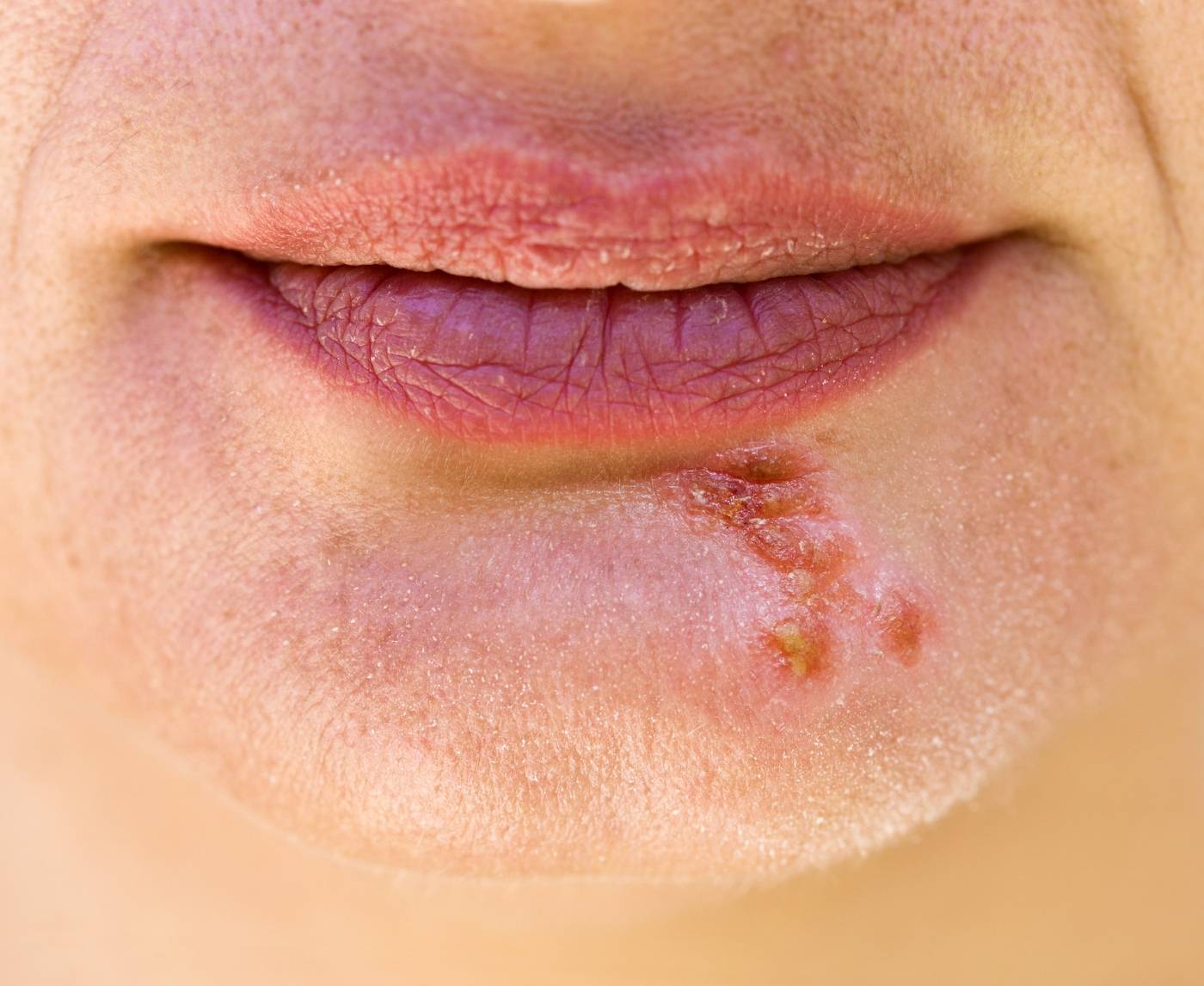

Quick Answer: Yes, undiagnosed STDs like chlamydia, herpes, and HIV can trigger immune flare-ups that mimic autoimmune diseases. These “silent” infections often go unnoticed for months or years but still cause inflammation, fatigue, and recurring illness.
When Silence Is a Symptom Too
One of the most misunderstood aspects of STDs is just how subtle, or totally absent, their symptoms can be. While public health posters still emphasize discharge, rashes, and burning, the reality is that many STDs cause none of those things. Instead, they linger under the surface, quietly hijacking your immune system.
Take chlamydia, for example. Up to 70% of infected people never notice symptoms. But that doesn’t mean it’s inactive. The infection still spreads to the cervix, urethra, and potentially the upper reproductive tract. When your body tries to fight back, it can cause systemic inflammation, which can make you feel tired all the time, have low-grade fevers, joint pain, and just not feel well. It’s not just “in your head.” It’s your immune system reacting to something it can’t resolve on its own.
In men, a low-level case of untreated gonorrhea or trichomoniasis might feel like intermittent groin soreness or fatigue. In women, chronic pelvic pain and irregular cycles often get dismissed as hormonal or “just stress.” The common thread? These are all immune system responses, not to an autoimmune disease, but to an infection quietly persisting in the background.
The Overlap That Confuses Even Doctors
“My rheumatologist thought it was lupus. My OB thought it was endometriosis. Turns out, I had chlamydia that had never been treated. For almost a year.”
That quote came from a 28-year-old patient who preferred to stay anonymous. She’s not alone. When STDs are asymptomatic, they can mimic autoimmune flare-ups with uncanny precision. Here’s why: your immune system responds to infection by activating inflammation. But it doesn’t always know what it’s fighting. The result? Widespread immune activation that mirrors disorders like rheumatoid arthritis, lupus, or chronic fatigue syndrome.
And because these STDs don’t always cause “classic” symptoms, patients are often referred from one specialist to another, racking up bills and diagnoses that don’t stick. What makes this more dangerous is the assumption that if you’re not visibly sick, no sores, no rashes, no pain, you must not have an STD. That’s flat-out wrong. According to the CDC, more than half of all STDs are asymptomatic, yet they still cause internal damage and immune disruption.

People are also reading: Are Dating Apps Behind the Rise in STDs?
Table: How Silent STDs Can Mimic Chronic Illness
| Silent STD | Immune Response | Mimics | Commonly Misdiagnosed As |
|---|---|---|---|
| Chlamydia | Chronic inflammation, pelvic pain, fatigue | Autoimmune flare, IBS | Endometriosis, chronic fatigue |
| Herpes (HSV-1/HSV-2) | Nerve inflammation, fatigue, fever cycles | Fibromyalgia, chronic viral syndrome | Shingles, MS, anxiety disorder |
| HIV (early) | Immune crash, fever, joint pain | Mono, lupus, viral infection | Long COVID, flu, rheumatoid arthritis |
| Trichomoniasis | Intermittent inflammation, urethral irritation | UTI, interstitial cystitis | Overactive bladder, yeast infection |
Figure 1. Immune-triggered symptoms from STDs are often mistaken for other illnesses, especially autoimmune or gynecological issues.
What If You’re Immunocompromised or Have a Chronic Condition?
If you already have an autoimmune condition like lupus, Crohn’s, or rheumatoid arthritis, an undiagnosed STD can make things worse, fast. That’s because these infections don’t just operate in a vacuum. They interact with your existing immune challenges, causing flare-ups that seem unrelated at first.
In HIV-positive individuals, for instance, co-infection with untreated syphilis or herpes can lower CD4 counts even when antiretroviral therapy is working. For people with chronic fatigue syndrome, a herpes outbreak might look like a crash, not a viral episode. And for women with PCOS or endometriosis, trichomoniasis can worsen pelvic inflammation and be dismissed as “your usual flare.”
The kicker? Many of these patients don’t get screened for STDs unless they specifically request it. Routine physicals don’t always include full panels. You have to advocate for yourself, or, better yet, test discreetly from home without waiting for permission.
Check Your STD Status in Minutes
Test at Home with Remedium6-in-1 STD Test Kit
 For Men & Women
 Results in Minutes
 No Lab Needed
 Private & Discreet
Order Now $119.00 $294.00
For all 6 tests
Your Immune System Is Trying to Tell You Something
The human immune system is designed to detect and respond to pathogens fast. But what happens when the intruder is quiet, slow-moving, and embedded deep in tissues? In cases of undiagnosed STDs, especially viral infections like herpes or HIV, the body may remain on high alert for weeks or months without resolving the threat. That constant immune surveillance leads to something called low-grade chronic inflammation.
This kind of inflammation isn’t dramatic. You might not see swelling or redness. But you’ll feel it in other ways, brain fog, fatigue, trouble sleeping, vague muscle aches, and a sluggish immune response to everything else. Some people describe it as a “permanent flu hangover.” Others chalk it up to stress or overwork. But deep down, their body is waging a war it hasn’t been able to win.
One 32-year-old Reddit user wrote, “I had herpes for years and didn’t know. I just thought I had IBS and random nerve flares. Turns out it was HSV-2 messing with my system the whole time. I only found out after my partner tested positive.” Her story isn’t unusual. The body reacts, even when the brain doesn’t know what to look for.
Why Standard Panels Sometimes Miss What Matters
It’s easy to assume that if you've been tested before, you’re in the clear. But not all STD tests are created equal. In fact, many people walk away from a doctor’s office with a “clean” result, without realizing they were never tested for the full panel in the first place. Herpes? Usually not included unless specifically requested. Trichomoniasis? Rarely tested in men. HPV? Only tested in certain age brackets or with abnormal Pap results.
Here's the catch: if you're dealing with immune symptoms that don’t add up, and your provider doesn’t ask detailed sexual health questions, they might not screen you comprehensively. That gap creates months (or years) of unresolved infection, and a cycle of immune flares that seems random but isn’t.
This is where at-home testing can flip the script. When you control the test, you can choose panels that cover more than the basics. You can also retest after exposure, without judgment, and without waiting three weeks for an appointment. STD Rapid Test Kits offers confidential, clinically-backed options that don’t leave you guessing.
Table: What Most “Standard” STD Tests Actually Include
| STD | Included in Routine Checkup? | Included in Standard Clinic Panel? | Included in Combo Home Test? |
|---|---|---|---|
| Chlamydia | Only if requested | Yes | Yes |
| Gonorrhea | Only if requested | Yes | Yes |
| Herpes (HSV-1/HSV-2) | No | Rarely | Yes |
| Trichomoniasis | No | Sometimes (females only) | Yes |
| Syphilis | No | Only in some populations | Yes |
| HIV | Only with consent | Yes | Yes |
Figure 2. Many people assume they’ve been fully tested, but common clinic screenings often skip herpes, trichomoniasis, and HPV unless specifically ordered.
How Long Can an STD Go Undetected?
The short answer? Years. In some cases, even decades. But that doesn’t mean the infection isn’t doing harm in the meantime. The longer a silent STD stays in your system, the more damage it can cause, both directly (like scarring, inflammation, and reproductive complications) and indirectly (by overstimulating the immune system).
One of the most well-documented examples is chlamydia-induced pelvic inflammatory disease, which can develop quietly and then suddenly erupt into chronic pain or infertility. Another is the link between chronic HPV and cervical cell changes that may not be detected until years after infection. And in people with herpes, undiagnosed infection can lead to long-term nerve pain and immune suppression that’s misattributed to “burnout” or fibromyalgia.
What makes this even trickier is that these infections often flare during immune stress. You might feel fine for months, and then after a bout of the flu or an intense period of stress, your body starts firing off warning signs again. That’s when people finally go looking for answers. The good news? You don’t have to wait until a flare to take action.
Real Talk: Why Some People Avoid Testing (Even When They Know Something’s Wrong)
There’s no shame in it, plenty of people delay testing for all kinds of reasons. Maybe you’re scared of the results. Maybe you’ve had bad experiences with doctors who didn’t listen or took your symptoms lightly. Maybe you don’t think you’re “the type” to get an STD. But here’s the truth: STDs don’t care about type, relationship status, or how “safe” you think you’ve been.
One 40-year-old reader who had been married for over a decade wrote, “I got diagnosed with herpes after a UTI that wouldn’t clear. My doctor said I must’ve had it for years. I’d never even been tested because I thought I didn’t need to be. I was monogamous. I was wrong.”
This is not about judgment. It’s about information. Knowing your status gives you the power to treat, recover, and stop the cycle of immune confusion. And if you’re tired of feeling sick without answers, an at-home test may be the tool that finally gives you clarity. You deserve that. Not just for your health, but for your peace of mind.
Order a Combo STD Home Test Kit and get answers in as little as 15 minutes, without leaving your house.
When to Test: Timing Matters More Than You Think
Testing too early can lead to false reassurance. Testing too late can mean complications that were avoidable. So how do you know when to test, especially if you’re not sure when exposure happened or if your symptoms don’t match the “classic” ones?
Let’s say you had a new partner three weeks ago and started feeling unusually tired and achy a few days later. A rapid test now might give you some clarity, but depending on the STD, it may still be too soon for 100% accuracy. That’s because every infection has its own “window period”, the time between exposure and when it becomes reliably detectable. For many people, symptoms don’t line up with those windows, which makes things more confusing.
If it’s been at least two weeks since a possible exposure and you’re feeling unwell, most STDs (especially chlamydia and gonorrhea) are already detectable with high accuracy. If you test negative but symptoms continue, retesting at four to six weeks can provide the reassurance your body, and mind, need. And if you’re worried about herpes, keep in mind that blood-based antibody tests may not detect early infection for several weeks. That’s why many people retest even after a negative result, especially if immune flare-ups persist.

People are also reading: Think It’s a Pimple? It Could Be Stage One Syphilis
What to Expect from Results, And What Comes Next
If your results come back negative, that’s a huge relief, but it doesn’t always mean you’re in the clear forever. Immune symptoms that persist may still signal a hidden infection, a recent exposure not yet detectable, or even a misdiagnosed condition. That’s why many doctors recommend retesting after any new partner or flare-up, especially if your body feels “off.”
If you test positive, don’t panic. Most STDs are highly treatable, especially bacterial ones like chlamydia and gonorrhea. Even viral infections like herpes and HIV have well-established treatment plans that can dramatically reduce symptoms and transmission risk. But the most important step is this: don’t freeze. Action helps you reclaim control.
Text your partner. Schedule treatment. Rest. And when you’re ready, use that knowledge to protect your future health. One reader put it best: “Getting diagnosed sucked, but knowing what it was gave me my life back. The mystery was worse than the truth.”
Privacy, Power, and the New Era of Testing
Not long ago, testing for STDs meant scheduling a visit, getting probed, and maybe facing a nurse’s raised eyebrow. But the world has changed. Today, you can test from your bedroom, your car, or your cabin in the woods. You don’t have to tell anyone. You don’t have to wait two weeks for an appointment. And you don’t have to defend your symptoms to someone who won’t listen.
Every kit at STD Rapid Test Kits comes in discreet packaging, no logos, no labels. The instructions are clear. The process is fast. And the results? Yours alone. That privacy isn’t just about discretion. It’s about power. Because when you remove shame and gatekeeping from testing, you open the door to earlier care, fewer flare-ups, and a better relationship with your body.
Whether you’re dealing with confusing immune symptoms or just want to know for sure, you don’t need anyone’s permission to get answers. You just need the right tool, and a bit of courage.
Check Your STD Status in Minutes
Test at Home with Remedium8-in-1 STD Test Kit
 For Men & WomenResults in MinutesNo Lab NeededPrivate & Discreet
Order Now $149.00 $392.00
For all 8 tests
How to Retest After a Flare-Up or Exposure
Let’s say you took a test today. It was negative. But your symptoms persist, or you’re still within a few weeks of possible exposure. In that case, a follow-up test in 30 to 45 days is often recommended, especially for infections with longer windows like herpes or HIV.
If you’ve been treated for something like chlamydia or gonorrhea, retesting after three months is smart, especially if you're sexually active or not in a monogamous relationship. This isn’t about paranoia, it’s about giving your immune system the best chance to stabilize. The fewer unknown variables it’s fighting, the better your overall health can be.
For people with chronic conditions or autoimmune diagnoses, repeat testing every 6 to 12 months may also be helpful, especially if you notice new symptoms, changes in flare patterns, or responses to treatment that don’t match your previous experience.
FAQs
1. Can an STD really mess with my immune system?
Yes, more than you think. Some infections, like herpes or HIV, can linger quietly but still trigger your immune system to stay on high alert. That chronic immune activation can feel like you're constantly sick, foggy, or flaring. It's not in your head, your body’s picking up on something you haven’t diagnosed yet.
2. I keep testing negative, but I still feel off. What gives?
It might be timing. Some infections (especially herpes or HIV) take a few weeks to show up on tests. Or you may have taken a panel that didn’t include everything, most routine screens skip herpes and trichomoniasis unless you ask. If your body’s waving red flags, it’s okay to dig deeper. Retesting later or using a broader panel can clear up the mystery.
3. Could I have had an STD for years without symptoms?
Absolutely. People live with chlamydia, HPV, or herpes for years before anything obvious happens. Sometimes your immune system keeps things quiet, until it doesn’t. That “random flare” or weird fatigue might not be random at all.
4. I’ve been with the same partner for ages. Do I really need to test?
Short answer: yes. Long-term relationships aren’t immunity shields. STDs can show up from past partners, flare when your immune system dips, or exist silently for years. Testing isn't a betrayal, it's maintenance. Like checking the oil on a car you trust.
5. Why didn’t my doctor catch this sooner?
Because most doctors aren’t trained to connect immune flares with sexual health unless you bring it up. And even then, they may skip tests that aren’t “routine.” If you didn’t ask for herpes, they probably didn’t test for it. That’s not your fault, and it’s more common than you’d think.
6. What does a flare from an STD actually feel like?
It varies. For some, it’s deep fatigue, brain fog, or body aches. Others get low-grade fevers, joint pain, or nerve tingling. One reader said, “It felt like mono that never fully went away.” If your symptoms come in waves and regular labs look fine, it might be time to test for the stuff no one’s mentioned yet.
7. Is herpes really that common?
Yes. Wildly common. Around 1 in 6 people in the U.S. have HSV-2 (genital herpes), and most don’t know it. Many only find out because a partner tests positive or they get symptoms years later. If you’ve ever had a cold sore, you already carry HSV-1. There’s no shame, just a need to know.
8. What if I test positive and I’m too scared to tell anyone?
First: breathe. You're not dirty, broken, or alone. STDs happen. Most are manageable, and many are curable. You don’t owe anyone your results until you’re ready. But know this: telling a partner is often easier than your brain makes it out to be. And there are tools (even anonymous scripts) that can help when the time comes.
9. Is at-home testing really accurate?
Yes, when used correctly and after the right window period. At-home kits use the same science as clinics. The difference? You get to swab or poke your finger in private, on your time, with no side-eye from a nurse who barely makes eye contact. That’s a win.
10. I’m scared to find out. What if I can’t handle the result?
Totally valid fear. But here’s the flip side: living in limbo can be worse than knowing. Most people feel relief once they have answers, even if those answers mean treatment. You deserve peace of mind. And if something’s going on, you deserve to stop blaming yourself for feeling sick with “no reason.”
You Deserve Answers, Not Assumptions
If your immune system keeps flaring, if your fatigue feels endless, or if every doctor’s visit ends in “normal labs” and a prescription for rest, it’s time to consider another angle. A silent STD might not be obvious, but its impact on your body can be massive.
You don’t need to be in pain forever. You don’t have to be confused or ashamed. Whether you’ve had one partner or twenty, whether you’ve been tested or not, whether you feel “fine” some days and wrecked others, your symptoms matter. Your story is important. And the answers you give might be closer than you think.
Don’t wait and wonder, get the clarity you deserve. This at-home combo test kit quickly and discreetly checks for the most common STDs.
How We Sourced This Article: We combined current guidance from leading medical organizations with peer-reviewed research and lived-experience reporting to make this guide practical, compassionate, and accurate.
Sources
1. Planned Parenthood – Getting Tested
3. What Are STDs, Really? MedlinePlus Breaks It Down
4. How HIV and Other STDs Are Connected (NIH HIVinfo)
5. Sexually Transmitted Infections Treatment Guidelines, 2021 | CDC
6. Chlamydia Infections | MedlinePlus
7. Herpes - STI Treatment Guidelines | CDC
8. Sexually Transmitted Infections | Pan American Health Organization (PAHO)
9. Screening for Chlamydial and Gonococcal Infections | NCBI Bookshelf
About the Author
Dr. F. David, MD is a board-certified infectious disease specialist focused on STI prevention, diagnosis, and treatment. He blends clinical precision with a no-nonsense, sex-positive approach and is committed to expanding access for readers in both urban and off-grid settings.
Reviewed by: Jessica Lau, NP | Last medically reviewed: December 2025
This article is for information only and should not be taken as medical advice.


