





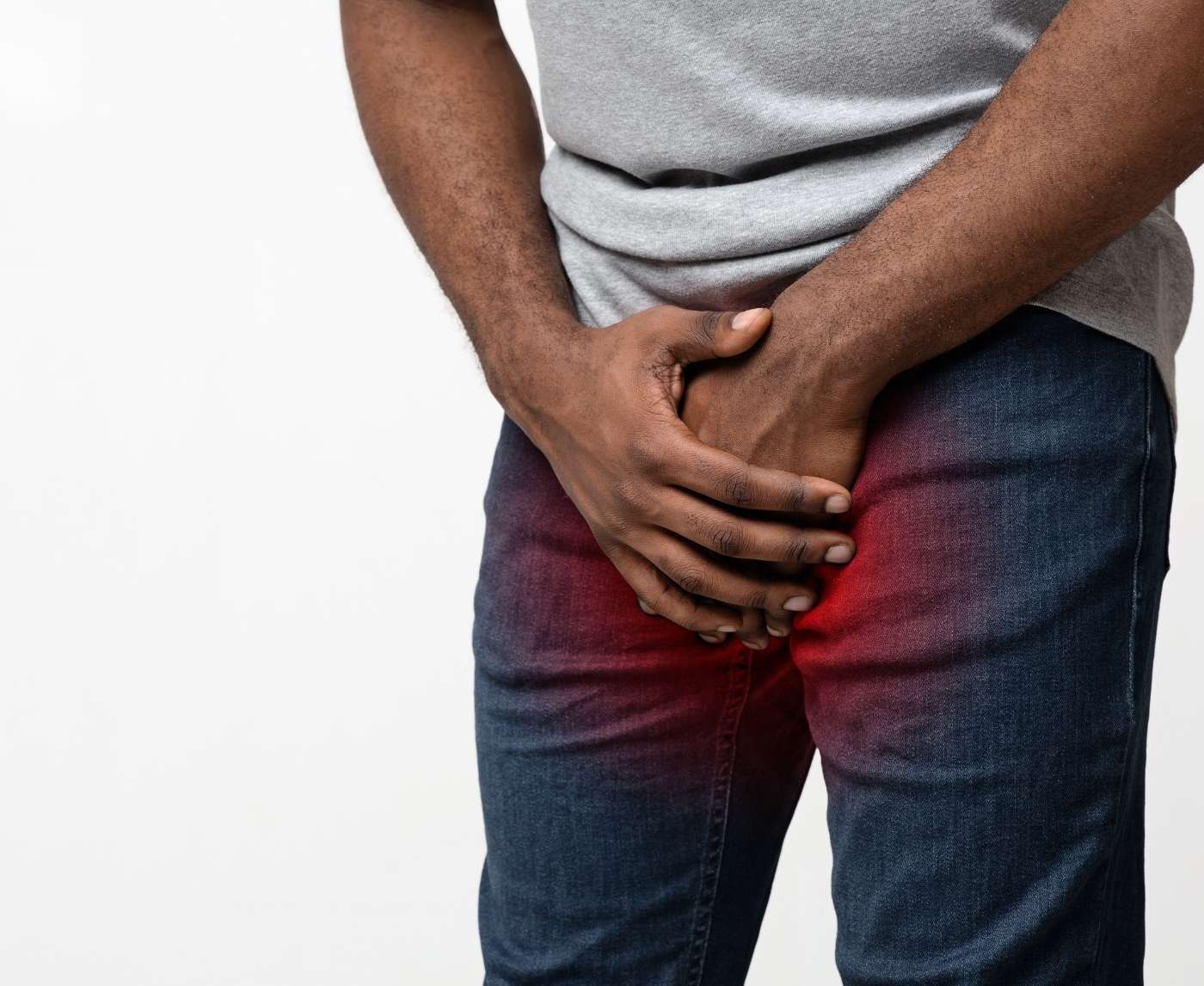

Quick Answer: You can check for testicular infection at home by gently examining for swelling, warmth, tenderness, and position changes in one or both testicles, especially after recent sex, illness, or injury. But home checks can't confirm diagnosis. If symptoms last more than 2 days or worsen, medical testing is essential.
This Guide Is for Anyone Who’s Asking “What If?”
This is for the guy who just hooked up and now notices something off. For the college student who can't get into student health for four days. For the trans man who avoids clinics because of dysphoria. For the solo traveler, the anxious Googler, and the person who’s been quietly dealing with pain in one testicle for days and hoping it just goes away. If you’re wondering if you can check for a testicular infection yourself, this guide walks you through what to look for, what not to assume, and how to handle the next steps with clarity, not shame.
Whether the cause is an STD, a bacterial infection, or something else entirely, knowing how to assess symptoms at home can give you back some control. We’re not here to replace medical care, we’re here to help you bridge the gap between "I noticed something weird" and "I’m ready to get answers."
Why Your Testicle Might Hurt, and What Could Be Going On
Let’s start with a tough truth: testicle pain isn’t always about sex. And it’s not always an infection. But when it is, two common culprits come up, epididymitis and orchitis. These are infections of either the epididymis (a coiled tube behind the testicle) or the testicle itself. Sometimes they come together. Sometimes they’re triggered by a bacterial STD like chlamydia or gonorrhea. Sometimes they show up after a UTI, a viral illness, or even prolonged sitting or heavy lifting. The pain can range from dull and achy to sudden and sharp. Swelling is common. So is warmth, redness, or tenderness when touched.
Here’s the thing, though: not every ache down there means infection. And not every infection means you’ll have dramatic symptoms. That’s where a mindful home check comes in, to help you tell what’s normal for your body, what’s changed, and what deserves a follow-up test.
People are also reading: Burning, Spotting, or Nothing at All: Chlamydia’s Most Missed Signs
At-Home Self-Check: What You Can, and Can’t, Do
Imagine standing in front of the mirror after a shower. You’re naked, towel on the rack, and your hands hover for a moment before you start. This is your testicle self-check, not for cancer this time, but for infection. You’re checking for temperature, tenderness, shape, and symmetry.
Begin by using both hands to cradle your testicles. They should hang with the left one typically lower. Feel for any sudden swelling on one side, or if one feels firmer or warmer than usual. Lightly roll each testicle between your thumb and fingers. Pain isn’t diagnostic, but if it’s localized to the back of the testicle and feels sore like a bruise, that could point to inflammation of the epididymis. If the whole testicle feels heavy or has a deep ache, that could be a sign of orchitis. Now, take note of any redness, changes in skin temperature, or a pulling sensation in the groin.
Don’t rush this. Breathe. This is your body. What you’re doing is care, not fear, not overreaction. Just care.
Check Your STD Status in Minutes
Test at Home with Remedium7-in-1 STD Test Kit

 For Men & Women
 Results in Minutes
 No Lab Needed
 Private & Discreet
Order Now $129.00 $343.00
For all 7 tests
Symptoms That May Point to Infection vs. Something Else
A testicle infection doesn’t always scream with symptoms. But there are some patterns that tend to show up, and knowing what they are can help you separate "probably fine" from "might need help."
| Symptom | More Likely Infection | Could Be Non-Infectious |
|---|---|---|
| Swelling in one testicle | Yes, especially with pain and warmth | Possible varicocele, torsion, trauma |
| Sudden severe pain | Sometimes, but more common with torsion (emergency) | Yes, needs urgent care if sharp and fast onset |
| Pain after sex or ejaculation | Yes, often linked to epididymitis | Could also be prostate-related or friction |
| Fever or chills | Yes, signals systemic infection | No |
| Discharge or pain during urination | Common with STD-linked epididymitis | Rare if not infection |
Table 1. How common symptoms align with infection vs other causes of testicular pain.
It’s important to note that while testicular torsion is rare, it can mimic infection and needs immediate medical care. If the pain is sudden, severe, and the testicle is high-riding or flipped, don’t wait, go to urgent care or the ER.
Micro-Scene: Jacob’s 3-Day Wait and the Home Clues He Missed
Jacob, 29, noticed the discomfort after a weekend camping trip with his partner. They’d had unprotected sex. He chalked the dull ache up to hiking strain. But by day two, it wasn’t just sore, it was swollen. Warm to the touch. He told himself it was probably nothing. On day three, a slight fever started. His groin felt tight. He Googled “testicle infection home check” and realized most signs matched epididymitis. He saw a walk-in provider that afternoon. Swabbed, tested, treated. Positive for chlamydia. His partner tested, too. They got answers, and a reminder that waiting can make things worse, not clearer.
Self-checks don’t replace real diagnosis. But they can give you the nudge you need. Jacob’s story isn’t rare. Knowing what to look for gives your body a voice before a provider ever steps in.
STD or Not? Why the Cause of Infection Matters for Next Steps
If you’re sexually active, especially if you’ve had recent unprotected sex, one of the most common causes of testicular infection is an undiagnosed STD. Specifically, chlamydia and gonorrhea can travel upward from the urethra, causing inflammation in the epididymis. But you can also develop epididymitis from urinary tract infections, prostate infections, or even prolonged pressure from biking or sitting. Orchitis, on the other hand, can show up after a viral illness like mumps. That’s right, mumps, the childhood disease, is still around and can hit the testicles in adults who never got fully vaccinated.
So if you’re doing a home check, context matters. Did you recently have a new partner? Were there symptoms of burning when you peed? Do you feel generally run-down or feverish? Has there been trauma, like getting hit or intense exercise? These details help point the arrow toward what's likely and what needs testing.
The tricky part? Only a proper lab test, usually a urine sample and maybe a urethral swab, can confirm the exact cause. And while rapid STD tests can offer clues, deeper infections often need clinic-based testing or antibiotic response tracking to fully diagnose.
Home Treatment vs. Dangerous Delay: Where’s the Line?
It’s tempting to tough it out. Maybe pop some ibuprofen, sit in a warm bath, or wear tighter briefs for “support.” And to be fair, some people with very mild symptoms do get better on their own. But here’s what the research and clinical guidance say: if it’s a bacterial infection (which it often is), antibiotics are required. No herb, bath, or vitamin will fully knock it out.
Delaying treatment risks the infection spreading to the other testicle, causing fertility issues, or even damaging the epididymis permanently. Some guys end up with chronic pain because they waited too long, convinced they were just sore from sex. We’re not here to scare you, but we are here to tell the truth: the line between “it might resolve” and “you might regret waiting” is blurry, and most providers would rather you come in early than risk it.
If you have swelling, pain, or fever that lasts longer than 48 hours, or gets worse, that’s your sign. No more waiting. No more hoping it just goes away.
Let’s Talk Testing: What You Can Do From Home (And What You Can’t)
You can’t test directly for epididymitis or orchitis at home, but you can test for their most common triggers. At-home STD kits like the Combo STD Test Kit detect infections like chlamydia, gonorrhea, and trichomoniasis that can spark inflammation in the testicles. A urine-based test can be taken discreetly, mailed to a lab, and results returned within days. These kits don’t diagnose “testicle infection” outright, but if they come back positive and you have pain or swelling, you’ve likely found the cause.
In cases where you’ve ruled out STDs but still have symptoms, in-person care is the next step. A provider may order a scrotal ultrasound to rule out torsion or hernia, or prescribe broad-spectrum antibiotics if signs point to bacterial infection. Some home-care sites try to market anti-inflammatory remedies or herbal kits, but none are FDA approved to treat infections of this type.
If your symptoms started right after a known exposure, or you're dealing with persistent pain and uncertainty, don’t wait. Your privacy is protected, your body deserves clarity, and discreet test options exist for a reason. Visit STD Rapid Test Kits to get started with confidential at-home testing that screens for the top causes of testicle infection.
Timing Matters: When to Test, Retest, or Seek Urgent Help
Think of your infection risk timeline like a movie, every scene matters. If it’s been less than 7 days since a possible exposure (like unprotected sex), most STDs might not show up yet on a test. But if it’s been 10 to 14 days, that’s your sweet spot for accuracy. Testing earlier is okay, but only if you’re open to retesting again a week or two later if symptoms persist or results are negative. Here’s how the timeline usually plays out:
| Time Since Exposure | What Testing Can Show | Recommended Action |
|---|---|---|
| 0–5 days | Too early for most STD detection | Monitor symptoms, retest later |
| 6–13 days | Some STDs detectable (chlamydia, gonorrhea) | Test now and plan a follow-up if needed |
| 14+ days | Peak window for accuracy | Test immediately, especially with symptoms |
| Ongoing symptoms despite negative test | Could be false negative or non-STD cause | See a provider for imaging and full evaluation |
Table 2. How long after exposure to test for STD-related testicle infections.
If you’re experiencing severe pain, visible redness, nausea, or vomiting, don’t wait for test results. Go to urgent care. The risk of torsion or another emergency is low, but not zero. When in doubt, err on the side of protecting your future fertility and peace of mind.
Sexual Shame and Medical Avoidance: Why So Many Delay Care
Let’s name the elephant: it’s hard to talk about testicle problems. Whether you were raised to “man up,” avoid doctors, or feel embarrassed talking about genitals, those beliefs linger, and they delay care. It's not surprising that people often ignore testicle pain until it gets too bad because of things like not trusting doctors, LGBTQ+ stigma, racial disparities in healthcare, or bad past experiences.
But infections don’t care about shame. They don’t wait for you to feel emotionally ready. They don’t pause because you’re in between jobs or partners. This is why at-home testing exists. Why trauma-informed care matters. And why this article doesn’t start with “go see your doctor”, it starts with how to take control when you’re scared or unsure.
You deserve answers that don’t humiliate you. You deserve treatment that doesn’t make you feel small. Whether you’re queer, straight, trans, or questioning, your testicles, and your health, matter. Pain is your body asking for help. Listening is not weakness. It’s wisdom.

People are also reading: HIV Rapid Test vs Lab Test: What’s More Accurate and When?
Fictional Case Study: Darius and the Misread Signal
Darius, 24, had a busy week. New job. New partner. Condom slipped during sex, but he thought little of it. A few days later, his right testicle started to ache. Not sharp, more like pressure. No fever. No discharge. He figured it was anxiety. By day six, the ache was worse, and the testicle looked a little fuller. Still, he didn’t want to go to urgent care. “They’ll just tell me it’s nothing,” he told himself. He searched Reddit, then Google. Found this article. Ordered a Combo STD Test Kit and waited two days for delivery.
The results came back positive for chlamydia. That same day, the pressure had moved to his lower back. Darius called a telehealth clinic, got antibiotics, and let his partner know. They were upset, but relieved to know early. “I thought ignoring it made me stronger,” he later said. “But knowing early gave me options.”
Darius’ story isn’t rare. Ignoring early testicular infection signs because they aren’t dramatic is common, and so is catching it too late. Early check-ins give you time to act without panic.
Check Your STD Status in Minutes
Test at Home with Remedium8-in-1 STD Test Kit
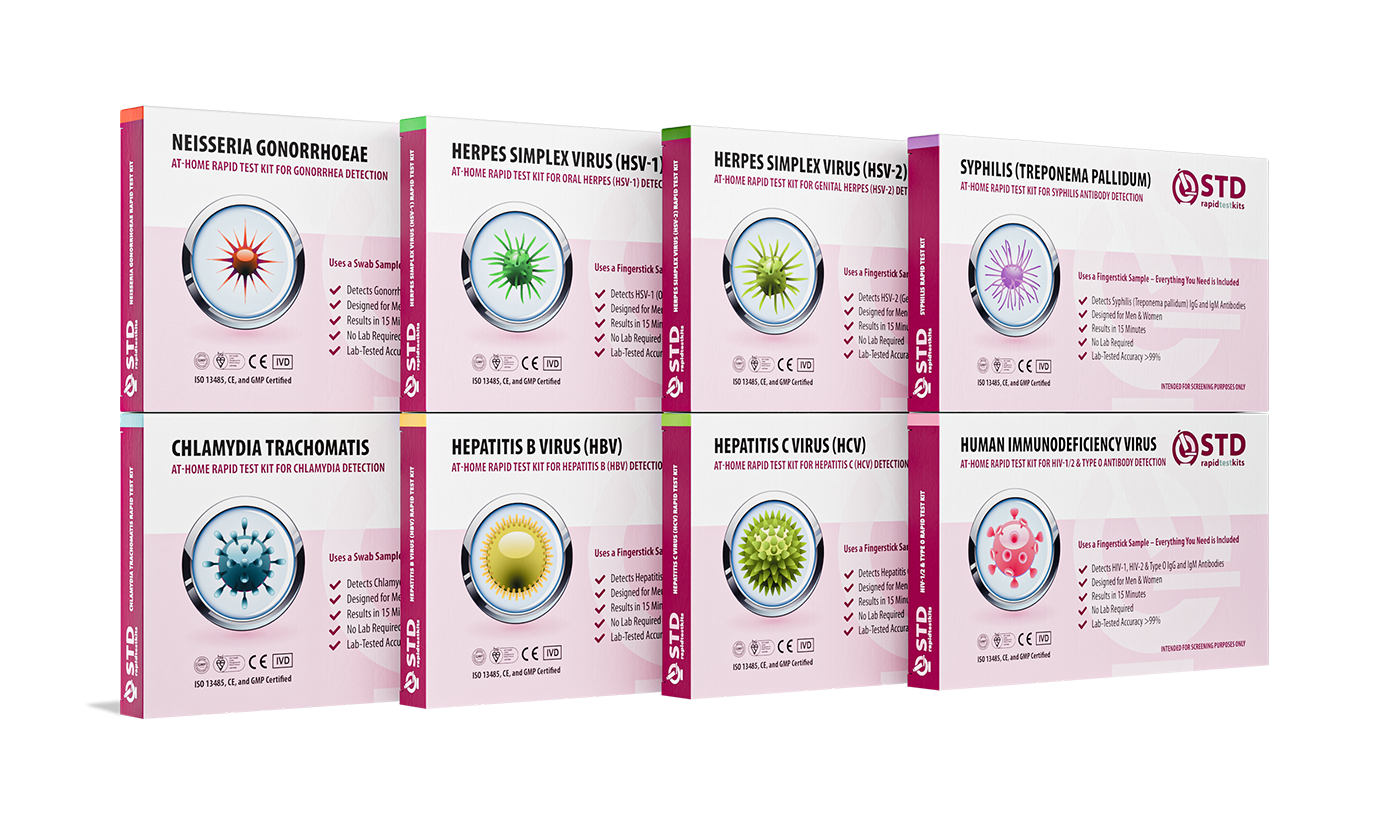 For Men & WomenResults in MinutesNo Lab NeededPrivate & Discreet
Order Now $149.00 $392.00
For all 8 tests
Retesting After Treatment: What You Need to Know
If you’re diagnosed with a testicle-related infection like epididymitis due to an STD, you’ll likely be prescribed antibiotics. But here’s what many people don’t realize: symptoms may fade fast, but the infection can linger, or return. That’s why retesting is often recommended about three weeks after finishing treatment. This isn’t about judgment. It’s about making sure the antibiotics worked and that reinfection hasn’t happened, especially if your partner wasn’t treated at the same time.
In some cases, residual discomfort may last a few weeks, even after the infection is gone. This doesn’t mean treatment failed. It means the body’s tissues are still healing. If you’re unsure, retesting gives peace of mind. And if you’re sexually active with multiple partners, regular testing, every three to six months, is a smart, nonjudgmental way to protect your health and theirs.
Ready to stop guessing and start knowing? Explore our discreet test kits here and take control of your health from home.
FAQs
1. Can I really tell if it’s a testicular infection without going to a clinic?
Not 100%, no, but you can get pretty good clues. If one testicle is swollen, sore to the touch, feels warm, or aches deep in your groin, especially after a recent hookup or illness, it could absolutely be an infection. But to know what’s going on, you’ll need a test. Think of a self-check like checking the weather outside before deciding to grab an umbrella. Helpful, but not the whole forecast.
2. There’s pain in just one testicle, is that normal?
It’s actually really common. Most testicular infections like epididymitis start on one side. Sometimes it stays that way. Sometimes it spreads. If the pain is sharp and sudden, get checked ASAP, it could be torsion, which needs immediate attention. But if it builds slowly over a day or two and feels achy, that’s more of a classic infection vibe.
3. I had unprotected sex last week, now my testicle hurts. Is that a coincidence?
It might be. But it also might not be. Chlamydia and gonorrhea can travel from the urethra into the epididymis, causing swelling and pain. Sometimes the testicle discomfort shows up before any obvious discharge. If that timing lines up, don’t brush it off. A home STD test can tell you what your body already suspects.
4. I checked myself. No swelling, but it still aches. Am I overreacting?
You’re not overreacting, you’re paying attention. Not all infections cause visible swelling, especially early on. The fact that you noticed pain is enough reason to keep an eye on it. If it gets worse, lasts more than a couple of days, or is paired with other symptoms like fever or weird urination, it’s time to test or call in backup.
5. What’s the difference between testicular torsion and infection pain?
Think speed and severity. Torsion pain hits fast, hard, and often with nausea. It’s like a gut punch to the groin. Pain from an infection builds up more slowly and feels more like pressure or a deep ache. It usually comes with swelling or tenderness. If you’re not sure, play it safe. Torsion needs emergency care now, not a wait-and-see approach.
6. Can I still have sex if I think I have a testicle infection?
Best answer? Probably not. If there’s even a chance it’s an STD-triggered infection, having sex could pass it on. And even if it’s not infectious, pressure from sex could make it worse. Pause. Heal. Get clear on what’s happening. You’ll enjoy it more when you’re not worried about spreading something, or hurting yourself.
7. What if I take antibiotics on my own and the pain goes away?
It might feel better, sure, but that doesn’t mean you’ve fully treated it. Some infections need a specific type of antibiotic or a longer course. Self-medicating can mask symptoms without solving the problem. And if you got the meds from an old stash or a friend? You could be doing more harm than good. Real testing gives you real answers.
8. I’m scared to go to a clinic. Can I handle this entirely from home?
You can handle a lot from home, like testing for chlamydia or gonorrhea, which are the usual suspects. But if pain keeps building or new symptoms pop up, getting an actual diagnosis might still be necessary. No shame in that. Start with an at-home STD kit, and let the results guide you. One step at a time.
9. How long do testicular infections usually last?
With treatment? A few days to a week for symptoms to ease. Without treatment? Could drag on for weeks, and that’s when complications kick in. Some folks end up with permanent discomfort because they waited too long. Not trying to scare you, just keeping it real. The sooner you act, the faster you heal.
10. Will anyone know if I order an STD test for this?
Only you. Kits ship discreetly, no screaming labels or awkward packaging. Results are confidential. You’re in control the entire time. So no, your roommate, mail carrier, or grandma won’t know what’s in the box unless you tell them. And that privacy? It’s your right, not a luxury.
You’re Not Overreacting, You’re Protecting Your Health
If your testicle hurts, your body is sending a signal. You’re not being dramatic. You’re not weak for checking. You’re being smart. Infection doesn’t care about how “minor” the symptoms feel. It only cares about time. The sooner you check, the sooner you know. And the sooner you know, the sooner you heal.
Don’t wait and wonder, get the clarity you deserve. This at-home combo test kit checks for the most common STDs discreetly and quickly.
How We Sourced This Article: We combined current guidance from leading medical organizations with peer-reviewed research and lived-experience reporting to make this guide practical, compassionate, and accurate.
Sources
1. CDC: Epididymitis and Orchitis Clinical Overview
2. Healthline: Epididymitis Causes, Symptoms, and Diagnosis
3. CDC: Epididymitis — STI Treatment Guidelines
4. Mayo Clinic: Epididymitis — Symptoms and Causes
5. Mayo Clinic: Epididymitis — Diagnosis and Treatment
6. Mayo Clinic: Orchitis — Symptoms and Causes
7. Cleveland Clinic: Epididymitis — Causes, Symptoms, Diagnosis & Treatment
8. Cleveland Clinic: Testicular Pain — Causes, Sides, Diagnosis & Treatment
9. NIH/NCBI Bookshelf: Epididymitis Overview (StatPearls)
10. NHS: Epididymitis — Symptoms, Causes, and When to See a Doctor
About the Author
Dr. F. David, MD is a board-certified infectious disease specialist focused on STI prevention, diagnosis, and treatment. He blends clinical precision with a no-nonsense, sex-positive approach and is committed to expanding access for readers in both urban and off-grid settings.
Reviewed by: J. Lin, FNP-C | Last medically reviewed: December 2025
This article is for information only and should not be taken as medical advice.


