






Quick Answer: The HPV window period can range from a few weeks to several months. A negative result within 21 days of exposure may be falsely reassuring. Most experts recommend waiting at least 6 weeks to 3 months for peak accuracy, especially for DNA-based tests.
Why This Matters: Real People, Real Confusion
HPV isn't always symptomatic, and that's part of the problem. You could carry it for months without a single wart or abnormal cell change, and pass it to someone else without realizing. The virus is stealthy, especially the high-risk types linked to cervical cancer. Even people who test regularly can feel blindsided when a test finally comes back positive months after exposure.
Take Jordan, for example. He’d never had any visible signs of HPV and assumed he was fine. His girlfriend tested positive during a routine screening, and he got tested too, negative. But six months later, he started developing small, flat growths near the base of his penis. His follow-up test was positive. “I thought I was safe,” he said. “I wish someone had told me it could take that long to show up.”
This article is for anyone who's confused, anxious, or just plain tired of mixed messages. Whether you’re dealing with a fresh hookup, a past relationship, or a “wait, what?” moment after a doctor visit, we’re breaking down the real timeline of HPV testing, the limits of accuracy, and how to make decisions that protect both you and your partners.
What the HPV Test Actually Looks For
To understand why the timing matters so much, you first need to know what the HPV test is detecting, and how that process can miss infections early on. There are two main types of HPV tests:
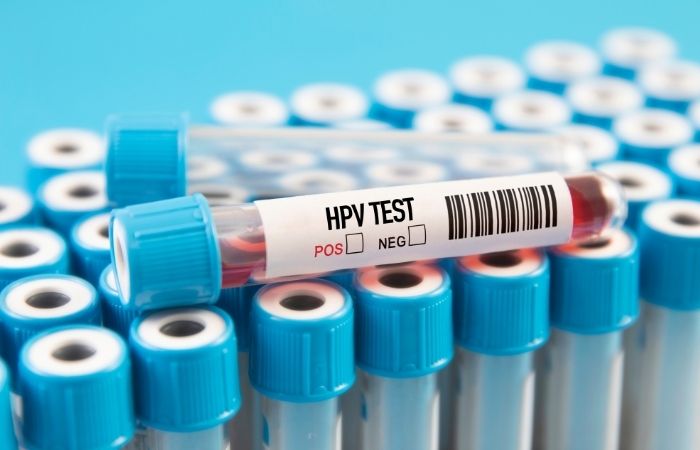
The first is the HPV DNA test, usually performed during a cervical screening (Pap smear) for people with a cervix. This test looks for genetic material from high-risk HPV strains that can lead to cervical cancer. It doesn't test for low-risk types like those that cause warts.
The second is a visual inspection or swab test for genital warts. These can be done by a clinician or at home, but they only detect HPV if visible symptoms are already present. In men and non-cervix owners, there is currently no FDA-approved routine test for HPV, which adds another layer of complexity.
At-home testing options have improved in recent years. Some now allow for self-collected vaginal swabs that are mailed to a lab for DNA analysis. But even these aren’t immune to timing issues. Like all STD tests, accuracy depends on when the virus was acquired and how long it’s had to replicate to detectable levels.
People are also reading: What If You Test Too Early for Hepatitis B? The Window Period Explained
Window Period vs Incubation: Why the Test Might Miss It
There’s a critical difference between incubation and window period, and when it comes to HPV, that difference matters. The incubation period is the time it takes for the virus to start making you sick after you come into contact with it. The window period is the time it takes for a test to find it. For HPV, these two don’t always line up neatly.
Most people exposed to HPV won’t show symptoms right away, if ever. But the virus could still be there, quietly embedding itself in epithelial cells. Because of this sneaky behavior, testing too soon after being exposed can give a false negative, even if the virus is present.
Here's how this typically plays out:
| HPV Test Type | Typical Window Period | When Accuracy Peaks |
|---|---|---|
| HPV DNA Test (Cervical Swab) | 2–12 weeks | 6–12 weeks after exposure |
| HPV Self-Collected Vaginal Swab (Lab Test) | 2–10 weeks | 8–12 weeks |
| HPV Visual Inspection (Warts) | 1–8 months | Only once symptoms appear |
Table 1. Estimated HPV window periods by test type. Timing may vary based on individual immune response and test sensitivity.
Testing within the first three weeks of exposure, especially with DNA-based screening, can return a false negative because the virus hasn’t replicated enough to be picked up by the assay. That doesn’t mean you're safe, it just means it’s too soon to know for sure.
And unlike other infections where symptoms show up early (like painful urination with gonorrhea), HPV can simmer silently. That silence is exactly what makes the window period so tricky.
Check Your STD Status in Minutes
Test at Home with Remedium6-in-1 STD Test Kit
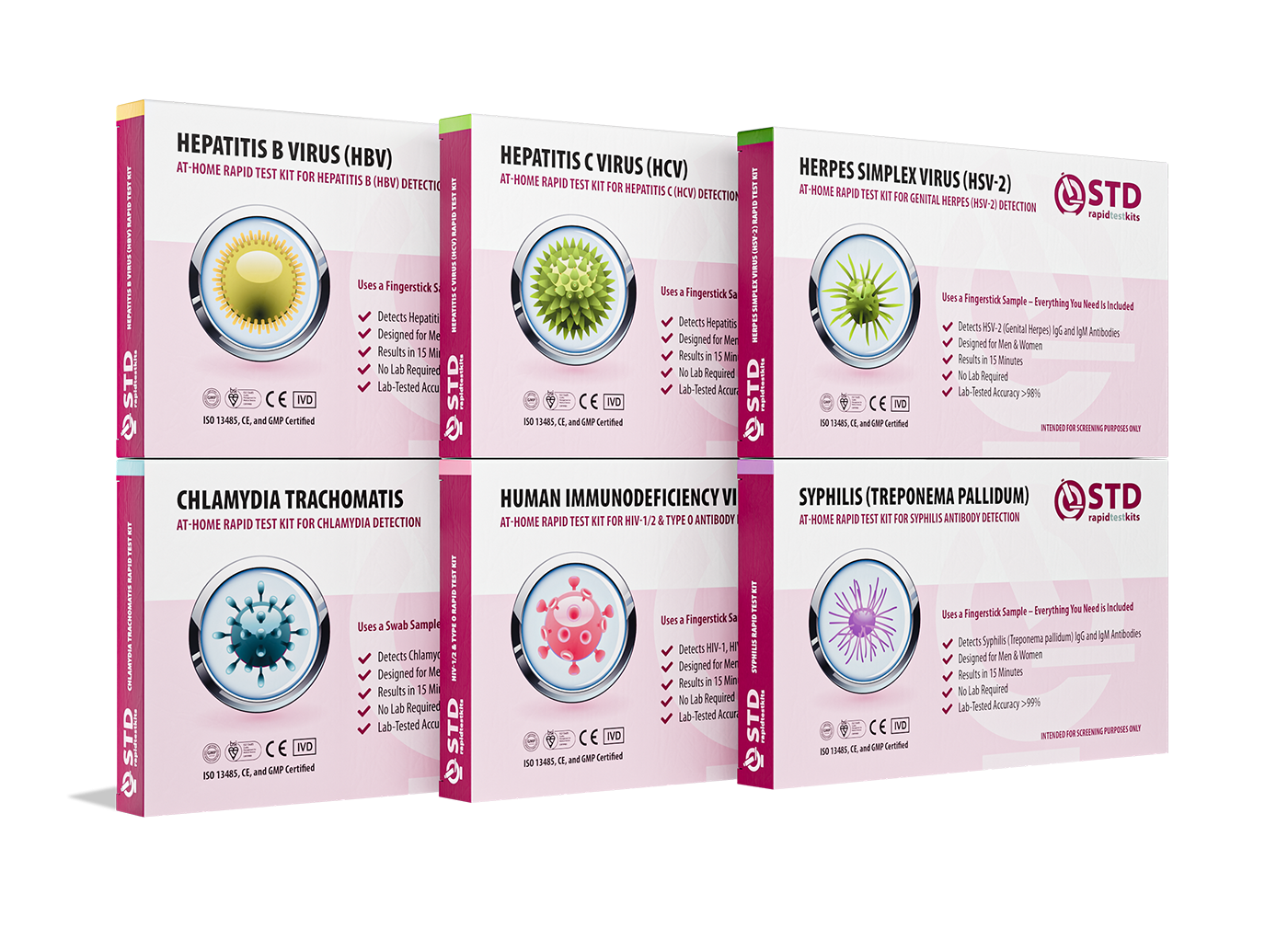
 For Men & Women
 Results in Minutes
 No Lab Needed
 Private & Discreet
Order Now $119.00 $294.00
For all 6 tests
Why False Negatives Happen More Than You Think
One of the most frustrating realities of HPV testing is how often it can miss an active infection. False negatives happen more often than most people realize, and they’re not always due to testing too early. Even after the window period, you might still get a negative result if the virus isn’t shedding enough cells, if the swab misses the infected area, or if the sample is degraded during transport.
Let’s break that down. Imagine someone who had a new partner two months ago. She uses an at-home HPV test with a self-collected vaginal swab. She follows the instructions but isn’t sure if she inserted the swab far enough or rotated it correctly. Her test comes back negative, and she breathes a sigh of relief. But a month later, her doctor does a Pap smear that flags high-grade changes, and a follow-up DNA test confirms HPV16, one of the most high-risk strains.
This isn’t rare. In fact, studies show that self-collected samples can have up to a 15% lower detection rate than clinician-collected ones, especially for early infections. That doesn’t mean at-home testing isn’t useful, it’s an incredible tool for access and privacy. But knowing the limits can help you decide whether or not to get more tests, especially if you are in a high-risk situation.
At Home vs Clinic Testing: Is One More Reliable?
Let’s say you’re weighing your options. You don’t want to go into a clinic because you’re worried about cost, embarrassment, or logistics. You’re looking at two paths: a mail-in HPV DNA test you can do from home, or scheduling a cervical screen with your OB-GYN. Both can give you answers, but they don’t have the same reliability, especially when timing is involved.
Here’s how they compare:
| Method | Sample Collection | Accuracy | Best Fit For |
|---|---|---|---|
| At-Home HPV Test (Mail-In) | Self-collected vaginal swab | Moderate–High (sensitivity varies) | Discreet screening with flexible timing |
| Clinic-Based HPV DNA Test | Clinician-collected cervical swab | High (especially for high-risk types) | Routine screening, symptom follow-up |
| Pap Smear with HPV Co-Testing | Clinician-collected cervical cells | Very High (detects cell changes + virus) | People over 30, routine annual exams |
Table 2. HPV testing methods and their typical use cases. Reliability varies depending on collection quality and timing since exposure.
If privacy is your top concern, an at-home test may be the best first step. But if your test is negative and you’re still worried, or if you’re experiencing symptoms like bumps or bleeding, don’t stop there. Clinic-based testing or co-testing with a Pap smear offers the most accurate picture, especially if it's been over 8 weeks since potential exposure.
And for people without a cervix? It gets trickier. Since there’s no approved HPV test for penile tissue, anal swabs, or oral infections outside of research settings, diagnosis often relies on visible symptoms or testing of a partner. This gap in testing leaves many people unsure, and that’s why communication and timing matter so much more.
When You Should Retest (And Why It Matters)
Here’s a situation that plays out all the time. Someone gets a negative HPV result two weeks after an unprotected hookup. They relax. No symptoms. No warts. But six weeks later, a partner discloses they just tested positive for HPV16. Now what?
This is where retesting strategy comes in. If your first test was within three weeks of exposure, you tested during what’s often called the “gray zone.” That’s the period where the virus may be present but not yet detectable. Experts recommend waiting at least 6–12 weeks for more accurate HPV results, especially for DNA-based screening. And if you’re still negative after 12 weeks, but symptoms arise later? Retest again.
Retesting also matters if you’ve had multiple new partners or your partner's HPV status is unknown. The immune system can suppress HPV temporarily, and detection may depend on your body’s viral load at the time of testing. A negative result doesn’t always mean the infection is gone, it might just be below detection limits.
If you’re monitoring cell changes from a previous Pap smear, your doctor might suggest retesting every 6–12 months to track progression. And if you're pregnant, have a weakened immune system, or are undergoing treatment for another condition, your testing timeline might be different altogether. Talk to a provider about customizing your plan, or use a private option to keep tabs from home.
Whether it’s for peace of mind or prevention, retesting gives you control. You’re not being paranoid, you’re being proactive.
If your head keeps spinning and you just need a clear answer, peace of mind is one test away. Discreet, lab-verified HPV tests are available without the wait, the judgment, or the appointment calendar chaos.
What If You Test Positive, Or Suspect You’re Still At Risk?
Let’s rewind to Morgan. The bump turned out to be nothing, but the scare prompted her to ask her doctor for a full screen. This time, her HPV test came back positive for a high-risk strain. She hadn’t had any new partners since her negative test six weeks earlier, and suddenly she felt betrayed by her body, her test, and the confusing messages around it all.
Testing positive for HPV can feel like your stomach just dropped through the floor. But here’s what needs to be said: it doesn’t mean you were reckless. It doesn’t mean you’re dirty. It means you’ve encountered one of the most common human viruses on the planet, and now, you have the opportunity to do something about it.
The first step is confirming the result and understanding what it means. Was the test detecting a high-risk strain? Are there any abnormal cell changes? Is a follow-up Pap smear or colposcopy needed? Often, the answer is: not immediately. In many cases, your provider will recommend “watchful waiting” with a retest in 6–12 months, because your immune system can often clear HPV naturally.
If you have genital warts that you can see, your treatment plan may include cryotherapy, prescription creams, or surgery to get rid of them. These can alleviate symptoms and prevent the virus from spreading, but they don't totally eradicate it.
Most importantly: testing positive is not the end of your sex life. It’s the beginning of a new level of awareness. With protection, communication, and smart retesting, you can stay sexually active while protecting others, and yourself, from further complications.
People are also reading: Men Who Pay for Sex: Are They Really More at Risk for STDs?
What About Partners? How to Navigate the Talk
So many readers ask the same thing: “Do I have to tell someone if I tested positive?” The answer depends on the context, and your comfort. If you're in a current sexual relationship, honesty can lead to shared decision-making. If it’s a past hookup, the urgency may vary depending on timing, type of exposure, and whether you’re still in contact.
The reality is, most sexually active people will encounter HPV at some point in their lives. But because it’s rarely discussed openly, the stigma feels sharper. Saying “Hey, I tested positive for HPV. Just wanted to give you a heads-up so you can take care of yourself too,” can be powerful. It’s not a confession, it’s care.
For partners who don’t have a cervix, there’s another challenge: there’s no standard test for them. That means they often rely on symptoms, partner disclosures, or HPV-related complications (like penile warts or anal cell changes) to find out they’ve been exposed.
If your partner wants to get checked, they can still seek clinical advice, especially if they’re immunocompromised or engage in anal sex, where specialized screening might be available. And vaccines, while not retroactive, can still offer protection against future exposure, especially in those under 45.
Check Your STD Status in Minutes
Test at Home with Remedium8-in-1 STD Test Kit
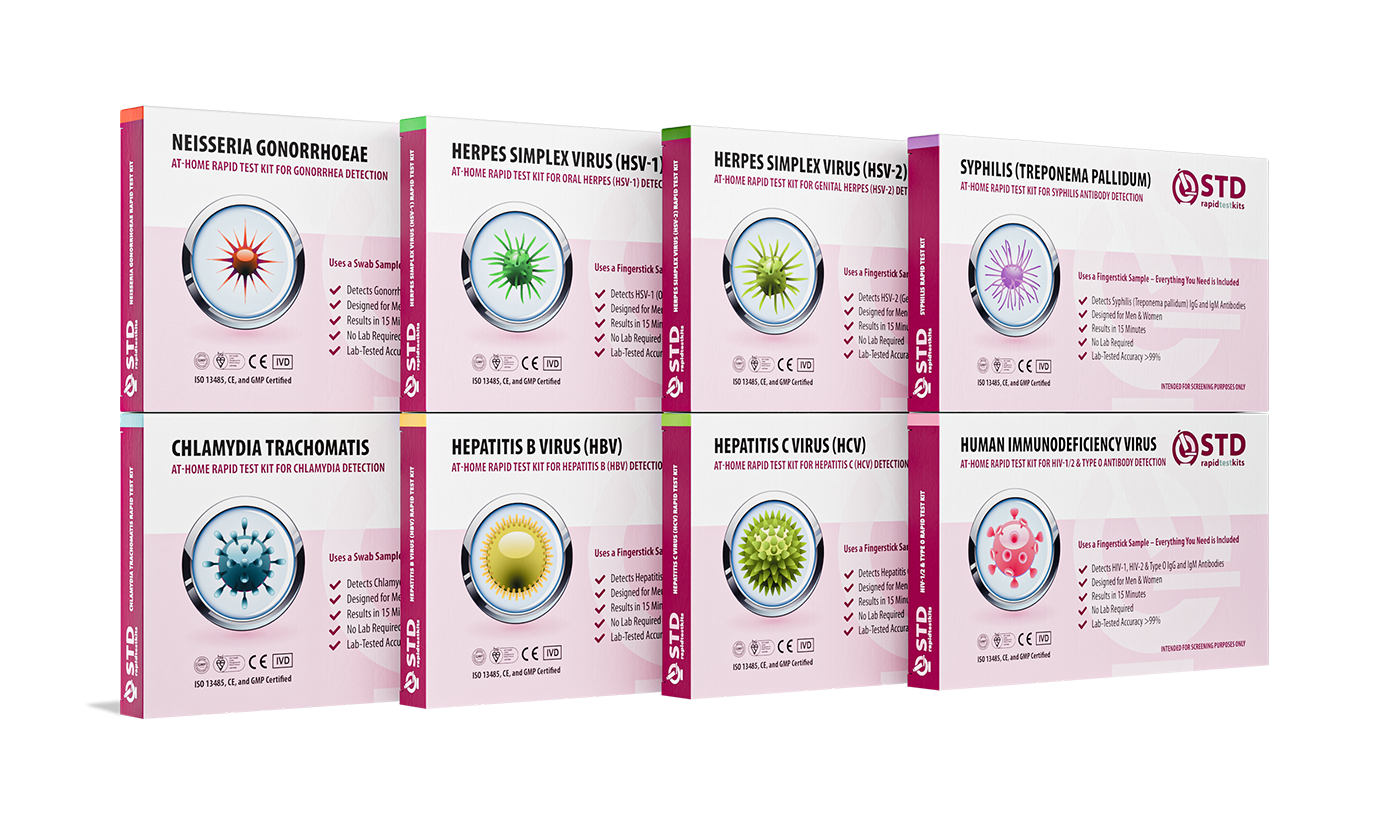 For Men & WomenResults in MinutesNo Lab NeededPrivate & Discreet
Order Now $149.00 $392.00
For all 8 tests
HPV in Men: Why Testing Gaps Still Exist
For people without a cervix, HPV can feel like a black box. There’s no throat swab for oral HPV in routine use. No standard anal swab unless you're in a specific high-risk category. And no penile swab with FDA approval for general screening. This means men and nonbinary people are often left in the dark, unless a partner tests positive, or symptoms appear.
That doesn’t mean they’re safe. It just means the tools to detect infection aren’t as widespread. Genital warts can appear weeks to months after exposure, or not at all. And high-risk HPV can persist without visible symptoms, potentially contributing to penile, anal, or throat cancers over time.
Here’s where advocacy matters. If you or your partner suspect exposure, talk to a provider about anal Pap testing (especially for MSM or immunocompromised patients), visual exams, or risk counseling. While we wait for better screening tools, awareness is your best defense.
And if you're using an at-home test to check your status or your partner’s, just know its limits. If the result is negative but exposure was recent, or you have symptoms later, follow up. One test isn’t the full story. It’s just one chapter.
FAQs
1. Can I test negative for HPV and still have it?
Yep, and it sucks, but it’s true. HPV can hang out in your body quietly for weeks before it shows up on a test. If you test too soon after exposure (like within 2–3 weeks), the result might come back negative even though the virus is already there, just not detectable yet. That’s why retesting later can be a game changer.
2. How long after sex does HPV show up on a test?
Most people need to wait at least 6 to 12 weeks after potential exposure to get a reliable result. Some folks might catch it a little earlier, but testing too soon can lead to false reassurance. Think of it like checking for a plant sprouting from a seed, too early, and nothing’s visible, even though it’s growing underground.
3. Is the at-home HPV test actually legit?
It can be! At-home HPV tests that go to a real lab (not just instant results) are surprisingly accurate, especially if you follow the instructions carefully. But let’s be real: swabbing your own cervix isn’t the easiest task in the world. If your test came back negative but something still feels off, a clinic-collected test might be your next best move.
4. What is the difference between an HPV test and a Pap smear?
Think of it this way: a Pap looks at what HPV might have done (like cellular changes), while the HPV test looks for the virus itself. Both matter. Some tests even do both at once, especially for folks over 30. Together, they give a more complete picture of what’s going on down there.
5. Can guys get tested for HPV?
Unfortunately, not really. There’s no routine HPV test for people without a cervix. No easy swab for penises, no oral rinse you can grab at a pharmacy. Men often find out through partner notification, or when symptoms like genital warts appear. It’s a massive gap, and yes, it’s frustrating. But you can still talk to a provider about risks or get a visual check-up.
6. If I tested negative, should I still test again?
Depends on when you tested. If it was right after a new hookup, and it’s only been a couple weeks, then yes, retest after the 6–12 week mark. Think of the first test as a snapshot, and the second one as the full video. If symptoms pop up or your partner tests positive, definitely test again, no matter what your last result said.
7. Does a negative test mean I’m not contagious?
Not necessarily. Even if HPV isn’t showing up on the test, it could still be lurking under the radar. People can carry and transmit HPV without ever knowing they have it. That’s one reason the virus spreads so easily, because people think they’re in the clear when they’re not.
8. How long can HPV just… hide?
Months. Years, even. HPV can stay dormant without symptoms, then suddenly flare up after stress, illness, or just random immune shifts. So when someone says “I haven’t had sex in years, how did I just get HPV?” the answer is often: you didn’t. You’ve had it. It just got loud now.
9. Can my body get rid of HPV on its own?
In many cases, yes. Your immune system is a rockstar. Most people clear HPV within 1–2 years without treatment. But some high-risk types stick around, which is why routine testing (and follow-ups if needed) really matter. Just because it’s common doesn’t mean it should be ignored.
10. If I have HPV, can I still have sex?
Of course. With honesty, protection, and some awareness, sex is still totally on the table. You might want to use condoms or dental dams, tell partners when you’re ready, and space out your testing. Many people continue their sex lives with HPV, it’s about management, not abstinence or shame.
You Deserve Answers, Not Assumptions
If you’ve ever stared at a negative HPV result and still felt unsure, you’re not paranoid, you’re paying attention. The reality is that HPV doesn’t always show up when you want it to. And testing negative doesn’t erase the questions, the exposure, or the very real emotions that come with navigating your sexual health.
You’re not alone. Every day, people just like you are stuck in the waiting game, not knowing what to do. That space can be scary, but it can also give you power. Knowing the limits of a test helps you get ready for what comes next.
Don’t wait and wonder, get the clarity you deserve. This at-home combo test kit quickly and discreetly checks for the most common STDs.
How We Sourced This Article: We combined current guidance from leading medical organizations with peer-reviewed research and lived-experience reporting to make this guide practical, compassionate, and accurate.
Sources
1. CDC – Genital HPV Infection Fact Sheet
2. WHO – HPV and Cervical Cancer
5. Cervical Cancer Screening – CDC
6. Accuracy of Human Papillomavirus (HPV) Testing on Urine and Other Samples – PMC
7. Human Papilloma Virus: A Review Study of Epidemiology and Laboratory Methods – PMC
8. Updated Cervical Cancer Screening Guidelines – ACOG
9. Human Papillomavirus (HPV) Test – MedlinePlus
10. False Negative Results in Cervical Cancer Screening – ResearchGate
About the Author
Dr. F. David, MD is a board-certified infectious disease specialist who works to stop, diagnose, and treat STIs. He combines clinical accuracy with a straightforward, sex-positive attitude and is dedicated to making his work available to readers in both urban and rural areas.
Reviewed by: Dr. Elise Carter, MPH | Last medically reviewed: December 2025
This article is for informational purposes and does not replace medical advice.


