





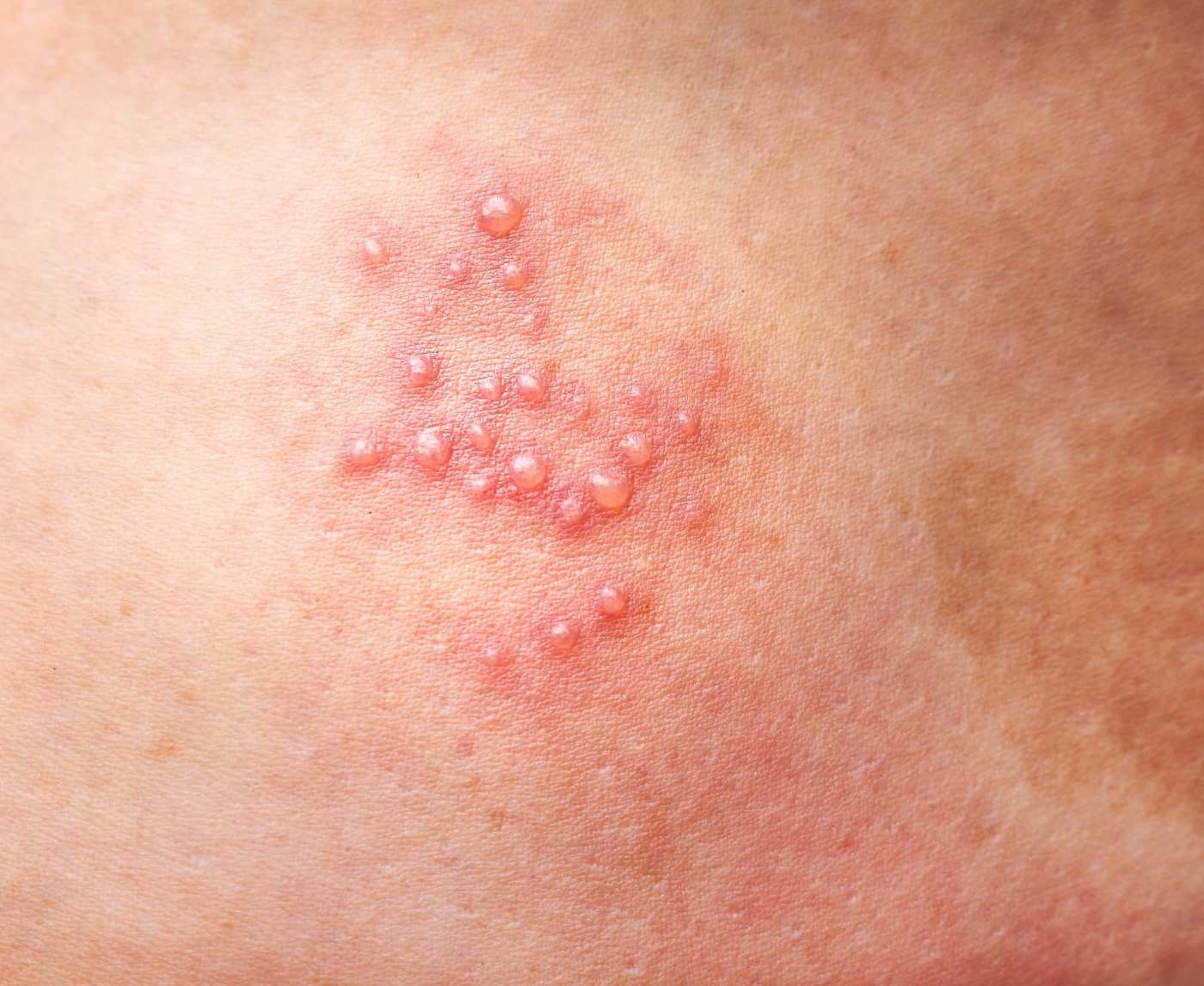

Quick Answer: A single red bump after shaving is often an ingrown hair or folliculitis, but if it blisters, crusts, or recurs in the same spot, it may be herpes. Testing is the only way to know for sure.
Why This Feels So Confusing (And Why You’re Not Alone)
Jasmine, 25, had just come back from a weekend trip with her new partner. Two days later, she noticed a tender bump near her inner thigh, right along the area she had shaved before the trip. “I thought it was a pimple,” she remembers. “But then I Googled it and the pictures of herpes looked way too close.” She waited a week before getting tested. The result? Negative. Just an irritated hair follicle. But the stress left her sleepless for days.
What Jasmine experienced is more common than you think. In fact, dermatologists and STI clinics often see patients who mistake shaving bumps for STDs, and vice versa. Genital skin is sensitive, prone to friction, moisture buildup, and minor trauma, all of which can trigger bumps that look deceptively serious. Yet some herpes outbreaks really do start as a single red dot or a small itchy area, especially in early stages.
This article exists because too many people panic without enough info, or wait too long out of fear. We’ll walk through the most useful ways to tell what's likely, what’s not, and when you should get tested.
What an Ingrown Hair Actually Feels Like (vs. Herpes)
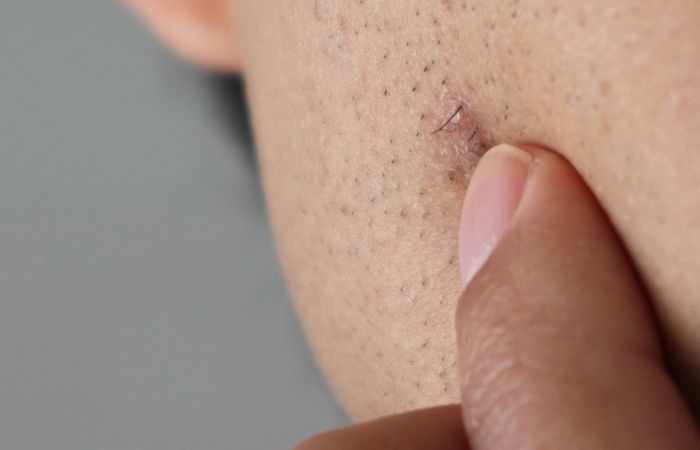
It often starts after shaving, waxing, or tight clothing. Ingrown hairs happen when a hair curls back into the skin instead of growing out, leading to inflammation. It can be painful, itchy, or tender. You might even see a visible hair trapped under the skin or a small whitehead at the center. These bumps tend to stay isolated and improve within a few days. They often resolve on their own, sometimes leaving behind a dark mark but no scab or fluid.
Herpes, on the other hand, is a viral infection caused by HSV-1 or HSV-2. The first outbreak may feel like the flu, with aches and pains in the body or swollen lymph nodes. But sometimes, especially in recurrent cases, it starts as a small area of tingling or burning. A bump may appear, followed by a cluster of blisters that ooze or crust. Not everyone has “textbook” symptoms, though. Many cases are misdiagnosed, or missed entirely.
Here’s where things get tricky: a single herpes lesion can be mistaken for an ingrown hair. And some ingrown hairs get infected, becoming red, swollen, and sore, just like herpes. That's why it helps to understand the subtle differences.
| Feature | Ingrown Hair | Herpes |
|---|---|---|
| Onset | Within 1–2 days of shaving or friction | 2–12 days after exposure or reactivation |
| Pain Level | Mild to moderate tenderness | Can be painful or burning, especially during urination |
| Appearance | Red bump, sometimes with visible hair or pus | Small blister(s), may burst and crust over |
| Healing Time | 3–7 days without scabbing | 7–14 days, may crust or leave a scar |
| Recurrence | Only if shaving continues in same area | Often recurs in same spot |
Table 1: Visual and timing differences between herpes and ingrown hairs.
When in doubt, trust the pattern, not just the look. Herpes tends to come back in the same place. Ingrown hairs show up after mechanical irritation. If you’re unsure, it’s not about guessing harder, it’s about testing smarter.
People are aslo reading: Not Strep, Not a Cold, This Could Be an STD
“It Was Just One Bump”, But It Came Back
Adrian, 32, had never had an STI scare before. He’d shaved his pubic area before a date, and a few days later noticed a small, painful bump that looked like a pimple. “I thought maybe I nicked myself shaving,” he says. “But it went away in five days, and then came back a month later, in the same exact spot.” That second time, he got tested. The result: positive for HSV-2.
What tripped Adrian up is what confuses many people: the first outbreak of genital herpes doesn’t always look like a major event. It can mimic a shaving irritation, pimple, or bug bite. But when bumps appear in the same spot again and again, it raises red flags. Herpes lives in the nerves and reactivates in the same region, so recurrences are often localized.
While ingrown hairs can recur, especially in people with curly hair or sensitive skin, they’re typically caused by repeated shaving or tight clothing, not viral reactivation. If you’re seeing a pattern, especially without any grooming trigger, it’s time to get tested.
Check Your STD Status in Minutes
Test at Home with Remedium8-in-1 STD Test Kit
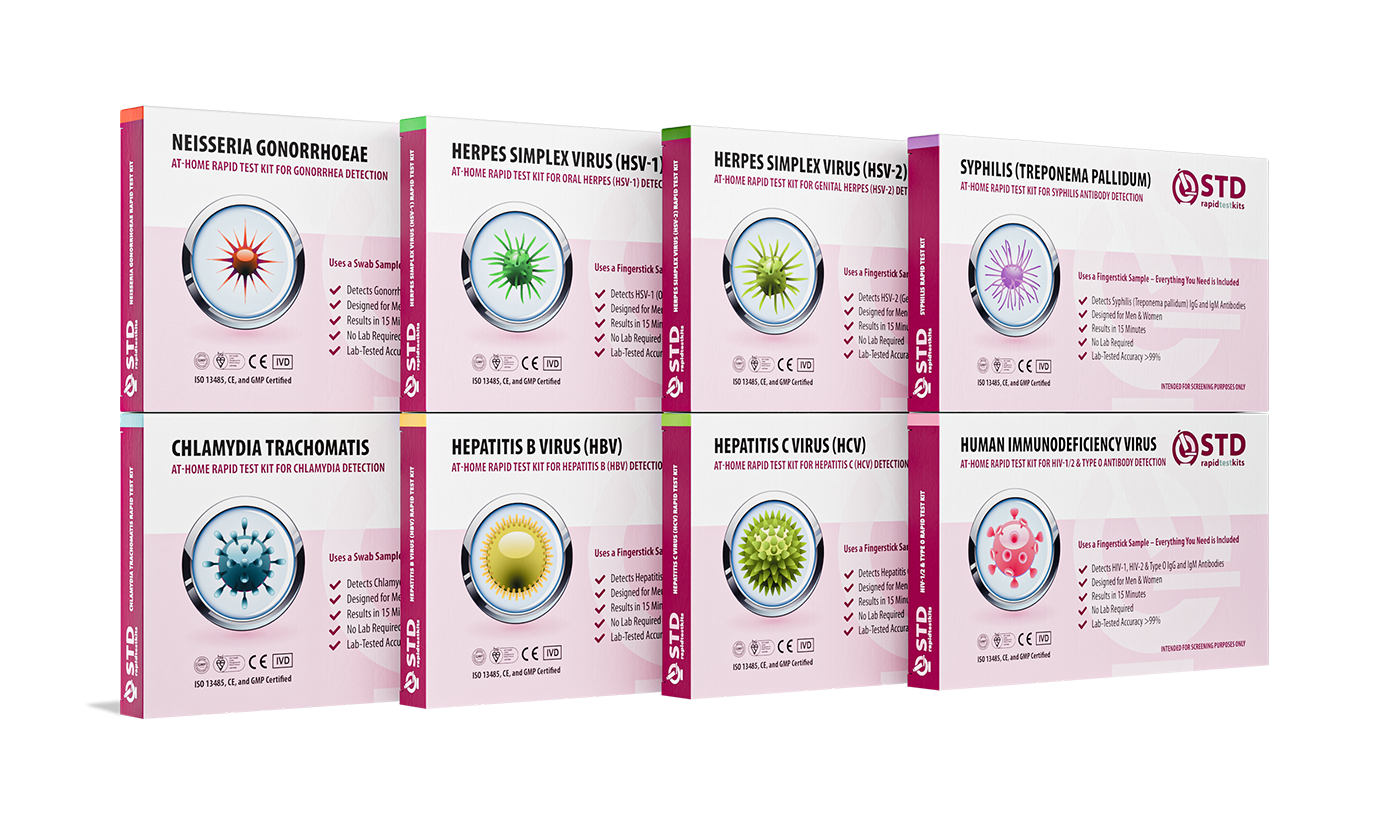
 For Men & Women
 Results in Minutes
 No Lab Needed
 Private & Discreet
Order Now $149.00 $392.00
For all 8 tests
Why One Test Can Make the Difference
It’s tempting to just monitor the bump. Wait it out. Tell yourself it’s probably nothing. But here’s the reality: up to 80% of people with herpes don’t know they have it, especially if symptoms are mild or confused with skin irritation. And those who don’t know can still pass it on.
Testing is not about labeling yourself. It’s about clarity. If the result is negative, you can breathe again and maybe tweak your shaving routine. If it’s positive, you can get on antiviral meds, learn your body’s rhythm, and have honest conversations with partners. Either way, knowledge stops the guessing spiral. You don’t have to live in “what if.”
For those who can’t or don’t want to go to a clinic, at-home test kits are discreet, fast, and reliable when used after the right window period. Some kits require a small blood sample to detect HSV antibodies, while others use a swab if you have an active lesion.
If you’ve had symptoms for more than a week, or they’ve come and gone, it’s not too late to test. Most tests can detect herpes antibodies within 2–12 weeks of exposure, and accuracy improves the longer you wait after symptoms first appear.
| Test Type | What It Detects | Best Time to Use |
|---|---|---|
| Swab (PCR) | Active virus in a lesion | During active outbreak (within 48–72 hrs of appearance) |
| Blood Test (IgG antibodies) | Immune response to past or recent infection | 3–12 weeks after suspected exposure or symptom onset |
| At-Home Herpes Test Kit | IgG antibodies for HSV-1 & HSV-2 | Ideal at 12+ weeks post-exposure for most accurate result |
Table 2: Herpes testing options and ideal timing.
Whether you test at home or through a clinic, it’s okay to want answers quietly. You don’t need anyone’s permission to check on your health. If your head keeps spinning, peace of mind is one test away. Order a discreet herpes test here.
But I Only Had Oral Sex, Can It Still Be Herpes?
This is a common question, and the short answer is yes. Herpes simplex virus type 1 (HSV-1) is traditionally associated with cold sores, but it’s now a leading cause of genital herpes, especially among people under 30. If someone has a cold sore and performs oral sex, they can transmit HSV-1 to their partner’s genitals, even if the sore is healing or not visible.
That means a red bump near your genitals after oral sex could be herpes, even if no penetration occurred. The risk goes up if there were signs of irritation, such as recent shaving or friction during the encounter, as that can create microscopic tears in the skin where the virus can enter.
Herpes doesn't require ejaculation or deep contact to spread. It just needs skin-to-skin contact. That’s what makes it sneaky, and why people often dismiss symptoms as “just a razor bump” when it’s actually something else.
Shaving Bumps That Won’t Heal? Don’t Ignore It
Ingrown hairs should improve within a few days, especially if you stop shaving and let the area breathe. If a bump persists beyond a week, or worsens, it could be infected, or it might not be an ingrown hair at all. Watch for signs like increasing redness, fluid drainage, or crusting. These can occur with both infected follicles and herpes, but herpes tends to form shallow ulcers after the blister phase ends.
Recurring ingrown hairs are also a thing, especially for people with curly or coarse hair. But if the bump recurs in the same exact place, with similar pain or itching patterns, herpes should be on your radar. Herpes lesions follow nerve pathways. They don’t pop up at random, they recur with maddening precision.
Listen to your body. If the bump looks different from your usual post-shave irritation, trust your instincts. And if the same area keeps flaring up, it’s better to test once than worry every time it happens.
Real Talk: The Emotional Toll of Not Knowing
Emilia, 28, didn’t want to talk to anyone about the bump she found. “I felt embarrassed just thinking about going to a doctor,” she says. “It was just one sore, and I thought maybe I shaved too close. But it didn’t go away.” She waited three weeks before testing, convinced she'd ruined her chances of catching it early. Turns out, she hadn’t. She tested positive for HSV-1, and her doctor reassured her it was manageable and common.
What Emilia’s story reminds us is that fear can delay action, but it doesn’t have to. Herpes is common. Shaving bumps are common. Confusing the two is normal. The difference is what happens next. Clarity leads to peace. Treatment, if needed, works. And the shame? That’s a societal problem, not a medical one.
You deserve answers, not assumptions. If you’re dealing with uncertainty right now, pause the spiral. You’re not the only one. And there are options designed exactly for this kind of confusion.
When It’s Definitely Not Just Shaving
If your bump develops into a blister, forms a scab, or leaks fluid, especially if it hurts during urination or sex, it’s time to stop wondering and start testing. These are classic signs of herpes. Some ingrown hairs can get infected and hurt, but they don't usually blister in groups or cause nerve-level pain.
Recurring timing is another clue. If you get a red spot every few months and you haven't had any recent grooming or a new partner, herpes is more likely to happen. It's also common for outbreaks to happen when you're sick, stressed, or on your period, when your immune system is weaker.
On the other hand, ingrown hairs usually flare after repeated shaving, tight clothing, or heat and friction (think sweaty workouts or long bike rides). The pattern matters more than the picture. But if you’re still unsure, you don’t need to wait it out in silence.
Red Bumps in Men vs Women: Does It Look Different?
Yes, and no. Both herpes and ingrown hairs can occur in any gender. But visibility and sensation vary depending on anatomy. In people with vulvas, herpes can appear inside the labia, making it harder to see. It may present as internal discomfort, burning, or a “paper cut” feeling. In people with penises, it may appear on the shaft, scrotum, or around the base, often visible during grooming or showering.
What makes herpes trickier in women and nonbinary individuals with internal anatomy is that pain may occur during urination or intercourse without a visible sore. That’s why dismissing symptoms as “just friction” can delay diagnosis. Don’t wait for textbook symptoms. If something feels off, it’s okay to check, even without seeing a blister.
For all genders: Herpes lesions often start as tingling or itching before the bump appears. If you’ve ever had a cold sore, you know the feeling. It’s similar down there, but the location makes it easier to miss.

People are aslo reading: Tinder, Testing, and Telling the Truth: Dating With an STD in 2025
What If You’re in a Relationship?
This is where things can get complicated emotionally. If you’re in a monogamous relationship and notice a strange bump, your brain might spiral into panic or blame. But herpes doesn’t always show up right after you catch it. Some people carry the virus for years without symptoms. You or your partner may have been exposed to the virus long before you started dating.
The virus can stay dormant and then become active again when stress, illness, or hormonal changes happen. That’s why herpes diagnosis doesn’t always mean someone cheated. Still, the conversation can be tough. Testing together may help build trust. And many couples stay together after one partner tests positive, it’s all about communication, not condemnation.
Whether you’re newly dating or years in, knowing your status can remove the guesswork. No more wondering if that bump is “just shaving” or something more. No more hiding your anxiety. Just facts, and a way forward.
Check Your STD Status in Minutes
Test at Home with Remedium7-in-1 STD Test Kit
 For Men & WomenResults in MinutesNo Lab NeededPrivate & Discreet
Order Now $129.00 $343.00
For all 7 tests
At-Home Testing: What to Expect
If the idea of going to a clinic makes you nervous, you’re not alone. Many people choose STD Rapid Test Kits because they want privacy, speed, and control. These kits ship discreetly, usually without labels or branding, and come with easy-to-follow instructions. You collect a small blood sample with a fingerprick or use a swab (if you have a visible sore), then send it back for lab testing, or in some cases, get results within minutes using a rapid test format.
The key is timing. For herpes antibody tests, wait at least 12 weeks after your last potential exposure or outbreak for the most accurate result. For active sores, swab testing is more effective if done in the first 48–72 hours. After that, the lesion begins healing and may no longer contain enough viral material to detect.
Whether you’re testing due to symptoms or just want peace of mind after a confusing encounter, testing is the only way to move from “maybe” to “now I know.” And that shift, from uncertainty to clarity, is what makes healing possible.
FAQs
1. Can an ingrown hair really look like herpes?
Unfortunately, yes. A red bump from shaving or a blocked follicle can look almost identical to an early herpes sore, especially if you catch it right before it blisters. The difference is often in the timing and sensation. Ingrown hairs usually show up within a day or two of shaving, while herpes might take longer and often tingles or burns before the bump appears. But honestly? You can't always tell by sight alone. That’s why testing exists, to stop the guessing games.
2. Does herpes always come with pain?
Nope. Some outbreaks feel like full-on fire ants. Others? Barely a whisper. In fact, many first-timers don’t feel much at all, just a tiny sore they chalk up to a zipper mishap or sweat rash. The absence of pain doesn’t mean it’s nothing. Herpes can be subtle, especially early on. If something keeps showing up in the same place, even if it doesn’t hurt, don’t ignore it.
3. How soon after sex can I test for herpes?
If you’ve got an active sore, you can swab it right away, ideally within the first 72 hours. No sore? Then you’re in antibody territory, which means waiting 12 weeks from the suspected exposure for the most accurate blood test. Anything sooner might not show up yet. Herpes plays the long game, so timing matters.
4. Can I get herpes from oral sex even if it was quick?
One hundred percent, yes. If someone has HSV-1 (aka cold sores), they can pass it to your genitals through oral sex, whether they have a visible sore or not. It doesn’t have to be a marathon session, either. A short hookup, no condom, a tiny crack in the skin...that’s all it takes. Sneaky, right?
5. What if I only ever get one bump? Could that still be herpes?
It could. Not everyone breaks out in clusters. Some people just get one sore, especially in recurrent outbreaks. If that same red bump keeps popping up in the same place every few months, herpes is more likely than an ingrown hair that’s just incredibly persistent. Listen to your body’s patterns.
6. Do ingrown hairs scab over like herpes?
Not usually. An ingrown hair might get inflamed or develop a whitehead, but it doesn’t tend to blister or crust unless it gets seriously infected. Herpes, on the other hand, loves to crust after the blister stage. That flaking scab phase is part of the healing process, and a big visual clue.
7. Can I pop it to check?
Step away from the mirror. Popping anything down there is a bad idea, whether it's herpes or not. Herpes blisters aren’t pimples, they won’t “pop,” and trying can make things worse. If it's an ingrown hair, warm compresses can help. But if you’re unsure? Test, don’t squeeze.
8. What if I tested negative but still feel off?
Happens all the time. If you tested too early, especially with a blood test, your body might not have produced enough antibodies yet. That doesn’t mean you’re in the clear. If symptoms come back or you’re still worried, retest in a few weeks. It’s not paranoia, it’s self-respect.
9. Will my partner think I cheated if I test positive?
That fear is valid. But here’s the thing: herpes can lie dormant for years. You or your partner might’ve caught it long before you met. A positive result doesn’t automatically mean recent infidelity. What it does mean? A hard but honest talk that comes from a place of love, not blame.
10. Is my sex life over if I have herpes?
Absolutely not. You will learn more in this new chapter that starts now. With antiviral meds, regular communication, and some planning, most people with herpes have amazing, satisfying sex lives. You’re still worthy, still desirable, and still in charge of your pleasure. Herpes doesn’t change that.
You Deserve Answers, Not Assumptions
If you’re staring at a red bump and spiraling through worst-case scenarios, know this: guessing never brings peace. Whether it’s a harmless ingrown hair or the beginning of a herpes outbreak, clarity is within reach, and it doesn’t require a waiting room or judgment.
Testing gives you the facts. And facts give you power. Whether your result is negative or positive, you’ll know what to do next, how to care for yourself, and how to protect your partners. You don’t have to do this alone, and you don’t have to wait.
Don’t stay in the dark about your symptoms. This at-home combo test kit checks for the most common STDs discreetly and quickly.
How We Sourced This Article: We combined current guidance from leading medical organizations with peer-reviewed research and lived-experience reporting to make this guide practical, compassionate, and accurate.
Sources
1. Planned Parenthood – Herpes Overview
3. STI Treatment Guidelines: Herpes — CDC
4. Genital Herpes: Symptoms and Causes — Mayo Clinic
5. Ingrown Hair: Symptoms and Causes — Mayo Clinic
6. Folliculitis: Symptoms & Causes — Mayo Clinic
7. Folliculitis — StatPearls / NCBI Bookshelf
8. Is It an Ingrown Hair or Herpes? How to Tell the Difference — Healthline
9. Differentiating Ingrown Hairs and Herpes — Medical News Today
About the Author
Dr. F. David, MD is a board-certified infectious disease specialist focused on STI prevention, diagnosis, and treatment. He blends clinical precision with a no-nonsense, sex-positive approach and is committed to expanding access for readers in both urban and off-grid settings.
Reviewed by: R. Cole, MSN, FNP-C | Last medically reviewed: November 2025
This article is just for information and doesn't take the place of medical advice.


