





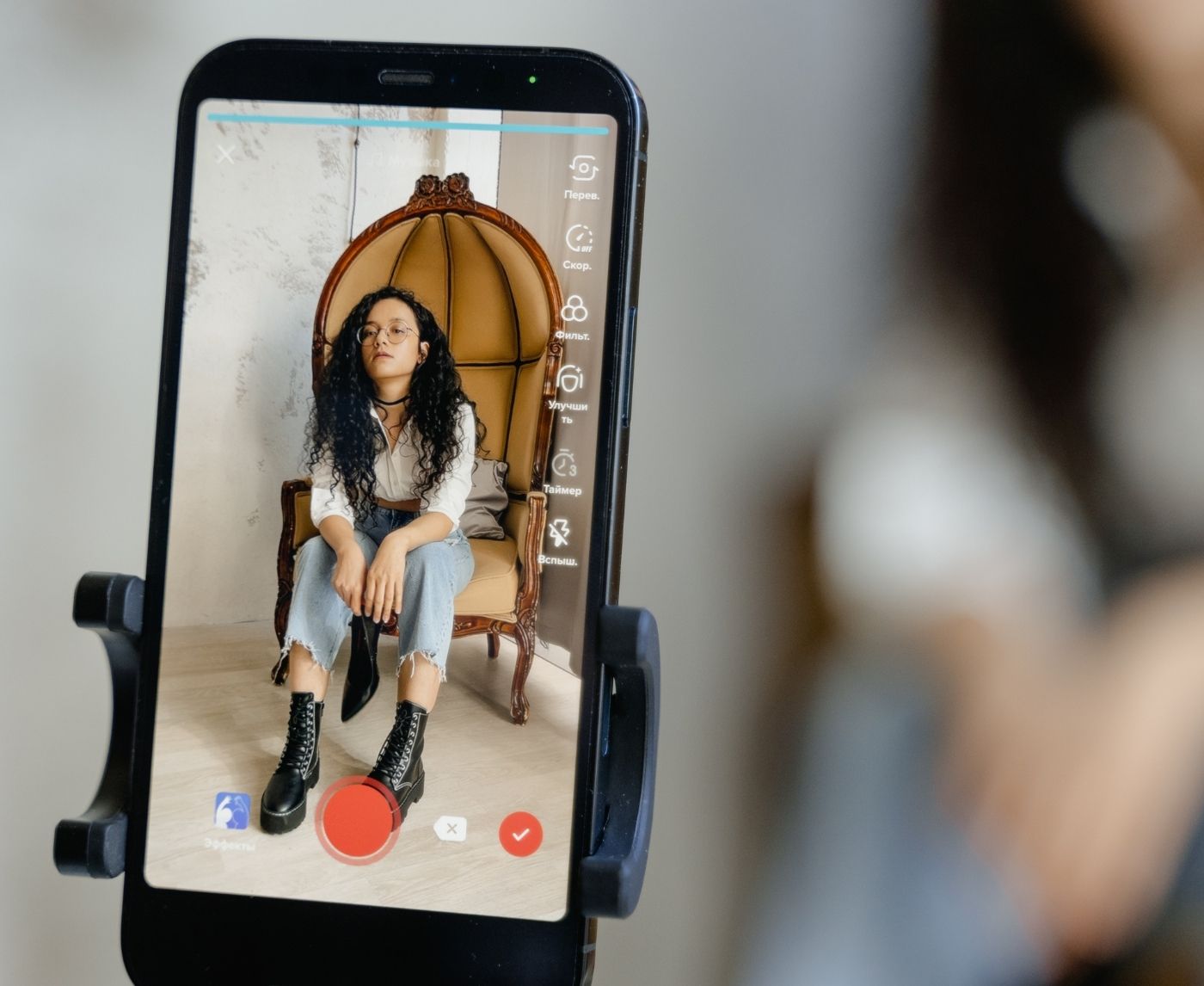

Quick Answer: TikTok is full of STD myths, like “no symptoms = no infection”, that can delay testing, increase risk, and harm your health. You can't rely on social media for sexual health decisions.
When Your Health Gets Hashtagged
Layla, 21, didn’t think much of her sore throat after a weekend hookup. A friend sent her a TikTok where someone claimed, “Oral STDs are rare and mostly harmless.” So she brushed it off. But the truth was, she had gonorrhea of the throat, a version that can go unnoticed, untreated, and spread to new partners without any obvious symptoms. It wasn’t until her partner developed urethral discharge that they both ended up getting tested.
What Layla experienced isn’t rare. Social media platforms like TikTok have become hubs for amateur sex-ed, often with bad science, skipped context, or myths disguised as personal advice. In 2023, a study published in the Journal of Adolescent Health found that more than 60% of viral sexual health content on TikTok contained misinformation or oversimplified claims. Some creators genuinely want to help. Others want views. But your body doesn’t care about clout. It cares about facts.
We get it, STD clinics are intimidating, and Googling symptoms can spiral fast. But the most harmful thing you can do isn’t overthinking, it’s under-testing. And that’s exactly what these viral myths encourage.
The Most Harmful STD Myths Circulating Online
Some myths are easy to spot. Others are rooted in half-truths or old medical advice that doesn’t apply today. But when they go viral, they take on a life of their own. Let’s look at what’s trending, and why it’s a problem.
| Myth | Why It Goes Viral | What’s Actually True |
|---|---|---|
| “You can’t get an STD from oral sex.” | It feels safer, less risky, and people want permission to do it without worry. | Herpes, gonorrhea, and chlamydia can all spread via oral sex, often without symptoms. |
| “If you had no symptoms, you’re clean.” | People want to believe their body would warn them. | Most STDs can be completely asymptomatic, especially in early stages. |
| “You only need to test if something feels wrong.” | Saves time, money, and feels logical, until it isn’t. | Routine screening is essential because symptoms aren’t reliable. |
| “Cranberry juice, garlic, or lemon can cure STDs.” | Natural remedies appeal to fear of clinics and meds. | No home remedy can cure bacterial STDs. Treatment requires antibiotics or antivirals. |
| “Condoms protect against everything.” | Condoms feel like a safety guarantee. | They reduce risk, but skin-to-skin STDs like HPV and herpes can still spread. |
Table 1. Common viral STD myths and the truth behind them. These beliefs spread fast, but acting on them can have serious health consequences.
People are aslo reading: No Symptoms, Still Positive: How Dormant STDs Work
Micro-Scenes That Show How These Myths Play Out
Jorge, 28, was in a new relationship and hadn’t tested in over a year. “We both looked clean,” he told his partner. TikTok videos told him if you don’t feel anything, you’re probably fine. When his partner tested positive for chlamydia, Jorge insisted it had to be a mistake, until his own results came back.
Nadia, 19, trusted a creator who said “throat gonorrhea isn’t even a thing.” She thought her sore throat was from partying too hard. She wouldn’t have tested if her campus health center hadn’t offered free walk-ins. When she got her positive result, she felt betrayed, by the internet and by her own body.
Marcus, 24, was relieved when his rapid test came back negative three days after a risky hookup. “I saw a TikTok that said three days is enough if you’re anxious,” he admitted. No one told him about window periods. Three weeks later, after painful urination started, he tested again, and this time, it was positive.
These aren’t cautionary tales to shame anyone. They’re reminders that sexual health deserves better information than what an algorithm decides to show you. And that means understanding when and how to test properly, without relying on guesswork, vibes, or virality.
Check Your STD Status in Minutes
Test at Home with Remedium8-in-1 STD Test Kit
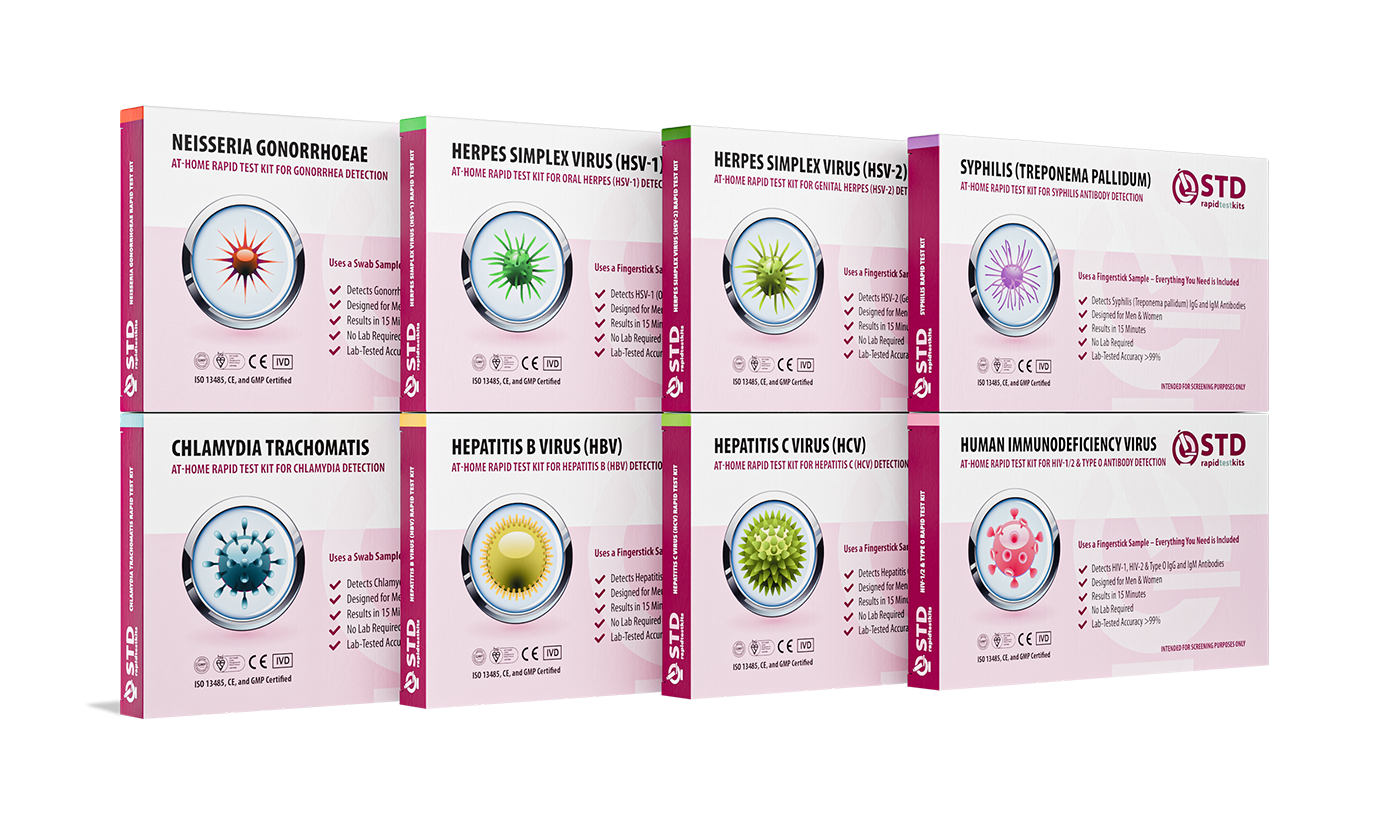
 For Men & Women
 Results in Minutes
 No Lab Needed
 Private & Discreet
Order Now $149.00 $392.00
For all 8 tests
The Real Timeline: When STD Symptoms and Results Actually Show Up
One of the biggest myths out there is that you’ll “know” if you have an STD because your body will “tell you.” But timing matters, and the truth is more complicated, and more important. Each STD has its own window period (the time between exposure and when a test can reliably detect it) and incubation period (when symptoms might start).
If you test too soon, even the most accurate test can miss an infection. That’s where TikTok myths become risky: they often ignore these biological facts.
| STD | Can You Have No Symptoms? | Window Period | Symptoms (If Any) |
|---|---|---|---|
| Chlamydia | Yes, especially in women | 7 to 14 days | Discharge, pain during urination, bleeding between periods |
| Gonorrhea | Yes | 2 to 14 days | Discharge, burning, throat pain if oral |
| Herpes | Yes, many never show sores | 4 to 12 days for symptoms; longer for antibody test | Sores, itching, tingling, flu-like symptoms |
| HPV | Often | Months to years | Usually none; sometimes warts or abnormal Pap |
| Syphilis | Yes | 3 to 6 weeks | Painless sore, rash, flu symptoms |
Table 2. Common STDs, whether they show symptoms, and how long before they can be detected. Testing too soon, especially after a hookup, may give false reassurance.
Wondering when to test? If it’s been less than five days, most tests won’t pick anything up. Seven to 14 days is when tests become more reliable, especially for chlamydia and gonorrhea. For HIV and syphilis, you may need to wait even longer. Still unsure? A combo test and follow-up retest is your best bet.
Don't wait and wonder, get answers from home. Order the discreet combo test kit trusted by thousands for quick, doctor-trusted results.
When Social Media Shapes Your Risk Radar
On TikTok, stories are currency. A creator shares how they had a one-night stand, didn’t test, and “never got anything,” so you’re probably safe too. But personal anecdotes aren’t public health advice, and your exposure risk isn’t the same as theirs. You don’t know what their partner’s status was. You don’t know if they’ve been tested recently. You don’t even know if they’re telling the truth. But your brain latches onto their confidence, not the medical reality.
This is called availability bias: we believe something is common or safe because we’ve heard about it a lot, especially from people who seem relatable. Combine that with the TikTok algorithm, and suddenly, myths become the “norm.” It's the digital version of "everyone's doing it," even when "it" is skipping STI testing, doubling up on condoms (which increases breakage risk), or using garlic to "treat" an infection.
In one viral video that’s now been stitched hundreds of times, a creator says, “I drink cranberry juice every day and I’ve never had an STD.” That might be true. But it has nothing to do with prevention. It’s not just misleading, it’s dangerous when followers take it as medical advice. And many do.
“I Already Tested Once”, The Myth That Keeps Infections Alive
This one might be the most dangerous of all: the idea that if you’ve tested once, ever, you’re good. As if sexual health is a one-time certification you check off like a driver’s license. TikTok is full of creators saying things like, “I got tested six months ago, and I haven’t had symptoms since,” or “We used protection, so I didn’t bother testing after.” But infections don’t care about your testing timeline.
Damon, 26, learned this the hard way. He got tested in January, everything came back negative. He felt proud, responsible. But after a casual partner in March mentioned spotting and discomfort, he decided to test again. This time, he tested positive for trichomoniasis. “I didn’t even know dudes could get it,” he said, “let alone without symptoms.” The reality? He probably had it for weeks, unknowingly passing it to partners. That one negative test had made him complacent.
Myths about “once is enough” testing ignore two key facts: one, new exposure means new risk; and two, timing matters. Even the most accurate tests can’t catch everything immediately. That’s why public health experts recommend retesting after 3 to 6 months for people with multiple or new partners, or anytime you’ve had unprotected sex.
Need clarity? Testing at home is private, fast, and gives you control. Return to STD Rapid Test Kits to find the test that fits your timeline and your truth.
The Myth of the “Clean” Partner, and Why It Persists
“He looked clean.” “She told me she gets tested regularly.” “They’re a good person, they’d never lie.” This is one of the most quietly harmful beliefs circulating not just on TikTok, but in relationships everywhere. We associate trust with safety. But testing isn’t a judgment, it’s a reality check. And even partners with the best intentions might be unknowingly infected.
Priya, 31, believed her new boyfriend was “clean” because he said he was tested after his last relationship. What he didn’t realize was that he tested too early. His test missed a syphilis infection in the incubation stage. By the time Priya tested, she was already showing symptoms. “We both cried,” she said. “He thought he was doing everything right. I did too.”
STD myths often rely on language that’s outdated, shame-filled, and deeply misleading. Being “clean” doesn’t mean you’re moral or healthy, it just means you’re uninfected at that moment in time. Anyone can carry an STD without knowing. And no one is immune to biology just because they’re trustworthy.
Want to stop wondering and start knowing? You deserve to be sure. This Chlamydia test kit can give you answers in minutes, without judgment or delay.
When “Prevention” Isn’t As Perfect As It Seems
Another big TikTok trend: overconfidence in prevention methods. “I used a condom, so I’m safe.” “We were just grinding, nothing happened.” “It was just oral.” These aren’t lies, they’re wishful simplifications. And they make sense if you’ve been taught to think of STD risk as binary: sex or no sex, protection or none, symptoms or silence. But real-world transmission is messier.
Condoms lower the risk of many STDs, but they don’t eliminate it. Skin-to-skin infections like HPV, herpes, and even syphilis can spread from areas not covered by a condom. Plus, condoms can break or slip, and many people don’t use them for oral sex at all. That’s not failure, it’s human behavior. But pretending it’s 100% protection? That’s where the myth lives.
In a survey published in Sexually Transmitted Infections, over 40% of participants thought condoms made STD testing unnecessary. That belief alone delayed testing by months for many. It’s why prevention messaging must go hand-in-hand with testing encouragement, not replace it.
There’s nothing wrong with trusting protection. But don’t let it replace real information. And don’t let a TikTok trick you into thinking your body’s immune to what’s statistically common. Because it is, common. Millions of new cases of chlamydia, gonorrhea, and syphilis happen each year in the U.S. alone.
So, What Should You Do Instead?
Don’t panic. Don’t cancel your phone. And definitely don’t throw away your TikTok account. But do learn how to recognize a myth when you hear one, and build habits that protect your body and your peace of mind.
If you’re sexually active, yes, even just oral, even if it was just once, testing is care, not punishment. If you have a new partner, talk about testing together. If you’re non-monogamous or in a situationship, test more often. If you had a one-night stand and now feel off, even if you don’t have symptoms, testing is still your friend.
And if you saw something online that makes you doubt whether you really need to test? That’s your sign right there. Listen to your body. Trust real science, not viral soundbites.
Why Social Media Fuels Shame Instead of Solutions
Part of what makes TikTok STD myths so sticky is how they hide in plain sight. They’re funny. They’re relatable. They let us believe that maybe we’re the exception. And they avoid the one thing many of us carry quietly: shame.
It’s easier to laugh at a meme about “pulling out is protection” than it is to admit we don’t actually know how long to wait before testing. It feels safer to pretend we’re fine than to book a test and risk seeing a result we’re scared to face. TikTok and Instagram reward this behavior. They turn confusion into punchlines, and shame into shares.
Maya, 22, watched dozens of “STD horror story” TikToks before finally deciding to test. “I didn’t want to be the girl with herpes,” she said. “But I kept seeing videos about how common it was, and how normal people had it. That made me feel brave enough.” When she tested positive, she cried. Then she treated it. And today, she talks about it on her own TikTok, with facts, not fear.
We need more Mayas. More voices saying, “You’re not gross. You’re not broken. You just need answers.” Because shame doesn’t protect anyone. But stigma? It delays testing, destroys communication, and feeds the very myths we’re trying to bust.
“Just Use Garlic”, And Other Misinformed Home Remedies
If TikTok STD myths were harmless, we could ignore them. But some are actively dangerous, especially the ones that tell you how to treat an STD without ever seeing a doctor or taking a test.
Among the worst offenders are natural remedy videos. They say things like:
“Insert garlic to cure a yeast infection.” “Drink lemon water every day to kill gonorrhea.” “Douching with vinegar clears up chlamydia.”
Not only are these myths medically false, they’re also risky. Garlic can burn sensitive vaginal tissue. Douching disrupts your natural flora and makes you more vulnerable to infections. Lemon water is great for hydration, but it doesn’t touch bacteria in your urethra or cervix.
The reason these ideas spread so fast? They offer an escape from shame. No doctor, no awkward questions, no diagnosis to process. But there’s no cure hiding in your fridge. Only verified medications can cure bacterial STDs. And only accurate testing can tell you what’s actually happening in your body.
If you’re nervous about going to a clinic, that’s okay. That’s why at-home testing exists. You can test from your bathroom and get results in minutes. No garlic required.
People are aslo reading: The STD That Tricks You Into Thinking It is Razor Burn
How Accurate Are At-Home STD Tests, Really?
One thing TikTok rarely talks about: the difference between test types. A video might say, “I took a test and I’m clean”, but what kind of test was it? When did they take it? How long after their exposure? All of that matters. And most TikTokers don’t explain it.
At-home tests can be highly accurate, especially when used correctly and timed right. Here's a short summary:
| Test Type | Best For | Typical Accuracy | Window Period |
|---|---|---|---|
| Rapid Fingerstick (HIV/Syphilis) | Quick results, blood-based detection | High (up to 99%) after window period | 3 to 6 weeks |
| Urine Collection (Chlamydia/Gonorrhea) | Detects bacterial infections in urethra/cervix | Very high when used after 7 days | 7 to 14 days |
| Swab Tests (Herpes, HPV, Trich) | Good for detecting active shedding or viral load | Moderate to high, varies by site | Varies (4 days to weeks) |
| Combo Test Kits | Multi-STD screening in one step | High when window period matched | Varies by infection |
Table 3. Types of at-home STD tests, what they find, and how accurate they are when used correctly. Timing and proper use are key.
Even the most sensitive test can miss an infection if taken too early. That’s why health experts recommend testing around two weeks post-exposure, and retesting at four to six weeks if needed. If you're ever unsure, retest. It’s that simple.
Check Your STD Status in Minutes
Test at Home with Remedium8-in-1 STD Test Kit
For Men & WomenResults in MinutesNo Lab NeededPrivate & DiscreetOrder Now $149.00 $392.00
For all 8 tests
How to Spot a TikTok Myth in the Wild
You don’t need a medical degree to sniff out bad advice online. You just need a little critical thinking, and maybe this article saved to your favorites. Watch out for these red flags:
✅ No mention of window periods or incubation
✅ Claims that “this always works” or “you’ll never get XYZ if…”
✅ Overconfidence with no source
✅ One-size-fits-all advice about treatment
✅ Advice that replaces, not supports, testing
And if someone says they’re “clean” because of cranberry juice? Smile, scroll, and move on.
When in doubt, get tested. When unsure, retest. And when you're feeling overwhelmed, remember: you are not alone in this. Millions of people face the same questions. The difference is, now you have answers.
FAQs
1. Can you actually get an STD from oral sex?
Yeah, you can, and a lot of people do. Think of it this way: if mouths and genitals are touching, fluids and skin are sharing space. That’s enough for gonorrhea, herpes, even syphilis to make the jump. And the kicker? Throat STDs often don’t hurt. You might chalk it up to allergies or a rough weekend, but they’re real, and they spread easily.
2. If I feel totally fine, do I still need to test?
100% yes. Some of the most common STDs, chlamydia, HPV, even early HIV, don’t show obvious symptoms at all. No burn, no bump, nothing weird down there. Silence doesn’t equal safety. If you’re active, testing regularly is just part of the deal, even if everything feels normal.
3. I tested once last year. I’m still good, right?
Not exactly. A test tells you what was happening in your body on that day. If you’ve had any new partners, condomless sex, or just a gut feeling since then, it’s worth testing again. STDs don’t take vacations just because you got a gold star last April.
4. Do those TikTok home remedies actually work?
Nope. Not even a little. Garlic in the vagina, lemon water, cranberry shots, none of it treats STDs. What it might do is irritate the hell out of your tissues or give you a false sense of security while an infection quietly spreads. Don’t DIY your health when real treatment exists.
5. What if my partner says they’re “clean”?
Clean is laundry. What you want to know is: when did they last test, for what, and who else they’ve been with since. Even if they’re honest, they could be asymptomatic or tested too early. Trust is great, testing together is even better.
6. I used a condom, why would I still need to test?
Condoms are awesome and reduce risk a lot, but they’re not magic shields. Skin-to-skin infections like herpes and HPV can spread from areas the condom doesn’t cover. And let’s be real, most people skip them for oral anyway. If you've had contact, there's still some risk. Testing is how you close the loop.
7. What if I’m just too embarrassed to test?
First: you’re not alone. Shame is loud, especially around sex. But testing isn’t dirty, it’s responsible, badass, and protective of both you and our partners. And if walking into a clinic feels like too much, grab an at-home kit and do it in your own space. No questions, no stares, just answers.
8. How long should I wait after sex to get tested?
It depends on the STD. For chlamydia or gonorrhea, give it 7–14 days. HIV and syphilis take longer, closer to 3–6 weeks. But here’s a tip: if you’re anxious, test once now, then again later to be sure. Peace of mind is worth it.
9. What’s the best test if I don’t know what I was exposed to?
A combo test. It screens for the big names, chlamydia, gonorrhea, syphilis, HIV, and more, all at once. It’s like hitting multiple “just in case” buttons in one go. Super useful if your exposure situation was a little hazy (or a little wild).
10. If I test positive, what now?
First, breathe. Then remind yourself: this is common, treatable, and not the end of your sex life. Get the right meds (many are quick courses), let your partners know (you can even do it anonymously), and retest if needed. Testing positive doesn’t make you dirty, it makes you informed. That’s power.
Before You Panic, Here’s What to Do Next
You don’t need to believe every viral claim, and you don’t have to live in fear either. The truth is: your body, your sex life, and your choices deserve real information, not recycled TikTok audio and shame-filled silence. Testing is an act of self-respect. Asking questions is smart. And protecting your partners is power, not punishment.
Whether it’s a late-night worry, a mystery rash, or just something that didn’t sit right with you after a hookup, testing gives you answers. This combo STD test kit covers the most common infections in one discreet, doctor-trusted step. It’s fast, private, and puts the facts back in your hands.
How We Sourced This Article: We combined current guidance from leading medical organizations with peer-reviewed research and lived-experience reporting to make this guide practical, compassionate, and accurate.
Sources
1. Planned Parenthood – STD Information
2. STD Risk and Oral Sex – CDC
3. Sexually Transmitted Infections (STIs) – WHO
4. Sexually Transmitted Infections: What You Should Know – Cleveland Clinic
5. Sexually Transmitted Infections (STIs) – NCBI Bookshelf / StatPearls
6. HIV and Sexually Transmitted Infections (STIs) – NIH
7. How Long Does it Take for an STD to Show Up? – Healthline
About the Author
Dr. F. David, MD is a board-certified infectious disease specialist focused on STI prevention, diagnosis, and treatment. He blends clinical precision with a no-nonsense, sex-positive approach and is committed to expanding access for readers in both urban and off-grid settings.
Reviewed by: Sarah Jennings, RN | Last medically reviewed: December 2025
This article is for informational purposes and does not replace medical advice.


