Chlamydia is a bacterial infection that happens to be one of the most common sexually transmitted diseases, mainly spread through sexual contact. It can be acquired by both men and women; hence, proper protection and testing are recommended among people who are sexually active.
03 October 2024
6 min read
35295
Prevalence of Chlamydia
The Centers for Disease Control and Prevention reported over 1.5 million cases of chlamydia in the USA alone in 2015. The figure equates to a rate of about 480 cases per 100,000 population which is a continued rise since 2001.
Cause of Chlamydia Infection
Chlamydia is a sexually transmitted infection caused by the bacterium Chlamydia trachomatis. It is among the most common bacterial STDs worldwide, and both the vagina, penis, urethra, cervix, eyes, anus, and throat are just but a few body organs that can be infected. If left unattended, chlamydia tends to cause serious, sometimes irreversible damage to the male and female reproductive systems.
Importance of Chlamydia Education
It is essential to know chlamydia's causes, symptoms, diagnosis, and treatment options. Since chlamydia has been one of the top STDs reported to the CDC since 1994, knowledge of the disease provides a way to publicly educate and prevent the disease.
Chlamydia in a Nutshell: Fast Facts
Chlamydia occurs three times more often than gonorrhea and fifty times more often than syphilis. Most people who have chlamydia do not show symptoms. Chlamydia can result in serious, even permanent damage to the reproductive system. The infection can pass to the baby during delivery, causing pneumonia or eye infections. The use of prescribed antibiotics can cure chlamydia, which would clear the bacteria from the infected person's body and that of his/her sex partner(s).
Recognizing Chlamydia: Symptoms
Symptoms can appear from 5 to 10 days after infection, but it is not unusual to have no symptoms at all. Abdominal pain is the most common symptom in women with chlamydia.
Symptoms in Women
The symptoms women may have with chlamydia include:
Abdominal pain
Heavy bleeding between periods
Yellowish, bad-smelling vaginal discharge
Painful intercourse
Bleeding after intercourse
Low-grade fever
Burning during urination
Swollen lymph nodes around the anus or vagina
Increased urination feelings
Discomfort while urinating
Symptoms in Men
Men with chlamydia may have the following:
Pain and burning while passing urine
Milky, watery, or pus-like discharge from the penis
Painful tenderness and swelling of the testicles
Anal irritation may occur if the infection affects the rectum - although this is less common. Symptoms are often very mild, and most people do not have symptoms at all.
Treating Chlamydia: Effective Antibiotics
Generally, chlamydia is treated with effective medications that are available to prevent complications like ectopic pregnancy and infertility.
Chlamydia Treatment Regimes
Usual treatment is with antibiotics, which are usually given as tablets such as azithromycin or doxycycline. If you are pregnant you may be given different antibiotics to avoid any possible effects on the development of your baby's teeth or bones.
Testing After Treatment
Whoever your treatment is with and whatever treatment you have, it is very important to have a test of cure three to four months after treatment to make sure you have got rid of the bacteria.
How is Chlamydia Diagnosed?
Diagnosis can be made by physical examination as well as laboratory tests. This can include observing the discharge caused by chlamydia and swabbing of the throat, urethra, cervix penis, rectum, or collecting a urine sample.
Because chlamydia often has no symptoms, or only a few, regular screening is required. CDC recommends chlamydia screening of pregnant women, sexually active women and men, women under age 25, and high-risk men and women.
Testing for Chlamydia
Testing can be done in a laboratory or at home. It may involve taking a swab from the lower vagina or a urine test. In men, testing usually involves a urine test sample. Some people will need to have tests taken from the throat or rectum, especially if they have HIV.
The Causes and Prevention of Chlamydia
You can only get chlamydia if there is contact between the wet walls of the vagina, penis or rectum during intercourse, anal intercourse, or oral-genital sex with an infected person. Condoms provide good protection against chlamydia infection.
Chlamydia is not caught by being in the same sauna as an infected person, sharing a swimming pool, sharing the same toilet seat, by standing near an infected person, by breathing the same air as someone who has coughed or sneezed in it, by touching their skin, or sleeping in the same bed.
However, an infant can still get chlamydia from an infected mother during the delivery process. This may lead to pneumonia in the baby. If a pregnant female is found suffering from chlamydia, she should be given follow-up testing 3-4 weeks after treatment due to the risk of reinfection.
Methods of Prevention of Chlamydia
Measured steps to avoid chlamydia include the use of condoms, regular testing, and the use of dental dams when engaging in oral sex. To prevent one from passing chlamydia, it is recommended that both sexual partners should not engage in any sexual activity until their treatments are completed.
Complications of Chlamydia
Although chlamydia is curable, early detection and the right treatment can decrease the risk of complications. These complications can be prevented by regular screening or seeking treatment immediately the symptoms of chlamydia begin to show.
Complications in Women
The complications related to chlamydia in women can include:
PID or Pelvic Inflammatory Disease, involving the ovaries, uterus, and fallopian tubes, may lead to infertility.
Cervicitis, the inflammation of the cervix.
Salpingitis, which is caused by a complication in the fallopian tubes, thus increasing the chances of ectopic pregnancy.
Complications in Men
Possible complications from chlamydia in men include:
Reactive Arthritis, a chronic type of inflammatory arthritis that may affect the urethral, genital, and gastrointestinal tract.
Urethritis, inflammation of the urethra.
Epididymitis, inflammation of the epididymis within the scrotum, shown by symptoms including red, swollen, and warm scrotum, tenderness and pain in the testicles.
Chlamydia also increases the risk of acquiring HIV infection. Pregnant women with chlamydia can pass the infection onto their newborn during delivery, which may cause damage to the lungs and pneumonia, or even lead to blindness.
The complications of untreated chlamydia are serious; therefore, early screening and timely treatment, apart from preventive measures, become highly important.








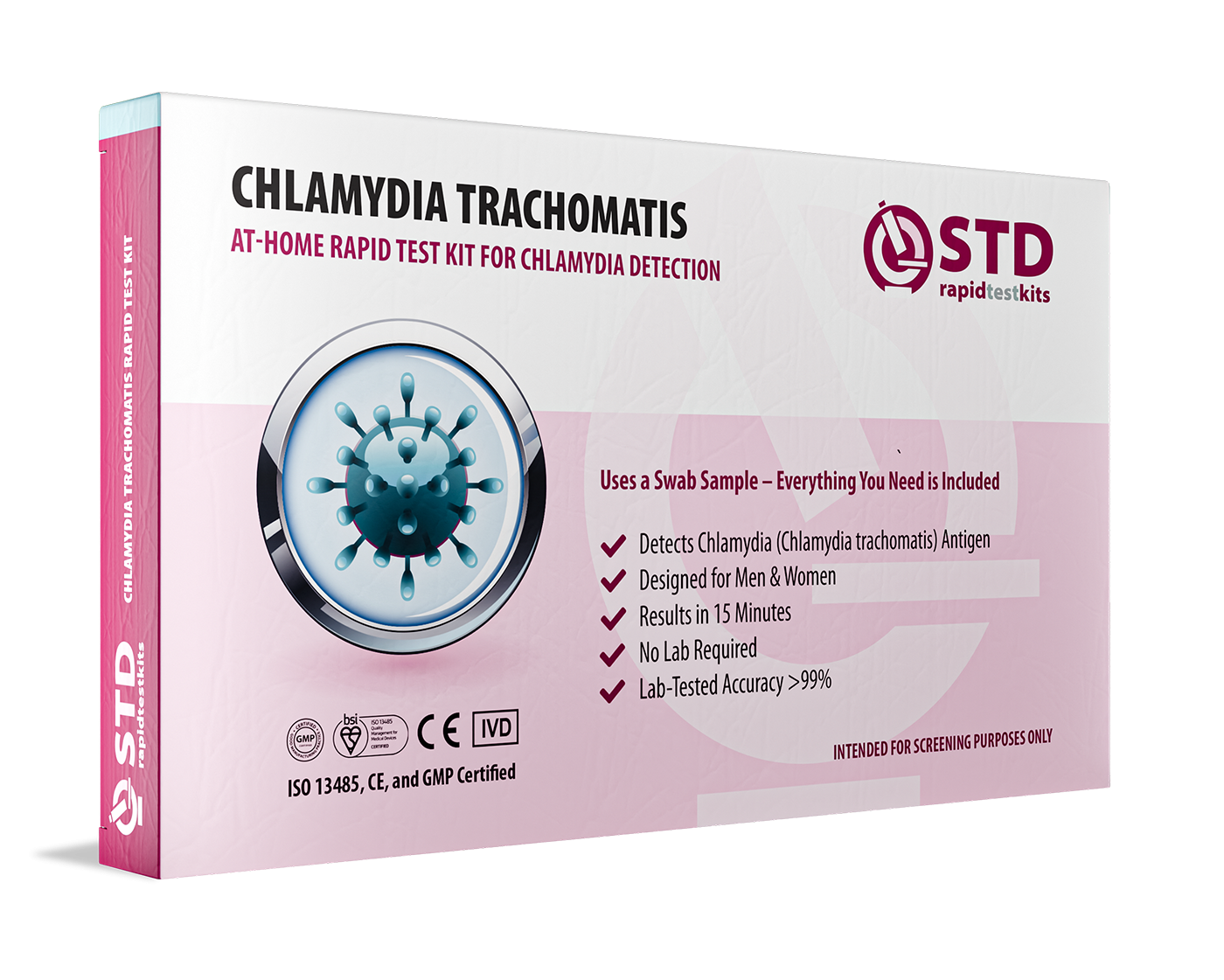
 For Men & Women
 Results in Minutes
 No Lab Needed
 Private & Discreet


