







Quick Answer: You can have an STD without symptoms and still infect others. Many infections stay silent for weeks, months, or even years, testing is the only way to know for sure.
Why Some STDs Don’t Show Symptoms, And What That Means
There’s a dangerous myth that you’ll “know” if you have an STD. But biologically, that just isn’t how many of these infections work. Chlamydia, for example, is known as the “silent infection” for a reason: nearly 70% of women and 50% of men don’t show any early signs. Gonorrhea can infect the throat or rectum without any obvious pain, and herpes can live dormant for months between outbreaks, or never cause one at all.
The lack of symptoms doesn’t mean the infection isn’t doing damage. It simply means the body isn’t reacting in visible ways. Inside, however, the bacteria or virus may still be inflaming tissue, scarring fallopian tubes, increasing HIV transmission risk, or quietly spreading to others. People often only discover it by accident, during fertility checks, pregnancy care, or routine screenings.
Case in point: a recent CDC study found that more than 1.6 million chlamydia cases were reported in a single year in the U.S., but it’s estimated that the real number may be double that due to undiagnosed asymptomatic carriers. This silent spread is what fuels national outbreaks, especially among sexually active people under 30.
Invisible Doesn’t Mean Harmless: How STDs Damage Without Signs
Let’s talk about what happens when these “silent” infections are left untreated. Take chlamydia or gonorrhea. Both can live in the body for months without causing pain or discharge. But behind the scenes, they can climb up into the reproductive tract, leading to pelvic inflammatory disease (PID) in women. PID is one of the leading causes of preventable infertility in the U.S. And it rarely announces itself loudly, it creeps in over time.
For people with penises, untreated infections can result in epididymitis, painful inflammation in the testicles, and even impact fertility. But again, there may be no early signs. And with herpes, while many people focus on visible sores, asymptomatic shedding is a huge factor. A person can transmit the virus even when they’re not in an active outbreak, which is why condoms reduce, but don’t eliminate, risk.
Here’s a breakdown of how silent infections often go unnoticed but still cause harm:
| STD | Chance of No Symptoms | Possible Silent Complications |
|---|---|---|
| Chlamydia | 70% (women), 50% (men) | Pelvic inflammatory disease, infertility, ectopic pregnancy |
| Gonorrhea | 50%+ in early stages | Joint pain, PID, epididymitis, HIV risk increase |
| Herpes (HSV-2) | 80% unaware they carry it | Chronic outbreaks, neonatal herpes in birth, transmission to partners |
| HIV | Can be silent for years | Immune damage, AIDS progression, co-infection risks |
Table 1. Common silent STDs and what they can cause if left untreated.
In each of these cases, the absence of symptoms doesn’t mean your body is “winning.” It just means the infection is moving quietly. And in sexual relationships, that makes honest conversations and routine testing even more vital, because the risks extend far beyond the individual.

People are also reading: STD Awareness in TV and Film: Helpful or Harmful?
“I Felt Fine”, Real Stories From People Who Were Infected Silently
Antonio, 26, only found out he had gonorrhea when his partner tested positive and begged him to get checked. “I thought she was accusing me of something,” he said. “I had zero symptoms. I even thought maybe she got it somewhere else. But turns out I’d had it for who knows how long.” He tested positive, got treated, and apologized. But the trust was already shaken, and the surprise of being infected without symptoms left him rattled.
Naima, 33, has never had a single herpes sore. “I got tested after a new partner asked me to. I almost rolled my eyes, I’d never had anything. But the test came back positive for HSV-2. I cried for two days.” She still hasn’t had a visible outbreak, years later. But she takes daily antiviral meds and tells every new partner upfront. “I wish I’d known how common this is. I wouldn’t have felt so dirty.”
These aren’t rare stories. They’re the norm. Over half of new STD infections are in people under 25, and most of them don’t feel anything unusual at first. That’s why regular testing, especially with multiple partners, new partners, or non-monogamous setups, isn’t just smart. It’s essential.
Check Your STD Status in Minutes
Test at Home with Remedium7-in-1 STD Test Kit
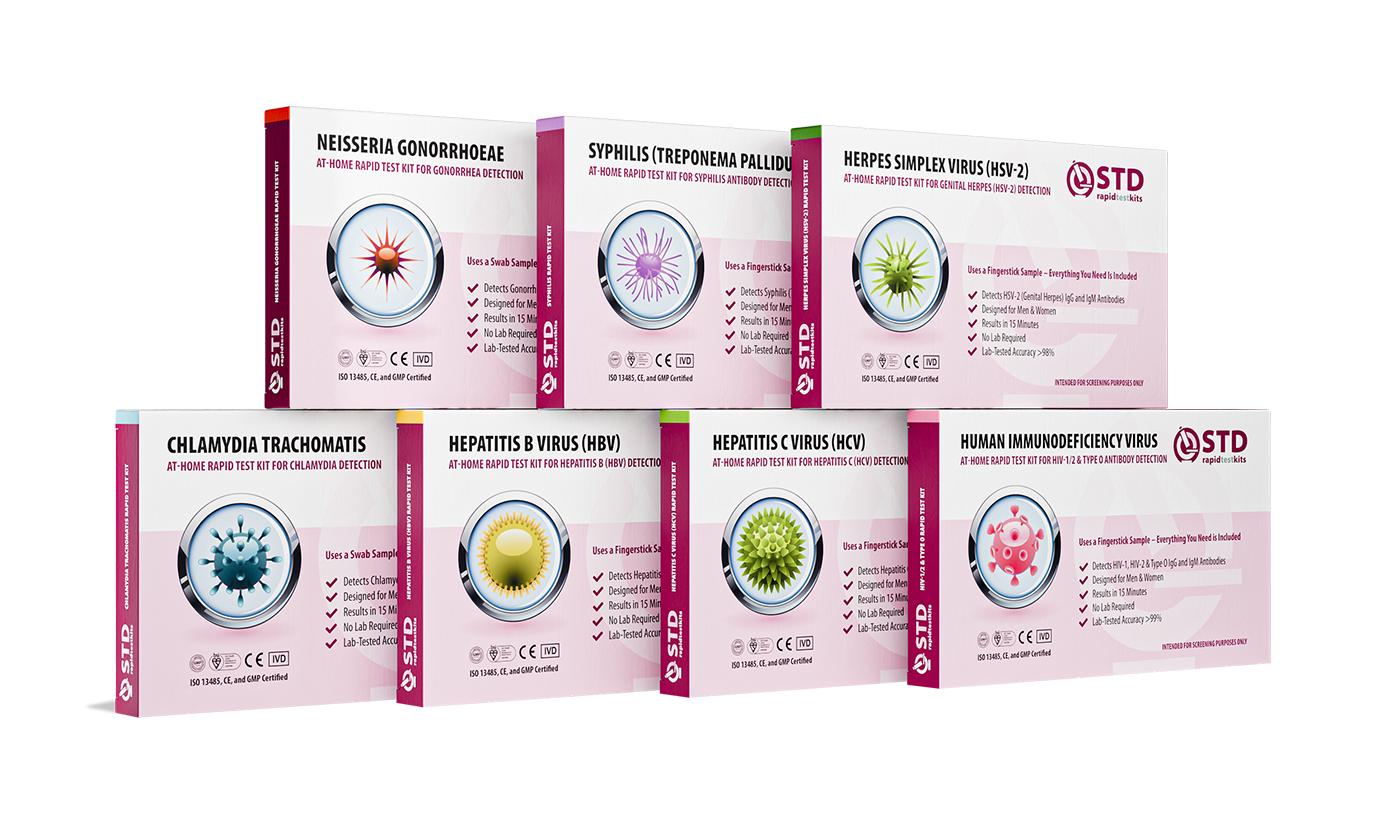
 For Men & Women
 Results in Minutes
 No Lab Needed
 Private & Discreet
Order Now $129.00 $343.00
For all 7 tests
When “No Symptoms” Turns into Regret
Imagine this: a 22-year-old college student, Morgan, hooks up a few times over winter break. No condom every time, but she figures she’s safe, none of her partners seemed “sketchy.” Spring semester rolls around, and she starts trying for a pregnancy with her long-term boyfriend. After months of trying, they go to a clinic. The tests show old, untreated chlamydia left scarring in her fallopian tubes. She never even knew she was sick.
It’s not just about regret, it’s about time. The longer you wait, the more damage these silent infections can do. And yet, so many people delay testing because they “feel fine.” In fact, the most common reason people don’t get tested is because they don’t think they need to.
But consider this: the CDC recommends annual chlamydia and gonorrhea screening for all sexually active women under 25 and men who have sex with men. Why? Because relying on symptoms doesn’t work. Most people won’t notice anything until the infection has already caused harm, or spread to someone else.
Even worse, many only learn they’ve passed something along when a partner calls them in tears. That’s a heavy way to find out something you could have caught early and treated with a few pills.
How Long Can STDs Stay Hidden?
The time between exposure and visible symptoms, if they ever show up, is called the incubation period. But there’s a second, lesser-known time factor: the window period. That’s the time it takes before an STD becomes detectable on a test. And when both are silent, the risk multiplies. You can feel fine, test too early, and get a false negative, only to infect someone days later.
Let’s look at how long some of the most common STDs can stay “quiet” in your system:
| STD | Symptoms May Appear After | Can Remain Asymptomatic For |
|---|---|---|
| Chlamydia | 1–3 weeks | Indefinitely |
| Gonorrhea | 2–10 days | Several months |
| Syphilis | 10–90 days | Years (in latent stage) |
| Herpes (HSV-2) | 2–12 days | Often undiagnosed for life |
| HIV | 2–4 weeks (flu-like symptoms) | 8–10 years without treatment |
Table 2. Typical symptom timing and how long each infection can stay hidden.
What this table doesn’t capture is the psychological toll. The uncertainty. The double-take when someone says “you should probably get tested.” The inner panic of wondering how long you’ve had it, or who else might be affected. That’s why understanding the silent nature of STDs isn’t about fear, it’s about protecting your future, your partners, and your peace of mind.
When to Test If You Feel Fine, But Still Had Exposure
Here’s where many people get it wrong. They hook up, feel fine the next morning, maybe even the next week, and assume they’re in the clear. But testing too soon can give you a false sense of security. Each infection has its own timeline for when it becomes detectable.
If it’s been less than five days since potential exposure, most tests won’t pick anything up yet. That doesn’t mean you’re clean, it means the clock is still ticking. After one to two weeks, chlamydia and gonorrhea become reliably detectable. For HIV, especially with antigen/antibody combo tests, you’ll want to wait at least 18–45 days post-exposure depending on the method used.
For the best accuracy, here’s a simplified window you can use:
If exposure was:
- 0–5 days ago: wait to test, but consider baseline testing now and again at 2–4 weeks - 7–14 days ago: good timing for chlamydia/gonorrhea, may need HIV recheck later - 3–12 weeks ago: ideal testing window for most STDs - 3+ months ago: suitable for full panel including HIV and syphilis confirmatory testing
Feeling unsure? One of the easiest ways to act is by using an at-home test. It’s discreet, private, and takes just a few minutes. Whether you’re post-hookup, in a new relationship, or simply want peace of mind, this combo test kit checks for multiple common STDs and ships quickly, no clinic trip needed.
You Can Still Protect Others, Even If You Feel Fine
There’s a quiet kind of courage in being the one who brings up testing. In the age of dating apps and casual encounters, many people treat unprotected sex like a handshake, routine, casual, forgettable. But taking responsibility for your sexual health changes the script.
One of the most respectful things you can do for a partner, casual or committed, is to get tested regularly, and to share your status honestly. It’s not just about protecting them from infection; it’s about showing them that their health matters. And in return, you deserve the same from them.
Even if you’re symptom-free, even if your last partner “seemed fine,” even if you’ve only had a few partners, testing is how we move from guessing to knowing. From stigma to safety. From silence to prevention.
STD Rapid Test Kits offers fast, private at-home kits that don’t require an awkward conversation at the clinic counter. It’s health care on your own terms, without shame, without waiting rooms, and without leaving your house.
How Often Should You Get Tested If You Have No Symptoms?
That depends on your sex life, your partners, and your level of risk. But here’s a rule of thumb: if you’ve had any new partners, multiple partners, or unprotected sex in the past 6 to 12 months, it’s time to test. Even if everything feels normal. Especially if it feels normal.
For people under 25, annual testing is considered the bare minimum. But if you’re sexually active with more than one partner, or you’re not sure about your partner’s history, twice a year is a smarter rhythm. If you’re queer, trans, or part of any community that experiences higher rates of infection due to stigma, discrimination, or medical neglect, regular testing is an act of empowerment. Not paranoia. Not shame. Power.
Think of it like this: you don’t wait to smell smoke before you check your fire alarm. You don’t wait for a cavity before brushing your teeth. So why wait for symptoms that may never come?

People are also reading: STDs in Porn: What Performers Really Do to Stay Safe
The Emotional Side of Asymptomatic STDs
There’s a special kind of anxiety that comes with being diagnosed with something you never felt. It can make you question your memory, your judgment, your relationships. You wonder: Did I miss something? Did someone lie to me? Did I give this to someone else?
This kind of diagnosis can carry heavy emotional baggage, especially when it comes out of nowhere. But here’s the truth: most people with STDs didn’t do anything “wrong.” They were sexually active. That’s it. And that’s enough to put anyone at risk, symptoms or not.
Instead of framing STD testing as punishment or shame, we need to start seeing it as basic care. Like brushing your teeth, checking your blood pressure, or getting a flu shot. Sex is part of life. STD care should be too.
And if you’re feeling scared or ashamed, pause. Breathe. You’re not alone. Many people learn they have an infection long after they got it. What matters is what you do next.
Start by getting tested. Then, if needed, treat. If you’ve been infected, talk to your partners, most want to know. And if you’re negative? That’s peace of mind you can carry into every relationship you have from here forward.
Check Your STD Status in Minutes
Test at Home with Remedium6-in-1 STD Test Kit
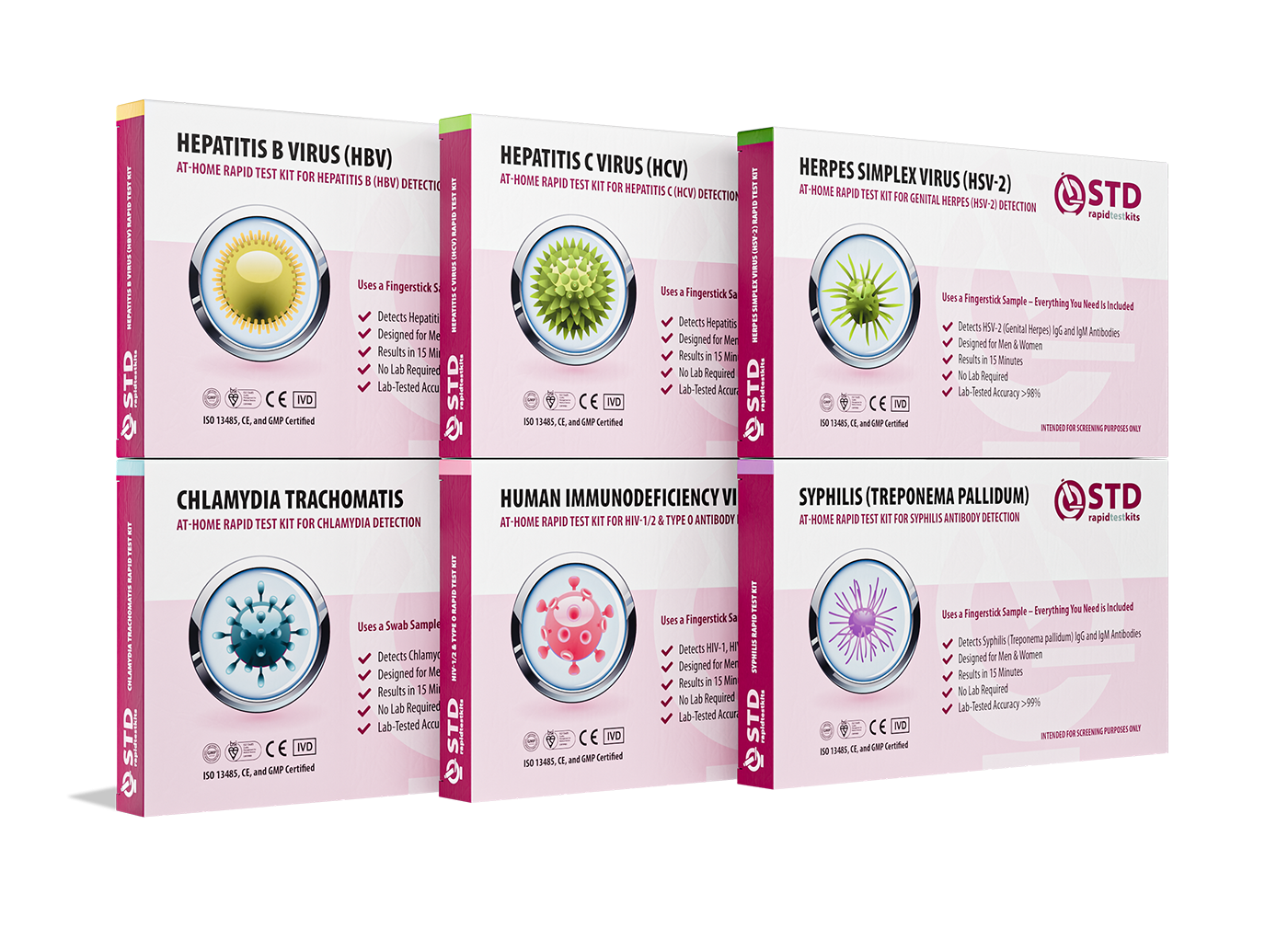 For Men & WomenResults in MinutesNo Lab NeededPrivate & Discreet
Order Now $119.00 $294.00
For all 6 tests
FAQs
1. Can I really have an STD and not know it?
Yes, and not just “maybe” yes. We’re talking millions of people walking around totally symptom-free while carrying something like chlamydia or herpes. It’s not rare, and it’s not because they’re irresponsible. It’s because these infections are sneaky. You could be feeling 100% fine and still test positive.
2. How long can something like herpes or HIV stay hidden?
Longer than most people expect. Herpes can sit dormant for months or years before a single sore shows up, or never show one at all. HIV might not trigger symptoms for a decade. That doesn’t mean they aren’t doing anything; they’re just quiet until they aren’t. That’s why timing your tests right matters so much.
3. But I feel totally fine, should I still get tested?
If you’ve had sex, especially unprotected or with new partners, yes. Feeling fine is great, but it doesn’t rule anything out. Think of testing like brushing your teeth, it’s maintenance, not punishment.
4. Can I pass an STD to someone even if I don’t have symptoms?
Yep. That’s the kicker. Herpes is infamous for this, people shed the virus from their skin even when they don’t have visible sores. Chlamydia and gonorrhea can live in the throat, rectum, or urinary tract without causing a single twinge and still be passed during sex.
5. What kind of STD test should I use if I have no symptoms?
You’ll want a test that covers the usual suspects, chlamydia, gonorrhea, syphilis, and HIV. A combo panel is your best bet, and yes, you can do it from home. No awkward clinic convos, no waiting rooms. This one is designed for people exactly like you, curious, careful, and not waiting for symptoms to tell the story.
6. When’s the right time to test after a hookup?
Not immediately, but also not forever later. Ideally, wait 1–2 weeks for chlamydia and gonorrhea, and up to 3 months for syphilis and HIV to be fully detectable. If you’re worried, test now and again later. Some things take time to show up in your blood or pee. Think of it like taking a second photo to be sure no one blinked.
7. How do I tell a partner I tested positive if I never had symptoms?
It doesn’t have to be a whole speech. You can say: “Hey, I just found out I had something and didn’t know. I wanted you to hear it from me, not find out later.” It’s not about blame. It’s about respect. If you’re too nervous to say it out loud, there are even anonymous notification tools that send a message for you. No drama, just facts.
8. Can I get retested after treatment to be sure it’s gone?
Absolutely. In fact, for chlamydia and gonorrhea, a follow-up test 3 weeks after treatment is recommended, especially if you’re planning to hook up again or you're in a relationship where trust matters. Think of it as a reset button, not a scarlet letter.
9. Will insurance or parents find out if I order a home test?
Nope. Most at-home test kits come in plain, unbranded packaging and don’t leave digital footprints. You can pay privately, and nothing shows up in your health records unless you choose to share it. It’s 2025, you should be able to check on your health without alerting your family group chat.
10. Is it too late to fix things if I’ve had an STD for a while?
It’s almost never too late. Even if you’ve been carrying something for months, or years, getting diagnosed now is better than waiting. Most STDs are treatable. The damage can often be reversed or slowed. What matters is that you’re here, reading this, thinking about testing. That’s the start of taking back control.
You Deserve Answers, Not Assumptions
Whether you’ve had one partner or twenty, whether you use protection every time or once in a while, and whether you feel totally fine or vaguely uneasy, testing gives you something no symptom check ever can: certainty. And in the silence of asymptomatic infection, certainty is everything.
You don’t have to wait for something to go wrong. You don’t have to wait for fear to push you. You can act from clarity, from care, from the belief that your health matters. This at-home combo test kit checks for the most common STDs discreetly and quickly. It’s one of the easiest ways to move from “maybe” to “I know.”
How We Sourced This Article: We combined current guidance from leading medical organizations with peer-reviewed research and lived-experience reporting to make this guide practical, compassionate, and accurate.
Sources
1. World Health Organization – Sexually Transmitted Infections
2. Planned Parenthood – STDs and Safer Sex
3. About Sexually Transmitted Infections | CDC
4. STIs: Prevalence, Incidence | CDC
5. Sexually Transmitted Infections | NCBI Bookshelf
6. Sexually Transmitted Diseases | Mayo Clinic
7. Management of asymptomatic sexually transmitted infections in high prevalence populations | PMC
8. Chlamydia - StatPearls | NCBI Bookshelf
About the Author
Dr. F. David, MD is a board-certified infectious disease specialist focused on STI prevention, diagnosis, and treatment. He has a straightforward, sex-positive attitude and wants to make it easier for people in cities and off-grid areas to read.
Reviewed by: Megan L. Ortega, MPH | Last medically reviewed: November 2025
This article is for informational purposes and does not replace medical advice.


