






Quick Answer: STD symptoms in college students often show up as burning, itching, discharge, or nothing at all, panic usually triggers testing, but early detection matters more.
Why Panic Usually Comes First
Let’s be blunt: most college students aren’t walking around with routine STD testing on their calendar. In a culture of hookups, party hookups, swipe-right connections, and midnight dorm visits, many students are taught to manage pregnancy risk, but rarely taught what herpes looks like, or that gonorrhea can infect your throat without symptoms.
The result? Prevention takes a back seat to urgency. Most first-time STD tests happen only after something “feels off.” A weird itch. A drip. A bump that wasn’t there last week. Or just a sickening fear you might have been exposed. This isn’t because students are reckless. It’s because sex education often skips details, and stigma keeps testing behind closed doors.
One recent CDC report noted that nearly half of all new STIs occur in people ages 15–24, and that’s only confirmed cases. Yet many of those students won’t get tested until they’re spiraling in a Reddit thread or convincing themselves they have herpes because of a razor bump.
And let’s be honest, anxiety doesn’t just affect mental health. It shows up in your body: tingling, phantom itches, imagined burning, changes in urination. If you’ve ever searched “STD or anxiety symptoms” at 3 a.m., you’re not alone.
How It Usually Starts
Sophia, 19, had only slept with one person since arriving at college. They used a condom, she thought. But now it burned when she peed. “It’s probably a UTI,” her roommate said. Sophia nodded, but deep down, panic was already building. She couldn’t stop thinking about STDs. Was it herpes? Was it chlamydia? Was it just soap irritation? She made an appointment with student health but didn’t tell anyone. Not even her partner.
For Sophia, and thousands of others, the test didn’t come from a place of calm prevention. It came from fear, confusion, and a body that no longer felt like a safe space. And that’s the problem: the system teaches us to wait until something’s wrong instead of empowering us to test routinely, like we would for cholesterol or cavities.
How STD Symptoms Actually Work (and Why They're Easy to Miss)
Most STDs don’t start with flashing alarms. In fact, many don’t have symptoms at all, especially in the early stages. You could be infected and pass it to a partner without a single sign. That’s not fearmongering, it’s biology. Chlamydia, for example, is often completely silent. Gonorrhea may show subtle discharge or mild burning. Herpes can look like a pimple or razor burn. HPV often doesn’t show until it’s found on a Pap smear.
And here’s where anxiety complicates everything: the more you Google, the more your brain builds symptoms out of suggestion. You might start feeling a tingle you didn’t notice before. You might examine every bump or spot. Is that normal? Was that there yesterday? This is common, and it’s why so many students test in a haze of panic, rather than clarity.
In the next section, we’ll walk through how soon STDs actually show up after sex, and when tests can detect them.

People are also reading: Why Monogamy Isn’t a Foolproof Shield Against STDs
When Do STDs Show Up? (And When Can You Actually Test?)
Here's the frustrating truth: even if you had unprotected sex last night and woke up in a cold sweat today, there’s a good chance your STD test won’t show anything yet. That’s not because you’re safe, it’s because infections need time to incubate before they become detectable.
This is called the "window period", basically the amount of time between exposure to the infection and when a test could accurately detect you as infected, so, needless to say: testing too early might get a false negative and then you'd walk away thinking you’re clear...when in reality the bacteria or virus hasn’t built up to testable levels yet.
Here’s what that looks like in practice:
| STD | Earliest Detection | Best Time to Test | Type of Test |
|---|---|---|---|
| Chlamydia | 5 days | 14 days | NAAT (urine or swab) |
| Gonorrhea | 2–6 days | 7–14 days | NAAT (urine or swab) |
| Syphilis | 3 weeks | 6–12 weeks | Blood test (antibody) |
| Herpes (HSV-2) | 4–7 days (if sores) | 10–20 days | Swab of sore or blood antibody test |
| HIV | 10–14 days | 3–6 weeks | Antigen/antibody or RNA test |
Note: These windows are averages, exact timing depends on your body, the test used, and how the sample is collected.
“I Tested Negative... But Something Still Feels Off”
Ty, 20, tested for everything five days after a condom slipped during a hookup. The clinic visit was fast, the staff polite, and the results all came back negative. But two weeks later, he noticed a small sore near the base of his shaft, and that led to a second test. This time, the swab came back positive for herpes. “I thought I was in the clear,” he said. “Now I realize I went in too soon.”
This is a common arc: panic leads to testing early, which leads to false reassurance, and when symptoms show up later, they’re confusing and emotionally charged. That’s why understanding timing is essential. Testing too soon can cost you peace of mind. Testing at the right time can prevent transmission, catch an infection early, and get you treated faster.
What If You Don’t Have Symptoms at All?
Most STDs don’t announce themselves. Some show no signs for weeks or months. Others mimic things like yeast infections, UTIs, irritation from sex toys, or even harsh laundry detergent. That’s why waiting for symptoms is risky, and why relying on anxiety as your main trigger to test creates a dangerous cycle.
Think of it this way: you don’t wait to feel a cavity to see a dentist. You don’t wait for your cholesterol to spike to check your blood pressure. STD testing can, and should, be part of your health routine, especially if you’re sexually active and under 25.
But again, the reality on college campuses tells a different story. Most students aren’t testing routinely. One study found that less than 20% of sexually active female students and less than 7% of males reported testing for STDs in the last year.
Instead, testing often waits until symptoms appear, a partner confesses something, or the fear becomes unbearable.
So When Should You Actually Test?
Here’s the testing decision tree in human terms:
If it’s been less than 5 days since the encounter: Testing won’t help much yet. Use this time to reflect, gather resources, and prep for testing around day 7–10 for certain infections.
If it’s been 7–14 days: Now is a good time to test for gonorrhea, chlamydia, and possibly early signs of herpes if lesions appear. If you test, plan for a follow-up test later, especially for syphilis, HIV, or if anything remains unclear.
If it’s been 14–30+ days: This is the sweet spot for a full panel. The longer you wait within this window, the more accurate most tests become. But don't wait forever, some STDs can do long-term damage without symptoms.
And if you’re testing now purely because of anxiety? That’s okay too. There’s no shame in needing reassurance. But pair that test with a plan: when to retest, what to watch for, how to normalize testing every 3 to 6 months moving forward.
Check Your STD Status in Minutes
Test at Home with Remedium10-in-1 STD Test Kit
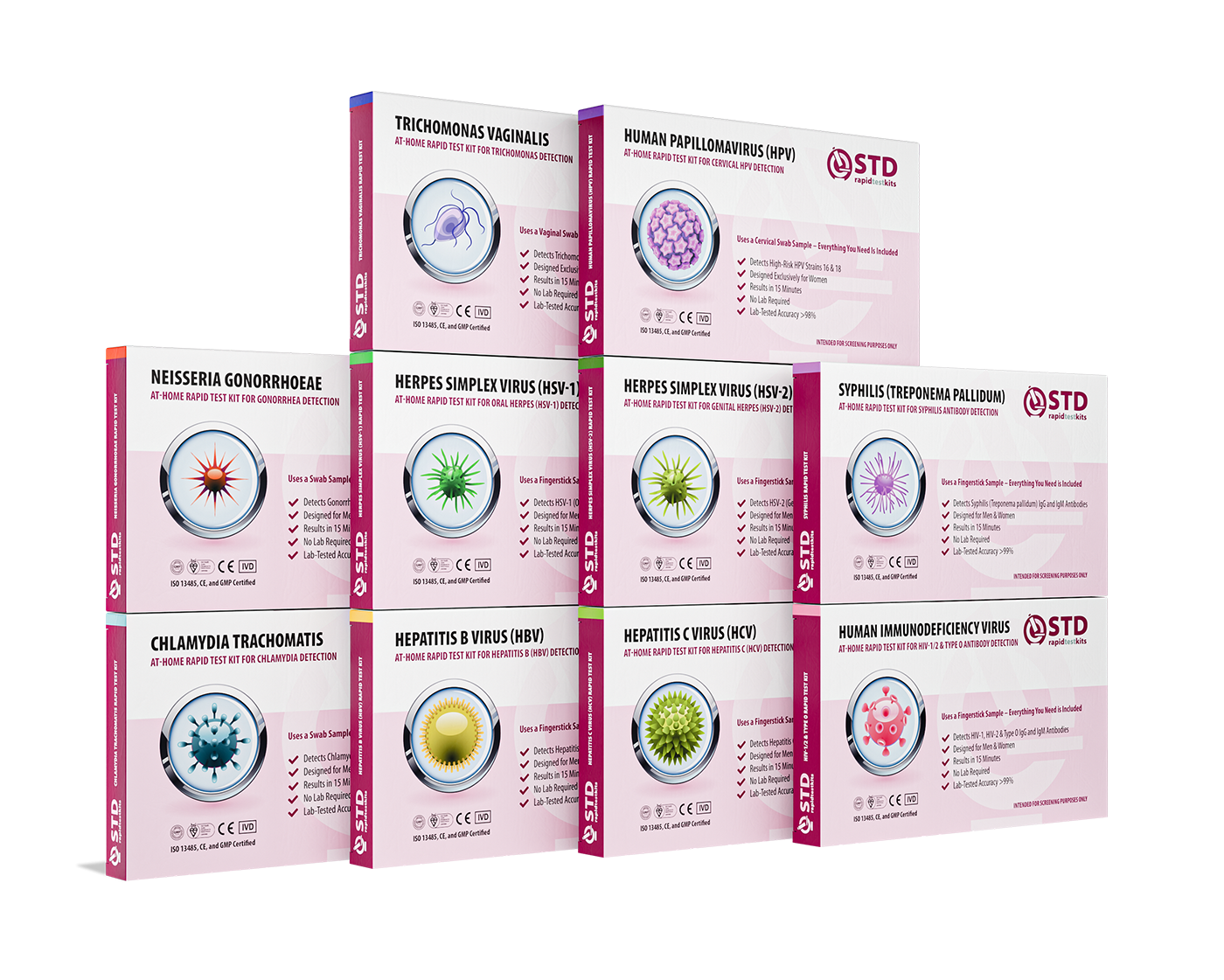
 For Women
 Results in Minutes
 No Lab Needed
 Private & Discreet
Order Now $189.00 $490.00
For all 10 tests
Clinic Visit or At-Home Test? What Students Actually Choose
There’s no one-size-fits-all approach to STD testing, especially when fear, timing, privacy, and shame all play a role. For college students, the two most common options are: going to the campus health clinic or ordering a discreet at-home test.
Each route has trade-offs. Let’s break it down.
| Option | Privacy | Speed | Accuracy | Best Fit For |
|---|---|---|---|---|
| Campus Health Clinic | Moderate (shared systems, insurance) | Same-day collection, results in 2–7 days | Very high (lab-grade testing) | Those with symptoms, insurance coverage, or in-person needs |
| At-Home Test Kit | Very high (discreet packaging, self-managed) | 1–3 days to arrive, results in 1–5 days | High (if used correctly and timed well) | Those who need privacy, live off-campus, or fear stigma |
Many students start with the clinic, especially if it’s free or low-cost with student insurance. But clinic hours may not work for everyone, and some students fear being recognized in the waiting room or having results show up in family billing statements. For those reasons, STD Rapid Test Kits and other at-home options have become a game-changer.
Testing Alone, But Not Without Power
Niko, 22, lived in a campus co-op with shared bathrooms and no car. When their hookup texted, “Hey, just found out I tested positive for chlamydia,” Niko froze. They didn’t want to go to student health. It was midterms. The thought of being seen by peers or explaining everything to a stranger made their stomach drop. That night, they ordered an at-home test kit. It came in a plain box. They followed the instructions alone, mailed it back, and got results two days later: positive. But the relief of knowing, and acting, gave them a calm they hadn’t felt all week.
For Niko, privacy made all the difference. For others, in-person support and immediate care might feel safer. There’s no right or wrong choice, only informed ones.
Call It What It Is: A Moment of Control
If you’re reading this mid-spiral, maybe you feel itchy, or scared, or just not yourself, it’s okay. Testing is not an admission of guilt. It’s a way to get your power back. Whether you choose a clinic or a test you do in your dorm bathroom, what matters is that you act.
You don’t have to wait for symptoms. You don’t have to justify being “worried enough.” Testing is health care. You’re allowed to want answers without panic.
Order a discreet combo STD test kit and give yourself peace of mind. Results are private, fast, and reliable, and you don’t need anyone’s permission to get them.
But What If the Test Comes Back Positive?
This is the question everyone dreads, but it’s also where healing starts. A positive result isn’t the end of the story. For most bacterial STDs like chlamydia and gonorrhea, treatment is simple: one round of antibiotics and follow-up. For herpes, HIV, or HPV, there are meds and strategies that help you live full, safe, connected lives.
More importantly, a positive test gives you clarity. It gives you the words to tell a partner. It gives you the power to stop transmission. And it makes you part of the solution, not the stigma.
In the final part of this article, we’ll show you what happens next: retesting, partner support, preventing reinfection, and how to build testing into your future, not just your fear.

People are also reading: What Happens After You Tell Your Partner You Have an STD
Retesting, Reinfection, and What Happens Next
So you tested, maybe for the first time. Maybe it was negative and you’re breathing easier. Maybe it was positive and you’re still processing. Either way, the next step is just as important: making sure you stay clear, supported, and safe going forward.
If you tested early, plan a follow-up. Retesting 2–6 weeks later can catch late-detecting infections or confirm treatment success. This is especially important for infections like syphilis and HIV, which may not show immediately but have serious health effects if ignored.
And if you’re treated? Don’t stop there. Reinfection happens more often than most students realize, especially when partners aren’t treated too. If you test positive for chlamydia, get antibiotics, but your partner never tests? You’ll likely pass it back and forth.
Partner testing is not just a courtesy. It’s part of treatment. You can even say, “Hey, my doctor told me you should get checked too. We both deserve to know.” Many clinics have anonymous notification tools if you're not ready for a face-to-face conversation.
FAQs
1. Can anxiety really make you feel like you have an STD?
Oh, absolutely. Your brain can be a trickster. Panic kicks in, and suddenly every itch, twinge, or warm sensation feels suspicious. It’s not “just in your head”, stress shows up in your body. But here’s the deal: no one can diagnose peace of mind. That’s what testing is for.
2. How soon after sex should I actually get tested?
Depends on the infection. Some, like gonorrhea and chlamydia, can show up in about a week. Others, like HIV or syphilis, may take a few weeks. So if you're testing right after the hookup, cool, just plan a retest down the line to be sure. Think of it as your follow-through move.
3. I tested negative but I still feel... off. Now what?
First: take a breath. If your test was too soon, it might have missed something. Or your symptoms could be from something else entirely, like a UTI, yeast infection, irritation, or yes, plain old stress. If you're unsure, test again in a few weeks. You’re allowed to double-check your health.
4. Do I have to go to a clinic? I don’t want anyone to know.
You don’t have to do anything that makes you feel exposed. At-home test kits exist for this exact reason. No waiting rooms. No weird insurance surprises. Just you, your results, and your power. You deserve options that feel safe.
5. Will my parents find out if I get tested?
If you’re using their insurance, maybe. Explanation of Benefits (EOBs) can spill secrets. But campus clinics often offer confidential testing, and at-home kits bypass that whole mess entirely. You’re not being sneaky, you’re being smart.
6. What if my partner won’t get tested?
That’s their choice, but your health is your responsibility. You can say, “I got tested because I care about us. I’d like you to do the same.” If they deflect, guilt you, or ghost? That tells you something more important than any test result ever could.
7. Can I get an STD from oral sex?
Yup, it’s not risk-free. Gonorrhea in the throat, herpes from a cold sore, even syphilis through a cut you didn’t notice, oral can transmit more than people think. Throat swabs are a thing. Use them if you’ve gone down without protection.
8. What if I test positive? Am I... broken?
Not even close. You're human. STDs are common, treatable, and don't define your worth. A positive test isn’t a moral failure, it’s a medical moment. You take your meds, inform partners, maybe cry a little, and then you keep living your damn life.
9. Should I test even if I don’t have symptoms?
Yes, yes, yes. Most STDs don’t shout, they whisper, or say nothing at all. If you’re sexually active (especially with new or multiple partners), testing regularly isn’t overreacting. It’s maintenance, like brushing your teeth or getting oil changes.
10. How often should I get tested while in college?
Every 6 months is a solid start. More often if you’re changing partners, not using protection, or just want peace of mind. Make it part of your routine, not your crisis plan.
Don’t Wait Until You’re Panicked
Testing doesn’t have to be scary. It doesn’t have to be shameful. And it definitely doesn’t have to wait until your brain is screaming or your body is flaring up. The earlier you test, the clearer your answers, and the easier the path forward.
You don’t need symptoms to deserve care. You don’t need a partner’s permission. You just need one step. This at-home combo test kit is discreet, fast, and doctor-trusted, and it puts your sexual health back in your hands.
How We Sourced This Article: We combined current CDC data, peer-reviewed medical literature, college health studies, and real-world accounts to create this student-centered guide.
Sources
1. CDC: STD Surveillance Report 2021
2. Testing.com: When to Test for STDs
3. Mayo Clinic: STD Symptoms & Causes
4. Everlywell: STD Rates Among College Students
5. STD Rapid Test Kits Homepage
About the Author
Dr. F. David, MD is a board-certified infectious disease specialist focused on STI prevention, diagnosis, and treatment. He blends clinical precision with a no-nonsense, sex-positive approach and is committed to expanding access for readers in both urban and off-grid settings.
Reviewed by: Sofia Lin, MPH | Last medically reviewed: October 2025
This article is just for informational purposes and should not replace all medical advice.


