Hepatitis C Window Period: When a Test Will Actually Work
It started with a scratchy sensation, something you almost ignored, until you remembered that blood exposure two weekends ago. Maybe it was a shared razor at a friend’s house. Or a spontaneous hookup where protection wasn’t perfect. Now your thoughts are spiraling. Could it have been Hepatitis C? And even more pressing: if you get tested today, will the results actually mean anything?
If you’ve found yourself Googling Hepatitis C window periods at 2AM, you’re not alone. This guide is here to cut through the confusion, explain how the virus works behind the scenes, and show you exactly when testing gives you real answers, not false reassurance. We’re not here to shame your past. We’re here to help you navigate what comes next, with clarity, science, and zero judgment.
10 October 2025
15 min read
726
Quick Answer:If you think you might have been exposed to Hepatitis C, the best time to get tested is between 6 and 12 weeks later. It may take 2 to 3 weeks for PCR tests to find it, but you may still need an antibody test later to be sure.
Who Needs This Guide, and Why It Matters
This isn’t just for people with obvious risk factors or chronic symptoms. This is for the partner who found a suspicious toothbrush in the bathroom. For the tattoo lover who didn’t ask about needle sterilization. For the person who accidentally pricked their finger on a shared lancet at a friend’s apartment.
You might feel ashamed, uncertain, or like you’re overreacting. You’re not. Hepatitis C isn’t about being reckless. It’s about a virus that can survive on surfaces for days and hide in your system for weeks without saying a word. Testing isn’t about guilt. It’s about taking control of your body and your peace of mind.
In this article, we’ll break down what testing really means, why timing is everything, and how to make sure your results are accurate. We’ll walk you through window periods, false negatives, testing types, and retest logic. Whether you’re weeks past exposure or just starting to panic, this guide’s for you.
What Counts as a Hepatitis C Test (and What Doesn’t)
Let’s start by decoding what “getting tested for Hepatitis C” actually involves. You might think one blood draw equals a clear answer, but that’s not always the case. There are two main ways to detect the virus, and each has a different job.
The first is the antibody test. This looks for the immune response your body builds when it encounters Hepatitis C. It’s great for confirming exposure, but here’s the catch: antibodies take time to appear. In the early days after infection, they might not show up yet, even if the virus is already there.
The second test is a PCR (or RNA) test. This one looks for the virus's DNA right away. It finds recent infections much faster; for example, it can find Hep C just two weeks after exposure. But PCR tests aren't always part of regular screenings, especially when there aren't enough resources or when they're done at home.
Here’s how the two compare:
Test Type
What It Detects
Best Use
Timing Sensitivity
Hep C Antibody Test
Body’s immune response (antibodies)
Long-term confirmation of exposure
6–12 weeks after exposure
Hep C PCR / RNA Test
Actual virus in the bloodstream
Early detection after exposure
2–3 weeks after exposure
Figure 1: Key differences between Hepatitis C test types. Both may be needed for a complete diagnosis, especially after recent exposure.
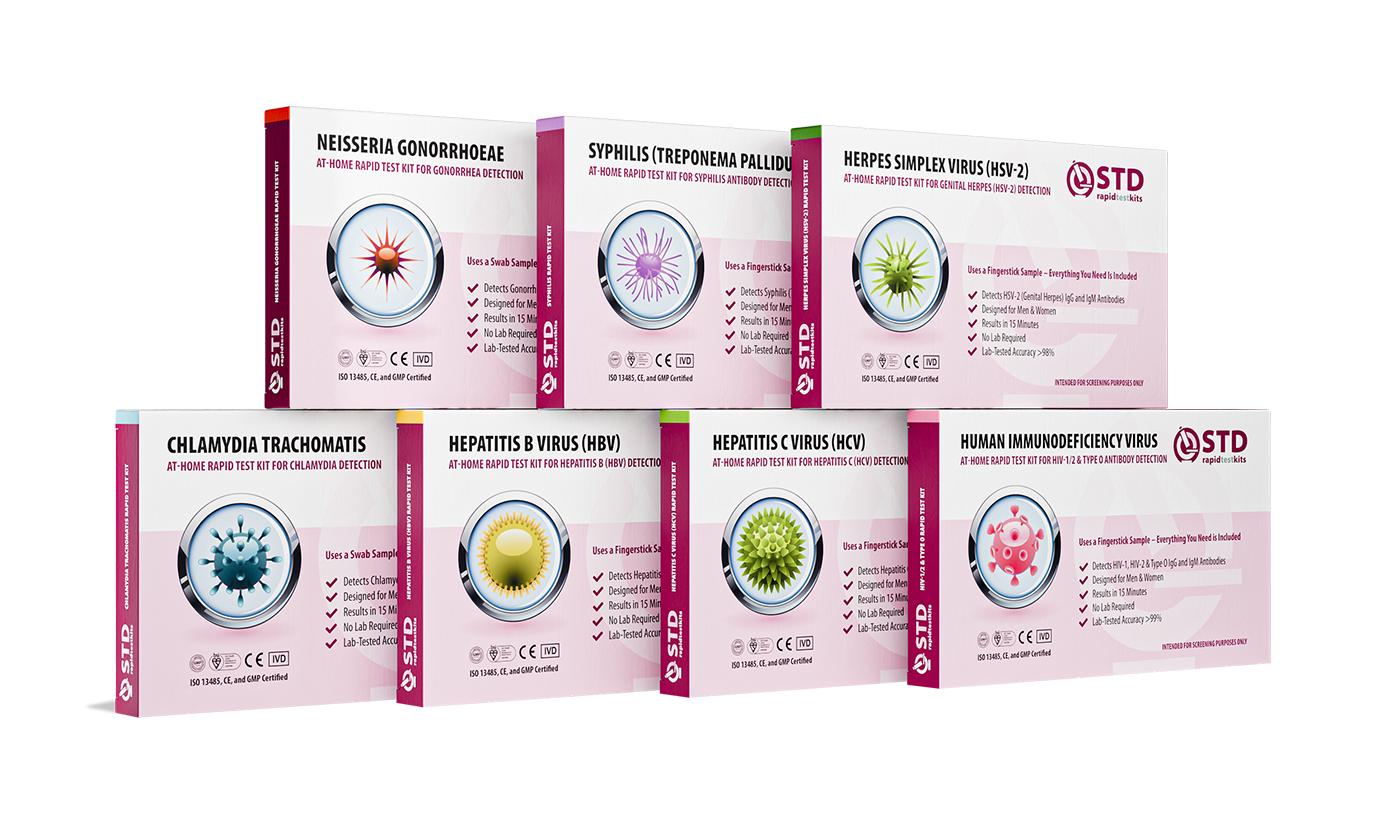
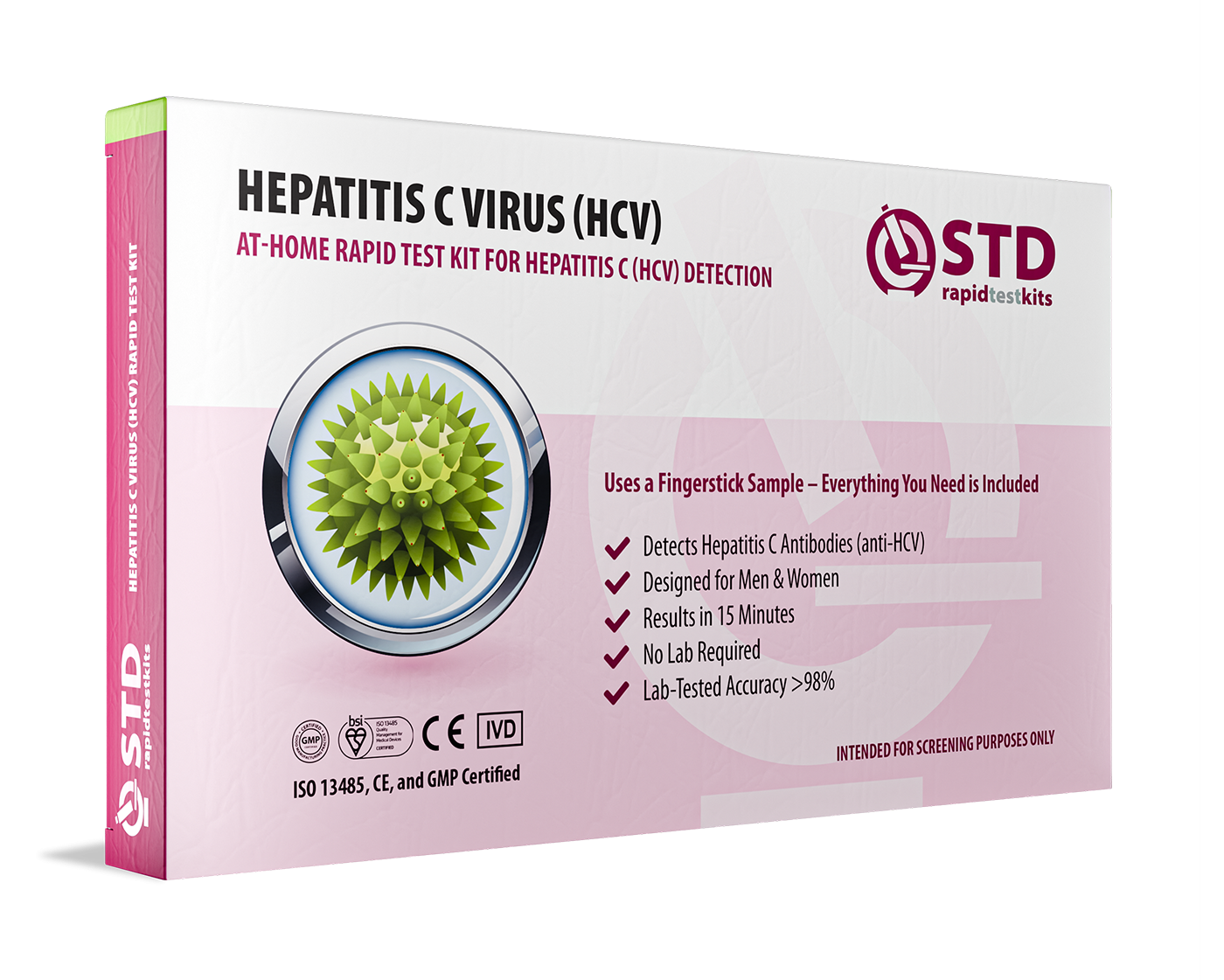
If you visit a clinic or order an at-home kit like the Hepatitis C Rapid Test Kit, it’s important to read what type of test you're actually taking. Some rapid kits detect antibodies, while others offer RNA-level testing. Don’t assume one test covers all the bases, especially when it comes to timing.
If you’re not sure what kind of test is best for your situation, you can always start with a combo kit from STD Rapid Test Kits. It offers discreet shipping and clear instructions, so you’re not left guessing.
Hep C’s Hidden Timeline: Why Early Tests Can Miss It
The most confusing part of Hepatitis C isn’t the virus, it’s the timeline. Unlike STDs that show up within a week, Hep C takes its time. And that delay? It’s the reason thousands of people test too early and walk away with a false sense of safety.
Let’s get our terms straight. The incubation period is how long it takes the virus to start causing symptoms, if it ever does. The window period is the gap between exposure and when a test can reliably detect the virus. For Hep C, the window period is the real deal-breaker. You could feel completely fine but still carry and transmit the virus, and if you test too early, your results might say “negative” when the truth just hasn’t surfaced yet.
Phase
What It Means
Typical Timing for Hep C
Incubation Period
Time from exposure to first symptoms (if any)
2 to 12 weeks
Window Period
Time from exposure to when a test can detect the virus
2 to 12 weeks (varies by test type)
Peak Test Accuracy
Best time to test for reliable results
6 to 12 weeks post-exposure
Figure 2: Hepatitis C’s incubation and window periods often overlap, but symptoms don’t predict test accuracy.
This disconnect is where people get burned. You feel fine, your early test comes back negative, and you move on, only to discover six months later during a routine blood panel that you’re positive. The emotional fallout? Massive. But it’s not your fault. It’s the timeline’s fault.
Why Timing Is Everything: Real Scenarios That Show the Risk
Let’s meet Andres, 32. He shared a tattoo needle at a music festival. He knew the risks, so he took a Hepatitis C test seven days later. Negative. But something in his gut told him not to relax. Three weeks in, fatigue hit him like a wall. By week six, his follow-up PCR test came back positive. That early test? It wasn’t wrong, it was just too soon.
Now picture Nora, 26. Her ex disclosed he had Hep C a month after they broke up. She panicked, ordered an at-home antibody test, and tested negative. She figured she’d dodged it. But ten weeks later, a lingering rash sent her to urgent care, and a lab-based antibody test flagged the virus. Her first test was too early. Her second saved her liver.
These aren’t rare stories. They’re typical. Which is why we mapped out when tests are likely to catch an infection, versus when they might miss it:
Time Since Exposure
What Might Be Happening
Best Testing Approach
0–7 days
Too early for symptoms or reliable detection
Wait to test unless symptoms are severe or exposure was high-risk (e.g. blood contact)
8–21 days
Viral RNA may start appearing in blood
Consider a PCR test; follow up with antibody test at week 6–12
22–42 days
Early antibodies may start to form
Antibody tests might catch infection, but retesting is still advised
6–12 weeks
Peak antibody formation; most accurate test window
Best time to take standard antibody test or combo testing
Figure 3: Timeline of Hepatitis C exposure versus test reliability. Use this to plan your next steps.
If you’re in that early window, don’t rush just to get it over with. Instead, plan your testing like you’d plan a follow-up shot or a medication refill. You deserve more than a maybe. You deserve a test that can actually catch what’s there.
If your head keeps spinning and the what-ifs are keeping you up, peace of mind might be one discreet kit away. Order a Hepatitis C Rapid Test Kit and make your first move toward clarity. No one needs to know. But you will.
False Negatives, False Hope: How to Avoid Getting Burned
A negative Hepatitis C result feels like a relief, until it turns out to be wrong. It’s a brutal twist: you did the right thing, you tested, you waited. But if that test was too early or processed improperly, it might’ve been meaningless. False negatives with Hepatitis C are more common than you think, especially in the first few weeks post-exposure.
Let’s break down the most common reasons someone gets a negative test result that later turns positive:
First, the test type and timing. Antibody tests, especially the rapid ones, aren’t built to catch infections before your body reacts. If you test during the first three weeks post-exposure, the virus could be multiplying silently while your immune system hasn’t fired up yet.
Second, handling and storage. At-home kits offer privacy, but they also rely on you following directions exactly. If you open the cassette too early, leave the test sitting too long, or use an expired kit, your result may be invalid, and you might not even know it.
And third, biological variation. Some people’s bodies take longer to produce antibodies. Others may have mild or no symptoms and never think to retest. If you’ve been immunocompromised, pregnant, or on suppressive medication, your immune timeline might be slower than average.
The safest route? Test once during the early PCR detection window if possible, and again at 6 to 12 weeks using an antibody test. That’s when your result means something. Otherwise, it’s like checking for footprints while the snow’s still falling. You won’t see what’s there, yet.
Retesting After Exposure or Treatment: What’s the Timeline?
Hepatitis C doesn’t always follow a straight line. Some people clear it spontaneously. Others treat it successfully, only to get re-exposed. Retesting is a critical part of your prevention and recovery path, and the timing depends on where you are in that journey.
Take Marcus, 40. He finished his antiviral treatment three months ago. His doctor told him he was “cured,” but a new partner disclosed their Hep C status after a shared toothbrush mishap. Marcus panicked. He retested five days later, negative. Too early. He tested again six weeks post-exposure, and the antibody test showed new infection. His timeline was clean until it wasn’t. His follow-up saved his liver a second time.
If you’ve recently been treated, testing within three months of completing therapy can show residual viral fragments. That doesn’t mean the virus is active, it just means your body is still cleaning up. PCR tests can sometimes over-read that leftover debris. That’s why confirmatory testing, done 12 to 24 weeks post-treatment, is the gold standard for declaring cure.
If you’re untested but worried about a new risk, your path is different. Here’s a good general rule:
Test once at 3–4 weeks post-exposure using a PCR or combination kit. Then again at 10–12 weeks with an antibody test. If either test comes back positive, or if you still feel off, talk to a provider. Even if symptoms haven’t kicked in, your liver could be taking damage silently.
We don’t talk enough about what testing feels like emotionally. The days between clicking “order now” and waiting for that plain envelope to show up can feel like purgatory. You check your mailbox obsessively. You wonder if your roommate noticed the package. You second-guess your decision, and your past.
That’s why at-home testing has to work harder. It’s not just about accuracy. It’s about discretion, speed, and clarity. Kits from STD Rapid Test Kits arrive in plain packaging. No logo. No weird return address. Just a compact, easy-to-follow tool that lets you test on your terms, without judgment, waiting rooms, or awkward disclosures.
And when you’re done, you’re in control. You decide who to tell. You decide what comes next. That’s not just privacy. That’s autonomy. And in a world where Hep C still carries stigma, that control can feel like a breath of fresh air.
If you’re still unsure which kit fits your situation, the Combo STD Home Test Kit includes screening for Hepatitis C alongside other common infections. It’s the best option if you’re facing multiple unknowns or want to cover your bases in one go.
FAQs
1. Can I test for Hep C right after a risky night?
Not really. Even though your anxiety’s yelling “do it now,” most tests won’t catch the virus that soon. PCR tests might start picking it up around week two, but for most people, the sweet spot for accurate results is weeks six through twelve. That’s when antibody tests actually mean something.
2. What’s the deal with this “window period” everyone talks about?
Think of it like the awkward silence after a bad date. It’s that in-between time after exposure when the virus is there, but your test doesn’t know it yet. For Hepatitis C, that window can stretch up to three months depending on the test type. Testing too early? You could walk away with a false negative and a whole lot of false confidence.
3. So if my test is negative, I’m good... right?
Maybe. If you tested at least 12 weeks after exposure, odds are your result is reliable. But if you took that test early, like during week 2 or 3, it might just be too soon to catch anything. When in doubt, retest later. Your peace of mind is worth the extra 10-minute swab.
4. I feel totally fine. Why should I even test?
Because Hepatitis C is sneaky. Like, ghost-you-for-months sneaky. Most people don’t get any symptoms until liver damage is already happening. That’s why regular testing matters, especially if you’ve shared needles, had blood-to-blood contact, or just… aren’t totally sure what went down last weekend.
5. How many tests do I actually need?
At least two if you’re testing early. One around week 3 with a PCR test (to catch viral RNA), and another around week 10 with an antibody test. It’s kind of like checking your bank balance before payday, you want the full picture before you make moves.
6. Can Hep C go away on its own?
Technically, yes. About 1 in 4 people clear the virus without treatment. But the other 3? They head into chronic territory, where it quietly chips away at your liver. Don’t bank on being the lucky one. Test, follow up, and if it’s positive, get treated. Today’s meds can wipe it out in weeks.
7. Is Hepatitis C only from drugs or needles?
Nope. That’s outdated and unfair. Sure, needle sharing is a high-risk route, but you can also get Hep C from unsterilized tattoo equipment, shared razors, or even during sex if there’s blood involved. It’s not about who you are. It’s about what happened, and whether you got unlucky.
8. What if I’m pregnant or immunocompromised?
Then your body might be playing the long game. Pregnancy and immune issues can delay your antibody response, meaning it takes longer to show up on a test. In those cases, RNA (PCR) testing is your better bet. And yes, Hep C can be transmitted to your baby, so don’t skip screening.
9. Which at-home test should I get?
If you want fast answers, look for a combo kit that includes both antibody and RNA options. Some only screen for antibodies, which is fine if your exposure was over two months ago. But if it was recent, or you’re freaking out right now, opt for something with early detection. The Hepatitis C Rapid Test Kit is a solid place to start.
10. My test came back positive. Now what?
First, breathe. You’re not dirty. You’re not doomed. Hep C is treatable, and lots of people clear it completely. Your next step is a confirmatory test and a check-in with a provider. You’ll also want to avoid sharing anything that could carry blood, razors, toothbrushes, even tweezers. And yep, you should tell any recent partners. It sucks. But it’s better than pretending it didn’t happen.
You Deserve Answers, Not Assumptions
If there’s one thing to take away from all this, it’s that timing matters, but so does care. Hepatitis C is manageable, treatable, and sometimes curable. But only if you know it’s there. Testing isn’t about fear. It’s about clarity. It’s about giving yourself the chance to act early, protect your health, and protect others.
If you’ve had a recent exposure or you’re just tired of not knowing, take that step today. This discreet combo test kit covers multiple infections, including Hep C, and ships fast, quietly, and with instructions that don’t leave you guessing.
How We Sourced This Article: We combined current guidance from leading medical organizations with peer-reviewed research and lived-experience reporting to make this guide practical, compassionate, and accurate.
Dr. F. David, MD is a board-certified infectious disease specialist focused on STI prevention, diagnosis, and treatment. He combines clinical accuracy with a straightforward, sex-positive approach and is dedicated to making his work available to more people, both in cities and in places without electricity.
Reviewed by: Alicia N. Gomez, MPH | Last medically reviewed: October 2025
This article is for informational purposes and does not replace medical advice.








 For Men & Women
 Results in Minutes
 No Lab Needed
 Private & Discreet