






Quick Answer: Retesting is recommended 3 weeks to 3 months after treatment, depending on the STD. For chlamydia and gonorrhea, recheck at 3 weeks to ensure the infection cleared. For syphilis, HIV, and herpes, retesting timelines vary due to antibodies or viral load.
Why Retesting After Treatment Isn’t Optional
If you’ve already been treated, you might think the job is done. But the truth is, STDs don’t always clear as neatly as we wish. Treatments can fail, symptoms can linger, and some infections can become reinfections before you even know it. Retesting is about three things: making sure the treatment worked, making sure you didn’t catch it again, and making sure you're not silently passing it on.
Consider Tasha, who completed antibiotics for gonorrhea after a routine screening. Her symptoms had faded, but three weeks later she got a call: her follow-up test showed a fresh infection. Turns out, her partner hadn’t gotten treated, or hadn’t stayed abstinent long enough. Retesting isn’t just for your peace of mind. It can stop a feedback loop of infection that hits communities hardest.
And then there are the STDs where testing positive after treatment doesn’t mean failure, it just means the test is picking up antibodies, not active infection. That’s why timelines matter. We’ll get into that shortly.
The Problem with Testing Too Soon
So you got treated, and now you want to be sure. We get it. But retesting too soon can actually confuse things more. That’s because different tests look for different things, some pick up DNA or RNA from the bug itself, others look for antibodies your immune system made to fight it off. And some of that “leftover noise” can linger after the infection is gone.
For example, with chlamydia, a NAAT test (nucleic acid amplification) can still pick up dead genetic material up to three weeks after treatment. That means if you test on day 5, your results might say “positive” even if the bacteria are gone. It’s not a treatment failure, it’s just too soon.
The same goes for syphilis. Even after treatment, your blood can test positive for treponemal antibodies for life. Only by tracking the levels over time (called titers) can a doctor tell if it’s an old infection, a new one, or a treatment success. This is where clinical follow-up matters most, especially for people with a history of multiple partners or underlying health issues.
People are also reading: Unprotected Sex? Here's When to Get Tested for STDs
Retesting Windows by STD: A Side-by-Side Breakdown
Each STD has its own rhythm when it comes to testing and retesting. Here’s how the timelines typically work if you've already been treated:
| STD | Retest Timing After Treatment | Why It Matters |
|---|---|---|
| Chlamydia | 3 weeks after antibiotics | Early testing may detect residual DNA; wait to confirm cure |
| Gonorrhea | 3–4 weeks after treatment | Reinfection is common; ensure clearance |
| Syphilis | 6–12 months of follow-up titers | Antibodies remain for life; titers show treatment success |
| HIV | 3–6 months post-ART or PEP | Monitor viral load and seroconversion post-exposure |
| Herpes (HSV) | No “cure test”; retest only if symptoms recur | Blood tests detect lifelong antibodies; no post-treatment check needed |
| Trichomoniasis | 2–3 weeks after treatment | Some strains resist metronidazole; retest confirms clearance |
Table 1: Retesting guidance after STD treatment. These ranges reflect clinical consensus but may vary depending on health status, test type, or ongoing exposure.
Order Now $119.00 $294.00 Check Your STD Status in Minutes
Test at Home with Remedium
6-in-1 STD Test Kit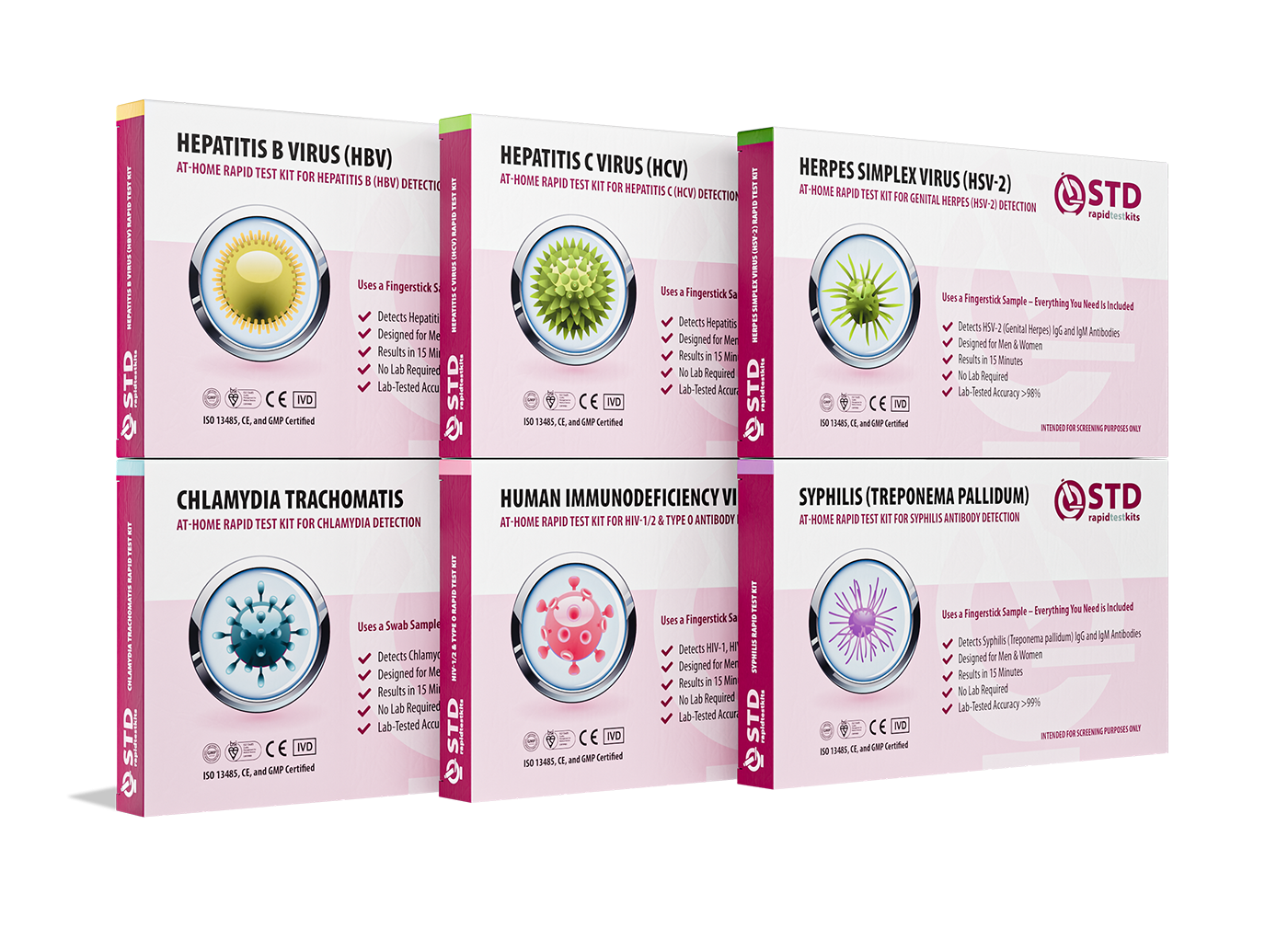
 For Men & Women
 Results in Minutes
 No Lab Needed
 Private & Discreet
For all 6 tests
“But I Still Have Symptoms”, What That Might Mean
It’s one of the most anxiety-triggering scenarios: you took the meds, waited the days, and something still feels off. Maybe it’s an itch that won’t go, a twinge during urination, or just a gut feeling. The reality? Not every lingering symptom means the STD is still active. But you’re right to ask questions.
Sometimes, it’s inflammation that hasn’t healed yet, especially in cases of gonorrhea or chlamydia where urethral or cervical tissues were irritated. In other cases, it might be a different infection entirely: yeast, BV, or even a urinary tract infection that crept in afterward.
Then again, there are moments when the original treatment wasn’t enough. For example, trichomoniasis can survive a single dose of metronidazole in about 5–10% of cases. And HIV symptoms, especially acute infection, can feel like a stubborn flu that just won’t quit. This is where retesting gives clarity, not confusion.
As Dr. Maria Santoro, an infectious disease specialist, explained in a recent NIH case review: “Persistent symptoms after treatment should trigger retesting, but also broaden the diagnostic lens. Don’t assume recurrence, rule out coinfections.”
How Exposure Type Affects When You Should Retest
Retesting isn’t just about the infection, it’s about the situation. A lot depends on how, when, and with whom you were exposed. That’s why clinicians look at behavior patterns, not just lab results. For example, someone who was treated for chlamydia but then had unprotected sex with the same untreated partner may need to retest sooner than someone who stayed abstinent for seven days after antibiotics.
Take Kenji, 27, who was treated for gonorrhea after a New Year’s Eve hookup. He followed the doctor’s instructions to the letter, finished treatment, waited a week, and then slept with the same person again. Two weeks later, he tested positive again. Was it a failed treatment? No. It was a reinfection, plain and simple. This is why guidelines always stress: both partners need treatment, and sex should be avoided for at least seven full days afterward, even if symptoms go away before then.
And what about someone treated for HIV exposure using PEP (post-exposure prophylaxis)? In those cases, follow-up testing is even more time-sensitive. Most protocols call for tests at 4 weeks, 8 weeks, and then again at 3 months post-exposure. That long wait can be agonizing, but it’s the only way to catch late seroconversion.
When Positive Doesn’t Mean “Still Infected”
Here’s one of the most common reasons people panic: they test again a few weeks after treatment, and the result is still “positive.” But not all positives are created equal. Some tests detect viral fragments or antibodies, things your body hangs onto even after the invader is gone. That doesn’t mean your treatment failed. It means the test is working as designed, and what it sees might just be “residue.”
This happens a lot with syphilis. Even after successful treatment, your blood will show treponemal antibodies for life. Doctors track your RPR or VDRL titer instead, a number that should drop fourfold within 6–12 months. So, if your original titer was 1:64, you want to see 1:16 or lower on the next test. That’s a sign the infection is resolved, even if the antibody test still says “positive.”
It’s also true for herpes. A blood test will almost always return positive once you’ve been exposed, even if outbreaks are rare or nonexistent. Retesting for herpes isn’t usually recommended unless symptoms change, because the test can’t tell new from old.
This table can help sort out whether your result might be a false positive, treatment remnant, or true reinfection:
| Scenario | Likely Interpretation | Next Step |
|---|---|---|
| Positive result within 10 days of treatment | Residual DNA or antigen from dead bacteria | Wait 2–3 weeks and retest |
| Positive result months after treatment, no new partners | Persistent antibodies (e.g., syphilis or herpes) | Check titer or switch to symptom-based monitoring |
| Positive result after new exposure | Likely reinfection | Start new treatment, notify partners |
Table 2: Understanding “still positive” results after treatment. Talk to a provider before assuming failure or success.
Case Study: "I Thought It Was Gone. Then My Partner Got Tested."
Dina, 31, had just finished her round of antibiotics for trichomoniasis. She’d followed every instruction: no sex for seven days, no alcohol, full dose completed. She felt fine, better, even. So when her partner suggested retesting together before they had sex again, she didn’t expect any surprises.
The clinic visit felt almost routine. But three days later, her partner called, he had tested positive. Confused, Dina booked another test. Her result came back negative. How could that be?
The answer? He had likely been carrying the infection longer, asymptomatically, and had never been tested before. Her treatment worked, but they hadn’t cleared it as a couple. She had to start a second round, and this time, they both treated together. They waited. Then retested together again.
This is the nuance most articles miss. Retesting isn’t just for “you.” It’s about breaking the loop. It’s about timing your tests around behavior, exposure, and real-world dynamics, not just calendars or pill bottles.
If your story sounds anything like Dina’s, or Jay’s, or Kenji’s, you’re not alone. And you don’t have to stay in the guessing game. This at-home combo test kit lets you recheck your status discreetly, whenever you're ready.
People are also reading: How Long Can You Have an STD Without Knowing?
Why the 3-Month Rule Matters for HIV and Hepatitis
Some STDs, especially viral ones, require longer timelines before follow-up testing can give you a clear answer. HIV and hepatitis B or C are prime examples. These viruses don’t always show up right away, even if you’ve started treatment, like PEP for HIV or antivirals for hepatitis.
For HIV, most clinicians recommend retesting at three key checkpoints after potential exposure: at 4 weeks, at 6 weeks, and again at 12 weeks. That’s because it can take time for either the virus or your body’s immune response to reach detectable levels. NAAT tests (which detect HIV’s genetic material) are more sensitive and can give results within 10–33 days. But antibody tests, especially those in at-home kits, may take longer to turn positive.
The same delay happens with hepatitis C. You might not develop detectable antibodies for 8 to 11 weeks after exposure. And because these viruses can sit silently in the body for years, follow-up testing, especially if you’ve had a known exposure or symptoms, is non-negotiable.
That’s why health departments recommend a minimum 3-month retest for these infections, even if the initial test is negative. It’s not just cautious, it’s necessary. And if you’ve started PEP, ART, or antiviral meds, make sure you follow up with your provider to time these tests appropriately.
Check Your STD Status in Minutes
Test at Home with RemediumHIV Rapid Test Kit
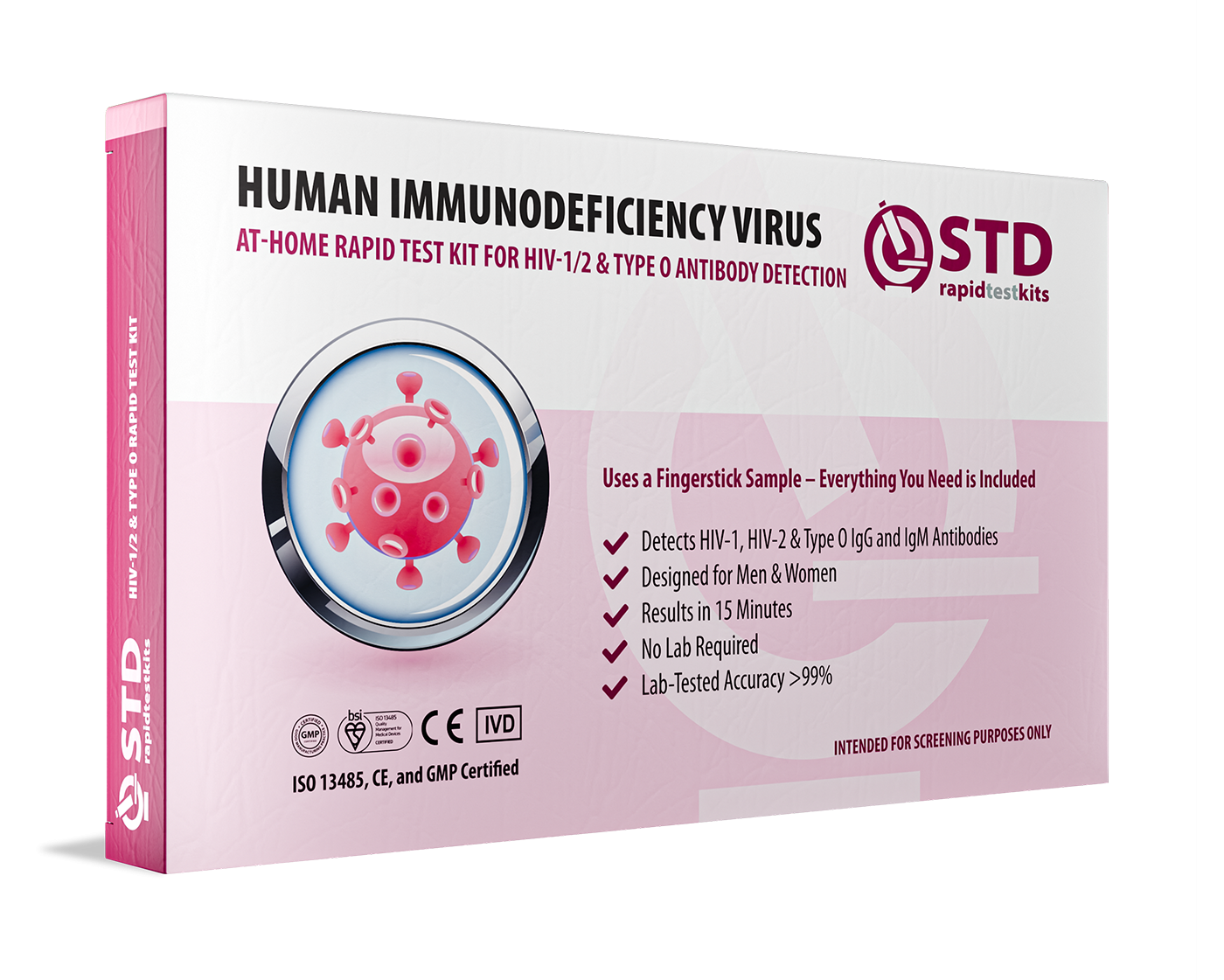 For Men & WomenResults in MinutesNo Lab NeededPrivate & Discreet
Order Now $33.99 $49.00
Private, Discreet, and Still Waiting: The Role of Shipping, Access, and Anxiety
Waiting for a test result is one thing. Waiting for the test to arrive is another. If you’ve ever ordered an at-home STD test while mid-panic, you know how much those two days can feel like two weeks. That’s why the shipping and privacy aspects of retesting deserve their own spotlight, especially for people retesting after treatment who want reassurance fast and confidentially.
Marcos, 24, was living with roommates when he decided to retest after a gonorrhea diagnosis. He didn’t want to walk into the clinic again, he’d already been once this month and couldn't handle the stares. So he ordered a test online. What he didn’t expect was the spiral of anxiety that followed: Would it come in a labeled box? Would his roommate see it? Would it even arrive before the weekend?
Here’s the truth: most at-home STD testing services (like ours) ship in plain, unbranded packaging. No logos. No test names. Just your name and a nondescript return address. You can choose your delivery window, and some platforms offer next-day shipping, even same-day delivery in certain cities.
Here's how delivery times usually line up with the different stages of anxiety after treatment:
| Time Since Treatment | Typical Anxiety Trigger | Recommended Action |
|---|---|---|
| Days 1–7 | “Do I feel better yet?” or “Did it work?” | Wait to retest. Monitor symptoms. Rest. |
| Day 10–21 | “Why am I still positive?” or “Should I test again?” | Order retest to arrive after day 21 |
| Day 30+ | “Did I get reinfected?” or “What about my partner?” | Test again, treat again if needed, talk to partner(s) |
Table 3: Post-treatment anxiety checkpoints and appropriate retesting responses. Time your tests to meet both emotional and clinical needs.
Talking to Your Partner After Retesting
This might be the hardest part, and the most important. If your retest comes back positive after treatment, your next step isn’t just about meds. It’s about communication. Who needs to know? And how do you say it?
There’s no one-size-fits-all answer, but here’s what helps: stick to facts, share testing dates if you're comfortable, and focus on mutual protection, not blame. You don’t have to share everything, just enough to keep everyone safe.
Here’s a script that readers have found helpful:
“Hey, I wanted to let you know I retested after treatment, and my results came back positive again. It could be a reinfection, or maybe the first round didn’t fully clear. I just wanted to be transparent so you can decide if you want to get checked too.”
This isn’t about shame, it’s about care. Sharing this info means you're protecting your health and theirs. And if the idea of doing it face-to-face feels impossible, consider anonymous partner notification tools offered by many local health departments. Some services even allow you to send a message without including your name.
The main thing? Don’t assume everyone’s fine just because symptoms went away. Retesting is your way of checking in with the truth. Sharing is your way of protecting the future.
If You’re Positive Again: What Comes Next
Testing positive after treatment can feel like a punch in the gut. But take a breath, this doesn’t mean you’re untreatable, or that you messed up. It just means the situation needs another round of clarity. The first step is figuring out: is this a reinfection, or did the first treatment fail?
Most STDs respond to treatment quickly, but there are exceptions. Trichomoniasis, for instance, sometimes needs a longer or repeated course of metronidazole. Gonorrhea can resist antibiotics in rare cases, especially if you were treated with older regimens. And herpes? It can stay in your system for life, so future outbreaks might pop up even with antivirals on board.
If your retest shows a positive result after the waiting period, contact your provider or use a telehealth service to discuss whether you need a different medication, a longer treatment plan, or an additional test for a different infection. And remember: having one STD doesn’t mean you can’t get another. Dual infections happen more often than most people realize.
On the flip side, if your retest is negative, congrats. But don’t see that as a finish line. Keep communication open with partners. Schedule regular screenings if you're sexually active. And know that taking control of your health, again and again, is never something to be embarrassed about. It’s power.
FAQs
1. I got treated, but I still feel “off.” Is that normal?
It can be. Your body’s not a switch, you don’t go from infected to fine overnight. Even after the meds kick in, it can take a week or two for inflammation to calm down. If you’re still feeling weird after that, it might be something else entirely: maybe a yeast infection, maybe irritation, maybe reinfection. Retesting helps clear the mental fog, and the medical picture.
2. Do I really need to retest if I took all my antibiotics?
Yep. Treatment doesn't come with a guarantee card. Even if you followed every instruction perfectly, reinfection is incredibly common, especially with chlamydia or gonorrhea. Think of retesting as your peace-of-mind checkpoint, not a punishment. You deserve to know if you're actually clear.
3. Can a test still say “positive” after I’m cured?
For some STDs, yes, and that’s not a mistake. Syphilis blood tests can stay positive forever, even when the infection is gone. Herpes too. The trick is understanding what the test looks for, live bugs versus antibodies versus genetic leftovers. That’s why timing and type of test matter. If you’re unsure, check with a provider or use tests designed for post-treatment clarity.
4. How long should I wait to retest for chlamydia or gonorrhea?
Three weeks. Not one. Not ten days. Three full weeks. Earlier than that, and the test might pick up fragments from the dead bacteria and give you a false positive. If your symptoms return before that, sure, talk to someone. But otherwise, give your body and your test enough time to tell the truth.
5. My partner says they’re fine, should I still retest?
Always. Unless you both got treated and waited the full 7 days before sex again, you're not in the clear. We see it all the time, one partner gets treated, the other doesn’t, and boom: round two. Trust is great. Testing is better.
6. What if I had sex before finishing the meds?
Then retesting is a must. Having sex too soon can interrupt treatment and put both of you back at square one. And if your partner wasn’t treated too? Now you're playing tag with bacteria. Retest, and next time, wait the full seven days even if you're feeling fine.
7. Can I just do an at-home retest?
Absolutely, and a lot of people prefer it. No judgmental stares, no awkward waiting rooms. Just order, swab, send, or scan. Kits are accurate when used correctly and perfect for checking clearance after treatment. Just make sure you’re testing at the right time based on the STD in question.
8. Do I need to retest if I didn’t have any symptoms to begin with?
Yes, and that’s exactly why. Silent infections are the most dangerous because you don’t feel sick, but you can still spread them. If you got treated for an asymptomatic infection, retesting is your only way of knowing for sure it’s gone. No symptoms doesn’t mean no risk.
9. What about HIV or hepatitis, how long before I know I’m in the clear?
Viral infections move slower. For HIV, retest at 4 weeks, then again at 12 weeks for certainty. For hepatitis B or C, antibodies can take months to appear. If you took PEP, or had a risky exposure, don’t stop testing at one-and-done. Stay in it for the long haul, you’re worth the follow-through.
10. I’m traveling, can I still retest on the road?
You can, and you should. Many at-home kits ship internationally, or you can hit up a clinic abroad. Just make sure you're following reliable window periods so your results actually mean something. And if you’re in a remote area, check if discreet kits can be delivered to a pickup point. Testing doesn’t stop just because you crossed a border.
You Deserve Answers, Not Assumptions
You followed treatment instructions. You made hard calls. You took your health seriously. Whether your symptoms faded, lingered, or morphed into deeper questions, you deserve to know what’s going on in your body, without judgment or delay.
Being honest, not paranoid, is what retesting is all about. It's a way to keep your partners, your future, and your peace of mind safe. And with private, quick shipping options for testing, you can get answers on your own terms. Here, you can order your at-home STD retest and move on with your life.
How We Sourced This Article: We combined current guidance from the CDC, WHO, and Mayo Clinic with peer-reviewed studies and real-world reporting to create a guide that’s not only medically accurate, but also emotionally realistic.
Sources
About the Author
Dr. F. David, MD is a board-certified infectious disease specialist focused on STI prevention, diagnosis, and treatment. He blends clinical precision with a no-nonsense, sex-positive approach and is committed to expanding access for readers in both urban and off-grid settings.
Reviewed by: Nia Lennox, MPH | Last medically reviewed: October 2025
This article is just for information and should not be used as medical advice.


