







Quick Answer: If you think you might have been exposed to an STD, you should tell your partner right away, even if you're not sure yet. Use language that is calm and clear, and make sure they can test and protect themselves. There are anonymous tools you can use if you can't or don't want to talk to someone directly.
Why This Feels So Hard (But Still Matters)
Let’s be honest: talking about STDs still carries shame, especially in hookup culture, new relationships, or situations where the sex wasn’t entirely consensual. Maybe it was casual, maybe it was rushed, maybe it felt amazing in the moment, but now you're dealing with an aftermath of uncertainty. Even if the risk is small, the emotional weight is heavy.
This article is for anyone who’s lying awake at night thinking, “Should I say something?” It’s for people who are scared of being blamed, ghosted, shamed, or accused. It’s also for people who deeply care about the folks they’ve been with and want to do the right thing, without spiraling into guilt or panic. STD disclosure isn’t just a moral checkbox. It’s a form of care, communication, and yes, sometimes, courage.
If you’re here, it means you’re trying. That matters. And you’re not alone.
What Counts as “Exposure” and When Should You Say Something?
So what exactly qualifies as “STD exposure”? It’s not always black-and-white. You might have tested positive and need to notify partners from the past few weeks or months. Or maybe you haven’t tested yet, but you’re worried because someone you hooked up with just messaged you saying they have chlamydia. In both cases, it’s valid to alert your partner(s), even if your own results aren’t confirmed yet.
Exposure generally means there was some realistic chance of transmission: oral, vaginal, or anal sex without a condom; sharing toys without sanitizing; or even skin-to-skin contact in the case of herpes or HPV. But you don’t need a PhD in microbiology to have this conversation. You just need honesty and a sense of timing.
According to the CDC, anyone who has had sex with a partner diagnosed with an STD, or who suspects they might have been exposed, should inform partners as soon as possible, ideally before they engage in more sexual contact. This helps break the chain of transmission and gives people time to test and treat early.
The bottom line? If there’s a chance someone was exposed, they deserve to know, even if you’re nervous, even if you’re still waiting for your own test results.

People are also reading: Throat Gonorrhea 101 What It IsHow You Get Itand How to Treat It
Scripts You Can Actually Use (Even If You're Shaking)
It's not always hard to know what to say; sometimes it's hard to know how to say it. There are scripts and ways to say things below that are meant for different situations. You can change them to fit your tone and your truth. These aren't templates for robots. They are ways to start a conversation that are based on respect and safety.
-
Script if you tested positive recently:
“Hey, I just found out I tested positive for chlamydia. I wanted to let you know because we were together recently. I’m getting treated, and it’s curable, but it’s important to get tested too. I know this might be a shock, I’m here to talk if you want.” -
Script if you’re still waiting on results but there’s possible exposure:
“Hey, something’s been on my mind. Someone I was with earlier reached out about an STD, and I wanted to be upfront since we were together too. I don’t have any symptoms, but I’m getting tested to be safe. Just wanted to give you a heads up in case you want to do the same.” -
Script for casual partners or one-time hookups:
“Hi. This might be awkward, but I think it’s important. There’s a chance I may have exposed you to an STD. I wanted to tell you so you could take care of yourself and get checked out. I'm sorry if I made you nervous. That wasn't my intention. -
Script if you're afraid of retaliation or abuse:
Your safety comes first. If you're in a situation where direct contact feels unsafe or you’re afraid of violence, you should not disclose in person. You can use anonymous notification tools (see below) or ask a provider to contact them on your behalf.
Check Your STD Status in Minutes
Test at Home with Remedium7-in-1 STD Test Kit

 For Men & Women
 Results in Minutes
 No Lab Needed
 Private & Discreet
Order Now $129.00 $343.00
For all 7 tests
Anonymous Tools and Safe Ways to Notify a Partner
You don’t always have to deliver the message yourself. If talking directly is too hard, or too risky, there are services that can notify someone anonymously that they may have been exposed to an STD. These tools don’t reveal your identity but still give the person accurate medical guidance and testing recommendations.
| Tool | What It Does | Anonymous? |
|---|---|---|
| TellYourPartner.org | Sends anonymous text messages to partners about possible exposure | Yes |
| STDCheck Risk Tool | Helps assess exposure risk and share results discreetly | Partially (results shared anonymously) |
| Local Health Department | May offer partner notification services through contact tracers | Yes (depends on program) |
Figure 1. Anonymous notification resources that let you inform partners without confrontation.
Case Study: “I Didn’t Know I Had Anything, But I Still Told Them”
Jared, 27, had no symptoms when he hooked up with someone he met on a hiking trip. A week later, a friend from his polyamorous community tested positive for gonorrhea. Jared got tested too, and while he waited for results, he felt sick with guilt and confusion.
“I kept wondering, do I say something now, or wait? What if I tell her and it turns out I’m negative? What if I say nothing and she gets sick?”
Eventually, he decided to send a short, calm text that explained the situation. She responded gratefully and even thanked him for being honest. Jared’s results came back positive, but by then, she had already tested and started treatment. He still felt awful, but he didn’t feel ashamed. He’d done the right thing, and she knew it too.
This is what partner care looks like. Not perfection, just communication.
Take Action Without Waiting Weeks for a Clinic Appointment
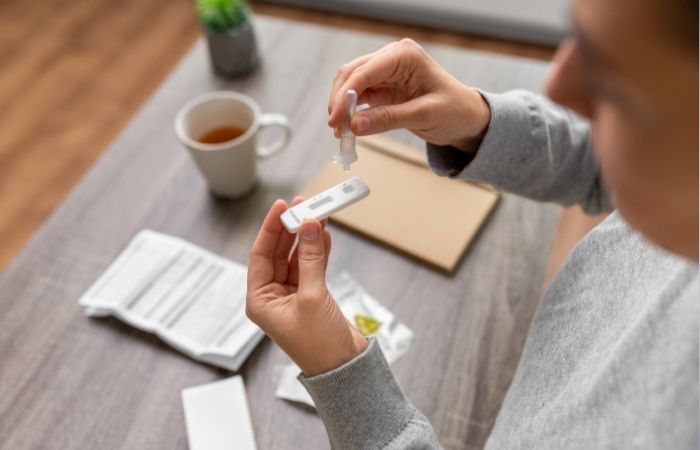
Whether you’ve already told your partner or you’re still mustering the courage, getting tested is the next best step, for both of you. You don’t need to wait days for an appointment or face awkward waiting rooms. Rapid at-home STD test kits offer a discreet, fast, and reliable way to get answers now.
Tests like the Combo STD Home Test Kit can detect several of the most common infections using easy-to-use fingerstick or urine samples. You’ll get results in minutes, not days, and you control who sees them.
If your head keeps spinning, peace of mind is one test away. Visit our homepage to explore discreet options made for real life.
People are also reading: The STD That Ate My Organs Untreated Infections Gone Horribly Wrong
What If They Get Angry, Ghost You, or Shame You?
Let’s be real, disclosing a possible STD exposure doesn’t always go well. You might get ghosted. You might get a furious reply. You might get blamed for something you didn’t even know you had. That doesn’t mean you did the wrong thing. It means you're up against stigma, fear, and sometimes people who aren’t ready to hear the truth.
Reactions will vary. Some people are kind and appreciative. Others lash out because they’re scared or triggered. You can’t control their response, but you can control your honesty, your tone, and your own boundaries. If someone turns cruel or abusive, that’s on them. Not you.
According to a 2022 study published in Sexually Transmitted Diseases, people who receive timely disclosure are more likely to seek testing, reduce transmission risk, and experience less emotional fallout compared to those who are never told. You’re giving them the power to act, which is ultimately an act of care.
Check Your STD Status in Minutes
Test at Home with Remedium6-in-1 STD Test Kit
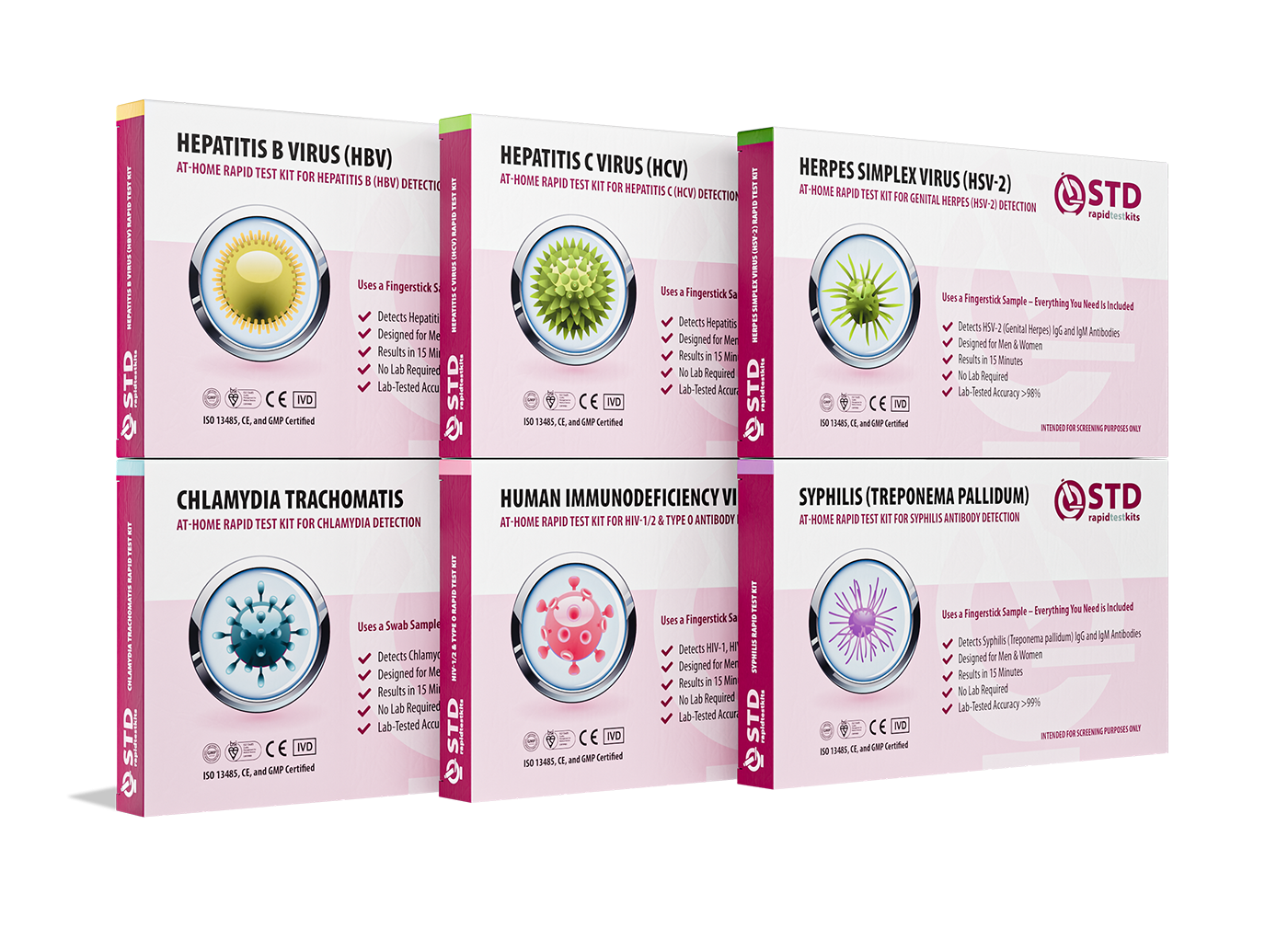 For Men & WomenResults in MinutesNo Lab NeededPrivate & Discreet
Order Now $119.00 $294.00
For all 6 tests
How Soon Should You Tell a Partner? (Timing Table)
There’s no “perfect” day to say something, but earlier is usually better. Below is a timing table for common STDs and how soon you should alert a partner based on test windows, transmission risk, and treatability. If you’re unsure when exposure happened, use the most recent sexual contact as your reference point.
| STD | Best Time to Notify | Why It Matters |
|---|---|---|
| Chlamydia | Immediately after positive result or suspected exposure | Often asymptomatic, early testing prevents spread |
| Gonorrhea | Immediately after risk or diagnosis | Highly contagious and fast-spreading |
| Herpes (HSV-1/2) | As soon as symptoms appear or diagnosis confirmed | May be contagious even without symptoms |
| Syphilis | Within days of diagnosis or exposure alert | Silent early symptoms; early treatment is critical |
| Trichomoniasis | When symptoms arise or test is positive | Easily treatable but often missed without disclosure |
Figure 2. Suggested notification timing for common STDs based on risk and detection windows.
If You’re the One Who’s Still Waiting on Results
You don’t need all the answers to start the conversation. In fact, waiting for a positive result before telling someone can create more risk. Letting them know there's a possibility allows them to make informed decisions, get tested, pause sexual activity, and protect others.
If your results come back negative, you might feel like you jumped the gun. But guess what? You still did the right thing. You showed care. You took responsibility for your health and theirs. That kind of transparency builds trust, even if it ends things romantically.
And if you do test positive, you won’t have to panic all over again about who to tell. You already laid the groundwork.
Still Feeling Paralyzed? Here's the Bottom Line
There is no one “right” way to tell a partner about possible STD exposure. But silence isn’t neutral. It doesn’t protect anyone, including you. What you say doesn’t need to be perfect. It just needs to be honest. Clear. Respectful.
You can send a message. Make a call. Use an anonymous tool. Or ask a provider for help. You’re not weak for needing help. You’re human for wanting to do it right.
If you need an easy, discreet way to test yourself or offer testing options to a partner, the Combo STD Home Test Kit can be ordered online and delivered in plain packaging. It checks for multiple STDs using accurate, easy-to-use tech. No appointments. No awkward small talk.
Your health. Their health. It all starts with a conversation, and a test you can trust.
FAQs
1. Do I really have to tell them?
Short answer? Yeah. If there’s a real chance they were exposed, they deserve to know. Even if it was just one night, even if you’re terrified they’ll react badly. It’s not about confessing guilt, it’s about protecting people. And believe it or not, some folks will actually appreciate your honesty.
2. What if I’m not 100% sure I have something?
You don’t have to wait for a lab-confirmed, laminated diagnosis. If there’s a risk, like a previous partner testing positive, or weird symptoms popping up, it's worth giving someone a heads-up. Think of it like telling someone there might be a pothole ahead. Maybe there isn’t. But wouldn’t you want the warning?
3. Is there a way to tell someone without saying it’s me?
Totally. You can use anonymous text services like TellYourPartner.org or even ask a clinic to help. These tools send a message saying, “Hey, you might’ve been exposed, here’s how to get tested.” No names. No drama. Just facts and care.
4. What if they freak out and accuse me of something?
Unfortunately, that can happen. People panic when sex and shame collide. But remember this: their meltdown doesn’t erase your effort. Stay calm. Stay respectful. If things get hostile, you’re allowed to step back or block. Disclosure should never come at the cost of your safety.
5. How far back do I need to go when telling partners?
Depends on the infection. For chlamydia and gonorrhea, most clinics say notify anyone from the past 60 days. Some STDs, like HIV or syphilis, have longer look-back periods. When in doubt, talk to a provider, or go with your gut. If someone’s at risk, they should know.
6. We used a condom. Does that mean I’m off the hook?
Not exactly. Condoms seriously cut down risk, but they’re not a forcefield. Some infections, like herpes or HPV, spread from skin-to-skin contact outside the condom zone. If you tested positive, it’s still worth telling them, even if you wrapped it up.
7. Could I get in legal trouble for giving someone an STD?
In some places, yes, especially for knowingly transmitting HIV without disclosure. But if you’re honest, act in good faith, and get treated, most situations don’t become legal battles. Honesty usually protects you more than silence ever will.
8. What if I told them and they just… disappeared?
Oof. That hurts. But ghosting doesn’t mean you messed up. It might mean they’re processing, avoiding, or just don’t know how to respond. You did the brave, right thing. You can’t control how people react, but you can feel damn proud you handled it with maturity.
9. When should they get tested after I tell them?
It depends on the infection, but a general rule? Most common STDs show up reliably on tests after 10 to 14 days. If they test too early, they might need a follow-up. Send them to a resource (like our homepage) that breaks it down by STD.
10. Should I get retested too?
Yeah, especially if your first test was within the window period or right after exposure. A follow-up after 30–45 days gives you peace of mind, and shows your partner you take this seriously. Testing again isn’t paranoia. It’s self-respect in action.
Tell the Truth. Offer a Way Forward. Then Breathe.
You did the hard part. Or you’re about to. Either way, that’s courage. No shame. No panic. Just steps forward.
If you're still unsure about your status, or if your partner needs an easy option to test, try a discreet at-home solution like the Combo STD Home Test Kit. It’s fast, confidential, and doctor-trusted. No awkward appointments. No judgment.
Don’t wait and wonder, get the clarity you both deserve.
How We Sourced This Article: We combined current guidance from leading medical organizations with peer-reviewed research and lived-experience reporting to make this guide practical, compassionate, and accurate.
Sources
1. Partner Notification Strategies for Sexually Transmitted Infections – PMC
2. Digital Partner Notification for STIs: Scoping Review – BMJ STI
3. CDC – Expedited Partner Therapy (EPT) Clinical Guidance
4. Partner Notification Methods to Prevent or Reduce STIs – NCBI
5. CDC – Partner Services as a Public Health Tool
6. HIV/STI Interventions Delivered by Disease Intervention Specialists – ScienceDirect
About the Author
Dr. F. David, MD is a board-certified infectious disease specialist focused on STI prevention, diagnosis, and treatment. He blends clinical precision with a no-nonsense, sex-positive approach and is committed to expanding access for readers in both urban and off-grid settings.
Reviewed by: Rachael Lin, MPH | Last medically reviewed: October 2025
This article is just for information and should not be used as medical advice.


