






Quick Answer: Chlamydia raises the risk of HIV by hurting mucous membranes, causing inflammation, and drawing immune cells that HIV uses to infect the body. The risk is higher if you don't know you have chlamydia or don't treat it.
“I Didn’t Even Know I Had Chlamydia”, Why It’s Often Silent
Here’s the brutal irony: the more silent an STD is, the more damage it can do before you realize something’s wrong. Chlamydia is one of the most common STDs worldwide, especially among people under 30, and it often causes zero noticeable symptoms, especially in women and people with vaginas. You might never get that classic “burning pee” warning. You might never feel an unusual discharge, or a pain during sex that screams something’s off. And yet, while chlamydia quietly spreads, it’s triggering a chain reaction inside your body that could make HIV transmission far more likely.
In one anonymous case submitted to a community health project, a 24-year-old named Luis shared this:
“I had chlamydia twice before I ever tested for HIV. Both times, I didn’t even have symptoms. The only reason I got checked was because my ex tested positive. The third time I got tested for HIV, it came back positive. I don’t know exactly when it happened, but I wonder now if I let it happen without even realizing.”
What Luis didn’t know is what many people never hear in high school sex ed or even at clinics: when your body is inflamed from an STD like chlamydia, HIV has an easier time getting in. But let’s break that down, because the science is clear, and understanding it could be the thing that protects you or someone you love.
How Exactly Does Chlamydia Make HIV More Likely?
When we say chlamydia “makes HIV easier to catch,” we’re not talking about some vague correlation. The biological link is documented, repeatable, and deeply concerning if left unaddressed. Chlamydia attacks the lining of the cervix, urethra, or rectum. That damage, microscopic tears, cell turnover, irritation, creates the perfect entryway for HIV, which needs access to blood or mucosal surfaces to infect a person.
But the most important thing is that chlamydia brings immune cells to the infection site, especially CD4+ T cells.
Let's use information from clinical studies to help us see it:
| Biological Effect of Chlamydia | HIV Risk Impact |
|---|---|
| Breakdown of genital mucosal barriers | Makes it easier for HIV to get into the blood stream |
| Inflammation and increased blood flow | Draws HIV target cells to the site of infection |
| Immune cell recruitment (especially CD4+) | Provides HIV with more cells to infect |
| Delayed treatment or reinfection | Prolonged window of high vulnerability |
Figure 1. How chlamydia biologically increases susceptibility to HIV infection. All entries based on peer-reviewed studies in HIV/STD epidemiology journals.
According to the CDC, people with an untreated STD are up to five times more likely to acquire HIV if exposed. And in some populations, especially adolescent girls, MSM (men who have sex with men), and sex workers, that number could be even higher due to overlapping biological and social vulnerabilities.
Why It Matters More for Some Bodies Than Others
Let’s get real: the risk isn’t the same for everyone. Anatomy matters. Hormones matter. Even vaginal pH levels and the use of douching products can tilt the risk scale.
People with vaginas are biologically more susceptible to HIV transmission during heterosexual sex, and when chlamydia is present, that risk multiplies. This is partly because the vaginal mucosa offers more surface area for exposure, and any inflammation increases permeability. Also, hormonal fluctuations during menstruation or pregnancy can shift the immune balance, making it harder to fight off infections.
There’s also the hidden impact of stigma and access. A Black woman in the South might delay testing out of fear of judgment. A trans man in a rural town might not even know he needs to test after receptive vaginal or anal sex. These disparities aren’t hypothetical, they show up in the data. And they show up in real lives cut short or forever changed because the risk wasn’t taken seriously until it was too late.
That’s why this isn’t just a medical issue, it’s a public health wake-up call. And if you’ve had chlamydia or are wondering whether you should get tested, this information matters for you right now.

People are also reading: You Can Get Chlamydia in Your Eye (And Other Wild Facts)
“I Had Chlamydia, Then HIV”, Stories We Don’t Hear Enough
Jasmine was 21 when she found out she had HIV. She hadn’t thought much about her previous chlamydia infection, it was a “quick fix” with antibiotics during college orientation week. But no one told her she should also get tested for HIV, or that her immune system had been compromised by that infection.
“It was a weird pain during sex, like a scraping feeling,” she later shared in a support group. “My boyfriend got tested first, and they said he had HIV. I tested two weeks later and found out I did too. I thought chlamydia was just annoying. I didn’t know it made me a target.”
Jasmine’s story is more common than you think. In the U.S., more than 2.5 million chlamydia, gonorrhea, and syphilis cases are reported annually, and those are just the confirmed ones. The overlap with new HIV infections is striking. Researchers have found that in areas with high STD rates, HIV diagnoses tend to cluster in the same zip codes, often months later. This isn’t a coincidence. It’s biology, behavior, and broken systems colliding.
The HIV and Chlamydia Overlap: Coinfection by the Numbers
Coinfection simply means having more than one infection at the same time. And in the world of STDs, HIV and chlamydia often ride the same wave, especially when testing is delayed or incomplete.
A recent study published in the Journal of Infectious Diseases found that among young adults diagnosed with HIV, nearly 40% had tested positive for chlamydia within the previous year. Other studies suggest even higher overlaps in certain populations, including men who have sex with men, incarcerated individuals, and people living in under-resourced urban communities.
Take a look at the data comparison below:
| Group | Chlamydia Prevalence | HIV Coinfection Rate |
|---|---|---|
| Young women (15–24) | 6–9% | Up to 3% |
| MSM (Men who have sex with men) | 12–18% | 10–25% |
| Black/African-American communities | 7–14% | 7–10% |
| People with a history of incarceration | 9–15% | Up to 20% |
Figure 2. Prevalence of chlamydia and HIV coinfection in key populations. Source: CDC surveillance data and peer-reviewed epidemiological studies.
Why does this matter? Because most of these coinfections are preventable, with earlier testing, faster treatment, and clearer communication. Yet many patients are never told that an STD diagnosis means they’re now in a higher risk category for HIV. That’s not just a clinical oversight. It’s a missed chance to stop a preventable transmission.
Check Your STD Status in Minutes
Test at Home with RemediumChlamydia Test Kit
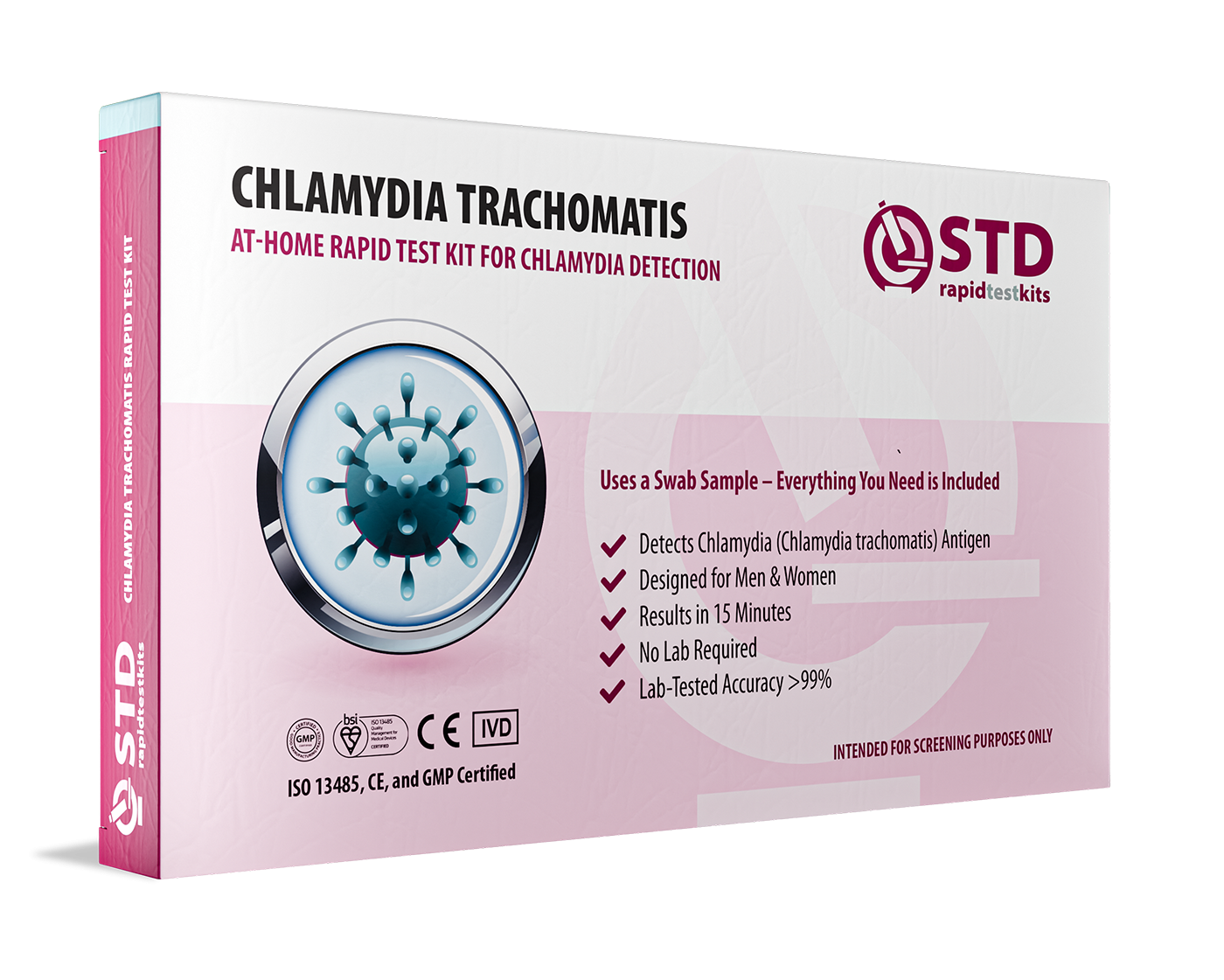
 For Men & Women
 Results in Minutes
 No Lab Needed
 Private & Discreet
Order Now $33.99 $49.00
What Happens in Your Body: Inflammation, Exposure, Infection
Let’s talk biology again, but keep it digestible. When chlamydia infects your body, it sets off alarms in your immune system. The area becomes inflamed, think redness, irritation, even swelling you might not see. That inflammation calls in more immune cells, particularly CD4+ T cells, which are like the body’s first responders. But in the case of HIV, those “responders” are exactly what the virus is looking for.
HIV needs access to mucosal tissues (like the vagina, anus, or urethra), plus target cells to infect. Chlamydia basically rolls out the red carpet on both fronts. The virus doesn’t have to work as hard to establish infection. And once inside, the immune chaos from the chlamydia makes it easier for HIV to replicate and spread before your body even knows it’s there.
Here’s a real-world comparison: imagine trying to sneak into a locked house versus one where the windows are cracked, the alarm system is off, and the living room is already full of your friends. That’s the difference HIV faces in a chlamydia-inflamed body versus a healthy one.
Even worse, if you get chlamydia multiple times, or leave it untreated for months, the risk doesn’t just stack. It snowballs. Your body becomes a more hospitable environment for HIV every time that inflammation kicks in again.
Why HIV Testing Should Always Follow Chlamydia
If you've tested positive for chlamydia recently, or even if you were treated for it a year ago, it’s time to seriously consider getting an HIV test. Many clinics now offer combo STD panels, but not all include HIV unless you ask. And if you’re using an at-home test, be sure the kit includes HIV detection or plan to follow up with a separate test.
According to the U.S. Department of Health and Human Services, routine HIV testing is recommended at least once for all adults, and yearly or more often for those with higher risk. That includes anyone diagnosed with an STD in the past year.
We know that HIV testing can bring up fear. But that fear often stems from silence. From not knowing what happens after. From imagining the worst. What you deserve instead is clarity: modern HIV treatment can suppress the virus so completely that it becomes undetectable and untransmittable. And the earlier you find out, the better your outcome.
There’s power in knowledge. Testing gives you back control.
Wondering where to start? This at-home HIV rapid test is discreet, FDA-approved, and can detect most infections after 2–4 weeks from exposure. If you’ve recently had chlamydia, or think you might, this is one of the smartest next steps you can take.
People are also reading: How Syphilis Can Show Up in the MouthNot Just Below the Belt
What to Do If You’ve Had Chlamydia (And You’re Worried About HIV)
Let’s break this down without shame or scare tactics. If you’ve had chlamydia, or think you might have it now, and you’re worried about your HIV risk, there are concrete steps you can take. The first is testing, yes. But the next is about protection, healing, and staying informed about how your body responds to future exposures.
Many people assume that once the antibiotics are done and the chlamydia symptoms clear up (if they had any at all), the risk is over. But here’s the catch: your immune system doesn’t forget. Even after treatment, your mucosal tissues may still be recovering. That recovery window is when HIV risk can remain elevated. That’s why retesting, safer sex strategies, and open partner communication aren’t just optional, they’re smart self-care.
Here’s how it typically unfolds for people who’ve had chlamydia and are trying to protect themselves moving forward:
Check Your STD Status in Minutes
Test at Home with RemediumChlamydia & Gonorrhea Test
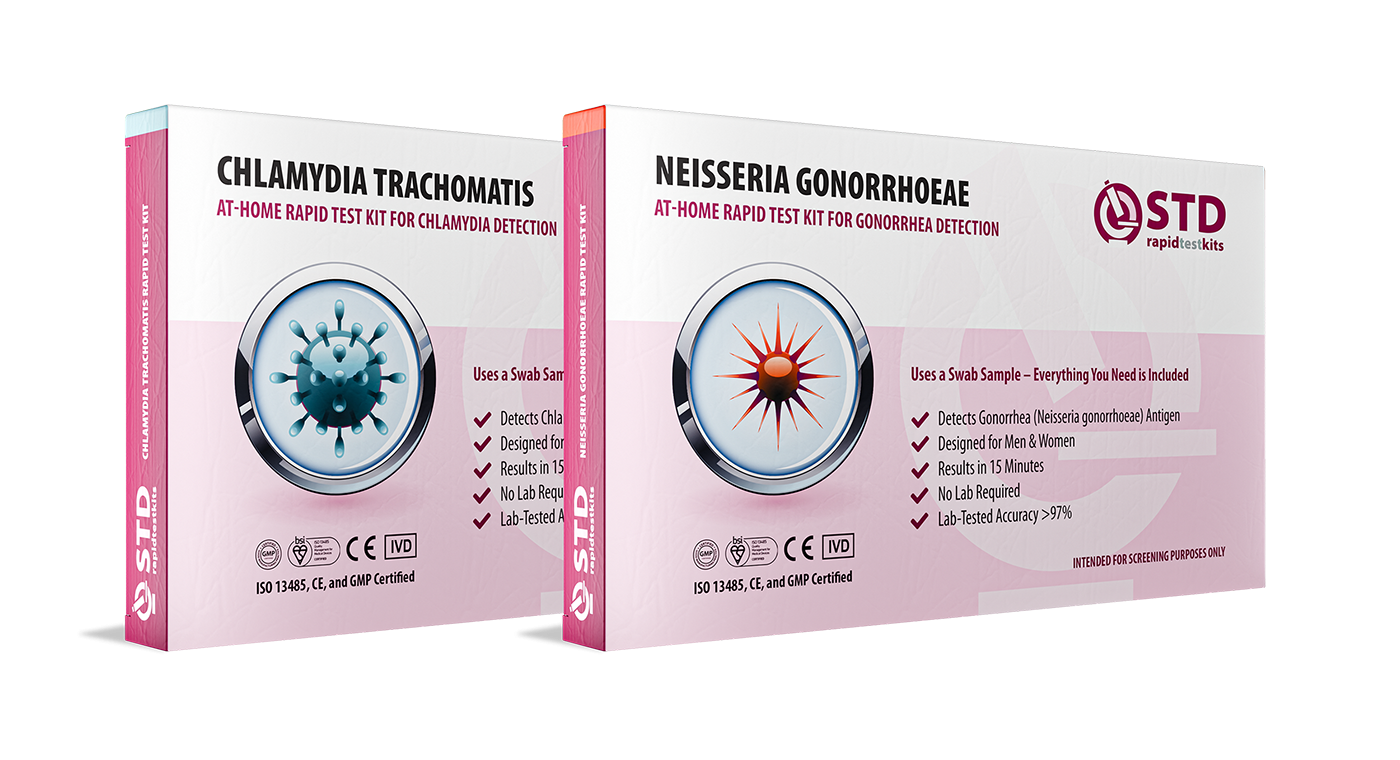 For Men & WomenResults in MinutesNo Lab NeededPrivate & Discreet
Order Now $49.00 $98.00
For all 2 tests
Lowering Your Risk: Prevention After Infection
Getting an STD like chlamydia doesn’t mean you’ve failed. It means you’re sexually active, like millions of other people. What matters is what you do next. Protecting yourself after an STD means more than using condoms (though that helps a lot). It also means considering things like PrEP, a daily medication that can reduce HIV risk by over 99%, and talking to your partners about testing schedules and recent results.
If you’ve had chlamydia more than once, or you’ve had multiple partners in a short timeframe, it might be worth asking your doctor or clinic about PrEP. It’s not just for one demographic. It’s for anyone who wants control over their health, and that includes you.
If condoms broke, you had unprotected sex, or there’s been sexual assault, ask about PEP, a 28-day emergency course that must be started within 72 hours of HIV exposure. The sooner you act, the more effective it is.
Empowerment doesn’t come from perfection. It comes from information. And right now, you’ve got it.
Want an option that keeps things discreet? You can order a Combo STD and HIV Home Test Kit here, no clinic visits, no judgment, just answers you control.
FAQs
1. Can chlamydia actually make it easier to get HIV?
Yes, annoyingly, it really can. When you have chlamydia, your body gets inflamed in all the wrong places. That inflammation makes the tissue thinner and more “open,” and it calls in immune cells like CD4+ T cells, which HIV loves to hijack. So basically, your defenses are down and the virus gets a smoother ride in.
2. I had chlamydia last year. Should I still be worried about HIV now?
Not necessarily, but it’s smart to test. If you were exposed to HIV while chlamydia was active, the risk was higher then. If you haven’t tested since that time, now’s a good moment. Peace of mind is better than spinning out in Google rabbit holes.
3. How long should I wait after chlamydia before getting an HIV test?
Ideally, wait at least 3 to 4 weeks after the last unprotected exposure, especially if chlamydia was involved. That gives your body time to show HIV on most tests. A retest at 3 months gives you full clarity. Earlier than that? You might still catch it with an RNA test, but those aren’t always easy to find outside of clinics.
4. I’ve tested negative for HIV, does that mean I’m in the clear?
If it’s been 90 days since your last risky exposure, and your test was negative, you can exhale. Just remember: future risk is still about what happens next, not just what happened before. Especially if you’ve had chlamydia more than once or have new partners, routine testing is your best friend.
5. Do I need to tell partners I had chlamydia if I test negative for HIV?
That’s up to you, but transparency builds trust. Some people find it easier to say, “Hey, I had an infection and got treated. I’m negative for HIV, but I wanted to be open so we can both stay healthy.” It’s not a confession, it’s care.
6. Does chlamydia always cause symptoms?
Nope. Most people with chlamydia never feel a thing. That’s why it spreads so easily. No itch, no burn, no discharge doesn’t mean no infection. That’s also what makes it dangerous, it can silently increase your HIV risk while you think everything’s chill.
7. I had chlamydia, got treated, then hooked up again. Should I test for HIV again?
If that hookup was unprotected or your partner’s status was unclear, yes. It’s not paranoia, it’s strategy. STDs like chlamydia don’t give you immunity, and reinfection is common. Every new exposure can shift your risk.
8. Can I use at-home HIV tests if I’ve had chlamydia?
Absolutely. They’re discreet, fast, and getting more accurate every year. Just make sure you're outside the window period, most tests work best around 3–4 weeks after possible exposure. You can order one here if you want to skip the clinic drama.
9. What’s PrEP, and should I be on it?
PrEP is a daily pill that can reduce your chance of getting HIV by more than 99%. If you've had chlamydia once, or especially more than once, you’re a strong candidate. It’s not just for gay men. It’s for anyone who wants more control over their body and their future.
10. I feel overwhelmed by all this. Where do I start?
Start with one test. That’s it. Just one. Whether it’s for HIV or another STD, that first step is how you move from fear into clarity. From there, you can plan what’s next, no judgment, no shame. Just information, options, and support. You’re not alone in this.
You Deserve Answers, Not Assumptions
Chlamydia doesn't end your story, and it doesn't say anything about how much you are worth. What you do next is what counts. Knowing how chlamydia and HIV are connected gives you the power to protect yourself, get tested early, and stop the disease from spreading without anyone knowing.
You're not alone, and you still have options, no matter how long it's been since your last infection. STD Rapid Test Kits gives you back control with fast, private, and doctor-approved tests.
Don't just sit there and wonder; find out what you need to know. This fast, private test kit you can use at home checks for common STDs like HIV and chlamydia.
How We Sourced This: This guide was built using data, including clinical research studies, public health agencies, and peer-reviewed journals. We also included real-life case examples from sexual health organizations and community forums to reflect the lived experience behind the science.
Sources
1. Chlamydia trachomatis Stimulation Enhances HIV‑1 Susceptibility
2. Does Chlamydia trachomatis Infection of Endocervical Cells Enhance HIV Risk?
3. Risk of HIV After Rectal Chlamydia: A Real-World Study
4. HIV.gov: Basics of HIV Testing
6. Planned Parenthood: HIV and AIDS
About the Author
Dr. F. David, MD is a board-certified infectious disease specialist focused on STI prevention, diagnosis, and treatment. He blends clinical precision with a no-nonsense, sex-positive approach and is committed to expanding access for readers in both urban and off-grid settings.
Reviewed by: Alex R. Tanner, MPH | Last medically reviewed: September 2025
This article is meant to give you information and is not a substitute for medical advice.


