





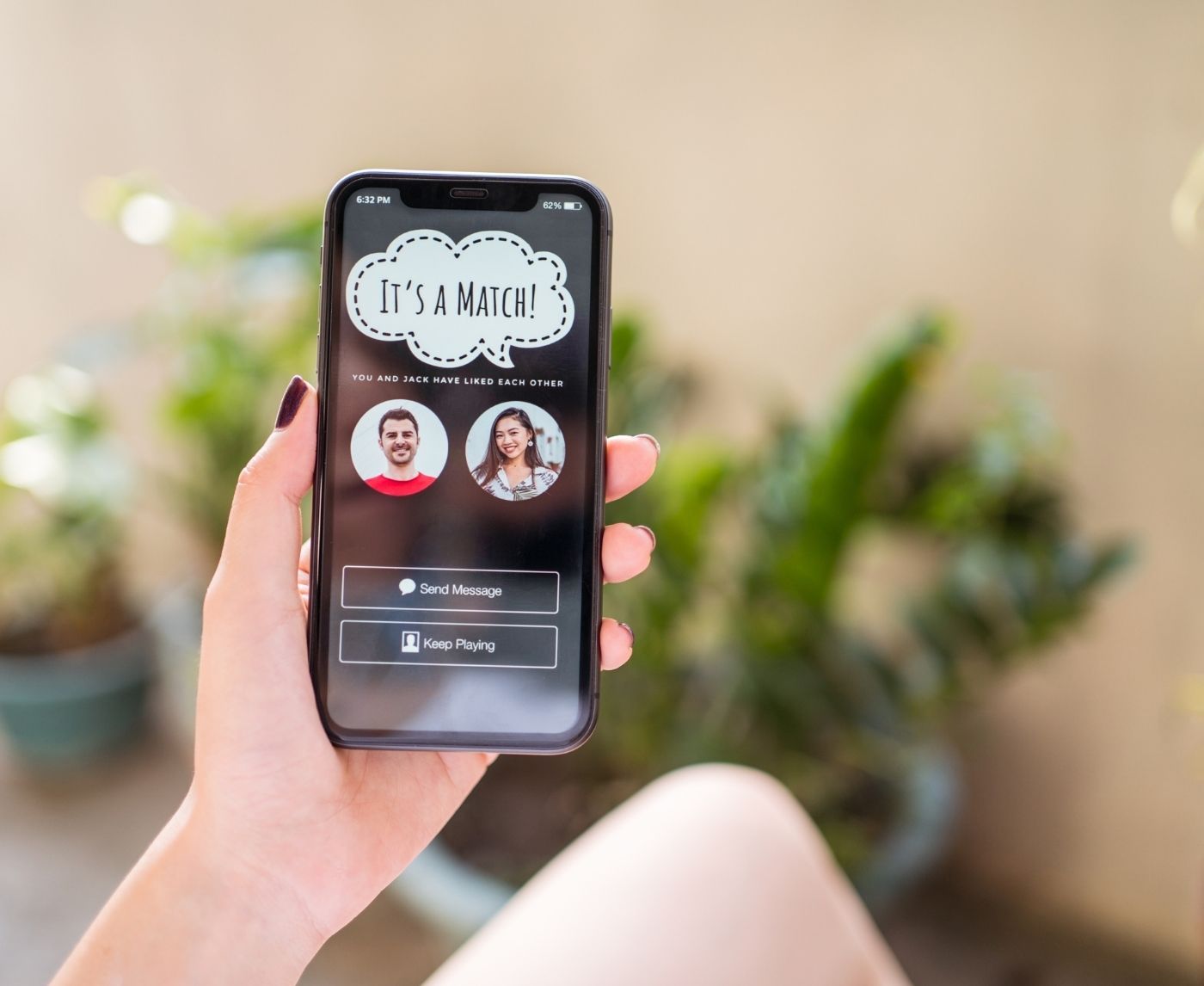

Quick Answer: Dating apps are linked to higher STD rates due to increased casual encounters, reduced condom use, and partner turnover. Herpes, chlamydia, and gonorrhea are especially common, but often symptomless at first.
It Was Just a One-Night Stand, So Why Am I Freaking Out?
Jared, 26, swiped right on a Saturday afternoon and ended up at his match’s apartment by midnight. “It felt easy, normal. We clicked. She said she wasn’t seeing anyone else, and honestly, I didn’t ask more,” he admits. But by Monday morning, he noticed something he couldn’t ignore: a sharp sting when he peed. “I told myself it was dehydration or friction or maybe an allergy. But part of me knew. I just didn’t want it to be real.”
Jared isn’t alone. A 2023 CDC report highlighted that young adults aged 20–29 account for the highest rise in STDs, and researchers have drawn a direct correlation between app-based dating and the sharp uptick. It’s not the apps themselves causing STDs, but the behaviors they facilitate: frequent new partners, anonymous sex, and lower condom negotiation. A single night, a single encounter, can be enough, especially if the person you're with doesn’t know they’re infected either.
Why Dating Apps Changed the Game for STD Transmission
In the early 2000s, most public health campaigns around STDs were focused on high-risk groups, long-term patterns, or outbreaks in specific communities. But dating apps changed that calculus. Now, people from all backgrounds can meet a new sexual partner with minimal effort, and often with minimal context. The illusion of “knowing someone” because you’ve messaged for a few hours can lower defenses around condom use or disclosure. And unlike clubs or bars, there’s no visual cue about health, lifestyle, or social networks. It’s swipe, match, and go.
One study published in Sexually Transmitted Infections found that app users were more likely to have had multiple partners in the previous 6 months and were less likely to use condoms consistently. Researchers from the University of California further reported that men who use apps like Grindr are at significantly higher risk for gonorrhea and syphilis than those who meet partners offline, even when adjusting for number of partners.
Apps also create a diffusion of responsibility. You don't always get names, follow-ups, or contact info. If symptoms appear, tracing who it came from, or warning others, is incredibly difficult. This anonymity doesn’t just break trust; it breaks contact tracing systems designed to control STD spread.
Most Common STDs from App-Based Hookups
Herpes doesn’t always come with blisters. Chlamydia can live in your throat. Gonorrhea might only show up as an odd itch or mild discharge. These are the quiet infections making the rounds through casual encounters, and they often go unnoticed until someone, like Jared, feels something strange days later.
Let’s break down which STDs are most often spread through dating app hookups, especially when condoms aren’t used or oral sex is involved:
| STD | Can Spread from One Encounter? | Common Early Signs | Often Symptomless? |
|---|---|---|---|
| Herpes (HSV-1 & HSV-2) | Yes, even without visible sores | Tingling, itching, painful blisters (not always) | Yes |
| Chlamydia | Yes, especially via vaginal or anal sex | Burning pee, discharge, pelvic pain | Yes (70%+ in women, 50%+ in men) |
| Gonorrhea | Yes, via oral, vaginal, or anal sex | Greenish discharge, sore throat, burning pee | Often |
| Syphilis | Yes, through skin-to-skin contact | Painless sores, rash, flu-like symptoms | Yes |
| HPV | Yes, via skin-to-skin contact | Often none; possible genital warts | Yes |
Table 1: Common STDs linked to casual encounters via dating apps, with emphasis on early detection challenges.
These infections don’t require multiple encounters or high-risk behavior. They can pass through oral sex, fingers, or even shared toys. The problem? Most people don’t feel anything, until much later.

People are also reading: Yes, You Can Still Catch an STD Even If You Used Protection
“I Didn’t Feel Anything Right Away”, Why Symptoms Are Delayed
Rina, 22, hooked up with someone from Bumble while visiting friends in another city. “He was hot. It was fun. We didn’t use protection because he said he was ‘clean’ and had been tested,” she recalls. “A week later, I had this weird bump that hurt to sit on. I Googled hemorrhoids. I convinced myself it wasn’t serious.” Rina later tested positive for genital herpes. “I felt betrayed, not just by him, but by my own body. Why didn’t it show up right away?”
The reason is simple: window periods. Every STD has a different timeline between exposure and when symptoms (if any) appear, or when a test can actually detect it. You can be infected and contagious long before you have any clue.
This delay isn’t your fault. But it does make testing tricky. Testing too early can lead to false reassurance. Waiting too long could mean missing the chance to treat early and prevent transmission to others.
Check Your STD Status in Minutes
Test at Home with Remedium7-in-1 STD Test Kit
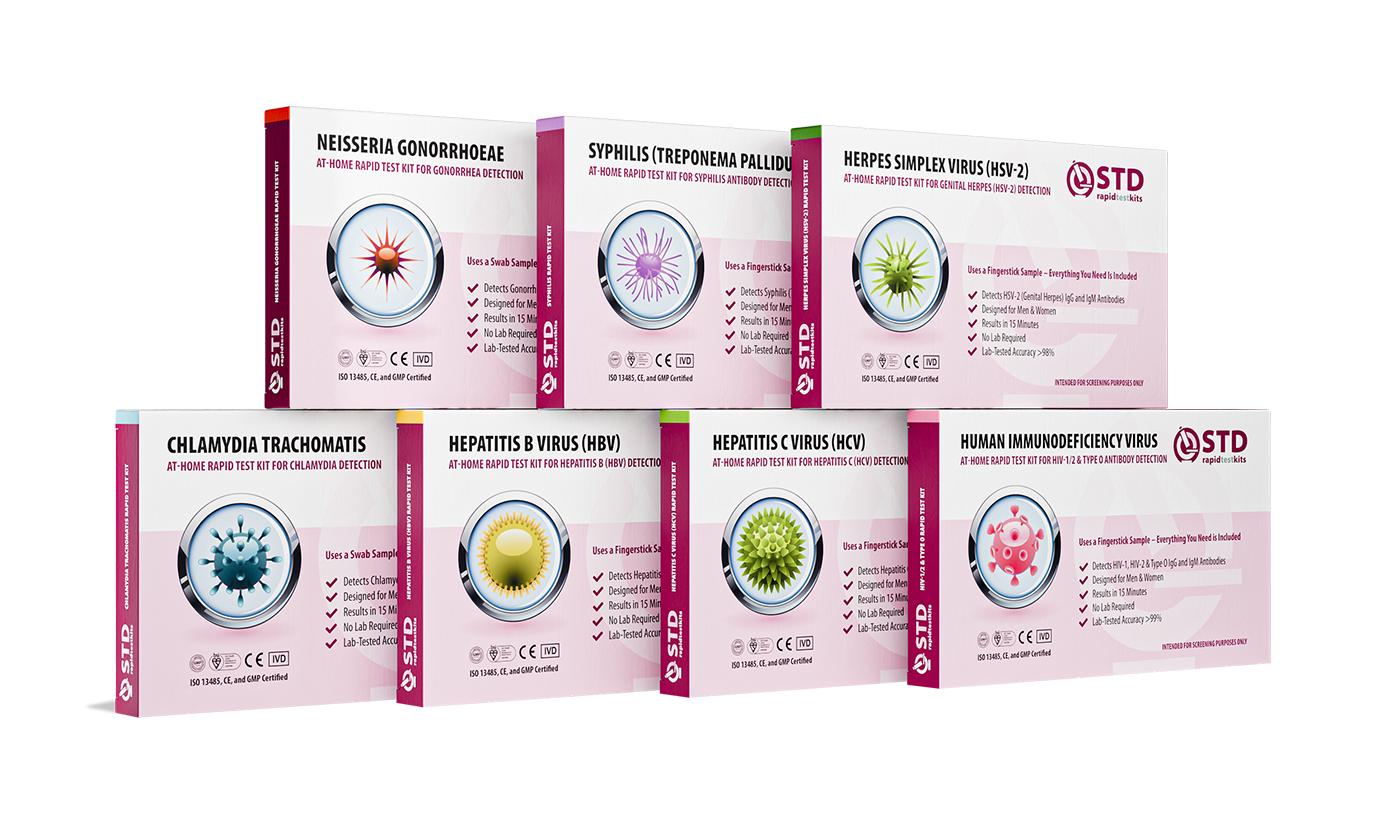
 For Men & Women
 Results in Minutes
 No Lab Needed
 Private & Discreet
Order Now $129.00 $343.00
For all 7 tests
How Soon Can You Test After a Hookup?
So you've had a hookup, and now your mind is racing. You're not sure if you're just paranoid or if that strange tingle, that sore throat, that bump, actually means something. The instinct is to test immediately. But the body doesn’t always cooperate with that timeline. Testing too soon can lead to a false negative, because the infection hasn’t replicated enough to be detectable yet.
Let’s map out what science tells us about testing windows after exposure. If you test on day 1, most standard tests won’t catch anything. But if you wait too long, you might unknowingly pass something on to your next partner.
| STD | Best Time to Test | Retest Needed? | Why It Matters |
|---|---|---|---|
| Chlamydia | 14 days after exposure | Yes, if tested earlier than 10 days | Early testing can miss infection |
| Gonorrhea | 14 days | Yes, if tested before day 10 | May spread silently without symptoms |
| Herpes (blood test) | 4 to 12 weeks | Often yes, due to delayed antibody development | Initial outbreaks don’t always trigger a positive test |
| Syphilis | 3 to 6 weeks | Yes, if exposure was recent | Painless sores may go unnoticed |
| HIV (Ag/Ab combo) | 18 to 45 days | Yes, especially if tested before 30 days | Window period varies by test type |
Table 2: Suggested testing windows for common STDs after a casual encounter.
Even though some rapid tests offer results in minutes, their accuracy depends heavily on timing. The anxiety is real, especially if you're itching or sore, but waiting for the right window gives you better answers. If you test too early and get a negative, plan to retest at the right time. It’s not overkill; it’s smart.
Sex, Silence, and the Shame Spiral: Why We Don’t Talk About It
Shame is a powerful silencer. People ghost not just because they lose interest, but sometimes because they’re afraid, afraid of having caught something, afraid of being blamed, afraid of what to say. In that silence, STDs thrive. If no one talks, no one knows. And when no one knows, no one gets tested.
Marcus, 31, shared that after a Grindr hookup, he started getting strange sores in his mouth. “I didn’t even know you could get herpes in your mouth. I blamed spicy food. Then I Googled pictures, and I panicked. But I didn’t know his real name, so I just waited and hoped.” Eventually, Marcus went to a walk-in clinic and got a diagnosis: HSV-1, oral herpes. “The nurse was so kind. That changed everything. It made me realize that getting tested didn’t have to come with shame.”
For many, just saying the word “STD” feels dirty. But testing isn’t a confession, it’s a form of care. For you. For the people you connect with. For future relationships. You don’t have to tell your parents, your boss, or your ex. But you owe it to yourself to know.
How Dating Apps Fuel the Illusion of Safety
There’s something uniquely disarming about flirting through a screen. The way someone types, the memes they send, their playlist, they all create this artificial sense of intimacy. By the time you meet in person, it feels like you know them. But you don’t. Not in the ways that matter when it comes to sexual health.
Many app users, especially men who sleep with men (MSM), according to CDC studies, don’t disclose STD history unless asked directly. And even then, disclosure rates are low. Not because they’re malicious. Often, they genuinely don’t know they’re carrying something. Herpes, chlamydia, even syphilis can live in the body with no obvious signs for weeks or months. The phrase “clean” gets tossed around like a shield, but what does it even mean when most people haven’t been tested in the last 6 months?
Some apps like Grindr and OkCupid have begun to incorporate STD testing reminders, sexual health resources, or profile fields for last test date. But usage remains spotty, and there’s no universal standard. The illusion of safety, combined with anonymity and urgency, can be a perfect storm for transmission, especially when alcohol, travel, or impulsive decisions are involved.
And let’s be clear: this isn't about demonizing dating apps. They're tools. They're mirrors for our choices. But knowing how they shape behavior is essential to reclaiming control. If you’re going to meet someone for sex tonight, your risk doesn’t vanish because you exchanged Spotify playlists or shared memes. It only shifts depending on what you do next.
People are also reading: You Have Herpes… But Which One? A Real Talk Guide to HSV-1 and HSV-2
What If You’re Itching, Burning, or Spotting? Here’s What to Watch For
Not all symptoms mean you have an STD. Razor burn, allergies, and bacterial vaginosis can mimic the signs. But if something doesn’t feel right, and especially if it lasts more than a day or two, it’s worth checking. Here’s what many users report after app-based hookups, often within 3–14 days:
You wake up with an unexplained itch in your inner thighs. You notice spotting when you haven’t had your period in weeks. There’s a slight pain when you pee, but no discharge, so you think maybe it’s dehydration. Your mouth feels sore, but you just assume it’s stress. These are the subtle signs, the ones that don’t scream “emergency,” but whisper something might be wrong.
In women and people with vaginas, chlamydia often causes mild cramping, unusual discharge, or light spotting after sex. Gonorrhea can trigger more intense discomfort, but sometimes nothing at all. In men, herpes might feel like a sunburn that won’t go away. Syphilis could start as a painless sore that you mistake for an ingrown hair. Don’t rely on pain to signal danger. Many STDs arrive quietly, building damage beneath the surface before you ever notice.
And if it does burn when you pee? That’s not your body being “extra sensitive.” That’s a red flag.
Listen to your body. If something is off, testing gives you answers, not just for now, but for every partner going forward.
Check Your STD Status in Minutes
Test at Home with Remedium6-in-1 STD Test Kit
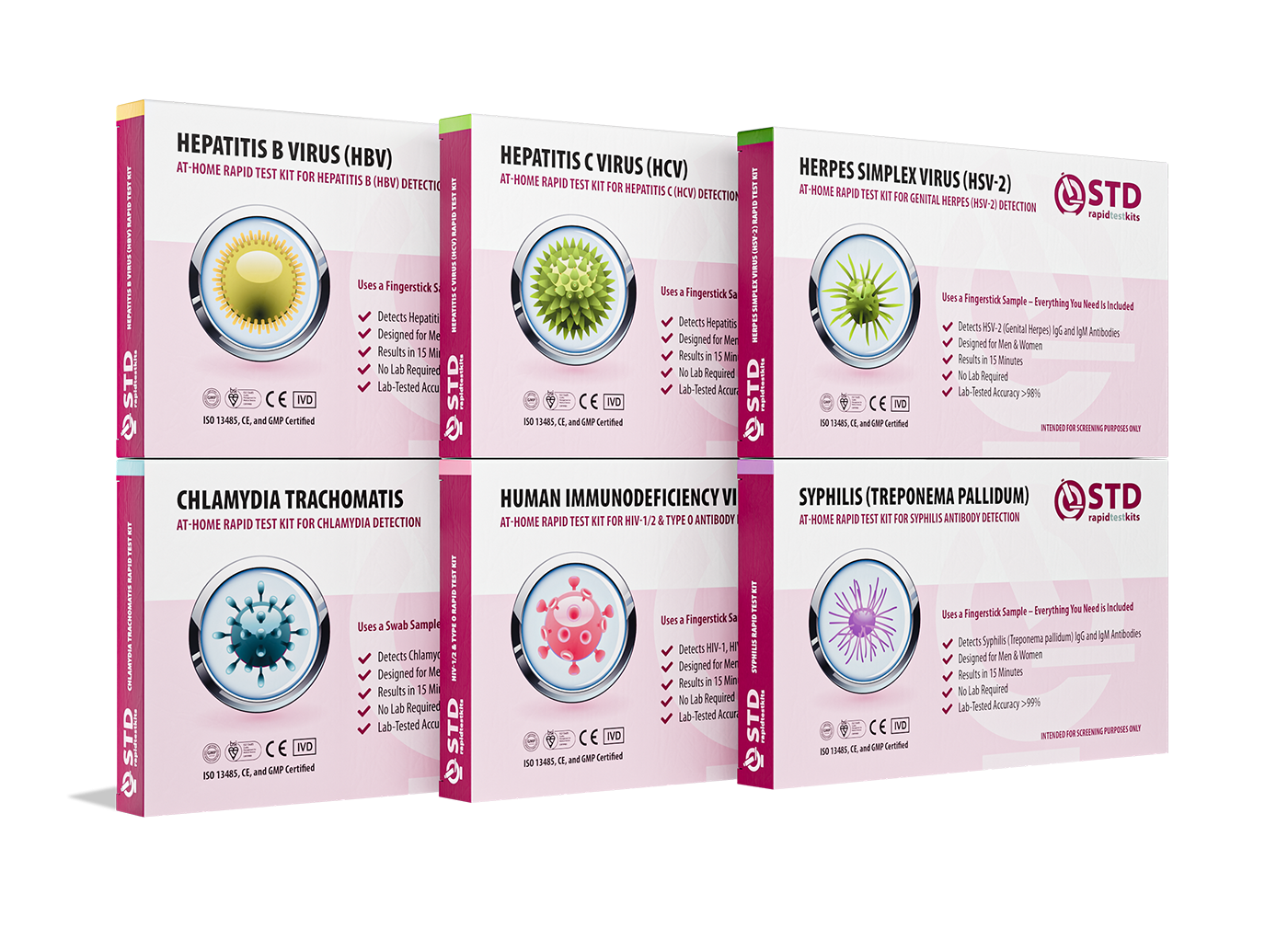 For Men & WomenResults in MinutesNo Lab NeededPrivate & Discreet
Order Now $119.00 $294.00
For all 6 tests
Getting Tested Doesn’t Have to Be Awkward or Expensive
Not everyone can stroll into a clinic the next morning. Some people live in small towns where everyone knows everyone. Some can’t afford to take time off work. Others are too embarrassed to be seen in a waiting room with “STD screening” on the sign-in sheet. That’s where at-home testing becomes more than just convenient, it becomes liberation.
With today’s options, you can get a discreet test kit shipped in plain packaging, pee in a cup or swab your cheek at home, and send it to a lab. Or, you can use a rapid test right there in your bedroom, with results in 10 to 20 minutes. No judgment. No awkward conversations. No having to explain your weekend to a receptionist. Just clarity, on your terms.
Let’s say you had a Tinder date Friday night, you’re worried by Sunday, and you want peace of mind. You can order a rapid test for chlamydia, gonorrhea, or herpes, and by Tuesday you’ll know if you need follow-up care. That’s how quick things can move when you take control.
And if you do test positive? Most STDs are treatable. Chlamydia and gonorrhea? One round of antibiotics. Syphilis? Early-stage cases are highly curable. Herpes? Manageable with daily meds. The hardest part isn’t the diagnosis, it’s the unknown. So take that first step toward certainty.
Whether it’s a rash, a hunch, or pure anxiety, you don’t have to wait and wonder. This discreet combo test kit checks for the most common STDs at home. Easy, fast, confidential.
Can One Test Really Be Enough?
Sometimes yes, often no. If you test too early, the result may not reflect the truth yet. That’s why a second test, what health professionals call a “confirmatory test”, is often recommended if you test before the window period ends.
Sasha, 28, ordered a rapid test kit three days after an unprotected hookup. It came back negative, but she still felt uneasy. “I had this weird discharge, and my period was off. I knew my body wasn’t acting normal.” She retested 10 days later, and this time, it came back positive for chlamydia. “That second test saved me from unknowingly passing it to someone else.”
Retesting isn’t about doubting the kit. It’s about understanding your body’s timeline. Infection takes time to show up in tests. Depending on your exposure, symptoms, and risk level, you may need to test again at 14, 30, or even 90 days. And if you’re in a situationship or sleeping with multiple partners? Testing regularly, every 3 to 6 months, is a smart and caring move, especially if you’re not always using protection.
What If You Want to Talk to a Partner About Testing?
This is one of the hardest parts of post-hookup care: the conversation. Especially when the person you slept with is someone you barely know, or worse, someone who’s already ghosted you. But here’s the truth: if you test positive, they deserve to know. Not because they deserve shame. But because they deserve a chance to protect themselves, just like you do.
One way to handle it? Send a message that doesn’t accuse, but informs. Something like: “Hey, just a heads-up, I recently tested positive for chlamydia. You might want to get tested too, just to be safe.” That’s it. No drama. No blame. Just facts and care. If you can’t or don’t want to message them directly, there are anonymous partner notification tools offered by many health departments or clinics.
Testing and telling isn’t about punishment. It’s about breaking the chain. You might be the only reason someone finds out they’re infected, and the reason they don’t pass it on to someone else.
Swipe Culture Isn’t Going Away, But You Can Swipe Smarter
Let’s be real. People aren’t going to stop using dating apps. The swipe is here to stay. So instead of pretending everyone will suddenly wait three dates and exchange test results, let’s talk about what we can actually do. Know your status. Use protection. Ask the awkward questions. And when things slip, because they will, test fast, test discreetly, and treat early.
You don’t have to change your lifestyle. You just need to understand how risk works in real time. Every hookup is a fork in the road. What you do after, whether you spiral into shame or step into action, is what shapes your outcome.
Swipe culture can be empowering, fun, spontaneous, and yes, risky. But it doesn’t have to be dangerous. The key is testing, timing, and truth. And the truth is, you’re not alone. Millions of people are in your shoes. And many of them never saw the itch, the bump, or the guilt coming either.
But now you know. And now you can do something about it.
FAQs
1. Can I really get an STD from just one night?
Yes, and it doesn’t matter if it “didn’t last long” or if it was “just oral.” One hookup is all it takes, especially with infections like herpes and chlamydia that don’t need visible symptoms to spread. Think of it like this: even if your partner felt totally fine, they might still have been carrying something. That’s not fear, it’s just biology.
2. I don’t feel anything weird. Should I still test?
Honestly? Yes. Most STDs start quietly, no burning, no bumps, no drama. Chlamydia is symptomless in up to 70% of women and half of men. That silence doesn’t mean you’re safe. Testing is how you confirm what your body might not be telling you yet.
3. What does “testing too early” actually mean?
Great question, and it trips people up all the time. After exposure, your body needs time before an infection can show up on a test. That’s called the window period. For most infections, that means waiting 10 to 14 days. Testing earlier won’t hurt you, it just might give you a false sense of security. And if you're still worried? Retesting later is smart, not paranoid.
4. What if my hookup was only oral?
Still a risk. Gonorrhea, herpes, and syphilis love the mouth. You might feel a sore throat, or nothing at all. Just because there was no penetration doesn’t mean you’re in the clear. If you gave or received oral, testing still applies.
5. How long after a hookup should I wait to test?
For the most accurate results: - Wait 10–14 days for chlamydia and gonorrhea - Wait 3–6 weeks for syphilis - Wait up to 12 weeks for a reliable herpes blood test But if you're already having symptoms, test now. Then retest at the right window if needed.
6. They said they were “clean.” Isn’t that enough?
I wish. But “clean” isn’t a medical term, and it definitely isn’t a guarantee. Unless someone has been tested recently, and within the right window period, you really don’t know. It’s not about trust. It’s about timing, testing, and truth.
7. Is at-home testing really accurate?
If you follow the instructions and test at the right time, yes. Rapid tests have come a long way. For some infections, they’re nearly as accurate as lab results. But no test is perfect. If your result is positive, or your symptoms persist, follow up with a clinic or confirmatory test.
8. I’m scared to tell them if I test positive. What do I do?
You’re not alone. It’s scary. But it’s also kind. You can message them directly or use an anonymous partner notification tool. Keep it simple: “Hey, I tested positive for X. You should get checked too.” You don’t have to share your life story, just give them a heads-up. That’s care, not confession.
9. What if I took the test and it came back negative, but I still feel bad?
Test again. You may have tested too soon, or you might have something unrelated that still needs attention. If your body’s talking to you, don’t ignore it. A negative result doesn’t always mean “nothing’s wrong”, it just means nothing showed up yet.
10. How often should I test if I’m using dating apps regularly?
If you're having new partners every few months? Test every 3 to 6 months minimum. More often if you’re not always using condoms. Consider it part of your sexual wellness routine, like brushing your teeth or re-upping your birth control. You’re not being dramatic; you’re being responsible.
You Deserve Answers, Not Assumptions
If you’re here reading this, something inside you is already saying: I need to know. Maybe it’s a physical sensation. Maybe it’s anxiety after a hookup that didn’t go how you expected. Whatever brought you here, you’re not overreacting. You’re being smart.
STDs don’t mean you’re dirty, reckless, or broken. They mean you’re human. Sex is supposed to feel good, and knowing your status is part of that. When you test, you take control. You stop the spiral of shame. You protect yourself and the people you care about.
Don't wait and wonder; get the answers you need. This at-home combo test kit checks for the most common STDs quickly and without drawing attention to itself.
How We Sourced This Article: We combined current guidance from leading medical organizations with peer-reviewed research and lived-experience reporting to make this guide practical, compassionate, and accurate.
Sources
1. Sexually Transmitted Infections and Dating App Use
2. Dating Apps and Condomless Sex Among Young Adults
3. Modeling the Spread of STDs Through Dating App Networks
4. CDC: STI Testing Guidelines and Recommendations
5. CDC: Herpes Testing and Diagnosis Information
6. Planned Parenthood: STD Education and Testing
About the Author
Dr. F. David, MD is a board-certified infectious disease specialist focused on STI prevention, diagnosis, and treatment. He blends clinical precision with a no-nonsense, sex-positive approach and is committed to expanding access for readers in both urban and off-grid settings.
Reviewed by: Andrea Malik, NP-C | Last medically reviewed: September 2025
This article is just for information and should not be used as medical advice.


