





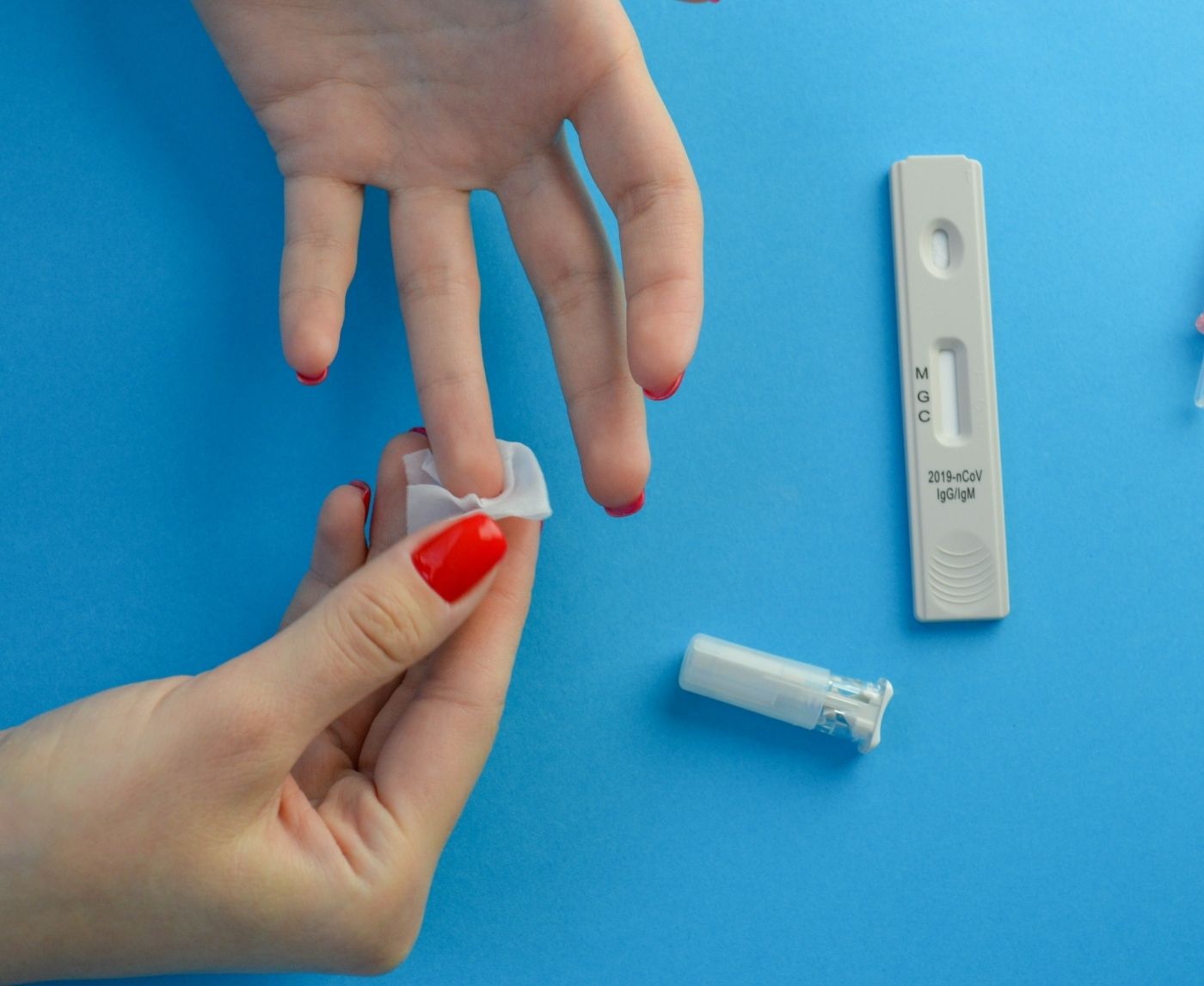

Quick Answer: At-home STD testing allows you to collect your sample privately, ship it (or read it instantly), and get results without clinic visits, offering accurate, discreet, and judgment-free testing on your terms.
Why This Article Exists (And Who It’s For)
This article is for anyone who's ever typed “STD test near me” and then closed the tab. It's for the people who feel their stomach drop at the idea of discussing their sex life with a stranger in a lab coat. And it’s especially for those who’ve ever delayed testing because of embarrassment, fear, or just not knowing where to start.
Maybe you live in a conservative town. Maybe you're queer and have been mistreated in medical spaces. Maybe you just don't want your roommate, partner, or parents to know. The reasons are real. But so is the risk of waiting too long. That’s where at-home STD testing changes the game. It puts the power back in your hands, literally.
In the next sections, we’ll walk you through how these tests work, how accurate they are, what they cost, and what happens after the result. No judgment. Just facts, stories, and solutions.
How Do At-Home STD Tests Work, Really?
Imagine waking up with a weird itch that wasn’t there last night. Or noticing a bump after a hookup that didn’t feel sketchy in the moment, but now has you spiraling. For most people, this moment doesn’t end in calling a doctor. It ends in panic-Googling at 2 AM. At-home testing steps in right there: fast, private, and usually deliverable within 24 to 48 hours.
The process is surprisingly simple. You order a test kit online, usually a combo test or a specific test for chlamydia, gonorrhea, syphilis, HIV, or herpes. Some kits are instant-read (like pregnancy tests), others are mail-in and return results within days.
Depending on the STD, the kit may include a urine collection cup, a vaginal swab, a throat swab, or a small lancet for fingerstick blood samples. You collect the sample at home, package it in the provided materials, and either mail it in or get results on the spot if it’s a rapid test. No awkward waiting room. No explaining your sex life to strangers.
For a practical guide, you can visit STD Rapid Test Kits, where discreet combo kits are available for delivery. Whether you’re testing after a risky night or part of a regular routine, the steps are designed for comfort, privacy, and clarity.
How Accurate Are These Tests? (And Can You Trust the Result?)
This is the question that stops most people in their tracks. If it’s not at a clinic, is it even real? The answer is: mostly yes, with a few key caveats. At-home STD tests use the same underlying science as clinic-based testing. For example, rapid antigen or antibody tests can detect HIV or syphilis using small blood samples. Nucleic Acid Amplification Tests (NAATs), used in many mail-in kits, are the gold standard for detecting infections like chlamydia and gonorrhea.
The main difference? With mail-in kits, you’re the one collecting the sample, not a technician. That means you have to follow the instructions closely. Do that, and the results are over 90% accurate for most infections. That said, if you test too early after exposure, even the best test might miss an infection. That’s why timing matters (we’ll get into that later).
| STD | Test Type | At-Home Accuracy (Est.) |
|---|---|---|
| Chlamydia | NAAT (urine/swab) | 92–98% |
| Gonorrhea | NAAT (urine/swab) | 90–97% |
| HIV | Rapid antibody or combo test | 92–99% |
| Syphilis | Treponemal antibody (fingerstick) | 85–95% |
| Herpes | IgG antibody test (blood) | 85–92% |
Table 1: Accuracy estimates for common at-home STD tests. Timing, technique, and infection stage may affect result validity.
For best results, test after the appropriate window period. And if your result is positive or unclear? Retest with a clinic or order a different kit in a few weeks. The key is: one test is the start, not the whole journey.
People are also reading: STD Horror Stories When Casual Sex Turns Catastrophic
Why Timing Matters: The Window Period Trap
It’s the question that comes up right after the panic: “How soon can I test?”
The answer isn’t always satisfying. If you test too early, even the most accurate test can miss an infection. That’s because of something called the “window period”, the time between when you’re exposed and when the infection becomes detectable in your body. It’s different for each STD and varies by test type.
Think of it like trying to detect a fire before any smoke appears. The earlier you look, the more likely you'll get a false sense of safety. Testing too soon after a risky hookup might feel proactive, but unless it’s been at least a week or two (depending on the infection), the result may be meaningless. That's not your fault, it’s biology.
| STD | Minimum Window | Best Time to Test |
|---|---|---|
| Chlamydia | 5 days | 14 days after exposure |
| Gonorrhea | 5–7 days | 14 days |
| HIV | 10 days (NAAT), 18–45 days (Ab) | 3–6 weeks |
| Syphilis | 3 weeks | 6+ weeks |
| Herpes | 3–6 weeks (blood test) | 6–12 weeks |
Table 2: Common STD window periods. Testing before these windows can lead to false negatives. Always follow up if symptoms persist.
We spoke to Alex, 32, who tested at-home five days after a condom broke with a new partner. The test came back negative. “I felt so relieved I didn’t even think twice,” he said. But a week later, symptoms appeared, burning during urination, low-grade fever. A second test confirmed gonorrhea.
Alex isn’t alone. This kind of timeline mismatch is incredibly common. That’s why many doctors recommend waiting at least 14 days for chlamydia and gonorrhea, and even longer for HIV or syphilis. If you’ve been exposed but aren’t sure when to test, you can always use our risk calculator or browse combo test kits here.
Check Your STD Status in Minutes
Test at Home with Remedium6-in-1 STD Test Kit
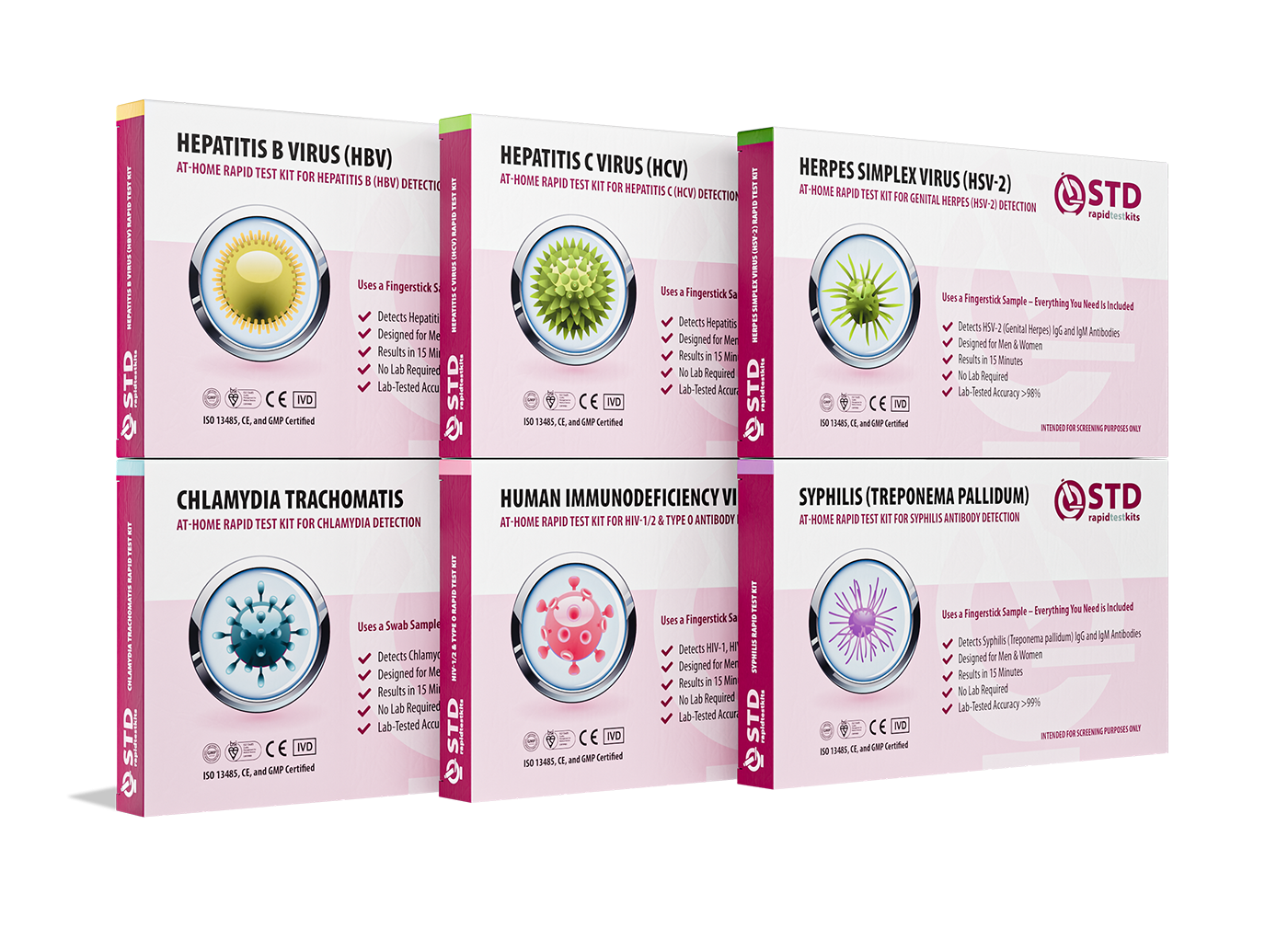
 For Men & Women
 Results in Minutes
 No Lab Needed
 Private & Discreet
Order Now $119.00 $294.00
For all 6 tests
Should You Retest? (Yes, Here’s When and Why)
Here’s a truth you won’t hear often enough: one test isn’t always enough. Depending on your risk, symptoms, or test timing, a retest can be the most responsible thing you do.
Let’s say you tested negative for chlamydia 10 days after a new partner. That’s within the detectable window, but just barely. A lot can happen biologically between day 10 and day 21. If you still have symptoms or your partner discloses an STD after the fact, a second test at day 21 offers peace of mind and better accuracy.
Or maybe you tested positive, took treatment, and want to make sure it worked. For most curable STDs like gonorrhea or trichomoniasis, it’s best to wait at least 3 weeks post-treatment before testing again. Retesting too soon might pick up dead bacterial fragments and give you a false positive.
Lisa, 29, shared her experience: “I panicked and retested three days after antibiotics. It still said positive and I lost it. Turns out I just tested too soon.” Her doctor recommended waiting a few weeks, and the next test was negative.
Whether you’re retesting after exposure or after treatment, the key is spacing it right, and knowing it’s not a sign of failure. It’s a sign you care enough to be sure.
The Emotional Side of At-Home Testing
This isn’t just about pee in a cup or a swab in the mail. For many people, at-home STD testing is the first time they’ve ever done anything proactive about their sexual health. That comes with relief, but also with a lot of complicated feelings.
Shame. Guilt. Doubt. Even after ordering the test, people report letting it sit unopened on the counter for days. That feeling of, “If I test, it means I really believe something’s wrong with me.” But here’s the thing: testing doesn’t mean you did something bad. It means you’re doing something right.
In fact, many people describe at-home testing as the first step in reclaiming their agency. Whether you’re in your 20s or 50s, queer or straight, monogamous or not, testing is a boundary, not a confession. It's a line you draw to say: I deserve to know.
And because you’re doing it alone, in your own time, it feels less like punishment and more like self-care. You pick the time. You control the result. No one’s watching.
If your head keeps spinning, peace of mind is one test away. You can order a discreet combo test kit here that checks for the most common STDs, without anyone else in the room.
Discreet Shipping, No Questions Asked
If you’ve never ordered a test kit before, one of the most common concerns is: what will the package look like? Will my roommate know? Will the delivery driver judge me?
Here’s the reality: companies that make these kits know how personal this is. Most arrive in plain, unbranded packaging, no logos, no “STD” labels, nothing to tip anyone off. It could just as easily be vitamins or skincare. Even the billing is often discreet; some companies use vague names on your bank statement or allow anonymous pre-paid checkout.
Delivery is usually fast, most ship within 24 hours and arrive in two to three business days. You’ll get tracking info, and in many cases, you can choose delivery windows. Whether you’re staying with a partner or planning around roommates, you have control over where and when it arrives.
The point is: you never have to walk into a pharmacy or clinic and explain yourself. You can get the clarity you need while keeping your privacy intact. That shouldn’t be a luxury. It should be the baseline.

People are also reading: Is Swallowing Sperm the Sure Way of Getting an STD?
What Happens If You Test Positive?
Let’s take the worst-case scenario and make it a little less scary. You test positive. What now?
First, breathe. Most STDs are treatable. All of them are manageable. Testing positive doesn’t mean you’re dirty, broken, or unworthy. It means you have information, and now you can act on it.
If you used a mail-in kit, you’ll usually get your results online through a secure portal. Some companies offer optional telehealth consultations or help with prescriptions. If your test was a rapid kit, the instructions will guide you on what to do next, including how to confirm your results with a lab or clinic.
David, 41, shared his story of getting a positive syphilis result from a fingerstick test. “I sat in my car just staring at the cassette. I didn’t even feel sick. But seeing that faint line, I knew I had to tell someone. I messaged my doctor and scheduled labs that same day. They caught it early.”
That’s the goal. Catch it early. Treat it fast. Protect yourself and your partners.
If you test positive, you don’t have to tell everyone, but you should notify partners. Many companies now offer anonymous partner notification services via text or email. You don’t have to do it alone.
And if you feel overwhelmed? That’s normal. There’s a whole emotional weight to sexual health that doesn’t get talked about enough. Therapy, support groups, or just talking to a trusted friend can help. You are not the worst thing that ever happened to you. You’re a person who made a healthy choice, and now gets to make more.
Return to STD Rapid Test Kits to explore test options or retesting after treatment. You have options. You always have.
Check Your STD Status in Minutes
Test at Home with Remedium7-in-1 STD Test Kit
 For Men & WomenResults in MinutesNo Lab NeededPrivate & Discreet
Order Now $129.00 $343.00
For all 7 tests
Discreet Shipping, No Questions Asked
If you’ve never ordered a test kit before, one of the most common concerns is: what will the package look like? Will my roommate know? Will the delivery driver judge me?
Here’s the reality: companies that make these kits know how personal this is. Most arrive in plain, unbranded packaging, no logos, no “STD” labels, nothing to tip anyone off. It could just as easily be vitamins or skincare. Even the billing is often discreet; some companies use vague names on your bank statement or allow anonymous pre-paid checkout.
Delivery is usually fast, most ship within 24 hours and arrive in two to three business days. You’ll get tracking info, and in many cases, you can choose delivery windows. Whether you’re staying with a partner or planning around roommates, you have control over where and when it arrives.
The point is: you never have to walk into a pharmacy or clinic and explain yourself. You can get the clarity you need while keeping your privacy intact. That shouldn’t be a luxury. It should be the baseline.
Talking to a Partner About Testing (Without the Awkwardness)
Let’s be honest, testing is only one part of the equation. The other half is what comes after. What if you want your partner to test too? What if they react defensively? Or worse, accuse you of something?
One of the quiet superpowers of at-home testing is how it shifts the conversation. Instead of asking, “Have you been tested?” you can say, “I just tested myself at home. It was easy. Want to do it too?”
It’s not an accusation. It’s an invitation. A way to turn a potentially fraught conversation into a shared experience. Think of it like cooking together, but for your health.
In fact, many couples are now ordering two kits and testing side by side. One woman told us she and her new boyfriend made it part of their “next step” conversation. “We made tea, opened the kits, and laughed about how weirdly romantic it felt,” she said.
You don’t need a script. Just honesty. “I care about us, and I think we both deserve peace of mind.” That’s it. That’s the pitch. Whether they say yes or no, you’ve done something bold, and loving.
FAQs
1. Do at-home STD tests really work?
Yes, they do, and better than you might think. Most use the same science as clinic tests, especially the mail-in lab kits. Just follow the instructions (don’t skip the hand-washing step, no matter how chill you think you are), and you’ll get solid results. Think of it as clinic-level accuracy, without the clipboard.
2. Will the package scream “STD test” on my doorstep?
Not at all. It usually looks like any regular box, no big bold letters, no embarrassing labels. One guy told us his kit looked like a skincare order. Another said his roommate assumed it was tea. Point is: no one has to know unless you tell them.
3. What if I don’t have symptoms, should I still test?
Totally. Most STDs don’t come with flashing red signs. Chlamydia and gonorrhea can live in your body quietly, and HIV might not show up for weeks or months. If you’ve had a new partner, a broken condom, or even just a weird gut feeling, testing is smart, not paranoid.
4. How soon after sex can I take one of these tests?
We get it, you want answers fast. But here’s the thing: testing too early can lead to false negatives. For most infections, 14 days is the sweet spot. Some, like syphilis or herpes, need even longer. If you test early, plan to retest later. No shame in double-checking.
5. Can I do this without telling my partner?
Yes. Your body, your decision. But if the result is positive, you’ll need to loop them in, because they deserve to know, and you deserve support. If saying it face-to-face feels impossible, many services offer anonymous partner notification by text or email. No awkward confrontations necessary.
6. I’m scared the result will ruin my life. What if it’s positive?
First: breathe. Testing positive doesn’t mean your story is over. Most STDs are treatable, and all of them are manageable. Getting a diagnosis just means you finally have answers, and can take action. People live full, beautiful, healthy lives with and after STDs. You will too.
7. How do I know when to retest?
Good rule of thumb? If you’re testing after treatment, wait at least 3 weeks before checking again. If you tested too soon after exposure the first time, retest at the recommended window. And if your partner just got diagnosed with something? Definitely test again. Retesting isn’t neurotic, it’s responsible.
8. Do these work if I’m on PrEP or immunocompromised?
Yep, but timing matters even more. Some tests rely on your immune system to produce detectable markers, and PrEP or certain meds can affect that. If that’s your situation, consider a mail-in lab test and check in with your provider for clarity.
9. Is this safe for teens or college students?
It’s more than safe, it’s empowering. No clinic embarrassment, no insurance loopholes, no judgment. If you’re old enough to be sexually active, you’re old enough to protect yourself. These kits make that possible.
10. Can I test just for one thing, or should I get a combo kit?
If you have certain symptoms or have been exposed to something, one test might be enough. But if you're not sure or just want to be completely sure, a combo kit covers the most common STDs all at once. One kit, one process, full understanding.
You Deserve Answers, Not Assumptions
There is one thing that everyone can agree on: testing is not something to be ashamed of. A system that makes people feel bad for taking charge of their health is wrong. At-home STD tests not only make things easier, they also give you back your dignity.
Whether you’re testing because of a new partner, a lingering symptom, or just your gut instinct, you don’t owe anyone a reason. You owe yourself peace of mind.
Don't wait and wonder; get the answers you need. This at-home combo test kit checks for the most common STDs quickly and without drawing attention to itself.
How We Sourced This Article: We combined current guidance from leading medical organizations with peer-reviewed research and lived-experience reporting to make this guide practical, compassionate, and accurate.
Sources
3. Journal of Clinical Microbiology
5. American Sexual Health Association
About the Author
Dr. F. David, MD is a board-certified infectious disease specialist focused on STI prevention, diagnosis, and treatment. He blends clinical precision with a no-nonsense, sex-positive approach and is committed to expanding access for readers in both urban and off-grid settings.
Reviewed by: Jenna Ruiz, MSN, FNP-BC | Last medically reviewed: September 2025
This article is meant to give you information and is not a substitute for medical advice.


