







Quick Answer: Chlamydia rapid tests are over 90% accurate when used correctly, but mistakes like testing too early, misreading faint lines, or improper sample collection can lead to false negatives or invalid results.
What This Article Will Help You Avoid
If you’ve ever stared at a rapid test wondering what the results meant, or second-guessed whether you did it right, this guide is for you. We'll break down how chlamydia rapid tests work, where users commonly mess up, and what those frustrating faint lines can mean. You'll learn when to trust a result, when to retest, and how to avoid being part of the growing number of people who accidentally delay care because of false reassurance.
We're not here to scare you. We're here to give you the facts, and show you how to use these tests the way they were designed: as a tool for clarity, not confusion.
How Chlamydia Rapid Tests Work (And What They Need From You)
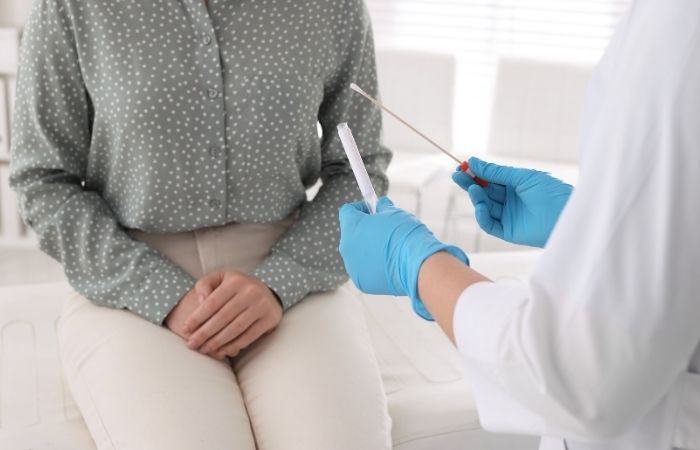
Let’s keep it simple. A rapid chlamydia test is made to find antigens, which are proteins from the bacteria Chlamydia trachomatis, in a urine sample or swab. These aren’t antibody tests, and they don’t use DNA detection like PCR tests in a lab. They're built to give you a fast result, typically within 10–15 minutes, using a lateral flow system (think of it like a COVID test cassette).
For the test to work right, it needs three things:
- A sample that has enough bacterial protein (antigen) to start the test.
- Correct handling, collection, mixing with reagent, and adding to the cassette.
- Enough time post-exposure for those proteins to appear (known as the “window period”).
If any one of those is off, you might still see a control line (the test worked), but the result won’t be accurate.
Sensitivity, Specificity, and What Accuracy Really Means
You’ve probably seen test accuracy described in percentages, but what do those numbers really mean when it’s your health on the line?
Most chlamydia rapid tests on the market fall in this range:
| Metric | Definition (Plain English) | Typical Range for Chlamydia Rapid Tests |
|---|---|---|
| Sensitivity | Ability to correctly detect a real infection (true positives) | 85% – 92% |
| Specificity | Ability to correctly rule out people without infection (true negatives) | 97% – 99% |
| Overall Accuracy | Combines both, how often results are truly correct | 90% – 95% |
Figure 1. Rapid chlamydia test accuracy metrics based on manufacturer data and peer-reviewed studies.
But those numbers assume ideal conditions, clinical settings, perfectly timed tests, expert users. When real people at home use these tests? That’s when things start to skew.
People are also reading: Could That Uncomfortable Sore Be a Syphilis Chancre?
The Window Period: Why Timing Makes or Breaks Accuracy
You had sex three days ago. You’re anxious. You want to know now. So you take a test, and it’s negative. Huge relief, right?
Not necessarily. The window period, the time between exposure and when a test can reliably detect infection, matters more than people think. For chlamydia, antigen levels may not be high enough to trigger a positive until about 7 to 14 days post-exposure. Testing earlier may give a false negative, even if you’re infected.
| Days Since Exposure | Risk of False Negative | Recommended Action |
|---|---|---|
| 1–5 Days | Very high | Wait to test or retest at day 14 |
| 6–10 Days | Moderate | Can test, but follow up if negative |
| 11–14 Days | Lower | Best window for accurate testing |
| 15+ Days | Lowest | Retest only if symptoms persist |
Figure 2. Chlamydia rapid test reliability by days since exposure. Source: Mayo Clinic, CDC, peer-reviewed accuracy trials.
You really want to test right away. But testing too soon can backfire, making you think you're in the clear when you're not and putting others at risk or delaying treatment.
Check Your STD Status in Minutes
Test at Home with RemediumChlamydia & Gonorrhea Test
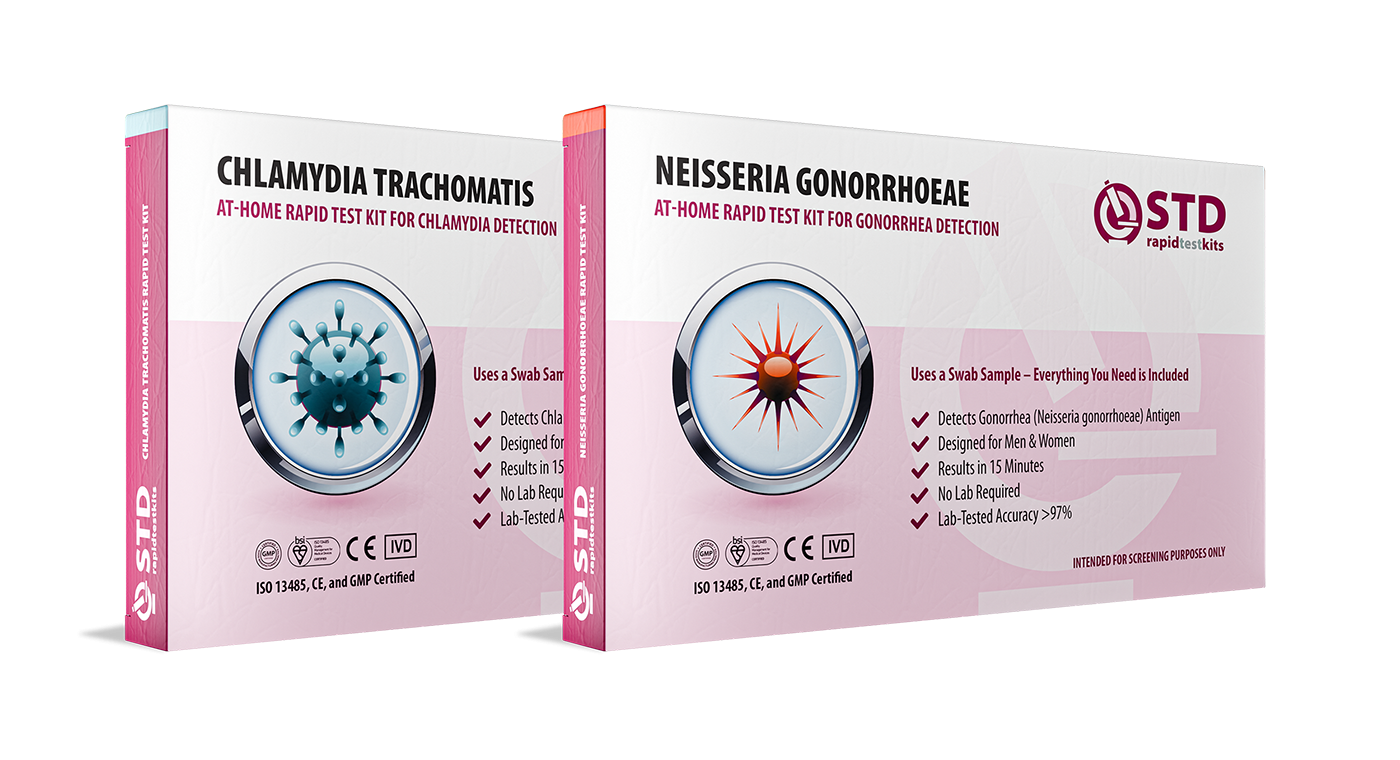
 For Men & Women
 Results in Minutes
 No Lab Needed
 Private & Discreet
Order Now $49.00 $98.00
For all 2 tests
The 5 Most Common Chlamydia Test Mistakes (And Why They Happen)
Mistake 1: Testing Too Soon After Exposure
You already know this one. But it happens constantly. People test within 1–3 days of a risky encounter, get a negative result, and assume they’re safe. But the bacteria may not have reached detectable levels yet. That’s not your fault, it’s human nature. But it does impact accuracy.
Mistake 2: Sample Collection Errors
Whether it’s not catching the first urine stream (which carries the highest bacterial load), or not swabbing properly, sample errors are the silent killers of test accuracy. One Reddit user described collecting their urine an hour after peeing, and their test came back negative. “I found out later I was supposed to hold it for at least an hour,” they wrote.
Mistake 3: Misinterpreting Faint Lines
A line is a line, right? Not always. Some tests are so sensitive they show a faint positive even with trace antigen levels, especially in early infection. Others may show an evaporation line that looks like a “T” line, but isn’t. The rule of thumb: if the control line shows clearly and the test line is visible (even faint), treat it as a positive and retest or confirm.
Mistake 4: Waiting Too Long to Read the Result
Most kits specify a result window, say, 10 to 20 minutes. After that, the chemicals can continue reacting and produce ghost lines or false readings. A user once described finding a “positive” test hours later after tossing it aside. That’s not valid. Stick to the window.
Mistake 5: Not Following Storage Instructions
Test kits aren’t indestructible. Leaving one in a hot car or freezing it can ruin its ability to react properly. Always store them between 36–86°F, and don’t use expired kits, even if they “look fine.”
What That Faint Line Really Means (And Why It’s So Stressful)
Picture this: you’re alone in your bedroom. You set a timer for 15 minutes, come back, and stare at the cassette. There’s a control line, good. And then… is that a second line? You tilt it toward the light. Maybe it’s there. Maybe it’s just the shadow of your anxiety.
Chlamydia rapid tests are notorious for causing this type of mental spiral. Here’s the deal: if your test has two lines, no matter how faint the second one appears, it often means the test has detected the target antigen. But the interpretation depends on timing, line placement, and test brand.
Some faint lines show up just outside the valid read window, and that’s not reliable. Others are caused by evaporation or over-saturation. But in general, if you see a faint line within the recommended read time and it aligns with the "T" marker, it’s safest to assume it’s positive and confirm it. False positives are rare with these tests, but they can’t tell you how recent the infection is.
It's okay to be unsure. What matters most is what you do next, not whether the line was bold or barely there.
When Should You Retest After a Negative?
This is one of the most common questions people have, and for good reason. A negative test can mean three very different things:
- You're truly negative.
- You’re positive but tested too early.
- You’re positive but didn’t collect the sample correctly or read it wrong.
So when should you test again? Here's a practical guide.
If you tested within 5 days of a known exposure and it came back negative, plan to retest at day 14. If you’re symptom-free and just screening after a new partner or condom slip, testing once at 14 days is usually sufficient. But if symptoms persist, discharge, burning, spotting, don’t wait. Test again, or consider a more sensitive lab test like NAAT/PCR.
For people who have been treated for chlamydia in the past, a retest 3 months later is often recommended. This isn't to check for the same infection, it’s to catch reinfection, which is common.
People are also reading: This STD Is Blinding PeopleAnd No One’s Warning You
When Confirmatory Testing Is a Good Idea
Rapid tests are a great tool for privacy and speed, but they aren’t the final word. Confirmatory testing should always be considered if:
- You see a faint positive but don’t have symptoms
- You’re pregnant or immunocompromised
- Your rapid result doesn’t match your clinical symptoms
- You’re testing as part of a public health requirement (like for surgery, immigration, or fertility care)
Confirmatory testing usually involves a PCR/NAAT lab test, which looks for bacterial DNA and is more sensitive. You can get these through clinics, telehealth, or even mail-in lab kits. If you’ve used an at-home test and gotten a questionable result, don’t just shrug it off. Think of rapid tests as the first step, not the final word.
Many users report going through emotional rollercoasters with faint positives, only to find out through PCR they had a low-level or resolving infection. Others tested negative with rapid kits, then got a positive lab result a week later.
That’s not failure. That’s how infection timelines work. And it's why testing is often about timing and trends, not one snapshot.
What If the Test Doesn’t Work at All?
Every now and then, a test just… doesn’t show a control line. Or leaks. Or gives you a blank cassette after 15 minutes. That’s called an invalid result, and it doesn’t mean you’re positive or negative. It means the test failed to process.
Here’s what can cause it:
- Not enough sample added
- Skipping or under-mixing the buffer solution
- Letting the test sit too long before applying the sample
- Using an expired kit or one stored incorrectly
- Damage to the membrane inside the cassette
If you get an invalid result, do not interpret it. Use a new kit. If you don’t have another, you can order a discreet test.
And if that second test gives you the same problem? It might be time to try a mail-in lab kit or go to a clinic for clarity.
Check Your STD Status in Minutes
Test at Home with Remedium3-in-1 STD Test Kit
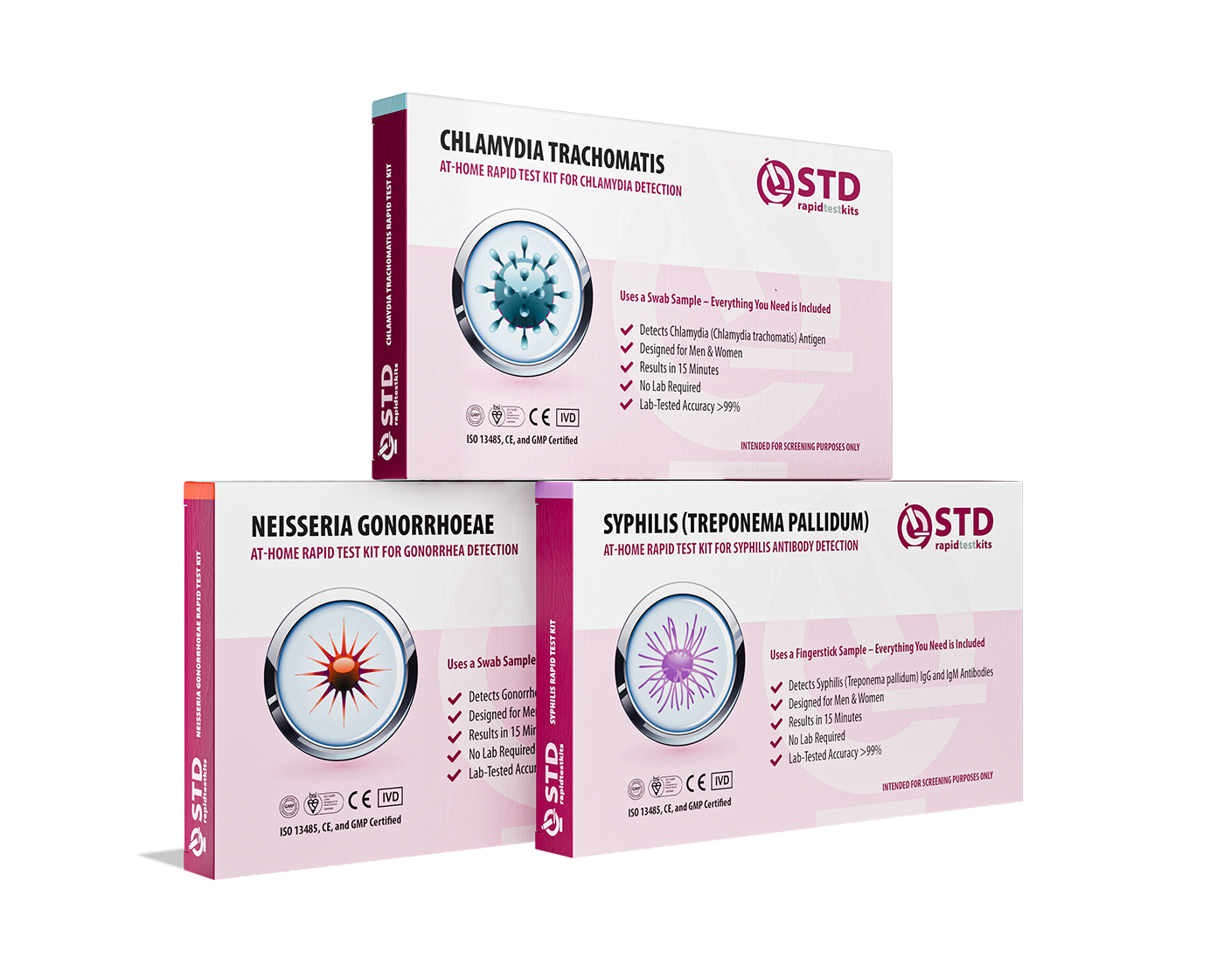 For Men & WomenResults in MinutesNo Lab NeededPrivate & Discreet
Order Now $69.00 $147.00
For all 3 tests
Real Story: “I Tested Negative. Then I Gave It to My Partner.”
David, 32, had been careful. After a one-night stand, he took an at-home chlamydia test on day five. It was negative. He relaxed. A month later, his new partner started showing symptoms. Her test came back positive.
“I didn’t want to believe it,” David said. “I was sure I was clean. I followed the instructions. But I tested too early, and it messed everything up.”
David’s story isn’t rare. False reassurance from an early test is one of the most common causes of continued transmission. That’s not about carelessness. It’s about misunderstanding how tests work in the real world, where biology isn’t instant and bacteria don’t always follow the rules.
“I wish someone had told me that the first test isn’t always enough,”
Can You Trust These Tests At All?
Yes, but with conditions. Chlamydia rapid tests are most accurate when:
- You wait at least 7–14 days after exposure
- You follow sample collection directions carefully
- You read the result within the correct time window
- You store the test properly and use it before the expiration date
When all of that aligns, these tests can be over 90% accurate. And for many people, that’s enough to make confident decisions about treatment, sex, or talking to a partner.
But no test replaces your body’s signals. If you have symptoms, or your gut says something’s off, listen to it. Testing is just a tool. You're still the expert on your own experience.
If you’re still unsure, or if your test result doesn’t match how your body feels, don’t wait and wonder. You can always follow up with a lab-based PCR test, or retest in a few days. And if you're ready to act now, you can order a new test here:
This FDA-approved chlamydia home test gives results in minutes, and ships discreetly.
Special Situations That Can Skew Results
Not every test result fits neatly into a yes/no box. Real life gets messier. And sometimes your situation, your body, your history, your identity, affects how reliable your chlamydia test result is.
Let’s walk through some of the most common (and misunderstood) edge cases.
If You’re Pregnant
Pregnancy doesn’t change whether you can get chlamydia, but it can affect how your immune system responds. Some people may have lower antigen levels detectable by rapid tests, especially in early pregnancy. If you're expecting and get a faint result (or a negative but have symptoms), follow up with a lab test right away. The stakes are too high to guess.
If You’re on Antibiotics for Something Else
Maybe you’re taking doxycycline for acne, or azithromycin for a sinus infection. Both drugs also treat chlamydia, but only at specific doses and durations. If you take a test while partially treated, your result could show a low-level or false negative. Antibiotics don’t “erase” infection instantly. Residual bacteria or antigens might still trigger a faint line, or no line at all.
Some users assume they’re “immune” after treatment. You’re not. Chlamydia doesn’t create lasting immunity. You can be reinfected, sometimes within weeks. And if you test too soon after treatment (say, within 3–4 weeks), you might detect dead bacterial fragments that still show a faint positive. In that case, your doctor may advise against retesting unless new symptoms appear.
If You’re Testing Rectal or Oral Exposure
This one’s critical. Most chlamydia rapid tests are validated for urine or vaginal swab samples. They don’t reliably detect rectal or throat infections, even though those exposures can absolutely lead to infection. If you’ve had unprotected oral or anal sex, a rapid test might come back negative even if you’re infected elsewhere. In these cases, a clinical or mail-in PCR test is the gold standard.
Your body isn’t “broken” if your test doesn’t make sense. It might just mean you need a different kind of test, or a bit more time.
Why Your Feelings Matter As Much As Your Results
Let’s talk about the emotional side of this.
You took a test because you care. Because you’re trying to protect yourself or your partner. Because you’re anxious, or scared, or just not sure. That alone deserves respect.
Rapid tests aren’t just science, they’re emotional flashpoints. The moment you open that kit, you’re facing uncertainty, stigma, regret, maybe even trauma. That kind of pressure makes it easy to second-guess every line, every drop of urine, every instruction. And when the test doesn’t go perfectly, it’s tempting to blame yourself.
Please don’t.
You are not the mistake. You are not dirty. You are not alone. Testing is care, not confession. And even if you got it “wrong” the first time, you’re already closer to clarity than you were before you tested.
We all deserve tools that make us feel empowered, not punished. That’s what testing should be. A step toward control, not more shame.
FAQs
1. Can a chlamydia test say you're fine when you're not?
Yes, and it's usually about timing, not the test being "bad." If you test too soon after a hookup (like within a few days), your body might not have built up enough detectable material for the test to catch. It’s like asking someone if they’re pregnant the day after sex, not even the best test can fast-forward biology.
2. What does it mean if the test line is so faint I can barely see it?
If you find yourself tilting the test under every light in your house, welcome to the “faint line club.” Usually, any line, even a ghost of one, within the result time window means the test picked something up. It could be early infection, low antigen levels, or just bad lighting. Either way, treat it as a “maybe yes” and follow up. Better safe than silent.
3. Are at-home chlamydia tests actually reliable?
They’re more reliable than people give them credit for, especially when you use them right. Most rapid tests catch about 85–92% of true positives and miss very few false ones. But the human part, like testing too early or not collecting enough urine? That’s where things can go sideways. So yes, they work, but they need you to meet them halfway.
4. Do these tests cover oral or anal chlamydia? N
ot usually. Most rapid kits you buy online or in stores are built for urine or vaginal swabs. They won’t pick up chlamydia living in the throat or rectum, which is frustrating because that’s exactly where it hides in a lot of people. If you had oral or anal sex, a lab-based test with proper site swabs is the way to go.
5. How long should I wait to test after a risky encounter?
Give it at least 7 days, 14 is even better. That gives the bacteria time to grow and shed enough to show up on a test. Testing earlier won’t hurt you, but it might lull you into thinking you’re in the clear when you’re not. If you're nervous, test now and again later. That’s not paranoia, that’s strategy.
6. Why did my test show nothing at all? Like, no lines?
That’s called an invalid result, and it’s the test's version of shrugging. It usually means something went wrong, maybe not enough sample, maybe the kit sat in a hot mailbox too long, maybe the chemicals inside just aged out. You’ll need to use a new test. And yes, it sucks. But better a blank than a bad read.
7. Can being on antibiotics mess up the results?
Yes, sneaky, right? If you’re already taking something like doxycycline or azithromycin (even for something unrelated), it might start killing off chlamydia before the test can detect it. That can lead to a false negative. Always tell your doctor if you’ve taken anything recently when you're testing or treating.
8. I had chlamydia before. Can I get it again?
Oh yes. Chlamydia doesn’t give you a free pass after one round. You can absolutely catch it again from a new partner, or even the same one if they weren’t treated. That’s why retesting 3 months after treatment is smart. Think of it as a system check, not a judgment call.
9. How do I know the test didn’t go bad?
Check the expiration date, make sure the control line appears, and ask yourself: was this test living in my car during a heat wave? If yes, it may be toast. These kits are sensitive little things. Keep them in a cool, dry place, and never use one if the foil pouch is damaged or if there’s no control line.
10. My test says negative, but I still feel off. Now what?
Trust your gut. If something feels wrong, burning, spotting, weird discharge, even just a vibe, it’s worth getting checked again. Rapid tests aren’t perfect. They give you a snapshot, not a full documentary. If symptoms continue, go for a lab test or talk to a provider. You’re not overreacting, you’re advocating for yourself.
You Deserve Answers, Not Assumptions
Chlamydia rapid tests can be very useful, but only if you know how to use them, are careful, and have the right expectations. They don't work like magic. They won't stop you from having unsafe sex or take the place of medical care. But they can help you get off to a good start if you know how to use them.
That means timing your test carefully. Following every instruction. Treating faint lines seriously. Retesting when the situation calls for it. And most of all, knowing that if your test result leaves you confused, you don’t have to stay confused.
Take a breath. You’ve got options. Whether it’s a second test, a lab follow-up, or just waiting a few more days to be sure, you’re already doing the right thing by paying attention.
Need a clean start? You can order a Combo STD Home Test Kit that covers multiple infections, with fast results and discreet delivery. Peace of mind is one kit away.
How We Sourced This Article: We combined current guidance from leading medical organizations with peer-reviewed research and lived-experience reporting to make this guide practical, compassionate, and accurate.
Sources
About the Author
Dr. F. David, MD is a board-certified infectious disease specialist focused on STI prevention, diagnosis, and treatment. He blends clinical precision with a no-nonsense, sex-positive approach and is committed to expanding access for readers in both urban and off-grid settings.
Reviewed by: [Reviewer Name, Credentials] | Last medically reviewed: [Month Year]
This article is for informational purposes and does not replace medical advice.


