







Quick Answer: Hepatitis C is very rarely spread through oral sex. Transmission requires blood-to-blood contact, which is uncommon in oral encounters. Still, risk can rise if there are mouth sores, bleeding gums, or exposure to menstrual blood.
When Fear Feels Louder Than Facts
Dan, 27, remembers spiraling after giving oral sex to a new partner. He noticed a metallic taste, maybe blood?, and spent the next three nights awake, scrolling through contradictory advice. “Some websites said no way. Others said I’d ruined my life. I didn’t know who to trust.” Stories like Dan’s are everywhere, because oral sex feels intimate and unprotected, yet we rarely talk about it honestly. That silence fuels myths, especially around Hepatitis C.
The truth? While Hepatitis C is a bloodborne infection with serious consequences, it doesn’t spread easily through saliva or casual contact. Oral sex sits at the far low end of risk, but not at absolute zero. Knowing what makes that risk rise, and how to protect yourself, shifts the panic into clarity.
How Hepatitis C Actually Spreads
Here’s where the science clears the fog. Hepatitis C requires blood-to-blood contact for transmission. That’s why the highest risks come from sharing needles, receiving contaminated medical equipment, or, less commonly today, blood transfusions in places without rigorous screening. Sexual transmission is possible, but even then it’s far more likely with anal or rough vaginal sex, especially when blood is present.
Saliva alone does not transmit Hepatitis C. The virus isn’t present in high enough amounts in spit to pose a threat. That’s why kissing is safe. For oral sex, the equation changes only if blood enters the picture. Think open mouth sores, bleeding gums, or contact with menstrual blood. The odds are still slim, but they exist. And that’s where the myth-versus-risk debate gets complicated.

People are also reading: Can You Get STDs from Public Pools or Hot Tubs?
Table 1. Comparing Risk of Hepatitis C Transmission by Sexual Activity
| Sexual Activity | Relative Risk of Hepatitis C | Key Factors That Raise Risk |
|---|---|---|
| Oral Sex | Very Low | Mouth sores, bleeding gums, menstrual blood |
| Vaginal Sex | Low | Rough sex, presence of blood, no barrier protection |
| Anal Sex | Higher | Fragile tissue, higher chance of bleeding, no barrier protection |
| Needle Sharing | Very High | Direct blood-to-blood exposure |
Figure 1. Relative risk of Hepatitis C transmission by activity. Oral sex remains low risk, but not entirely risk-free if blood is present.
Why Myths About Oral Sex Stick Around
Part of the confusion comes from how different infections spread. Gonorrhea and Chlamydia can infect the throat through oral sex, so people assume Hepatitis C works the same way. But unlike those bacterial STDs, Hepatitis C isn’t living in throat tissue or saliva, it’s a blood specialist. That distinction matters.
Still, myths survive because they’re sticky. Scary headlines and vague warnings sound more dramatic than nuanced explanations. When someone like Dan goes searching for answers at midnight, a blog shouting “Yes, oral sex gives you Hepatitis C!” grabs attention faster than a CDC chart explaining relative risk. But exaggeration fuels stigma, and stigma makes people less likely to test or talk openly with partners.
Check Your STD Status in Minutes
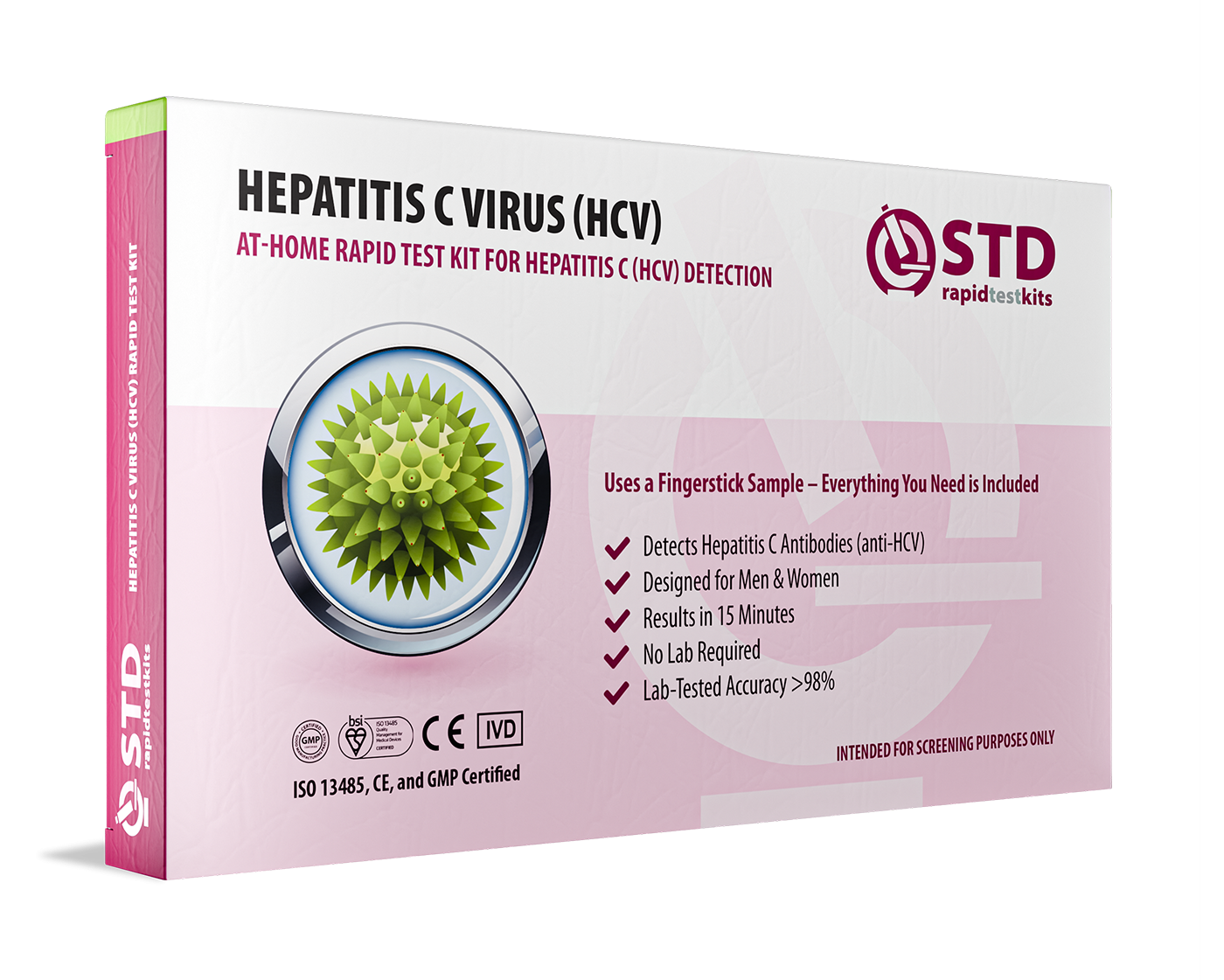
Test at Home with RemediumHepatitis C Test Kit
 For Men & Women
 Results in Minutes
 No Lab Needed
 Private & Discreet
Order Now $33.99 $49.00
When a Sore Throat Isn’t a Sign of Hepatitis C
After oral sex, it’s common to notice a sore throat, a little irritation, or even swollen tonsils. These symptoms can feel terrifying if you’ve just Googled “oral sex Hepatitis C.” But here’s the catch: Hepatitis C almost never announces itself that way. In fact, the infection is usually silent in its early months. If symptoms appear, they tend to be vague, fatigue, mild fever, yellowing of the eyes or skin, not a scratchy throat.
Mina, 34, remembers panicking after waking up hoarse the morning after a hookup. “I thought, oh my god, this is it, I’ve got Hep C in my throat.” A week later, a clinic swab revealed strep throat, not an STD. Her story is common. The anxiety often outpaces the medical reality, which is why clear education matters more than repeating myths.
Window Periods: Why Timing Makes or Breaks a Test
Even when risk is low, people want certainty. That means testing. But one of the most misunderstood parts of STD testing is the window period, the time between exposure and when a test can reliably detect infection. With Hepatitis C, this window is longer than most STDs. Testing too soon can give false reassurance.
Most antibody tests for Hepatitis C take 8 to 11 weeks to show a reliable result. RNA tests, which detect the virus directly in blood, can often confirm infection earlier, around 2 to 3 weeks after exposure. Knowing these timelines matters. It saves people from testing too early, getting a negative, and then spiraling again when symptoms (that usually aren’t Hepatitis C) appear later.
Table 2. Hepatitis C Testing Options and Windows
| Test Type | Sample | Earliest Detection | Best Accuracy |
|---|---|---|---|
| Hepatitis C Antibody Test | Blood | 8 weeks | 11–12 weeks |
| Hepatitis C RNA (PCR) Test | Blood | 2–3 weeks | 4–6 weeks |
| Rapid Hepatitis C Test Kit | Fingerstick Blood | 8–12 weeks | 12+ weeks |
Figure 2. Common Hepatitis C testing methods with their detection windows. Earlier testing is possible with RNA testing, but confirmatory antibody tests remain the standard for diagnosis.
People are also reading: How to Order STD Test Kits Online for At-Home Use (Without the Stress)
Why Oral Sex Still Shows Up in Risk Conversations
So if the odds are so low, why does oral sex keep getting mentioned in Hepatitis C risk lists? The answer is simple: public health messaging errs on the side of caution. Because transmission is possible if blood is involved, most guidelines include oral sex in their risk discussions. They want people to know that if they have bleeding gums or visible sores, there’s technically a route for the virus to spread.
This doesn’t mean oral sex is equally risky as anal or vaginal sex. It isn’t. But erasing the risk entirely could backfire, leaving someone blindsided if they do catch Hepatitis C in a rare case. Balance is important: honest education that acknowledges fear without making it worse.That’s what people like Dan and Mina needed most in their midnight spirals, not absolutes, but grounded nuance.
Testing Anxiety: The Emotional Rollercoaster
Waiting through the window period can feel unbearable. Many readers describe checking their skin every morning for yellowing eyes or obsessively Googling “Hepatitis C mouth symptoms.” It’s not just the medical uncertainty, it’s the shame. Oral sex is often brushed off as “safe sex,” so when people fear they might have caught something, they feel doubly isolated.
Isaac, 22, a college student, says, “I kept thinking, I shouldn’t even be worried, everyone says oral is safe. But what if I’m the unlucky one?” That fear is real, even if the math is on his side. What breaks the cycle is access to accurate testing and compassionate information. An at-home rapid Hepatitis C test kit can be one lifeline during that waiting period, offering discreet reassurance without judgment.
If your head keeps spinning, peace of mind is one test away. STD Rapid Test Kits offers a Hepatitis C Rapid Test Kit that you can use privately at home, with results in minutes. It won’t replace confirmatory lab work, but it can stop the spiral while you wait for your optimal test window.
Check Your STD Status in Minutes
Test at Home with Remedium7-in-1 STD Test Kit
 For Men & WomenResults in MinutesNo Lab NeededPrivate & Discreet
Order Now $129.00 $343.00
For all 7 tests
When Oral Sex Risks Go Up
Although Hepatitis C is rarely passed through oral sex, there are scenarios where the risk climbs. These aren’t everyday situations, but they’re worth naming clearly. If you or your partner have bleeding gums, open mouth ulcers, or cracked lips, those microscopic openings can give the virus a pathway. The same goes for the presence of menstrual blood or if the partner has genital sores that bleed during oral contact.
Maria, 41, recalls a night when she went down on her partner and later noticed her gums had been bleeding from flossing too hard earlier that day. “The second I realized, I panicked. My mind jumped straight to Hepatitis C. It didn’t matter that I knew the chances were tiny, I couldn’t un-think it.” Her anxiety captures the emotional reality: low risk doesn’t feel low when you’re the one living it.
Table 3. Factors That Increase Hepatitis C Risk During Oral Sex
| Risk Factor | Why It Matters | Risk Level Compared to Baseline |
|---|---|---|
| Mouth sores or bleeding gums | Provide direct blood-to-blood contact routes | Moderately Higher |
| Exposure to Menstrual Blood | Increases chance of viral presence during oral sex | Higher |
| Rough Oral Sex Causing Microtears | Small cuts can increase vulnerability | Slightly Higher |
| Concurrent STDs (like Herpes) | Sores and inflammation can facilitate transmission | Higher |
Figure 3. Things that can make it more likely for Hepatitis C to spread through oral sex. The baseline is very low, but some things can raise it.
Prevention That Doesn’t Kill the Mood
When people hear about dental dams or condoms for oral sex, they often imagine something clinical or awkward. In reality, barrier methods can be integrated smoothly, and creatively, without ruining intimacy. Condoms flavored specifically for oral use exist for a reason. Dental dams, while less popular, are ultra-thin and allow sensation to pass through. The goal isn’t to turn sex into a sterile lab, it’s to give yourself a mental safety net.
Equally important is mouth health. Brushing gently, waiting after flossing, and treating gum inflammation reduces risks dramatically. Think of it as foreplay for your body’s defenses. Even small adjustments like avoiding oral sex during menstruation, or when you have a canker sore, keep the odds in your favor without derailing the moment.

People area also reading: Can You Get an STD from a Toilet Seat or Toilet Paper? A Medical Breakdown
Case Study: Panic After the Hookup
Alex, 29, hooked up with a partner at a music festival. After giving oral sex, he realized his gums were sore from biting sunflower seeds all day. By the time he got home, he was convinced he’d contracted Hepatitis C. The following week was a haze of self-diagnosis, tiredness from late nights felt like viral fatigue, a small bruise looked like jaundice. Finally, he ordered an at-home rapid Hepatitis C test kit, which came back negative. Weeks later, a clinic antibody test confirmed the result. His story illustrates the common cycle: low actual risk, high emotional turmoil, and how access to discreet testing can interrupt that spiral.
Why Testing Isn’t Just About You
One overlooked reason to test, even when the risk is low, is the ripple effect. If you do happen to catch Hepatitis C, knowing early means protecting your partners. The infection is treatable now, modern antivirals can cure it in more than 95% of cases, but treatment works best when started promptly. Getting clarity isn’t just self-care, it’s partner care. And reframing testing this way shifts it from fear-driven to love-driven, from “I’m scared” to “I care.”
If you’ve had an encounter that leaves you uneasy, you don’t have to sit in limbo. You can discreetly order a Hepatitis C rapid test kit today. Privacy, speed, and peace of mind are part of health too.
FAQs
1. Can you get Hepatitis C from kissing?
No. Kissing, even deep kissing, won't give you hepatitis C because it doesn't spread through saliva. Blood-to-blood contact is necessary for transmission, which kissing doesn't do.
2. Does Hepatitis C show symptoms in the throat after oral sex?
Not typically. Early Hepatitis C symptoms are often silent or very general, like fatigue or mild jaundice. A sore throat after oral sex is usually unrelated.
3. How soon can I test for Hepatitis C after oral sex?
An RNA test can detect infection in as little as 2–3 weeks. Antibody tests and rapid kits are most reliable at 8–12 weeks. Testing too early may require a retest later.
4. Is oral sex considered safe if both partners are healthy?
For Hepatitis C, yes. The risk is extremely low unless blood is present. Using barriers or avoiding oral sex with open sores makes it even safer.
5. What if my gums bleed during oral sex?
It happens to lots of people, maybe from brushing too hard or a small sore you didn’t notice. If your gums bleed while giving oral sex, the risk for Hepatitis C goes up slightly because blood is the main way the virus spreads. That doesn’t mean you’ll automatically get infected, but it’s normal to feel anxious afterward. The best step is to wait for the right testing window and then check in with a rapid Hepatitis C test kit or a clinic test. That way, you can swap guesswork for peace of mind.
6. Can Hepatitis C spread through semen?
Researchers have found that while tiny amounts of the virus can sometimes be detected in semen, there isn’t good evidence that semen alone passes Hepatitis C. What really drives transmission is blood-to-blood contact. So unless blood is involved, the chances of catching Hepatitis C this way are extremely low. Knowing this can help ease the fear that every body fluid is dangerous, it isn’t.
7. Do condoms prevent Hepatitis C during oral sex?
Yes, condoms reduce any already low risk by acting as a barrier. Flavored condoms are designed to make oral use more comfortable and discreet.
8. What if my rapid Hepatitis C test is negative but I’m still anxious?
Consider retesting after the window period. Early negatives may miss infection, but repeat testing at 8–12 weeks offers strong reassurance. You can also confirm with an RNA test.
9. Is Hepatitis C curable?
Yes. Modern antiviral drugs can cure more than 95% of people with Hepatitis C. Finding out about a disease early speeds up and improves treatment.
10. What should I do if I test positive?
Don’t panic. The next step is confirmatory testing through a clinic. From there, a doctor can prescribe curative medication. Support is available, and most people go on to live healthy, full lives.
You Deserve Answers, Not Assumptions
At the end of the day, the real myth isn’t that oral sex can or can’t transmit Hepatitis C, it’s that you should live in fear or silence about it. Risk exists, but it’s small, and today we have both discreet testing and curative treatment within reach. What matters most is moving from dread to action, from midnight spirals to informed choices.
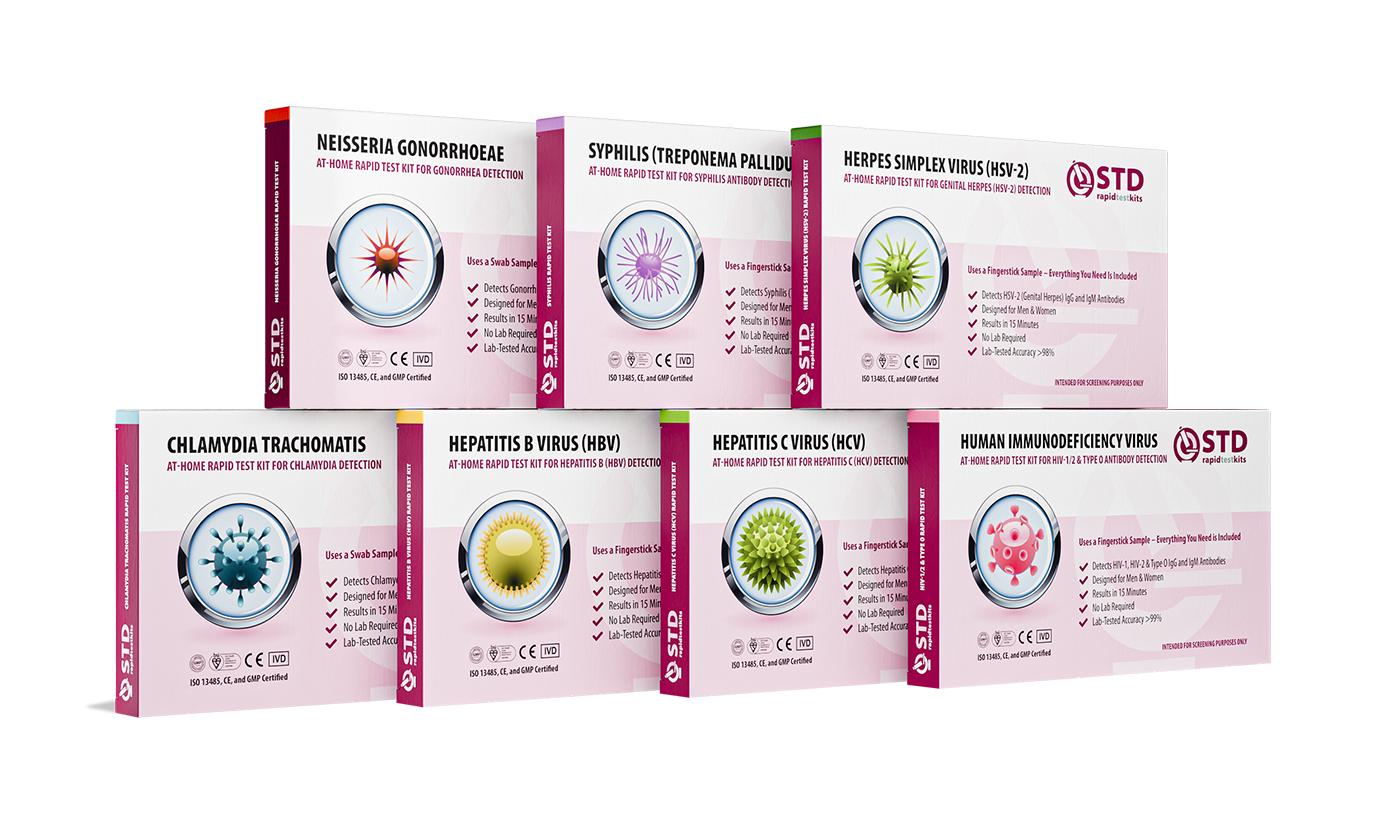
Don't wait and wonder; get the answers you need right away. This at-home combo test kit quickly and privately checks for a number of STDs, such as Hepatitis C.
How We Sourced This Article: This article used peer-reviewed research, reports from people who had the same experience, and data from major health organizations to make sure it was right and useful.
Sources
1. CDC: Viral Hepatitis Among Sexually Active Adults
2. U.S. Department of Veterans Affairs: Oral & Anal Sex and Hepatitis C
4. PubMed Central: HCV Partners Study (Sexual Transmission in Heterosexual Couples)
5. CDC: Hepatitis C General Information
6. WHO: Hepatitis C Fact Sheet
About the Author
Dr. F. David, MD is a board-certified specialist in infectious diseases who works to stop, diagnose, and treat STIs. He blends clinical precision with a no-nonsense, sex-positive approach and is committed to expanding access for readers in both urban and off-grid settings.
Reviewed by: Dr. A. Bennett, MPH | Last medically reviewed: September 2025
This article is for informational purposes and does not replace medical advice.


