





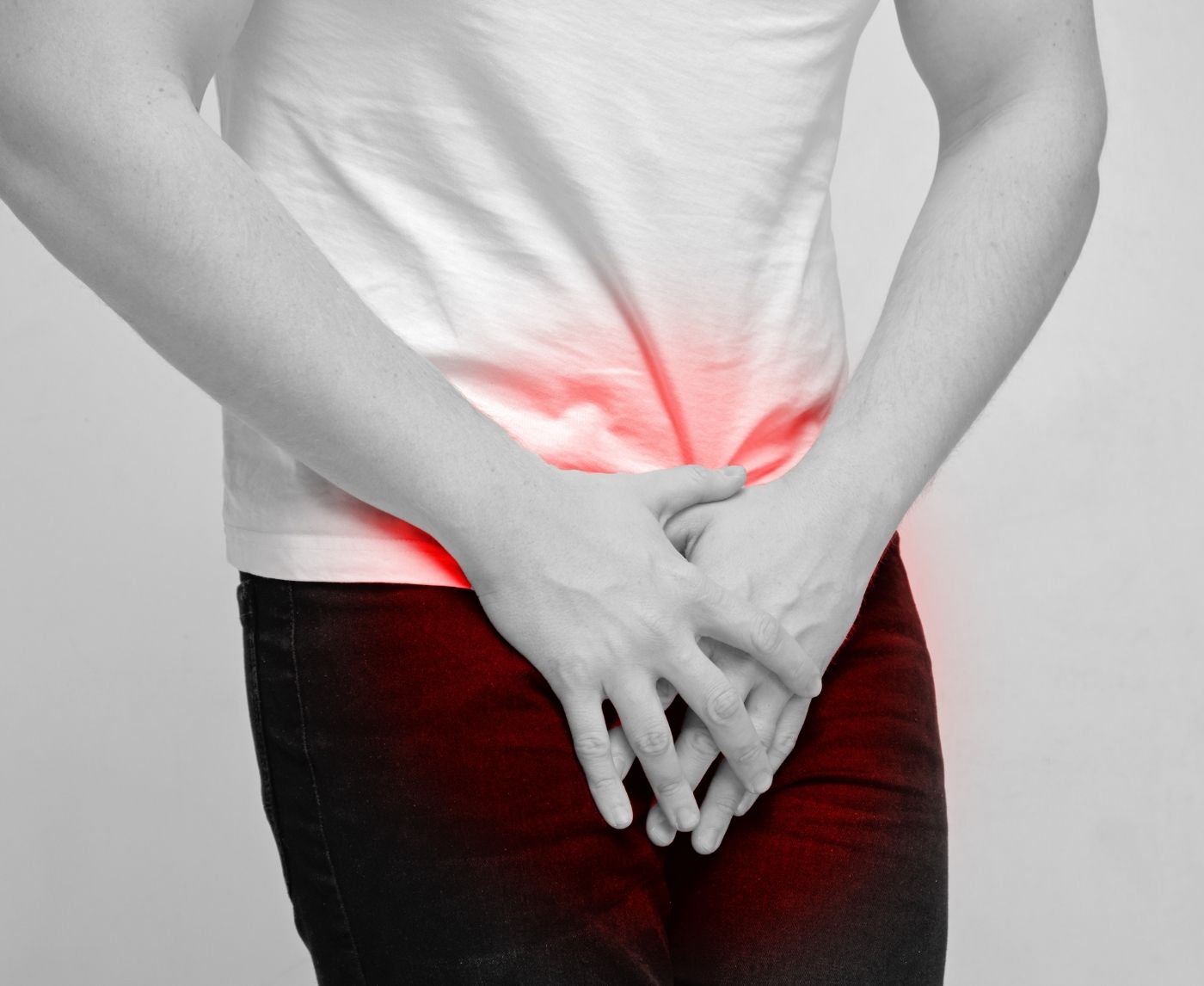

Quick Answer: Burning while peeing with a negative UTI test can be caused by chlamydia, gonorrhea, or other STDs that irritate the urethra. If symptoms persist, an STD test is strongly recommended, especially if you’ve had new or unprotected sex in the past month.
What Happens When a UTI Test Is Negative, but the Burn Is Real?
Marissa, 27, had just started seeing someone new. A few days after their second time sleeping together, she felt a twinge while urinating. “I thought, here we go again, another UTI,” she said. She’d had them before. She chugged cranberry juice and went to urgent care the next morning. The test came back negative. “I was confused. It felt exactly like every UTI I’ve had.”
This experience isn’t rare. In fact, it’s surprisingly common for people with chlamydia to show symptoms that mimic a UTI: painful urination, urgency, pressure in the lower abdomen. But because standard UTI dipstick tests don’t detect STDs, many patients are sent home with no answers, or worse, with antibiotics that don’t treat the real issue.
Here’s the catch: you can have STD symptoms that are nearly identical to UTI symptoms, but most urgent care visits only test for bacteria in the urine, not for chlamydia or gonorrhea. If you're not explicitly asking for an STD test, you might never get one.
How Chlamydia Can Mimic a UTI
It starts in the urethra, that tiny, sensitive tube that carries urine out of your body. When infected with chlamydia, the lining of the urethra can become inflamed, triggering the same sensations you’d get from a UTI: burning, tingling, that weird almost-electric shock as you finish peeing.
But unlike a bacterial UTI, chlamydia doesn’t always cause a fever or make your urine smell funky. The pain is often subtler, just enough to make you pause but not enough to scream. Many people wait it out or self-treat, not realizing they’re delaying diagnosis of an infection that’s silently spreading.
According to the CDC, up to 70% of women and 50% of men with chlamydia report no symptoms. But when symptoms do appear, they’re frequently mistaken for something else, especially UTIs.
| Symptom | UTI | Chlamydia |
|---|---|---|
| Burning with urination | Very common | Common |
| Frequent urge to urinate | Very common | Possible |
| Pelvic or lower abdominal pain | Occasional | Common |
| Vaginal or penile discharge | Rare | Common (but not always) |
| Cloudy or smelly urine | Common | Rare |
| Fever or chills | Sometimes | Rare |
Table 1. Comparing UTI and Chlamydia symptoms. Overlap makes diagnosis difficult without proper testing.
The Window Period: Why Timing Can Confuse Your Test Results
If you got tested for a UTI right after a hookup, there’s a good chance your symptoms are real, but the cause just hasn’t shown up on tests yet. That’s because chlamydia and other STDs have something called a “window period.” This is the time between infection and when it can be accurately detected by a test.
Jose, 31, got tested for everything the morning after a risky encounter. “I was trying to be responsible,” he said. “But I started having weird symptoms a few days later, mostly just irritation when I peed.” His test had come back negative, but he hadn’t waited long enough. “I went back two weeks later and boom, positive for chlamydia.”
This is why timing matters. If you test too early, you may get a false negative and think you’re clear. But the infection is still there, quietly damaging your reproductive system and possibly spreading to others.
| STD | Minimum Window Period | Best Time to Test |
|---|---|---|
| Chlamydia | 5–7 days after exposure | 14+ days for accurate results |
| Gonorrhea | 2–6 days | 10–14 days |
| Trichomoniasis | 5–7 days | 2–3 weeks |
| UTI | Same-day symptoms and testing | Same-day accuracy |
Table 2. Comparison of STD and UTI testing windows. Many STDs need time to appear on tests.

People are also reading: Is It Possible to Catch an STD from Hotel Linens?
Why You Might Have Both: The UTI and STD Double Whammy
One more twist: it’s possible to have both a UTI and an STD at the same time. In fact, one can make the other more likely. Sexually active people, especially those with new partners or inconsistent condom use, are at higher risk for both.
Sex can introduce bacteria into the urinary tract, classic UTI behavior. But if your partner has an undiagnosed infection, it can also transmit chlamydia, gonorrhea, or trichomoniasis at the same time. The result? A confusing tangle of symptoms that don’t go away with standard UTI antibiotics.
That’s why follow-up testing matters. If symptoms persist after a UTI test and antibiotics, a rapid STD test can uncover what the dipstick missed.
STD Rapid Test Kits offers discreet at-home kits that screen for common infections like chlamydia, gonorrhea, and trich, all from home, no awkward waiting room required. Try a Combo Home Test if you're still unsure what's causing your burn.
What If the Burning Comes Back? When Retesting Is Crucial
Imagine this: you finish your round of antibiotics for what your doctor thought was a UTI. A few days pass, maybe even a week. Then it starts again, that same old burn. Maybe it's less intense this time, but it’s familiar. And you’re frustrated. What gives?
This scenario is more common than you’d think. If your symptoms return quickly after UTI treatment, especially if you’ve had unprotected sex or a new partner recently, it’s time to consider that it wasn’t just a UTI, or that there’s a second issue lurking underneath.
Elise, 23, had her symptoms come back after antibiotics. “I figured the UTI didn’t clear completely,” she said. But her doctor refused to retest and prescribed another round of meds. “The second time, I pushed for STD testing. That’s when they found chlamydia.”
Retesting can feel like a hassle, but it’s often what saves people from long-term complications like pelvic inflammatory disease, infertility, or chronic discomfort. Don’t let embarrassment delay care. If something still feels off, listen to your body.
Check Your STD Status in Minutes
Test at Home with Remedium7-in-1 STD Test Kit
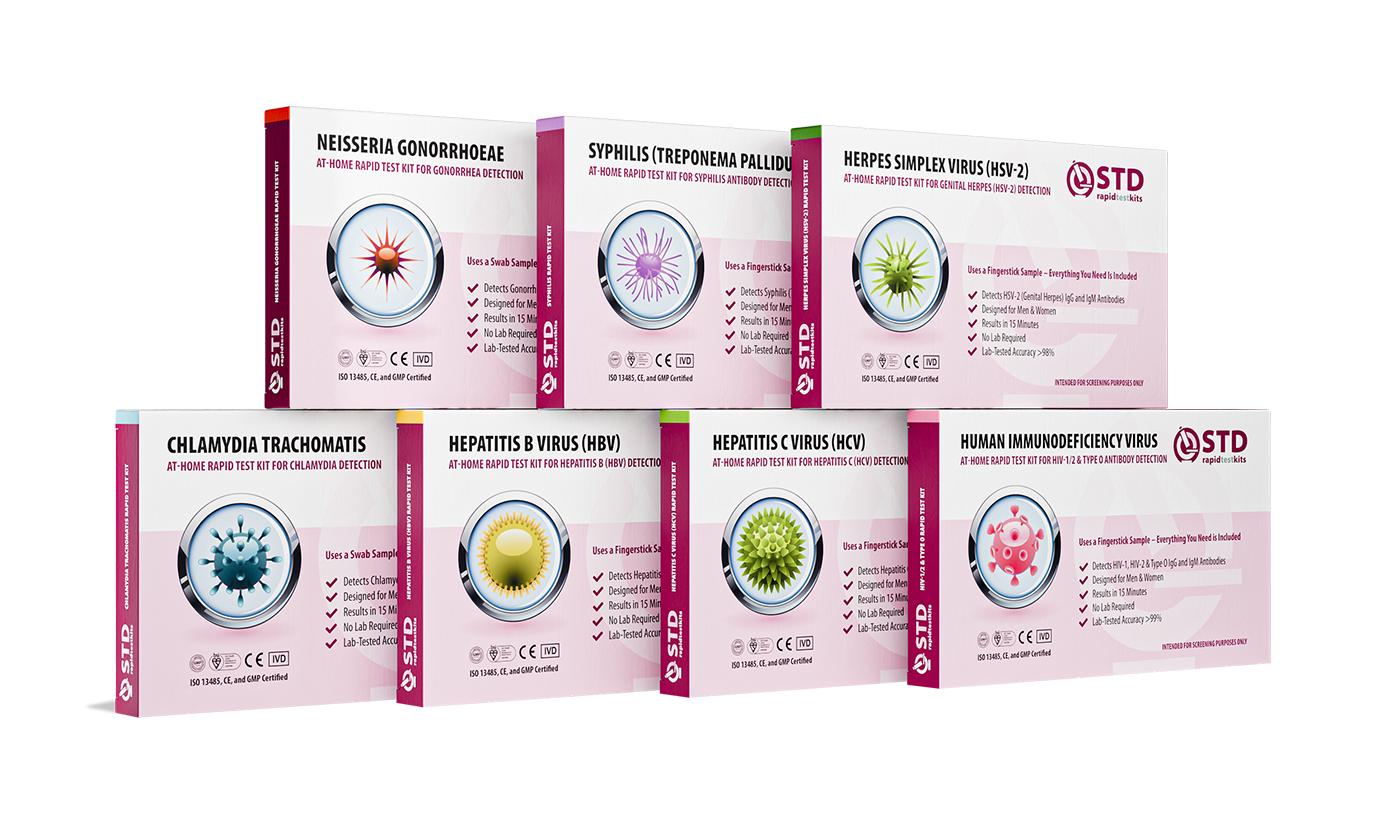
 For Men & Women
 Results in Minutes
 No Lab Needed
 Private & Discreet
Order Now $129.00 $343.00
For all 7 tests
Testing Options: What Kind of Test Do You Actually Need?
When your urine test is negative but symptoms persist, a standard lab may not be enough. Here’s what’s going on behind the scenes:
UTI tests check for white blood cells, nitrites, and bacteria in the urine. That’s it. They don’t detect STDs like chlamydia or gonorrhea. If you're not specifically screened for those, you won't get answers.
STD tests (particularly NAATs, Nucleic Acid Amplification Tests) look for the genetic material of infections like chlamydia and gonorrhea. They're usually done with a urine sample or vaginal swab and are far more sensitive than traditional urine cultures.
At-home STD testing kits use the same technology used in clinics. Brands like STD Rapid Test Kits offer both single-infection tests and combo kits that cover the most likely culprits when you're dealing with mystery burning.
And don’t forget the importance of timing. If your exposure was recent, within the last week, retest again at the 14-day mark to rule out early false negatives. STD test sensitivity improves dramatically after that window.
More Than Just Chlamydia: Other STDs That Mimic a UTI
Chlamydia is the most common STD that people think is a UTI, but it's not the only one. A number of sexually transmitted infections can cause problems with urination, which makes it hard to tell them apart without proper testing.
Gonorrhea often produces similar symptoms, burning, discharge, pelvic pressure, and can also infect the throat or rectum silently. Like chlamydia, it's easily treated once diagnosed, but damaging when ignored.
Trichomoniasis is less talked about but equally sneaky. Caused by a parasite, it can cause irritation, odor, discharge, and yes, burning with urination. Many people assume it's just a yeast infection or minor imbalance and never test for it unless prompted by a provider.
Even herpes can cause burning sensations during urination, especially if ulcers or sores are present. The pain might not be internal, it could be from external irritation the urine touches. This nuance often gets missed, especially by providers rushing through short appointments.
And while not technically an STD, vaginal atrophy or hormonal shifts (common after childbirth, during breastfeeding, or in menopause) can also mimic UTI symptoms. But unlike STDs, these won't show up on tests either, and require a different type of care entirely.
But I Haven’t Had Sex Recently, Could It Still Be an STD?
This is where things get confusing. Chlamydia can incubate silently for weeks, sometimes even months, without causing symptoms. That means you may have caught it during a past hookup or relationship and only now started feeling it.
Ty, 29, was in a monogamous relationship for over a year when he developed pain while peeing. “I was convinced it was a kidney stone or dehydration,” he said. “But my STD test came back positive for gonorrhea.” It turned out his partner had been infected months earlier and didn’t know, they’d been asymptomatic the whole time.
Don’t rule out an STD just because it’s been a while. If you’ve had sex within the past few months, especially unprotected, you could still be dealing with an undetected infection. These pathogens don’t care about timelines, and they won’t go away on their own.

People are also reading: Genital Warts: Causes, Symptoms, and Treatment Options for This Common STD
Why You Shouldn't Wait and See, The Stakes Are Higher Than You Think
Most STDs are treatable. But left alone, they don’t stay quiet. Chlamydia and gonorrhea can lead to serious long-term complications if untreated, especially in people with vaginas. This includes pelvic inflammatory disease (PID), infertility, chronic pain, and increased risk of ectopic pregnancy.
Even in people with penises, untreated infections can cause epididymitis, urethritis, or impact fertility. And all of this can happen without dramatic symptoms.
Alicia, 32, didn’t think much of her occasional stinging when she peed. “I figured it was from sex or not drinking enough water,” she said. She was finally diagnosed with chlamydia during fertility screening, two years later. “By then, it had already caused damage I couldn’t undo.”
Don’t wait until you “really” feel sick. If your gut says something’s off, trust it. And if your test says “negative” but your body says “nope,” get retested, this time for STDs too.
You Deserve Answers, Not Guesswork
If you’ve already taken antibiotics and the burn hasn’t gone away… if your UTI test came back clean but you’re still peeing flames… if your doctor dismissed your symptoms and you walked out with no solutions, it’s time to stop guessing and start testing.
Your sexual health isn’t a shameful secret. It’s a critical part of your overall well-being. And the truth is, at-home STD testing has never been more accessible, private, or empowering. This Combo Test Kit covers the most common infections and gives you results fast, with no clinic visit, no waiting room, and no judgment.
Clarity is one test away.
Check Your STD Status in Minutes
Test at Home with Remedium6-in-1 STD Test Kit
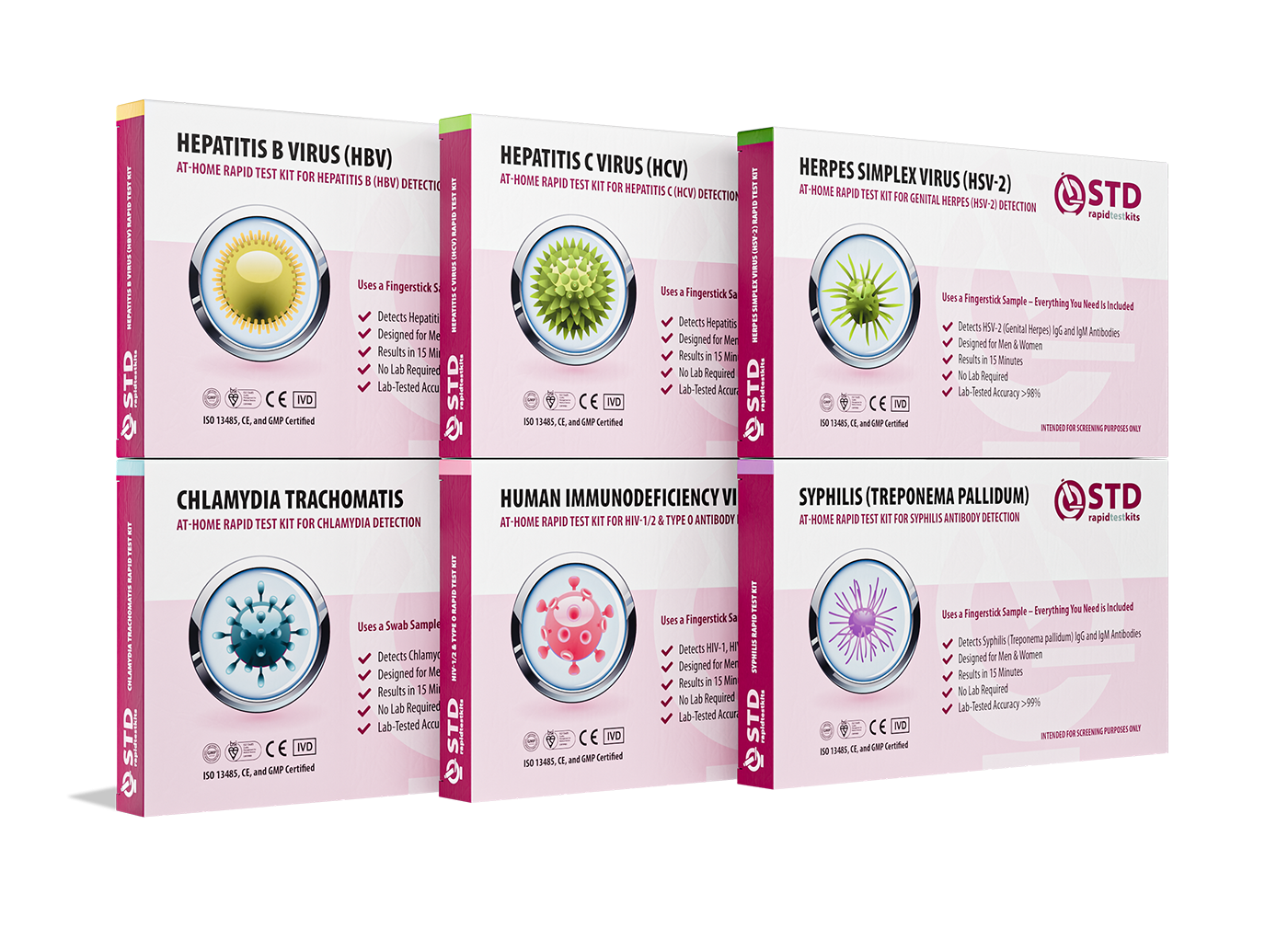 For Men & WomenResults in MinutesNo Lab NeededPrivate & Discreet
Order Now $119.00 $294.00
For all 6 tests
Breaking the Silence: Talking to Partners Without Shame
One of the hardest parts of this entire experience? Telling someone else. Maybe it’s a partner. Maybe it’s an ex. Maybe it’s someone you thought was a one-night stand but now lives rent-free in your immune system. Whatever the case, partner notification is an emotional hurdle, but a necessary one.
Cam, 26, felt sick to his stomach after getting a positive chlamydia result. “I didn’t want to call my ex,” he said. “I was afraid she’d think I was accusing her, or that I was dirty.” But the call went better than expected. “She was actually grateful I told her. Said she’d go get tested that day.”
The truth is, most people would rather know. No one wants to find out months later that they were walking around with an untreated STD, or that they may have passed it to someone else. You don’t have to be perfect to be responsible. You just have to be honest, compassionate, and clear.
If talking face-to-face feels impossible, there are anonymous ways to notify partners. Services like TellYourPartner.org let you send a message without revealing your identity. The point isn’t blame, it’s care. Let them decide their next steps with the info they deserve.
Privacy and At-Home Testing: No Clinic, No Judgment
When you’re already feeling anxious, the last thing you want is to sit in a waiting room under fluorescent lights wondering who might see you. That’s why at-home testing has become a lifeline for so many people navigating ambiguous symptoms like UTI-style burning.
Rapid STD test kits ship discreetly. There’s no branding on the package, no one knows what’s inside, and your results are private. Only you see them. No insurance statements. No awkward pharmacy pickups. Just clarity.
STD Rapid Test Kits offer options that can detect chlamydia, gonorrhea, trichomoniasis, and more, including combo tests that cover multiple infections in one go. Most take under 20 minutes to use, and results are quick. If you test positive, follow-up support is available.
It’s healthcare on your terms, and it’s how many people are finally getting diagnosed after years of being dismissed or misdiagnosed.
FAQs
1. Can chlamydia feel exactly like a UTI?
Yes, and often does. Burning during urination, pelvic discomfort, and increased urgency can all occur with both. The only way to tell the difference is with proper testing, since urine tests for UTIs do not detect STDs.
2. Why was my UTI test negative if I have symptoms?
UTI tests can only find certain kinds of bacteria. A regular UTI test won't show that you have an STD like chlamydia or gonorrhea. You should get tested for STDs if your symptoms don't go away.
3. Is it possible to have both a UTI and an STD at the same time?
Of course. Sexual activity can cause both UTIs and STDs. Bacteria can get into the urethra and cause a UTI, and STDs can be passed from one person to another through sexual contact. One does not exclude the other.
4. Will antibiotics for a UTI cure chlamydia?
Not all the time. Some antibiotics, like azithromycin, can treat both chlamydia and UTIs. However, if you take nitrofurantoin, which is a common UTI treatment, it won't work on chlamydia. If you get the wrong diagnosis, you might only get part of the treatment, and the disease will keep spreading.
5. What if I have symptoms but test negative for chlamydia?
After 14 days, you might want to test again. If you test too soon after being exposed, you might get a false negative. You should also test for other STDs that may have symptoms that are similar, such as gonorrhea, trichomoniasis, and herpes.
6. How long can chlamydia stay in your body without showing symptoms?
Chlamydia can last for months or even years without showing any signs. It can still hurt reproduction and be passed on to others without their knowledge during this time.
7. Do I need a swab from my vagina or penis, or is urine enough?
NAAT urine tests are very accurate, especially for men. For people with vaginas, vaginal swabs may be a little more sensitive, but urine tests are still a good and widely used option.
8. Can stress or dehydration cause UTI-like symptoms?
Yes, burning during urination can occasionally result from irritation, not infection. But if the symptoms persist or worsen, always rule out infection first. Better safe than sorry.
9. How do I tell my partner without sounding accusatory?
Use “I” language: “I tested positive and wanted you to know in case you need to get tested too.” You’re not assigning blame, you’re giving someone the chance to care for their own health.
10. Can I use an at-home test if I’m on my period?
For most rapid STD tests, it’s best to wait until your period is over, as blood can interfere with sample accuracy. Check the instructions on your specific test for best timing.
You Deserve Relief, and Real Answers
No one should be stuck in a cycle of burning, guessing, and more burning. If your UTI test was negative but the pain didn’t stop, don’t let it slide. Chlamydia, gonorrhea, and other infections are easily treatable, but only if they’re caught.
Testing is care. Testing is power. Testing is how you stop guessing and start healing.
Whether you’re anxious after a new partner, feeling unsure after treatment, or just want peace of mind, there’s a test for that. This at-home combo test kit screens for the most common STDs and gives you answers, fast, private, and on your terms.
How We Sourced This Article: We combined current guidance from leading medical organizations with peer-reviewed research and lived-experience reporting to make this guide practical, compassionate, and accurate.
Sources
1. StatPearls – Urethritis Overview
2. MedlinePlus – Chlamydia Infections
3. Cleveland Clinic – Chlamydia: Causes, Symptoms & Treatment
4. Journal of Clinical Microbiology – Overdiagnosis of UTI and Underdiagnosis of STI
5. World Health Organization – Chlamydia Fact Sheet
6. Mayo Clinic – Chlamydia Overview
About the Author
Dr. F. David, MD is a board-certified infectious disease specialist focused on STI prevention, diagnosis, and treatment. He blends clinical precision with a no-nonsense, sex-positive approach and is committed to expanding access for readers in both urban and off-grid settings.
Reviewed by: K. Moira Lebowitz, FNP | Last medically reviewed: September 2025
This article is meant to give information and should not be used as medical advice.


