







Quick Answer: On Black and brown skin, an HIV rash often appears as flat or slightly raised dark red, purple, or brown patches, typically on the chest, face, arms, or upper back. It’s often mistaken for eczema, heat rash, or allergic reactions. It may or may not itch.
“They Said It Was Eczema.”
Monique, 28, remembers the rash vividly. It showed up just under her collarbone: non-itchy, flat, reddish-brown, spreading slowly. “It wasn’t painful, just weird-looking. The texture of my skin felt a little different there. The urgent care doc looked at it for maybe two seconds and said, ‘Classic eczema. It’s common in darker skin.’” A steroid cream was prescribed. But weeks later, she started experiencing night sweats, low energy, and painful sores in her mouth. An HIV test finally confirmed the real diagnosis.
These are not unique instances. A 2023 review in the Journal of Racial and Ethnic Health Disparities found that providers were more likely to misdiagnose HIV-related skin symptoms in patients with darker skin tones. This was because they didn't get enough training in dermatology and there weren't enough medical images that included people of all skin tones in textbooks and online resources. What happened? Delays in diagnosis, worsening symptoms, and in many cases, worse health outcomes.
HIV rash is often one of the first physical signs of acute infection, it may show up within 2 to 6 weeks after exposure. On white skin, it’s frequently described as “red or pink,” sometimes “maculopapular” (flat with small bumps). But that description means nothing if you’re not white. On darker skin, the color can range from dusky red to purplish-brown, sometimes even charcoal grey, shades most doctors were never trained to identify as pathological. And too often, patients are gaslit or minimized because “the rash doesn’t look like the photos.”
What Does HIV Rash Really Look Like on Black Skin?
Let’s be real: there’s no single “look” to an HIV rash on melanin-rich skin. But there are patterns worth knowing, especially if you’ve had a recent exposure and are seeing changes in your skin that don’t add up. Typically, this rash appears 2–4 weeks after infection as part of what's called acute retroviral syndrome (ARS), your body’s first immune response to the virus. It’s your immune system basically going, “Something’s wrong here,” and that message shows up on your skin.
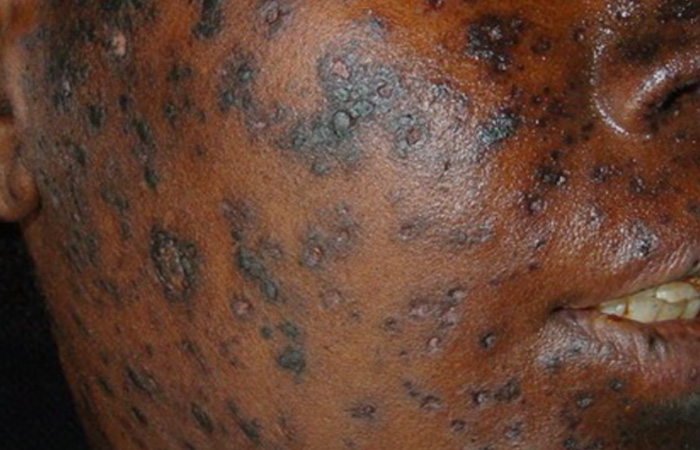
The rash is usually symmetrical and spreads across the upper body, chest, back, shoulders, arms. It can also appear on the face or hands. Instead of looking “red” or “inflamed” (as described in most textbooks based on white patients), on dark skin it may present as:
Smooth, flat patches that appear purplish or deep brown. Areas that seem slightly darker or shinier than your normal tone. Sometimes, a faint reddish hue that’s only visible under strong light. The rash is usually not itchy or painful, which is why so many people dismiss it or assume it's a minor irritation.
There’s also this: in a 2021 study published in Sexually Transmitted Infections, researchers found that among Black men who have sex with men (MSM), rash was frequently misdiagnosed during the acute phase of HIV because clinicians didn’t correlate it with recent sexual risk, especially when the patient didn’t “look sick.” This failure of pattern recognition leads to missed chances for early intervention.
Darryl, 35, experienced something similar. “I had a rash that looked like mosquito bites, but without the itch. I told the doctor I had a new partner recently, and they said it couldn’t be HIV without flu symptoms. They didn’t even test me. Two months later, I tested positive.”
That rash was his warning sign. He was dismissed. Now he wants others to know what to look for, especially when medical systems don’t take your skin seriously.
People are also reading: No Symptoms, Still Positive: How Dormant STDs Work
Why Medical Gaslighting Happens: The Systemic Gap in Skin Diagnosis
There’s a term for what happens when your symptoms are downplayed, doubted, or dismissed by medical professionals: gaslighting. And when it comes to HIV rash on dark skin, the problem isn’t just ignorance, it’s baked into the system.
According to a landmark 2020 study published in the journal Diagnosis, only 4.5% of images in major medical textbooks showed conditions on dark skin. For dermatology-specific resources, it wasn’t much better. This matters because HIV-related rashes can look dramatically different on melanin-rich skin, and when providers have only been trained on how diseases show up on pale bodies, they fail Black and brown patients again and again.
Even more troubling, a 2022 survey from the American Academy of Dermatology found that fewer than half of dermatology residents felt confident diagnosing rashes on Fitzpatrick skin types IV–VI (which includes most Black and brown skin tones). That means providers are more likely to miss subtle inflammation, darkened pigmentation, or texture changes unless the skin turns red or peels, a presentation that doesn’t always happen in darker tones.
Kim, 41, put it plainly: “I showed them the rash three times. It kept getting worse. The last doctor finally said, ‘Maybe you’re just reacting to a new detergent.’ I had tested positive for HIV six weeks earlier, but they didn’t know because nobody had connected the dots.”
Kim’s experience underscores a dangerous reality: in communities of color, especially among Black women and queer men, symptoms are often dismissed as stress, poor hygiene, or unrelated “skin issues.” When we downplay or pathologize Black bodies without context, we delay diagnoses, and allow infections to progress unchecked.
HIV Rash vs. Eczema, Heat Rash, and Other Skin Conditions
If you're staring at your skin right now wondering if what you're seeing might be an HIV rash, or just a random breakout, you’re not alone. One of the hardest parts of early HIV detection is that the rash often overlaps with other conditions. And because it’s usually not painful or itchy, it’s easy to brush off. But timing, location, and context matter. Let’s break it down.
Eczema usually presents as scaly, itchy patches. It tends to cluster in specific areas like the elbows, knees, and behind the ears. Eczema is often chronic, meaning you’ve had it before, you’ll have it again. HIV rash, on the other hand, shows up suddenly and spreads quickly over the trunk, face, and arms. It doesn’t flake. It doesn’t itch. It just lingers.
Heat rash (also called prickly heat or miliaria) happens when sweat ducts get blocked. It’s most common in hot, humid climates and usually shows up in skin folds, under the breasts, inner thighs, or back of the neck. The bumps tend to be small, itchy, and clear or flesh-colored. HIV rash doesn’t act like this. It’s flatter, darker, and rarely limited to creases.
Drug reactions can also cause skin changes that resemble HIV rash, especially in people newly starting antiretroviral therapy (ART). But if you haven’t taken anything new and your rash appears during the acute window after risky exposure, HIV is worth considering.
Jason, 24, recalls his doctor saying, “It’s just contact dermatitis, probably from soap.” But Jason wasn’t using a new soap. What he had done was hook up with someone new two weeks prior. His rash was followed by a fever and sore throat. “I wish I had trusted my instincts,” he says. “They didn’t test me until I came back with mouth ulcers.”
That’s the common thread. You feel something’s off. Your body’s telling you. But the medical system isn’t listening, especially if your skin isn’t light enough to “show” the right symptoms.
Sex Positivity Isn’t Just for Pleasure, It’s for Prevention
Let’s be crystal clear: there’s no shame in getting tested. There’s no shame in wondering if your rash could be HIV. Sex positivity means honoring your body’s cues and taking steps to protect your health, not hiding your fear, not downplaying what’s real. If you’ve had unprotected sex recently, or even protected sex with a new partner, and you notice a new rash or unexplained fatigue, that’s worth checking out.
Testing is care. Testing is power. Whether or not it’s HIV, you deserve answers that aren’t filtered through racial bias, outdated textbook photos, or dismissal. One of the fastest ways to get peace of mind is through an at-home STD test kit, private, discreet, and lab-backed. No waiting rooms. No awkward questions. Just truth, delivered to your door.
If you’re still in the window period (2–6 weeks after exposure), keep in mind that some rapid HIV tests may not catch early infections. A follow-up test or lab confirmation is always a good move. But starting the process now helps you stay ahead, and take back control of your sexual health.
Don’t let the silence around symptoms keep you stuck. This at-home combo test kit checks for multiple STDs, including HIV, so you can stop wondering and start healing.
Check Your STD Status in Minutes
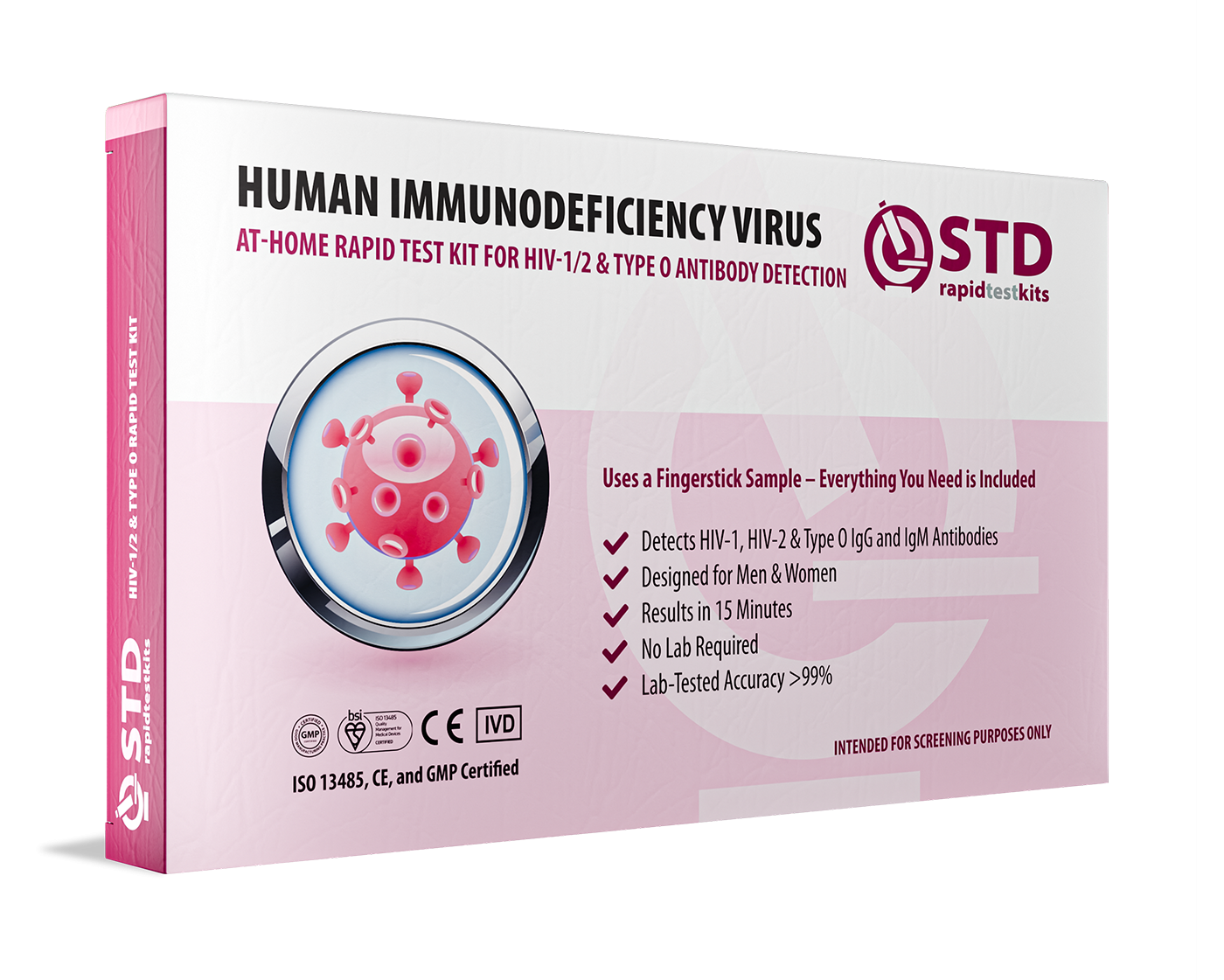
Test at Home with RemediumHIV Rapid Test Kit
 For Men & Women
 Results in Minutes
 No Lab Needed
 Private & Discreet
Order Now $33.99 $49.00
What to Do If You Think It’s an HIV Rash
Here’s what no one tells you: you don’t need your doctor’s permission to get tested. You don’t need them to “believe you” before you take action. If you’ve noticed a rash that doesn’t make sense, especially one that doesn’t itch, appeared 2–4 weeks after sex with a new or untested partner, and hasn’t gone away, it’s smart to treat it as a potential early sign of HIV. That doesn’t mean it is HIV. It means it’s worth ruling out.
Even if your provider dismisses it or tells you to “wait and see,” you can order a private test online or at your local pharmacy. Many at-home options offer fingerprick blood tests with fast lab results. And some services now offer telehealth consults if you test positive, so you’re not left navigating this alone.
“The clinic nurse said, ‘That’s not what HIV rash looks like." Amara, 32, says she nearly didn’t test. "But how would she know what it looks like on me? I ordered an at-home test that night. Positive. If I’d waited for someone to believe me, who knows how long I would’ve gone untreated.”
Her story is one of thousands. It highlights an essential truth: sometimes you have to advocate for yourself louder than the system is willing to listen. And yes, it’s unfair. It shouldn’t fall on you. But until medical education catches up, your best protection is your own awareness and agency.
From Panic to Power: Taking the Next Step
Let’s say you test positive. First off, breathe. Most people living with HIV today are healthy, thriving, and undetectable thanks to modern treatments. Being HIV-positive is no longer a death sentence. It’s a diagnosis, yes. But it’s also a beginning. You’ll need confirmatory testing, a provider who listens, and a treatment plan, but all of those things are possible, even if you start from a place of fear.
If you test negative but still suspect exposure, it’s not game over. Retesting after the window period (around 45 days) is a smart move, especially if your rash or symptoms continue. Keep track of your sexual health timeline. Make note of when the rash started, how it looked, and whether other symptoms showed up, like fever, fatigue, or mouth sores.
When you talk to providers, be direct. Say you’ve had a potential exposure. Say the rash appeared soon after. Don’t let them deflect. Ask for HIV testing specifically. If they say it’s “not necessary,” you can choose another provider or test at home. Your peace of mind is worth more than their ego.
And if you’re in a place where healthcare feels hostile, judgmental, or inaccessible, you’re not alone. That’s exactly why discreet testing options exist. STD Rapid Test Kits ships directly to your door in unmarked packaging, with fast results and no shame attached. Because your skin deserves to be seen, and so do your symptoms.

People are also looking for: Sore Throat, White Spots, No Fever? It Might Not Be Strep
Case Study: “I Thought It Was an Allergy”
Devon, 27, lives in rural Georgia, 45 minutes from the nearest clinic. After a weekend trip with a new partner, he noticed flat, slightly purple spots appearing on his chest and shoulders. “They didn’t itch. I didn’t feel sick. But they were…weird.” He Googled and found nothing that matched. “Everything online was pink or red rashes on white skin. Nothing looked like me.”
He went to an urgent care where the nurse practitioner barely looked. “Maybe detergent,” she said. “Use hydrocortisone.” No HIV test was offered. Devon didn’t feel right about it. He ordered an at-home combo test kit. His result: HIV-positive.
“I cried. But I was also proud of myself. I didn’t let them tell me it was nothing. I trusted what I saw.”
Today, Devon is on treatment, undetectable, and speaks openly about his experience in local LGBTQ+ health groups. “I share pictures of my rash now. Not to scare people, but so someone else can recognize it when doctors don’t.”
That’s what this article is for. Visibility. Validation and power.
FAQs
1. How do I know if it’s an HIV rash and not just… something random?
Honestly? You don’t, at least not by just looking. That’s the messed-up part. HIV rash on dark skin doesn’t always scream “danger.” It might look like heat rash, eczema, or even bug bites. But if it shows up out of nowhere a few weeks after unprotected sex, or even protected sex with someone new, it’s worth taking seriously. Especially if it doesn’t itch, doesn’t flake, and feels like it’s coming from under the skin, not just on top of it.
2. Does the rash hurt or itch?
Most people say no. It’s just… there. Like your skin changed texture or tone and no one told you why. Sometimes it’s a little sensitive. But pain and itching aren’t typical. That’s part of why doctors miss it, they expect drama. HIV rash often whispers, especially on melanated skin.
3. Could it really be HIV if I don’t feel sick?
Yup. A lot of folks assume you need fever, chills, and full-on flu mode for it to be HIV. Not true. Some people only get the rash. Others have nothing at all. Your body doesn’t follow a script. If the timing lines up with a risky encounter, even without other symptoms, testing makes sense.
4. I showed a doctor, and they brushed it off. What now?
First, deep breath. That’s infuriating, but not uncommon. Doctors are trained on how symptoms show up on white skin. If yours doesn’t match their mental picture, they might write you off. Doesn’t mean they’re right. You can get tested without their sign-off. At-home test kits are legit, private, and don’t require anyone’s permission but yours.
5. What does HIV rash actually look like on Black skin?
Think flat, smooth, purplish-brown patches. Not raised welts. Not itchy hives. Just subtle changes in tone or texture, especially on your chest, back, or face. One guy said his rash looked like a shadow that wouldn’t fade. That stuck with us. If your skin is telling you something’s off, believe it, even if your doctor doesn’t.
6. What if I test too soon, can it be a false negative?
It can. That’s why timing matters. HIV antibodies take time to build up. If you test in the first two weeks after exposure, you might get a negative even if you’re positive. That’s not the test failing, it’s biology. Retest around the 30–45 day mark if you’re still unsure. Better yet, use a combo kit that screens for multiple STDs.
7. Do people really get diagnosed this way, just from a rash?
All the time. It’s usually not the only thing going on, but it’s often the first red flag. One of the stories in this piece started with a rash that was ignored, then turned into ulcers, then a diagnosis. Early HIV often shows up on the skin first. That’s your body trying to clue you in. Don’t wait for it to scream.
8. I’m scared to test. What if it’s positive?
Then you know, and knowing is powerful. Treatment today is fast, effective, and often free or low-cost. Most people with HIV who get on meds become undetectable, which means they can’t pass it on. This isn’t the 1980s. You deserve truth and care, not fear and silence. And if you’re not ready to test yet, that’s okay too. Bookmark this, come back when you are. No pressure.
9. Can I get tested without anyone finding out?
Absolutely. At-home testing is private, discreet, and shipped in plain packaging. No clinic waiting rooms. No awkward conversations. Just you, your truth, and a few minutes of bravery. You’re not being dramatic for wanting peace of mind, you’re being wise. And you’re not alone.
10. So… what should I do right now?
If your gut is saying, “Something’s off,” listen. You don’t need to wait for the rash to get worse or someone else to take you seriously. Grab a combo test, mark your calendar, and keep track of your symptoms. That one move could change everything, for the better.
You Deserve Answers, Not Assumptions
If you've read this far, it means something is bothering you, like a rash, a new relationship, or a gut feeling that something is wrong. Believe in that feeling. You deserve care that sees your skin, hears your concerns, and treats you like a full human, not a stereotype or a medical mystery.
Whether you need clarity, closure, or just someone to believe you, know this: you’re not alone. You can take the first step right now, privately, from wherever you are. This discreet combo test kit checks for the most common STDs, including HIV, and ships in plain packaging with fast results.
Because your skin matters. Your voice matters. And your health? It’s yours to protect.
How We Sourced This Article: We combined insights from peer-reviewed studies, lived experiences, and up-to-date clinical guidelines to write this guide. Our goal was to capture how HIV symptoms really appear on dark skin, not just how they’re shown in textbooks. We reviewed journals like Sexually Transmitted Infections, dermatology training data, and patient narratives from forums and medical case studies. All external sources linked in this article were verified for accuracy and accessibility.
Sources
1. Racial Disparities in Dermatologic Diagnosis of HIV Rash
2. American Academy of Dermatology: Diversity in Dermatology Training
4. Medical News Today: HIV Rash on Dark Skin
5. PMC: Racial Disparities in Dermatologic Care
6. Ebede et al.: Dermatology Education Gaps—Skin of Color
7. NCBI Bookshelf: Acute HIV Infection Symptoms Guide
8. Healthline: HIV Rash Symptoms & Onset Timeline
About the Author
Dr. F. David, MD is a board-certified infectious disease specialist focused on STI prevention, diagnosis, and treatment. He blends clinical precision with a no-nonsense, sex-positive approach and is committed to expanding access for readers in both urban and off-grid settings.
Reviewed by: J. Martinez, NP | Last medically reviewed: September 2025
This article is for informational purposes and does not replace medical advice.


