Does Lube Prevent HIV? Here’s What Science (And Sex) Says
You brought the lube. You used it right. Maybe even splurged on the good stuff. But now you’re lying there wondering, was it enough? You’re sweaty, nervous, and Googling at 3AM because something about that hookup isn’t sitting right. You used lube, sure. But did you use protection? Is lube even considered protection?
This is one of those questions that lives in the gray zone of sex ed: Does using lube actually lower your risk of HIV? Can something as simple as a slippery buffer really make a difference in whether or not you end up positive? The answer, like most things in sex health, is not as straightforward as we’d like. But don’t worry. We’ve combed the research, talked to real people, and pulled back the curtain on the myths, ingredients, and science that matter most.
06 September 2025
12 min read
1314
Quick Answer: Lube alone does not prevent HIV, but using the right lube with condoms can lower your risk by reducing friction, tearing, and condom breakage. Some lubes can actually increase risk if they damage tissues or latex.
It Feels Safer, But Is It?
Let’s be honest, using lube makes sex feel safer. Smoother. More controlled. Less painful. But safety and sensation aren’t the same thing. According to the CDC, HIV is transmitted when blood, semen, rectal fluid, vaginal fluid, or breast milk from an HIV-positive person enters the bloodstream of someone who is negative. That usually happens through mucous membrane exposure during sex, especially when there’s friction, microtears, or a broken condom involved.
This is where lube comes in handy: it makes things less slippery. Less friction means fewer tiny tears in delicate tissues, which is especially important during anal or dry vaginal sex. And fewer tears mean fewer ways for the virus to get in. This is not prevention by design; it is prevention by reduction. Lube is not a wall. It makes things better.
Condoms and testing kits for HIV are still the only tools shown to directly block transmission. Lube can support them, but cannot replace them.
Silicone vs Water-Based vs Oil: Does Type Matter?
Absolutely. Not all lubes are created equal, and when it comes to HIV prevention, some might even increase your risk if you’re not careful.
Lube Type
Condom Safe?
HIV Risk Impact
Notes
Water-Based
Yes
Reduces risk when used with condoms
Safe for all condom types; may dry out faster
Silicone-Based
Yes
Reduces risk when used with condoms
Longer lasting; best for anal sex
Oil-Based (e.g., coconut oil, baby oil)
No
Can increase risk by breaking latex
Destroys latex condoms; not recommended
Figure 1. Common lube types and their impact on condom integrity and HIV risk.
Yes, the type does matter. Oil-based lubes are not safe to use with condoms. They can break down latex in just a few minutes, leaving you unprotected without you even knowing it. Water- and silicone-based lubes, on the other hand, lower friction and keep condoms from breaking, but only if you use them correctly.
The Microtear Myth, and Why It’s Real
You may have heard the word "microtears" and thought it was just a way to scare people into not having sex.A study published in the journal Sexually Transmitted Infections in 2023 found that people with microabrasions in their vaginal or rectal tissues are much more likely to get HIV, even if they don't see any blood.
Lube reduces the risk of microtears by minimizing friction. This is especially critical in anal sex, where the rectal lining is extremely thin and prone to damage. A study from the World Health Organization noted that receptive anal sex has one of the highest transmission risks per act, around 1.38%, compared to 0.08% for vaginal intercourse.
But here’s the catch: not all lubricants are good for those delicate tissues. Some lubes, especially those with high osmolality (think flavored or warming types), can actually irritate and inflame the mucosa, making you more vulnerable. So while the idea of lube = less damage = less risk is mostly true, it depends heavily on what’s in the bottle.
Ty, 24, had always thought he was doing it right. “We were monogamous, we used condoms half the time, and I always brought lube,” he told us. “When I tested positive for HIV, I was floored. I really thought the lube helped.”
Ty’s experience isn’t uncommon. Many people, especially in queer communities, associate lube with safety. And to be clear: using it does reduce risk when used correctly. But too many of us assume lube is a form of protection itself, when it's really just a co-pilot.
Ty later found out his partner had a history of off-and-on PrEP use, and they weren’t testing regularly. The condoms? “We used them most of the time,” he said. “But sometimes in the heat of the moment, it just… didn’t happen.” Lube helped the sex feel smoother, but it wasn’t enough to prevent transmission when other pieces of the prevention puzzle were missing.
And that’s the hard truth: Lube only reduces risk when used with other prevention tools. It's not a magic shield.
This is a question that comes up in certain kink spaces, group sex environments, and situations involving shared bottles or applicators. Could contaminated lube carry HIV if someone uses it after a person who’s positive?
The short answer is: extremely unlikely. HIV does not survive well outside the body. According to the CDC, once HIV is exposed to air, it quickly loses its ability to infect. There’s no credible evidence of transmission via lube bottles, fingers, or toys that have been wiped or dried between use. That said, it’s smart to keep things hygienic:
Situation
Risk Level
Best Practice
Sharing lube from the same bottle
Low
Wipe nozzle between users
Double-dipping into a jar with fingers
Low–Moderate
Use a clean scoop or glove
Sharing a lube-filled syringe or applicator
Moderate–High
Use single-use tools or sanitize thoroughly
Figure 2. Lube sharing scenarios and associated risk levels.
When in doubt, treat lube like any other intimate product: personal, clean, and not meant to go from one body to another without care. The risk is low, but good hygiene is part of smart sex.
Myths That Keep People Unsafe
Let’s debunk a few of the most dangerous myths floating around about lube and HIV:
Myth: “Lube is all I need if I’m not bleeding.” Wrong. Even without visible blood, microtears and friction still create risks. HIV doesn’t need a wound, it just needs access to mucosal tissue.
Myth: “If it’s natural, it must be safe.” Coconut oil and other natural oils are often promoted as "healthy" lubes. But they destroy latex and can increase HIV risk during condom-protected sex.
Myth: “Flavored lubes are fine for anal.” Most flavored lubes are high in sugar and have poor osmolality, meaning they pull water out of your cells. That leaves tissues dry, irritated, and more prone to tearing.
Myth: “You can’t get HIV if you only top.” False. While topping has lower risk than bottoming, it’s not zero. If there’s a tear in the penis or urethra, or if the bottom is positive and untreated, transmission can happen.
Sexual health isn’t about judgment. It’s about clarity. The more you know, the more power you have to protect yourself and your partners, while still enjoying the sex you want.
Let’s say you had sex last night, with lube, maybe with or without a condom, and now you’re unsure. What next?
HIV tests detect the virus or antibodies produced in response to infection, but they need time to work. This period is called the “window period,” and testing too early can give you a false sense of security. Here’s what you need to know:
If it’s been:
Less than 7 days: Testing now may not detect HIV. But if symptoms like fever, sore throat, or rash appear, seek care immediately.
10–14 days: Early detection tests like RNA (NAAT) may pick it up. Consider this if risk was high (condom broke, unprotected anal, bleeding).
3–6 weeks: Antibody/antigen combo tests become reliable. This is the ideal time for most rapid tests.
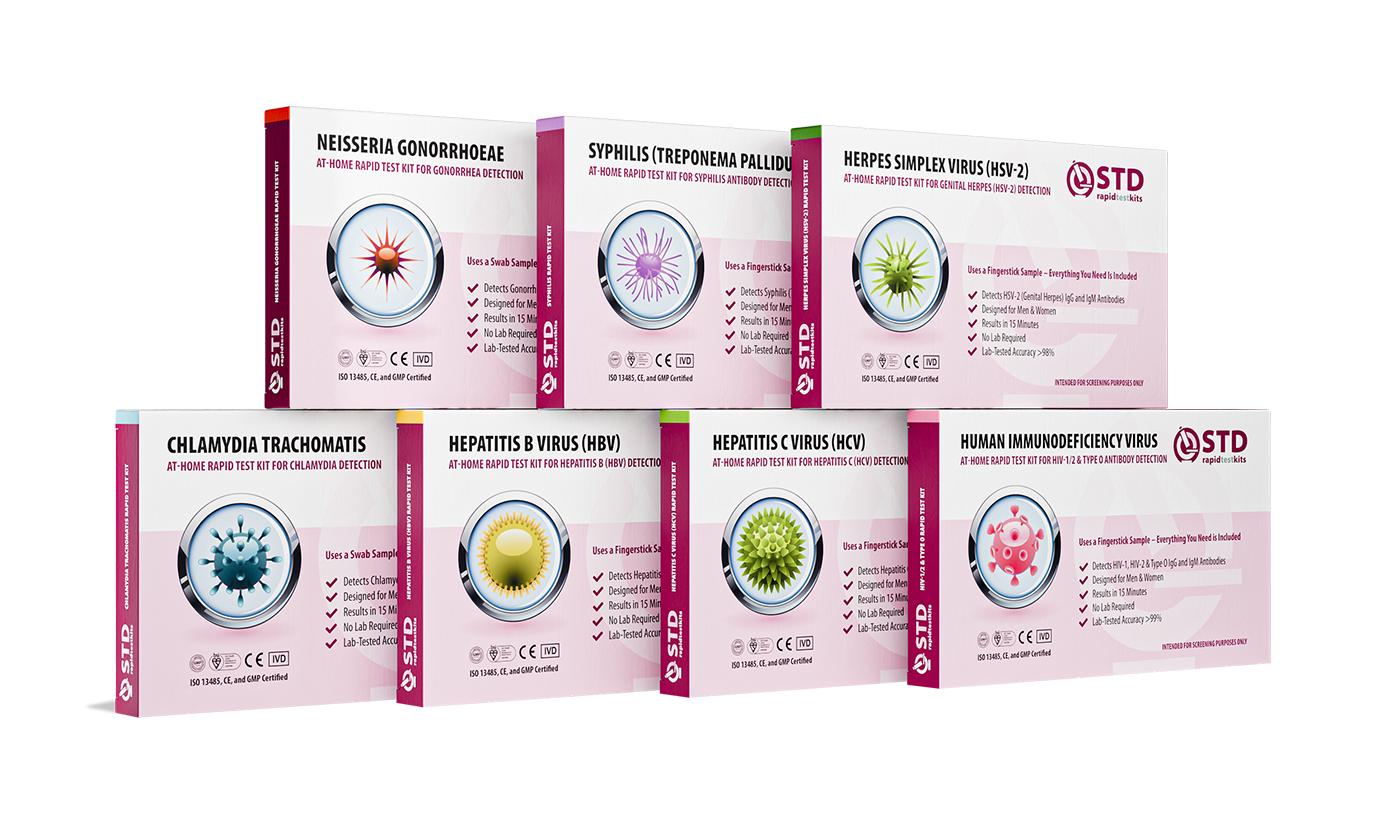
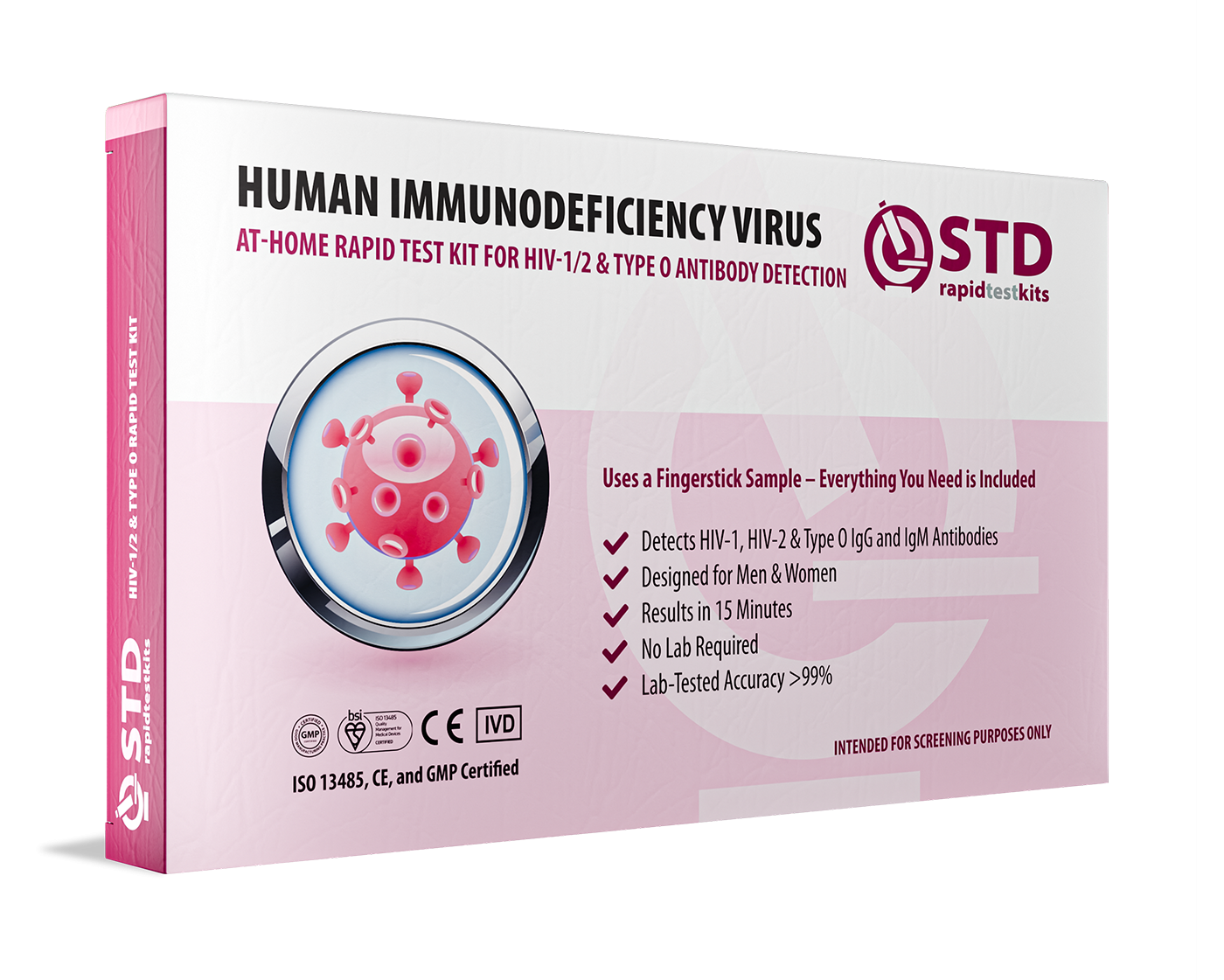
This combo home test kit includes HIV and other common STDs, letting you test discreetly and act fast.
Check your bottle. You’d be surprised how many lubricants contain ingredients that can actually damage the very tissues they’re meant to protect.
Watch out for:
Glycerin: A sugar alcohol that can lead to yeast infections, especially in vaginal use.
Chlorhexidine: Antimicrobial, but harsh on sensitive mucosa, can cause irritation.
Propylene glycol: Common in warming lubes, but drying and abrasive to rectal/vaginal lining.
Parabens and fragrances: Potential allergens or hormone disruptors.
The World Health Organization recommends only “iso-osmolar” lubes for anal sex, meaning they don’t pull water out of your cells and disrupt tissues. One study from PubMed found that hyperosmolar lubes caused epithelial damage in mice and increased HIV transmission risk. Translation: what feels slick may secretly be making you vulnerable.
If you’re not sure where to start, stick with fragrance-free, water-based lubes labeled “condom compatible” or “safe for anal use.” Better yet, cross-check them with trusted HIV prevention organizations like AVAC or AIDSmap.
Talk to Your Partner, Or Don’t, But Do Test
We get it. Not every hookup comes with a conversation about testing history. Sometimes you trust the vibe, and sometimes you trust the lube. But if something felt off, or if you’re just trying to be proactive, testing is your way to regain control.
You don’t need your partner’s permission to get clarity. You don’t need their diagnosis to check yours. But if you do feel safe talking, you might be surprised how many people are open to mutual testing, even after the fact.
Visit STD Rapid Test Kits to find the right test for your situation, whether you need HIV alone or a combo kit. Most people feel better just knowing.
As always: whether you topped, bottomed, shared toys, or just rubbed with lube, there’s no shame in getting tested. It’s not about what you did. It’s about what you do next.
FAQs
1.Is it possible to contract HIV while using lubricant?
Yes.Lube lowers the risk of HIV by making things less rough and stopping small tears, but it doesn't stop the virus from spreading.To stop the disease from spreading, you still need to use condoms or PrEP.
2. Is silicone-based lube safer than water-based for HIV prevention?
Silicone lube lasts longer and is excellent for anal sex, which helps reduce tissue damage. Both are condom-safe, but silicone may offer better friction reduction overall.
3. Does using more lube lower your STD risk?
Yes, to a point. More lube means less friction, which means fewer tears. But it doesn't take the place of condoms, testing, or medicine-based prevention like PrEP.
4. Can oil-based lube cause HIV transmission?
Not directly, but it can break down latex condoms, which then opens the door for HIV and other STDs to pass through unnoticed.
5. Is it safe to use flavored or warming lubes?
Many flavored and warming lubes are hyperosmolar, meaning they dry out or irritate tissues. This can raise your risk of HIV and other infections, especially during anal sex.
6. Do condoms and lube together make sex safer?
Yes. This is the gold standard for casual sex protection. Lube helps condoms stay intact, while condoms prevent HIV and STDs from reaching your bloodstream.
7.Can lube give you a yeast infection or a urinary tract infection?
Some lubes with a lot of sugar or glycerin can make yeast grow too much or change the pH of the vagina, which makes infections more likely.Every time, look at the list of ingredients.
8. Is it true HIV dies as soon as it hits air?
Not instantly, but very quickly. HIV doesn’t survive well outside the body, which is why surface contact (like lube bottles) carries extremely low risk.
9. Should I get tested if I used lube and no condom?
Testing is a good idea if there was any contact with bodily fluids or risky behavior. Lube helps, but it doesn't guarantee safety.
10. Can you test for HIV at home?
Yes. Rapid at-home HIV test kits are accurate and easy to use. Many offer results in under 30 minutes and are available discreetly online.
You Deserve Real Answers, Not Assumptions
Lube makes sex feel safer, but that's not all there is to it.It can lower the risk of HIV by making it less likely that tears will happen and by making condoms work better.But it doesn't guarantee safety on its own.
If you’re even asking the question, trust that it’s worth following up. Don’t spiral. Don’t guess. Get the clarity you deserve with an at-home HIV test kit.
How We Sourced This Article: We looked at this question from every angle by combining current research from medical groups, peer-reviewed journals, and sex-positive magazines.We got our information from the CDC, WHO, PubMed studies, and real people who have gone through sex, safety, and HIV testing.
Dr. F. David, MD is a board-certified infectious disease specialist focused on STI prevention, diagnosis, and treatment. He blends clinical precision with a no-nonsense, sex-positive approach and is committed to expanding access for readers in both urban and off-grid settings.
Reviewed by: A. Romero, MPH | Last medically reviewed: September 2025
This article is for information only and should not be used as medical advice.







 For Men & Women
 Results in Minutes
 No Lab Needed
 Private & Discreet