







Quick Answer: Chlamydia can start damaging fertility within weeks if left untreated. In some cases, signs of harm, like PID in women or epididymitis in men, begin silently and progress over months without symptoms.
“I Felt Fine. Now I Can’t Get Pregnant.”
Sara, 28, didn’t even know she had chlamydia until she went off birth control and couldn’t get pregnant. “I thought it was stress or age,” she says. “I only found out when my OB-GYN said my fallopian tubes were blocked. I’d had chlamydia years ago, and it was never treated. I didn’t even remember having symptoms.” Her story isn’t rare, it’s painfully common.
In people with uteruses, chlamydia can climb from the cervix into the uterus, fallopian tubes, and ovaries, causing a condition known as pelvic inflammatory disease (PID). According to NHS guidance, PID can develop within weeks of exposure and, when left untreated, leads to infertility in about 1 in 8 people. The damage is usually caused by scarring, tiny bits of inflammation and adhesions that block eggs from traveling to the uterus. This scarring doesn’t hurt, at least not at first. But over time, it becomes permanent.
Chlamydia is often described as "silent" for this exact reason. And when silence is the symptom, the damage can go undetected until it's too late.
The Fertility Timeline: What the Science Shows
Researchers estimate that chlamydia can begin damaging reproductive organs in as little as two to three weeks after infection, especially in cases where the immune system responds with inflammation. The infection usually starts in the lower genital tract, like the urethra or cervix, and travels upward. By the time it reaches the uterus or fallopian tubes, it may already be triggering internal damage that won't show up on the outside.
One peer-reviewed study published in the journal Sexually Transmitted Infections found that untreated chlamydia caused signs of tubal infertility in 30% of women who had it for over a year. But even short-term infections were linked to elevated markers of inflammation. In men, the damage often targets the epididymis, a coiled tube near the testicles responsible for sperm transport. This can lead to a condition called epididymitis, which sometimes causes irreversible fertility decline.
“There’s this idea that STDs are only dangerous if you feel sick or have visible symptoms,” explains Dr. Maya Chen, a reproductive endocrinologist in Portland. “But chlamydia doesn’t play by those rules. It does its worst damage quietly.”

People are also reading: How Did I Get HIV If I Always Use Condoms?
Why You Might Not Know You’re Infected
Here’s the thing: chlamydia isn’t usually painful in the beginning. That’s part of why it spreads so effectively, people assume they’re fine. You might feel a little irritation after sex. Maybe a change in discharge that you chalk up to your cycle or a new partner. Sometimes there’s mild burning when you pee or vague pelvic discomfort. But none of these symptoms scream “infection,” and most don’t show up at all.
In fact, the majority of chlamydia-related infertility cases are in people who never noticed anything was wrong. That’s because the infection builds slowly, creating micro-inflammation in tissues that don’t have the same kind of nerve endings as the skin. You won’t always feel the damage until you’re trying to conceive and hitting roadblocks.
For people with penises, the story isn’t much different. While some experience discomfort or testicular pain, many never know they’ve been infected until a partner tests positive, or they discover a sperm count issue later in life.
“I didn’t think it was a big deal when I got diagnosed at 25,” says Ty, 34. “I took antibiotics, but I didn’t realize I’d had it for months before. Now my wife and I have been trying for a year with no luck. No one told me this could happen.”
Testing Isn’t Just About You, It’s About Future You
One of the hardest parts of writing about chlamydia is balancing the urgency with empathy. Yes, untreated chlamydia can make you infertile. Yes, it can do this even if you feel fine. But this isn’t about shame, it’s about power. Knowing your status is a form of self-protection. So is testing your partners. So is retesting if you’ve been exposed or treated.
Most people don’t realize how accessible testing has become. You can now order a chlamydia test online, collect your sample at home, and get results within minutes or days, depending on whether it’s a rapid or lab test. No clinic, no awkward conversations, and no waiting room anxiety.
If you’re worried about past exposure, the best thing you can do is act now, not panic. And if you’re sexually active with new or multiple partners, routine testing every 3 to 6 months is the single most protective thing you can do for your fertility.
Worried something might have slipped through? This at-home combo test kit checks for the most common STDs discreetly and quickly.
When Your Partner Was “Clean”, But You Still Got Infected
Jordan, 25, had been in a monogamous relationship for over a year when she found out she had chlamydia during a routine checkup. “I thought the nurse made a mistake,” she says. “We were exclusive. I never had symptoms. And he swore he got tested before we started dating.” He had, but it was more than a year ago, and chlamydia doesn’t leave a calling card. Like many people, he never knew he had it.
This kind of story plays out constantly in clinics, DMs, Reddit threads, and friend groups. Someone assumes their partner is “clean,” or that they themselves must be safe because they’ve never had symptoms. But here’s the harsh truth: you can carry chlamydia for months, sometimes years, without knowing. And during that time, every week without treatment increases the risk of inflammation, scarring, and reproductive system damage.
Even a few months of untreated infection has been associated with early signs of tubal damage in people with uteruses and testicular inflammation in people with penises. Studies suggest that as little as 3 months of untreated chlamydia can significantly increase infertility risk if PID develops, especially when reinfection occurs.
Check Your STD Status in Minutes
Test at Home with Remedium3-in-1 STD Test Kit
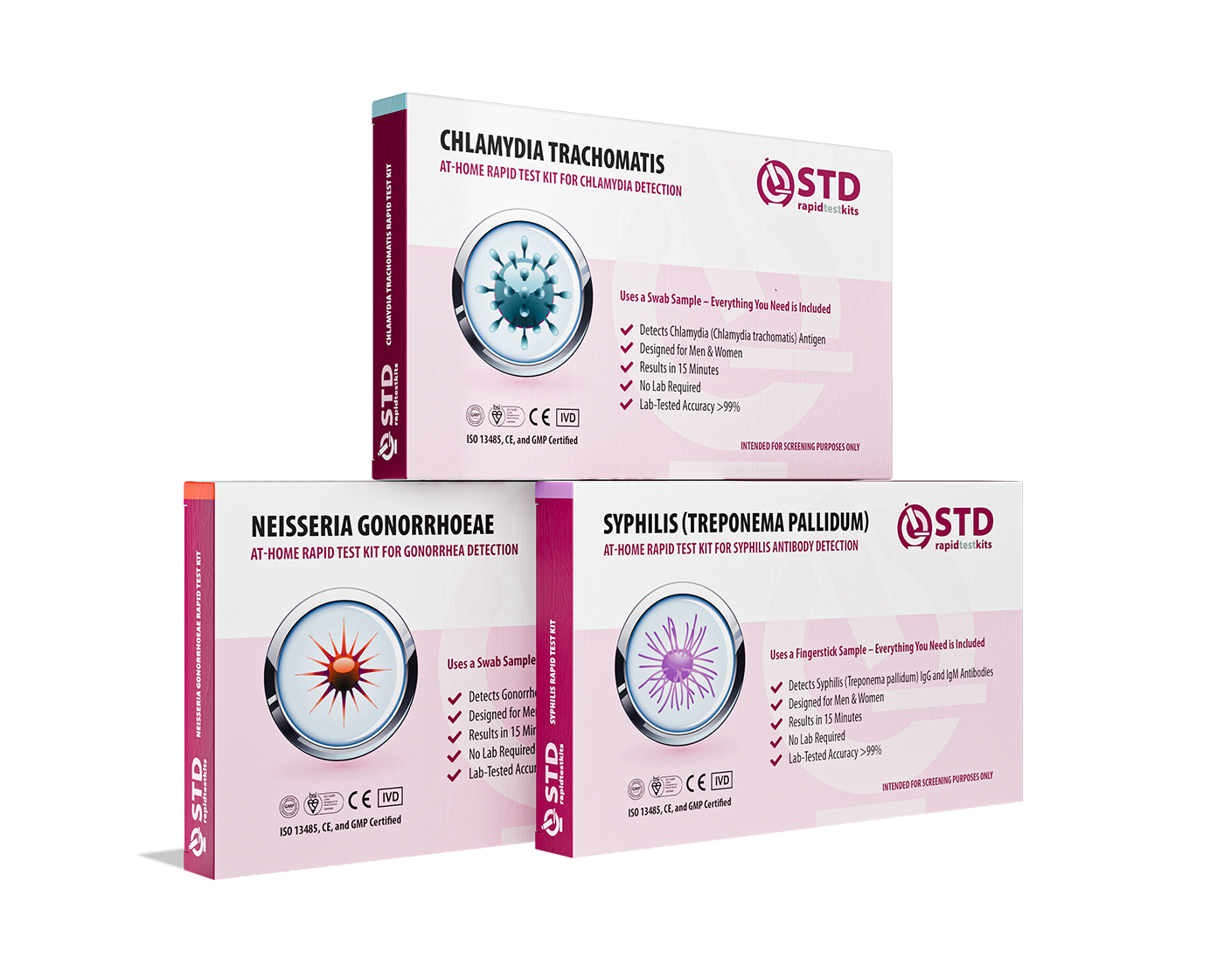
 For Men & Women
 Results in Minutes
 No Lab Needed
 Private & Discreet
Order Now $69.00 $147.00
For all 3 tests
Myth: “If I Had Chlamydia, I’d Know”
This is one of the most dangerous assumptions floating around in dating culture, and it’s flat-out wrong. The myth that you’d “definitely feel it” if you had chlamydia leads to thousands of people skipping testing, trusting verbal reassurance, or believing an old test result still protects them today.
The reality is that chlamydia is asymptomatic in up to 70% of women and 50% of men. And the symptoms it does cause, mild discharge, low-grade irritation, spotting between periods, are easily misattributed to yeast infections, condoms, hormonal shifts, or even dehydration.
Another myth? That testing “clears your history.” A test only shows your current status. It doesn’t tell you if you’ve ever had an infection in the past. So if you’ve never tested before, and you’re sexually active, there’s no way to be sure chlamydia hasn’t already come and gone, or stayed.
“I thought I was in the clear because I’d only had one partner in college,” says Marina, 33. “But I didn’t know he’d never tested, and I didn’t know chlamydia could stick around so long. I had PID and two ectopic pregnancies before I even put the pieces together.”
How Chlamydia Damages Reproductive Organs
Let’s get a little nerdy for a moment, because understanding the biology helps break the shame loop. When chlamydia trachomatis enters the body, it infects the epithelial cells lining the cervix, urethra, or rectum. The body mounts an immune response, your white blood cells flood in to fight it off. This creates inflammation.
Inflammation is normal in short bursts. But chronic, low-grade inflammation, especially in the delicate tissues of the uterus or fallopian tubes, leads to scarring. That scarring can block an egg from reaching the uterus or prevent sperm from passing through. In people with penises, the inflammation can affect the epididymis or vas deferens, interfering with sperm movement or causing painful swelling.
What’s scary is that this process can start within weeks. According to a study published in Pathogens and Global Health, tissue damage markers begin appearing in animal models within 10 to 14 days post-infection. Human damage takes longer to fully manifest, but early inflammation can occur rapidly, especially in those who’ve been exposed before or have co-infections.
And here’s the kicker: even after treatment, the scars may remain. Antibiotics can clear the infection, but they can’t undo tissue damage that’s already occurred. That’s why early detection is everything.
Reinfection: The Fertility Time Bomb
Most people assume that once you’ve had chlamydia and treated it, you’re in the clear. But reinfection is one of the most dangerous risk factors for long-term fertility issues, and it happens a lot. One CDC report estimates that up to 20% of people treated for chlamydia get reinfected within 6 months, usually because their partners weren’t tested or treated properly.
With each reinfection, the inflammation worsens. Your body doesn’t get stronger at fighting it off, it gets more scarred. And most reinfections are still symptomless, which makes the damage harder to catch until it’s done.
If you’ve been treated for chlamydia before, it’s critical to retest 3 months later, even if you feel fine. And if you’ve had more than one untreated exposure, fertility screening might be a smart step, especially if you're trying to conceive.
This isn’t about scaring you. It’s about giving you the knowledge your sex-ed class probably skipped. Testing is a form of intimacy. Prevention is care. And retesting is part of owning your body on your terms.
If you're ready to stop guessing, order a discreet chlamydia test kit here. No clinic required. Just answers.
People are also reading: He Didn’t Tell Me He Had Herpes, What Happened Next
“I’m Scared I Waited Too Long.”
If you’re reading this because you had an untreated chlamydia infection in the past, or you’re not sure if you did, you’re not alone. That quiet dread that creeps in when you hear the word “infertility” is something thousands of people carry. But before you spiral, know this: not every untreated case leads to permanent damage. And even if some damage has occurred, it doesn’t mean you’ve lost your chance at having children.
“I kept Googling things like ‘Can I still get pregnant after chlamydia?’” says Lila, 29, who discovered her infection after a routine STI panel. “All the answers made me panic. I felt like my body had betrayed me. But I got treated early, and I’m still ovulating. My doctor said my fertility looks good.”
Many people fully recover fertility after treatment, especially when caught within the first few months. The longer the infection persists, the greater the risk, especially if you’ve had PID symptoms like pelvic pain, fever, or unusual bleeding. But timelines vary wildly between individuals, and modern medicine has options even when scarring occurs.
The important thing is to stop guessing and get a real sense of where you stand.
How to Test Fertility After a Chlamydia Infection
Testing your fertility is a good idea if you've had chlamydia, even if it was treated.For people with uteruses, this usually means getting imaging tests like a hysterosalpingogram (HSG) to see if the fallopian tubes are open. Blood tests can check hormone levels, and you might be told to keep track of when you ovulate. A semen analysis looks at the number, movement, and shape of sperm in people with penises.
These aren’t scary or shameful tests. They’re just data, tools to help you understand your body. And if problems show up, many are treatable. Assisted reproductive technologies like IUI or IVF are options for many couples affected by past STDs. Some people even conceive naturally after addressing underlying issues like low sperm count or mild scarring.
“I had a blocked tube and thought that was it,” says Jorge, 36. “But my wife got pregnant on our second round of IVF. We named our daughter Luna. She’s everything.”
Sometimes the body bounces back on its own. Sometimes it needs a little help. Either way, testing and treatment give you choices, and choices are powerful.
Can Fertility Damage Be Reversed?
This is one of the hardest questions to answer, because it depends. In some cases, especially when PID has caused major scarring or tubal blockages, reversal may not be possible through natural means. But early-stage inflammation, mild tubal adhesions, and sperm transport issues can sometimes be improved with medication, surgical procedures, or assisted conception techniques.
What’s clear is this: the sooner you test and treat, the more options you preserve. And even if your fertility has changed, that doesn’t mean it’s over. There are people having children every day who once sat where you are now, staring at a screen, asking, “Did I ruin my future?” The answer, more often than not, is no. You didn’t ruin anything. You just need clarity and a plan.
If you’ve had chlamydia before, or you’re unsure of your status, STD Rapid Test Kits offers discreet, fast options to test from home. No appointments. No judgment. Just knowledge.
Check Your STD Status in Minutes
Test at Home with Remedium7-in-1 STD Test Kit
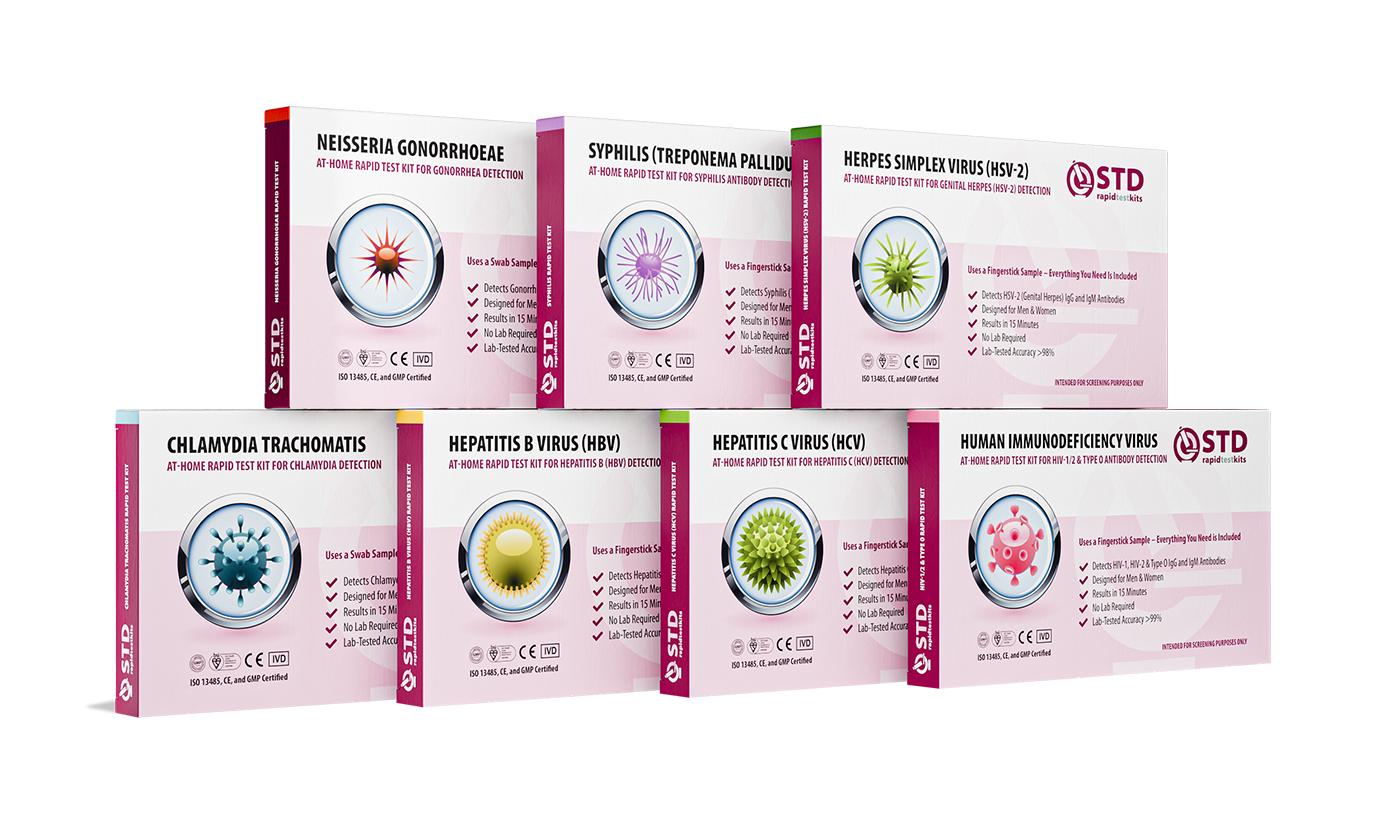 For Men & WomenResults in MinutesNo Lab NeededPrivate & Discreet
Order Now $129.00 $343.00
For all 7 tests
Taking Back Control: Test, Treat, Talk
The real tragedy of chlamydia isn’t that it can affect fertility, it’s that so many people don’t know it can. The silence around STDs, the stigma, the awkwardness, they all conspire to keep people from asking the right questions. And by the time they do, they’re often in damage control.
But that doesn’t have to be your story. Whether you're worried about a past hookup, a long-term relationship, or your own gaps in testing, this is your cue to act, not panic. Testing is quick, and effective. And prevention starts with honest conversations and regular check-ins.
Make it a habit to test every 3 to 6 months if you're sexually active with new or multiple partners. Talk to your partner, not just about exclusivity, but about testing history. Normalize saying, “Let’s test together before we stop using protection.” That’s not awkward, it’s smart. It’s sexy. It’s how you take care of yourself and the people you care about.
You deserve to know what’s going on in your body. And you deserve to know it without shame.
Not sure where to start? This combo STD home test checks for the most common infections in one discreet kit. You can take the next step today, on your own terms.
FAQs
1. Can chlamydia really mess with my fertility that fast?
Yeah, unfortunately, it can. If it creeps upward into the uterus or tubes, it can trigger damage within a few weeks. That doesn’t mean everyone ends up infertile, but the longer it goes untreated, the more likely it starts scarring things inside you can’t see or feel. And because it’s so often silent? You won’t even know it’s happening until much later, like, “why aren’t we pregnant?” later.
2. But I didn’t have any symptoms, so I’m fine, right?
Honestly? Not necessarily. About 70% of people with chlamydia feel zero symptoms. None. You could be going to brunch, working out, living life... and it’s quietly moving upward. It’s like termites in a wall, you don’t see them, but they’re doing damage anyway.
3. My partner said they were “clean.” Is that enough?
Not even close. Unless they tested recently, and I mean within the last few weeks, and haven’t had unprotected sex with anyone since, “clean” doesn’t mean anything. People lie. People forget. People don’t realize that a test from a year ago isn’t relevant today. Trust is great. So is testing.
4. If I had chlamydia before and took antibiotics, am I still at risk?
If you took the full treatment and didn’t get re-exposed, you're likely in the clear. But here’s what most people miss: if your partner didn’t get treated too, or if you had unprotected sex again soon after, you could have been reinfected. And each reinfection ups the risk of long-term damage.
5. Can men become infertile from chlamydia?
Yep. It’s way less talked about, but chlamydia can inflame the epididymis, a tiny coiled tube near the testicles, and mess with sperm transport. It doesn’t always cause pain either. Some guys only find out after a fertility workup years later, which is its own kind of heartbreak.
6. How do I know if chlamydia already messed with my fertility?
You won’t know just by guessing. Some signs, like chronic pelvic pain, irregular periods, or trouble conceiving, might suggest there’s an issue. But you’ll need real testing: fallopian tube imaging, hormone panels, or semen analysis depending on your anatomy. Scary? Maybe. But better than wondering forever.
7. Can the damage be reversed?
Sometimes. If caught early, inflammation might heal without major scarring. But if blockages or adhesions have formed, natural fertility may not bounce back. That said, IVF, IUI, and other assisted options are helping people conceive every day, even after untreated infections.
8. Is chlamydia something I should test for regularly?
Absolutely. If you’re sexually active, especially with new or multiple partners, test every 3 to 6 months. Chlamydia is sneaky and common. Testing isn’t about catching something shameful. It’s about knowing what’s going on in your own damn body.
9. So, could I still get pregnant if I had PID?
Yes, it’s possible. PID increases the risk of infertility, but it’s not a done deal. Many people go on to have healthy pregnancies. Still, it’s smart to talk to a doctor about your options, especially if you’re trying and it’s taking much longer than expected.
10. I’m nervous to get tested. What if it’s positive?
Then you treat it, take a deep breath, and move forward. Chlamydia is super common, and it’s curable. You don't have to have done something wrong to get tested. It's something to be proud of that you care about your health. You can do this.
You Deserve Answers, Not Assumptions
You already know that this isn't just about chlamydia if you've made it this far. It's about being in charge. About finding peace in information instead of fear. About reclaiming your right to understand your body, without shame, without guessing, and without silence.
Chlamydia may be common, but so is recovery. So is fertility. So is moving forward. The faster you test, the faster you take back control, whether that means protecting your future, preparing for pregnancy, or just knowing you’re clear.
This at-home combo test kit checks for the most common STDs discreetly and quickly.
How We Sourced This Article: We combined current guidance from leading medical organizations with peer-reviewed research and lived-experience reporting to make this guide practical, compassionate, and accurate. In total, around fifteen references informed the writing; below, we’ve highlighted six of the most relevant and reader-friendly sources. Every external link in this article was checked to ensure it leads to a reputable destination and opens in a new tab, so you can verify claims without losing your place.
Sources
CDC – Chlamydia Detailed Fact Sheet
NHS – Pelvic Inflammatory Disease
CDC – Pelvic Inflammatory Disease (PID) and Chlamydia
NHS – Chlamydia Overview and Treatment
WHO – Sexually Transmitted Infections Fact Sheet
Planned Parenthood – Chlamydia: Signs, Testing, and Prevention
About the Author
Dr. F. David, MD is a board-certified infectious disease specialist focused on STI prevention, diagnosis, and treatment. He blends clinical precision with a no-nonsense, sex-positive approach and is committed to expanding access for readers in both urban and off-grid settings.
Reviewed by: Andrea Mills, MPH | Last medically reviewed: September 2025
This article is for informational purposes and does not replace medical advice.


