







Quick Answer: STD rates surge in Florida every spring due to a mix of high-volume tourism, casual sex, limited condom use, alcohol-fueled hookups, and low testing access. Many people experience symptoms like burning, itching, or rashes days or weeks later, but some have no symptoms at all.
“I Thought It Was Just the Sand”, A Spring Break Hookup Story
Taylor, 22, flew into Miami for her first college spring break with one priority: unwind. “My goal was literally to dance until sunrise and make some bad decisions,” she laughs, recounting a rooftop party that led to an unplanned hookup with a bartender she never saw again.
Five days later, back home in Ohio, things started to feel… off.
“At first I thought the itch was from shaving or sand,” she says. “Then it burned when I peed. I kept telling myself, ‘It’s just a UTI, right?’”
She didn’t want to talk to her friends or visit the campus health center. It wasn’t until the discomfort got unbearable that she ordered an at-home combo STD test. The result? Gonorrhea.
“I honestly didn’t think one night could do that. We started with a condom, but we were drunk and it didn’t stay on the whole time,” she says. “I felt stupid. But now I know it happens all the time.”
People are also reading: Sore Throat, White Spots, No Fever? It Might Not Be Strep
Burning, Itching, or Nothing at All: What People Feel After Vacation Sex
Florida’s spring break atmosphere is built for fast, blurry hookups, beach days that turn into club nights, hot tub flirting that ends in someone’s Airbnb. But while memories fade, some symptoms don’t. Many people notice issues within a few days of returning home, including:
- A burning sensation when peeing
- Itching around the genitals or anus
- A rash that feels like razor burn but lasts longer
- Pain during sex or weird discharge
- Swollen lymph nodes or sore throat after oral sex
Still, a huge portion of STIs are symptomless, especially in early stages. According to the CDC, more than half of chlamydia and gonorrhea cases show no obvious signs. That’s why Florida’s post-break testing clinics often see a rush of people with vague symptoms, or no symptoms at all, just gut-level anxiety.
“I didn’t have any symptoms. I just got scared a week after,” says Devon, 19, who got tested after a spring fling with a stranger in Panama City Beach.
“I googled ‘can you get an STD from one night’ and spiraled. I wish someone had told me the answer before I panicked.”
The answer, by the way, is yes, you can absolutely catch an STD from one encounter, even with a condom. Protection helps, but it doesn’t cover everything (especially with infections like Herpes or HPV, which spread via skin-to-skin contact).
Spring Break Isn’t Just Wild, It’s a Public Health Spike
Florida’s health departments brace for it every year. As March rolls into April, local clinics see a wave of post-break walk-ins and test requests. The trend isn’t anecdotal, it’s epidemiological. According to a 2023 study in the journal Sexually Transmitted Diseases, STI rates rise significantly in Florida counties with high spring break tourism, especially among people aged 18–24.
“We get a predictable increase in chlamydia, gonorrhea, and even syphilis testing right after spring break,” says Dr. Lisa Randle, an infectious disease specialist in Fort Lauderdale. “It’s not just college kids. Tourists of all ages participate in risky behavior when alcohol, sun, and anonymity mix.”
In 2025, early reports from Miami-Dade and Hillsborough Counties flagged a 21% increase in STI-related clinic visits in the month following spring break. That’s on top of Florida’s already-high baseline rates, the state ranks among the top five nationally for new cases of chlamydia, gonorrhea, and syphilis.
Why the spike? Researchers point to a “seasonal behavioral shift”, a fancy term for: people make different sexual decisions when they’re on vacation. Condom use drops, partner numbers rise, and testing rarely happens until much later, if at all.
Check Your STD Status in Minutes
Test at Home with Remedium3-in-1 STD Test Kit
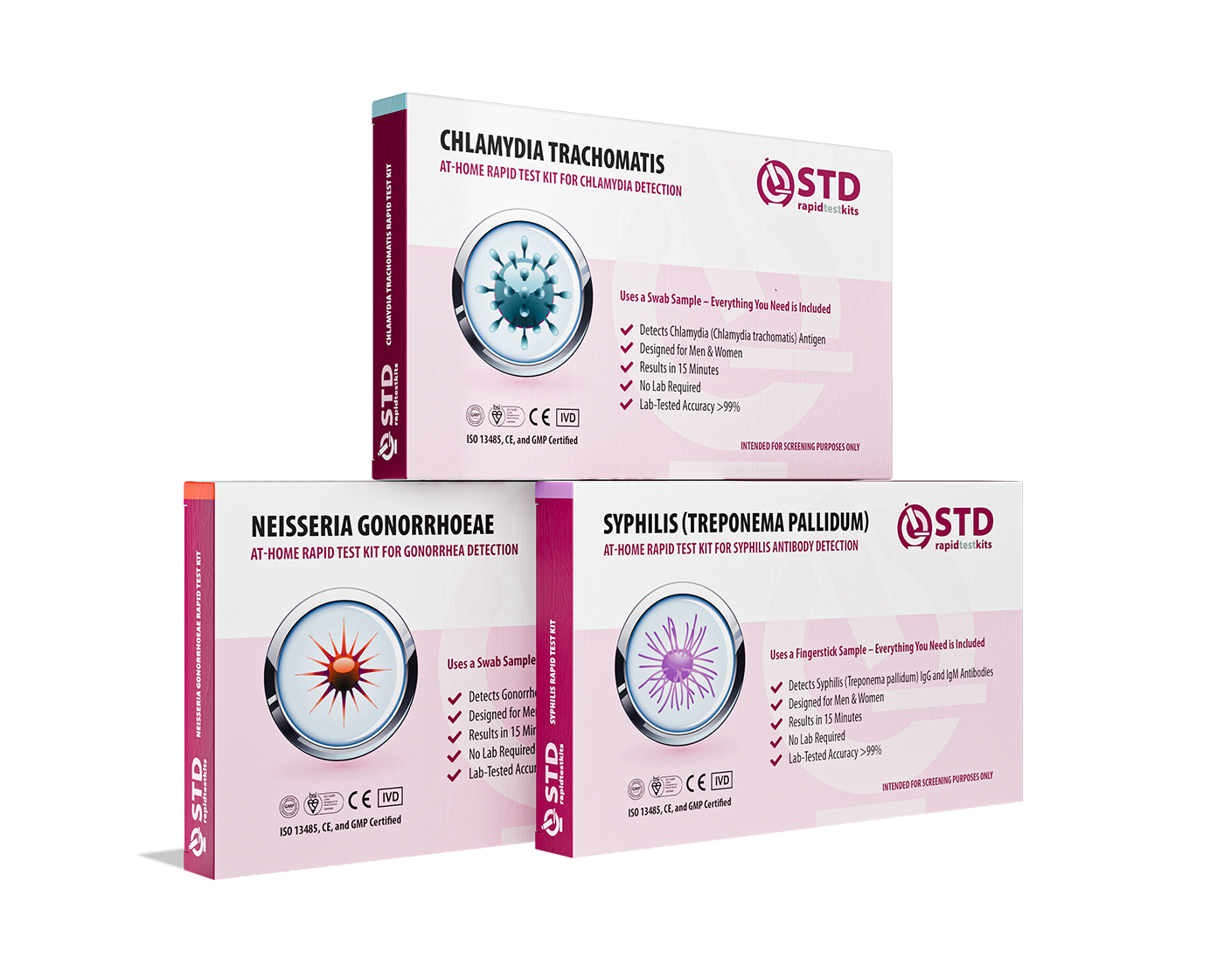
 For Men & Women
 Results in Minutes
 No Lab Needed
 Private & Discreet
Order Now $69.00 $147.00
For all 3 tests
“But We Used Protection!”, Why Condoms Aren’t a Guarantee
This might be the most common phrase heard in Florida clinics after spring break: “But we used a condom.” It’s not a lie, but it’s often not the whole truth, either. The CDC estimates that typical condom use reduces STD transmission by up to 98% when used correctly every time. During drunk, spontaneous sex? That number drops fast.
“I thought we were careful,” says Marco, 20, who ended up with oral gonorrhea after a spring break makeout session turned sexual.
“We didn’t use a condom for oral. Honestly, I didn’t know that was even a thing.”
This is where spring break meets myth-busting. Here’s what many people don’t realize:
- Oral sex can transmit gonorrhea, chlamydia, syphilis, and herpes
- HPV and herpes can spread via skin contact, even with a condom
- Condoms don’t protect against every kind of contact, especially during foreplay or if they break or slip off
- Hot tubs and pools don't “clean” genitals, they often increase vulnerability due to heat and skin irritation
Spring breakers often default to the assumption that protection = immunity. But the real world is messier, especially when sex happens outside, in pools, or without full conversations. “We barely talked about protection,” Taylor admits. “I was just caught up in the moment.”
This doesn’t mean sex should be feared or punished, it just means the aftermath deserves care. A few minutes of pleasure shouldn’t lead to months of confusion or untreated infection.
Shame, Sex, and Silence: Why People Don’t Talk About It
Behind every delayed STD test is usually one thing: shame. Not always the obvious kind. Sometimes it’s embarrassment, denial, or fear of being judged by doctors, partners, or friends. Spring break creates the perfect storm, fleeting intimacy, unfamiliar partners, no emotional follow-up.
“I didn’t even know his last name,” says Riley, 21. “How do you tell your friends you might have an STD from someone you don’t even remember?”
That silence is dangerous. People who feel ashamed often delay testing, ignore symptoms, or convince themselves it’s “just irritation” or “probably a yeast infection.” Others wait for symptoms that never come, assuming they’re fine because nothing feels wrong.
That’s why the Florida Department of Health continues pushing for anonymous, at-home testing options. They give people privacy and power. No awkward conversations. No scheduling drama. Just a few minutes and answers in the mail. Testing isn’t shameful. It’s responsible. It’s care. It’s sex-positive. And it’s how we protect each other when the party ends.

People are also reading: Why So Many Georgia College Students Get STDs
How Soon Is Too Soon? When to Test After a Spring Break Hookup
One of the most confusing parts of post-spring-break sex anxiety is timing. You want to know, now, if something’s wrong. But your body doesn’t always give instant answers. STDs have different incubation periods, which means symptoms (if they show up at all) and test accuracy vary based on when you test.
Here’s what you need to know:
If it’s been less than 3 days since the hookup, it’s too early to rely on most tests. Chlamydia and gonorrhea may show up in a few days, but HIV and syphilis often take longer to be detectable. You might still test, but you’ll need to repeat it later to be sure.
Most experts recommend testing at 1 week, 2 weeks, and again around 4–6 weeks for a full picture. This is especially true for STIs with longer “window periods” like HIV. It’s not about being paranoid, it’s about being thorough. If you only test once, you could miss something serious.
That’s where test kits that check for multiple infections come in handy. A combo test can save you the back-and-forth of booking different appointments and wondering what you might’ve missed.
And if something does come back positive? Many STIs are treatable with a simple round of antibiotics. Others, like Herpes or HPV, are manageable and incredibly common, even among people who don’t think they’re “at risk.”
What to Say If You Hooked Up, and Need to Tell Someone
This part is hard. Maybe you want to tell the person you hooked up with. Maybe you have a partner you’re going back to. Maybe you just need to tell a friend so you can breathe. Here’s the truth: you don’t owe anyone perfection, but you do owe people honesty when their health is involved.
Start simple: “Hey, I just wanted to let you know I got tested after spring break, and something came back positive. I’m handling it, but I thought you should know.”
You don’t need to apologize. You don’t need to explain every detail. You’re not dirty. You’re not broken. You’re doing the right thing. And if they respond with cruelty or blame, that says more about them than you. The stigma around STDs is centuries old and rooted in shame, but it dies every time someone speaks clearly and kindly about their health.
Your body is not something to be whispered about. Your honesty might just protect someone else’s future.
Want to Prevent This Next Time? Here’s What Actually Works
Let’s get real. You’re probably still going to have sex during spring break. Great. No judgment. But what if you could do it smarter, without killing the vibe?
Here’s what prevention looks like in the real world:
• Carry condoms, even if you don’t plan to use them. Plans change.
• Get on PrEP if you’re a good candidate, it’s an incredible HIV prevention tool.
• Use lube during anal or vaginal sex to reduce tearing and transmission.
• Know the names (or at least contact info) of who you hook up with. It makes partner notification easier.
• Schedule testing as part of your post-vacation ritual, like unpacking, just less depressing.
None of this makes you boring. It makes you empowered. It means you respect your body enough to protect it, and your partners enough to care about their health too.
Sex is fun. Intimacy is powerful. Testing is love. Get curious, get tested, get peace.
Check Your STD Status in Minutes
Test at Home with Remedium6-in-1 STD Test Kit
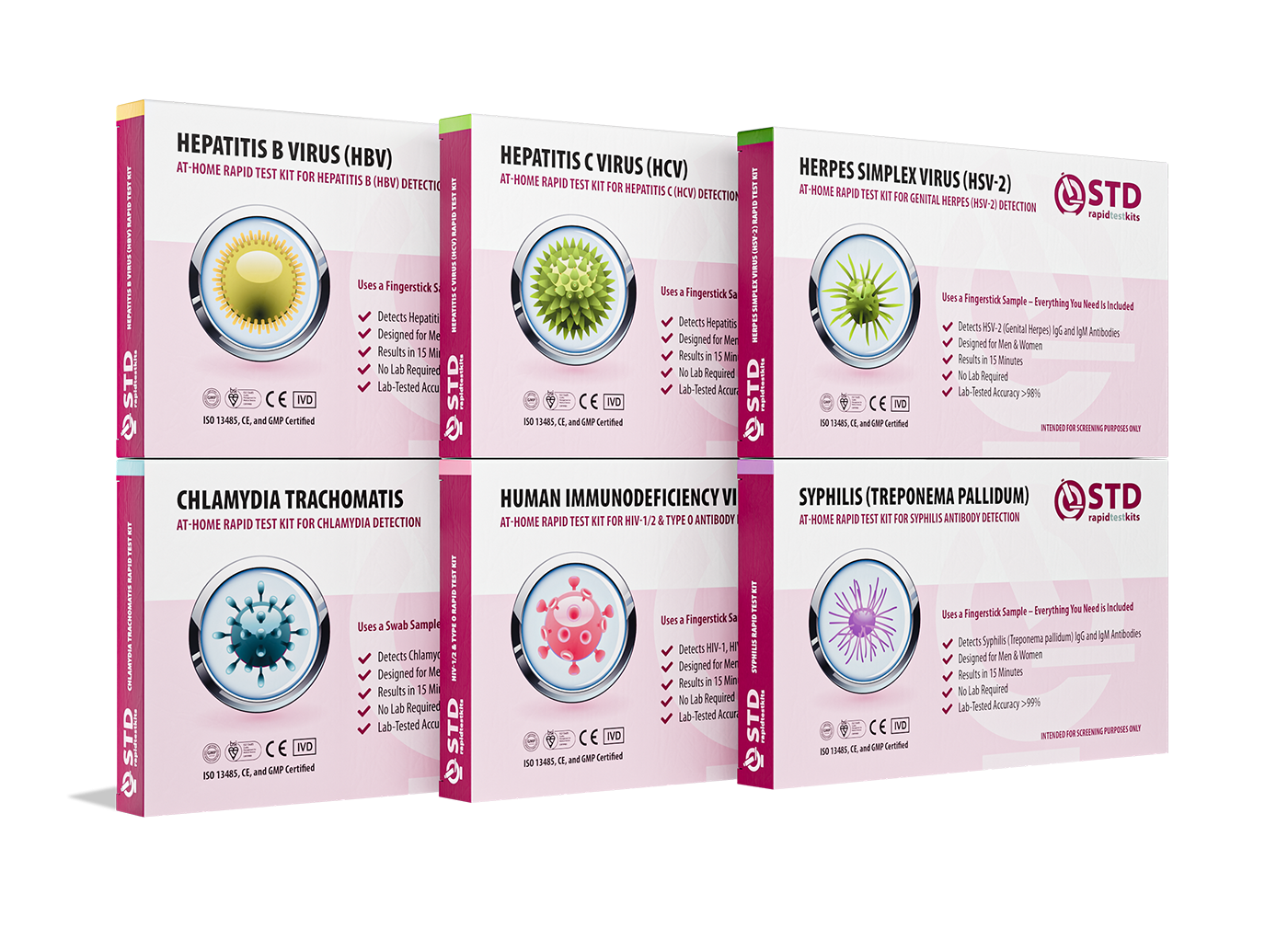 For Men & WomenResults in MinutesNo Lab NeededPrivate & Discreet
Order Now $119.00 $294.00
For all 6 tests
FAQs
1. I only hooked up once, can I really get an STD from that?
Yep, one time is all it takes. Doesn’t matter if it was quick, hot, or “didn’t go all the way.” STDs don’t ask for a second date. Skin-to-skin infections like herpes or HPV can spread from grinding, oral, or even just hands wandering. Not to scare you, just to keep it real.
2. I don’t have symptoms. Should I still get tested?
If you’re even thinking about it, yeah. Some of the most common STIs, like chlamydia, don’t show any signs at all. You could feel totally fine and still be carrying something you’d never want to share. Testing = clarity, not drama.
3. How soon can I test after spring break sex?
Best case? Wait at least 7 days to test for chlamydia and gonorrhea. Some infections (like HIV) take a bit longer to show up on a test, so repeat testing at 4–6 weeks is smart. If it’s only been 2 days since the hookup? Chill, but set a reminder to test next week.
4. What does it mean if I’m itchy but not leaking anything?
Classic confusion zone. Could be irritation from shaving, tight swimwear, or saltwater. Could also be an STD like trichomoniasis or herpes. If the itch hangs out longer than a few days, or gets worse, don’t guess. Test.
5. Do I really need to tell someone if I test positive?
Yes, and you can do it without turning it into a guilt spiral. You’re not blaming anyone. You’re just giving them a heads up so they can take care of themselves too. If talking feels hard, use a site like Tell Your Partner and keep it anonymous. This is about health, not shame.
6. Can I get something from oral sex?
Big yes. Gonorrhea loves to hang out in the throat. Syphilis and herpes can enter through small cuts in your mouth. You won’t always feel anything after, either, just a scratchy throat or nothing at all. So yeah, oral isn’t risk-free. It’s just often symptom-free.
7. What if I used a condom?
A+ move, but not bulletproof. Condoms are amazing at blocking fluids, but they don’t cover everything. Skin-based STDs like HPV and herpes can sneak through exposed areas. Also, if it slipped off, tore, or came on halfway through? That counts.
8. How do I know if it’s just a yeast infection or something worse?
If it’s itchy, creamy, and mostly internal? Probably yeast. But if there’s burning, weird odor, discharge that’s green/yellow, or bumps showing up? That could be bacterial vaginosis or an STD. And let’s be real, testing removes the guesswork.
9. Do hot tubs “clean” your junk after sex?
Not even close. In fact, hot tubs can irritate your skin and make it easier for infections to get in. You might feel “rinsed off,” but if you just had sex and didn’t use a barrier, that water didn’t do squat. Sorry.
10. What if I’m freaking out but can’t talk to anyone about it?
First, breathe. You’re not dirty, stupid, or alone. This happens all the time. Grab an at-home STD test, give yourself privacy, and know that whatever the result, it’s handleable. Shame grows in silence. Testing is how you take your power back.
You Deserve Answers, Not Assumptions
Spring break is supposed to be wild. You were supposed to let loose, flirt with strangers, and maybe make a few questionable decisions. What you weren’t supposed to do is sit in silence afterward, wondering if your body’s trying to tell you something.
If something feels off, or even if it doesn’t but your mind won’t stop spinning, it’s time. Not to panic. Not to blame. Just to know. Testing isn’t punishment. It’s self-respect. It’s power. It’s what turns regret into clarity and anxiety into action.
End the guessing game. Order your rapid STD test today and get results in minutes, from wherever you are.
Sources
1. Urgent Care Doctors See Spring Break Spike in STDs – Baptist Health News
2. STD Statistics Prove Risk During Spring Break – The Nichollsworth
3. STD Trends and Statistics – Florida Department of Health
4. Multiple Florida Cities Make The List For The Most STDs – MyQ105
5. The STD Surge: Florida Hits Record High Rates, Surpassing Pre-Pandemic Levels – WUSF


