As farfetched as it may sound, it is, after all, possible to acquire a sexually transmitted infection through exposure to bed sheets or other surfaces that have the potential for hosting these organisms. Some types of STDs include viral infections: Hepatitis, HIV, Herpes, and HPV. These can survive for an extended period outside the host body. These unseen risks could, therefore, be on every place others may come in contact with, and the reason why cleaning should be carried out regularly.
01 October 2024
4 min read
130010
Getting STDs from Bed Sheets
As farfetched as it may sound, it is, after all, possible to acquire a sexually transmitted infection through exposure to bed sheets or other surfaces that have the potential for hosting these organisms. Some types of STDs include viral infections: Hepatitis, HIV, Herpes, and HPV. These can survive for an extended period outside the host body. These unseen risks could, therefore, be on every place others may come in contact with, and the reason why cleaning should be carried out regularly.
Viral STDs & Contaminated Surfaces
Of all the STDs, viruses can exist outside the human host for the longest amount of time. However, transmission of such a virus via infected bed sheets is highly unlikely. To use a counterexample, viruses like HIV desiccate in air and become non-viable, losing most of their transmission capabilities. Research shows that from 90% to 99% of the virus dies upon leaving the host body, reducing the possibility of acquiring HIV from surfaces. The main modes of transmission include unprotected sex, blood transmission, and vertical transmission from mother to child.
Parasitic STDs: An American Delusion
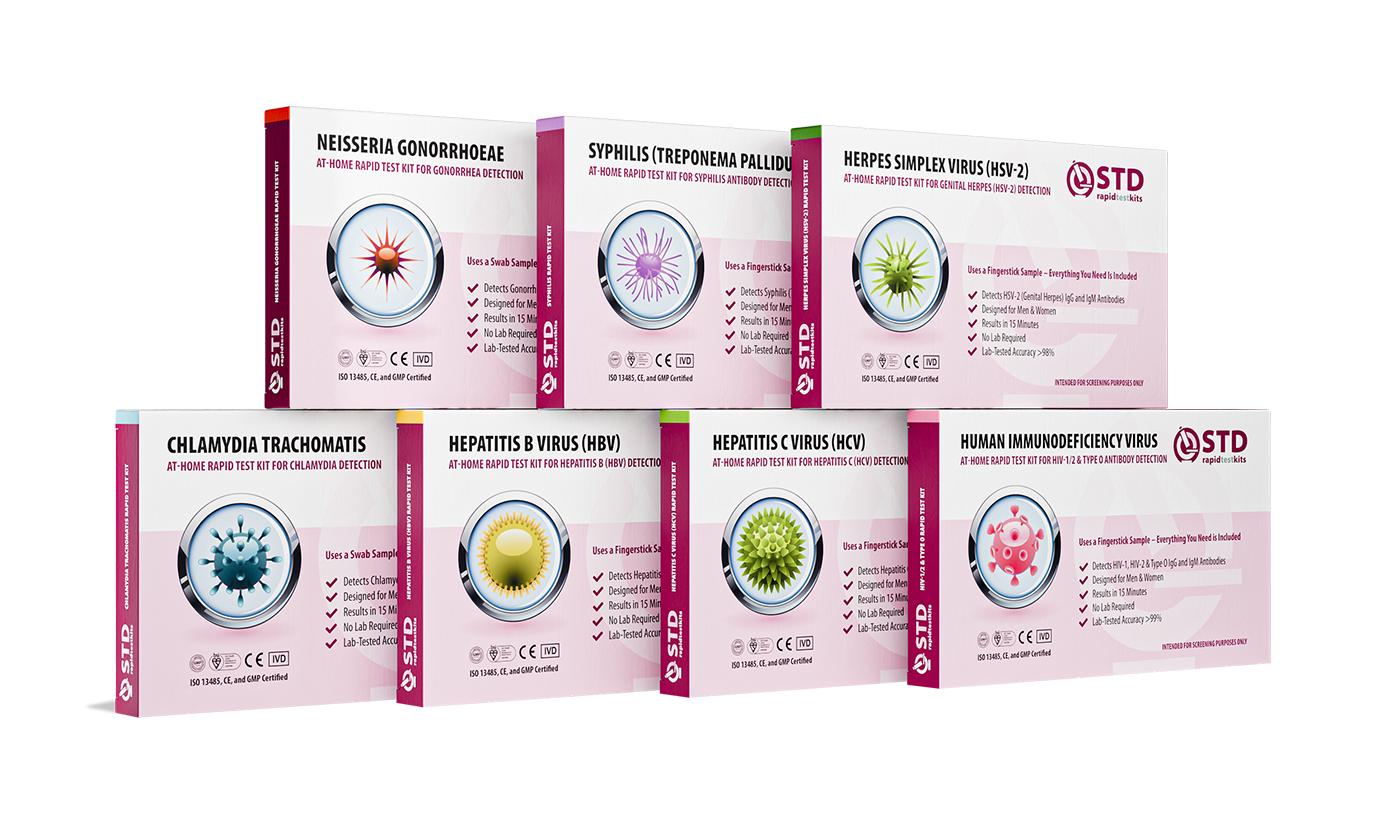
Parasitic STDs such as trichomoniasis and pubic lice have a higher survival rate on surfaces. This makes them a latent danger regarding transmission through sharing towels or infected bed linen, for example. Should one suspect that they have been exposed to an STD, testing should be done as soon as possible using methods including an STD test kit. In the interest of sexual hygiene, one should make sure their partner does the same and undergoes treatment if needed.
Possible Transmission of STDs Without Sexual Intercourse
STIs, or sexually transmitted infections, are not only contracted through sexual contact, as the name might indicate. Skin-to-skin contact is a mode of transmission. Others include blood transfusion and even the sharing of towels or bed sheets. Of course, the principal modes of transmission may be unprotected vaginal, anal, or oral sex, but there are other ways a person can acquire such diseases without necessarily engaging in sexual intercourse.
Classical Routes of STD Transmission
Most STDs are transmitted through:
Sexual intercourse without using any protection
Genito-genital or mouth-to-genital contact
Skin-to-skin contact
Fingering and kissing
Oral sex given to a person with an oral infection
Blood transfusions, or sharing needles or syringes
Exposure to infected bodily fluids through the eyes, including blood, semen, or pre-cum
Mother-to-child transmission during pregnancy or delivery
Unconventional Transmission Methods
In addition to the usual routes, here are some surprising ways STDs can be spread:
Contaminated Foods: Hepatitis A, for example, can be acquired by oral-fecal routes from contaminated water or food. Infection can be obtained from an infected person who did not wash his hands after going to the bathroom.
Indirect Contact: This might also include mutual masturbation or the sharing of sex toys. Organisms can survive under the fingernails and on materials such as plastic, so it is very important to clean hands and sex toys appropriately.
Shared Objects: Sharing items that can cut the skin, such as razors, needles, or syringes, may grant access to blood-borne diseases like HIV and Hepatitis A, B, or C.
Bed Sheets and Towels: Some STDs such as Trichomoniasis, Gonorrhea, Chlamydia, and Herpes can survive outside the host body for certain periods. Sheets and towels infected with genital fluids are a source of infection. However, this mode of transmission lacks much supporting data.
STDs and the Importance of Testing
Although the chances of catching an STD from bed sheets and other surfaces are extremely low, they cannot be completely ruled out. The parasitic STDs have a greater chance than others because they are the least fragile amongst them, while bacterial and viral STDs are more vulnerable and not capable of surviving out of a host body for greater terms.
If you believe you have been exposed to an STD, get tested immediately, even if symptoms do not show—many of them do not at all. Encourage your partner to do the same so that you may both receive the necessary treatment on time. Testing regularly and practicing safely are other ways to ensure that one maintains sexual health and does not pass on or acquire STDs.
Finally, remember to clean personal items regularly, especially shared items like bed sheets and towels, to minimize the risk of possible STD transmission. Though the risk from these surfaces is minimal, it is always better to be on the safe side and take precautions. After all, in health, every step toward prevention counts.








 For Men & Women
 Results in Minutes
 No Lab Needed
 Private & Discreet


