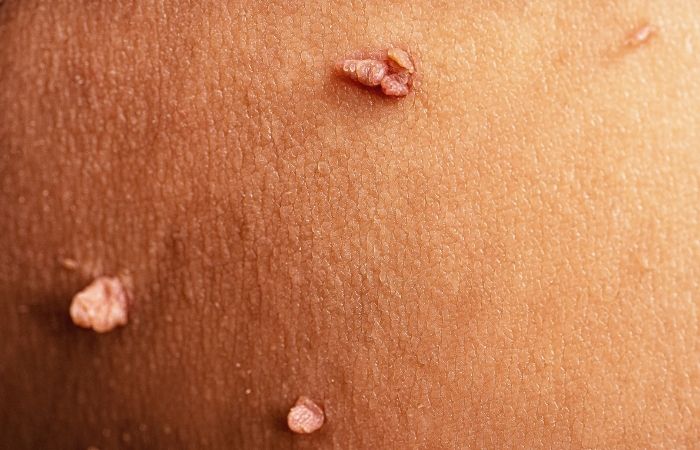
When people whisper about genital warts, they usually picture a one-time ordeal, something you treat, remove, and move past. The reality is different. For many, the bumps fade and then reappear, sometimes months later, sometimes in the exact same spot. And every time they come back, so does the shame, the anxiety, the spiral of late-night Googling: “Does this mean I’ll have them forever?”
16 August 2025
12 min read
4551
Quick Answer: Yes, genital warts can come back after treatment because the underlying HPV virus often remains in the body. Recurrence is common within the first year, but many people eventually stop experiencing new outbreaks as their immune system controls the infection.
“I Thought They Were Gone, Then They Came Back”
Marcus, 28, still remembers the first time he noticed a tiny bump after a new relationship. A doctor confirmed it was a genital wart, treated it with freezing, and reassured him it was “handled.” But three months later, another bump appeared in the same area. “I felt defeated,” he said. “I kept thinking, did I do something wrong? Am I dirty?”
“I was too embarrassed to tell my partner at first. It felt like my body was betraying me, like no matter what I did, it kept coming back.”
Marcus’s story is far from rare. Medical research shows that around half of people who have genital warts treated will see them return within the first three to six months. The recurrence doesn’t mean the treatment “failed.” It means the underlying HPV virus, human papillomavirus, can stay dormant in the skin, only to flare again when the immune system dips or gets triggered by stress, illness, or even friction from sex.
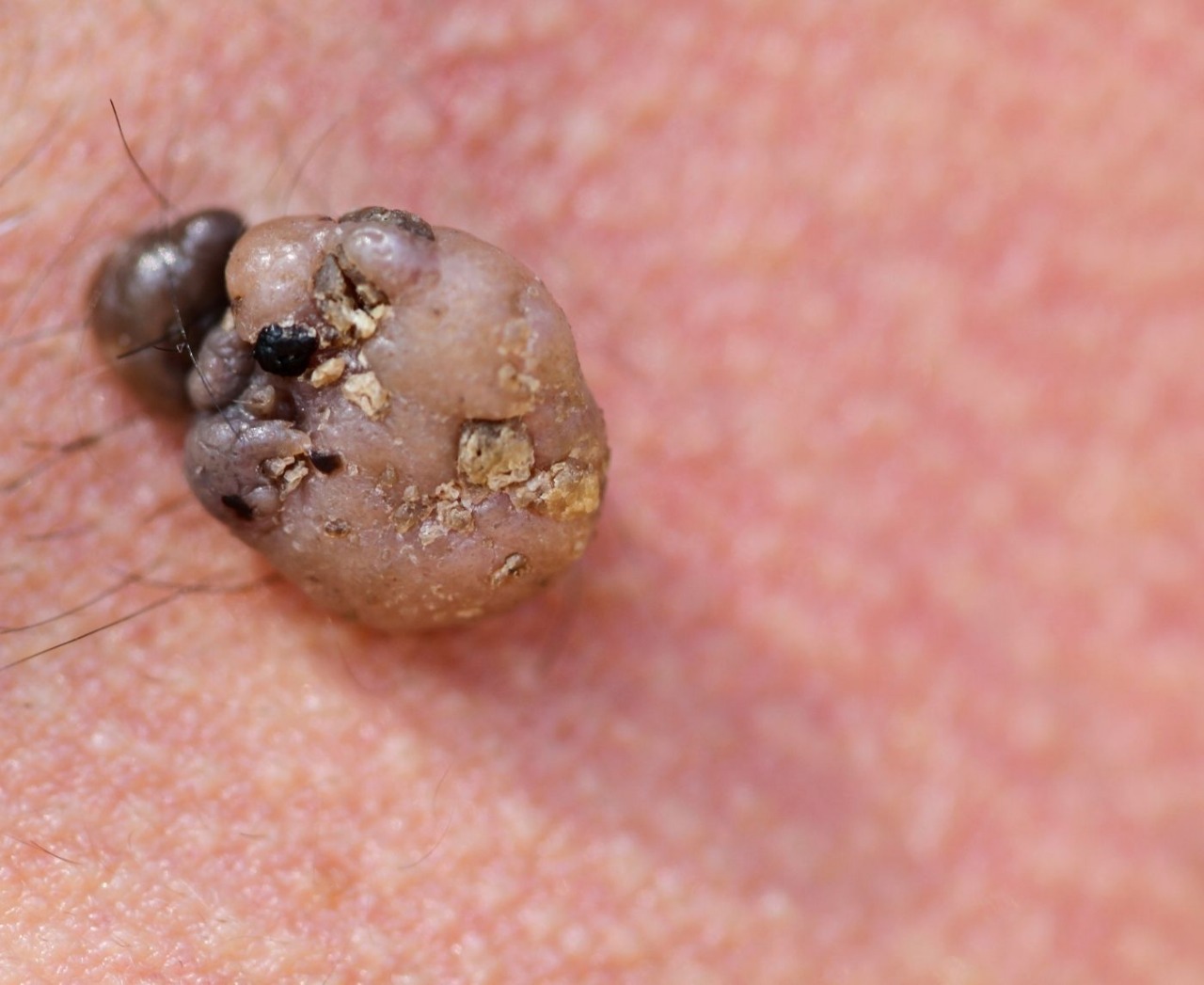
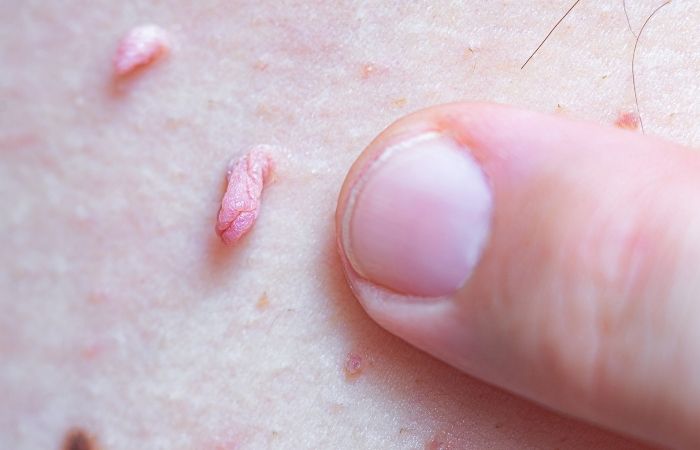
Confusion is one of the main reasons people put off getting help. Warts are little bumps on the skin that can look like a skin tag, a shaving cut, or even a tiny pimple. Genital warts, on the other hand, often group together in strange shapes or feel rough to the touch. They can show up on the vulva, penis, anus, or thighs, or anywhere else where skin touches skin during sex.
The symptoms are very different. Some people itch or feel irritated, but others don't notice anything until a doctor tells them. A 2023 follow-up study found that more than 28% of patients had a recurrence within the first year after treatment. Most of these patients said they had little to no pain but a lot of emotional stress. Genital warts are so hard to deal with because there is a big difference between mild physical symptoms and heavy psychological weight.
If you see a small bump in the mirror, you might not just be asking, "What is this?" It's "What does this mean for me, my partner, and the rest of my sex life?"
Why Do Genital Warts Keep Coming Back?
The short answer is: because the virus behind them, HPV, doesn’t just disappear after one treatment. Freezing, burning, or applying topical medicine removes the visible wart, but it doesn’t always remove the virus in the skin. That’s why recurrence rates can be so high, studies report between 30% and 70% of patients see new warts appear within a few months of treatment (NCBI).
One large-scale study of men in Brazil, Mexico, and the United States found that the median time for a new wart to show up was just over 73 days after treatment. And while some people only see one or two recurrences, others face a pattern that feels endless. “It was like playing whack-a-mole with my own body,” wrote one user on Reddit’s HPV forum. “I’d go months clean, then wake up with another bump. I thought I’d never date again.”
Does Stress, Illness, or Lifestyle Make Them Return?
This is one of the most common late-night search questions: “Does stress cause genital warts to come back?” The science says stress doesn’t create new warts, but it can weaken your immune system, giving HPV more room to reactivate. The same goes for heavy smoking, lack of sleep, or immune-compromising conditions. In other words, the virus is still there, waiting. If your body is busy fighting something else, the warts may reappear.
That doesn’t mean you’re doomed. Many people eventually stop having recurrences as their immune system builds stronger resistance to the virus. According to the CDC, most HPV infections clear on their own within two years, even if outbreaks pop up along the way. Recurrence isn’t forever, it’s a frustrating phase, but not a life sentence.
Check Your STD Status in Minutes
Test at Home with Remedium Papillomavirus (HPV) Test
Here’s a myth that fuels a lot of shame: if you still have HPV, you’re permanently contagious. The truth is more complicated. HPV is most contagious when visible warts are present, but transmission risk decreases when warts are gone and the virus is suppressed by your immune system. A study in Archives of Gynecology and Obstetrics showed that most recurrences happen early on, meaning over time, your contagious window actually shrinks.
Myth busted: A recurring wart doesn’t mean you’ve been “reinfected” by a partner. Most of the time, it’s the original infection reappearing from your own skin. Blaming yourself or someone else for “bringing it back” only deepens the stigma.
What Genital Warts Feel Like (And What They Don’t)
Search histories show the real fears: “Does genital wart itch or burn?” “Does genital wart bleed?” “Does it mean cancer?” The reality: most warts are painless. Some may itch, some may feel rough against clothing, and occasionally, friction during sex can make them bleed slightly. But on their own, genital warts are rarely physically dangerous.
The psychological weight, however, can be crushing. A Danish follow-up study found that even years after their last outbreak, many patients still feared recurrence, cancer, or rejection from partners (Ugeskriftet). That lingering dread can be worse than the bump itself.
Which is why understanding the patterns, what’s normal, what’s not, is so critical. When you know that recurrence is expected, not a personal failure, the bump loses some of its power.
When the Stigma Hurts More Than the Wart
Elena, 24, had her first outbreak during college. “The bump was small, barely noticeable. But in my head it became huge. I canceled dates, stopped hooking up, even avoided eye contact in the mirror.” What haunted her wasn’t the physical wart, it was the fear of what people would think if they knew. “Dirty. Reckless. Untouchable.”
“Every time it came back, I thought it meant I was unworthy of love. I didn’t even tell my best friend.”
That shame isn’t accidental, it’s baked into how society talks about STDs. A 2010 qualitative study found that many people with HPV described the psychological impact as worse than the physical symptoms. Words like “guilt,” “contaminated,” “permanent” appeared again and again (PMC).
Here’s the truth: genital warts don’t define your cleanliness, your choices, or your worth. HPV is the most common sexually transmitted infection in the world. According to the World Health Organization, about 80% of sexually active people will contract HPV at some point. Most will never know it, and many never develop warts at all. The difference is visibility, not morality.
One of the most damaging misconceptions is that if a wart returns, it must have come from a partner. This isn’t true. Recurrence is usually the same virus resurfacing from your own skin cells, not a new infection. A 2009 cohort study found that 86% of recurrences happened within the first year, long before most partners were even suspected of straying (PMC).
Relationships already strained by stigma can crumble under this misunderstanding. In reality, recurrence is biological, not behavioral. Busting this myth can mean the difference between blame and solidarity.
Dating, Disclosure, and Desire
So how do you talk about genital warts when you’re dating? Some people wait until trust is established, others bring it up before clothes come off. There’s no script, but there is guidance: honesty, framed with facts. Saying, “I’ve had genital warts before, they sometimes recur, but HPV is super common and manageable” shifts the tone from confession to education.
And sex? It doesn’t vanish because of a diagnosis. Condoms and dental dams reduce transmission risk but don’t eliminate it completely. That doesn’t mean pleasure is off the table, it means navigating it with more communication and care. Many couples continue to have fulfilling, healthy sex lives even when one partner has recurrent warts.
As one survivor wrote on a support forum: “My partner said, ‘It’s just a bump. I care about you, not your HPV.’ That was the moment I realized the stigma was bigger than the infection.”
Taking Back Control: Testing, Treatment, and Prevention
While there’s no outright “cure” for HPV, there are ways to regain control over your health and reduce the impact of recurrence. Treatments like cryotherapy (freezing), topical solutions such as imiquimod, or minor surgical removal can all clear visible warts. But the bigger picture is boosting your immune system, because in most cases, it’s your body that ultimately suppresses HPV until outbreaks stop happening.
Testing matters too. While genital warts are usually diagnosed visually, at-home STD test kits can provide clarity on other possible infections. Knowing your full sexual health status makes disclosure easier, decisions clearer, and anxiety lighter.
And prevention? The HPV vaccine remains one of the most powerful tools. It not only prevents most cancer-causing HPV strains but also protects against the types that cause genital warts. If you haven’t been vaccinated yet, it’s worth discussing with your doctor, regardless of age.
Before You Panic, Here’s What to Do Next
You might be staring at a bump right now, feeling your chest tighten with worry. That panic is real, but it doesn’t have to run your life. Genital wart recurrence isn’t a punishment, a guarantee of rejection, or proof of anything about your worth. It’s the body doing what bodies do: cycling through a virus that billions of people quietly carry.
Don’t wait and wonder, get the clarity you deserve. This at-home combo test kit checks for the most common STDs discreetly and quickly, giving you the peace of mind to move forward with confidence.
Not always. For some people, they flare up once or twice and then fade for good. For others, they pop back up a few times before settling down. Think of it like a bad houseguest,annoying, sometimes persistent, but eventually, most leave.
2. Does stress cause genital warts to return?
Stress doesn’t create new warts out of nowhere, but it can weaken your immune system, making it easier for HPV to resurface. Picture your body like a nightclub bouncer,if the bouncer is exhausted, troublemakers sneak back in.
3. Does genital wart mean I’ll get cancer?
Nope. The strains that cause warts are usually not the same ones linked to cancers. That said, regular check-ups (like Pap smears for people with a cervix) are still key, just to keep everything in check.
4. Does my partner keep giving me genital warts?
In almost all cases, no. If a wart comes back, it’s usually your original infection reappearing, not something “new” from your partner. It’s biology, not betrayal.
5. Does HPV always show symptoms?
Most of the time, no. The majority of people with HPV never see a single wart or feel anything at all. That’s why it spreads so easily,because invisible doesn’t mean absent.
6. Does genital wart hurt?
Usually not. They can be itchy or rub against underwear in an annoying way, and yes, friction during sex might make them bleed a little. But for most people, the emotional sting is way sharper than the physical one.
7. Does HPV go away on its own?
In most people, yes. Your immune system often kicks it out within one to two years. The tricky part is waiting,it’s like having a houseguest who doesn’t tell you when they’ll finally leave.
8. Does the HPV vaccine help if I already have warts?
It won’t clear the bumps you’ve got now, but it can protect you from picking up other strains in the future. Think of it as locking the other doors so more unwanted guests don’t wander in.
9. Does having genital warts means I can’t have sex?
Not at all. You can still have a full, pleasurable sex life. It just means being mindful,condoms, dental dams, and honest conversations go a long way. Plenty of couples navigate this without it wrecking intimacy.
10. Does treatment guarantee they won’t come back?
Sadly, no. Treatment clears the wart, not the virus hiding in your skin. But over time, most people see fewer and fewer recurrences until they stop completely. It’s a marathon, not a sprint.
You Should Get Answers, Not Guesses
If you get genital warts again, it doesn't mean you're dirty, broken, or going to be rejected. It means you're a person who has one of the most common infections on Earth. You can take back control of your life by getting tested, getting treatment, and having open conversations.
Don't let the unknown control you. Today, look into STD Rapid Test Kits to start getting clear and in charge.







 For Women
 Results in Minutes
 No Lab Needed
 Private & Discreet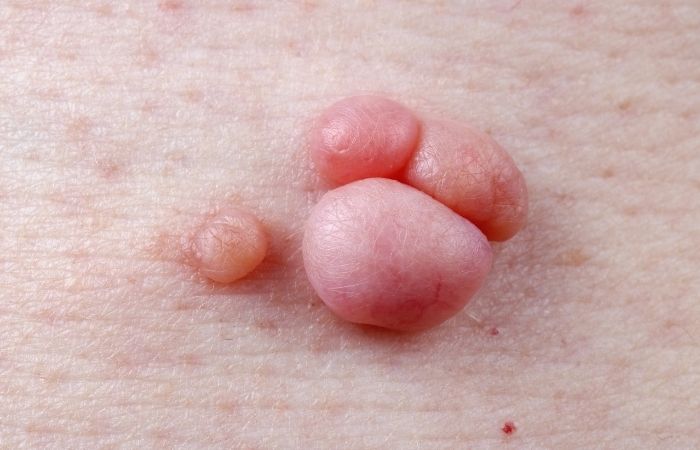

 For Men & Women