







Quick Answer: Every STD has its own incubation period, ranging from a few days to several months. Testing too early can lead to false negatives, so knowing when to test is as important as testing itself.
Why Timing Matters More Than Panic
In my work, I’ve seen it play out the same way dozens of times. Someone comes in to get tested the very next morning after unprotected sex. Their result comes back negative. They breathe a sigh of relief. A month later, they’re back, this time with symptoms, and they’re shocked to hear the infection was likely there all along. Testing too soon can be like checking an oven five minutes after you put the cookies in; nothing’s ready to show yet, even though the process has already started.
“I tested right away because I just wanted peace of mind,” said Eli, 32, from Twin Falls. “When the test came back clear, I thought I dodged it. I wish I’d known I needed to wait for the right window.”

People are also reading: How Trichomoniasis Increases STD Risks in Women
What Incubation Actually Means
Think of the incubation period like the invisible part of the story. It’s the days or weeks when an STD is quietly setting up camp in your body. For some infections, that time is short, just a couple of days. For others, it can be months before any signs appear or before a test can pick it up. And here’s the frustrating part: you can still pass it to someone else during this time, even without symptoms. That’s why public health experts keep saying, “Don’t wait for symptoms, wait for the right time to test.”
Every Infection Has Its Own Clock
Some infections are impatient, showing up within days. Gonorrhea can start making itself known in as little as 48 hours. Herpes? Sometimes sores appear in just a few days, though they can take nearly two weeks. Others are far slower. Syphilis often takes weeks to months before the first sore appears. And then there’s HPV, which can hide for months, or years, before causing any symptoms at all. The slowest player in this lineup is hepatitis B, which can take up to six months before you’d ever feel ill or test positive.
The point isn’t to scare you, it’s to give you a realistic roadmap. If you know the timing, you can avoid the false security of testing too early and the anxiety of not knowing when to act.
Chlamydia
Chlamydia has a way of sneaking past your radar. It usually takes one to three weeks before it can be detected on a test, but most people never feel a thing. No pain. No discharge. Nothing. And that’s part of why it spreads so easily. The CDC estimates that about half of infected men and three-quarters of infected women have no symptoms at all.
I once met a college student in Boise, we’ll call her Maya, who got tested the day after unprotected sex. Her results came back negative. Two weeks later, during a routine checkup, she tested positive. “I thought testing right away would be smart,” she told me, shaking her head. “I didn’t realize chlamydia needed time to show up.” Waiting isn’t easy, but it’s the only way to get answers you can trust.
Check Your STD Status in Minutes
Test at Home with Remedium3-in-1 STD Test Kit
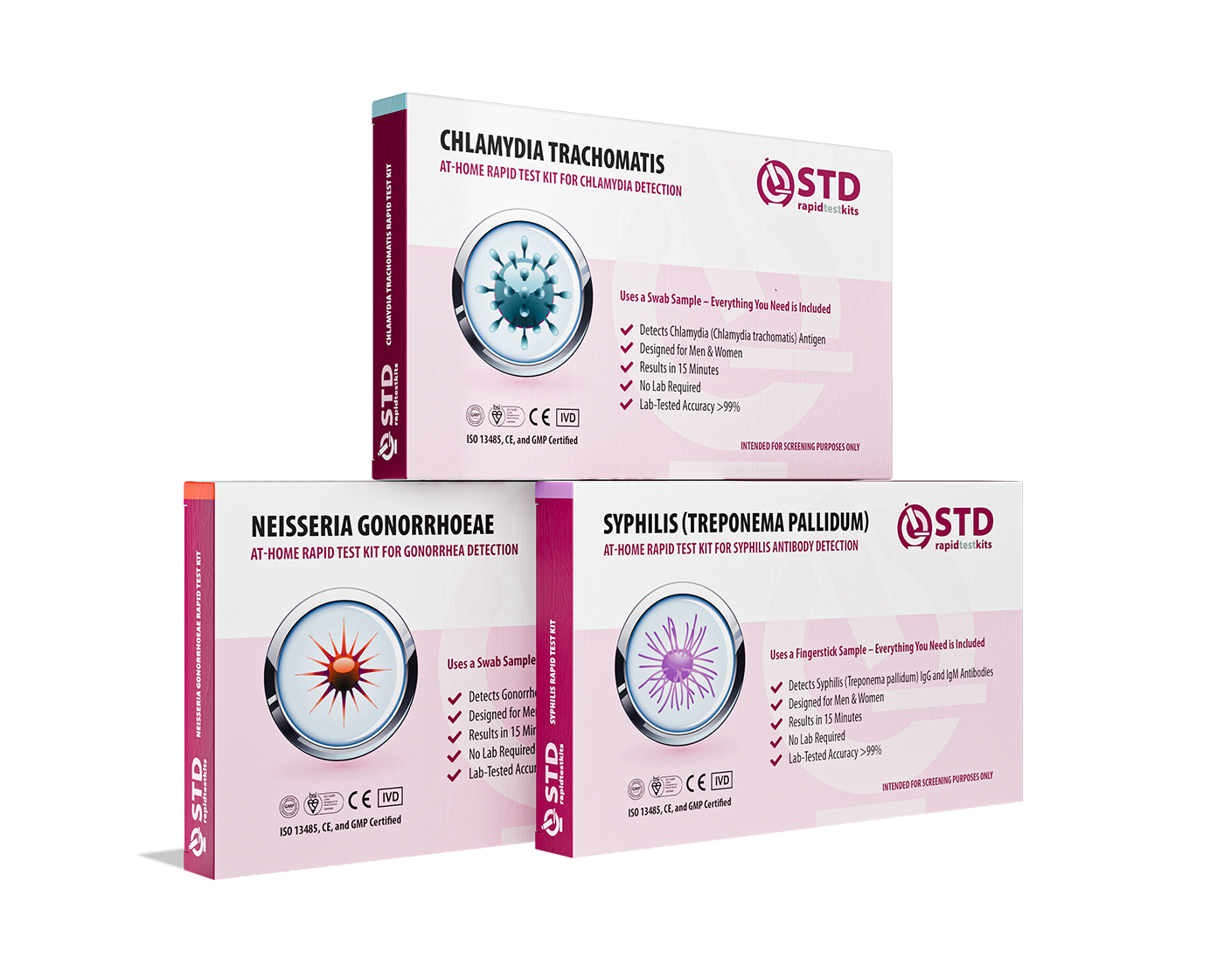
 For Men & Women
 Results in Minutes
 No Lab Needed
 Private & Discreet
Order Now $69.00 $147.00
For all 3 tests
Gonorrhea
Gonorrhea doesn’t like to waste time. Symptoms can appear in as little as two days, sometimes stretching up to a week. For those who do notice symptoms, they might include painful urination or an unusual discharge. But just like chlamydia, many cases stay silent, especially in people with vaginas.
One truck driver from northern Idaho told me he felt a “weird twinge” when he peed, just three days after a stopover in Spokane. He shrugged it off, thinking it was dehydration. By the time he got tested a week later, the infection was in full swing. He was lucky, it was caught early enough to treat without complications. But early doesn’t mean “next morning early.” It means after that minimum window has passed.
Syphilis
Syphilis takes its time. You might not notice anything for three weeks to three months after infection. The first sign is usually a single, painless sore, called a chancre, right where the bacteria entered your body. It might be on your genitals, mouth, or even hidden inside your rectum. And here’s the kicker: that sore eventually goes away on its own, even if you don’t get treated. But the infection stays, moving into more dangerous stages that can damage your heart, brain, and nervous system.
There was a man in Idaho Falls, let’s call him Grant, who came in for a check after his partner tested positive. He swore he felt fine. No sores, no rashes. Testing showed he was in the early stages of syphilis, likely from an encounter two months earlier.
“If she hadn’t said anything, I never would’ve known,”
That’s the problem, without testing at the right time, syphilis can stay hidden until it’s much harder to treat.
Herpes
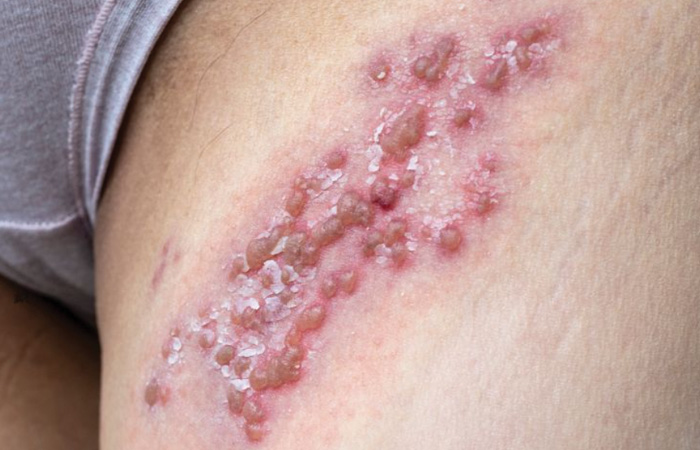
Herpes is tricky because its incubation period can be short, two to twelve days, but outbreaks don’t always happen after your first exposure. You might catch the virus and not see your first sore for months or even years. When sores do appear, they can be painful, itchy, and sometimes accompanied by flu-like symptoms.
I still remember a young woman from Canyon County who was convinced she’d been cheated on because she got her first outbreak two years into a monogamous relationship. Her doctor explained that herpes can sit dormant for a long time before flaring up. She hadn’t been betrayed; the virus had just been biding its time.
People are also reading: Debunking STD Myths: Why They're a Health Issue, Not a Moral Failing
HIV: The Long Game
HIV doesn’t play by the same rules as bacterial infections. You won’t get a positive result on a standard antibody test for at least three to four weeks, and for some tests, it can take up to three months. The earliest you can detect HIV is through a special RNA test, which can pick it up within ten to fourteen days after exposure. Early symptoms, if they appear, can look just like the flu: fever, sore throat, fatigue, maybe a rash.
One man I met during outreach in rural Idaho tested negative for HIV twice in the first month after a risky encounter. On his third test, at the six-week mark, he got a positive result. “I thought I was in the clear,” he said softly. “I wasn’t.” It’s a reminder that with HIV, patience isn’t just a virtue, it’s a necessity.
HPV: The Master of Disguise
Human papillomavirus, or HPV, is the slow chameleon of STDs. It can take weeks, months, or even years before it causes any noticeable changes in your body. Sometimes it never shows symptoms at all, quietly lingering until a Pap smear or HPV test catches it. Other times, it makes its presence known with genital warts or, much later, abnormal cells that could lead to cancer if untreated.
Because there’s no universal HPV test for men and because the virus can stay dormant for so long, you can carry it without ever knowing where, or when, you got it. I once spoke to a woman in her 40s who was stunned to learn she had HPV during a routine checkup. She’d been married for 15 years.
“My doctor said it could have been there long before I even met my husband,”
It was a reminder that incubation isn’t always about recent encounters, it can be the ghosts of encounters past.
Trichomoniasis: The Underestimated Culprit
Trichomoniasis, often just called “trich,” is caused by a tiny parasite that’s surprisingly common. Most people have never heard of it, yet it can cause itching, irritation, and unusual discharge within five to 28 days. Men often have no symptoms at all. That means it can quietly travel from partner to partner until someone finally gets tested.
A man from a remote part of Idaho’s panhandle told me he’d never even heard the word “trichomoniasis” until his girlfriend tested positive. “I thought only women got it,” he said. He tested positive too, without a single symptom. That’s the problem with incubation periods: if you wait for symptoms to push you to the clinic, you might wait forever.
Check Your STD Status in Minutes
Test at Home with Remedium8-in-1 STD Test Kit
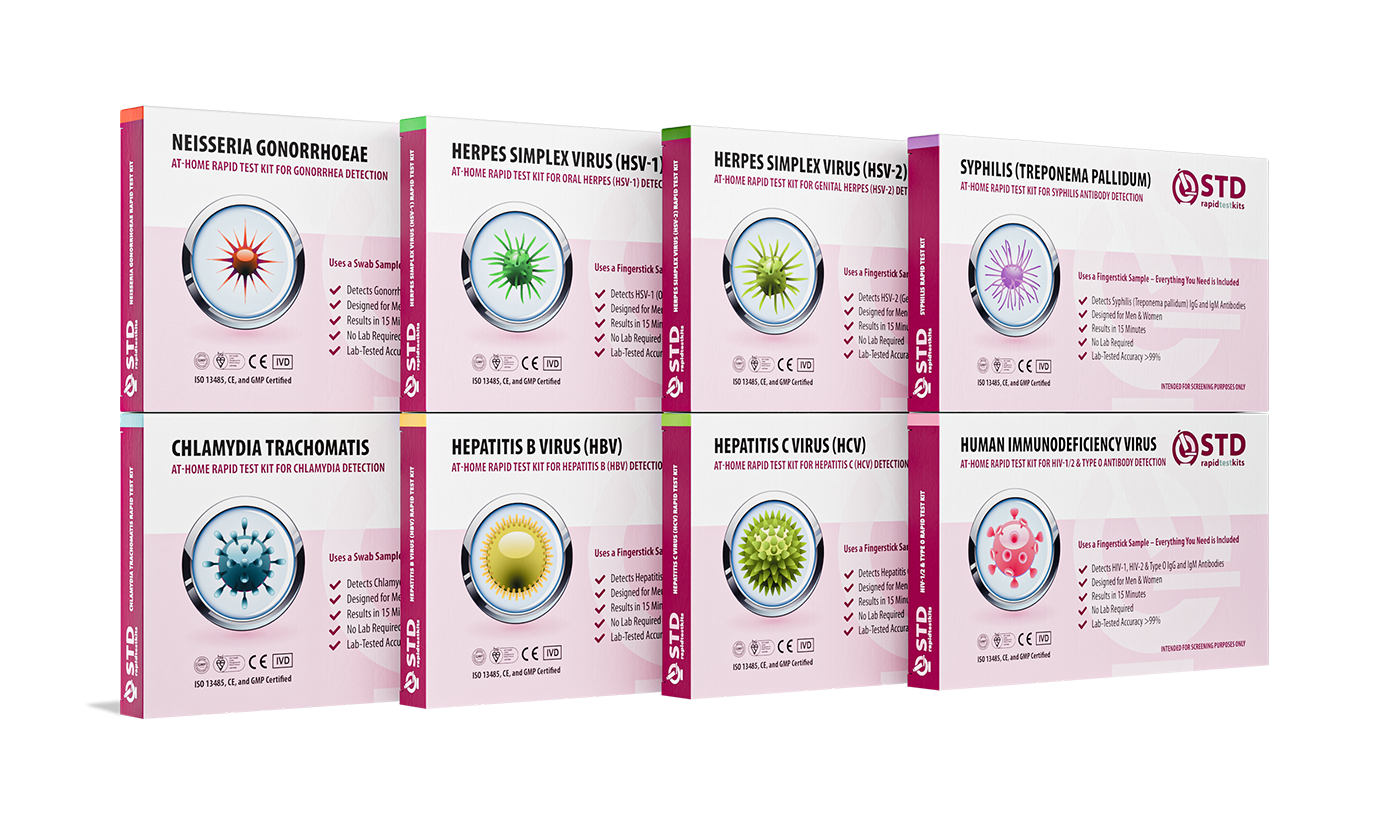 For Men & WomenResults in MinutesNo Lab NeededPrivate & Discreet
Order Now $149.00 $392.00
For all 8 tests
Hepatitis B: The Long Haul
Hepatitis B affects your liver and can take anywhere from six weeks to six months to reveal itself. Some people notice fatigue, yellowing of the skin, or stomach pain, but many feel completely fine until the damage is already significant. Blood tests can detect it before symptoms show, but they’re only accurate after a certain point in the incubation timeline.
One farm worker in southern Idaho told me he thought his exhaustion was from long hours in the sun. When he finally went to a clinic months later, he learned it was hepatitis B. “If I’d known it could take that long to show, I might’ve tested sooner,” he said.
Incubation Period vs. Window Period: Clearing Up the Confusion
People mix these up all the time, and I get why, they sound like the same thing. The incubation period is how long it takes from infection to the point where your body starts showing symptoms or carrying enough of the virus or bacteria for it to be found. The window period is how long it takes after infection before a test can reliably detect it. Sometimes they overlap. Sometimes they don’t. And that’s why a test the day after exposure almost always tells you nothing.
If you test too early, you risk a false negative, getting told you’re clear when you’re not. That’s why healthcare providers recommend testing twice: once at the soonest reliable point, and again after the maximum window period if you want to be certain.
“I’ll See Symptoms the Next Day”
This is one of the most common misconceptions I hear, someone wakes up the morning after sex with itching or burning and immediately assumes they caught an STD overnight. In reality, irritation that shows up that fast is usually something else: friction from sex, an allergic reaction to latex or lube, a urinary tract infection, or even just anxiety making you hyperaware of every sensation.
Real STD symptoms take time. Even the fastest, like gonorrhea or herpes, need at least 24–48 hours to show, and often much longer. I’ve met more than one person who thought they’d caught something “right away” and spent weeks in a spiral, only to learn their symptoms had nothing to do with an STD. The relief is real, but so is the wasted worry.

People are also reading: Anxiety About STD Testing: An Important Concern
FAQs
1. Can I get tested for an STD the day after sex?
You can, but you might be wasting your money. Most STDs need a little time before they’ll show up on a test. If you test too soon, you risk walking away with a “negative” result that’s not actually negative. It’s like checking the oven two minutes after putting in the cookies, you won’t see anything yet.
2. What’s the fastest an STD can show up?
In rare cases, gonorrhea or herpes can cause symptoms within two days. But that’s the exception. Most infections take longer to either cause symptoms or become detectable on a test, which is why timing matters more than eagerness when it comes to testing.
3. Can I pass an STD to someone before I have symptoms?
Yes, and that’s one of the sneakiest things about some STDs. You can feel totally fine and still be contagious.
4. Is there any way to speed up detection?
Not really. Every infection runs on its own clock, and no amount of googling or wishing will make it faster. The smartest move is to follow the recommended testing timelines so you’re not chasing shadows or missing the real thing.
5. Why do some people never show symptoms?
Some STDs, chlamydia and HPV especially, are experts at lying low. They can sit quietly in your body for months or even years without a single hint. But “silent” doesn’t mean harmless; untreated, they can cause serious complications down the road.
6. What if my symptoms show up before the testing window?
See a healthcare provider as soon as you can. They can tell you which tests to take now and whether you’ll need to retest later. Sometimes the visible clues are enough to start treatment right away.
7. Should I test more than once?
It depends. If you tested negative but you still suspect there's something wrong getting re-tested might be a good idea. A follow-up test after the longest recommended wait time gives you a clear yes or no, and peace of mind. It’s the STD version of “measure twice, cut once.”
8. Can condoms prevent every STD?
They’re fantastic at lowering the risk, but not perfect. Skin-to-skin infections like HPV or herpes can still spread from areas a condom doesn’t cover. Think of them as a great raincoat, they’ll keep you mostly dry, but they won’t stop a sideways splash.
9. Why does HPV have such a long incubation period?
The virus is a master of disguise. It can hide in your body for months or even years before showing any signs, and sometimes it never does. But even without symptoms, it can still be passed to others.
10. How can I stop worrying while I wait?
Focus on what you can control: book your test, use protection in the meantime, and keep perspective. Most STDs are treatable, and the earlier you catch them, the easier they are to manage. Waiting is uncomfortable, but it’s temporary. Your health is worth the patience.
You Deserve the Right Answers at the Right Time
Worry after a sexual encounter is natural. So is the urge to find out immediately if you’re safe. But testing too soon can give you false comfort, and waiting too long can give the infection time to cause harm. The sweet spot lies in knowing the incubation period for the infection you’re worried about, and using that knowledge to act with both speed and accuracy.
Think of it as protecting your future self. Whether you’re in Boise or a one-stoplight town in the Idaho panhandle, your sexual health matters just as much as anyone else’s. And the good news? Testing has never been more discreet or accessible.
Sources
1. Healthline – How Long Does It Take for an STD to Show Up?
2. Medical News Today – How Long Does It Take for an STD to Show Up?
3. Verywell Health – The Incubation Period of Common STIs
4. Cleveland Clinic – Incubation Period for Sexually Transmitted Diseases


