Sexually transmitted diseases, sometimes also referred to as sexually transmitted infections, are often a taboo health challenge that many people are even unaware they can have. They may remain dormant and almost asymptomatic until the last stages of development; therefore, regular screenings are always important to the high-risk groups.
01 October 2024
5 min read
1638
How Important Is Regular Screening for STDs?
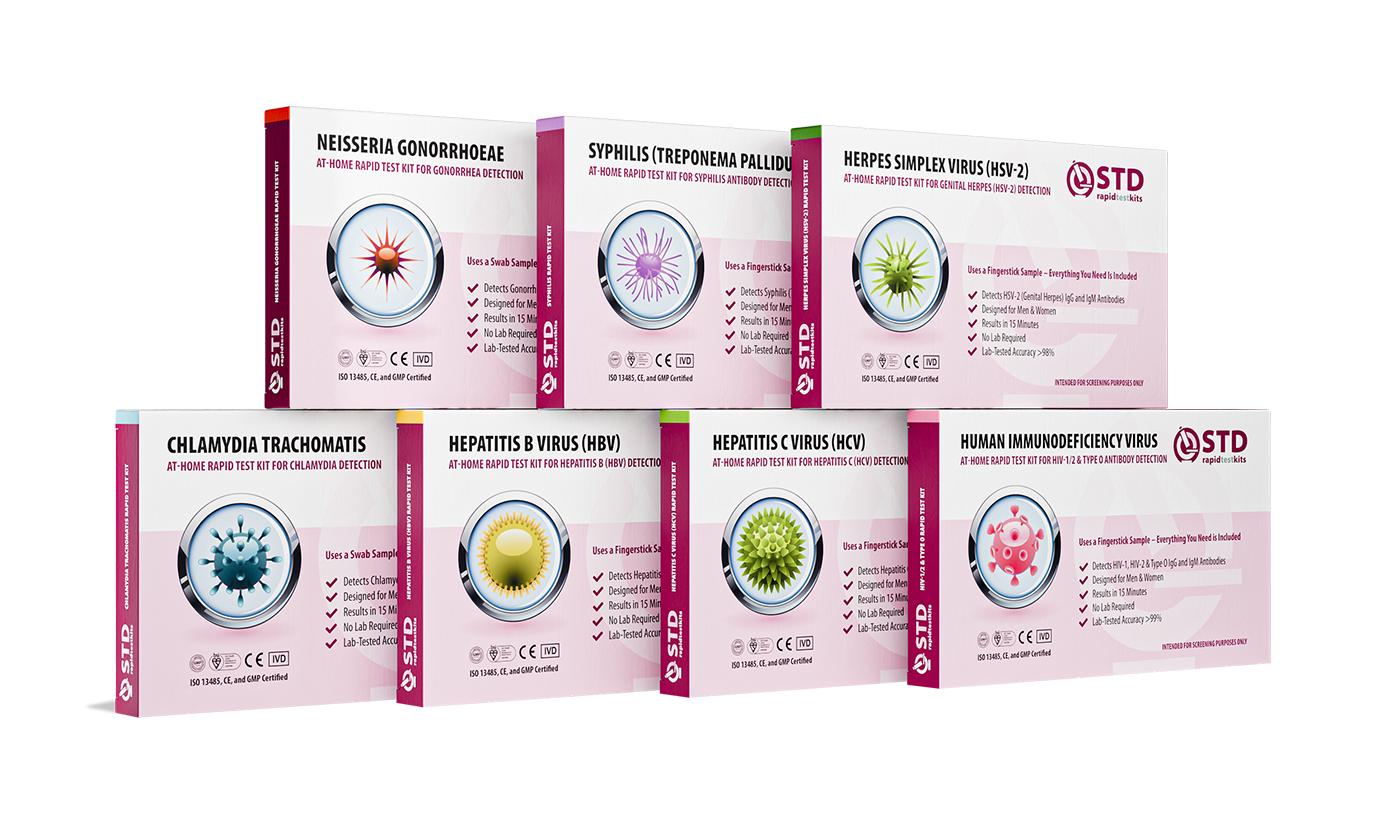
Rapid testing kits for STDs have enabled early diagnosis, as these can give results in just 20 minutes within one's comfort zone. Testing becomes all the more necessary if you identify with any of the following statements:
You have unprotected vaginal, anal, or oral sex.
You use needles to inject drugs and share them.
You have more than one sex partner.
You have a sex partner who has more than one sex partner.
Being an MSM.
Identifying oneself as bisexual.
Understanding the Incubation Period of STDs
Even when symptoms do appear, STDs don't always occur right away after you have become infected. The time between initial infection and the first appearance of symptoms is called the incubation period. You can transmit an STD to others during this time, even if you don't notice anything and are not displaying symptoms. Incubation periods can range from a few days to years or even decades. For example:
The incubation period for Chlamydia is usually 1-3 weeks after exposure.
The incubation period for Hepatitis B is about 4-6 weeks.
Early Symptoms of Syphilis
Syphilis is a very common STD, and its incubation period ranges from 10 to 90 days. Generally, syphilis causes a chancre—a hard, round, painless sore—which is an opening through which the infection enters. This chancre may resemble a pimple or even an ingrown hair, which can be difficult to diagnose. If syphilis remains untreated, the infection would progress into the worst stages.
Recognizing Signs and Symptoms of Chlamydia and Gonorrhea
The most common bacterial STDs, Chlamydia and Gonorrhea, have comparable symptoms:
Genital discharge.
Painful urination or sex.
Abdominal discomfort.
These infections are easy to treat with physician-prescribed antibiotics. However, if these conditions are neglected, sterility may occur.
Diagnosis of Acute HIV Infection
Symptoms of HIV infection often resemble flu-like symptoms and may appear two to four weeks following infection. These symptoms are often unnoticed, as this condition is usually referred to as acute retroviral syndrome—a silent precursor that can lead to grave health consequences.
HPV and Genital Warts: What to Watch For
Genital warts, caused by some strains of the virus, can appear three months following an infection. While for many, the infection will clear on its own over time, other strains of the virus can cause oral and cervical cancer. Fortunately, a vaccination exists that prevents infection with the most dangerous strains.
Acute Hepatitis Syndrome: Signs and Symptoms
Acute Hepatitis caused by HBV or HCV is usually asymptomatic but highly infectious. Symptoms, when seen, include:
Nausea.
Vomiting.
Fatigue.
Abdominal pain.
Icterus.
Though these are two different types of viruses, their mode of attack is similar on the liver.
Signs and Symptoms of Genital Herpes
Genital herpes, sometimes characterized by one or more blisters that may grow into painful sores, is accompanied by:
Fever.
Swollen lymph nodes.
Muscle pains.
It is a lifelong infection, though symptoms are well managed with the use of antiviral medication.
Early Diagnosis: A Key to Recovery
Timely detection of STDs is important. Untreated STDs may cause serious, even life-threatening medical conditions and affect the health of an unborn child. Additionally, some STDs are known to increase the chances of developing other infections, such as HIV. Knowing or not knowing your condition is not bliss in this matter, for you might be giving the infection to the people you love and hold dear.
The Role of Early Detection in STDs
Exposure to an STD should be an immediate indicator to get tested. The advantages of early detection allow for early intervention and treatment, translating into fewer complications and increased chances of full recovery. More often than not, the longer an STD goes untreated, the more difficult it becomes over time. Classic examples are Chlamydia and Gonorrhea, which are usually easy to treat with early detection.
In diseases like HIV, the earlier the diagnosis, the earlier the intervention. Those compliant with their antiretroviral treatment usually maintain undetectable levels of the virus, enabling them to enjoy a lifespan much like that of the ordinary population.
The Bottom Line: Optimizing Your Health
The bottom line is, early and periodic screenings for STDs are non-negotiable. These mostly asymptomatic infections become the cause of serious health complications if not diagnosed and treated in time. Availing the facility of home testing, every individual can take a very responsible step to protect his or her health, ensuring timely treatment and decreasing the chances of disease transmission to others. Be smart about your sexual health—regular screening is an integral part of a healthy lifestyle.
References
"STDs (Sexually Transmitted Diseases)" - Mayo Clinic: Link
"Symptoms and Stages of HIV Infection" - Avert: Link
"Chlamydia, Gonorrhea, and Syphilis" - American Sexual Health Association: Link
"Genital Herpes - CDC Fact Sheet" - Centers for Disease Control and Prevention: Link
"Genital HPV Infection - Fact Sheet" - Centers for Disease Control and Prevention: Link
"Viral Hepatitis" - National Institute of Diabetes and Digestive and Kidney Diseases: Link
"Antiretroviral Therapy for HIV Infection" - HIVinfo: Link
STDs are common diseases that can be transmitted through sexual contact with an infected person. Most STDs present symptoms in the form of skin rashes. Understanding the type and characteristics of th








 For Men & Women
 Results in Minutes
 No Lab Needed
 Private & Discreet


