Can You Get an STI From Sharing Underwear? What's Real, What's Myth
Most sexually transmitted infections die quickly on cloth, so the headline fear (catching gonorrhea or HIV from a borrowed pair) is largely unfounded. The real risks are smaller, itchier, and easier to overlook: pubic lice, scabies mites, molluscum contagiosum, fungal infections, and (rarely) trichomoniasis. Here is what survives, for how long, and what to do about it.
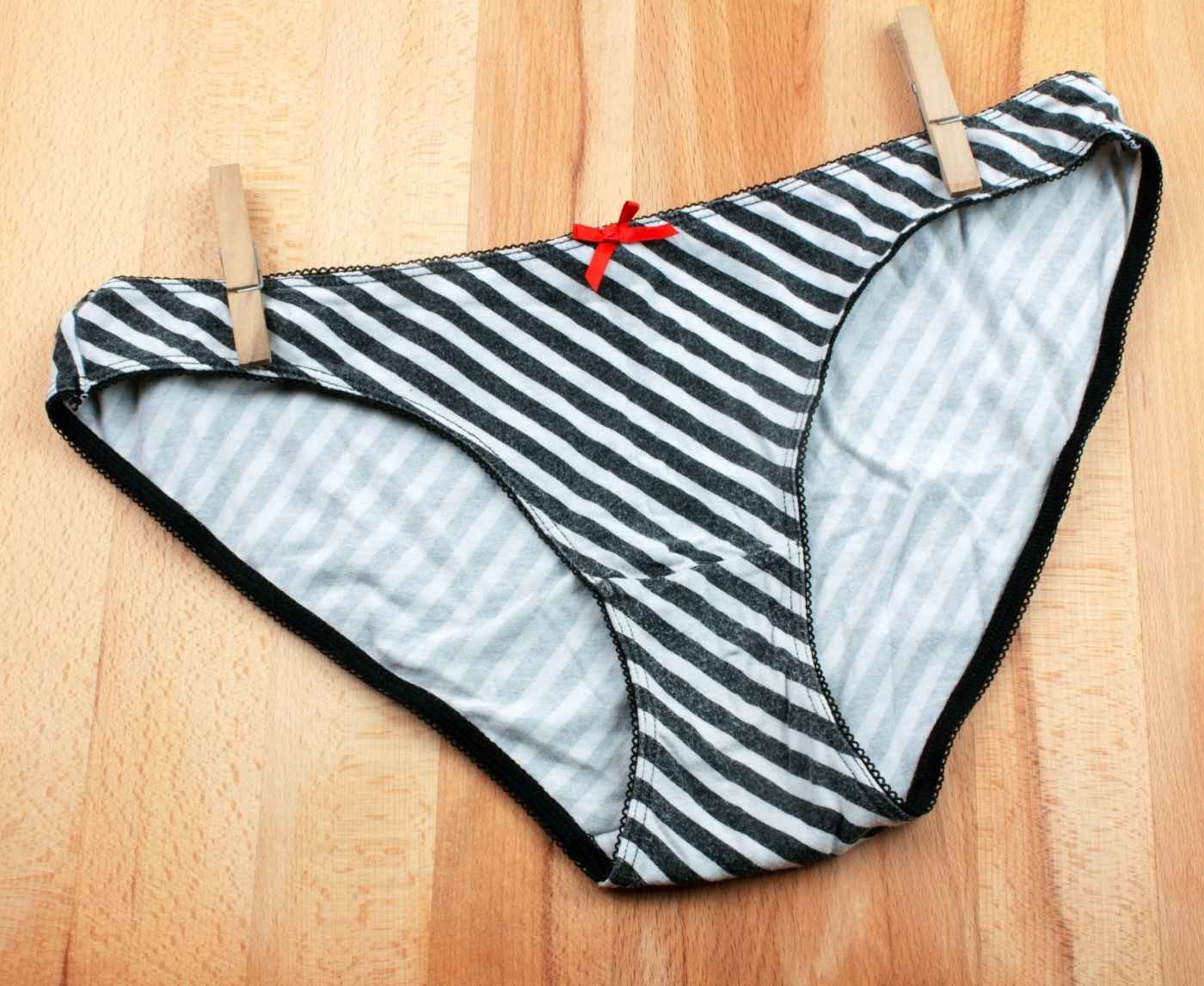



- True bacterial and viral STIs (chlamydia, gonorrhea, syphilis, HIV, herpes) are extremely unlikely to transmit through shared underwear because they die fast outside the body.
- The genuine fabric-borne risks are pubic lice, scabies, molluscum contagiosum, fungal infections, and (occasionally) trichomoniasis on damp cloth.
Published: December 2025 | Last updated: April 2026 | Editorial review and quality control: Martina N.
Borrowing a pair of underwear from a friend, a hookup, or a sibling feels like a small, friendly favor. The internet is happy to tell you it is anything but: that one borrowed thong, the warning goes, can hand you a sexually transmitted infection on a silver platter. The truth sits in between. The classic bacterial and viral STIs, chlamydia, gonorrhea, syphilis, HIV, herpes, are fragile outside the human body and almost never spread through clothing. The real concerns are different organisms entirely: parasites, a poxvirus, fungi, and one stubborn protozoan that can survive on damp fabric long enough to matter.
This article unpacks the actual risk list, the survival timelines that come from CDC and NHS guidance, the laundry temperatures that reliably kill what is on your clothes, and what to test for if a borrowed pair turns into an itchy week.
Can you get an STI from sharing underwear?
The short answer: almost never the ones you fear most. Bacterial and viral STIs like chlamydia, gonorrhea, syphilis, HIV, and herpes need direct mucous-membrane or blood contact and die within minutes to hours on fabric. The realistic risks from shared underwear are pubic lice (survive 1–2 days off-host), scabies mites (up to 2–3 days), molluscum contagiosum virus (hours to days), fungal infections like yeast and jock itch, and rarely trichomoniasis on still-damp cloth. Hot-washing at 122°F (50°C) or hotter plus high-heat drying neutralizes nearly all of them.
Why classic STIs almost never spread through fabric
Bacteria like Neisseria gonorrhoeae (gonorrhea) and Chlamydia trachomatis (chlamydia) need warm, moist mucosal surfaces to survive. Drop them onto cotton or synthetic underwear and they desiccate within minutes. Treponema pallidum, the corkscrew bacterium that causes syphilis, is even more fragile. HIV is famously delicate outside the body: dried bodily fluids on a surface lose detectable infectious virus within hours, and the U.S. Centers for Disease Control and Prevention is explicit that HIV cannot be transmitted through casual contact, including through clothing or shared linens (CDC, How HIV Spreads).
Herpes simplex virus (HSV-1 and HSV-2) follows the same pattern. The virus needs direct skin-to-skin or mucosa-to-mucosa contact. It can theoretically survive briefly on a moist surface, but in practice fabric drying-out neutralizes it long before another person puts the garment on. Public-health agencies do not list shared clothing as a meaningful herpes transmission route.
So when someone says you can catch herpes or chlamydia from a borrowed thong, that claim is not supported by how those organisms behave on fabric. The risk you take when you put on someone else’s underwear is a different list entirely, and it is worth knowing the real one rather than the scary-sounding wrong one.
The infections covered below are sometimes grouped under the “STI” umbrella because sexual contact is one route they spread, but most are better described as sexually associated rather than strictly sexually transmitted. Pubic lice, scabies, molluscum contagiosum, and fungal infections all happily transmit through non-sexual close contact too, which is exactly why fabric is a viable middleman.
The five organisms that can hitch a ride on shared underwear
Five things on the “maybe” list deserve real attention. Each has a different mechanism, a different survival window, and a different treatment path.
1. Pubic lice (Pthirus pubis, “crabs”)
Pubic lice are 1.1–1.8 mm insects that grasp coarse pubic hair and feed on blood. The CDC describes them as ordinarily transmitted by sexual contact and notes that occasionally pubic lice can spread by clothing, bedding, or (very rarely) using a toilet seat that was just used by a person infested with pubic lice (CDC, About Pubic Lice). Adult lice removed from a host die within 1–2 days because they need frequent blood meals. Eggs (nits) attached to a hair shaft can hatch later, but free-floating eggs on fabric do not commonly cause new infestations. Symptoms include intense itching in the genital area, small blue-grey marks where lice have fed, and visible lice or nits at the base of pubic hairs.
2. Scabies mites (Sarcoptes scabiei)
Scabies is caused by a microscopic mite that burrows into the top layer of skin and lays eggs. Standard scabies usually requires prolonged skin-to-skin contact to spread, but the CDC notes that mites can survive 2–3 days off a human host and that bedding, clothing, or towels used by an infested person can transmit it (CDC, About Scabies). Crusted (Norwegian) scabies, a heavier form seen in immunocompromised people, transmits even more easily through fabric because the mite burden is enormous. Classic symptoms are intense itching that worsens at night, thin red burrow tracks, and small bumps in webs of fingers, wrists, waistline, and genital area.
3. Molluscum contagiosum virus
This is a poxvirus that produces small, firm, dome-shaped bumps with a central dimple. It spreads by skin-to-skin contact and by contact with contaminated objects called fomites, including towels, clothing, toys, or pool equipment used by someone with molluscum (CDC, About Molluscum Contagiosum). The bumps can appear on thighs, lower abdomen, genitals, or anywhere else fabric touches affected skin. The lesions typically resolve on their own over months, but they remain contagious until they do.
4. Fungal infections (yeast and dermatophytes)
Yeast (Candida) and dermatophytes that cause jock itch (tinea cruris, often Trichophyton rubrum) thrive in warm, moist environments. They can survive on damp underwear for days and transfer when a new person wears the garment. These are not classified as STIs, but the symptom picture (itching, redness, irritation, sometimes peeling) overlaps enough with sexual-health complaints that people often confuse the two.
5. Trichomoniasis (Trichomonas vaginalis)
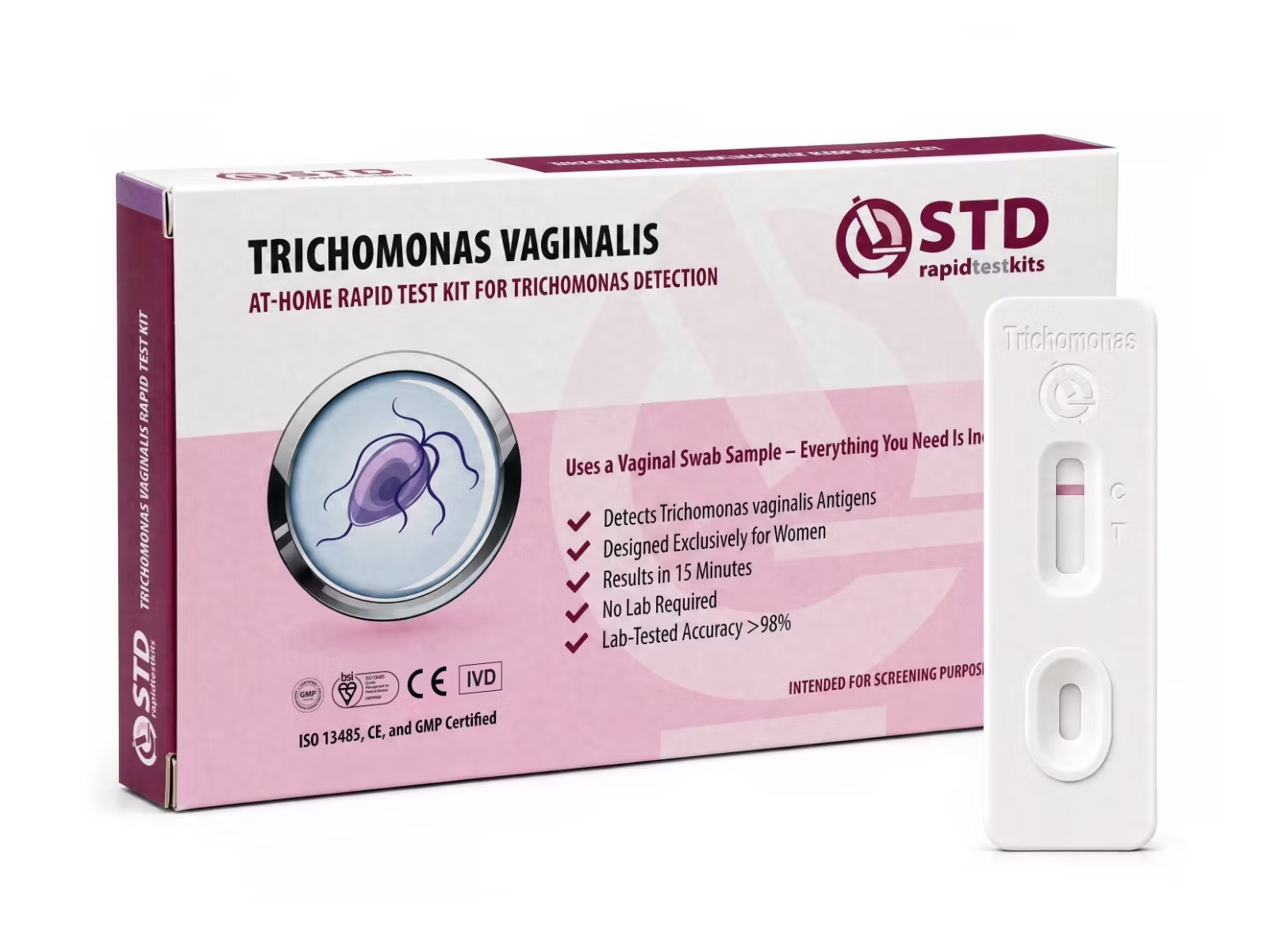
Trichomoniasis is the only true STI on this list with any meaningful fabric-survival window. It is a protozoan that lives in genital secretions and can survive on still-moist surfaces for a short period, though survival depends heavily on moisture and the parasite desiccates quickly once fabric dries. The CDC’s position is that trichomoniasis spreads from a penis to a vagina, vagina to penis, or vagina to vagina during sex, with non-sexual transmission being uncommon (CDC, About Trichomoniasis). Most infected people, especially men, have no symptoms; women may notice frothy discharge, vaginal itching or burning, and discomfort with urination.
A note on the kits linked throughout this article: stdrapidtestkits.com is the publisher and seller of the rapid at-home tests below. Recommendations are based on what fits the topic, not commercial benefit.
How long do these pathogens survive on cloth?
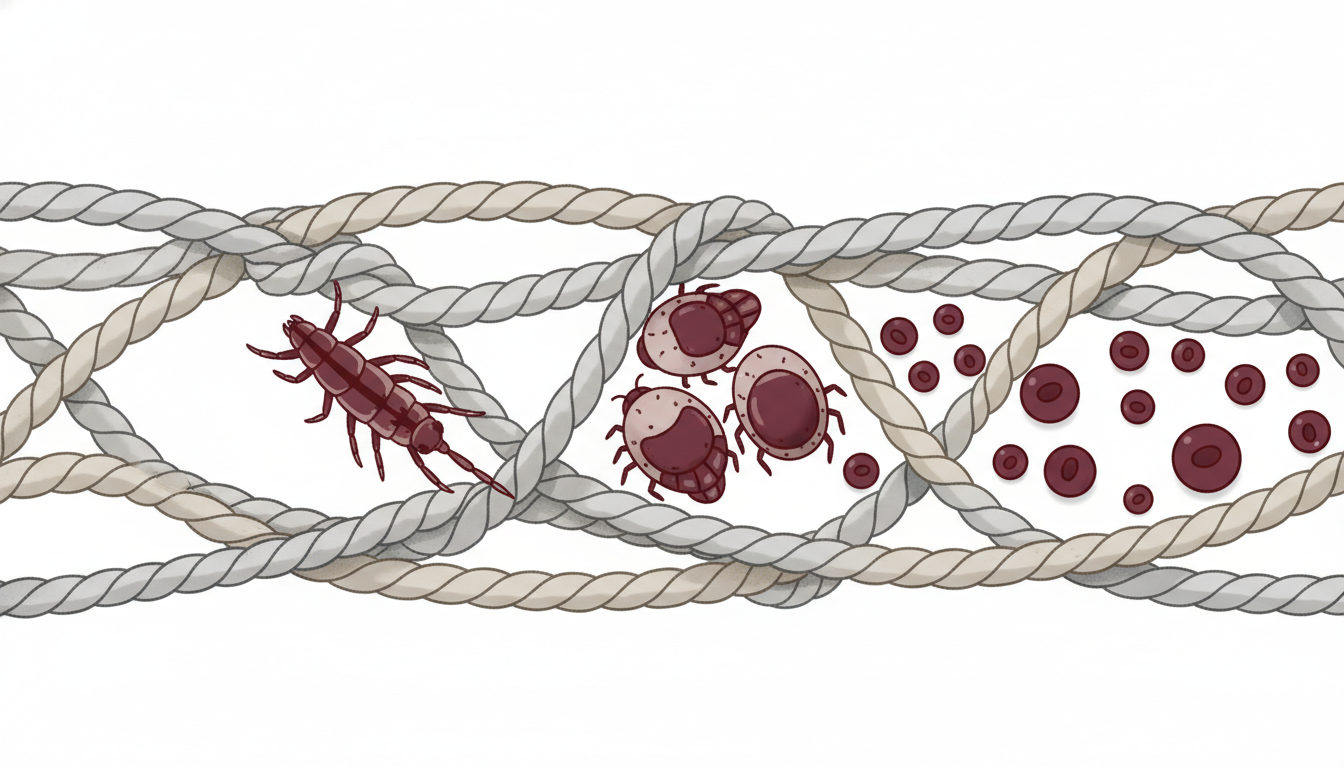
Survival times decide whether borrowed underwear is a real threat or a theoretical one.
| Organism | Survival on fabric off-host | Source |
|---|---|---|
| Pubic lice (adult) | 1–2 days without a blood meal | CDC, NHS |
| Scabies mites | 2–3 days at room temperature | CDC |
| Molluscum contagiosum virus | Hours to several days, longer in warm humid conditions | CDC |
| Trichomonas vaginalis | Short window on still-moist surfaces; desiccates rapidly once dry | Microbiology literature |
| Candida (yeast) | Days on damp cloth, longer in humid storage | Mycology literature |
| Tinea (jock itch) | Days to weeks as fungal spores | Dermatology references |
| Gonorrhea, chlamydia | Minutes once dry; not a meaningful fabric route | CDC |
| HIV, herpes, syphilis | Minutes to a few hours; not transmitted via fabric in practice | CDC |
When this transmission happens in practice
Whether shared underwear transmits anything comes down to moisture and timing. Wet fabric and recently-worn fabric carry far more residual risk than dry, properly laundered cloth, and the real-world cases tend to share a few common features.
Damp fabric, fast turnaround. A wet swimsuit, sweaty workout shorts, or underwear pulled off and immediately handed to someone else is the highest-risk scenario. Moisture keeps fragile organisms viable; rapid re-wear gives them a new host before they desiccate. The trich and fungal risks are concentrated here.
Worn-recently storage. Underwear that has been worn in the last 48–72 hours and tossed into a shared laundry pile or a friend’s drawer can carry live scabies mites or pubic lice. Hot wash plus tumble dry resets the clock; cold wash plus air-dry does not.
Asymptomatic carriers. Many people with molluscum, early scabies, or pubic lice do not realize they are infested. They lend out clothing in good faith. The recipient gets symptoms one to several weeks later (incubation periods vary) and never connects the dots back to the borrowed garment.
For everything else (HIV, gonorrhea, chlamydia, syphilis, herpes), the math is different. Even in the worst case, a fresh secretion deposited on fabric loses infectivity faster than the garment can find a new wearer. The historical case reports of true-STI transmission via fomites are vanishingly rare and almost always involve unique conditions like immediately-shared damp items.
Incubation windows complicate cause-and-effect. Scabies typically takes two to six weeks for first-time infestations to produce itching. Pubic lice symptoms appear within days to a couple of weeks. Molluscum bumps can take up to six months to surface. By the time a borrower notices symptoms, the borrowed garment is long forgotten, which is part of why these transmissions go under-reported in clinical settings.
How to wash underwear so it neutralizes what might be on it
Standard household laundering does the work, but only if the temperature is high enough. The CDC’s official guidance for scabies and pubic lice decontamination is that water temperatures above 50°C (122°F) for at least 10 minutes will kill mites and eggs, paired with a hot tumble-dry cycle (CDC, Preventing Scabies). Items that cannot be washed should be sealed in a plastic bag for at least 72 hours so any mites or lice die without a host.
Practical translation: a normal warm cycle followed by air-drying is not sufficient against parasites. If the underwear was worn by someone with a known infestation, run it on the hottest cycle your fabric tolerates, then put it in a hot dryer for the full cycle. For items that came back from a trip, gym, or someone else’s house, the same protocol is reasonable peace-of-mind insurance.
Wash protocol that works
- Wash water at 50°C (122°F) or hotter to neutralize scabies mites and pubic lice
- Tumble-dry on high heat (CDC guidance: 10 minutes at this temperature kills mites and eggs)
- Items that cannot be hot-washed: seal in a plastic bag for at least 72 hours
- If treating an active infestation, run all bedding, towels, and clothing through the same cycle for the full duration of treatment
What to test for if you are worried
Most of the infections that transmit through shared underwear (lice, scabies, molluscum) do not have at-home test kits. They are diagnosed visually by a clinician or by close inspection of the affected area. If you see itching, tracks, bumps, or visible parasites, a clinic visit is the right call, not a home test.
However, if the underwear-sharing happened with a sexual partner (and especially if there was sexual contact in addition to the swap), the at-home tests that make sense are the ones for the major STIs you might have picked up from that contact directly, not from the fabric. Trichomoniasis is the one fabric-plausible STI we sell a home kit for; the others (chlamydia, gonorrhea, syphilis, HIV, herpes) screen what could have come from the underlying sexual exposure. Testing windows differ: chlamydia and gonorrhea swabs become reliable around 14 days post-exposure; HIV antibody/antigen testing is reliable from about 18–45 days depending on the test type; syphilis blood tests turn positive from roughly 3–6 weeks; herpes antibody seroconversion can take 12 weeks or longer.
Visible bumps, lesions, burrow tracks, or live parasites in pubic hair are not appropriate cases for at-home antibody or swab tests. They need a visual diagnosis and prescription treatment (typically permethrin cream for scabies, permethrin shampoo or pyrethrin lotion for pubic lice, observation or curettage for molluscum). Skip the kit and book a sexual-health clinic or dermatology appointment.

Occasionally pubic lice can spread by clothing, bedding, or (very rarely) using a toilet seat that was just used by a person infested with pubic lice.
Common myths worth retiring
“I can’t get an STI without sex.” Partly true. The major bacterial and viral STIs effectively require sexual contact. But the parasites and poxvirus that piggyback on the “STI” label transmit through close non-sexual contact too, including shared clothing.
“Clean-looking underwear is safe underwear.” No. Lice eggs are 0.5 mm; scabies mites are smaller than a pinpoint; molluscum virus is invisible. Visual cleanliness tells you nothing about microbial cleanliness.
“Only women share underwear.” Men share boxers, gym shorts, swim trunks, and athletic gear constantly, often in locker-room and sports settings where pubic lice and jock itch transmission is well documented.
“If I don’t have symptoms, I’m fine.” Molluscum, scabies, and pubic lice all have incubation windows where the carrier is contagious but asymptomatic. Two to six weeks for scabies in a first-time infestation; days to weeks for lice; up to several months for molluscum bumps to appear.
“A normal warm wash kills everything.” Not reliably. CDC recommends hot water at 50°C (122°F) or higher plus high-heat drying for parasite decontamination; a typical warm cycle runs cooler than that.
Of the myths above, the wash-temperature one carries the highest stakes. A warm cycle alone will not kill scabies mites or pubic lice. You need water at or above 50°C (122°F) for at least 10 minutes plus a hot tumble-dry cycle for full decontamination, especially when treating a known infestation in a household.
Practical scenarios and what to do in each
Sleepover, no clean pair packed
The safer option is to skip underwear under your own clean outer clothing rather than borrow a pair. If you do borrow, ask for one that has been freshly hot-washed, and inspect the cycle settings before using.
Gym or locker-room mix-up
Worn or sweaty workout gear is the highest-risk category for fungal and parasite transmission. Buy an emergency pair from a nearby shop rather than borrowing damp clothing.
New partner offers “a clean pair”
This is the most common scenario behind real cases. Even if the underwear looks and smells clean, you do not know the partner’s recent skin-condition status. Decline gracefully and use your own clothing. If you do wear borrowed underwear, watch for itching, rash, or bumps over the next 2–6 weeks and get evaluated if anything appears.
Shared laundry pile in a household
The risk is low because everyone’s underwear has been through the same wash. The exception is when one household member has a known scabies or pubic lice infestation, in which case all bedding, clothing, and towels need a hot-water wash plus hot-dry decontamination cycle, repeated for the duration of treatment.
Frequently asked questions
- Can I get an STD from trying on underwear at a store?
- The risk is very low. Most retailers require liners on swimwear and intimates, and any pathogen briefly deposited on the fabric desiccates quickly. The realistic risk is fungal or, very rarely, scabies if a previous tryer had an active infestation. Wearing your own underwear underneath when trying on intimates eliminates almost all of it.
- My friend gave me freshly laundered underwear. Should I worry?
- If the wash was hot (about 50°C / 122°F or higher) and the dryer ran on high heat, residual parasite or fungal risk is essentially zero. A cool or warm wash with air-drying is less reliable. When in doubt, run the garment through your own hot cycle before wearing it.
- Can herpes survive on underwear?
- Herpes simplex virus is fragile outside the body and is not considered a meaningful fabric-borne risk by CDC or NHS. Direct skin-to-skin contact during an outbreak (or asymptomatic shedding) is the real transmission route. If you are worried about herpes from a sexual exposure, an HSV antibody blood test becomes reliable from around 12 weeks post-exposure.
- I borrowed a swimsuit bottom. What is the actual risk?
- Wet swimwear is the worst-case scenario for fabric-mediated transmission because moisture keeps fragile organisms alive longer. The risks worth knowing about are yeast or jock itch (most likely), molluscum contagiosum (possible), and trichomoniasis (rarely possible if the swimsuit was worn very recently by an infected person). HIV, syphilis, and herpes are not realistic concerns.
- Can pubic lice spread through shared gym shorts?
- Yes, the CDC explicitly notes that pubic lice can occasionally spread through shared bedding, towels, or clothing, though sexual contact is by far the more common route. Adult lice off a host die within 1–2 days, so the risk window is short.
- Do I need to get tested after sharing underwear?
- If you have no symptoms and no sexual contact happened with the person, the answer is usually no. Watch for itching, rash, bumps, or visible parasites for 2–6 weeks. If you also had sexual contact, then standard at-home STI screening makes sense at the appropriate window for each test (14 days for chlamydia/gonorrhea swabs, 18–45 days for HIV, 12 weeks for herpes antibodies).
- Will a normal home wash kill everything?
- No. A warm cycle is not enough; scabies mites and pubic lice need water above 50°C (122°F) plus a full high-heat dryer run. For items that cannot be washed, sealing them in a plastic bag for 72 hours works equally well, because the parasites die off-host inside that window.
- Can I get HPV or HIV from someone’s underwear?
- No. HPV requires direct skin-to-skin contact, typically genital, and HIV requires direct exposure to specific bodily fluids through mucosa or broken skin. Neither survives meaningfully on fabric, and CDC does not list shared clothing as a transmission route for either.
The bottom line
The myth that a borrowed thong can hand you HIV, gonorrhea, or chlamydia is not supported by how those organisms behave outside the body. The real risks from sharing underwear are smaller, more parasitic, and more boring: lice, mites, a poxvirus, fungi, and the occasional protozoan. Most are uncomfortable rather than dangerous, all are treatable, and a hot wash plus high-heat dry cycle wipes out essentially all of them.
The action plan is simple: do not share underwear casually, especially not damp underwear. If you did and you start to itch, get a visual diagnosis from a clinician for the parasite-shaped concerns. If sexual contact also happened, screen for the major STIs at the appropriate testing windows, ideally with a single multi-test kit so you cover the spread in one sitting.
- U.S. Centers for Disease Control and Prevention. About Pubic Lice. Transmission routes and survival of lice off-host.
- U.S. Centers for Disease Control and Prevention. About Scabies. Mite biology, fomite transmission, and 2–3 day off-host survival.
- U.S. Centers for Disease Control and Prevention. Preventing Scabies. Hot-wash and high-heat dry decontamination protocol.
- U.S. Centers for Disease Control and Prevention. About Molluscum Contagiosum. Skin-to-skin and fomite transmission via towels, clothing, toys, and pool equipment.
- U.S. Centers for Disease Control and Prevention. About Trichomoniasis. Transmission routes for Trichomonas vaginalis.
- U.S. Centers for Disease Control and Prevention. How HIV Spreads. Confirmation that HIV is not transmitted through casual contact, clothing, or shared linens.
- National Health Service (UK). Pubic lice. Symptoms, transmission, and treatment guidance.
- National Health Service (UK). Scabies. Diagnosis, transmission patterns, and laundering recommendations.