Published: August 2025 | Last updated: May 2026 | Editorial review and quality control: Martina N.
The small red bump on your lip showed up overnight. It's tender. It's a little firm. You can't tell if it's a stress pimple, a shaving nick, or the first sign of a cold sore. You stare at the mirror, weighing whether to pop it, leave it alone, or quietly panic.
This is the question that puts millions of people through a quiet anxiety spiral every year, and the honest answer is that early herpes simplex outbreaks often look exactly like pimples for the first day or two. What follows is the calm, practical version of the decision tree: what an early cold sore actually looks like, where it shows up beyond the lip, and what at-home and clinic testing can each tell you when the picture is still mixed.
Can a herpes cold sore really look like a pimple?
Yes. Early HSV-1 outbreaks often start as a single tender red bump 2 to 3 millimeters across, easily mistaken for acne. Three signals usually separate them: tingling or burning hours before the bump appears, a clear fluid-filled blister stage on day 2 or 3, and the same spot recurring every few months or years. If two or three of those match what you're seeing, treat it like a cold sore until proven otherwise.
Key Takeaways
- About 64% of people under 50 worldwide carry HSV-1, the virus behind most cold sores, and most never know it (WHO).
- Tingling or burning hours before a bump appears is the strongest single clue separating an early cold sore from a pimple.
Why a Cold Sore Looks Like a Pimple at First
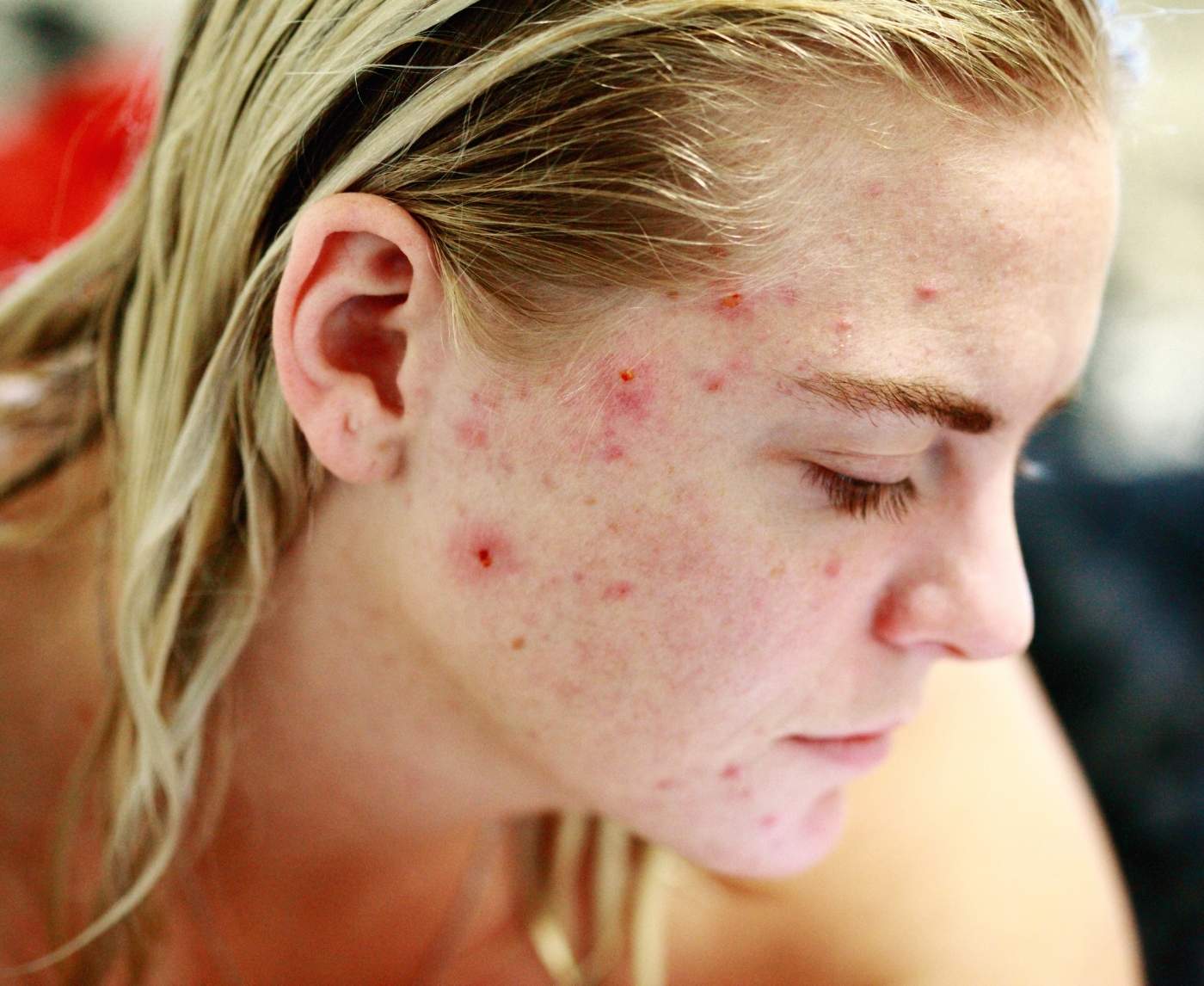
Most public images of cold sores are dramatic. Cracked, oozing, multi-blistered patches on a lip already swollen to twice its normal size. That picture is real, but it is the late stage. The first 12 to 36 hours of an outbreak look almost nothing like that.
What HSV-1 actually does in the early hours is subtle. The virus reactivates from a cluster of nerve cells, travels down the nerve to the skin, and the first thing you notice is a feeling rather than a sight. Tingling. A patch of skin that feels warmer than the rest. Sometimes a sharp itch in a spot you can't quite point to. By the time anything visible appears, it is often a single small red bump no bigger than 2 to 3 millimeters across. It can take another day for the bump to develop the characteristic fluid-filled center that makes cold sores easier to identify.
That early bump is the source of most of the confusion. It looks like a stress pimple. It can show up the day after a sunburn, the day after a stressful week, the day after sleeping poorly, all classic cold sore triggers and also classic acne triggers. People reach for benzoyl peroxide. They squeeze. They cover it with concealer. The cold sore continues its progression underneath, and by day three the answer is clear, but by then the most contagious window is already underway.
The other reason for the confusion is that herpes simplex type 1 is much more common than most people realize. The World Health Organization estimates that about 64% of adults under 50 carry the virus globally. The majority do not have textbook outbreaks; they have mild, infrequent flares they brush off as something else, especially if the very first outbreak in childhood was so mild they do not remember it.
Most people with herpes have no symptoms or only mild symptoms. Many people aren't aware they have the infection and can pass along the virus to others without knowing.
What an Early HSV-1 Outbreak Actually Looks Like
A textbook cold sore moves through five distinct stages over 7 to 10 days. The same lesion looks completely different on day one and day five.
Stage 1, the tingling phase (hours 0 to 24). The prodrome. Tingling, burning, itching, or a feeling of skin tightness in the spot where the sore will appear. No visible bump yet. Most cold sore antivirals work best when started here.
Stage 2, the papule (hours 24 to 48). A red, raised bump appears. This is the stage most easily mistaken for a pimple. It is sore to the touch and may feel firmer than typical surrounding skin, but it does not yet have a fluid-filled center.
Stage 3, the vesicle (days 2 to 4). The bump fills with clear fluid. This is the unmistakable cold sore stage. One blister, or more often a tight cluster of three to five small blisters, sits over a red base. The blisters are thin-walled and pop easily. Pimples do not form fluid-filled vesicles like this.
Stage 4, the ulcer (days 4 to 6). The blister breaks. A shallow, raw open sore is left behind. This stage is the most painful and the most contagious because live virus is right at the surface.
Stage 5, the crust (days 6 to 10). A yellow-brown crust forms over the ulcer and gradually shrinks. The skin underneath usually heals without a scar.
A pimple does not follow this pattern. An acne lesion forms when a pore clogs with sebum and dead skin, then bacteria multiply behind the blockage. The classic acne sequence is a closed comedone, then an inflammatory papule, possibly a pustule with white pus at the surface, then resolution. A pimple does not weep clear fluid, does not crust over in stages, and does not warn you with tingling before it appears.
If you are watching a fresh bump develop, the most useful single observation is whether a clear fluid-filled blister forms by day two or three. That is the closest thing to a cold sore signature you can spot without a test.
Where Cold Sores Show Up: Beyond the Lip Edge
The classic location is the vermillion border, the visible ridge between the lip and the surrounding skin. The corner of the mouth runs a close second, where a cold sore can be mistaken for angular cheilitis or a chapped-lip crack. Most recurrent HSV-1 outbreaks land within a centimeter or two of the lip, but that leaves a meaningful share that show up somewhere else, and that is where most misidentifications happen.
Common surprises:
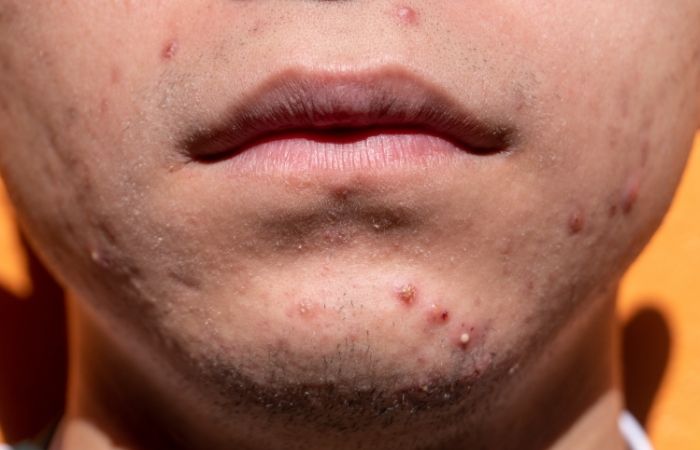
- Chin and jawline. Shaving creates microcuts that open a path for autoinoculation from a previous oral cold sore. A breakout here can look like razor burn, a cluster of small pimples, or a stubborn folliculitis patch that does not respond to standard skincare.
- Inside the mouth. Primary HSV-1 outbreaks (the very first one a person ever has) often hit the inside of the mouth, the gums, the tongue, the inner cheeks, and the roof of the mouth. These are usually mistaken for canker sores. The distinction matters because canker sores are not contagious and herpes lesions are. A clue: canker sores have a single white or grey center with a red ring; oral HSV ulcers tend to be smaller, more numerous, and clustered.
- Nostrils and nose-cheek crease. Tiny blisters can develop just inside the nostril opening or along the crease where the nose meets the cheek. The pain is disproportionate to the size, and the spot will burn or sting before anything visible appears.
- Near the eye (ocular herpes). Uncommon but serious. HSV can infect the cornea or the conjunctiva, causing eye pain, redness, light sensitivity, blurred vision, or a sore on the eyelid that does not heal. Untreated ocular herpes is a leading cause of corneal scarring in adults. Anyone with these signs and a cold sore history should see an ophthalmologist within 24 hours, not wait it out.
- Below the belt. HSV-1 transmits readily during oral-genital contact, and the CDC notes that some cases of genital herpes are caused by HSV-1, often picked up from oral sex. Genital HSV-1 outbreaks tend to be milder than HSV-2 and recur less often, but the visible lesion looks essentially the same as HSV-2 in the moment, a single bump or cluster of blisters that can be mistaken for an ingrown hair, razor bump, or folliculitis.
Knowing the full range of locations prevents an early chin cold sore from being dismissed for two days while it is quietly contagious to a partner or family member.
Eye pain, redness, light sensitivity, blurred vision, or a sore on the eyelid combined with a cold sore history needs same-day care from an ophthalmologist. Ocular herpes can scar the cornea permanently and requires prescription antiviral treatment. Do not wait it out and do not self-treat with leftover oral antiviral pills.
Cold Sore vs Pimple: A Side-by-Side Breakdown
Some clues separate cold sores from pimples reliably. Others do not. The table below ranks the strongest signals from top to bottom. A single signal in isolation is not proof. Two or three matching signals tilt the answer strongly toward HSV-1.
| Signal | Cold Sore (HSV-1) | Pimple (Acne) |
|---|---|---|
| Tingling or burning before bump appears | Common, hours to a day in advance | Rare. Pimples appear without warning |
| Fluid-filled blister stage | Yes, clear fluid by day 2 or 3 | No. Pus stays trapped inside the pore |
| Healing pattern | Blister breaks, weeps, crusts yellow-brown, flakes off | Pops or deflates gradually with no crust unless picked |
| Recurs in the same spot | Yes, often within a few millimeters of the prior outbreak | No. Acne migrates with hormonal cycles and pore clogs |
| Typical location | Lip border, mouth corner, inside mouth, near nose, occasionally genitals | Forehead, chin, cheeks, jawline, oily zones of back and chest |
| Pain quality | Sharp, burning, often disproportionate to size | Sore to touch, throbbing if cystic |
| Common triggers | UV exposure, illness, hormone shifts, stress, sleep loss | Hormonal cycles, occlusive products, stress, sweat |
Why the Same Bump Keeps Coming Back
Once HSV-1 enters the body, the virus travels up a sensory nerve and lodges in a cluster of nerve cells called a ganglion. For oral HSV-1, that is typically the trigeminal ganglion behind the cheekbone. The virus stays there indefinitely, dormant, until something triggers reactivation. This is why cold sores recur in roughly the same skin spot, the virus is traveling back down the same nerve fibers it originally used to reach the surface (Cleveland Clinic).
Common reactivation triggers:
- UV exposure, including a strong sunny day at the beach without lip sunscreen
- Physical illness, especially fever or upper-respiratory infections (the term fever blister is literal)
- Menstrual cycle hormone shifts, usually a few days before a period starts
- Major emotional stress, especially sustained stress over weeks rather than a single bad day
- Sleep deprivation
- Dental work or facial trauma that disturbs the nerve fibers near the ganglion
For most people, recurrences slow down over years. The first outbreak after a primary infection is often the worst; later outbreaks tend to be shorter, milder, and less frequent. Some people have one outbreak per year, others one per decade, and others have a primary infection in childhood and never have a recognizable recurrence as adults.
This recurrence pattern is the strongest lay-clue that a recurring pimple is actually HSV. Pimples do not reactivate from nerve ganglia; the same bump keeps showing up at predictable intervals because nerve fibers are reactivating along the original pathway.
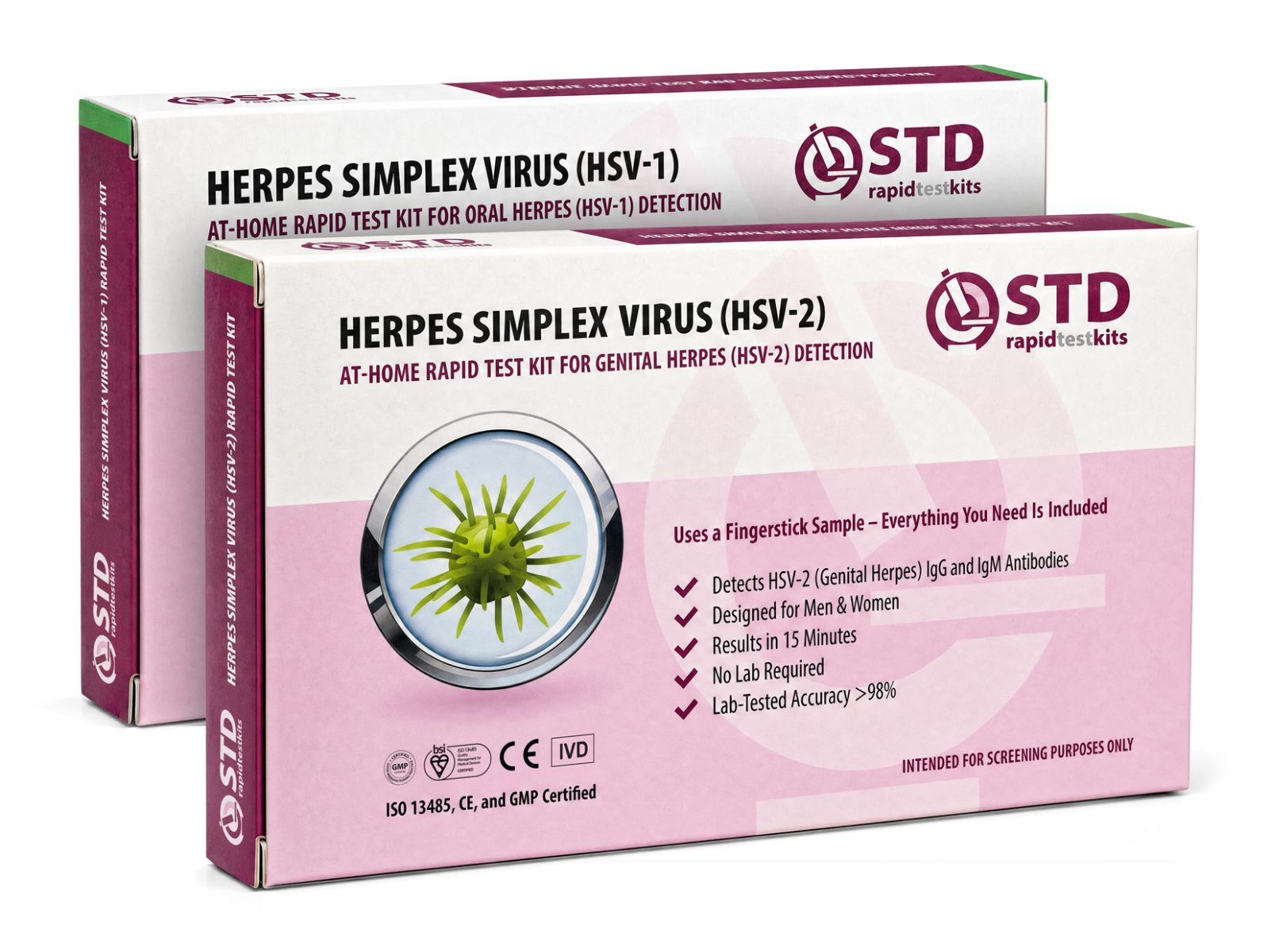
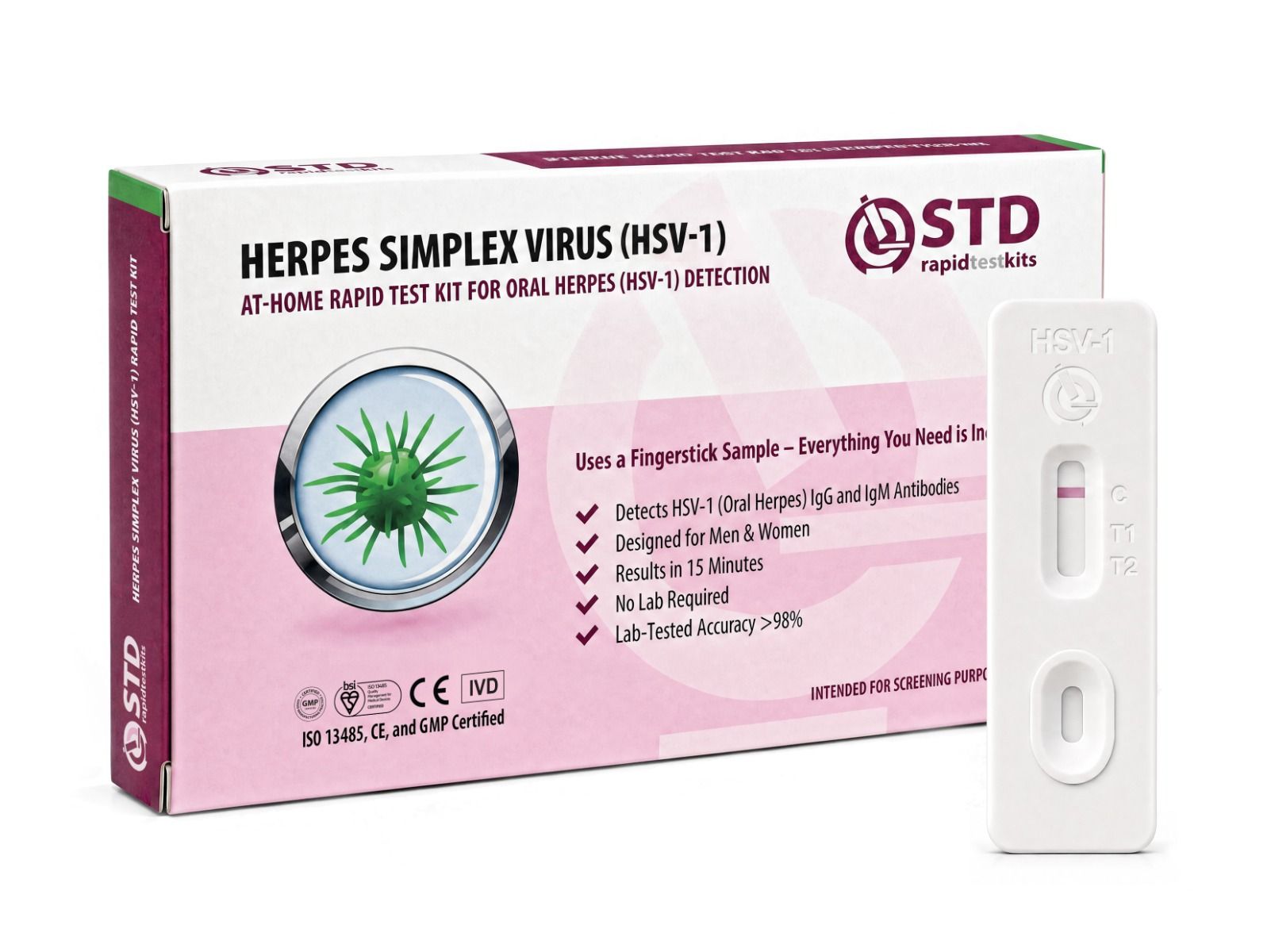
We sell at-home HSV antibody tests, and the kit below is one option for checking your exposure status privately when the recurrence pattern starts to fit.
What Testing Can and Cannot Tell You
There are two different questions a herpes test can answer, and they require different test types.
Question 1: Have I ever been exposed to HSV-1 or HSV-2?
This is what an antibody blood test answers. After a herpes infection, the immune system makes IgG antibodies against the virus, and those antibodies stay detectable for life. A positive HSV-1 IgG result means past exposure to HSV-1, somewhere, sometime, often without symptoms. The catch is timing: it takes the body 6 to 12 weeks (occasionally up to 16 weeks) after exposure to develop enough antibodies to register on a test. Testing too soon gives a false negative. Most clinical guidelines recommend waiting at least 12 weeks from a suspected exposure before testing for IgG antibodies, since the immune system may not yet have produced detectable levels before then.
Our at-home rapid test kits are antibody tests. They use lateral-flow strips with a fingerstick blood sample, and they answer the past-exposure question privately at home. They are useful when someone wants to know their HSV serological status, often before a new sexual relationship, after a worrying exposure event, or after recurring symptoms have been unclear for years.
Question 2: Is this specific bump on my lip right now an active herpes lesion?
This is what a swab PCR or viral culture answers. A clinician swabs the suspicious lesion, best done in the first 48 hours when it is still fluid-filled, and a lab amplifies any viral DNA present. A positive PCR confirms an active outbreak with high specificity. We do not sell a swab test for active lesions; that requires a clinic visit to a primary care office, urgent care, or sexual health clinic.
The two tests are complementary, not interchangeable. If your goal is to know whether you have ever been exposed, a home antibody test answers that. If your goal is to know whether a bump appearing right now is herpes, an in-person swab is the right tool.
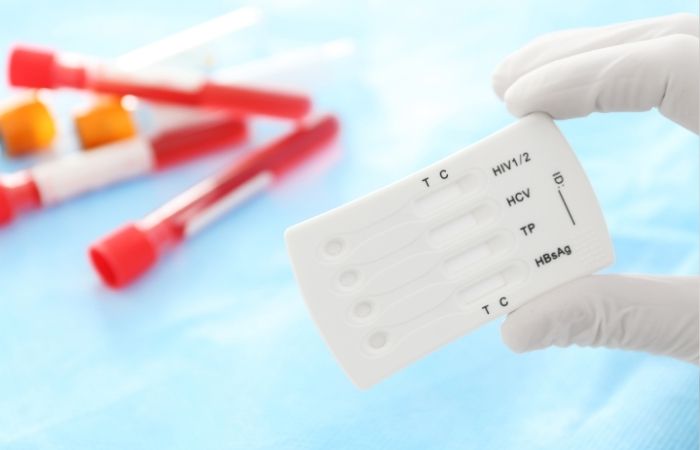
One more nuance: lateral-flow rapid antibody tests are screening tools. They report sensitivity in the mid-90s percentage range (per manufacturer instructions for use) and high specificity when used at the right time. A positive result is worth confirming with a lab type-specific IgG test (commonly called HerpeSelect), which most clinicians can order.
Our at-home HSV antibody test detects systemic seroconversion, meaning IgG antibodies your immune system has built up after past exposure. It does not detect viral DNA in a specific lesion. For a bump appearing right now, the most accurate test is a clinic-administered swab PCR within the first 48 hours of the lesion appearing. Plan accordingly: a home antibody test is the right tool for have I ever been exposed, not for is this bump on my lip today an active outbreak.
When to See a Clinician
Most cold sores resolve on their own within 7 to 10 days without medical care. A handful of situations call for a clinic visit:
- A first-ever outbreak. Prescription antivirals (acyclovir, valacyclovir, famciclovir) work best when started in the first 72 hours, and the medication shortens the outbreak meaningfully.
- Outbreaks more often than six times per year. Daily suppressive antiviral therapy can substantially reduce how often outbreaks recur (per Cleveland Clinic) and lower transmission risk to partners (per CDC).
- Eye involvement. Redness, light sensitivity, eye pain, or vision changes need same-day eye care.
- Outbreaks lasting longer than two weeks, spreading aggressively, or in someone with a weakened immune system. These can need IV antivirals.
- Pregnancy with active genital herpes near delivery. Changes the delivery plan and the medication strategy. This is a real conversation with the obstetrician, not something to wait out.
- A bump you genuinely cannot identify. A clinician can swab it within 48 hours of appearance and answer the question definitively.
Antiviral medications work by interrupting viral replication in nerve and skin cells. They do not cure the underlying infection (the virus stays in the ganglion), but they shorten outbreaks, reduce shedding (which lowers transmission risk), and, taken daily, can substantially reduce how often outbreaks recur. Antiviral creams are available over the counter from a pharmacist; antiviral tablets, which shorten outbreaks more effectively, require a prescription in most countries (NHS).
FAQs
- Can a herpes cold sore really look like a pimple?
- Often, yes, especially in the first 24 hours. The distinguishing steps are timing and evolution: a cold sore announces itself with tingling or burning in that specific spot for several hours before any bump appears, then by day 2 or 3 the bump develops thin-walled blisters filled with clear fluid. Pimples skip both steps. They arrive without warning and produce white or yellow pus trapped inside the pore, never a clear blister.
- How long does a typical cold sore last?
- Seven to ten days from first tingle to the crust falling off. Antiviral medication started in the first 72 hours can shorten this to four to six days.
- Is it OK to pop a cold sore?
- No. Popping a fluid-filled herpes blister releases live virus onto your fingers and any surface they touch, including your eyes if you rub them. It also slows healing and can cause secondary bacterial infection. Treat it with antiviral cream or oral medication and let it run its course.
- How is a cold sore tested?
- Two test types answer different questions. A swab PCR done by a clinician on an active lesion (within 48 hours of the lesion appearing) confirms whether the bump is HSV. A blood antibody test answers whether you have ever been exposed to HSV-1 or HSV-2 in the past, and is most reliable 12 or more weeks after exposure.
- Can I get genital herpes from oral sex?
- Yes. HSV-1 transmits readily from mouth to genitals during oral-genital contact. The CDC notes that some cases of genital herpes are caused by HSV-1, often acquired through oral sex.
- How accurate is a home HSV antibody test?
- Lateral-flow rapid antibody tests typically report sensitivity in the mid-90s percentage range (per manufacturer instructions for use) and high specificity when used at the right time, meaning 12 or more weeks after exposure. A positive result is worth confirming with a lab type-specific IgG test (commonly HerpeSelect), which most clinicians can order. The home test is a screening tool, not a final lab confirmation.
- If I test positive for HSV, am I definitely contagious to my partner?
- HSV transmits most readily during active outbreaks but can also transmit during asymptomatic shedding, when the virus is on the skin without a visible sore. Daily suppressive antivirals reduce transmission risk substantially. Disclosure plus condoms plus suppressive therapy plus avoiding contact during the prodrome and active outbreaks brings transmission risk close to background levels.
- Will my outbreaks ever stop?
- For most people they slow down over years. The first outbreak after a primary infection is usually the most severe; recurrences tend to be milder and less frequent over time. Some people have outbreaks once or twice in their lives; others get them several times a year. Daily suppressive antivirals are an option for anyone with frequent recurrences.
The Bottom Line: It Might Not Be a Pimple
A bump on the lip that tingles before it appears, fills with clear fluid by day two, and crusts over by day five is almost always HSV-1. A bump that arrives without warning, has a whitehead at the surface, and resolves without crusting is almost always acne. When the signals are mixed, the practical question is not whether it is definitely one or the other, it is whether you want to know your HSV exposure status. A home antibody test answers the past-exposure question privately, 12 or more weeks after the event you are worried about. A clinic swab answers the active-outbreak question on a bump appearing right now.
Three reader actions
- If you have a bump right now and want a definitive answer, see a clinician for a swab PCR within 48 hours of the lesion appearing.
- If you want to know your past exposure status, use a home HSV antibody test 12 or more weeks after the relevant exposure.
- If you have eye pain, redness, light sensitivity, or vision changes plus a cold sore history, see an ophthalmologist the same day.
- World Health Organization. Herpes simplex virus fact sheet. Global HSV-1 and HSV-2 prevalence figures and the observation that most people with HSV are unaware of the infection.
- U.S. Centers for Disease Control and Prevention. About Genital Herpes. Diagnosis, transmission routes, asymptomatic shedding, the role of HSV-1 in some genital herpes cases acquired through oral-genital contact, and suppressive antiviral therapy lowering transmission risk to partners.
- NHS. Cold sores. Self-care timeline, OTC and prescription antiviral options, and when to see a clinician.
- Cleveland Clinic. Herpes Simplex Virus. Viral biology, ganglion latency, reactivation triggers, and chronic suppressive antiviral therapy reducing how often outbreaks recur.
