







Quick Answer: Monogamy doesn’t guarantee protection from STDs. Dormant infections, previous exposures, asymptomatic carriers, and mismatched testing histories can all result in transmission, even when both partners are faithful.
The Myth of Monogamous Immunity
Monogamy is often treated like a condom. Something protective. Something absolute. But while being in a committed, exclusive relationship does reduce exposure to new sexual partners, it doesn’t erase risk. In fact, believing it does may increase the chances of going untested, or untreated.
Think of it like this: You wouldn’t assume your house is immune to fire just because you don’t smoke. But that’s exactly the kind of flawed logic people apply to sexual health. If you and your partner are “good,” faithful, and honest, then STD risk should be off the table…right?
Not exactly.
Case Study: “We Waited Until Marriage, and I Still Got Herpes”
Drew, 29, met his wife in college. They dated for four years and decided to wait until marriage to have sex. Two months into their honeymoon, he started noticing painful blisters near his groin. A clinic confirmed it was herpes simplex virus type 2 (HSV-2).
“I was devastated. Not because of the diagnosis itself, but because I didn’t understand how it happened,” Drew shared. “I had never been with anyone else. She had. But she said it had been years.”
That’s the key: some STDs can lie dormant for years, even without symptoms, and still be passed on. Monogamy doesn’t undo the past. It only reflects what’s happening right now. And if one partner had an undiagnosed or untreated STD before the relationship began, it can resurface long after trust has been established.

People are also reading: What Happens After You Tell Your Partner You Have an STD
The Dormancy Factor: STDs That Linger
Here’s where science and reality often collide: many common STDs can be asymptomatic or latent for long periods. That means your partner might not even know they’re carrying something, and neither do you, until it shows up on a test (or during a flare-up).
| STD | Can Be Asymptomatic? | Can Remain Dormant? | Typical Discovery Point |
|---|---|---|---|
| Chlamydia | Yes (esp. in women) | No (but can be undetected) | During routine screening or due to complications |
| Herpes (HSV-1/2) | Yes | Yes | First outbreak or incidental testing |
| HIV | Yes (for years) | Yes (chronic phase) | When symptoms appear or via testing |
| HPV | Yes | Yes (can clear or persist) | Pap smear, warts, or cancer screening |
| Syphilis | Yes (especially in early stages) | Yes (can go latent for decades) | Advanced symptoms or blood testing |
Table 1. Many STDs have latent or asymptomatic phases, meaning they can exist without signs, until it's too late to prevent transmission.
This is why many people in long-term monogamous relationships test positive for something they “shouldn’t” have. It’s not always infidelity. Sometimes, it’s biology.
Testing Timelines Don’t Always Match Up
One of the biggest blind spots in committed relationships is mismatched testing histories. Maybe one partner got tested six months ago. The other, never. Or worse, someone assumes that because both were “clean” when they started dating, there’s no need to test again.
That’s how infections hide in plain sight. Even if someone got tested before the relationship began, they might have been within the window period, the time between exposure and when an infection becomes detectable. Testing too soon can lead to false negatives, especially with HIV, syphilis, or hepatitis B.
| STD | Average Window Period | Retest Recommended? |
|---|---|---|
| Chlamydia | 7–14 days | Yes, after 2 weeks if exposure was recent |
| HIV (Ag/Ab test) | 18–45 days | Yes, repeat at 90 days for confirmation |
| Syphilis | 3–6 weeks | Yes, especially if exposed or symptomatic |
| Herpes | Up to 12 weeks (blood test) | Yes, if initial result is negative but exposure is likely |
Table 2. STD window periods vary widely. If testing occurs too early, results may not detect recent infections.
This is where the idea that monogamy protects you really falls apart. Without synchronized testing, and repeat testing when needed, couples may assume safety where none exists.
The Role of Assumptions, Shame, and Communication Gaps
Monogamy often comes bundled with a set of unspoken assumptions. If we’re committed, we must be safe. If we’re safe, we don’t need to talk about testing. And if someone gets diagnosed with an STD, well, they must have cheated. Right?
Wrong. These assumptions can erode relationships from the inside out, not because someone was unfaithful, but because the couple never made space for honest conversations about sexual health history. Testing becomes taboo. Questions about past partners feel like accusations. And when symptoms appear, they’re met with shame rather than support.
One woman in her early 40s described the aftermath of testing positive for HPV during a routine Pap smear: “My husband thought I was accusing him of cheating when I told him. But I hadn’t been with anyone else in over a decade. Neither had he. We were both just... clueless about how long HPV can hide.”
This is more common than you’d think. According to CDC guidance, most sexually active adults will contract HPV at some point, often without knowing. It can lie dormant for years and still show up on a test later. That doesn’t mean someone cheated. It means most of us have been taught to fear the conversation more than the infection itself.
Check Your STD Status in Minutes
Test at Home with Remedium6-in-1 STD Rapid Test Kit

 For Men & Women
 Results in Minutes
 No Lab Needed
 Private & Discreet
Order Now $119.00 $294.00
For all 6 tests
The STI You Can Catch Without Having Sex
Another overlooked factor in monogamous relationships? Not all STDs require “sex” the way we think of it. Skin-to-skin transmission (like with herpes or HPV) or sharing toys without proper cleaning can be enough. Oral sex can transmit gonorrhea, syphilis, and chlamydia, even if no vaginal or anal penetration occurred.
Let’s say your partner had a one-time hookup two years before you met, just oral, nothing “serious.” They never had symptoms, never tested, and assumed they were fine. That exposure can still be relevant today. It doesn’t mean they lied. It means they were never given the right tools to understand risk in the first place.
Monogamy is a behavior. Infection is a timeline. Those two things don’t always align.
False Positives, Old Infections, and Other Relationship Time Bombs
When someone tests positive for an STD in a relationship, panic sets in. But not every result means a new transmission. Some people test positive due to:
- A past, untreated infection that’s only now being detected (like syphilis, which can linger undetected for years).
- A previously cleared infection that still leaves antibody traces, such as herpes or hepatitis B.
- Cross-reactivity in older or less specific tests.
That’s why it’s important not to jump to conclusions. One man described learning he had HSV-1 after donating blood. “I thought it meant I had cheated on my wife,” he said. “But then I learned I probably caught it as a kid from a relative with a cold sore.”
Understanding how these viruses behave, what tests actually detect, and how results should be interpreted, can save relationships from unnecessary rupture. But you can’t access that knowledge if testing never happens.
The Risk of Not Testing: Emotional vs Medical Consequences
When monogamous couples skip testing, they’re not just risking transmission, they’re risking trust. If someone ends up symptomatic or diagnosed unexpectedly, the fallout can be devastating. Not because of betrayal, but because the couple never had the vocabulary or habit of talking about sexual health openly.
Testing isn’t about doubting your partner. It’s about protecting your relationship. It’s saying: “I care enough about us to check in with reality, not just assumptions.”
Even with zero new partners, experts recommend routine STD screening at least once a year, especially for sexually active adults under 45. And yes, that includes married people. Especially those who haven’t tested since entering the relationship.
If your last test was years ago, it’s not just overdue, it may be incomplete. Consider this your permission slip to normalize it.

People are also reading: What to Do If You Test Positive with an At-Home STD Kit
So What Should Couples Actually Do?
Start with a conversation, not an accusation. Instead of “I want you to get tested,” try: “I realized I haven’t tested in a while and want to do it together.” Make it about mutual care, not suspicion. You can even schedule tests together, many clinics now offer couples screening or telehealth options that allow for privacy and discretion.
At-home testing has also changed the game. You can order a discreet combo kit and test without leaving your home. This removes the awkwardness of clinics and helps make STD testing a routine part of partnership hygiene, like dentist visits or eye exams.
If something does come up? Talk. Learn. Treat. Most STDs are manageable with antibiotics or antiviral medication. The real damage comes from silence, not the diagnosis itself.
When to Test, What to Choose, and Why Timing Still Matters
If you’re in a committed relationship and haven’t tested since the beginning, or ever, it’s not too late. In fact, it’s one of the most protective things you can do for your relationship. But timing matters.
Say you and your partner recently became exclusive, but had unprotected sex in the early weeks of dating. Those exposures still count. The average person has a 1–2 week delay before common STDs become detectable. Testing too early may yield a false sense of security, and monogamy might mask the risk.
For those in longer-term relationships, testing once per year is a good baseline, especially if symptoms develop, a past infection resurfaces, or either partner has a history of previous STDs. Many clinics follow the “test and treat” model: if one person tests positive, both are treated, even if asymptomatic.
If you want privacy and speed, home kits have become just as accurate for many infections as traditional clinics. A test like the Combo STD Home Test Kit covers multiple infections with one finger-prick or swab, and can provide peace of mind in under 20 minutes.
Even if your last test was negative, re-testing after potential exposure or new symptoms is still advised. Don't let monogamy delay your peace of mind.
Story: “We Got Tested Together, And It Saved Us”
Sasha and Evan, together for five years, had never gotten tested as a couple. Sasha developed pelvic pain that wouldn’t go away. Her doctor suggested a full panel of STD tests. She hesitated, unsure how to bring it up with Evan.
“I felt like asking meant I didn’t trust him. But the pain was real. I decided to be honest,” Sasha said.
They ordered an at-home kit. Sasha tested positive for chlamydia. Evan did too. It had likely been in his system from a college hookup years earlier, never causing symptoms. With treatment, both recovered, and more importantly, so did their relationship.
“That test saved us,” Evan admitted. “Not just medically, but emotionally. It forced us to talk. And to learn. We’re stronger now.”
Testing is more than a health decision. It's a trust exercise, a growth opportunity, and a reality check. You don’t have to be reckless to be at risk. And you don’t have to be ashamed to get tested.
Check Your STD Status in Minutes
Test at Home with Remedium8-in-1 STD Test Kit
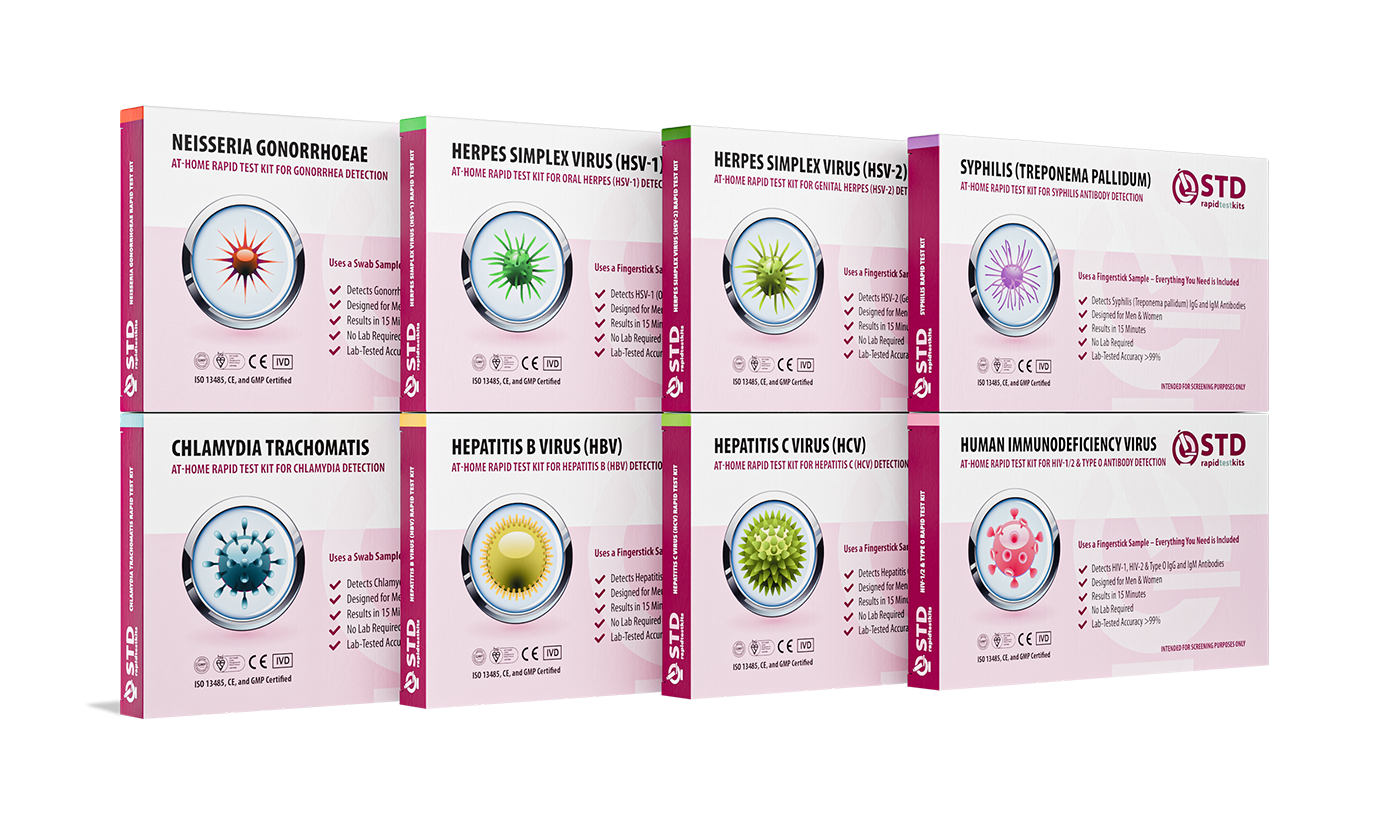 For Men & WomenResults in MinutesNo Lab NeededPrivate & Discreet
Order Now $149.00 $392.00
For all 8 tests
How to Start the Conversation Without Creating Conflict
If the idea of asking your partner to test makes your stomach drop, you’re not alone. But there’s a difference between secrecy and discretion. Framing matters. Try something like:
“I came across this article about how STDs can show up even in monogamous relationships. It got me thinking. Would you be open to us testing together?”
Or: “I want to make sure we’re both healthy, not because I don’t trust you, but because I love you enough to be proactive.”
You don’t need drama. You need data. And you don’t need perfect trust to take a smart step together. Many people report that mutual testing actually improves intimacy, because it introduces a level of transparency most couples never practice.
And if your partner resists? That’s data too. Resistance to health-based decisions often masks discomfort, shame, or misinformation. It’s worth exploring, without judgment.
FAQs
1. Can you really get an STD if neither of you cheated?
Yep. That’s the part no one tells you. A past hookup, years-old infection, or even something picked up without symptoms can show up way later, like a ghost from the sexual past. Monogamy doesn't rewrite history. It just stops new exposures... assuming both people test clean and stay that way.
2. We got tested when we first got together. Isn’t that enough?
Not always. If you tested too soon after your last partner, your results may have missed something. And if either of you had an infection that went dormant or never showed symptoms, it could still be lurking. One-and-done testing works for fairy tales, not real bodies.
3. How long can an STD hang around without you knowing?
Longer than you’d think. Herpes and HPV can live in your system for years without making a sound. HIV might take months or more before symptoms show, if they ever do. That’s why people say “I never felt anything”, because sometimes, you just don’t.
4. Is it cheating if my partner tests positive?
Maybe. But also? Maybe not. Lots of people carry infections they got long before the relationship started and didn’t know. We’ve seen couples nearly break up over a diagnosis... only to realize it was a ghost from college, not a sign of infidelity. Breathe first. Ask second. Don’t assume the worst.
5. What’s the point of testing if we’ve only been with each other?
The point is clarity. If you’ve both only been with each other and you both tested after the window period, you’re likely good. But if either of those things isn’t true, or if you’re relying on vibes instead of verified info, testing is just smart relationship hygiene. Like brushing your teeth, but for your genitals.
6. How do I even bring this up without sounding accusatory?
Try: “I saw this article that made me realize we’ve never actually tested together. Want to knock it out and get peace of mind?” Make it mutual. Make it caring. Testing isn’t a gotcha, it's a wellness check.
7. What if I test positive and I genuinely didn’t cheat?
Then you have a story to tell, and it’s probably more common than you think. Many people carry STDs from before their current relationship. Own it with honesty. “I just found this out. I didn’t know. But I want us both to be okay.” That’s what love sounds like, even when it’s scary.
8. Do I need to go to a clinic, or is home testing legit?
Home testing is the real deal now. Especially for infections like chlamydia, gonorrhea, and HIV. Just make sure you use a reputable provider (like us), and that you follow instructions. It’s discreet, accurate, and doesn’t require making small talk with a nurse about your sex life, unless you want to.
9. We’ve been married for ten years. Why test now?
Because bodies change, and life happens. Maybe you had a flare-up you didn’t recognize. Maybe you’re planning for pregnancy. Or maybe you just want to be thorough. Whatever your reason, it’s valid. Monogamy doesn’t cancel biology.
10. What if I’m scared of what I might find out?
Then you’re human. Fear is part of care. But not knowing doesn’t make the risk go away, it just keeps you in limbo. Testing gives you a flashlight in the dark. And no matter what the result says, you’ll know how to move forward. That’s power.
You Deserve Answers, Not Assumptions
If you’re in a monogamous relationship, testing might feel unnecessary, or even accusatory. But the truth is, it’s one of the most loving things you can do. It respects the fact that biology doesn't always follow the rules of relationships. And it puts care ahead of fear.
Don’t let silence speak louder than safety. This at-home combo test kit makes it easy to get answers without clinic visits, awkward conversations, or second-guessing. You deserve peace of mind, and so does your partner.
How We Sourced This Article: We combined current guidance from leading medical organizations with peer-reviewed research and lived-experience reporting to make this guide practical, compassionate, and accurate.
Sources
1. CDC – Genital HPV Infection Fact Sheet
2. CDC – STD Screening Recommendations
4. How to Prevent STIs | Centers for Disease Control and Prevention (CDC)
5. About STI Risk and Oral Sex | CDC
6. Re‑examining the effectiveness of monogamy as an STI‑preventive strategy | PubMed
7. STI Screening Recommendations | CDC
8. Sexually Transmitted Infection Risk Reduction Strategies | PubMed Central
9. Current Sexually Transmitted Infection Trends | Mayo Clinic Health System
10. Guide to Taking a Sexual History | CDC
11. Sexually Transmitted Infection (STI) Tests | MedlinePlus
About the Author
Dr. F. David, MD is a board-certified infectious disease specialist focused on STI prevention, diagnosis, and treatment. He blends clinical precision with a no-nonsense, sex-positive approach and is committed to expanding access for readers in both urban and off-grid settings.
Reviewed by: Kendra L. Morris, MPH | Last medically reviewed: January 2026
This article is only for information and should not be used as medical advice.


