






Quick Answer: STD testing timelines vary by infection, but most are accurate at 2–3 weeks post-exposure. Testing earlier may lead to false negatives. Retesting after treatment is often recommended at 3 weeks to 3 months depending on the STD.
Who This Guide Is For (And Why It Matters)
This guide is for anyone who’s caught between fear and confusion. You might be in a new relationship and want to start fresh. Maybe you're dealing with a recent hookup and unsure what to do next. Maybe you’ve just finished treatment and don’t know when to retest. Maybe you’re in a situationship where protection was optional, and now you’re spiraling. You deserve real answers without shame.
We wrote this for people who can’t easily walk into a clinic. For folks in small towns or tight-knit communities where privacy matters. For readers who had a one-time thing, a spring break fling, or a night they’d rather not explain to anyone in person. We see you. This is care, not confession. And this guide will help you navigate every testing window with clarity, whether you're worried about chlamydia, gonorrhea, syphilis, herpes, HIV, or others.
Here’s what we’ll cover: what actually counts as an STD test, how incubation and window periods affect accuracy, what to expect if you test too early, how retesting works after treatment, and what to do if your results come back positive.
What Actually Counts as an STD Test?
Not all STD tests are created equal. And not every swab, blood draw, or urine sample looks for the same thing. The most common and reliable tests for bacterial STDs like chlamydia and gonorrhea use NAAT (nucleic acid amplification) technology. These detect DNA from the bacteria itself, not just antibodies. That means they’re excellent at picking up infections even if you don’t have symptoms.
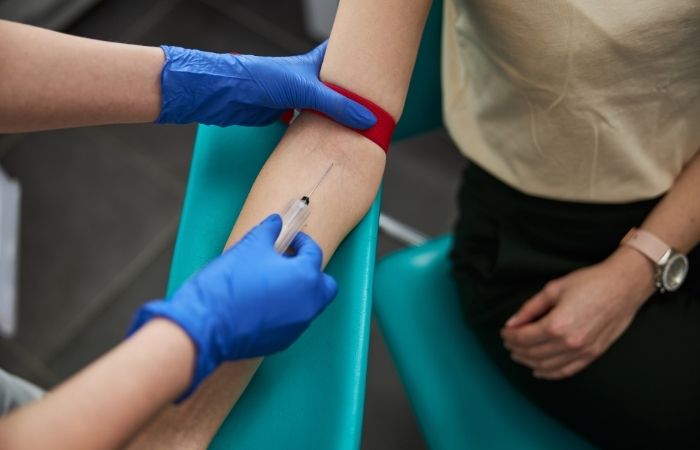
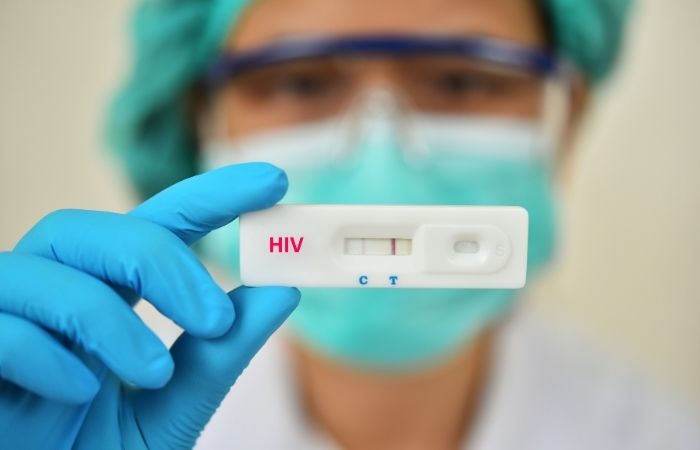
Antibody or antigen tests that use blood are used to find infections like HIV, syphilis, and hepatitis B or C. Some of these tests look for antibodies, which are part of the body's immune system and can take time to develop. Some tests, like HIV combo tests, also look for the p24 antigen, which shows up earlier in the infection. This is why timing is so important.
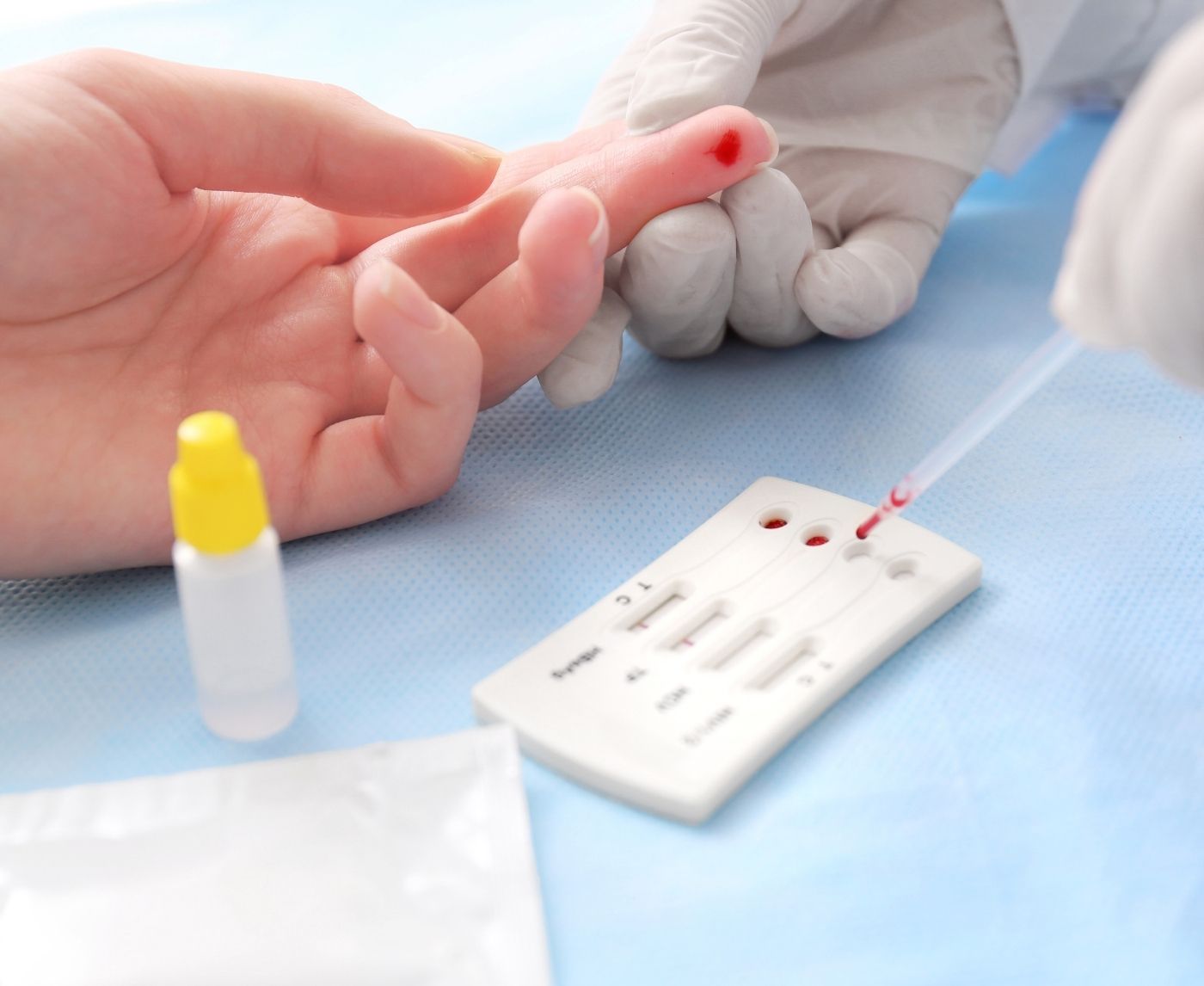
At-home testing options generally fall into three categories: instant rapid tests, mail-in lab kits, and in-person lab or clinic testing. You can get results from instant tests in 10 to 20 minutes with a finger prick or a swab, but they might not catch infections that are still in their early stages. Mail-in kits offer lab-grade accuracy but still depend on when you collect your sample. Clinics provide the widest range of test types but may be intimidating or logistically difficult to access.
You can order a discreet kit from STD Rapid Test Kits and have it delivered in plain packaging. Whether you go in-person or test from home, the science behind the test matters, but the timing of when you take it might matter even more.
People are also reading: From Testicles to Testosterone: How STDs Can Mess With Your Hormones
Window Periods vs. Incubation: What You Need to Know
This is where most people get tripped up. The incubation period is the time from exposure to when symptoms might appear, if they appear at all. The window period is how long it takes after exposure before a test can reliably detect the infection. These are not the same thing. Some infections show symptoms quickly but take longer to show up on a test. Others are silent for weeks and can still be detected early if you're using the right method.
Take this scene: Jess had unprotected sex at a music festival. She felt off two days later, maybe a mild itch, maybe just anxiety. She used a rapid test on day three, got a negative, and moved on. Two weeks later, her discharge changed and she retested. This time it came back positive for gonorrhea. That first test wasn’t wrong, it was just too soon.
Here’s a breakdown of common STDs and their estimated detection windows:
| STD | Common Test Type | Sample | Window Period | Retesting Needed? |
|---|---|---|---|---|
| Chlamydia | NAAT (PCR) | Urine or swab | 7–14 days | Yes, if early exposure or post-treatment |
| Gonorrhea | NAAT (PCR) | Urine or swab | 7–14 days | Yes |
| Syphilis | Blood antibody | Blood | 3–6 weeks | Yes |
| Herpes (HSV-2) | Blood antibody / lesion swab | Swab or blood | 2–12 weeks (blood) | Often |
| HIV | Ag/Ab combo or NAAT | Blood or oral fluid | 2–6 weeks (combo), 10–33 days (NAAT) | Yes, if early exposure or risk persists |
| Trichomoniasis | NAAT / antigen | Swab or urine | 5–28 days | Yes, if untreated or symptoms persist |
Table 1: Approximate window periods and retest guidance by STD type. Always consult your test instructions or provider for confirmation.
This isn’t about scaring you into waiting. It’s about helping you test at the moment when the result actually means something. If you're too early, a false negative might lull you into thinking you're clear. That’s not fair to you, or to partners you care about.
Check Your STD Status in Minutes
Test at Home with Remedium8-in-1 STD Test Kit
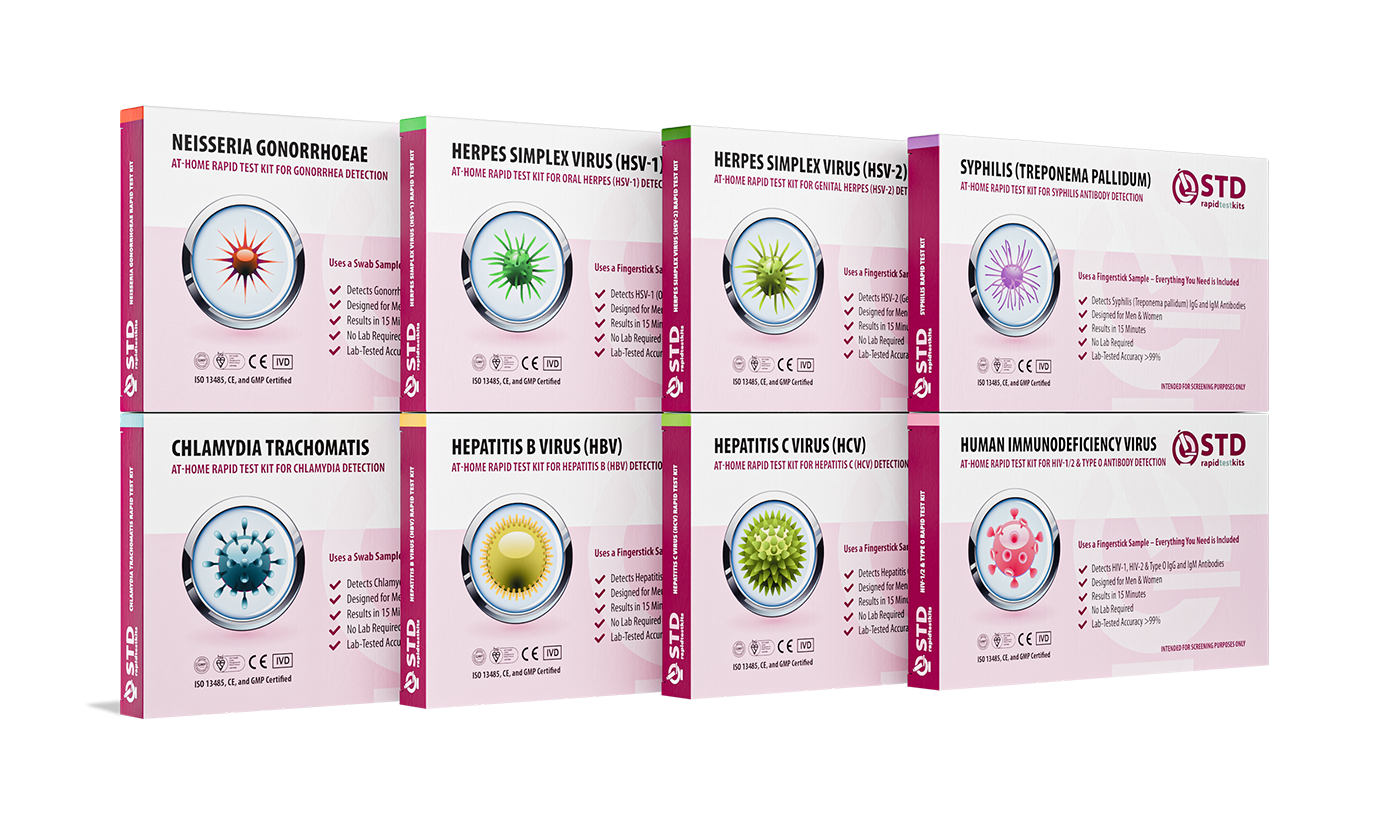
 For Men & Women
 Results in Minutes
 No Lab Needed
 Private & Discreet
Order Now $149.00 $392.00
For all 8 tests
When to Test After Exposure: What the Timing Really Means
Imagine this: someone you hooked up with last weekend just texted you saying they tested positive for chlamydia. Your stomach drops. You want to test right now. That urgency is real, and it’s valid. But here’s the problem: if you test within the first few days after that exposure, your body might not have enough of the infection present to be picked up by even the most sensitive tests.
If it’s been less than 5 days since the exposure, testing now might offer emotional relief, but a negative doesn’t necessarily mean you’re clear. Most experts recommend testing at 7 to 14 days for bacterial STDs like gonorrhea and chlamydia. For syphilis, HIV, and herpes, waiting longer may be necessary to ensure accuracy.
Let’s walk through a decision path using narrative, not a clinical flowchart. Say it’s been 3 days, your anxiety is through the roof. You take an at-home rapid test for HIV and it’s negative. Good, but not conclusive. You mark your calendar to retest in 3 weeks using a mail-in combo test. That second test is the one that gives you real peace of mind, not just temporary comfort. And if you feel symptoms before then, burning, sores, discharge, don’t wait. Seek care immediately.
Some clinics will test you early anyway and then schedule a follow-up. Others may advise you to wait, especially for antibody-based tests. But the takeaway here is: no matter when you test, timing shapes the value of the result. A test isn’t a magic “yes or no” button, it’s a snapshot. The further from exposure you are (within reason), the clearer that snapshot becomes.
Retesting After Treatment or Exposure: Why One Test Isn't Always Enough
Here’s a truth many people don’t hear until they’ve lived it: testing negative doesn’t always mean you’re out of the woods. And testing positive doesn’t mean you’re stuck forever. Let’s unpack this.
If you’ve been treated for something like chlamydia or gonorrhea, you might be tempted to retest right away, just to check. But doing so too early can pick up dead bacterial remnants and trigger a false positive. Most health organizations say to wait 3 to 4 weeks after treatment before getting tested again, unless your symptoms don't go away or you get re-exposed through an untreated partner.
Consider this moment: David had a routine STI panel done after starting PrEP. He tested positive for gonorrhea, took antibiotics, and felt better within a few days. He tested again a week later using a rapid kit and panicked when it was still positive. A follow-up lab test three weeks later confirmed it had cleared. That early retest? It caused unnecessary fear.
On the flip side, some infections, especially viral ones like herpes or HIV, may not show up clearly the first time, even if exposure happened. That’s where scheduled retesting matters. For high-risk exposures, a repeat test 6 to 12 weeks later is not only smart, it’s often necessary.
Below is a table summarizing standard retesting intervals after treatment or initial exposure:
| STD | After Treatment Retest | Post-Exposure Retest | Notes |
|---|---|---|---|
| Chlamydia | 3–4 weeks | 14–21 days | Earlier if re-exposed |
| Gonorrhea | 2–3 weeks | 14–21 days | Especially if symptoms continue |
| Syphilis | 6–12 weeks | 6–12 weeks | Follow-up titers recommended |
| HIV | N/A (no "cure") | 3–6 weeks; confirm at 12 weeks | Retest critical for early infections |
| Herpes | N/A | 4–12 weeks (blood) | Swab during symptoms |
Table 2: Suggested retesting windows after treatment or risky exposure. Always follow up with a provider if you’re unsure.
Here’s the bottom line: one test is often just the start. Especially if you’ve been exposed again, didn’t wait the full window, or are still feeling symptoms. You’re not being paranoid, you’re being proactive.
If your head keeps spinning, peace of mind is one test away. This at-home combo test kit checks for the most common STDs discreetly and quickly.
People are also reading: Is That Burning Normal? Gonorrhea Symptoms Guys Often Miss
Privacy, Shipping, and What Discreet Really Looks Like
Let’s be honest, no one wants to broadcast their sex life to a pharmacist, receptionist, or lab tech if they don’t have to. That’s why at-home testing has exploded in popularity, especially among queer, trans, and nonbinary folks, people in tight-knit communities, and anyone dealing with stigma or limited access to care.
When you order from reputable sources, like STD Rapid Test Kits, packaging is plain. No logos. No labels screaming “STD test inside.” Just a normal-looking box that blends in with your online shopping. You collect your sample in privacy, and depending on the kit type, either get results at home or mail it to a lab with a prepaid return envelope.
Shipping generally takes 2–4 business days, but it’s wise to order early if you’re traveling or live somewhere remote. Don’t wait until the night before a trip or the day after a scare. Having a kit on hand when you need it can mean everything. Some providers also offer express shipping or weekend delivery, but not all, so check the details before you order.
Your results are confidential. They don’t go on your insurance unless you use a reimbursed lab. They don’t show up on your pharmacy record. And you choose when, how, and whether to share them, with your partner, your doctor, or no one at all.
Check Your STD Status in Minutes
Test at Home with Remedium7-in-1 STD Test Kit
 For Men & WomenResults in MinutesNo Lab NeededPrivate & Discreet
Order Now $129.00 $343.00
For all 7 tests
What If You Test Positive? From Panic to Plan
Let’s be real: seeing a positive test result can hit like a punch to the chest. Whether it’s a rapid test blinking a faint line or a lab email with “detected” next to gonorrhea, the first feeling is often fear. Fear of what it means. Fear of what comes next. Fear of what people will think. But here’s the part too many people never hear, you are not dirty, broken, or doomed. You’re just...human. And STDs are human too.
Take Ashley, 27, who tested positive for chlamydia after ordering a combo kit “just in case” following a partner change. She stared at the result, convinced it was the end of something, her relationship, her health, her sense of control. But after confirming the result with a clinic and starting a round of antibiotics, she realized it was actually the beginning. The beginning of more honest conversations. The beginning of finally understanding what testing timelines really mean.
What should you do now? First, check your result. If you took a rapid test at home, you should get a mail-in or lab-based test afterward, especially for blood-borne infections like HIV or syphilis. After that, do exactly what the doctor says to do. If you're given antibiotics, complete the full course, even if symptoms go away fast. If it's a viral infection, ask your provider about long-term management and what retesting looks like.
Tell your partner(s), even if it's awkward. There are anonymous notification tools, provider-assisted methods, and even simple scripts that can help. Your goal isn’t to place blame; it’s to protect everyone involved, including yourself.
Most STDs are curable. The ones that aren’t are manageable. What matters more than the diagnosis is what you do with it. And what you do next can shape your health for years to come.
You deserve answers. You deserve care. And you deserve to move forward without shame.
FAQs
1. How soon can I get tested after a risky hookup?
If it’s been less than 5 days, most tests won’t catch much, except your anxiety. For chlamydia and gonorrhea, aim for the 7 to 14-day mark. If you're thinking about HIV or syphilis, give it 3 to 6 weeks. Not because you should wait to care, but because that's when the test can actually catch what you're checking for.
2. What if I test too early, am I in the clear?
Early negatives are like checking your fridge before the leftovers cool, you might not see the truth yet. Retest later. False negatives are real, especially within the first week or two after exposure. Think of the first test as a snapshot. Sometimes you need the full photo album.
3. Do I need to test again after antibiotics?
Yes, especially for chlamydia or gonorrhea. Even if your symptoms vanish, you’ll want to retest in about 3 to 4 weeks to make sure everything’s cleared, and that you didn’t get re-exposed by a partner who didn’t treat too. Pro-tip: finish the meds before you panic about retesting.
4. My test was negative but I still have symptoms, what’s going on?
Welcome to the gray zone. You could’ve tested too early. Or maybe it’s something non-STD like BV, a yeast infection, or a UTI pretending to be something else. You’re not imagining it, and you’re not being dramatic. If symptoms stick around, test again and talk to a provider.
5. Can I get tested at home without anyone knowing?
Absolutely. At-home STD tests arrive in discreet packaging, think boring Amazon box, not a neon “STD INSIDE” label. No pharmacy lines. No awkward eye contact. You take the sample yourself and either get instant results or send it to a lab, depending on the kit. Your secret’s safe.
6. I hooked up again before retesting, now what?
That restarts your timeline. Each new exposure is like pressing “reset” on your test clock. You’ll need to wait the appropriate window period again before your next test tells you anything real. It’s annoying, but it’s also just biology doing its thing.
7. Does herpes show up right away?
Not usually. If you’re swabbing a visible sore during an outbreak, it can. But blood tests for herpes antibodies can take weeks, sometimes months, to turn positive. If you’re not sure, wait a bit and test again later. Timing + symptoms = better answers.
8. Can I pass something on even if I test negative?
Unfortunately, yes. If you're still inside the window period, your test might say “nothing here” while your body’s still cooking up the infection. That’s why it’s smart to use protection, talk to partners, and retest at the right time, especially if something felt off.
9. Is it safe to do tests while pregnant?
Totally safe, and actually super important. Most providers recommend full panels during pregnancy, especially early on. If you’re using an at-home kit, double-check that it’s pregnancy-safe (most are). Don’t let fear of results keep you from protecting both you and baby.
10. Do symptoms mean I definitely have an STD?
Not necessarily. Genital itching, burning, discharge, they’re like the “headache” of your downstairs. Could be an STD. Could be a UTI. Could be irritation from that new lube or body wash. But if something feels off, your body’s asking for attention. Testing is how you listen.
You Deserve Answers, Not Assumptions
The hours and days after an STD scare can feel like a freefall, your brain loops worst-case scenarios, your body feels suspicious, and your browser history becomes a crash course in testing anxiety. But knowing when to test, how to test, and when to retest gives you power. It replaces spirals with steps. It turns panic into a plan.
If you've had a possible exposure, finished treatment, or just feel overdue, now is the time to act. Don't wait and wonder; get the answers you need. This at-home combo test kit checks for the most common STDs discreetly and quickly.
How We Sourced This Article: We combined current guidance from leading medical organizations with peer-reviewed research and lived-experience reporting to make this guide practical, compassionate, and accurate. In total, around fifteen references informed the writing; below, we’ve highlighted some of the most relevant and reader-friendly sources.
Sources
1. Verywell Health: How Long After Exposure Should You Test for STDs?
2. Getting Tested for STIs | CDC
3. STI Screening Recommendations | CDC
5. Chlamydial Infections - STI Treatment Guidelines | CDC
6. Sexually Transmitted Infection (STI) Tests: MedlinePlus
7. STI Screening Timetable | University of Oregon
8. How Long Does It Take for an STD to Show Up? | Healthline
9. How Long After Potential Exposure to an STI Should I Test? | Everlywell Support
About the Author
Dr. F. David, MD is a board-certified infectious disease specialist focused on STI prevention, diagnosis, and treatment. He blends clinical precision with a no-nonsense, sex-positive approach and is committed to expanding access for readers in both urban and off-grid settings.
Reviewed by: S. Alonzo, MSN, FNP-BC | Last medically reviewed: December 2025
This article is meant to give you information, not to give you medical advice.


