







Quick Answer: STD talk doesn’t mean slut-shaming,it means self-respect. You can ask about testing, disclose infections, and stay sex-positive while protecting your health and your partners'.
This Isn’t Just Anxiety,It’s a Common Search
If you’ve ever typed “can you get an STD from oral?” at 2AM, you’re far from alone. Google Trends shows spikes in symptom-related queries every Sunday and Monday,right after weekends where people take sexual risks and then feel uncertain, ashamed, or confused. A study published in the journal Sexually Transmitted Diseases found that nearly 40% of adults avoid STD testing out of fear,not just of the result, but of what it means about them as a person.
Fear of the result isn’t always medical. It’s moral. Many people delay testing or avoid disclosure because they’re afraid they’ll be seen as “reckless,” “dirty,” or “slutty.” That stigma is especially harsh for women, queer folks, and people of color. It doesn’t just live in the comments section,it’s in exam rooms, dating apps, and our own inner monologues.

People are also reading: What Are the Most Common STDs and How Are They Transmitted?
Case Study: “I Slept With Him, Then Googled ‘STD Panic After Hookup’”
Ashley, 27, didn’t plan on staying over. They met through friends, hit it off, and one thing led to another. She hadn’t been tested in a few months. Neither had he. “We were both tipsy, and I just... didn’t want to be that girl who stops everything to ask, ‘Are you clean?’ I felt like if I did, I’d seem paranoid,or worse, judgmental.”
“The next morning, I woke up with this pit in my stomach. I didn’t feel sick, but I couldn’t shake the fear. I started Googling everything,like, can you get chlamydia from someone who has no symptoms?”
It’s not an uncommon spiral. According to the CDC, 1 in 2 sexually active people will get an STD by age 25. Many STDs,including chlamydia, gonorrhea, and HPV,have zero symptoms for months, sometimes years. Just because someone “seems clean” doesn’t mean they are. And just because you asked doesn’t mean you’re accusing them of anything.
When Fear Feels Like the Mood Killer
Let’s be real,asking about testing isn’t sexy. It’s awkward, intimate, and vulnerable. But that’s kind of the point. Sex is vulnerable. A 2023 report from the U.S. Department of Health and Human Services revealed that STI rates are rising fastest among 18–30-year-olds, especially in communities that rely on dating apps or casual sex culture. And yet, less than 30% of sexually active adults say they’ve ever had a direct conversation about STI status with a new partner.
Why the silence? For some, it’s shame. For others, it’s fear of rejection. For many, it’s that they’ve literally never heard someone model the words. Sexual health education in most countries,especially the U.S.,rarely includes how to talk about desire, protection, or diagnosis without judgment.
We don’t just lack information. We lack language.
But it doesn’t have to be this way. We can talk about STDs without slut-shaming ourselves,or anyone else. And you don’t need a PhD or perfect confidence to do it. You just need honesty, respect, and the courage to get a little uncomfortable in the name of consent and care.
Check Your STD Status in Minutes
Test at Home with Remedium3-in-1 STD Test Kit
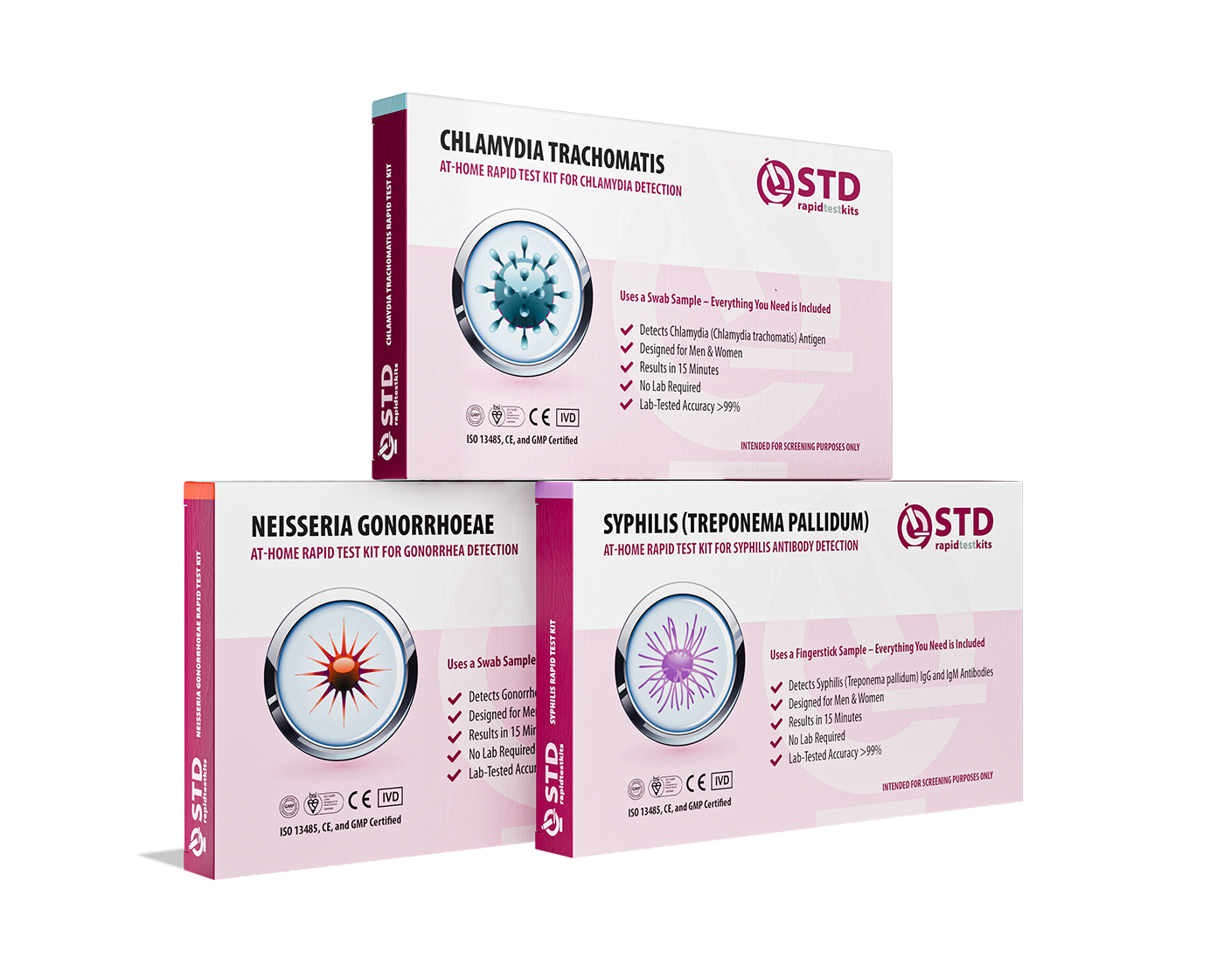
 For Men & Women
 Results in Minutes
 No Lab Needed
 Private & Discreet
Order Now $69.00 $147.00
For all 3 tests
This Isn’t Just Razor Burn,And Here’s Why That Matters
Let’s start where most people do: their bodies. You notice something,maybe it’s a bump, a weird itch, a sore you’ve never seen before. You tell yourself it’s nothing. Razor burn. A heat rash. Allergic reaction. You delay checking. You delay talking. Because if you say it out loud, it might become real.
But here’s the kicker: many STDs don’t announce themselves with dramatic symptoms. According to Planned Parenthood, infections like chlamydia and gonorrhea are often totally silent in the early stages,especially in people with vaginas. Herpes can show up as a single, painless blister. HPV? You might not know you have it for years. The myth of “you’ll know if they’re infected” has kept countless people from getting tested or starting treatment early.
So if your instinct says something feels off,or if you’re replaying last night’s hookup on loop in your mind,you’re not paranoid. You’re paying attention. And that deserves credit, not shame.
Myth: Asking About STDs Means You Don’t Trust Them
This one’s sticky. We’ve been taught that sexual chemistry means letting go, being spontaneous, not “ruining the moment.” So when someone pauses to ask about testing, it can feel like a disruption,or worse, an accusation. But that’s not what it is. It’s a moment of mutual care.
Trust isn’t the absence of questions. It’s the presence of truth. One study in the Journal of Sex Research found that partners who discussed STDs before sex actually reported higher levels of trust and satisfaction afterward. Why? Because communication builds intimacy. Even if it’s clumsy. Even if it’s brief.
It’s not about doubting someone’s honesty,it’s about recognizing that STDs don’t discriminate. Anyone can get one. Anyone can pass one on without knowing. And it’s not a character flaw. It’s biology.
Want to keep it chill? Try this: “Hey, I’ve been getting tested regularly,mind if I ask when you last got checked?” Or, “Before we go further, can we talk about what protection looks like for both of us?” The goal isn’t perfection. It’s progress.

People also reading: The Risks of Untreated Chlamydia in Men: Epididymitis and Beyond
Case Study: “I Was Positive,and Still Worth Loving”
Jules, 33, found out they had HSV-2 after a routine checkup. “I remember just going numb. Not because I was sick,I felt fine,but because I thought, ‘No one’s ever going to date me again.’” The worst part wasn’t the diagnosis. It was the shame spiral that followed.
“I spent weeks thinking I was broken. I even ghosted someone I liked because I didn’t know how to tell him. Then I found this Reddit thread where someone wrote, ‘You’re still a whole person.’ That line cracked me open.”
Disclosure wasn’t easy. Jules rehearsed in the mirror. Typed out drafts. But when they finally shared it,calm, honest, not apologetic,their partner just said, “Thanks for telling me. Let’s figure this out together.”
Shame thrives in silence. When we speak up,even with shaky voices,we disrupt that cycle. And every time someone shares their story, it gets a little easier for the next person to do the same.
Why the Silence Isn’t Harmless
We don’t talk about STDs enough,not in school, not in media, and definitely not in bedrooms. That silence has consequences. The CDC reports that STIs have reached record highs in the U.S. for the seventh consecutive year. Why? Because shame keeps people from testing. Because “clean” became shorthand for “good person.” Because people think having an STD means they failed at sex.
The silence is deadly, but it’s also fixable. Research from the National Academies of Sciences shows that when people are given access to accurate information, non-judgmental providers, and clear scripts for disclosure, their health outcomes improve. Dramatically.
You don’t need to be fearless to talk about STDs. You just need to be real. Because the truth? You’re not alone. You’re not dirty. And you’re not broken.
Check Your STD Status in Minutes
Test at Home with Remedium7-in-1 STD Test Kit
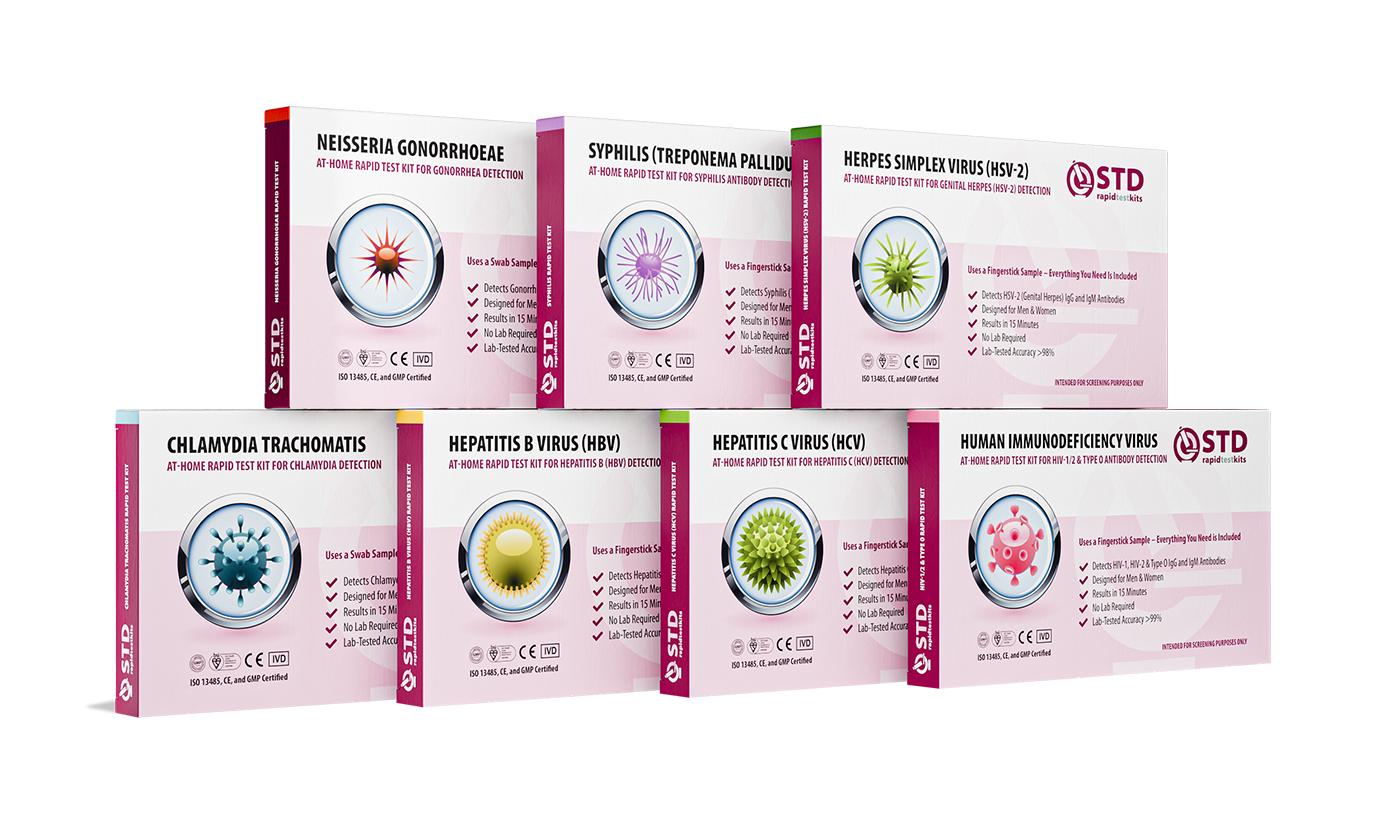 For Men & WomenResults in MinutesNo Lab NeededPrivate & Discreet
Order Now $129.00 $343.00
For all 7 tests
What to Say (Even If You’re Shaking)
You don’t have to sound like a sex-ed counselor. You don’t have to be perfectly smooth. But having something,anything,to say when the moment comes can help you stay grounded in your body instead of spiraling into fear.
If you’re about to hook up and want to bring it up, try: “Hey, I really like where this is going. Can I ask when you were last tested?” Or: “I’m down, but it’d make me feel safer if we could talk about protection first.”
If you’ve already had sex and you’re freaking out, you can say: “Hey, I wanted to check in,I realized we didn’t talk about testing before, and I’m feeling a little anxious. Have you been tested recently?”
If you’re the one who’s positive,or unsure of your status,your honesty can be soft and direct at the same time. Try: “I want to be upfront because I respect you,I tested positive for [X], and I’m managing it. We can still have a safe, fun connection. I just want to make sure we’re both informed.”
You don’t need to apologize. You don’t need to justify. You just need to share the truth. People who deserve you will listen. And if they don’t? That’s not rejection. That’s redirection.
You Can Be Sex-Positive and Scared
Being sex-positive doesn’t mean you’re always confident, or that you never worry. It means you believe sex should be free of shame, and rooted in consent and care. Sometimes that includes fear. Sometimes it includes awkwardness. That doesn’t make you a prude,it makes you human.
We’re all raised with messages that equate safety with mistrust. That if you bring up STDs, you’re implying something gross or wrong. But that’s a lie built by stigma,and stigma spreads STDs faster than anything else.
In fact, a 2022 report in the Lancet Public Health journal found that destigmatizing testing conversations directly increased uptake of care and reduced community transmission. The researchers concluded that shame is one of the greatest barriers to public health progress,not lack of condoms, not lack of knowledge, but shame itself.
So no, asking someone about testing isn’t “extra.” It’s revolutionary. Especially when done with kindness. Especially when you’re scared and still do it anyway.

People also reading: How Do At-Home STD Test Kits Work?
Get Clear Without the Clinic Wait Room
If part of your fear comes from not knowing your own status,or just not wanting to deal with awkward clinic visits,know that you’ve got options. Today’s at-home STD test kits are discreet, fast, and FDA-approved. You swab, mail it, and get lab-backed results,without side-eye in the waiting room or needing to explain why you came in “again.”
This combo test kit checks for the most common STDs, including chlamydia, gonorrhea, and HIV. You can also order specific kits for Herpes, Syphilis, or others if you’ve got a particular concern.
Testing isn’t a punishment. It’s a permission slip. For pleasure. For peace of mind. For walking into your next hookup or relationship with confidence instead of knots in your stomach. Knowing is power. And asking is love in action.
FAQs
1. Is it possible to get an STD from a single hookup?
Yes. You can get an STD from just one sexual encounter, whether it's oral, vaginal, or anal. Many infections don't show symptoms right away (or at all), so even being exposed once can be dangerous.
2. How do I ask someone if they have been tested?
Stay calm and direct. Ask them, "When was the last time you got tested for STDs?" or "I like you and want to be safe. Can we talk about testing?" It can be less awkward if you frame it carefully.
3. Does asking about STDs mean I don't trust my partner?
No way. You trust your body and want to be respected in return. Most people like the honesty, even if they are surprised at first.
4. Is it possible to get an STD from oral sex?
Yes. You can get herpes, gonorrhea, syphilis, and even HPV from oral sex. Condoms and dental dams are two examples of barriers that lower risk.
5. Should I tell someone I have an STD before we have sex?
Yes. Being open about your sexual history before sex is the right thing to do. You don't have to tell everything; just be honest and give each other information so you can both make smart choices.
6. What if I'm too scared to take the test?
You're not the only one who thinks this way. It's normal to be nervous about tests, but knowing the answers can help you calm down. You can test yourself at home without feeling like you have to or that someone else is watching you.
7. Can I still have sex if I have HPV or herpes?
Yes, but you should be careful. Millions of people date, fall in love, and have sex while dealing with STIs. Talking, getting treatment, and staying safe all lower risk.
8. Is it slut-shaming to ask someone if they have an STD?
No way. Slut-shaming is judging someone's actions or desires. Asking about testing shows that you care about each other. You can be nice and still set limits.
9. How do I bring up STDs in a new relationship?
Pick a time when things are calm, not right before sex. Say things like, "I get tested regularly and it's important to me. Can we talk about what that means for us?"
10. Do all STD tests come in one panel?
Not all the time. Some panels check for a lot of different infections, while others only check for a few. You can buy combo kits or single tests for HIV, chlamydia, herpes, and other STIs.
You Deserve Answers, Not Assumptions
Talking about STDs doesn’t make you a buzzkill. It makes you bold. In a world where silence spreads infections faster than symptoms do, your voice is medicine. Whether you’re asking for a test, disclosing something scary, or trying to untangle fear from shame,you’re doing the real work of sex positivity: truth, care, and choice.
Don’t wait and wonder,get the clarity you deserve. This at-home combo test kit checks for the most common STDs discreetly and quickly.
Sources
1. Balfe et al., "Triggers of self‑conscious emotions in the sexually ..."
2. Scheinfeld et al., "Shame and STIs: An Exploration of Emerging Adult ..."
3. Clement, "Sexually Transmitted Infection Prevention Perspectives ..."
4. Nation's Health, "How to talk to your partner about STDs"


