Hepatitis C quietly damages the liver in millions of people who don't know they have it. The good news is that an oral antiviral course cures more than 95% of cases in 8 to 12 weeks. The catch is finding the infection early, since most people have no symptoms for years. This guide covers symptoms, transmission, who should test, current cure rates, and how hepatitis C differs from hepatitis B.
Published: November 2025 | Last updated: April 2026 | Editorial review and quality control: Martina N.
Hepatitis C is one of those infections most people never see coming. It moves quietly. The virus can sit in the liver for a decade or two with no symptoms, slowly causing inflammation and scarring, and the first sign that something is wrong is sometimes a routine blood test ordered for an unrelated reason. That long silent period is the main reason public health agencies now recommend universal screening for adults: by the time hepatitis C announces itself with jaundice or liver failure, treatment is more complicated and damage may not fully reverse. The reassuring news, especially for anyone weighing whether to test, is that hepatitis C is now curable for the large majority of people who get diagnosed.
What is hepatitis C?
Hepatitis C is a bloodborne viral infection that targets liver cells. Most people who catch it have no early symptoms, which is why it often goes undetected for years until liver scarring shows up on bloodwork or imaging. The infection is curable today: more than 95% of people who complete an 8 to 12 week course of direct-acting antiviral pills clear it permanently per CDC clinical guidance. The catch is finding it early, which is why the CDC now recommends every adult age 18 and older get tested at least once.
Key Takeaways
- Hepatitis C spreads almost entirely through blood-to-blood contact. Sharing injection equipment is the dominant route in the United States; sexual transmission is uncommon outside of specific higher-risk contexts.
- More than 95% of people with hepatitis C are cured with 8 to 12 weeks of oral antiviral pills. The CDC recommends a one-time test for every adult 18 and older because most infected people have no symptoms.
What hepatitis C is and what it does to your liver
Hepatitis C, often shortened to HCV, is a small RNA virus that infects liver cells (hepatocytes). Once inside, it uses the cell's own machinery to replicate, and the body's immune response to clear infected cells produces ongoing inflammation. That inflammation is the actual mechanism of liver damage. Scar tissue replaces healthy liver tissue over years, a process called fibrosis. Severe fibrosis becomes cirrhosis. Cirrhosis raises the risk of liver failure and a specific type of liver cancer called hepatocellular carcinoma.
There are seven known HCV genotypes worldwide, with more than 67 documented subtypes. Genotype matters less for how aggressive the infection is and more for which antiviral regimen will work best, although the newest pan-genotypic medications are effective across most types (CDC hepatitis C overview).
The infection has two phases. Acute hepatitis C covers the first six months after exposure. The WHO estimates that about 15 to 45% of people clear the virus on their own during this period without treatment. The remaining 55 to 85% (with most estimates centring around 70%) progress to chronic hepatitis C, where the virus persists indefinitely and continues to damage the liver until treated (WHO hepatitis C fact sheet). Without treatment, roughly 15 to 30% of chronic infections develop cirrhosis within 20 years, and a smaller fraction progress to liver cancer or end-stage liver disease.
Symptoms: why most people miss the early infection
Most people with new hepatitis C feel completely fine. The CDC notes that the majority of people with acute HCV have no symptoms at all (CDC hepatitis C overview). When symptoms do show up, they tend to appear 2 to 12 weeks after exposure and they are easy to mistake for the flu or general fatigue. Common signs include:
- Fatigue that does not improve with rest
- Loss of appetite or unexplained weight loss
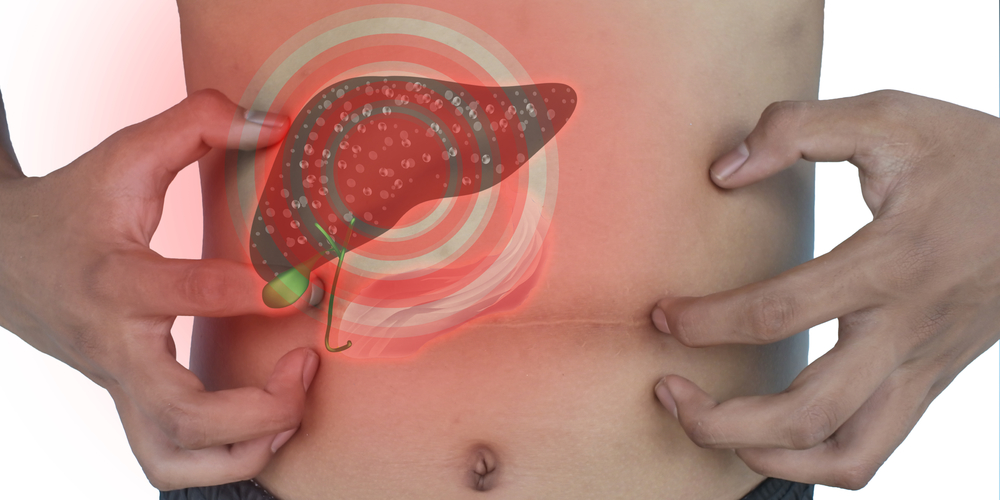
- Nausea, occasional vomiting, or stomach pain in the upper right abdomen
- Joint and muscle aches
- Low-grade fever
- Dark urine or pale stools
- Jaundice, a yellow tint to the skin or whites of the eyes
Jaundice is the most specific sign of liver involvement, but it usually only appears in a minority of acute cases. Chronic hepatitis C is typically asymptomatic for years or even decades. Late signs of advanced liver damage can include abdominal swelling (ascites), easy bruising, swollen legs, and mental fog or confusion (hepatic encephalopathy). By the time those late signs appear, liver scarring is often advanced and harder to reverse.
This is why many people only learn they have hepatitis C through a screening blood test, donating blood, applying for life insurance, or pre-surgery workup. If you have any risk factors and your annual physical does not include hepatitis C testing, ask your provider directly. Hepatitis C antibody testing is not part of standard cholesterol or metabolic panels.
Acute infection is usually silent. When symptoms do appear, they typically show 2 to 12 weeks after exposure and resemble a passing flu, so they get blamed on something else. Chronic hepatitis C can stay quiet for years or decades, which is why most diagnoses come from blood tests done for unrelated reasons rather than from a person noticing they feel unwell.
How hepatitis C spreads
Hepatitis C is a bloodborne virus, which means it transmits when blood from an infected person enters the bloodstream of an uninfected person. Saliva, sweat, urine, tears, and casual contact do not transmit the virus.
The dominant transmission routes:
- Sharing drug-injection equipment. Needles, syringes, cookers, water, or filters used by someone with HCV can pass the virus. Injection drug use accounts for most new hepatitis C infections in the United States today (CDC hepatitis C transmission).
- Pre-1992 blood transfusions or organ transplants. Routine screening of the U.S. blood supply for HCV began in 1992; before that, transfusion-related infection was a meaningful source of new cases. Anyone who received blood products before that year is automatically in a higher-risk group worth a one-time test.
- Mother-to-child transmission at birth. About 5 to 6% of infants born to mothers with active HCV become infected during delivery. The risk is higher when the mother also lives with HIV.
- Healthcare needle-stick injuries. Universal precautions have made these rare but not zero. A single needle-stick from an HCV-positive source carries a small but non-zero risk per exposure.
- Improperly sterilized tattoo or piercing equipment. Reputable studios using single-use needles and proper autoclave sterilization carry essentially no transmission risk; informal or jail-house tattoos do.
- Sharing personal items contaminated with blood. Razors, toothbrushes, glucose monitors, or nail clippers used by an infected person and then by you can carry small amounts of blood.
Casual contact does not transmit hepatitis C. Hugging, kissing, breastfeeding, sharing food or water, sharing utensils or cups, mosquito bites, and coughing or sneezing all carry zero documented risk. Transmission requires direct blood-to-blood contact.
Sexual transmission: what the actual risk looks like
Sexual transmission of hepatitis C exists but it is genuinely uncommon outside of specific contexts. Long-term monogamous heterosexual couples where one partner has HCV transmit the virus at a rate well below 1 per 1,000 partner-years in most studies, according to CDC summaries of the available evidence. That number is low enough that many clinicians do not strongly counsel barrier method use solely to prevent HCV in stable monogamous couples.
The risk rises in three settings:
- Sex among men who have sex with men, particularly with HIV co-infection. Outbreaks of sexually-transmitted HCV have been documented in HIV-positive MSM populations, often associated with rough sex, fisting, group sex, or chemsex. HIV co-infection appears to substantially raise per-act risk.
- Multiple partners or new partners. Each additional partner raises the cumulative chance of exposure to a partner who carries HCV, especially in networks where injection drug use overlaps with sexual partnering.
- Sex during menstruation, with anal trauma, or during outbreaks of other STIs that cause genital ulcers. Any breakage in mucous membranes increases the chance of blood exposure during sex.
Practical guidance: condoms substantially reduce hepatitis C risk in higher-risk contexts and they remain the standard recommendation. If you fall into a higher-risk group, periodic testing is a more practical layer of protection than trying to estimate per-encounter probability.
Hepatitis C versus hepatitis B: how they differ
People often ask about hepatitis B and C in the same breath because both target the liver, both can be sexually transmitted, and both can become chronic. They are caused by different viruses with meaningfully different transmission profiles, treatments, and prognoses.
Hepatitis B is caused by HBV, a DNA virus. It transmits efficiently through blood, semen, vaginal fluids, and from mother to baby at birth. Crucially, there is a highly effective hepatitis B vaccine (the WHO reports the standard series offers nearly 100% protection against the virus), recommended at birth for newborns and for unvaccinated adults at higher risk. Hepatitis C is caused by HCV, an RNA virus. There is no hepatitis C vaccine. Sexual and perinatal transmission are both lower-risk for HCV than for HBV.
The chronic-infection math also differs sharply. Adults newly infected with hepatitis B have roughly a 5% chance of developing chronic infection, since the immune system clears most acute adult cases. For hepatitis C, that pattern flips: most adult acute infections (around 70%) become chronic without treatment. The age relationship reverses for infants and young children: hepatitis B infection in infancy or early childhood leads to chronic infection in about 95% of cases, per WHO. Treatment options also differ. Chronic hepatitis B is generally manageable with long-term antiviral medication, but it is not curable in the strict sense for most people; suppression therapy can continue for years or for life. Chronic hepatitis C, by contrast, is curable for most people in 8 to 12 weeks of oral pills. Worldwide, the WHO estimates 254 million people live with chronic hepatitis B and 50 million with chronic hepatitis C as of 2022 (WHO hepatitis B; WHO hepatitis C).
| Feature | Hepatitis B (HBV) | Hepatitis C (HCV) |
|---|---|---|
| Virus type | DNA virus | RNA virus |
| Main transmission | Blood, sex, mother-to-baby | Blood (mostly injection drug use) |
| Vaccine available | Yes, nearly 100% effective | No vaccine |
| Curable? | Manageable, not typically curable | Yes, >95% cure with 8 to 12 weeks of antivirals |
| Adult chronic risk | About 5% become chronic | Around 70% become chronic |
| Mother-to-baby risk | About 95% chronic if no infant prophylaxis | About 5 to 6% |
| US screening guidance | All adults at least once | All adults 18+ at least once; every pregnancy |
Who should get tested for hepatitis C
The CDC's current screening guidance is straightforward: every adult age 18 and older should be tested for hepatitis C at least once in their lifetime, and every pregnant woman should be tested during every pregnancy (CDC hepatitis C screening recommendations).
This represents a meaningful shift from older risk-based screening, which only tested people who reported specific exposures. The reason for the change is practical: most people with HCV do not know they have it, and many do not fall into a recognized risk category. Universal one-time screening catches infections that risk-based screening missed.
People who should be retested more frequently rather than just once:
- People who currently inject drugs or have a history of injection drug use
- People living with HIV
- People who received clotting factor concentrates produced before 1987
- People on long-term hemodialysis
- Healthcare workers after a needle-stick exposure to HCV-positive blood
- Children born to mothers with HCV
- Anyone with persistently abnormal liver enzymes (ALT or AST)
The frequency of retesting depends on ongoing risk. Active injection drug use generally warrants annual testing or more often. People on PrEP for HIV or with multiple sexual partners may also benefit from periodic HCV screening as part of a broader STI panel.
CDC recommends hepatitis C screening at least once in a lifetime for all adults aged 18 years and older, except in settings where the prevalence of HCV infection is less than 0.1 percent.
How hepatitis C testing works
Standard laboratory testing for hepatitis C is a two-step process.
Step 1: HCV antibody test. A blood test detects antibodies your immune system makes in response to the virus. Antibodies usually become detectable 8 to 11 weeks after exposure for most people, though some take up to 6 months to develop them. A positive antibody test means you were exposed to HCV at some point. It does not, on its own, distinguish a current active infection from a past infection that you cleared.
Step 2: HCV RNA (PCR) test. If the antibody test is reactive, the next step is a confirmatory RNA test that looks for the virus's genetic material directly in your blood. A positive RNA result means you have an active infection that needs treatment. A negative RNA result after a positive antibody result means your body cleared the infection at some point in the past, either spontaneously or with prior treatment.
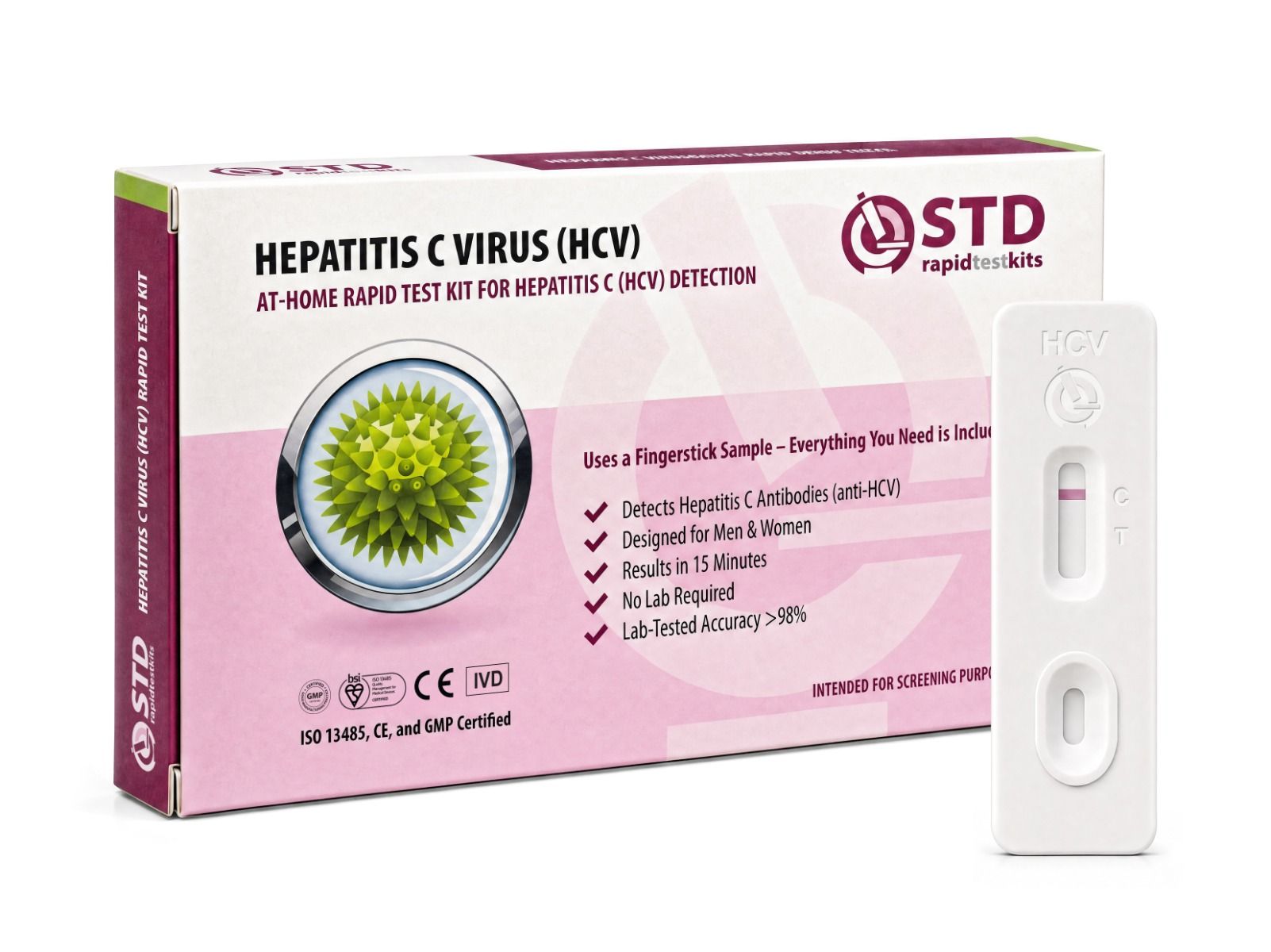
At-home rapid hepatitis C tests use lateral-flow chemistry on a fingerstick blood sample to look for HCV antibodies. They produce a result in about 15 minutes and they screen for the same antibodies the lab test detects. They are useful as a first-line screen at home: a non-reactive result is reassuring if you are well past the antibody window period, and a reactive result tells you to see a clinician for confirmatory RNA testing. They are not a substitute for full lab workup if a result is reactive, but they remove a major barrier to ever testing in the first place.
One important note: rapid lateral-flow chemistry is not the same technology as laboratory PCR. Labs use the higher-sensitivity PCR test for confirming active infection, while home tests serve as a screening step before that confirmatory workup.
Treatment: hepatitis C is curable today
The treatment landscape for hepatitis C transformed around 2014 with the arrival of direct-acting antivirals (DAAs). Older interferon-based regimens were a year long, came with severe side effects (depression, flu-like symptoms, anemia), and cured roughly half of patients. Modern DAAs are oral pills, taken for 8 to 12 weeks for most people, with mild side effects (mostly fatigue and headache), and they cure more than 95% of patients across all common genotypes (CDC hepatitis C treatment overview).
"Cure" in hepatitis C means sustained virologic response (SVR): the virus is undetectable in blood 12 weeks after the end of treatment. SVR is essentially permanent. People who achieve SVR are no longer infectious, and the liver damage process stops, although existing fibrosis or cirrhosis does not always fully reverse.
Cost was historically a major barrier; early DAAs were priced above $80,000 per course in the U.S. Generic competition and broader insurance coverage have brought prices down significantly, though they still vary widely by insurer and country. Most U.S. insurers now cover DAA treatment without prior fibrosis-stage requirements, reflecting both clinical guidelines and class-action settlements that pushed back on earlier rationing.
People who clear hepatitis C either spontaneously or through treatment can be reinfected if exposed again. Antibodies remain in the blood after clearance, but they do not provide protective immunity the way antibodies do for some other viruses.
- Sofosbuvir/velpatasvir (brand: Epclusa). Pan-genotypic, 12 weeks for most patients.
- Glecaprevir/pibrentasvir (brand: Mavyret). Pan-genotypic, 8 weeks for treatment-naive patients without cirrhosis.
- Sofosbuvir/ledipasvir (brand: Harvoni). Genotype 1, 4, 5, or 6, 8 to 12 weeks.
Prevention: with no vaccine, what actually helps
There is no hepatitis C vaccine. Research has been active for years and a few candidates have reached human trials, but the virus's high genetic variability has made vaccine development difficult. For now, prevention relies on harm reduction and informed behavior.
What actually reduces hepatitis C risk:
- Never share injection equipment. Needles, syringes, cookers, water, filters, and tourniquets all carry risk if reused. Syringe service programs (needle exchanges) provide sterile equipment and are well-supported by public health evidence.
- Use barrier protection in higher-risk sexual situations. Condoms are recommended for partners with HIV, multiple partners, or sex involving potential blood exposure.
- Choose tattoo and piercing studios that use single-use needles. Reputable studios with autoclave sterilization carry minimal risk. Informal or unregulated tattoo settings carry significant risk and warrant testing afterward.
- Do not share personal items that contact blood. Razors, toothbrushes, nail clippers, and glucose monitors used by an HCV-positive person can carry small amounts of blood.
- Get tested. The most underrated prevention strategy is the simplest one: people who know they have HCV start treatment, become non-infectious, and stop transmitting. People who don't know they have it cannot make those choices. Universal screening turns prevention into a population-level lever.
For pregnant women, hepatitis C testing during every pregnancy lets clinicians plan for closer monitoring of the infant and consider treatment timing for the mother. DAAs are generally not used during pregnancy but can be given postpartum, including during breastfeeding.
What to do if your test is positive
A reactive (positive) hepatitis C antibody result on either a lab test or an at-home rapid test means you have been exposed to HCV. The next step is straightforward and worth not delaying:
- See a primary care physician or hepatologist for confirmatory HCV RNA testing. Roughly 15 to 25% of people who test positive on antibody testing will turn out to have already cleared the infection on their own. Confirming whether the virus is currently active determines whether you need treatment.
- Get baseline liver labs. ALT, AST, alkaline phosphatase, bilirubin, INR, and platelet count give a snapshot of liver function. A FibroScan or transient elastography can estimate scarring without a biopsy.
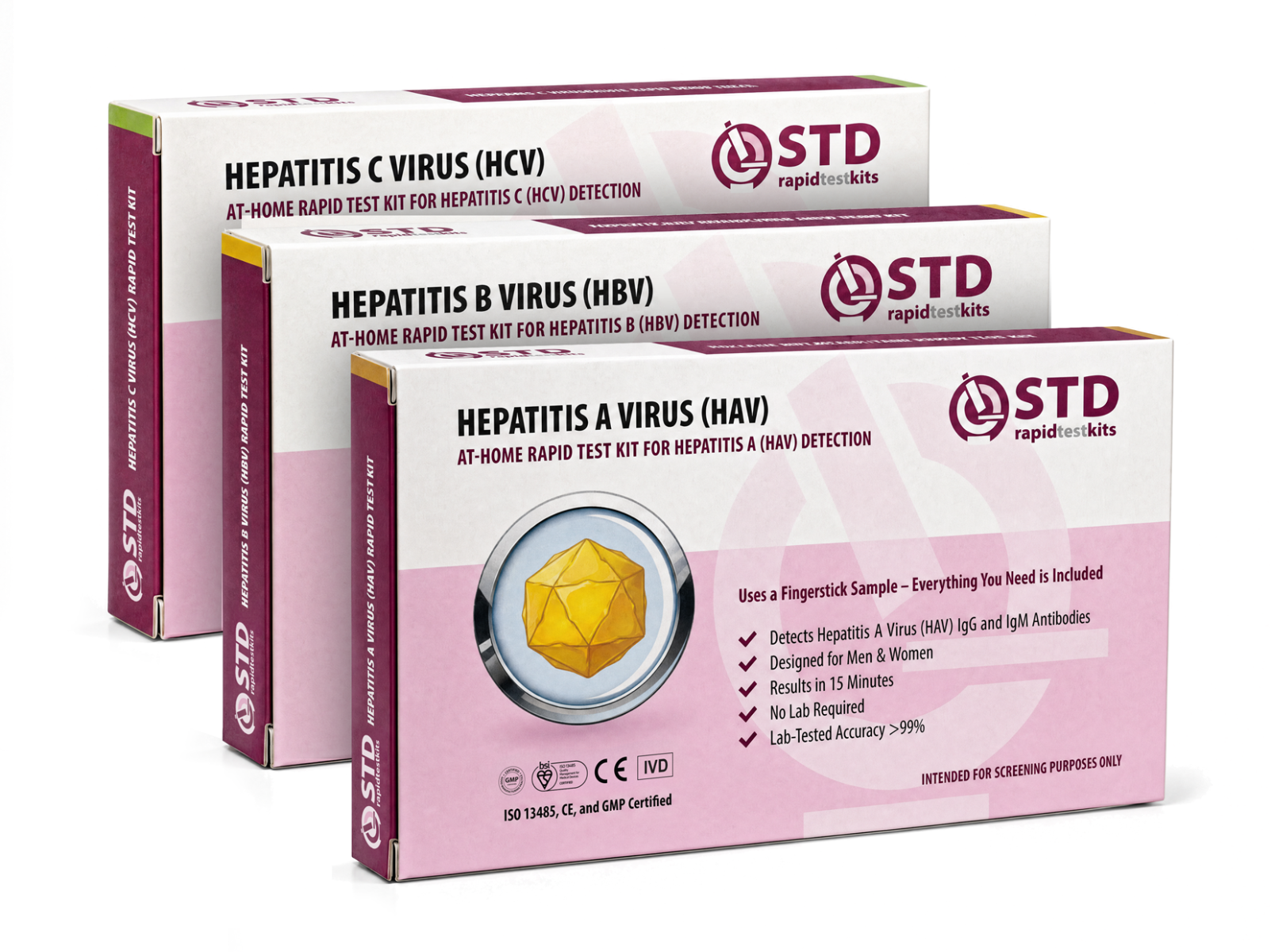
- Get tested for hepatitis A and hepatitis B. Anyone with active HCV should be vaccinated against hepatitis A and hepatitis B (if not already immune) to protect a liver already under stress.
- Disclose to current and recent sexual or needle-sharing partners. They should also be tested.
- Avoid alcohol. Alcohol accelerates liver damage in active hepatitis C. Most clinicians recommend complete abstinence until after successful treatment.
Treatment success rates are high enough that a hepatitis C diagnosis today is not what it was 15 years ago. Most people who start a DAA regimen complete it without complications and clear the virus permanently.
Frequently asked questions
- Is hepatitis C curable?
- Yes. An 8 to 12 week oral tablet course clears the virus permanently in more than 95% of cases. The technical term for cure is sustained virologic response (SVR): undetectable virus 12 weeks after finishing treatment. One caveat worth knowing about: existing liver scarring from years of untreated infection may not fully reverse even after the virus is gone, which is why finding the infection early matters.
- How long after exposure should I get tested?
- For an at-home or standard antibody test, wait at least 8 to 11 weeks after the exposure, since testing earlier risks a false-negative result. If the exposure was high-risk and very recent, ask a clinician about an HCV RNA (PCR) test, which can detect the virus within 1 to 2 weeks of exposure but is more expensive and is usually only ordered for high-risk recent exposures or symptomatic acute infection. Most people do not need the PCR route; the antibody test is the standard first step.
- Can I get hepatitis C from sex?
- Yes, but the risk is low for most people. Sexual transmission rises substantially among men who have sex with men (especially with HIV co-infection), partners with multiple recent partners, and sexual activities that involve blood exposure. For long-term monogamous heterosexual couples, the per-year transmission risk is well under 1 per 1,000 partner-years.
- What is the difference between hepatitis B and hepatitis C?
- Both target the liver, but they are different viruses. Hepatitis B has a vaccine and is more commonly transmitted sexually and from mother to baby; chronic infection in adults is uncommon (about 5% of acute adult cases become chronic). Hepatitis C has no vaccine, is transmitted mostly through blood (especially shared injection equipment), and around 70% of adult acute infections become chronic without treatment. Hepatitis C is curable in most cases; chronic hepatitis B is manageable but generally not cured.
- Is there a hepatitis C vaccine?
- No, there is currently no licensed vaccine for hepatitis C. The virus mutates rapidly, which has complicated vaccine development. Research is active but no candidate has reached late-stage clinical use as of 2026. Hepatitis A and hepatitis B both have effective vaccines, and people with active HCV are typically vaccinated against both to protect an already-stressed liver.
- How accurate are at-home hepatitis C tests?
- Most at-home rapid HCV antibody tests report sensitivity and specificity in the 95 to 99% range when used per instructions and after the antibody window period (8 to 11 weeks post-exposure). They detect the same antibodies that lab tests detect; the difference is the home test gives a 15-minute screening result, while the lab test is part of a two-step diagnostic workup. A reactive home test should always be followed up with lab RNA testing for confirmation.
- Should I get tested if I had a tattoo?
- It depends on where. Tattoos and piercings done at licensed studios that use single-use disposable needles and proper autoclave sterilization carry essentially zero documented HCV transmission risk. Tattoos done in informal settings (jail, friend's apartment, unlicensed studio overseas) carry meaningful risk and warrant testing. Anyone who received any tattoo before universal blood-borne pathogen precautions became standard should consider a one-time test as well.
- Can hepatitis C be passed from mother to baby?
- Yes, about 5 to 6% of babies born to mothers with active hepatitis C become infected at delivery. The risk is higher if the mother also has HIV or a high HCV viral load. The CDC now recommends testing every pregnant woman during every pregnancy so that newborns of HCV-positive mothers can be appropriately monitored. DAAs are generally not used during pregnancy but can be given after delivery, including during breastfeeding.
- U.S. Centers for Disease Control and Prevention. Hepatitis C overview, transmission routes, screening recommendations for adults 18 and older, and treatment guidance.
- World Health Organization. Hepatitis C fact sheet, global burden estimates, acute-to-chronic progression rates, cirrhosis risk over 20 years, and treatment access.
- U.S. Centers for Disease Control and Prevention. Hepatitis B overview, transmission, vaccination guidance, and chronic infection statistics by age at infection.
- World Health Organization. Hepatitis B fact sheet, global prevalence (254 million chronic cases), vaccine effectiveness (nearly 100% protection after the standard series), and chronic infection rate in infants infected at birth (about 95%).
- United Kingdom National Health Service. Hepatitis C symptoms, transmission, and treatment overview for general audiences.
