Published: August 2025 | Last updated: May 2026 | Editorial review and quality control: Martina N.
For people who get bacterial vaginosis more than once a year, the cycle becomes familiar: a faint metallic smell, discharge that feels off, a course of antibiotics, a few clear weeks, and then the symptoms come back. BV is the most common vaginal condition in people of reproductive age, and clinical follow-up data consistently show that roughly half of those treated with standard antibiotics will have another episode within twelve months. That recurrence pattern is not a hygiene failure or a sign of poor compliance with treatment. It reflects a microbiome problem that antibiotics alone do not fully solve.
Probiotics keep showing up in the conversation, and the pharmacy aisle does not make the choice easy. Bottles promise intimate flora support or pH balance. Strain names run together. Formats range from capsules and chewables to vaginal suppositories and ovules. And the underlying question, whether to take a probiotic by mouth or insert it directly, almost never gets answered clearly on the label.
This guide walks through what current public-health and peer-reviewed research says about probiotics for recurrent BV, how oral and vaginal delivery differ in the body, which Lactobacillus strains have evidence behind them, and how to recognize when the symptoms came from something other than BV (and need a different test, not a different probiotic).
Key Takeaways
- Vaginal probiotic suppositories deliver Lactobacillus directly to the vaginal mucosa and tend to influence the microbiome faster than oral capsules, which is why they are most often studied in the recovery window right after antibiotic treatment.
- Strain identity matters more than colony count: Lactobacillus crispatus, L. rhamnosus GR-1, L. reuteri RC-14, and L. gasseri have the most evidence for BV protection, and unlabeled "Lactobacillus blends" are not the same product.
What Bacterial Vaginosis Actually Is
A healthy vaginal microbiome is dominated by Lactobacillus species. These bacteria produce lactic acid, which keeps vaginal pH low (typically below 4.5) and discourages overgrowth by other organisms. When that balance shifts, when Lactobacillus drops and species like Gardnerella vaginalis, Prevotella, and Atopobium expand, the clinical condition is bacterial vaginosis (CDC).
Although BV sits outside the technical definition of a sexually transmitted infection, sexual activity affects risk. New partners, multiple partners, douching, and even semen exposure can all disturb the microbiome. So can antibiotics taken for unrelated infections, hormonal shifts during the cycle, stress, and changes in the gut microbiome (NHS). For people with same-sex female partners, microbiome transfer between partners is an area of active research, and some clinicians discuss simultaneous treatment to help interrupt a recurrence cycle.
The familiar symptoms are thin white discharge, a fishy odor that often gets stronger after sex, and sometimes itching or burning. About half of people with BV have no symptoms at all, which is part of why screening conversations matter. Standard treatment is metronidazole or clindamycin, taken either by mouth or as a vaginal gel. Both regimens clear the acute infection well in most cases.
Recurrence is where standard treatment falls short. Clinical follow-up data show that about half of people treated for BV have another episode within twelve months, and some longer-term studies put recurrence even higher over a year or more. The mechanism is straightforward: antibiotics suppress the harmful bacteria, but they do not actively rebuild the protective Lactobacillus population. The vaginal ecosystem reseeds itself from gut and skin reservoirs and from whatever the local environment provides, and that recolonization can go in either direction. If Lactobacillus crispatus dominates, BV stays away. If Gardnerella-friendly anaerobes get there first, the next flare is already being set up.
Recurrent BV also carries documented downstream risks worth naming. In pregnancy, untreated BV has been associated with increased risk of preterm birth and low birth weight, which is why prenatal providers screen for it routinely (Office on Women's Health). Outside of pregnancy, recurrent BV has been linked to increased susceptibility to pelvic inflammatory disease and to higher acquisition risk for some sexually transmitted infections. Neither downstream risk is inevitable, and both are reasons recurring episodes warrant clinical evaluation rather than self-management alone.
That recolonization window is where probiotics enter the picture. Antibiotics remain the first step when an active BV diagnosis is established; probiotics support the recovery that follows. The clinically supported role is narrower and more specific: nudging recolonization toward the protective Lactobacillus species that resist BV.

Oral vs Vaginal Probiotics: What the Research Shows
Most people end up choosing between swallowing a capsule and inserting a suppository, and the evidence supports both routes for different purposes.
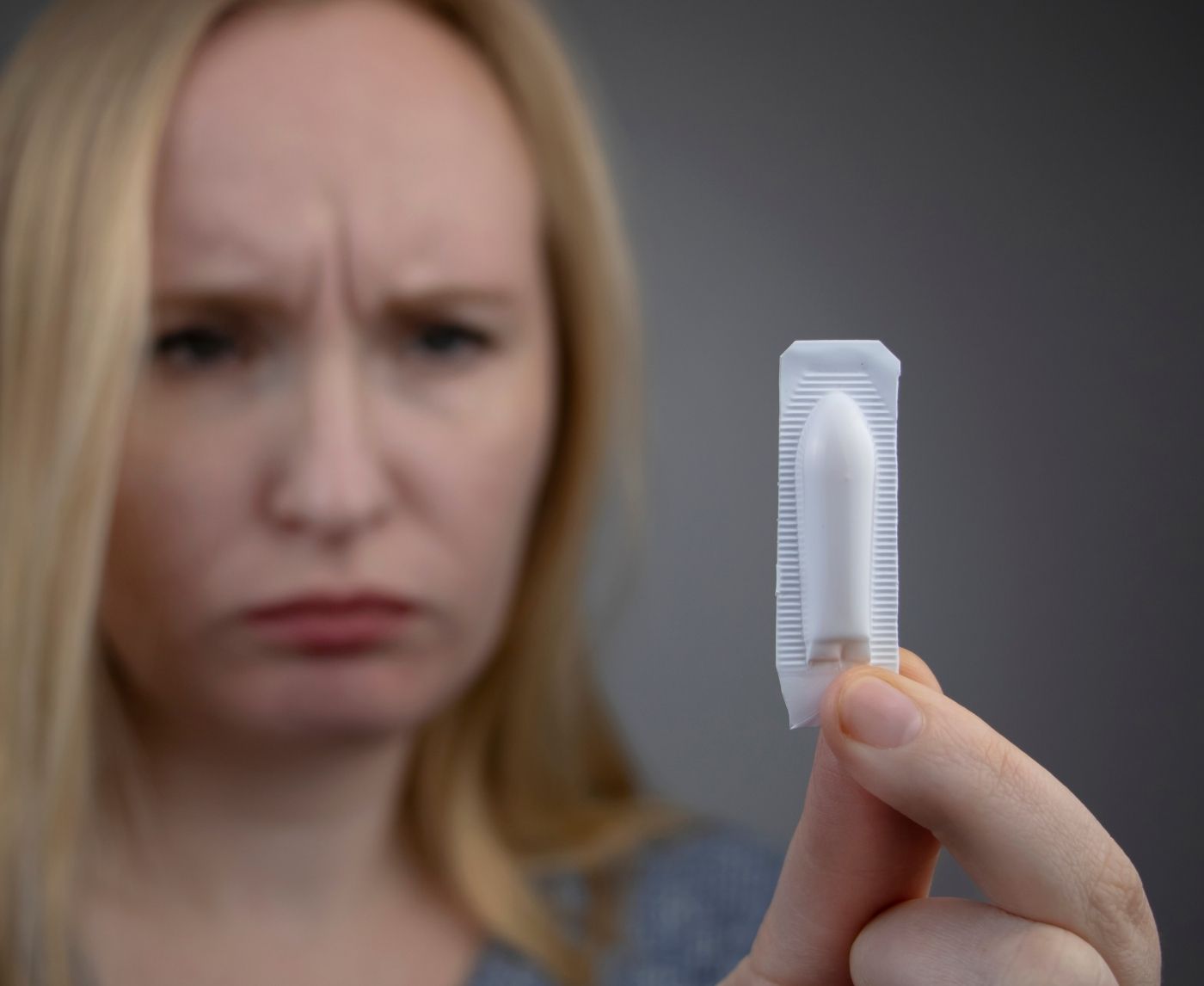
Vaginal probiotics deliver bacteria directly to the site of action. They bypass the digestive tract entirely, so there is no question of survival through stomach acid, no bile exposure, and no dilution into the rest of the gut microbiome. Trials of vaginal probiotic supplementation after antibiotic treatment have repeatedly shown reductions in BV recurrence compared with antibiotic treatment alone. The strains studied most often in this format are Lactobacillus crispatus and Lactobacillus rhamnosus, both of which are commonly found in healthy vaginal microbiomes.
Oral probiotics work by a different route. Some Lactobacillus species can travel from the gut to the vagina through the perineum, a pathway researchers call the gut-vagina axis. Evidence here is less consistent than for vaginal delivery, but several randomized trials show modest reductions in BV recurrence with oral Lactobacillus supplementation, particularly when supplementation begins during or right after the antibiotic course.
Timing also separates the two routes. Vaginal probiotics tend to show clinical effects faster, often within one to two weeks of consistent use. Oral probiotics generally take longer to influence the vaginal microbiome, sometimes a month or more of daily supplementation. That timing gap matters during a recurrence cycle, because the highest-risk window for the next BV flare is the first one to two weeks after antibiotic treatment, exactly when the vaginal ecosystem is recolonizing.
A combination approach (a short course of a vaginal probiotic during the immediate post-antibiotic window, followed by oral maintenance) has the clearest clinical logic behind it, although large head-to-head trials comparing combination protocols against single-route protocols are limited. What the research is consistent on is this: total colony count on the label, the 20 billion or 50 billion CFU number that drives a lot of marketing, is a poor predictor of clinical effect. The species and strain matter far more than how many bacteria are claimed to be in the capsule.
Two other practical points get glossed over in product marketing. First, refrigeration: many probiotic strains lose viability at room temperature over weeks to months, so a shelf-stable claim is meaningful and worth checking. Second, formulation: a vaginal suppository designed for nighttime insertion typically uses a base that melts at body temperature and releases bacteria over several hours, which works differently from a capsule labeled vaginal that is essentially an oral capsule the user has been told to insert.
Bacterial vaginosis (BV) is the most common vaginal condition in women ages 15 to 44. BV is caused by a change in the amount of certain types of bacteria in the vagina.
Which Lactobacillus Strains Are Backed by Evidence
Most general probiotic products are designed for gut health, not vaginal health. The common strains in retail capsules (Lactobacillus acidophilus, Bifidobacterium bifidum, various Bacillus species) are optimized for the small intestine and colon. They are useful for digestive support, but they are not the dominant species in a healthy vaginal microbiome, and very few have been studied for BV outcomes specifically.
The Lactobacillus species that protect the vagina from BV are a smaller, more specific group. The four with the most published evidence for BV prevention are:
- Lactobacillus crispatus. The most protective species in the vaginal microbiome. Vaginal microbiomes dominated by L. crispatus have the lowest BV rates of any documented community type, and studies of vaginal L. crispatus suppositories show improved long-term Lactobacillus dominance after antibiotic treatment.
- Lactobacillus rhamnosus GR-1 and Lactobacillus reuteri RC-14. The most studied pair for oral supplementation in BV. The strain codes (GR-1, RC-14) refer to specific clinical isolates with published trial data, not a generic species claim on a label.
- Lactobacillus gasseri. Another protective species commonly found in healthy vaginal microbiomes, with some trial evidence for both oral and vaginal supplementation.
- Lactobacillus jensenii. A protective species in vaginal microbiomes that is less commonly available as a commercial probiotic.
If a product label says only Lactobacillus blend or proprietary blend without naming the strains, it is not possible to tell from the label whether the formulation has any clinical trial data behind it. Reputable products list specific strain identifiers (GR-1, RC-14, BG-1, and similar codes) that correspond to research-grade isolates. The strain code is the link between the bottle on the shelf and any trial the marketing copy may be hinting at.
Vaginal suppositories (recovery window): Lactobacillus crispatus.
Oral maintenance pair (long-term): Lactobacillus rhamnosus GR-1 with Lactobacillus reuteri RC-14.
Either route, supporting evidence: Lactobacillus gasseri.
Check the label for the strain code (GR-1, RC-14, BG-1, and similar). A bottle that lists only the species name has no traceable trial behind it.
How Long It Takes and What to Expect
Probiotics will not deliver an overnight fix for BV, and product marketing that suggests otherwise should be treated with caution. Whether the product is oral or vaginal, clinical effects on the microbiome take time, and the timeline matters when planning around an antibiotic course.
For vaginal probiotic suppositories used right after antibiotic treatment, most clinical protocols show measurable shifts in the vaginal microbiome within 7 to 14 days of consistent nightly use. Symptom improvements (less odor, more typical discharge, less inflammation) often show up in the same window. Typical protocols use one suppository per night for one to two weeks, sometimes extended to three weeks for people with a strong history of recurrence.
For oral probiotics taken as ongoing maintenance, the timeline is longer. Vaginal microbiome shifts from oral supplementation generally take a month or more of daily use, and the effect is more variable from person to person. Oral probiotics fit a maintenance role better than acute recovery: they are the wrong tool for an active flare or the first post-antibiotic week, but they may help reduce flare frequency over months when used consistently.
The absence of dramatic same-day relief is normal. Probiotic recolonization is gradual, not antibiotic-speed. If there is genuinely no change after two weeks of a well-studied strain, that usually means the strain is wrong for the individual microbiome, the formulation is not viable, or the underlying problem is something other than BV.
The emotional context of recurrent BV deserves its own line in this guide. People who have been through multiple flares often describe a low-grade vigilance about their own bodies, a habit of double-checking underwear, a reluctance to schedule sex during the post-antibiotic window. That experience is common and not a character flaw. A paper or app calendar tracking nightly doses across the first one to two weeks is what most clinical trials use to confirm adherence.

Why Most Probiotic Marketing Does Not Match the Biology
The probiotic category has grown faster than the regulatory framework around it. In the United States, oral probiotics are sold as dietary supplements, which means the labeling rules are looser than for drugs or medical devices. Marketing claims about specific health outcomes are technically restricted, but the language of intimate flora support, pH balance, feminine wellness, and probiotic confidence does most of the implicit work.
A few specific gaps show up regularly in the category:
Strain ambiguity. A label that says Lactobacillus acidophilus 10 billion CFU does not give a buyer enough to evaluate the product. Different strains within the same species can have very different biological effects, and the strain code is what allows a buyer to cross-reference the formulation against any published trial. Generic species claims are the equivalent of a wine label that says white grape: technically true and clinically meaningless.
CFU inflation. The colony-forming-unit count is the most prominent number on most probiotic packaging, often listed as 20 billion, 50 billion, or even 100 billion. CFU at the time of manufacture differs from CFU at the time of use, and viability falls over the shelf life of the product. For a product to deliver a clinically relevant dose at the point of use, it needs both a starting count and stability data, neither of which is required on the label.
Format mislabeling. Some products labeled for vaginal use are essentially oral capsules that the user has been told to insert. A capsule designed to dissolve in the small intestine will not necessarily dissolve usefully in the vaginal canal, and the bacteria inside it may or may not survive the local pH conditions. Suppositories formulated as vaginal products use different excipients and bases.
Gummy and chewable formats. These often look appealing on a shelf, but heat-sensitive Lactobacillus strains do not survive well in candy-like formulations, and the sugar content can be counterproductive for vaginal microbiome goals. The format choice is doing more than aesthetic work.
None of this means probiotics fail at addressing BV. It means the strain code, storage instructions, and stability data on the back of the bottle matter more for outcomes than the marketing language on the front.
| Label red flag | What it actually means |
|---|---|
| "Lactobacillus blend" with no strain codes | Cannot be cross-referenced against any specific trial. Skip. |
| High CFU count, no shelf-life or storage data | Manufacture-date count, not point-of-use count. Could be a fraction of label by purchase. |
| "For women" or "feminine health" capsule, no vaginal-use instructions | Almost always a gut-targeted product. Will not reach the vaginal microbiome efficiently. |
| Gummy or candy-style format | Heat sensitivity and sugar content both work against Lactobacillus survival. |
When the Problem Is Not BV: Testing for Conditions That Mimic It
One of the most common quiet costs of recurrent BV is treating something that is not BV with the wrong tool. The symptom overlap between BV, trichomoniasis, chlamydia, and even some yeast infections is wider than most product labels acknowledge, and a fishy odor or unusual discharge is not specific to any single condition.
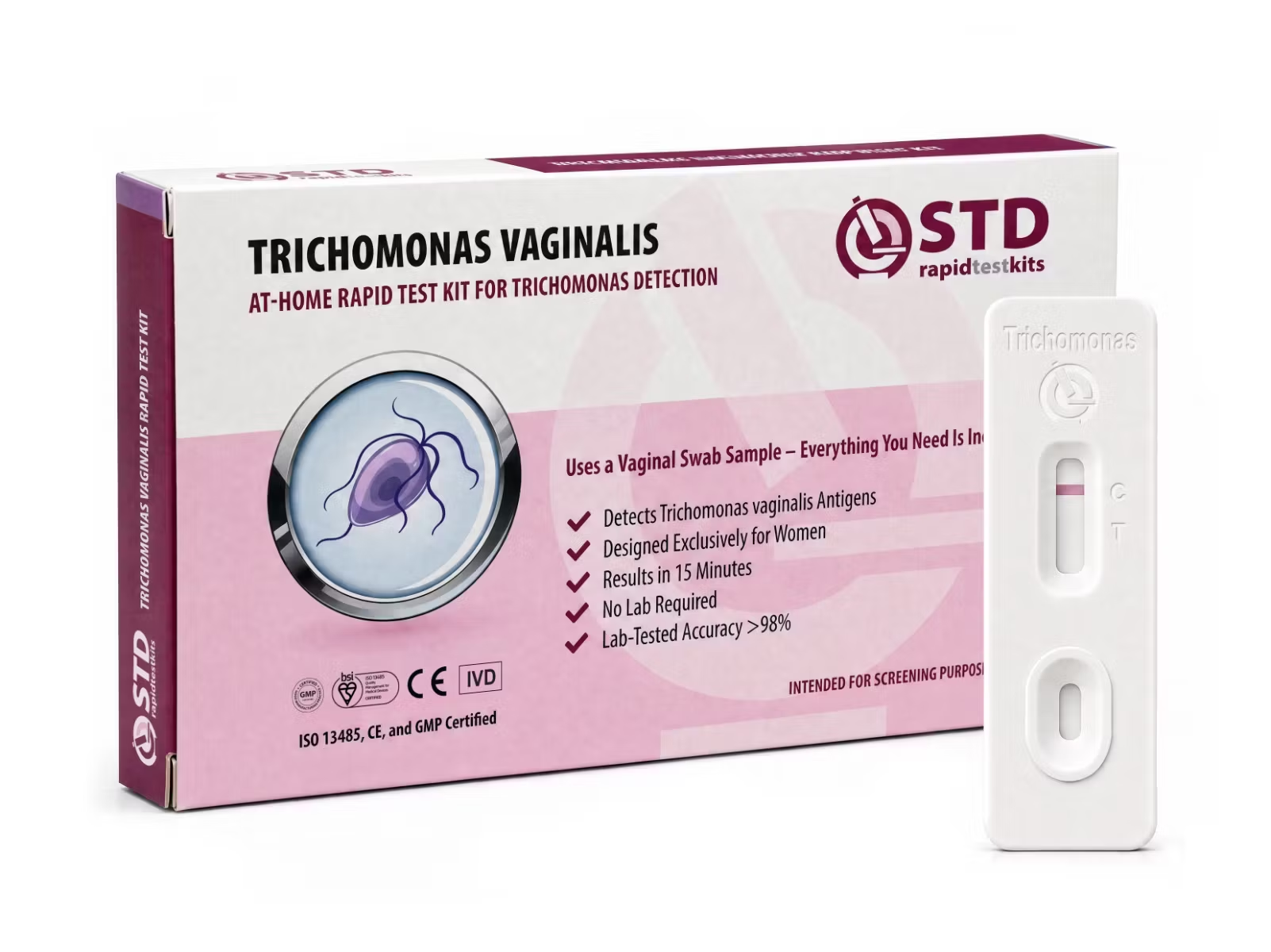
Trichomoniasis is the closest BV mimic. It is a sexually transmitted protozoal infection that can produce a change in vaginal discharge (often yellowish or greenish) along with an unusual fishy smell, a symptom profile that overlaps with what most people associate with BV (CDC Trichomoniasis). The CDC also notes that many cases of trichomoniasis are asymptomatic. Probiotics do not treat trichomoniasis; the infection needs a specific antiparasitic medication, and untreated trichomoniasis has been associated with higher acquisition risk for HIV and other STIs.
Chlamydia is the second mimic worth ruling out, especially for people with recent new partners. Cervical chlamydia infection can cause discharge changes that get attributed to BV, and the diagnostic overlap is high enough that the CDC recommends routine chlamydia screening for sexually active women under 25 and for older women with new or multiple partners regardless of symptoms.
The practical conclusion is simple: when BV symptoms come back after a course of antibiotics and a course of probiotics, the next step is not a different probiotic. The next step is a test. Ruling out trichomoniasis and chlamydia changes the prescription, the recovery timeline, and whether further probiotics make sense at all.
We sell at-home rapid STI tests; the kits referenced below are from our catalog.
A Practical Approach to Recurrent BV
For most people dealing with recurrent BV, sequential thinking works better than either-or. Picking between oral and vaginal probiotic in the abstract misses the point; what matters is which route fits which phase of the recurrence cycle.
During an active flare with classic BV symptoms, the first step is a clinical diagnosis (or a discussion with a clinician about a recurrent-BV protocol). Standard treatment is metronidazole or clindamycin, oral or vaginal, depending on history and tolerability. During an active flare, antibiotics come first.
During the first one to two weeks after antibiotic treatment, vaginal probiotic suppositories with a researched Lactobacillus strain (L. crispatus and L. rhamnosus are the most commonly studied) make the most clinical sense. This is the recolonization window, and direct delivery to the vaginal mucosa shortens the time to a stable Lactobacillus-dominant community.
From two weeks onward, oral probiotic maintenance with strain-identified products (Lactobacillus rhamnosus GR-1 and Lactobacillus reuteri RC-14 are the best-studied pair) is a reasonable option for people with a history of frequent recurrence. The aim over months is fewer flares, not the elimination of BV in a week.
Alongside this protocol, broader screening for STIs that mimic BV is worth considering at the start of any new flare cycle, and especially after a third or fourth episode. For people who would prefer to handle that step at home, multi-test panels cover the conditions BV is most often confused with in one collection.

FAQs
- Do vaginal probiotics actually work better than oral ones for BV?
- For the recovery window right after antibiotic treatment, vaginal probiotic suppositories with researched Lactobacillus strains tend to show faster and more consistent microbiome shifts than oral capsules. Oral probiotics work too, but more slowly and more variably, which is why they are usually framed as long-term maintenance rather than acute recovery.
- How long does it take to see results from a vaginal probiotic?
- Seven to fourteen days of nightly use is the typical window for measurable microbiome shifts. If symptoms have not improved by day 14, that is a signal to reassess the strain or rule out a non-BV cause, not a reason to extend the same protocol indefinitely.
- Are vaginal probiotics safe to use?
- Vaginal probiotics with well-studied Lactobacillus strains have a strong safety record in clinical trials. They may be inappropriate during certain conditions (active acute infection beyond BV, immediately after gynecologic surgery, some pregnancy contexts), so a quick check with a clinician is reasonable before starting one. People with sensitivities to specific suppository bases should read the inactive-ingredient list.
- Can probiotics replace antibiotics for treating BV?
- No. Once a clinically diagnosed BV infection is established, probiotics are not strong enough to clear the imbalanced bacterial population on their own. Antibiotics (metronidazole or clindamycin) remain the standard treatment. Probiotics are most useful in the recovery and prevention window, supporting recolonization with protective Lactobacillus species after antibiotic treatment.
- Should I use vaginal probiotics during my period?
- It is generally fine, but many people pause vaginal suppositories during the heaviest flow days because menstrual blood and tampon or cup use can affect retention. Oral probiotics can be taken normally throughout the cycle. The key with both formats is consistency over weeks, not perfect adherence on any single day.
- Why do some probiotics work and others do nothing?
- The two biggest variables are strain identity and viability. A product labeled with a generic Lactobacillus blend and no strain codes cannot be cross-referenced against any specific clinical trial. A product with a high colony count on the label but poor stability over its shelf life may deliver far fewer viable bacteria at use than the number on the front suggests. Strain code and storage instructions are better signals than the CFU number.
- Can probiotics help with yeast infections at the same time as BV?
- Some Lactobacillus strains, particularly L. rhamnosus and L. reuteri, have evidence for reducing recurrent yeast infections alongside BV, because the same protective species crowd out both bacterial and fungal overgrowth. The same strain-identity rule applies: a generic acidophilus capsule is a different product from a strain-specific GR-1 or RC-14 formulation studied for these outcomes.
- When should I get tested for STIs instead of assuming it is BV again?
- Any third or fourth recurrence inside a year is worth pausing on, especially after a new partner, after unprotected sex, or after a partner with a recent STI diagnosis. Trichomoniasis and chlamydia are the closest BV mimics, and both need specific testing and specific treatment. An at-home STI panel or a clinic visit is the next step before assuming the next flare is BV.
- U.S. Centers for Disease Control and Prevention. About Bacterial Vaginosis: definition, symptoms, and clinical context.
- National Health Service (UK). Bacterial vaginosis: symptoms, causes, treatment, and prevention guidance.
- U.S. Centers for Disease Control and Prevention. Trichomoniasis: symptom overlap with BV, asymptomatic prevalence, and HIV acquisition context.
- Office on Women's Health (HHS). Bacterial vaginosis: causes, risk factors, and pregnancy-related considerations for reproductive-age women.
