







Quick Answer: If you think you exposed someone to an STD, tell them as soon as you have reliable information, immediately if you tested positive, or after testing if you’re in the window period. Keep it clear, calm, and focused on shared health, not blame.
Who This Guide Is For (And Why It Matters)
This is for the person sitting on the edge of their bed at midnight rehearsing a sentence they don’t want to say. It’s for someone who had a hookup that felt easy until it didn’t. It’s for people in long-term relationships who are suddenly afraid the word chlamydia will sound like an accusation instead of a diagnosis.
It’s also for people who didn’t even know they had something. Many infections, including gonorrhea, chlamydia, and even early HIV, can be asymptomatic for weeks or months. According to the CDC, millions of new sexually transmitted infections occur every year in the U.S., and a significant portion are silent at first. Silence spreads infections faster than recklessness ever could.
This guide is not here to moralize you. It’s here to help you move from panic to plan. We’re going to walk through what counts as real exposure, when to test, when to speak, how to speak, how to avoid reinfection, and what to do if the reaction is messy. Because responsibility is not the same thing as guilt.

People are also reading: HPV and Throat Cancer: What a BBC Story Reveals About Early Warning Signs
This Is About Responsibility, Not Guilt
Your brain might already be punishing you. That’s common. People attach morality to infection as if a virus is a personality flaw. But medically, an STD is an infection, bacteria, virus, parasite, not a verdict on your character.
Picture something ordinary. Two adults. A warm night. Maybe protection was used, maybe it wasn’t perfect. Maybe a condom broke. Maybe someone had no symptoms and genuinely believed they were fine. Weeks later, a test says otherwise. That doesn’t make you dirty. It makes you human inside a system where infections can spread quietly.
Disclosure isn’t self-flagellation. It’s harm reduction. It prevents untreated infections from lingering and stops reinfection cycles where partners unknowingly pass bacteria back and forth. When you tell someone, you’re not performing guilt. You’re interrupting transmission.
What Actually Counts as Exposure?
Exposure isn’t always dramatic. It can be a single episode of unprotected vaginal, oral, or anal sex. It can be skin-to-skin genital contact in the case of infections like herpes or syphilis. It can even be a condom failure that lasted seconds longer than you meant it to.
For bacterial infections such as chlamydia and gonorrhea, transmission typically occurs through sexual fluids contacting mucous membranes. For viral infections like HIV or hepatitis B, blood and specific bodily fluids are the primary route. For herpes, skin-to-skin contact during viral shedding is enough, even without visible sores.
The important shift is this: exposure does not require intent. Most transmissions happen when someone didn’t know they were infected. That’s why testing and timing matter more than shame ever will.
When Should You Tell Them?
Timing is strategy, not secrecy. There’s a difference between texting in a panic at 2 a.m. and reaching out with confirmed information and a plan. But waiting too long increases risk, and that matters too.
If you have a confirmed positive result, the right time to tell them is soon. Not after you’ve emotionally processed it for weeks. Not after you’ve hoped it disappears. Soon protects them medically and protects you from a much harder conversation later.
If you’re still inside a testing window period, the decision is more nuanced. Testing too early can produce false negatives, which can create confusion in disclosure conversations. Knowing the window period for your specific infection gives you steadier footing.
| Scenario | Risk Level | Recommended Timing | Why It Matters |
|---|---|---|---|
| Confirmed positive test result | High | Immediately after confirmation | Prevents further exposure and supports early treatment |
| Partner informed you they tested positive | Moderate to High | After confirming your testing window | Ensures accurate testing timeline for both parties |
| Symptoms present, no test yet | Variable | Test first unless symptoms are severe | Prevents unnecessary panic and grounds conversation in facts |
| Condom failure or unprotected sex | Variable | Discuss testing plan within days | Early communication lowers anxiety and builds trust |
Figure 1. Disclosure timing framework based on exposure certainty and testing status.
If you need clarity before speaking, you can explore discreet options through STD Test Kits. Knowing your window period and test type changes your tone. Calm facts land better than frantic speculation.
Window Periods: Why Timing Changes Everything
A window period is the time between exposure and when a test can reliably detect infection. It’s not about secrecy. It’s about biology. Testing too early can give false reassurance, which makes disclosure conversations messier later.
For example, chlamydia and gonorrhea are often detectable within 7 to 14 days. Syphilis antibodies may take several weeks to appear. Modern HIV antigen/antibody tests can detect infection earlier than older tests, but peak accuracy still requires time. These windows exist whether or not we like them.
| STD | Common Test Type | Typical Window Period | Peak Accuracy |
|---|---|---|---|
| Chlamydia | NAAT (urine/swab) | 7–10 days | 14+ days |
| Gonorrhea | NAAT (urine/swab) | 7 days | 14+ days |
| Syphilis | Antibody blood test | 3–6 weeks | 6–12 weeks |
| HIV | Ag/Ab blood test | 2–6 weeks | 6+ weeks |
| Herpes (HSV-2) | Blood antibody test | 2–12 weeks | 12+ weeks |
Figure 2. Approximate window periods based on CDC and WHO guidance. Individual results may vary.
If you’re in that waiting period, it doesn’t mean you do nothing. It means you test at the right time and prepare to speak with information instead of fear. Acting too early can muddy clarity. Acting too late can increase risk. The middle ground is informed timing.
Check Your STD Status in Minutes
Test at Home with Remedium3-in-1 STD Test Kit
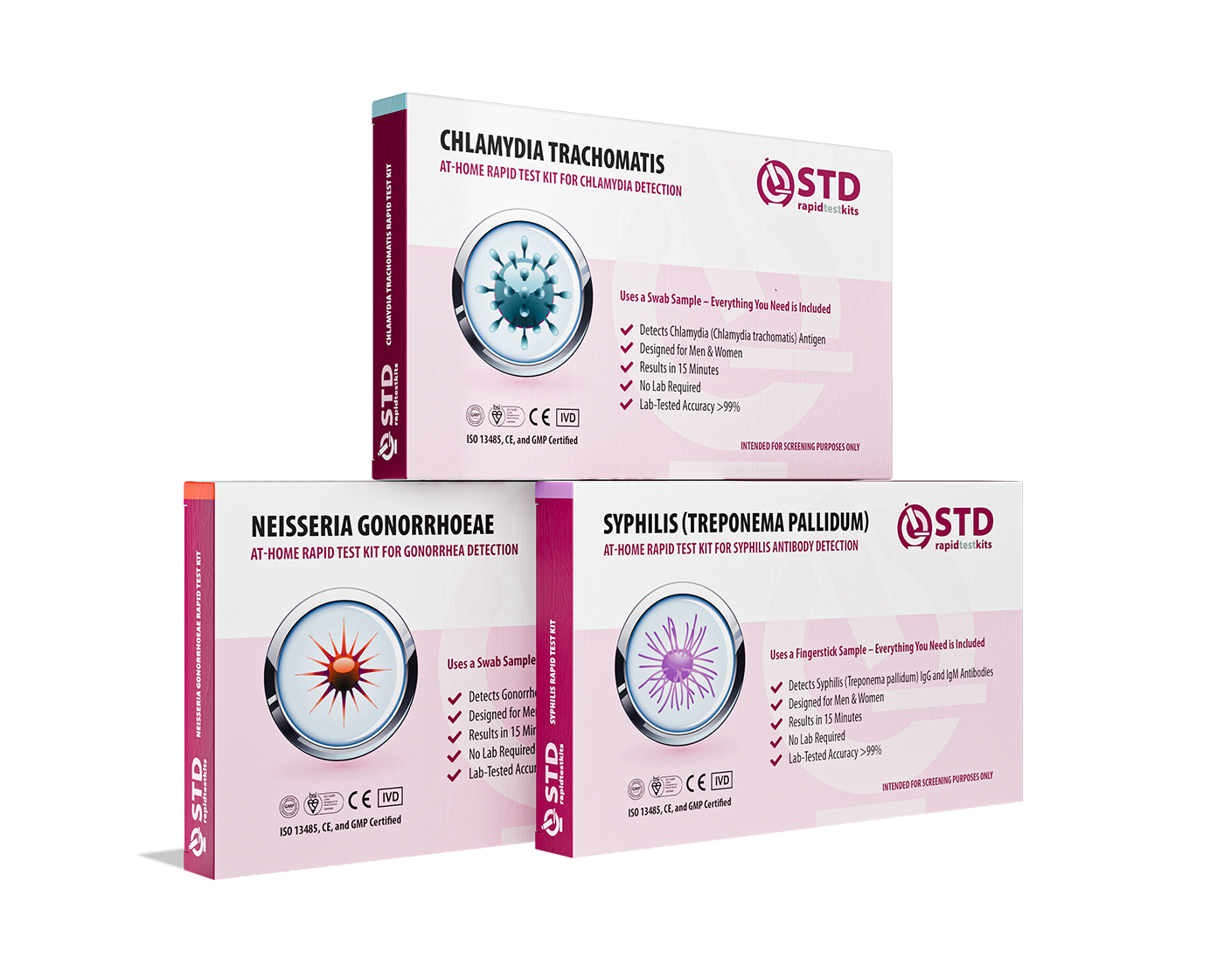
 For Men & Women
 Results in Minutes
 No Lab Needed
 Private & Discreet
Order Now $69.00 $147.00
For all 3 tests
How to Say It Without Spiraling
This is where people freeze. Not because they don’t care, but because stigma makes simple sentences feel dangerous. You don’t need courtroom language. You don’t need a confession monologue. You need clarity.
Lead with the fact. Clarify timeframe if relevant. Focus on shared health. Offer a next step. That structure prevents blame and keeps the conversation from turning into a morality debate.
For example: “I recently tested positive for chlamydia. I don’t know exactly when I got it, but since we were together recently, I wanted you to have the information so you can get tested too.”
Notice what’s not there. No accusations. No dramatic apologies. Just responsible information. Calm lowers the temperature of the room. Calm signals you are acting in good faith.
Rapid Test vs Lab Test: Choosing Before You Speak
Some people want immediate answers before they disclose. Others prefer lab-confirmed results first. Both instincts are understandable. Rapid tests can provide fast information, while lab-based NAAT testing typically offers very high sensitivity and specificity.
If you need quick clarity before a difficult conversation, options like the 6-in-1 At-Home STD Test Kit can screen for multiple major infections discreetly. If you prefer broader lab confirmation, mail-in testing may feel steadier. The goal isn’t perfection. It’s informed action.
When you know your status, your voice changes. It becomes grounded. And grounded communication tends to create better outcomes than panic-driven messaging.
If They Get Angry
Let’s be honest about something uncomfortable. Sometimes the reply hits hard. “You gave this to me.” “How could you?” “Were you cheating?” Even when you expected emotion, it can still feel like your stomach drops through the floor.
Anger is often fear wearing armor. People hear the word syphilis or gonorrhea and their brain jumps to worst-case scenarios. Their nervous system reacts before logic has time to step in. That reaction may not be fair, but it is human.
This is where steadiness matters more than defense. Unless someone knowingly hid a diagnosis, most STD transmission happens without awareness. You can validate the emotion without accepting blame you don’t deserve.
“I understand this is upsetting. I didn’t know I had it. I’m telling you because I care about your health.”
That sentence changes the tone. It doesn’t escalate. It doesn’t beg. It keeps the focus on testing, treatment, and next steps. And when the conversation stays anchored in health, it’s harder for it to turn into a character attack.
Do You Have a Legal Obligation to Tell Them?
Legal obligations depend on where you live and which infection is involved. In parts of the United States, specific disclosure laws exist for HIV, particularly when someone knowingly exposes a partner without informing them. Other STDs are generally handled through public health systems rather than criminal courts.
The difference almost always comes down to knowledge and intent. If someone did not know they were infected, criminal liability is far less common than people fear. Public health frameworks prioritize reducing transmission, increasing testing, and supporting treatment, not punishing people who are trying to do the responsible thing.
That said, laws vary by jurisdiction. If you are uncertain about your situation, consult a qualified legal professional in your area. But ethically, the answer remains consistent: if someone may have been exposed, transparency protects everyone medically and relationally.

People are also reading: Does Gonorrhea Cause Itching? Here’s the Honest Answer
The Reinfection Trap Nobody Warns You About
Here’s the practical piece people miss when emotions get loud. If one partner gets treated for a bacterial infection like chlamydia or gonorrhea and the other doesn’t, reinfection is common. One person clears the infection. The other remains untreated. Sex happens again. Suddenly the test is positive again, and suspicion fills the room.
That cycle isn’t about betrayal. It’s about timing. Public health data shows reinfection rates for certain bacterial STDs are significant within months if partners are not treated simultaneously. Disclosure isn’t punishment. It’s prevention.
| Stage | Without Disclosure | With Disclosure |
|---|---|---|
| Initial diagnosis | One partner treated, one unaware | Both partners informed |
| Post-treatment intimacy | Untreated partner reinfects treated partner | Both treated within the same timeframe |
| Follow-up testing | Confusion and mistrust | Clear retest plan and prevention strategy |
Figure 3. How coordinated partner treatment reduces reinfection risk.
When disclosure is framed as teamwork, not guilt, something shifts. It becomes “Let’s make sure this ends here,” instead of “Who messed up?” That shift can save months of repeat anxiety.
Text or Face-to-Face? The Method Debate
People quietly argue with themselves about this. Is texting cowardly? Is in-person mandatory? The truth is less dramatic. The right method depends on the relationship, the level of emotional safety, and whether you believe the conversation will escalate.
If this was a casual connection, a clear and respectful text can be entirely appropriate. Written communication can give both people time to process instead of reacting impulsively. If this is a long-term partner, face-to-face might feel more aligned with the depth of the relationship.
The standard isn’t performance. The standard is clarity.
For a newer connection: “I tested positive for gonorrhea this week. I’m getting treated. Since we were together recently, I wanted you to know so you can test too.”
For a committed relationship: “I got my results back and tested positive for chlamydia. I didn’t know I had it. I care about us, so I want to make sure we both get treated and move forward safely.”
Direct. Calm. Action-focused. That formula works in almost every context.
What If You’re Not Even Sure It Was You?
This is where conversations can start feeling like math problems nobody can solve. If you or your partner have had multiple partners in recent months, pinpointing exact transmission is often impossible. Many infections can linger undetected for weeks or longer.
Trying to assign certainty where biology doesn’t allow it usually turns the conversation into a trial. Trials rarely improve health outcomes. Instead of chasing origin stories, center what you know right now.
“I don’t know exactly when I contracted it or where it came from. What matters is we both have the information and can handle it.”
That sentence protects your dignity without dismissing responsibility. You are not required to solve a mystery to act responsibly.
Testing Before and After the Conversation
If you tested positive for a bacterial infection, treatment is often straightforward and effective. Antibiotics typically clear chlamydia and gonorrhea when taken correctly. Viral infections like herpes or HIV require ongoing management, but modern treatment options can significantly reduce symptoms and transmission risk.
If you have not tested yet, testing is the grounding step. Not as punishment, not as panic control, but as clarity. Knowing your status changes the tone of everything that follows.
For people who value privacy or feel overwhelmed by clinic visits, discreet options such as the 6-in-1 At-Home STD Test Kit provide a way to gather information before initiating a difficult conversation. Privacy can reduce anxiety, and reduced anxiety shapes better communication.
Retesting also matters. Many bacterial STDs require follow-up testing approximately three months after treatment due to reinfection risk. That retest isn’t suspicion. It’s protocol.
Check Your STD Status in Minutes
Test at Home with Remedium8-in-1 STD Test Kit
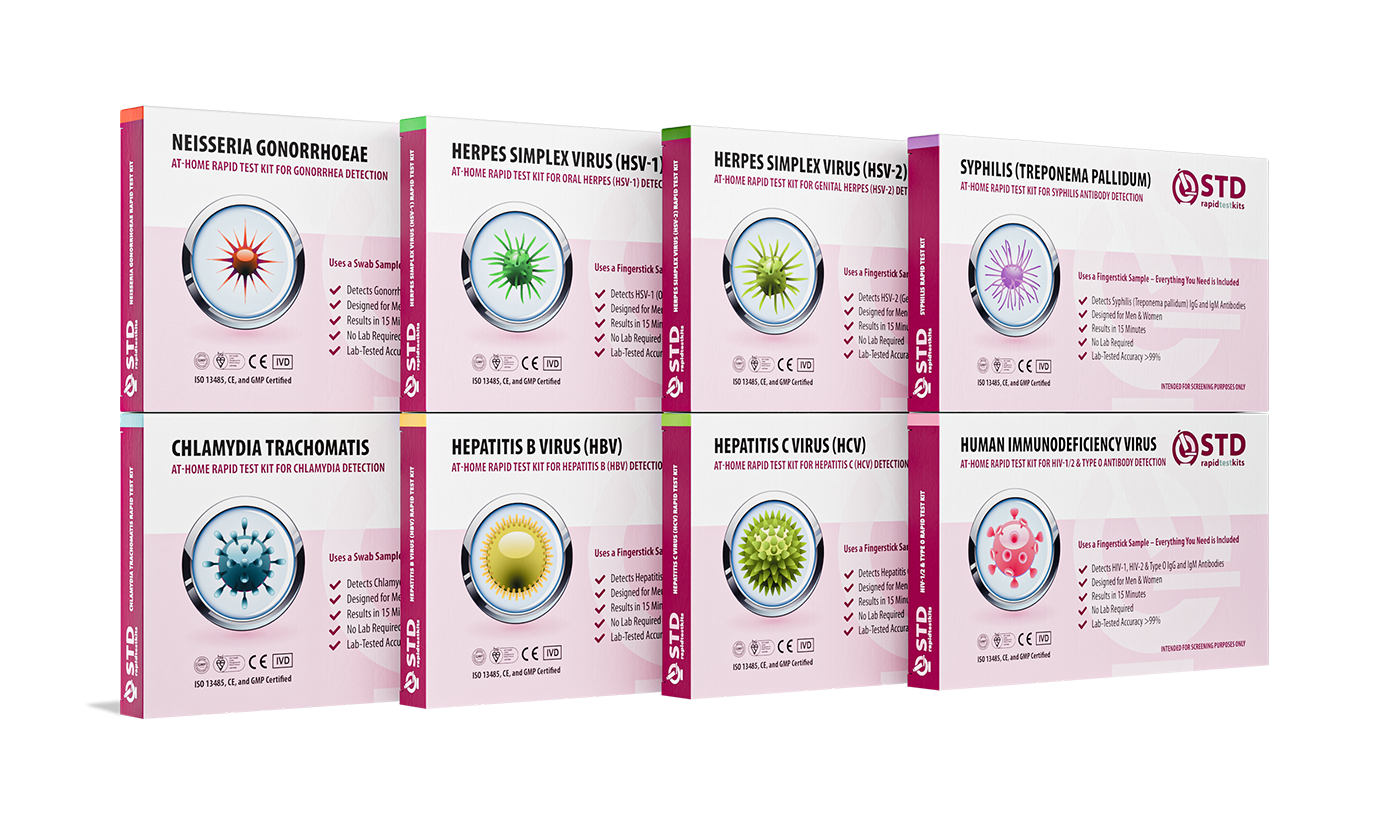 For Men & WomenResults in MinutesNo Lab NeededPrivate & Discreet
Order Now $149.00 $392.00
For all 8 tests
Anonymous Notification: When Direct Contact Feels Unsafe
Not every exposure involves a stable or safe dynamic. Sometimes contact information is limited. Sometimes there are legitimate concerns about retaliation or harassment. In those cases, safety matters just as much as transparency.
Many public health departments offer partner notification services that can inform someone they may have been exposed to infections like HIV or syphilis without revealing your identity. These systems exist because disclosure is a public health tool, not a personal punishment.
Choosing an anonymous route when necessary is not cowardice. It can be the safest and most responsible option available.
If They Never Respond
Sometimes you send the message and nothing comes back. No anger. No reassurance. Just silence. That silence can feel like rejection, punishment, or proof that you “ruined” something, even if the connection was brief.
But here’s the grounded truth: once you’ve communicated risk clearly and respectfully, you have fulfilled your responsibility. You cannot force someone to test. You cannot force someone to respond. Public health relies on disclosure, not control.
If the exposure involved higher-risk infections such as HIV or syphilis, and direct communication feels impossible, partner notification services through public health departments are an additional step. After that, the responsibility shifts. Integrity lives in the attempt.
What If You’re in a Relationship?
This is where fear tends to spike the highest. Your mind might jump straight to accusations. “They’ll think I cheated.” “This will destroy trust.” But a positive STD test does not automatically equal recent infidelity. Many infections can remain asymptomatic for weeks, months, or longer.
Approach this with structure. Share the result. Share what you know about timing and window periods. Share the plan for treatment and retesting. Steadiness invites steadiness.
One patient once described sitting at the kitchen table rehearsing the sentence for an hour. When they finally spoke, their partner paused and said, “Okay. Let’s handle it.” Not explosive. Not theatrical. Just practical. You cannot control the reaction, but clarity reduces unnecessary suspicion.
Managing Your Anxiety Before You Speak
Your nervous system interprets uncertainty as danger. Shame feels physical, tight chest, racing thoughts, shallow breathing. But this conversation is not a threat to your survival. It is a health update meant to reduce harm.
Preparation lowers panic. Confirm your testing status or your plan to test. Write the exact sentence you want to say. Practice saying it out loud. When you remove improvisation, you remove half the fear.
Remind yourself of context. According to the World Health Organization, more than one million sexually transmitted infections are acquired globally every day. STDs are common. Common conditions are not moral failures.
Reducing Future Risk Together
Disclosure can be a reset point instead of a rupture. Once both people know the situation, you can agree on practical next steps. That might mean abstaining until treatment is complete. It might mean retesting at three months. It might mean having a direct conversation about exclusivity or condom use.
When both partners test and treat on the same timeline, anxiety drops significantly. Coordinated care prevents reinfection cycles and removes guesswork from intimacy. Health becomes collaborative instead of suspicious.
If reassurance is needed before reconnecting physically, comprehensive screening through STD Test Kits allows both partners to confirm status discreetly. Facts lower emotional temperature. Facts restore stability.

People are also reading: Can an STD Ruin Your IVF Cycle? What Actually Matters
How to Keep the Conversation From Turning Into a Trial
Some disclosures shift quickly into interrogation mode. “Who else were you with?” “When did this happen?” “How many times?” These questions often come from fear, but they can cross boundaries fast.
You are responsible for communicating exposure risk. You are not required to disclose your complete sexual history unless you choose to. Boundaries and accountability can coexist.
“I’m not comfortable breaking down every detail. I want to focus on making sure we both get tested and treated.”
That response keeps the conversation anchored in health. It prevents escalation while still demonstrating responsibility.
The Conversation You’re Avoiding Might Save You Both
There’s an uncomfortable irony here. The sentence you most want to avoid is often the one that prevents bigger consequences later. Untreated syphilis can progress silently. Undiagnosed gonorrhea can lead to serious complications. Early HIV treatment dramatically improves outcomes and reduces transmission risk.
Imagine a future where symptoms appear months later and timelines get retraced. Silence at the beginning turns into suspicion at the end. That escalation is avoidable.
Disclosure protects their health. It protects your integrity. It prevents a small medical issue from turning into a larger relational fracture.
FAQs
1. Do I really have to tell them, even if it was just a hookup?
Yes. I know it feels awkward when it was “just one night” and maybe you don’t even follow each other anymore. But exposure is biological, not emotional. If someone’s body may be at risk, they deserve the information, even if the connection was casual, even if it ended politely, even if it ended weirdly. You don’t need a dramatic speech. A clear, respectful heads-up is enough.
2. What if I honestly don’t know if it was me?
That’s more common than people admit. Many STDs can sit quietly for weeks or months. Unless both of you have had zero other partners and perfect timing, pinpointing who transmitted what is often impossible. You don’t need to solve a crime scene. You just need to say, “I tested positive, and since we were together, I wanted you to know.” Responsibility doesn’t require certainty.
3. Should I apologize?
You can express care without collapsing into shame. There’s a difference between saying, “I’m sorry this is stressful and I care about your health,” and spiraling into, “I’m a terrible person.” One keeps the focus on support. The other turns the conversation into managing your guilt. Stay grounded. Stay adult.
4. What if they think I cheated?
A positive result does not automatically equal recent infidelity. Infections like chlamydia or gonorrhea can linger silently. Herpes can stay dormant. HIV has window periods that complicate timelines. The key is explaining what you know about timing and what you don’t. Transparency plus a testing plan is stronger than defensive explanations.
5. Is texting really okay, or is that weak?
Context matters more than the medium. If it was a newer connection, a thoughtful text can actually lower emotional escalation and give both people space to process. For a long-term partner, face-to-face may feel more aligned. But the gold standard is clarity, not performance. Calm beats dramatic every time.
6. Can we just wait and see if symptoms show up?
That’s a gamble. Many infections don’t announce themselves. People can carry chlamydia, gonorrhea, and even early HIV without obvious symptoms. Waiting for pain or discharge is not a strategy; it’s wishful thinking. Testing turns uncertainty into data, and data is how you make clean decisions.
7. What if they completely lose it on me?
Fear often sounds like anger. You might get heat before you get logic. Stay steady. “I didn’t know I had it. I’m telling you because I respect you.” If it crosses into threats or cruelty, you’re allowed to disengage after delivering the information. Responsibility does not require tolerating abuse.
8. Could I get sued or charged?
Laws vary, especially around HIV, and they depend heavily on knowledge and intent. In most unintentional exposure cases, legal fallout is far less common than people imagine. Public health systems are designed to reduce harm, not punish people who disclose responsibly. If you’re concerned, get local legal advice. But silence rarely protects you more than transparency does.
9. I feel disgusting. How do I stop feeling that way?
That feeling is stigma talking, not medicine. STDs are infections, not moral verdicts. Millions of adults, across every age, orientation, and relationship type, deal with them. Responsible adults test, treat, communicate, and move forward. That’s maturity. That’s strength. That’s not something to be ashamed of.
10. Will this ruin my relationship?
Silence is more corrosive than honesty. I’ve seen couples fracture over secrecy and grow stronger over transparency. The conversation may be uncomfortable. It may even be tense. But a shared testing and treatment plan often stabilizes things faster than avoidance ever could. Integrity builds trust, even when the topic is uncomfortable.
When You’re Still Waiting on Results
Waiting can feel worse than knowing. You’re suspended between possibility and proof. If a partner informed you they tested positive, it is reasonable to give recent partners a heads-up that you are getting tested and will update them with results.
If you’re experiencing vague symptoms without a confirmed exposure, testing first is often wiser. Many symptoms overlap with non-STD conditions. Speaking before facts are clear can create unnecessary panic.
If you need discreet testing while you gather information, options such as the Chlamydia, Gonorrhea & Syphilis At-Home STD Test Kit can provide timely answers aligned with window periods. Clarity steadies tone, and steady tone shapes better conversations.
How We Sourced This Article: We combined current guidance from leading public health authorities with peer-reviewed research and lived-experience reporting to ensure this guide is medically accurate and emotionally grounded. Approximately fifteen authoritative sources informed the full analysis, including CDC treatment guidelines, WHO global STI data, Mayo Clinic overviews, NHS resources, and best-practice literature on partner notification and reinfection prevention. Below are six of the most reader-relevant and medically authoritative sources used to support timing, disclosure, and treatment guidance.
Sources
1. World Health Organization, Sexually Transmitted Infections Fact Sheet
2. Mayo Clinic, Sexually Transmitted Diseases Overview
3. CDC, Sexually Transmitted Infections Treatment Guidelines
4. NHS, Sexually Transmitted Infections (STIs)
5. Partner Services - STI Treatment Guidelines | CDC
About the Author
Dr. F. David, MD is a board-certified infectious disease specialist who works to stop, diagnose, and treat STIs. He has a no-nonsense, sex-positive attitude and is very precise in his work. He also works to make discreet testing options available to more people across the country.
Reviewed by: L. Ramirez, MPH | Last medically reviewed: February 2026
This article is for informational purposes and does not replace medical advice.


