






STD or Something Else? How to Tell If Your Symptoms Are a Warning Sign
HIV͏͏ Research͏͏ and͏͏ Progression
Recent͏͏ landmark͏͏ studies͏͏ such͏͏ as͏͏ the͏͏ START͏͏ trial͏͏ and͏͏ findings͏͏ published͏͏ in͏͏ reputable͏͏ journals͏͏ like͏͏ The͏͏ Lancet͏͏ and͏͏ the͏͏ Journal͏͏ of͏͏ Infectious͏͏ Diseases͏͏ have͏͏ underscored͏͏ the͏͏ importance͏͏ of͏͏ early͏͏ intervention.͏͏ These͏͏ studies͏͏ reveal͏͏ that͏͏ initiating͏͏ antiretroviral͏͏ therapy͏͏ (ART)͏͏ soon͏͏ after͏͏ infection͏͏ can͏͏ dramatically͏͏ slow͏͏ disease͏͏ progression͏͏ and͏͏ preserve͏͏ immune͏͏ function.͏͏ As͏͏ we͏͏ explore͏͏ each͏͏ stage͏͏ in͏͏ detail,͏͏ these͏͏ research͏͏ insights͏͏ provide͏͏ the͏͏ foundation͏͏ for͏͏ why͏͏ timely͏͏ testing͏͏ and͏͏ treatment͏͏ are͏͏ so͏͏ vital.
Stage͏͏ 1:͏͏ Acute͏͏ HIV͏͏ Infection
What͏͏ Happens͏͏ During͏͏ This͏͏ Stage?
Stage͏͏ 1,͏͏ known͏͏ as͏͏ the͏͏ Acute͏͏ HIV͏͏ Infection͏͏ phase,͏͏ typically͏͏ occurs͏͏ within͏͏ 2–4͏͏ weeks͏͏ after͏͏ exposure͏͏ to͏͏ the͏͏ virus.͏͏ During͏͏ this͏͏ period,͏͏ HIV͏͏ replicates͏͏ rapidly,͏͏ leading͏͏ to͏͏ a͏͏ high͏͏ viral͏͏ load.͏͏ Many͏͏ individuals͏͏ experience͏͏ flu-like͏͏ symptoms͏͏ that͏͏ may͏͏ include:
- Fever͏͏ and͏͏ chills
- Sore͏͏ throat
- Fatigue͏͏ and͏͏ body͏͏ aches
- Swollen͏͏ lymph͏͏ nodes
Studies͏͏ indicate͏͏ that͏͏ up͏͏ to͏͏ 70%͏͏ of͏͏ people͏͏ in͏͏ this͏͏ early͏͏ phase͏͏ notice͏͏ these͏͏ symptoms,͏͏ although͏͏ they͏͏ often͏͏ vary͏͏ in͏͏ severity.
Research͏͏ Insights
A͏͏ 2018͏͏ study͏͏ in͏͏ the͏͏ American͏͏ Journal͏͏ of͏͏ Medicine͏͏ emphasized͏͏ that͏͏ the͏͏ early,͏͏ non-specific͏͏ symptoms͏͏ of͏͏ acute͏͏ HIV͏͏ infection͏͏ are͏͏ frequently͏͏ misinterpreted͏͏ as͏͏ a͏͏ common͏͏ cold͏͏ or͏͏ influenza.͏͏ This͏͏ misinterpretation͏͏ can͏͏ delay͏͏ diagnosis͏͏ and,͏͏ consequently,͏͏ the͏͏ initiation͏͏ of͏͏ life-saving͏͏ treatment.͏͏ The͏͏ study͏͏ also͏͏ found͏͏ that͏͏ individuals͏͏ diagnosed͏͏ during͏͏ this͏͏ acute͏͏ phase͏͏ who͏͏ promptly͏͏ began͏͏ ART͏͏ experienced͏͏ significantly͏͏ better͏͏ long-term͏͏ immune͏͏ outcomes.
Real-Life͏͏ Anecdote
Consider͏͏ the͏͏ story͏͏ of͏͏ Alex,͏͏ a͏͏ 28-year-old͏͏ who͏͏ initially͏͏ brushed͏͏ off͏͏ persistent͏͏ flu-like͏͏ symptoms͏͏ as͏͏ seasonal͏͏ allergies.͏͏ Only͏͏ after͏͏ a͏͏ friend͏͏ urged͏͏ him͏͏ to͏͏ get͏͏ tested͏͏ did͏͏ he͏͏ discover͏͏ his͏͏ HIV-positive͏͏ status͏͏ during͏͏ the͏͏ acute͏͏ phase.͏͏ With͏͏ immediate͏͏ treatment,͏͏ Alex͏͏ was͏͏ able͏͏ to͏͏ control͏͏ the͏͏ viral͏͏ load͏͏ and͏͏ maintain͏͏ his͏͏ health—a͏͏ testament͏͏ to͏͏ the͏͏ power͏͏ of͏͏ early͏͏ detection.

Stage͏͏ 2:͏͏ Clinical͏͏ Latency͏͏ (Chronic͏͏ HIV͏͏ Infection)
During͏͏ the͏͏ clinical͏͏ latency͏͏ stage,͏͏ HIV͏͏ continues͏͏ to͏͏ multiply͏͏ at͏͏ low͏͏ levels,͏͏ but͏͏ most͏͏ individuals͏͏ do͏͏ not͏͏ experience͏͏ obvious͏͏ symptoms.͏͏ This͏͏ phase͏͏ can͏͏ last͏͏ anywhere͏͏ from͏͏ several͏͏ years͏͏ up͏͏ to͏͏ a͏͏ decade—or͏͏ even͏͏ longer—if͏͏ no͏͏ treatment͏͏ is͏͏ initiated.͏͏ Despite͏͏ the͏͏ lack͏͏ of͏͏ noticeable͏͏ symptoms,͏͏ the͏͏ virus͏͏ is͏͏ steadily͏͏ damaging͏͏ the͏͏ immune͏͏ system.
What͏͏ Research͏͏ Tells͏͏ Us
Recent͏͏ studies͏͏ have͏͏ highlighted͏͏ the͏͏ importance͏͏ of͏͏ monitoring͏͏ viral͏͏ loads͏͏ during͏͏ this͏͏ period.͏͏ Research͏͏ published͏͏ in͏͏ reputable͏͏ journals͏͏ such͏͏ as͏͏ The͏͏ Lancet͏͏ and͏͏ the͏͏ Journal͏͏ of͏͏ Infectious͏͏ Diseases͏͏ has͏͏ shown͏͏ that͏͏ early͏͏ antiretroviral͏͏ therapy͏͏ (ART)͏͏ can͏͏ maintain͏͏ a͏͏ low͏͏ viral͏͏ replication͏͏ rate͏͏ and͏͏ preserve͏͏ immune͏͏ function͏͏ during͏͏ this͏͏ asymptomatic͏͏ stage.͏͏ For͏͏ example,͏͏ one͏͏ longitudinal͏͏ study͏͏ found͏͏ that͏͏ patients͏͏ who͏͏ began͏͏ ART͏͏ during͏͏ the͏͏ latency͏͏ phase͏͏ experienced͏͏ significantly͏͏ delayed͏͏ progression͏͏ to͏͏ later͏͏ stages,͏͏ compared͏͏ to͏͏ those͏͏ who͏͏ postponed͏͏ treatment.
Real-Life͏͏ Anecdote
Consider͏͏ the͏͏ case͏͏ of͏͏ Maria,͏͏ a͏͏ 35-year-old͏͏ who͏͏ felt͏͏ perfectly͏͏ healthy͏͏ despite͏͏ being͏͏ HIV-positive.͏͏ Maria͏͏ only͏͏ discovered͏͏ her͏͏ status͏͏ during͏͏ a͏͏ routine͏͏ screening.͏͏ With͏͏ timely͏͏ counseling͏͏ and͏͏ initiation͏͏ of͏͏ ART,͏͏ she͏͏ has͏͏ maintained͏͏ a͏͏ stable͏͏ viral͏͏ load͏͏ for͏͏ over͏͏ eight͏͏ years.͏͏ Her͏͏ story͏͏ underscores͏͏ the͏͏ silent͏͏ progression͏͏ during͏͏ the͏͏ latency͏͏ stage͏͏ and͏͏ the͏͏ crucial͏͏ role͏͏ of͏͏ regular͏͏ testing.
Check Your STD Status in Minutes
Test at Home with RemediumHIV Rapid Test Kit
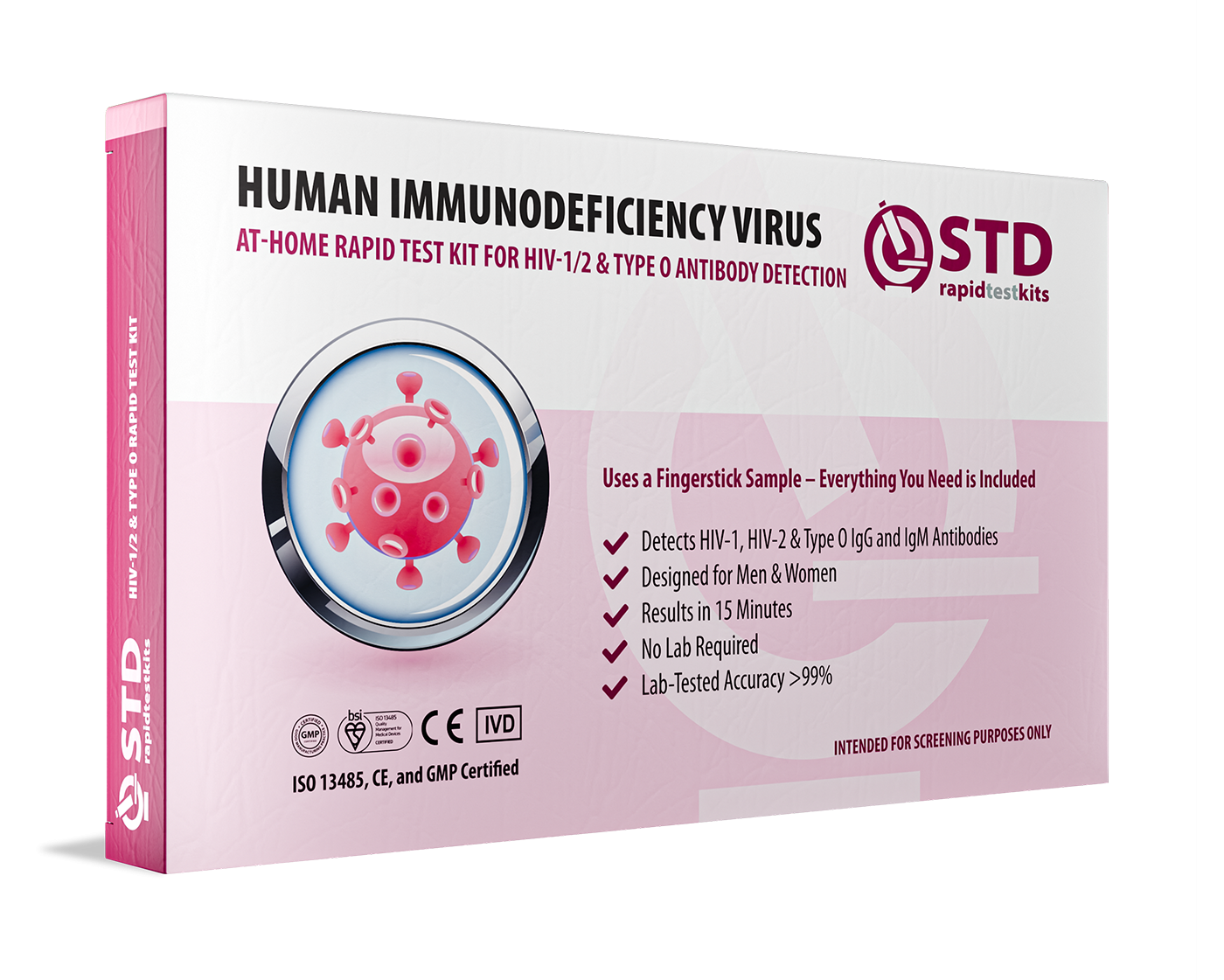
Claim Your Kit Today
Save 31%
 For Men & Women
 Results in Minutes
 No Lab Needed
 Private & Discreet
Order Now $33.99 $49.00
Stage͏͏ 3:͏͏ Symptomatic͏͏ HIV͏͏ Infection
As͏͏ the͏͏ immune͏͏ system͏͏ gradually͏͏ weakens,͏͏ some͏͏ individuals͏͏ begin͏͏ to͏͏ experience͏͏ more͏͏ noticeable͏͏ symptoms.͏͏ Stage͏͏ 3͏͏ is͏͏ marked͏͏ by͏͏ persistent͏͏ health͏͏ issues͏͏ such͏͏ as͏͏ unexplained͏͏ weight͏͏ loss,͏͏ recurrent͏͏ fevers,͏͏ chronic͏͏ fatigue,͏͏ and͏͏ prolonged͏͏ diarrhea.͏͏ These͏͏ symptoms͏͏ signal͏͏ that͏͏ HIV͏͏ is͏͏ beginning͏͏ to͏͏ take͏͏ a͏͏ heavier͏͏ toll͏͏ on͏͏ the͏͏ body's͏͏ defenses.
Research͏͏ Insights
Recent͏͏ clinical͏͏ studies͏͏ have͏͏ documented͏͏ that͏͏ the͏͏ onset͏͏ of͏͏ symptomatic͏͏ HIV͏͏ infection͏͏ correlates͏͏ with͏͏ declining͏͏ CD4͏͏ cell͏͏ counts.͏͏ A͏͏ 2021͏͏ study͏͏ in͏͏ the͏͏ Journal͏͏ of͏͏ Clinical͏͏ Virology͏͏ reported͏͏ that͏͏ early͏͏ intervention͏͏ at͏͏ the͏͏ symptomatic͏͏ stage͏͏ could͏͏ reduce͏͏ the͏͏ severity͏͏ and͏͏ duration͏͏ of͏͏ these͏͏ symptoms,͏͏ ultimately͏͏ improving͏͏ quality͏͏ of͏͏ life.͏͏ Researchers͏͏ stress͏͏ that͏͏ this͏͏ stage͏͏ is͏͏ a͏͏ critical͏͏ window͏͏ where͏͏ timely͏͏ medical͏͏ intervention͏͏ can͏͏ still͏͏ reverse͏͏ some͏͏ of͏͏ the͏͏ immunological͏͏ damage.
Real-Life͏͏ Anecdote
David,͏͏ a͏͏ 42-year-old͏͏ professional,͏͏ began͏͏ experiencing͏͏ persistent͏͏ night͏͏ sweats͏͏ and͏͏ significant͏͏ weight͏͏ loss.͏͏ Initially͏͏ attributing͏͏ these͏͏ signs͏͏ to͏͏ a͏͏ stressful͏͏ work͏͏ environment,͏͏ he͏͏ delayed͏͏ seeking͏͏ medical͏͏ advice.͏͏ Once͏͏ diagnosed,͏͏ David͏͏ immediately͏͏ started͏͏ ART͏͏ and͏͏ received͏͏ comprehensive͏͏ care.͏͏ His͏͏ experience͏͏ highlights͏͏ the͏͏ importance͏͏ of͏͏ recognizing͏͏ and͏͏ acting͏͏ on͏͏ early͏͏ warning͏͏ signs͏͏ before͏͏ the͏͏ condition͏͏ worsens.

Stage͏͏ 4:͏͏ AIDS͏͏ (Acquired͏͏ Immunodeficiency͏͏ Syndrome)
Stage͏͏ 4,͏͏ commonly͏͏ known͏͏ as͏͏ AIDS,͏͏ represents͏͏ the͏͏ most͏͏ advanced͏͏ stage͏͏ of͏͏ HIV͏͏ infection.͏͏ At͏͏ this͏͏ point,͏͏ the͏͏ immune͏͏ system͏͏ is͏͏ severely͏͏ compromised,͏͏ making͏͏ the͏͏ body͏͏ vulnerable͏͏ to͏͏ opportunistic͏͏ infections͏͏ and͏͏ certain͏͏ cancers.͏͏ Without͏͏ treatment,͏͏ the͏͏ progression͏͏ to͏͏ AIDS͏͏ can͏͏ lead͏͏ to͏͏ life-threatening͏͏ complications.
Research͏͏ and͏͏ Clinical͏͏ Observations
Studies͏͏ over͏͏ the͏͏ past͏͏ decade͏͏ have͏͏ underscored͏͏ that͏͏ early͏͏ and͏͏ continuous͏͏ treatment͏͏ can͏͏ delay͏͏ or͏͏ even͏͏ prevent͏͏ the͏͏ transition͏͏ to͏͏ AIDS.͏͏ A͏͏ landmark͏͏ study͏͏ published͏͏ in͏͏ The͏͏ New͏͏ England͏͏ Journal͏͏ of͏͏ Medicine͏͏ revealed͏͏ that͏͏ consistent͏͏ adherence͏͏ to͏͏ ART͏͏ not͏͏ only͏͏ reduces͏͏ the͏͏ risk͏͏ of͏͏ opportunistic͏͏ infections͏͏ but͏͏ also͏͏ significantly͏͏ lowers͏͏ mortality͏͏ rates͏͏ among͏͏ patients͏͏ with͏͏ advanced͏͏ HIV.͏͏ This͏͏ evidence͏͏ reinforces͏͏ the͏͏ critical͏͏ need͏͏ for͏͏ regular͏͏ testing͏͏ and͏͏ prompt͏͏ treatment͏͏ initiation.
Real-Life͏͏ Anecdote
Lisa,͏͏ diagnosed͏͏ in͏͏ her͏͏ early͏͏ 30s,͏͏ saw͏͏ her͏͏ condition͏͏ deteriorate͏͏ rapidly͏͏ after͏͏ missing͏͏ multiple͏͏ doses͏͏ of͏͏ her͏͏ medication.͏͏ After͏͏ facing͏͏ severe͏͏ infections͏͏ and͏͏ hospitalization,͏͏ a͏͏ renewed͏͏ focus͏͏ on͏͏ adherence͏͏ and͏͏ a͏͏ tailored͏͏ treatment͏͏ regimen͏͏ helped͏͏ stabilize͏͏ her͏͏ condition.͏͏ Lisa’s͏͏ journey͏͏ serves͏͏ as͏͏ a͏͏ powerful͏͏ reminder͏͏ of͏͏ both͏͏ the͏͏ dangers͏͏ of͏͏ untreated͏͏ HIV͏͏ and͏͏ the͏͏ life-saving͏͏ impact͏͏ of͏͏ modern͏͏ therapies.
Check Your STD Status in Minutes
Test at Home with Remedium7-in-1 STD Test Kit
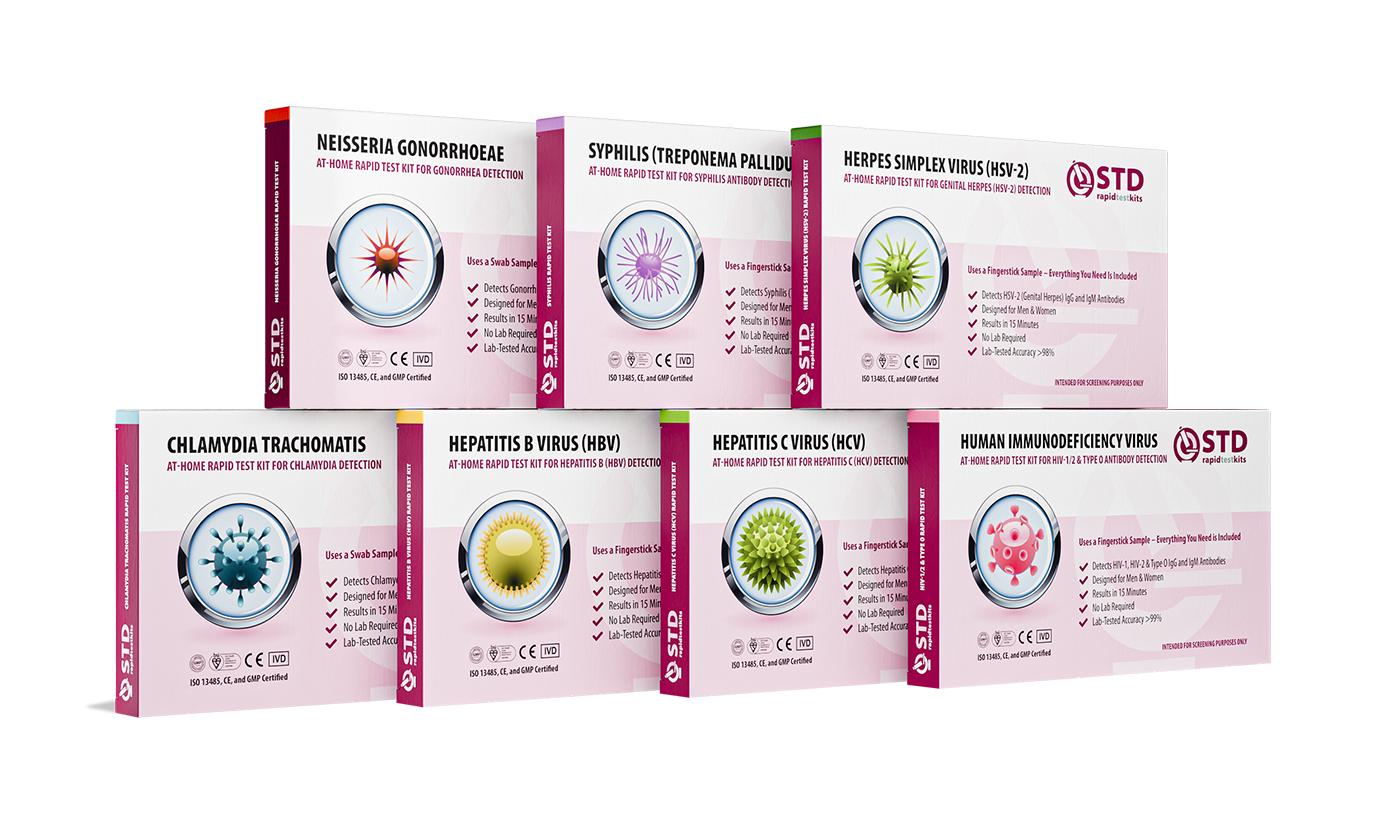
Claim Your Kit Today
Save 62%
For Men & WomenResults in MinutesNo Lab NeededPrivate & DiscreetOrder Now $129.00 $343.00
For all 7 tests
Common͏͏ Myths͏͏ About͏͏ HIV
Despite͏͏ decades͏͏ of͏͏ research͏͏ and͏͏ public͏͏ education,͏͏ misconceptions͏͏ about͏͏ HIV͏͏ still͏͏ persist.͏͏ Here͏͏ are͏͏ some͏͏ of͏͏ the͏͏ most͏͏ common͏͏ myths͏͏ debunked:
Myth͏͏ 1:͏͏ HIV͏͏ is͏͏ a͏͏ death͏͏ sentence.
Reality:͏͏ With͏͏ modern͏͏ antiretroviral͏͏ therapy͏͏ (ART),͏͏ people͏͏ with͏͏ HIV͏͏ can͏͏ live͏͏ long,͏͏ healthy͏͏ lives.
Myth͏͏ 2:͏͏ HIV͏͏ can͏͏ be͏͏ transmitted͏͏ through͏͏ casual͏͏ contact.
Reality:͏͏ HIV͏͏ is͏͏ not͏͏ spread͏͏ through͏͏ hugs,͏͏ handshakes,͏͏ or͏͏ sharing͏͏ utensils.
Myth͏͏ 3:͏͏ Only͏͏ certain͏͏ groups͏͏ are͏͏ at͏͏ risk.
Reality:͏͏ HIV͏͏ can͏͏ affect͏͏ anyone,͏͏ regardless͏͏ of͏͏ gender,͏͏ ethnicity,͏͏ or͏͏ socioeconomic͏͏ status.
Myth͏͏ 4:͏͏ You͏͏ can͏͏ tell͏͏ if͏͏ someone͏͏ has͏͏ HIV͏͏ by͏͏ looking͏͏ at͏͏ them.
Reality:͏͏ HIV͏͏ has͏͏ no͏͏ visible͏͏ symptoms͏͏ in͏͏ its͏͏ early͏͏ stages,͏͏ which͏͏ is͏͏ why͏͏ testing͏͏ is͏͏ crucial.
Myth͏͏ 5:͏͏ At-home͏͏ STD͏͏ test͏͏ kits͏͏ are͏͏ unreliable.
Reality:͏͏ At-home͏͏ testing͏͏ kits,͏͏ when͏͏ used͏͏ correctly,͏͏ are͏͏ accurate͏͏ and͏͏ provide͏͏ a͏͏ convenient͏͏ way͏͏ to͏͏ screen͏͏ for͏͏ HIV͏͏ and͏͏ other͏͏ STDs.
FAQs
1.- What͏͏ are͏͏ the͏͏ four͏͏ stages͏͏ of͏͏ HIV͏͏ infection?
The͏͏ stages͏͏ are͏͏ Acute͏͏ HIV͏͏ Infection,͏͏ Clinical͏͏ Latency͏͏ (Chronic͏͏ HIV͏͏ Infection),͏͏ Symptomatic͏͏ HIV͏͏ Infection,͏͏ and͏͏ AIDS.
2.- How͏͏ long͏͏ does͏͏ each͏͏ stage͏͏ last?
The͏͏ acute͏͏ phase͏͏ lasts͏͏ a͏͏ few͏͏ weeks,͏͏ clinical͏͏ latency͏͏ can͏͏ span͏͏ several͏͏ years,͏͏ symptomatic͏͏ infection͏͏ varies͏͏ in͏͏ duration,͏͏ and͏͏ progression͏͏ to͏͏ AIDS͏͏ depends͏͏ on͏͏ several͏͏ factors,͏͏ including͏͏ treatment͏͏ adherence.
3.- Why͏͏ is͏͏ early͏͏ detection͏͏ important?
Early͏͏ detection͏͏ allows͏͏ for͏͏ timely͏͏ intervention͏͏ with͏͏ ART,͏͏ which͏͏ can͏͏ significantly͏͏ slow͏͏ disease͏͏ progression͏͏ and͏͏ improve͏͏ long-term͏͏ outcomes.
4.- Can͏͏ modern͏͏ treatments͏͏ completely͏͏ cure͏͏ HIV?
There͏͏ is͏͏ currently͏͏ no͏͏ cure͏͏ for͏͏ HIV,͏͏ but͏͏ ART͏͏ can͏͏ control͏͏ the͏͏ virus͏͏ to͏͏ undetectable͏͏ levels,͏͏ reducing͏͏ the͏͏ risk͏͏ of͏͏ transmission͏͏ and͏͏ improving͏͏ quality͏͏ of͏͏ life.
5.- How͏͏ often͏͏ should͏͏ I͏͏ get͏͏ tested͏͏ for͏͏ HIV?
It͏͏ is͏͏ recommended͏͏ to͏͏ get͏͏ tested͏͏ at͏͏ least͏͏ once͏͏ a͏͏ year,͏͏ or͏͏ more͏͏ frequently͏͏ if͏͏ you͏͏ believe͏͏ you͏͏ have͏͏ been͏͏ exposed͏͏ to͏͏ risk͏͏ factors.
6.- What͏͏ are͏͏ the͏͏ common͏͏ symptoms͏͏ during͏͏ the͏͏ acute͏͏ phase?
Symptoms͏͏ often͏͏ mimic͏͏ the͏͏ flu,͏͏ including͏͏ fever,͏͏ fatigue,͏͏ sore͏͏ throat,͏͏ and͏͏ swollen͏͏ lymph͏͏ nodes.
7.- What͏͏ should͏͏ I͏͏ do͏͏ if͏͏ I͏͏ think͏͏ I've͏͏ been͏͏ exposed͏͏ to͏͏ HIV?
Seek͏͏ testing͏͏ immediately,͏͏ and͏͏ consult͏͏ a͏͏ healthcare͏͏ provider͏͏ for͏͏ advice͏͏ on͏͏ starting͏͏ post-exposure͏͏ prophylaxis͏͏ (PEP)͏͏ if͏͏ applicable.
8.- Are͏͏ at-home͏͏ HIV͏͏ tests͏͏ as͏͏ reliable͏͏ as͏͏ those͏͏ conducted͏͏ in͏͏ a͏͏ clinic?
Yes,͏͏ when͏͏ used͏͏ correctly,͏͏ at-home͏͏ HIV͏͏ tests͏͏ are͏͏ reliable͏͏ and͏͏ provide͏͏ privacy͏͏ and͏͏ convenience.
9.- What͏͏ role͏͏ do͏͏ studies͏͏ play͏͏ in͏͏ understanding͏͏ HIV?
Ongoing͏͏ research͏͏ informs͏͏ best͏͏ practices͏͏ in͏͏ treatment͏͏ and͏͏ prevention,͏͏ ensuring͏͏ that͏͏ healthcare͏͏ strategies͏͏ evolve͏͏ alongside͏͏ our͏͏ understanding͏͏ of͏͏ the͏͏ virus.
10.- How͏͏ does͏͏ ART͏͏ help͏͏ in͏͏ managing͏͏ HIV?
ART͏͏ reduces͏͏ the͏͏ viral͏͏ load͏͏ to͏͏ undetectable͏͏ levels,͏͏ helping͏͏ preserve͏͏ the͏͏ immune͏͏ system͏͏ and͏͏ drastically͏͏ lowering͏͏ the͏͏ chance͏͏ of͏͏ transmission.
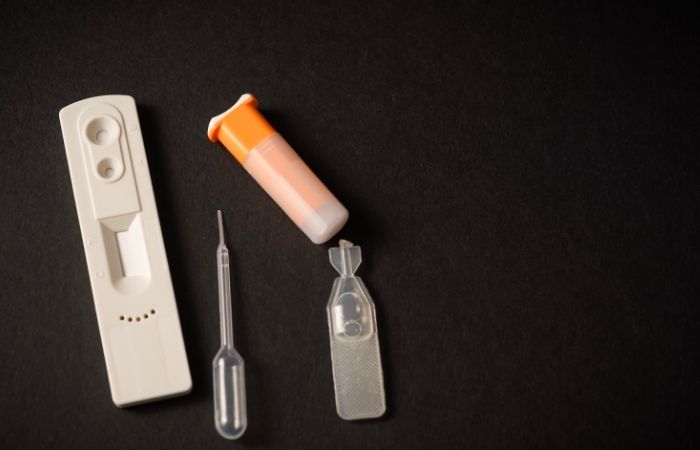
Protect Yourself!
Understanding the progression of HIV—from the initial acute phase through clinical latency, symptomatic infection, and finally AIDS—empowers individuals with the knowledge to act early. Scientific studies and real-life experiences underscore the profound benefits of early detection and consistent treatment. Whether you are at risk or simply want to be proactive about your health, getting tested is the first step toward control and management of the disease.
We encourage you to consider at-home STD test kits as a convenient and confidential way to stay informed about your health. Early testing not only helps you receive timely treatment but also protects those you love. Take action now—get tested, know your status, and embrace a healthier future.
Sources
1.- The Lancet
2.- American Journal of Medicine
3.- Journal of Clinical Virology
4.- New England Journal of Medicine


