Published: August 2025 | Last updated: May 2026 | Editorial review and quality control: Martina N.
Can congenital syphilis be prevented?
Yes, in the large majority of cases. The CDC, ACOG, and the U.S. Preventive Services Task Force recommend universal syphilis screening at the first prenatal visit, with a repeat at 28 weeks for higher-risk pregnancies. Intramuscular benzathine penicillin G completed at least 30 days before delivery prevents congenital infection in almost every treated case.
Congenital syphilis is one of the most preventable reportable infections in the United States, yet the case count has more than tripled in recent years, with nearly 4,000 cases reported in 2024 alone and case counts roughly ten times higher than in the early 2010s. The bacterium that causes it, Treponema pallidum, can move from a pregnant person's bloodstream into the placenta and infect the fetus at almost any point during pregnancy. When that infection is identified before birth and treated correctly with penicillin, the chance of vertical transmission drops close to zero. The reassuring part is that the prevention plan is small and well-defined: a screen at the first prenatal visit, a repeat at 28 weeks for higher-risk pregnancies, and a single course of intramuscular benzathine penicillin G when needed.
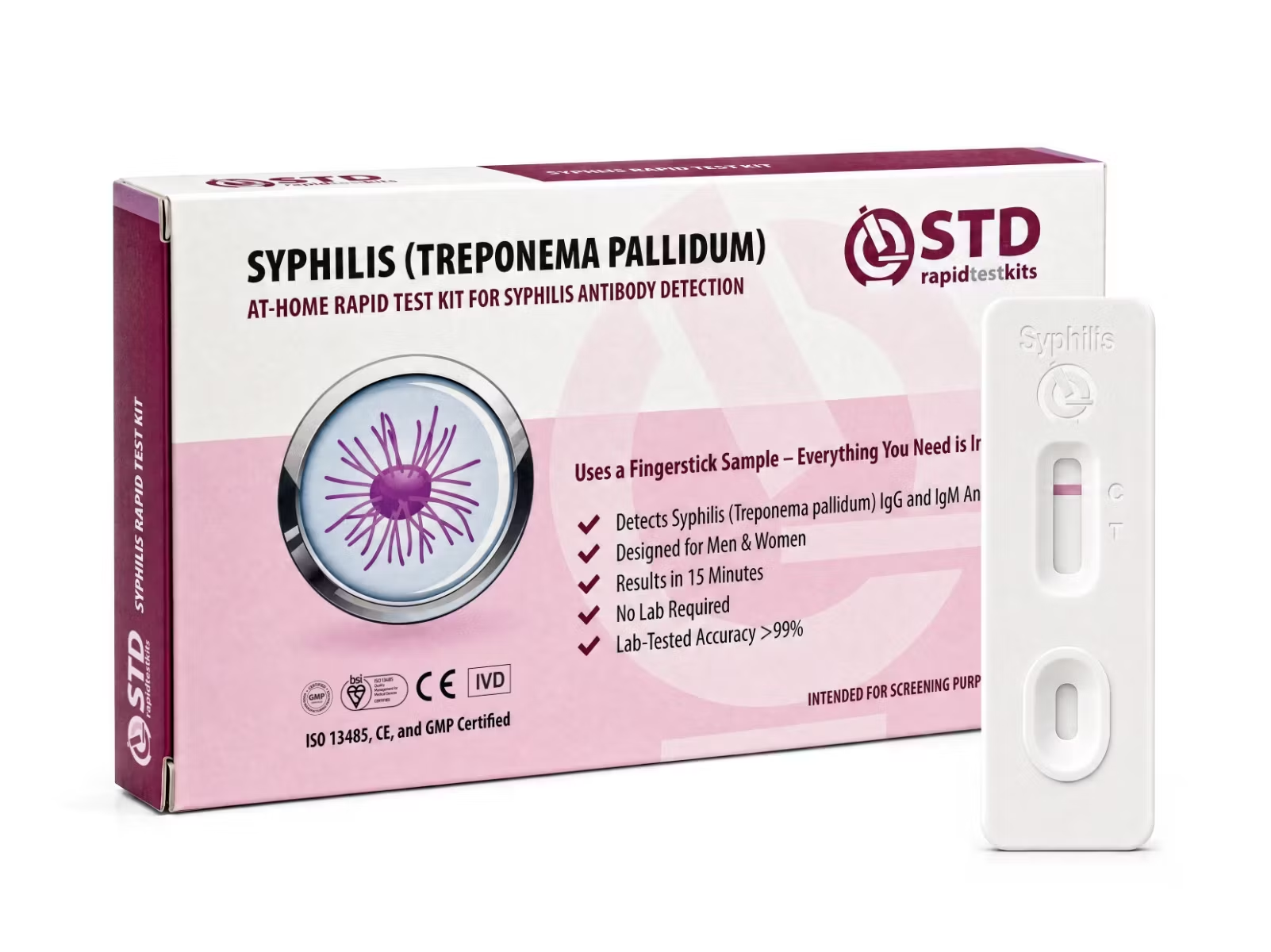
This guide walks through how the bacterium reaches the fetus, what untreated infection does to a pregnancy and a newborn, the CDC prenatal screening schedule, the treatment regimen that works, and where at-home rapid tests (such as the at-home syphilis rapid test) fit alongside clinical care. Disclosure: this site sells the at-home syphilis rapid test linked above, and the guidance that follows applies regardless of which lateral-flow brand you use. The information here is editorial, synthesizing current CDC, WHO, ACOG, and USPSTF guidance. It is not a substitute for personalized prenatal care from a licensed obstetric provider.
Key Takeaways
- Untreated maternal syphilis transmits to the fetus in a high share of cases and can cause stillbirth, preterm birth, or lifelong organ and developmental harm. Adequate prenatal treatment with intramuscular penicillin, completed at least 30 days before delivery, prevents congenital syphilis in the large majority of cases.
- At-home rapid syphilis tests support partner testing, pre-pregnancy planning, and between-visit checkpoints, but pregnant people still need clinical RPR or VDRL screening at the first prenatal visit and, in many cases, again at 28 weeks and at delivery.
How congenital syphilis reaches the baby
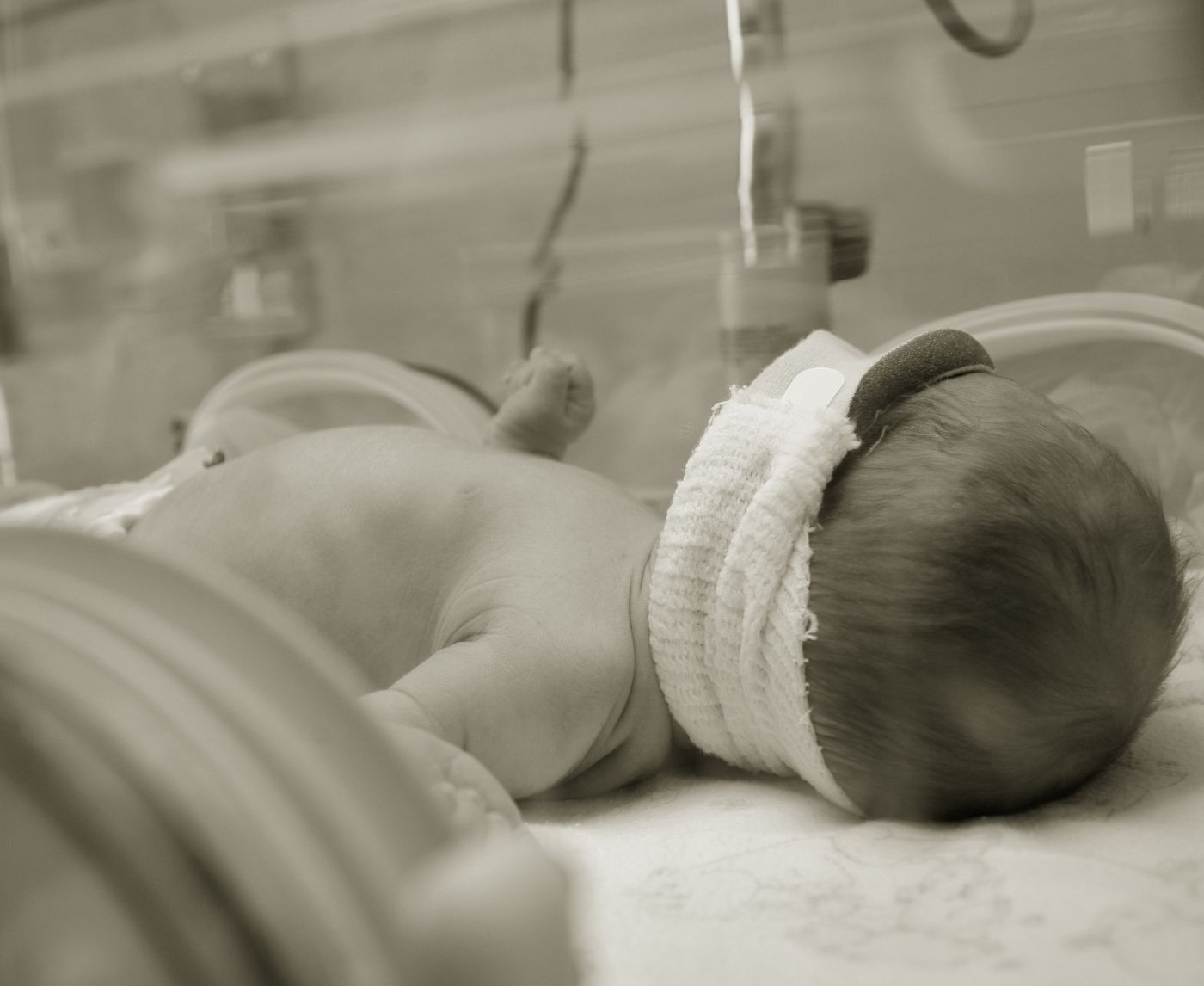
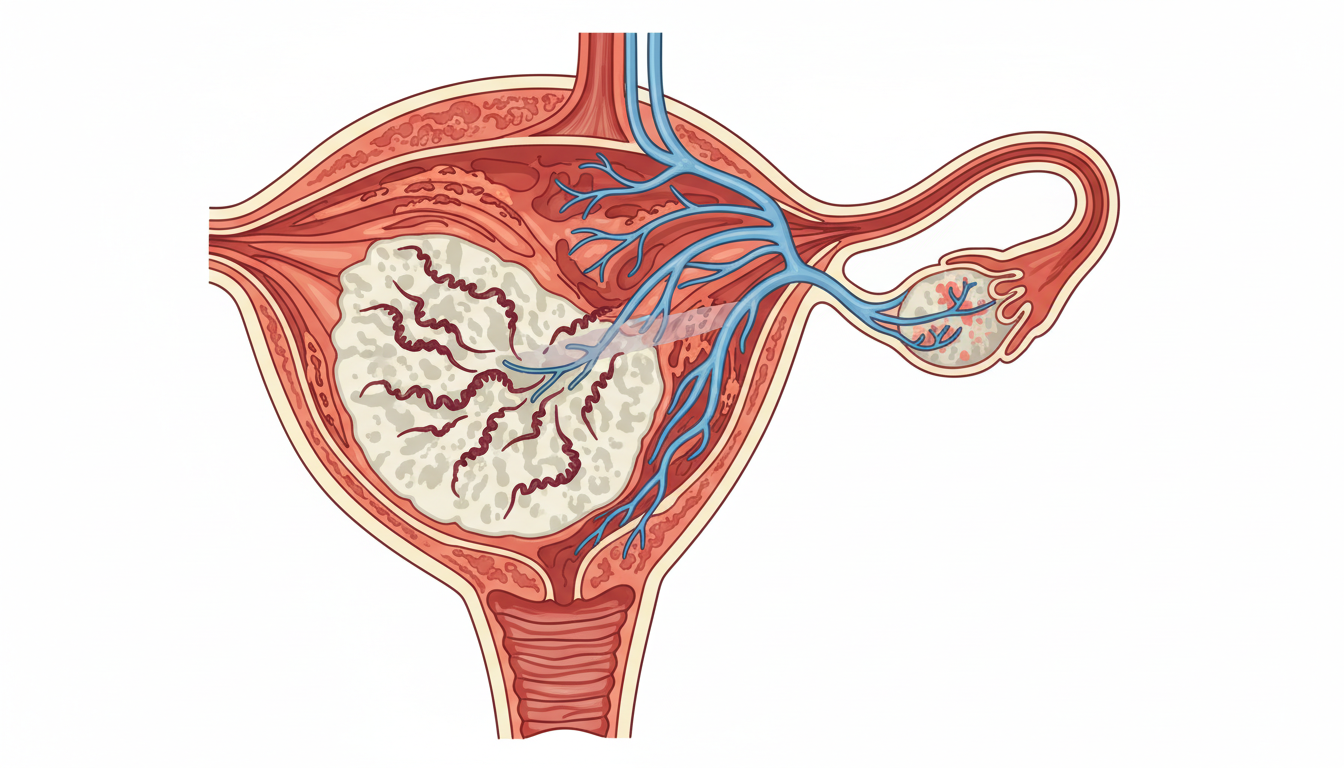
Congenital syphilis is the result of vertical transmission, meaning infection passes directly from a pregnant person to the fetus during pregnancy or delivery. Treponema pallidum, a corkscrew-shaped (spirochete) bacterium, lives in the bloodstream during active infection. From the maternal blood, it crosses the placental barrier (the organ that normally blocks most pathogens) and enters the fetal circulation, where it can replicate and damage virtually any developing organ system, including bone, liver, spleen, eye, ear, and the central nervous system.
Two clinical facts shape the risk. First, transmission rates are highest during the early stages of maternal infection (primary, secondary, and early latent), when bacterial load in the maternal blood is at its peak. Second, transmission can still occur during late latent syphilis, the asymptomatic phase that may follow an untreated infection from years before pregnancy. The CDC's overview of congenital syphilis emphasizes universal prenatal screening regardless of perceived risk, since someone who appears entirely healthy may still carry a transmissible infection.
Transmission can also happen during delivery itself if the parent has active genital lesions in the birth canal, although the dominant route is transplacental, accounting for the substantial majority of congenital cases. Gestational timing affects outcomes: earlier maternal infection during pregnancy is more often associated with the most severe fetal outcomes (stillbirth, miscarriage, severe prematurity), while infection acquired later in pregnancy more commonly results in a live birth with multi-organ infection that becomes evident in the days to months after delivery.
What untreated infection does to a pregnancy and a newborn
The clinical picture of untreated maternal syphilis covers a wide range of pregnancy and newborn outcomes, and the spread is not subtle. The WHO syphilis fact sheet reports that untreated syphilis in pregnancy leads to adverse birth outcomes (a category that includes stillbirth, miscarriage, neonatal death, premature birth, and low birth weight) in 50 to 80 percent of cases. Of pregnancies that reach a live birth, the infection causes preterm delivery and low birth weight at substantially higher rates than the background pregnancy population.
Babies born with congenital syphilis are not always symptomatic at birth. Many appear well in the immediate newborn period and develop signs over weeks or months, which is one of the reasons screening during pregnancy (rather than after birth) is the prevention point. The findings clinicians look for in early congenital syphilis include:
- Skin and mucosal: a maculopapular rash often involving the palms and soles, mucous patches around the mouth, and condylomata lata around the diaper area
- Respiratory: persistent rhinorrhea (clinicians call it the snuffles), and in severe cases pneumonia alba
- Hepatic and hematologic: hepatosplenomegaly (enlarged liver and spleen), jaundice, and severe anemia
- Skeletal: bone changes visible on x-ray, including periostitis and osteochondritis of the long bones
- Neurologic: neurosyphilis with abnormal cerebrospinal fluid findings on lumbar puncture
If congenital syphilis is not detected in the early newborn period, it can progress into late congenital syphilis, with manifestations that may not appear for years. Hutchinson teeth (notched, peg-shaped permanent incisors), saddle-nose deformity, interstitial keratitis affecting vision, and sensorineural hearing loss are classical late findings.
The classical rash, snuffles, and bone changes of congenital syphilis often emerge weeks after a normal-appearing birth. By the time symptoms become visible, the prevention window has already closed. This is why CDC guidelines focus on screening during pregnancy rather than waiting to test newborns.
Why U.S. cases are climbing and where prevention breaks down
Congenital syphilis in the United States has risen sharply since the mid-2010s. The CDC's congenital syphilis overview reports that case counts have more than tripled in recent years, reaching nearly 4,000 cases in 2024 alone, and roughly ten times their early-2010s baseline over the longer arc. Infant deaths attributable to syphilis are at multi-decade highs. That makes congenital syphilis one of the steepest sustained rises of any reportable STI in the country during this period.
The drivers are not mysterious. Adult syphilis rates have been climbing in parallel, particularly among women of reproductive age. Geographic spread has pushed congenital cases beyond the historical risk concentrations. Substance use disorder during pregnancy, methamphetamine use in particular, correlates with both higher syphilis prevalence and lower prenatal care engagement, a combination that drives congenital cases. Rural healthcare access has contracted in many counties over the past decade, lengthening time between exposure and diagnosis. Periodic benzathine penicillin G shortages have, at points, slowed the start of treatment for pregnant patients. And routine STI testing has dropped out of some clinical workflows entirely as clinic capacity tightened.
Most congenital syphilis cases in recent CDC analyses trace back to one of a small set of preventable failures in the prenatal care pathway. Three properly timed serologic tests across pregnancy plus prompt treatment when needed would prevent the substantial majority of U.S. cases. The surge is not happening because the bacterium got smarter; it is happening because the safety net of universal early screening and prompt treatment has frayed.
The four preventable failure modes behind most U.S. congenital syphilis cases
- No prenatal care during the pregnancy at all.
- Prenatal care that started too late in the first trimester for timely screening.
- A missed or skipped third-trimester repeat test in a higher-risk pregnancy.
- A positive maternal screen that was not followed by timely penicillin treatment.
When and how testing happens during pregnancy
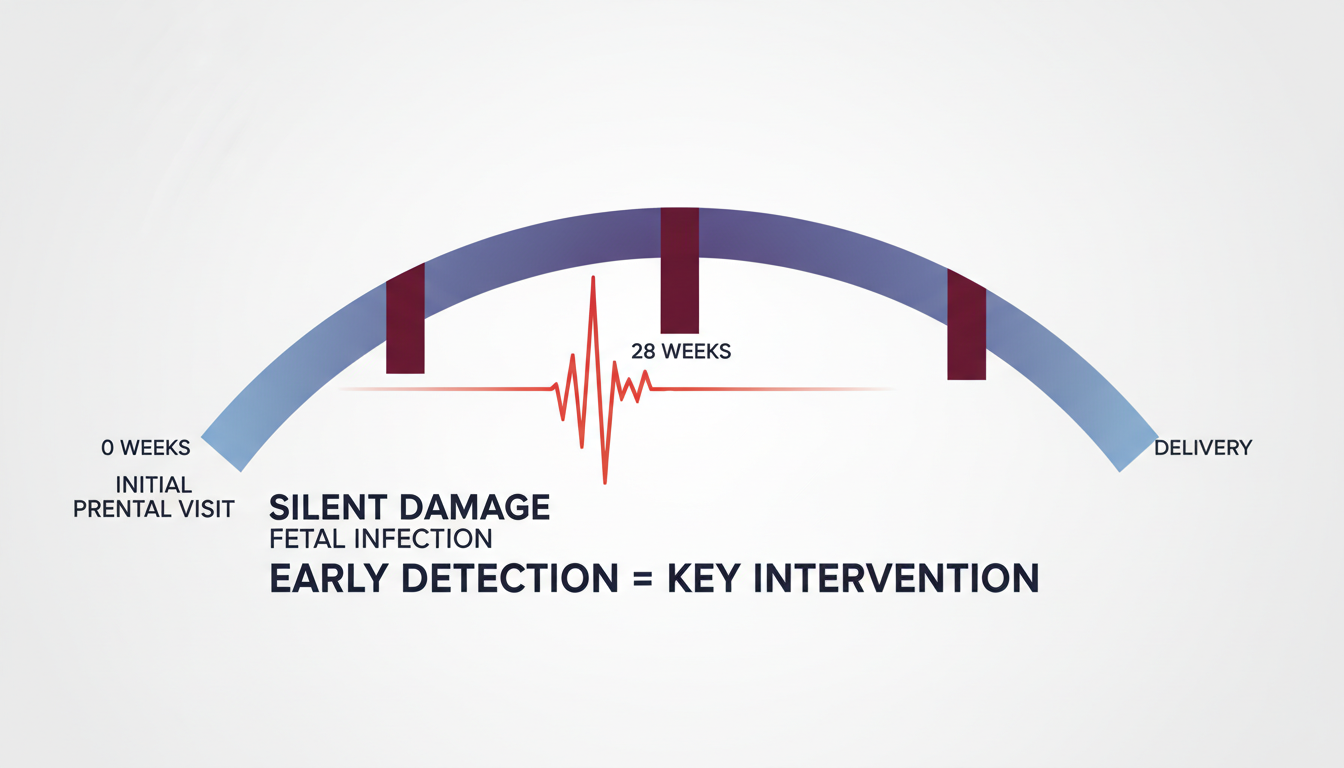
The CDC's Syphilis During Pregnancy guidance, alongside parallel recommendations from the U.S. Preventive Services Task Force and the American College of Obstetricians and Gynecologists (ACOG), sets the standard prenatal syphilis screening schedule used across most U.S. states:
- First prenatal visit (typically 8 to 12 weeks): serologic screening for everyone, regardless of perceived risk profile
- 28 weeks gestation: repeat screening for anyone at increased risk, anyone living in a community with elevated syphilis rates, or anyone whose situation has changed since the first screen
- At delivery: a third screen for the same higher-risk groups, with results documented in the chart before discharge
An increasing number of U.S. states (including California, Arizona, Texas, and Louisiana, among others) now require universal third-trimester screening regardless of risk, in response to the rapid rise in cases. Ask your obstetric provider about the current screening law in your state.
The screening blood draw is typically combined with the other routine first-visit labs (blood type, complete blood count, rubella immunity, hepatitis B, HIV). The serologic test sequence has two parts. A non-treponemal test (RPR or VDRL) provides the screening result and a quantitative titer used later to monitor treatment response. A treponemal-specific test (TP-PA, FTA-ABS, or a treponemal EIA) confirms the infection. The CDC accepts either traditional sequence (non-treponemal first, treponemal confirmation) or reverse sequence (treponemal screen, non-treponemal confirmation), depending on lab workflow.
The repeat test is the single most common screen people miss, because it is not automatic in every clinic. If you have a new sexual partner during pregnancy, a partner with a known STI, live in an area with high local rates, or had any previous positive test, ask for it explicitly at your 28-week visit. The serologic titer matters because prenatal treatment monitoring depends on a fourfold drop in non-treponemal titer over the months after penicillin, and a binary at-home rapid test cannot provide that quantitative result.
Three myths that quietly delay testing in pregnancy
Three beliefs come up over and over in clinics and online forums, and each one delays the action that prevents congenital syphilis.
Myth one: “I would know if I had syphilis.” In primary syphilis, the initial sore (a chancre) is classically painless. It often appears in places that are easy to miss: inside the vagina, on the cervix, on the back of the throat, or in the anal canal. It heals on its own in three to six weeks, which can be mistaken for the body resolving the problem. The bacterium, meanwhile, has already moved into the bloodstream. By secondary syphilis the rash, mouth lesions, and fatigue are easier to spot, but plenty of people misread them as a viral illness or an allergic reaction.
Myth two: “A penicillin allergy means I am out of options.” A substantial share of Americans report a penicillin allergy, but most do not have a true IgE-mediated reaction on formal testing. In pregnancy, the alternatives to penicillin for syphilis are inadequate. Doxycycline crosses the placenta in ways that are not recommended in pregnancy, and azithromycin has well-documented resistance in Treponema pallidum strains. The CDC's recommendation, set out in its STI treatment guidelines and echoed in the NHS overview of syphilis, is penicillin desensitization in a controlled setting, then standard penicillin treatment. Most large obstetric services have a protocol in place.
Myth three: “If my partner tested negative, I am safe.” A test reflects what the immune system has had time to respond to. Treponemal antibodies can take several weeks to become detectable after exposure, and the outer bound for slower responders extends to roughly 90 days. A partner whose last test predates their last new sexual contact is not a reliable all-clear. Concurrent testing for both partners, then treatment on the same timeline, is the only way to break the reinfection loop.
Treponemal antibodies typically take 3 to 6 weeks to develop after exposure, with an outer bound around 90 days for slower responders. A partner's negative test is only reliable if it post-dates their last new sexual contact by the full window. If timing is unclear, retest both partners after the window has fully closed.
Treatment with penicillin during pregnancy
Benzathine penicillin G, given as an intramuscular injection, is the only treatment that prevents congenital syphilis. The CDC's pregnancy-specific guidance is unambiguous on this point: no other antibiotic has demonstrated equivalent ability to cross the placenta and treat the fetus, so penicillin is the only acceptable regimen. The CDC and WHO are unanimous on this; no other antibiotic has the placental crossover, the fetal tissue penetration, and the long history of safe use in pregnancy.
Doses depend on the stage of maternal infection:
- Primary, secondary, or early latent syphilis (under one year): a single intramuscular dose of 2.4 million units of benzathine penicillin G; some obstetric protocols recommend a second dose one week later in pregnancy
- Late latent syphilis or syphilis of unknown duration: three weekly intramuscular doses of 2.4 million units
- Neurosyphilis or ocular syphilis: aqueous crystalline penicillin G given intravenously, in hospital, over 10 to 14 days
Treatment is considered adequate for the fetus only when it is completed at least 30 days before delivery. A dose given closer to delivery may treat the parent but offers insufficient time for transplacental drug transfer and fetal clearance of the infection.
Patients with a documented penicillin allergy are not switched to a different drug. The CDC and most obstetric guidelines recommend penicillin desensitization in a controlled clinical setting, typically performed by an allergist or specialist obstetric service over several hours, after which penicillin can be administered safely the same day. Ask your provider about local desensitization pathways early so that treatment is not delayed past the 30-day-before-delivery window.
One practical wrinkle worth knowing about: global penicillin supply had rolling shortages in 2023 and 2024, with injectable benzathine penicillin G hit hardest. Most countries prioritized pregnant patients during shortages, but waiting periods of a few weeks did happen in some regions. If your clinic tells you penicillin is on back-order, ask explicitly whether they have a workaround through a referral pharmacy or a regional health department.
Worth knowing before the first injection: the Jarisch-Herxheimer reaction, a short flu-like response (low-grade fever, chills, headache, muscle aches, sometimes mild uterine contractions) that can occur within 1 to 12 hours of the first penicillin dose, particularly in earlier-stage infection. It is not an allergic reaction and is not a reason to stop treatment. Pregnant patients are usually monitored for the first 24 hours after a dose, especially in the second and third trimesters.
Expect symptoms within 1 to 12 hours: low-grade fever, chills, headache, muscle aches, sometimes mild uterine contractions. It typically resolves within 24 hours. The clinical playbook is acetaminophen for fever and discomfort, plenty of fluids, fetal monitoring in the second and third trimesters, and continued penicillin treatment as planned. Call your obstetric team if contractions intensify, if you notice reduced fetal movement, or if symptoms last beyond 24 hours.
Partner testing is treatment, not paperwork
Most people think of partner notification as a courtesy or a formality. In pregnancy it is part of treatment, and skipping it is the most common way a treated infection becomes a reinfection.
After successful penicillin treatment, the maternal infection is cured, but the antibodies that protected against initial colonization are not durable. The body does not develop long-lasting immunity to syphilis the way it does to many viral infections. Sexual contact with an untreated partner in the days or weeks after treatment can reseed the infection, and any new infection in the third trimester can still cross the placenta.
Many U.S. states allow expedited partner therapy for some STIs, in which a clinician can prescribe treatment for a partner who is not their own patient. Ask your provider whether it applies in your state for syphilis. Most state and county health departments also offer free contact-tracing support.
Four concurrent steps that close the reinfection loop
- Have both partners tested at the same prenatal-visit appointment when possible.
- Treat both partners on the same calendar day once a positive result comes back.
- Abstain from sexual contact for at least seven days after either partner's penicillin injection.
- Re-test the pregnant partner in the third trimester if there has been any new sexual contact during the pregnancy.
If your test is positive: what happens next and at delivery
A reactive screen does not by itself equal a confirmed diagnosis. Antibody-based tests can produce false positives in the setting of certain other infections, autoimmune conditions, or after a previously treated syphilis infection where the antibodies persist for life. The clinic confirms the result with whichever test pairs with the initial screen (the non-treponemal titer that pairs with the treponemal antibody test, or vice versa), documents the date of likely infection if it can be estimated, and chooses between the single-dose or three-dose penicillin schedule based on stage.
If you are pregnant and a reactive home test comes back, contact your obstetric provider the same day and bring the result. The clinical team will draw blood for both an RPR or VDRL (non-treponemal) and a treponemal-specific test, begin treatment promptly once the diagnosis is confirmed, and arrange follow-up titers. A successful treatment shows a fourfold drop in non-treponemal titer over six to twelve months.
At delivery, the baby is evaluated for signs of congenital syphilis (rash, jaundice, low birth weight, hepatosplenomegaly, bone x-ray findings), and cord blood or infant blood is tested. The CDC's neonatal management algorithm sorts babies by how the maternal infection was treated, how long before delivery treatment was completed, and the comparison between maternal and infant titers. An infection caught and treated more than 30 days before delivery, with adequate maternal response and no clinical signs in the baby, is almost always cleared without complications. Follow-up titers are typically re-checked at 2 to 3 months and again at 6 months to confirm full clearance.
| Newborn risk tier | What the newborn receives |
|---|---|
| Highest-risk newborn (maternal infection untreated, inadequately treated, or treated less than 30 days before delivery; clinical or lab signs in the baby) | Full 10-day course of intravenous penicillin in hospital, with follow-up titers at 2 to 3 months and 6 months |
| Lower-risk newborn (maternal infection adequately treated more than 30 days before delivery; no clinical or lab signs in the baby) | Often a single intramuscular dose plus outpatient follow-up titers at 2 to 3 months and 6 months |
Ultrasound findings that change the plan
Most congenital syphilis is silent on ultrasound until the infection has been present for some time. When findings do appear, they tend to cluster in a recognizable pattern and they raise the urgency of immediate treatment.
The features sonographers look for include thickening of the placenta (often described as a “large for gestational age” placenta), enlargement of the fetal liver, fluid accumulation in the fetal abdomen or other body cavities (hydrops fetalis), and elevated peak systolic velocity in the middle cerebral artery, which is a marker of fetal anemia. None of these findings are unique to syphilis; they can also reflect other infections, blood-group incompatibilities, or genetic conditions. In the context of a positive maternal screen, however, they shift the management plan toward urgent maternal treatment, more frequent fetal monitoring, and a delivery plan that prepares the neonatal team to evaluate the baby immediately.
If an anomaly scan flags any of these features and your syphilis status has not been checked, ask for the test that same day. A sonographic finding without a maternal screen on file is one of the scenarios CDC reviews keep flagging as a missed prevention opportunity.
Any of the following on a routine pregnancy ultrasound should trigger an immediate maternal syphilis screen if one is not already on file: placental thickening (a “large for gestational age” placenta), enlargement of the fetal liver, fluid accumulation in the fetal abdomen or other body cavities (hydrops fetalis), elevated peak systolic velocity in the middle cerebral artery, and other markers of fetal anemia. None of these are unique to syphilis, but in combination with a positive maternal screen they shift the management plan toward weekly monitoring and a delivery plan that involves the neonatal team from the start.
Where at-home rapid tests fit, and where they don't
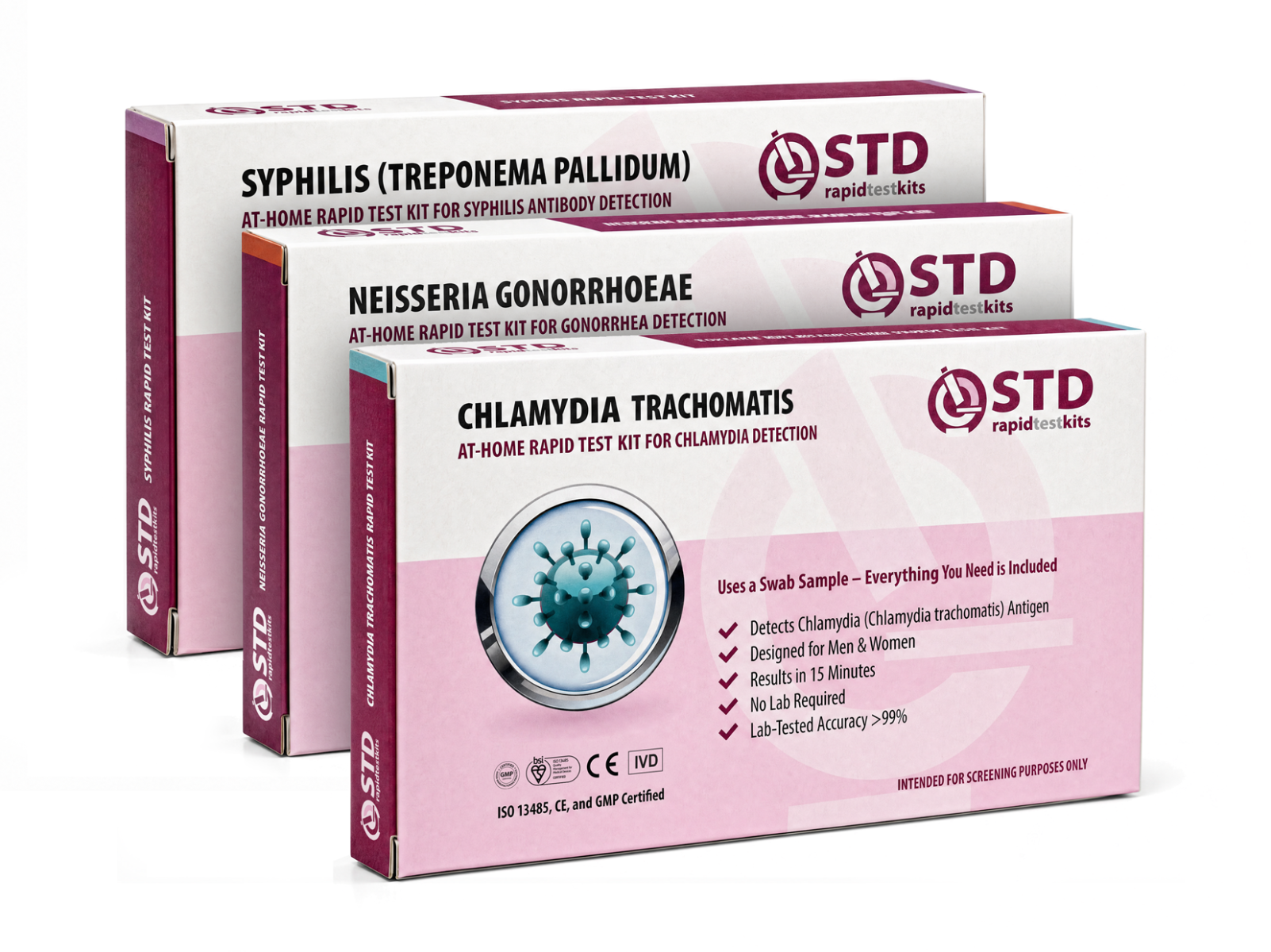
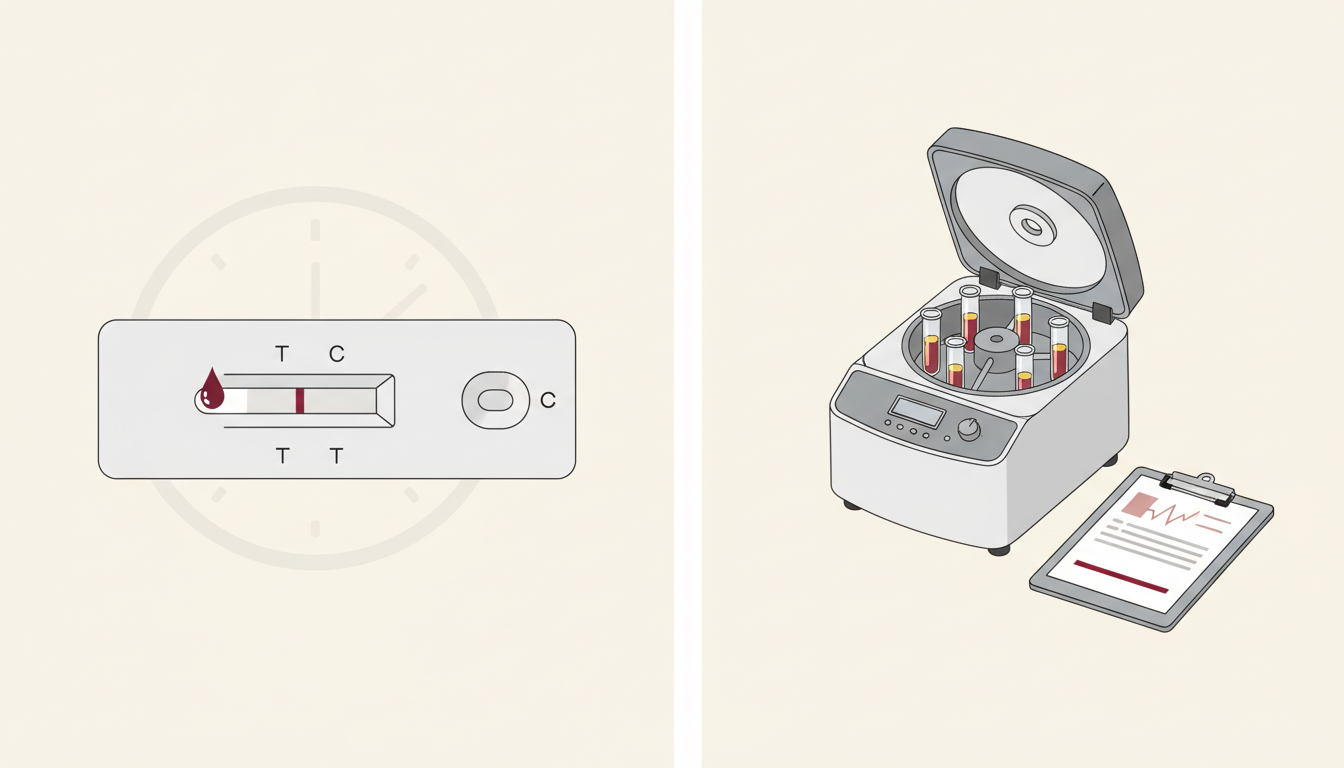
At-home rapid syphilis tests use lateral-flow chemistry, the same general technology behind home pregnancy and HIV self-tests. A few drops of fingerstick blood are applied to a cassette, the strip is read after about 15 minutes, and a colored line indicates the presence of antibodies to Treponema pallidum. They detect the same antibodies the lab's treponemal screen detects, and lateral-flow rapid tests typically report sensitivity in the mid- to high-90s percent range once antibodies have had time to develop. The test is genuinely useful in several scenarios. It is also genuinely not the right tool for prenatal screening on its own.
Home rapid tests are well-suited for pre-pregnancy screening alongside other preconception bloodwork, partner testing during a pregnancy in which the pregnant person's serology is already being managed clinically, awareness testing after a possible exposure when clinic access is delayed, and adjunct or check-in screening between scheduled prenatal visits. A same-day result two weeks before your next clinic appointment, or a way to screen a partner who cannot easily get in-clinic testing, are the practical use cases.
Home rapid tests are not a substitute for prenatal serology because prenatal management requires a quantitative non-treponemal titer (RPR or VDRL) that a binary home test cannot provide. Any positive home test always requires immediate clinical confirmation with both treponemal and non-treponemal labs before treatment decisions are made. Treatment is intramuscular benzathine penicillin G, which only a clinician can administer, and the timing of doses relative to delivery determines whether the fetus is protected. Antibody-based tests also have a window period: most people develop detectable treponemal antibodies within 3 to 6 weeks of exposure, with an outer bound around 90 days for slower responders, so a negative test very soon after a worrying exposure is not a definitive all-clear.
Your three-point action plan
If you are pregnant, or planning a pregnancy, three steps cover most of the practical risk.
Test early, then test again. Get screened at the first prenatal visit, no matter how low you think your risk is. Ask explicitly for a 28-week repeat if your clinic does not offer one automatically.
Treat partners on the same calendar day. A partner treated the following week is a partner who can reinfect you. Ask about expedited partner therapy if scheduling is the barrier.
Keep your lab results on your phone. Screenshots of your first-trimester and third-trimester syphilis results in a single folder save a lot of conversation if you deliver at a hospital that does not have your records on file. At the level of a single pregnancy, three blood tests and one to three penicillin injections, timed correctly, prevent almost every case.
Most cases of congenital syphilis are preventable when pregnant people are tested and treated early in pregnancy, when their sex partners are also treated, and when at-risk pregnancies are re-tested later in pregnancy.
Public-health authorities are uniform on this: congenital syphilis is preventable when pregnant people are screened on the standard schedule and treated with intramuscular penicillin if the screen is positive. The trend lines climbing in U.S. data are not driven by treatment failure; they reflect missed screening opportunities and access gaps in the prenatal care pathway. Three properly timed serologic tests across pregnancy plus prompt treatment when needed would prevent the substantial majority of U.S. cases.
Frequently asked questions
- How early in pregnancy should I be tested for syphilis?
- First prenatal visit. That's the non-negotiable screen, recommended by the CDC, ACOG, and USPSTF for every pregnant person regardless of risk. If you're in a higher-risk group or your state mandates it, expect a second draw at 28 weeks and a third at delivery. Many states now require that third test universally.
- Does a negative first-trimester test mean I am clear for the rest of pregnancy?
- No. A negative first-trimester result only rules out infection up to that point in time. New exposure later in pregnancy can still infect the baby. A third-trimester repeat test is recommended for anyone with higher risk during the pregnancy, and many clinics now offer it as a routine repeat regardless of risk.
- Can I rely on an at-home syphilis test instead of getting tested in pregnancy?
- No, and the reason is technical, not precautionary. Managing syphilis in pregnancy requires a quantitative RPR or VDRL titer so your provider can track whether penicillin is working (a fourfold titer drop is the success marker). A rapid lateral-flow cassette gives a binary yes or no, not a number. Use an at-home test for partner screening or pre-pregnancy planning; for prenatal management, only lab serology counts.
- How accurate are at-home rapid syphilis tests?
- Lateral-flow rapid tests detect treponemal antibodies and report sensitivity in the mid- to high-90s percent range when used after the window period (typically 3 to 6 weeks after exposure for syphilis, with the outer bound at roughly 90 days for slow responders). A positive home test should always be confirmed at a clinic with a quantitative titer, which is what guides treatment.
- What if I am allergic to penicillin?
- You will need penicillin desensitization, performed in a controlled clinical setting by an allergist or specialist obstetric service. The CDC and most obstetric guidelines specify that no alternative antibiotic prevents congenital syphilis as reliably as penicillin, so desensitization is preferred over substitution. The procedure typically takes several hours and allows penicillin to be given safely the same day.
- Can I breastfeed while being treated for syphilis?
- Yes. Penicillin passes into breast milk only in tiny amounts and is safe for the baby. Active syphilis sores on or near the breast are the only reason to pause breastfeeding from that breast until the lesions heal.
- Can a baby be born with syphilis even if the mother had it years before pregnancy?
- Yes, if the prior infection was never adequately treated. Latent syphilis, the asymptomatic phase that can follow an untreated primary or secondary infection, can transmit to a fetus during a later pregnancy. This is one reason CDC guidelines recommend universal screening at the first prenatal visit regardless of perceived risk or sexual history.
- Can congenital syphilis cause long-term problems even after treatment?
- When the infection is caught in pregnancy and treated more than 30 days before delivery, most babies clear it with no long-term effects. Untreated or late-treated congenital syphilis can cause bone deformities, hearing loss, vision problems, and developmental delay, which is why early prenatal screening matters so much. Babies born to treated parents are still evaluated at birth and may have follow-up serology.
- U.S. Centers for Disease Control and Prevention. About Congenital Syphilis: source for the case-count figures cited in the article, plus background on transmission and prevention through prenatal screening.
- U.S. Centers for Disease Control and Prevention. STI Treatment Guidelines: Syphilis During Pregnancy. Source for the screening schedule, stage-specific penicillin dosing, and the 30-day-before-delivery treatment-adequacy rule.
- U.S. Centers for Disease Control and Prevention. STI Treatment Guidelines (root): penicillin desensitization protocol for patients with reported allergy, and the broader treatment framework cited in the myths section.
- World Health Organization. Syphilis fact sheet: source for the 50 to 80 percent adverse-birth-outcomes figure cited in the article and global mother-to-child transmission framing.
- National Health Service (UK). Syphilis: signs, transmission, treatment, and pregnancy considerations.
- MedlinePlus (U.S. National Library of Medicine). Syphilis: symptoms, complications, and treatment, including pregnancy considerations.
