
Published: December 2025 | Last updated: May 2026 | Editorial review and quality control: Martina N.
Sexually transmitted infections did not slow down in 2025, and early 2026 data suggest the same trend is continuing. Several long-running stories, rising syphilis (especially among newborns), antibiotic resistance in gonorrhea, persistent chlamydia, and underdiagnosed Mycoplasma genitalium, are still shaping the public-health picture. Other infections like HPV and herpes remain extremely common but are often missed because routine STI screening does not include them.
This article walks through the most common and most consequential STIs reported by the U.S. Centers for Disease Control and Prevention (CDC) and the World Health Organization (WHO) over the past year, who each one affects most, and what testing options look like in 2026. Numbers cited come from the most recent CDC and WHO surveillance data available as of May 2026; where 2024 or 2025 figures are still being finalized, we say so.
Which STDs are the most common in 2026?
By raw case counts in the United States, chlamydia is still the most reported bacterial STI, with about 1.6 million reported cases in the most recent CDC surveillance year. By overall prevalence, HPV is the most common STI in the world; most sexually active adults will encounter at least one strain in their lifetime. By rate of increase, syphilis (especially congenital syphilis) and antibiotic-resistant gonorrhea are the two trends public-health agencies are watching most closely going into 2026.
Key Takeaways
- Chlamydia is still the most reported bacterial STI in the U.S., with about 1.6 million cases in the latest CDC surveillance year, most of them in people aged 15 to 24.
- HPV is the most prevalent STI worldwide and the only one on this list that is largely vaccine-preventable; the same vaccine has cut HPV-16 and HPV-18 prevalence by more than 80% in vaccinated cohorts.
Chlamydia: Still the Most Reported Bacterial STI
Chlamydia is the workhorse statistic of U.S. STI surveillance. The most recent CDC report counted about 1.6 million reported chlamydia cases in the United States, the largest of any reportable bacterial STI (CDC STI Surveillance). Most of those cases are in people aged 15 to 24, a group that accounts for the majority of new diagnoses every year. The infection is so common in this age group that the CDC recommends annual chlamydia screening for all sexually active women under 25 and for older women with risk factors (CDC chlamydia topic page).
Why does chlamydia keep showing up at the top of the list? Because it is usually silent. About 70% of women and 50% of men with chlamydia have no symptoms, so it spreads from person to person without anyone noticing. Untreated, it can cause pelvic inflammatory disease in women, which is one of the most common preventable causes of infertility, and epididymitis in men.
Antibiotic resistance for chlamydia is not yet a clinical crisis the way it is for gonorrhea, but laboratory studies in 2024 and 2025 have detected reduced susceptibility to azithromycin in some strains. The first-line treatment in the U.S. remains a 7-day course of doxycycline (CDC STI treatment guidelines).
What changed in 2025 to 2026
Reported chlamydia case counts in the U.S. dipped slightly during the pandemic years, then rebounded toward pre-pandemic levels in 2023 and 2024. Public-health analysts read this less as a real decline and more as a screening artifact: when clinics ran fewer routine swabs in 2020 to 2021, fewer cases got caught. Most of what looks like a recent rise is the catch-up. Globally, the WHO continues to estimate well over 100 million new chlamydia infections each year (WHO STIs fact sheet).
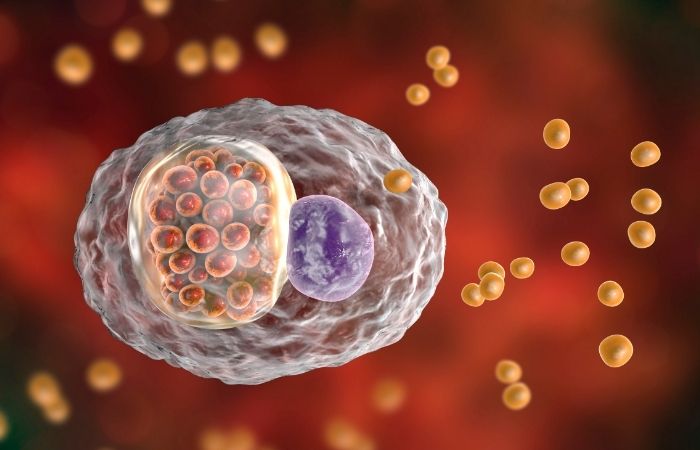
Gonorrhea and the Antibiotic Resistance Clock
Gonorrhea is the second-most reported bacterial STI in the U.S., and the most worrying from a treatment standpoint. About 600,000 cases were reported in the most recent CDC surveillance year (CDC STI Surveillance). The bacterium responsible, Neisseria gonorrhoeae, has now developed resistance to nearly every antibiotic class historically used to treat it.
The CDC currently recommends a single 500 mg intramuscular dose of ceftriaxone for uncomplicated gonorrhea (CDC gonorrhea treatment guidelines). Ceftriaxone is the last fully effective antibiotic in the U.S. arsenal. Over the past two years, ceftriaxone-resistant gonorrhea has been confirmed in small numbers of U.S. patients and in higher numbers in parts of Asia-Pacific, the United Kingdom, and continental Europe (WHO STIs fact sheet).
The CDC has issued explicit warnings that the runway is short. New oral antibiotics like zoliflodacin completed phase 3 trials in 2024 and may reach U.S. approval in 2026, but until then clinicians have one effective injectable to fall back on.
Who is most affected
In the U.S., gonorrhea rates are highest among people aged 20 to 24 and among men who have sex with men, where pharyngeal and rectal infections often spread without symptoms. Heterosexual transmission has been climbing in the past three years, particularly in the South and Midwest, which the CDC partly attributes to the closure of public STI clinics over the past decade.
Symptoms and testing window
When gonorrhea does cause symptoms, they typically appear within 2 to 14 days of exposure: discharge, painful urination, or in pharyngeal cases a sore throat. Many infections, especially in women and at extragenital sites, stay completely silent. Self-collected vaginal or penile swabs can be tested at home with rapid lateral-flow kits, with results in about 15 minutes. Throat or rectal swabs require a clinic-administered NAAT for accurate detection; we do not sell a pharyngeal or rectal swab kit.
Most chlamydia and gonorrhea infections cause no symptoms. People who do not know they are infected can pass the infection to sex partners without realizing it.
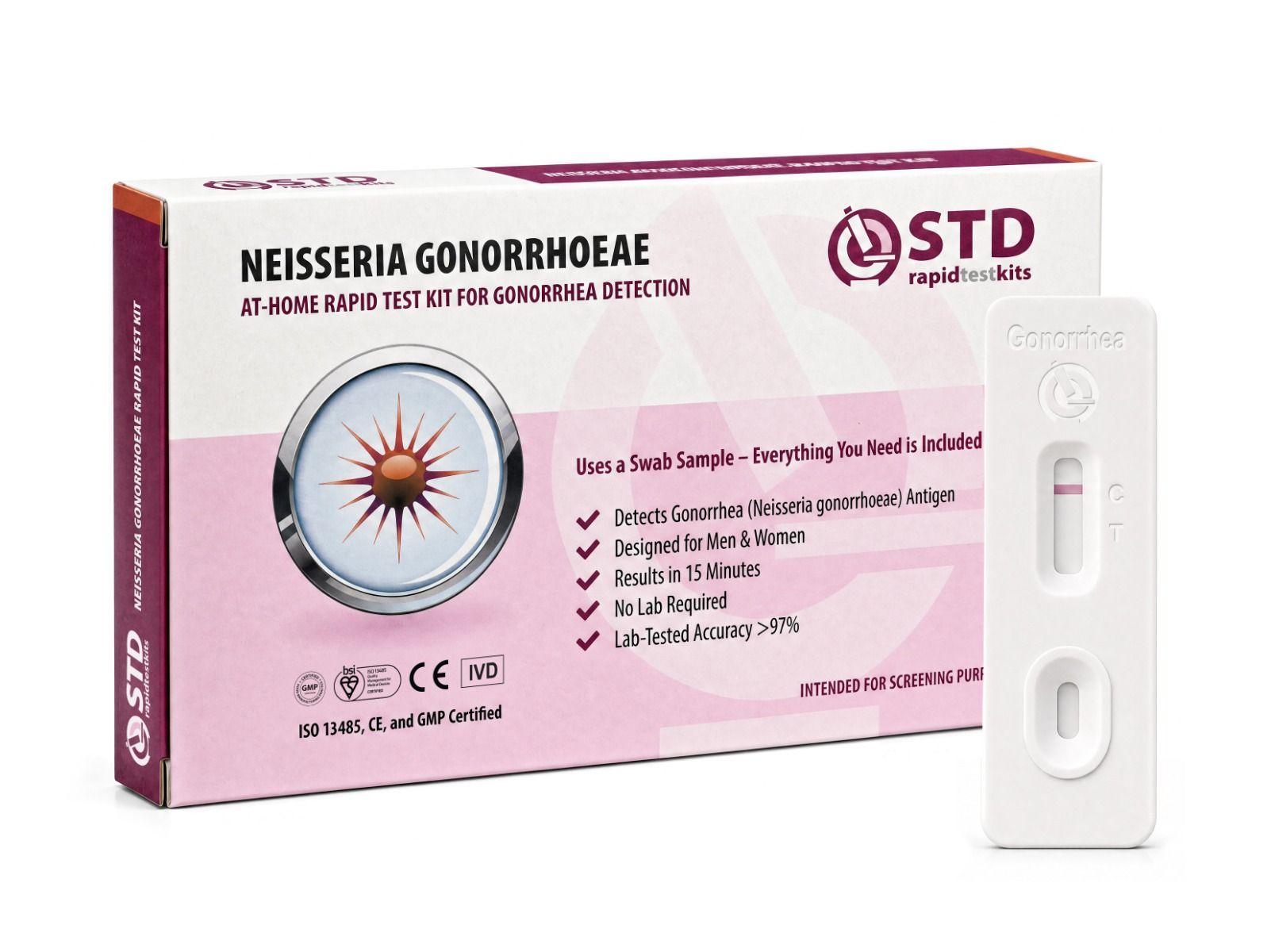
Syphilis: A Resurgence That Reaches Newborns
Syphilis is the STI trend public-health officials describe as the most alarming of the past five years. The CDC reported more than 200,000 syphilis cases (all stages combined) in the most recent surveillance year, the highest U.S. count since the 1950s (CDC STI Surveillance). Of particular concern is congenital syphilis, where the infection passes from a pregnant person to the fetus. U.S. congenital syphilis cases have risen more than tenfold since 2012, with about 3,800 cases in the most recent surveillance year and a corresponding rise in syphilis-related stillbirths and infant deaths (CDC syphilis topic page).
The CDC has identified missed prenatal syphilis testing as the main preventable cause. Roughly 9 in 10 congenital syphilis cases involved at least one missed opportunity to test or treat during pregnancy. In response, the CDC and several state health departments have expanded screening recommendations to include first-trimester, third-trimester, and at-delivery testing in higher-incidence areas.
Why syphilis is hard to catch early
Primary syphilis usually presents as a single, painless ulcer (chancre) at the site of infection. The ulcer heals on its own in three to six weeks, often before the person seeks care. Secondary syphilis, six weeks to six months later, can cause a body-wide rash that is sometimes mistaken for a viral exanthem or a drug reaction. Without treatment the infection enters a latent stage and can resurface years later as tertiary syphilis, with cardiovascular and neurological damage.
Penicillin remains fully effective and is the first-line treatment at every stage. Persistent national shortages of long-acting penicillin G benzathine in 2023 to 2024, however, made treatment harder to access in some U.S. regions, and the CDC issued temporary guidance allowing alternative regimens during shortage periods.
At-home testing
Rapid syphilis antibody tests use a fingerstick blood sample. Treponemal antibodies typically become detectable about three weeks after exposure but can take up to 90 days; a negative early test should be repeated. A positive rapid result needs lab confirmation with treponemal and non-treponemal assays before treatment.
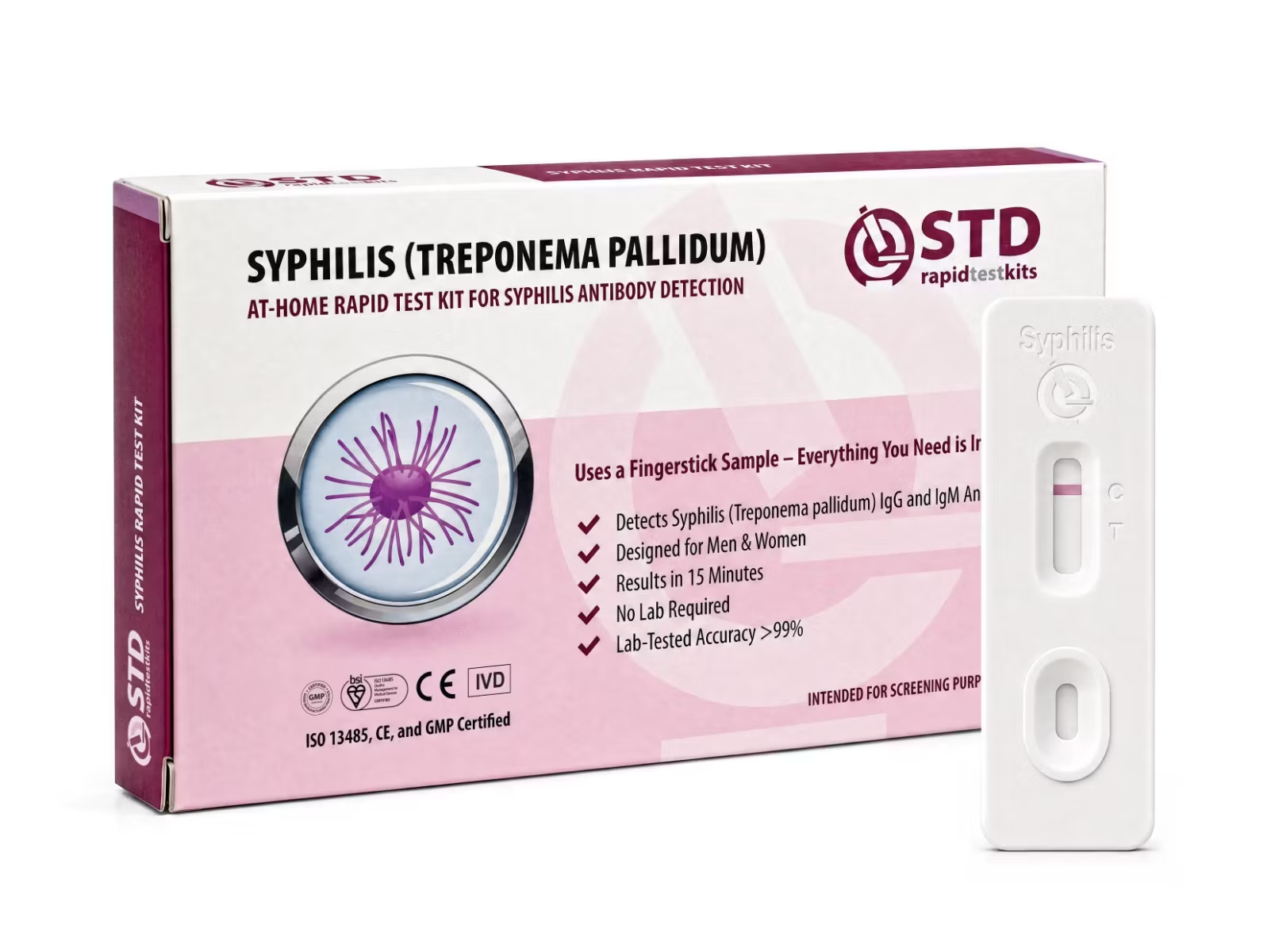

HPV: The Quiet Driver of Preventable Cancers
Human papillomavirus is the most common STI in the world. The CDC estimates about 13 million new HPV infections occur in the U.S. each year, with most sexually active adults exposed to at least one strain during their lifetime (CDC HPV basics). Most infections clear on their own within two years. The problem is the small percentage that persist with high-risk strains, mainly HPV-16 and HPV-18, which together cause the majority of cervical cancers and a growing share of oropharyngeal, anal, penile, vulvar, and vaginal cancers.
The HPV vaccine has been spectacularly effective where uptake is high. U.S. and international cohort studies have now documented reductions of more than 80% in HPV-16 and HPV-18 prevalence in vaccinated populations, with corresponding declines in pre-cancerous cervical lesions. Per current Advisory Committee on Immunization Practices (ACIP) recommendations, routine HPV vaccination is given at ages 11 to 12, with catch-up vaccination through age 26 and shared clinical decision-making for adults aged 27 to 45.
Among adults who missed vaccination as adolescents, HPV-related throat cancers have continued to rise, particularly in men over 40. Per CDC HPV-attributable cancer reporting, oropharyngeal cancers caused by HPV now make up a larger share of HPV-related cancers in the U.S. than cervical cancers (CDC HPV basics).
What an at-home HPV test can and cannot do
Self-collected vaginal swabs for high-risk HPV strains are FDA-cleared as part of cervical cancer screening for people with a cervix. A rapid lateral-flow HPV test gives a screening signal at home; a positive result still needs follow-up cytology or colposcopy at a clinic to look for pre-cancerous changes. Our at-home HPV kit is validated for vaginal self-swab only, so male readers concerned about HPV exposure should ask a clinician about anal cytology if they are at higher risk. Routine male HPV screening is not currently recommended.
Mycoplasma genitalium: The Less Known Threat
Mycoplasma genitalium, often shortened to Mgen, is a bacterium first identified in the 1980s but only recognized as a meaningful cause of urethritis, cervicitis, and pelvic inflammatory disease over the past two decades. The CDC notes that Mgen is more common than gonorrhea in the general U.S. adult population, but it is still not part of routine STI panels in most settings (CDC Mgen treatment guidance).
Most Mgen infections produce no symptoms. When they do, the picture overlaps so heavily with chlamydia and gonorrhea that they are often misdiagnosed as one of those instead. The bigger problem is treatment. Mgen is intrinsically resistant to many antibiotics, and the workhorse drug azithromycin has lost effectiveness against a large share of strains: the CDC documents macrolide resistance markers in anywhere from 44% to 90% of sampled isolates across the U.S., Canada, Western Europe, and Australia, depending on setting (CDC Mgen treatment guidance). Moxifloxacin remains the second-line option, but resistance to it is also rising.
Because routine testing is uncommon, most people with Mgen do not know they have it and pass it on. The WHO has flagged Mgen as a priority for new diagnostic and treatment development. At-home rapid tests for Mgen are not currently widely available; testing is almost entirely done at clinics with NAAT panels.
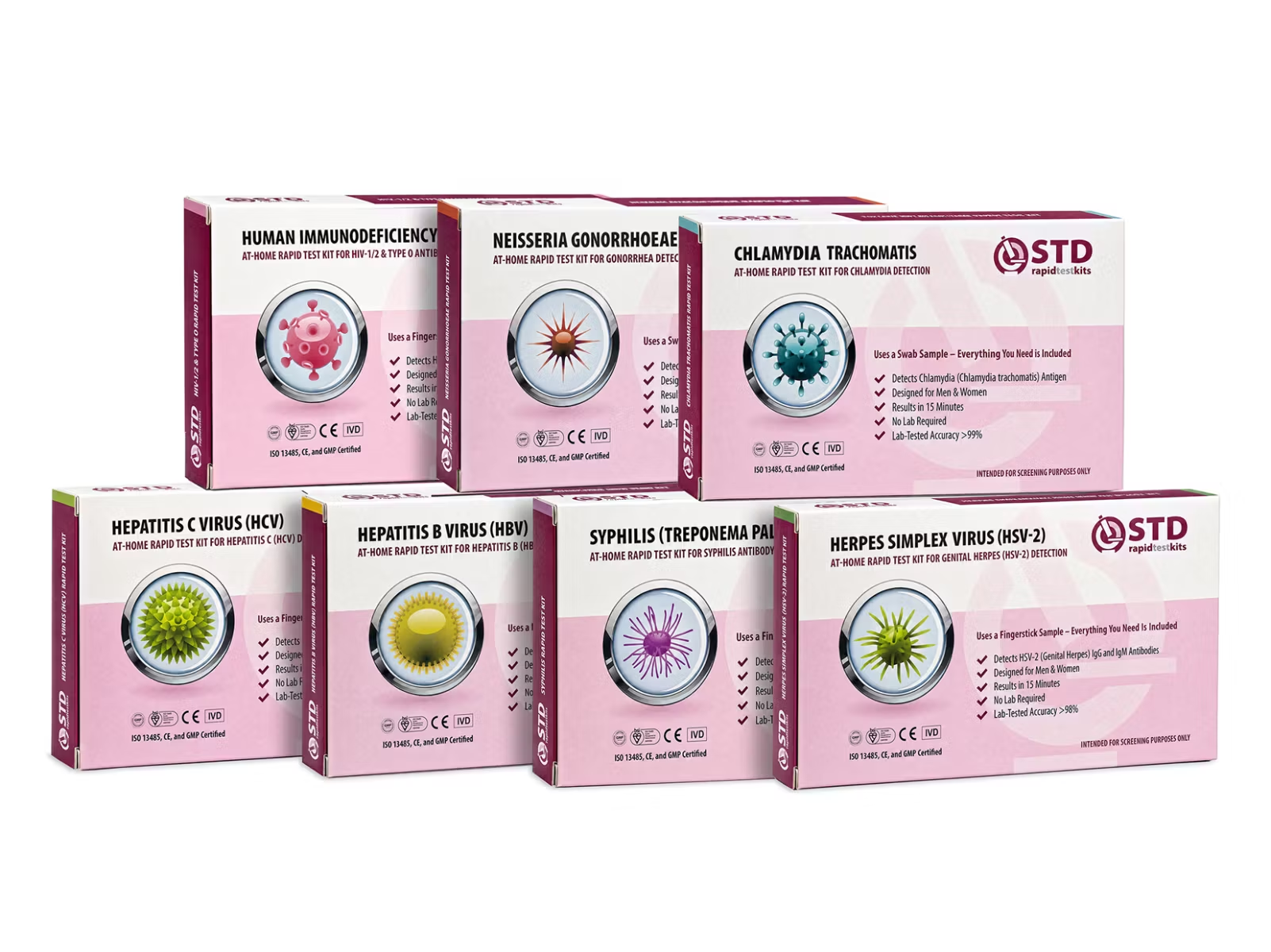
Mgen, chlamydia, and gonorrhea cause overlapping symptoms (discharge, painful urination, pelvic discomfort). A rapid at-home swab for chlamydia and gonorrhea is a reasonable first screen while you arrange a clinic NAAT for broader coverage including Mgen. Our 7-in-1 home kit covers the most common pairings; clinic NAAT is still needed for Mgen-specific testing.
Genital Herpes (HSV-2): Common, Often Silent
Genital herpes is one of the most prevalent viral STIs worldwide. The WHO estimates about 520 million people aged 15 to 49 globally are living with HSV-2, the strain most commonly responsible for genital herpes (WHO herpes fact sheet). HSV-1, the strain historically associated with cold sores, also causes a growing share of genital herpes cases through oral-to-genital contact, with about 3.8 billion people under 50 carrying HSV-1 worldwide.
Most carriers do not know they have herpes. The CDC notes that most people with HSV-2 have no symptoms or only very mild symptoms, and that most people with the infection do not know they are infected (CDC genital herpes basics). Asymptomatic viral shedding accounts for a large share of new infections, which is why routine condom use lowers but does not eliminate transmission risk.
Herpes is not curable, but daily antiviral medication (acyclovir, valacyclovir, or famciclovir) can reduce outbreak frequency and lower transmission risk by roughly half. The U.S. Preventive Services Task Force does not currently recommend routine HSV screening in asymptomatic adults because of the rate of false positives in low-prevalence groups, but anyone with genital symptoms suggesting herpes should be tested.
Testing window
Rapid blood antibody tests for HSV-2 detect IgG antibodies, which most people develop within 6 to 12 weeks after exposure. Some assays and individuals require up to 16 weeks, and rare cases take longer still. A negative test before 12 weeks is not conclusive and should be repeated. Antibody tests confirm whether someone has been infected at any point in their life, not whether an active outbreak is herpes; for an active genital lesion, the most accurate test is a clinic-administered viral PCR swab from the lesion itself.
HIV in 2026: Treatment Works, Testing Lags
The story of HIV in 2026 is two-sided. On the treatment side, modern antiretroviral therapy is so effective that people who start treatment early and maintain an undetectable viral load have a near-zero risk of sexually transmitting HIV. This is the basis for the U=U (Undetectable equals Untransmittable) message endorsed by the CDC. On the prevention side, daily oral PrEP and the long-acting injectable cabotegravir, given every two months, both substantially reduce HIV acquisition risk when used consistently as directed (CDC HIV prevention information).
The U.S. still records about 30,000 new HIV diagnoses each year, a slow but real decline from a decade ago. Per CDC HIV surveillance, roughly 70% of new diagnoses come from male-to-male sexual contact, with the remainder from heterosexual contact and injection drug use (CDC HIV statistics overview). Geographic and racial inequities remain stark: rates in the U.S. South and among Black and Latino communities are several times higher than the national average.
HIV control in 2026 has a clear weak point: testing. The CDC estimates about 1 in 8 people with HIV in the U.S. do not know their status, which is a major driver of ongoing transmission. Routine HIV testing is recommended at least once for everyone aged 13 to 64, and at least annually for anyone in higher-risk groups (CDC HIV testing recommendations).
Testing window
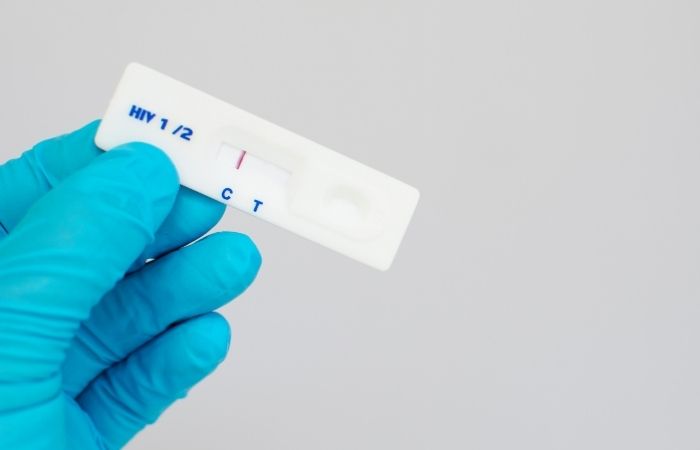
Modern fourth-generation antigen and antibody HIV tests, run in a lab, can detect infection by 18 to 45 days after exposure. Rapid lateral-flow blood antibody tests, including at-home kits, are most reliable from about 23 to 90 days after exposure. Anyone with a recent high-risk exposure should test now and again at the 90-day mark to be confident in a negative result.
How to Get Tested in 2026
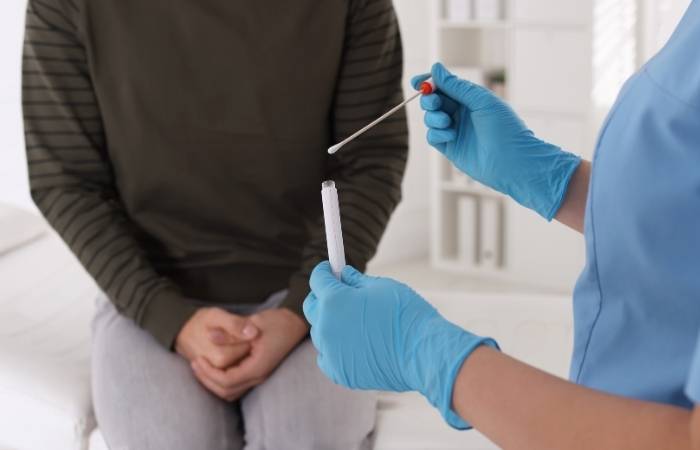
At-home rapid tests have expanded how people screen for STIs over the past few years. These are lateral-flow immunoassays similar in principle to a home pregnancy test or a COVID-19 rapid antigen test. They are not the same technology as the lab-based NAAT (nucleic acid amplification test), which is still the gold standard for chlamydia and gonorrhea, but they fill an important screening gap for people who would not otherwise test.
Three rough rules help decide what to use:
- If you have specific symptoms (genital lesions, unusual discharge, painful urination), see a clinician for symptom-driven testing rather than guessing at home.
- If you have had a recent specific exposure and want a fast yes-or-no signal, an at-home rapid test for the matching infection is reasonable. Mind the window period: testing too early gives a false negative.
- If you want a comprehensive baseline screen (no known exposure, just due diligence), a multi-infection at-home panel or a clinic visit both work. Clinic NAAT is more sensitive for chlamydia and gonorrhea; the at-home panel is more private and convenient for combined screening.
Whatever route you choose, a positive home test is a screening result, not a diagnosis. Confirm positive results with a clinician and follow-up lab testing before starting any treatment. Partner notification and treatment of recent sexual partners is part of standard STI care for chlamydia, gonorrhea, syphilis, and trichomoniasis.
FAQs
- What is the most common STI in 2026?
- By raw case count, chlamydia leads U.S. bacterial STI reports at roughly 1.6 million annually, more than twice the gonorrhea count. For overall STI prevalence, HPV is the global leader; the CDC estimates about 13 million new U.S. HPV infections each year, with most sexually active adults encountering at least one strain in their lifetime.
- Which STIs are spreading fastest right now?
- Congenital syphilis is at a 70-year high; U.S. cases have climbed more than tenfold since 2012, driven mainly by missed prenatal screening. On the treatment side, gonorrhea is the most urgent concern: ceftriaxone is now the last fully effective antibiotic in the U.S. arsenal, and resistance to it has been confirmed in small numbers of U.S. patients and larger clusters in parts of Europe and Asia-Pacific.
- Are at-home STI tests as accurate as lab tests?
- At-home rapid tests are lateral-flow immunoassays. They are useful for screening and are accurate when used after the correct window period, but they are generally less sensitive than the lab-based NAAT used for chlamydia and gonorrhea, especially in asymptomatic infections. A positive at-home result should be confirmed with a clinician before treatment.
- How soon after exposure can I test?
- Window periods vary by infection: about 1 to 2 weeks for chlamydia and gonorrhea, about 3 weeks to 3 months for HIV antibody tests, and about 3 weeks to 3 months for syphilis antibody tests. For HSV-2 antibody tests, 6 to 12 weeks covers most people; some assays or individuals need up to 16 weeks, with rare cases taking longer. A negative test before 12 weeks should be repeated. Test now if you are concerned, and retest at the end of the window for that infection.
- Can HPV go away on its own?
- Yes. The CDC notes that most HPV infections clear on their own within two years thanks to the immune response. Persistent infection with high-risk strains like HPV-16 and HPV-18 is what drives cervical and other HPV-related cancers, which is why the HPV vaccine and routine cervical screening matter.
- What does U=U mean for HIV?
- U=U stands for Undetectable equals Untransmittable. The CDC and major HIV research groups have confirmed that people on effective HIV treatment who maintain an undetectable viral load do not sexually transmit HIV to their partners. Reaching and staying undetectable requires consistent antiretroviral therapy and regular monitoring.
- Should I retest after a positive at-home result?
- Yes. A positive home test is a screening signal, not a diagnosis. Follow-up confirmation at a clinic or lab is the standard step before treatment, and for syphilis specifically, both treponemal and non-treponemal lab assays are used to confirm and stage the infection.
- Why is congenital syphilis rising?
- The CDC has identified missed prenatal syphilis testing as the main preventable cause: roughly 9 in 10 congenital cases involved at least one missed opportunity to test or treat during pregnancy. In response, screening recommendations have been expanded in many higher-incidence U.S. areas to first-trimester, third-trimester, and at-delivery testing.
- U.S. Centers for Disease Control and Prevention. STI Surveillance: annual U.S. case counts for chlamydia, gonorrhea, syphilis, and congenital syphilis.
- World Health Organization. Sexually transmitted infections (STIs) fact sheet: global estimates and antimicrobial resistance trends.
- U.S. Centers for Disease Control and Prevention. About HPV: incidence, vaccine effectiveness, and HPV-attributable cancers.
- U.S. Centers for Disease Control and Prevention. About Genital Herpes: prevalence, asymptomatic carriers, and antiviral treatment.
- U.S. Centers for Disease Control and Prevention. HIV hub: annual new diagnoses, transmission categories, and prevention information including PrEP and U=U messaging.
- World Health Organization. Herpes simplex virus fact sheet: global HSV-1 (about 3.8 billion under 50) and HSV-2 (about 520 million aged 15-49) prevalence estimates.
