






Quick Answer: Testicular pain can sometimes be linked to sexually transmitted infections, especially chlamydia and gonorrhea, which can cause epididymitis (inflammation near the testicle). But many other conditions can cause similar pain, so testing is the only way to know for sure.
Why Testicular Pain Sends So Many People Down a Google Rabbit Hole
Testicular pain triggers anxiety in a way few other symptoms do. The testicles are sensitive, they’re central to fertility and sexual health, and any discomfort there can feel alarming. Even a mild ache can make someone wonder if something serious is happening.
People worry about STDs for a number of reasons. One of them is that infections that start in the urethra, which is the tube that carries urine and semen, can sometimes move up through the reproductive tract. The small coiled tube behind the testicle, called the epididymis, can get inflamed when this happens.
That condition is called epididymitis. And when it’s caused by sexually transmitted bacteria like chlamydia or gonorrhea, testicular pain may be one of the first symptoms someone notices.
But the important thing to understand is this: most testicular pain is not caused by an STD. Muscle strain, minor injuries, cysts, hernias, and even prolonged sitting can cause similar sensations.
The STD Connection Most People Don’t Realize Exists
The link between sexually transmitted infections and testicular pain usually involves epididymitis. The epididymis sits along the back of the testicle and stores sperm. When bacteria reach this structure, inflammation develops, and that can cause pain, swelling, and tenderness.
For men under about 35, the most common infectious causes of epididymitis are chlamydia and gonorrhea. After being exposed to vaginal, anal, or oral sex, both infections can move through the reproductive tract.
One subtle but important point: testicular pain caused by these infections usually develops gradually rather than suddenly. Many people first notice a dull ache or feeling of heaviness rather than intense pain.
Sometimes there are additional symptoms, but not always. In fact, many men with early chlamydia infections have very mild symptoms, or none at all.
People are also reading: Anal Herpes Explained: The STD No One Warns You About
How Different STDs Can Affect the Testicles
Not every STD affects the testicles the same way. Some infections can lead to inflammation in the reproductive tract, while others primarily affect the skin or mucous membranes. Understanding these differences can help explain why certain infections are more likely to cause testicular discomfort.
| STD | Can It Cause Testicular Pain? | How It Happens |
|---|---|---|
| Chlamydia | Yes | Can lead to epididymitis when infection spreads up the reproductive tract. |
| Gonorrhea | Yes | Also associated with epididymitis and inflammation near the testicle. |
| Herpes | Rare | Mainly causes sores; pain is usually external rather than deep in the testicle. |
| Syphilis | Uncommon | It usually causes ulcers or other problems all over the body, not just in the testicles. |
| HPV | No | Mostly causes genital warts and doesn't have a direct effect on the testicles. |
In real life, testicular pain is usually caused by bacterial infections like chlamydia or gonorrhea rather than viral infections.
A Real Scenario That Happens More Often Than You Think
Consider a common situation. Someone has sex with a new partner, maybe with protection, maybe without. A few days later they notice a mild ache in one testicle. It isn’t severe, but it’s persistent enough to be noticeable.
That small sensation can spiral into hours of online searching. Is this torsion? Is it cancer? Is it an STD? The uncertainty can be more stressful than the symptom itself.
In reality, early epididymitis often begins exactly like that: a mild ache, sometimes accompanied by subtle swelling or warmth in the scrotum. But similar sensations can also come from completely non-infectious causes.
The key difference is persistence. Pain caused by infection usually doesn’t disappear quickly. Instead, it tends to worsen slowly over several days.
Symptoms That Suggest Infection Might Be Involved
Testicular discomfort by itself doesn’t automatically point to an STD. But certain patterns can make infection more likely. Doctors often look for groups of symptoms instead of just one.
Some of the clues that infection could be involved include:
- Gradual swelling of one testicle
- Tenderness when the area is touched
- Burning during urination
- Penile discharge
- Fever or general illness
Even then, these symptoms are not definitive. Many men with chlamydia never develop discharge or obvious urinary symptoms.
That’s why testing matters. Without testing, it’s almost impossible to know whether an infection is present.
Common Non-STD Causes of Testicular Pain
It’s equally important to talk about what testicular pain is often caused by. Many men assume the worst, but the majority of cases are unrelated to sexually transmitted infections.
| Condition | Description | Typical Pain Pattern |
|---|---|---|
| Muscle strain | Often related to heavy lifting or exercise. | Dull ache that improves with rest. |
| Testicular torsion | Twisting of the spermatic cord that cuts off blood supply. | Sudden severe pain and medical emergency. |
| Varicocele | Enlarged veins in the scrotum. | Heaviness or aching, often after standing. |
| Inguinal hernia | Tissue protrudes through abdominal wall. | Pain during lifting or coughing. |
| Cysts or fluid buildup | Non-infectious growths or fluid collections. | Mild swelling with minimal pain. |
These conditions are common and frequently mistaken for infections. That’s why healthcare providers consider a wide range of possibilities when someone reports testicular pain.
When Testing Is the Smart Move
If you’ve had recent sexual exposure and notice persistent discomfort in the testicles, testing is a reasonable step. It doesn’t mean you definitely have an infection, it simply removes uncertainty.
A lot of people would rather have private testing options that let them check for common infections without having to go to a clinic right away. You can use simple sample collection to test for infections like chlamydia and gonorrhea at home.
This can be a good place for men to start if they don't want to talk about their symptoms in person. Reliable options are available through the STD Rapid Test Kits homepage, which offers several FDA-cleared testing solutions.
If you're worried about getting more than one infection, the combo STD home test kit can check for several common STDs at once.
Timing Matters More Than Most People Realize
Another detail many people overlook is the testing window. After exposure, infections take time to become detectable. Testing too early can sometimes produce false negatives.
For instance, you can usually find chlamydia and gonorrhea about one to two weeks after you come into contact with them. Testing may still be helpful if symptoms show up before that, but you may need to do it again.
This is one reason clinicians often ask about timing when someone reports symptoms. The date of exposure, the onset of symptoms, and the timing of the test all influence how results are interpreted.
Check Your STD Status in Minutes
Test at Home with Remedium7-in-1 STD Test Kit
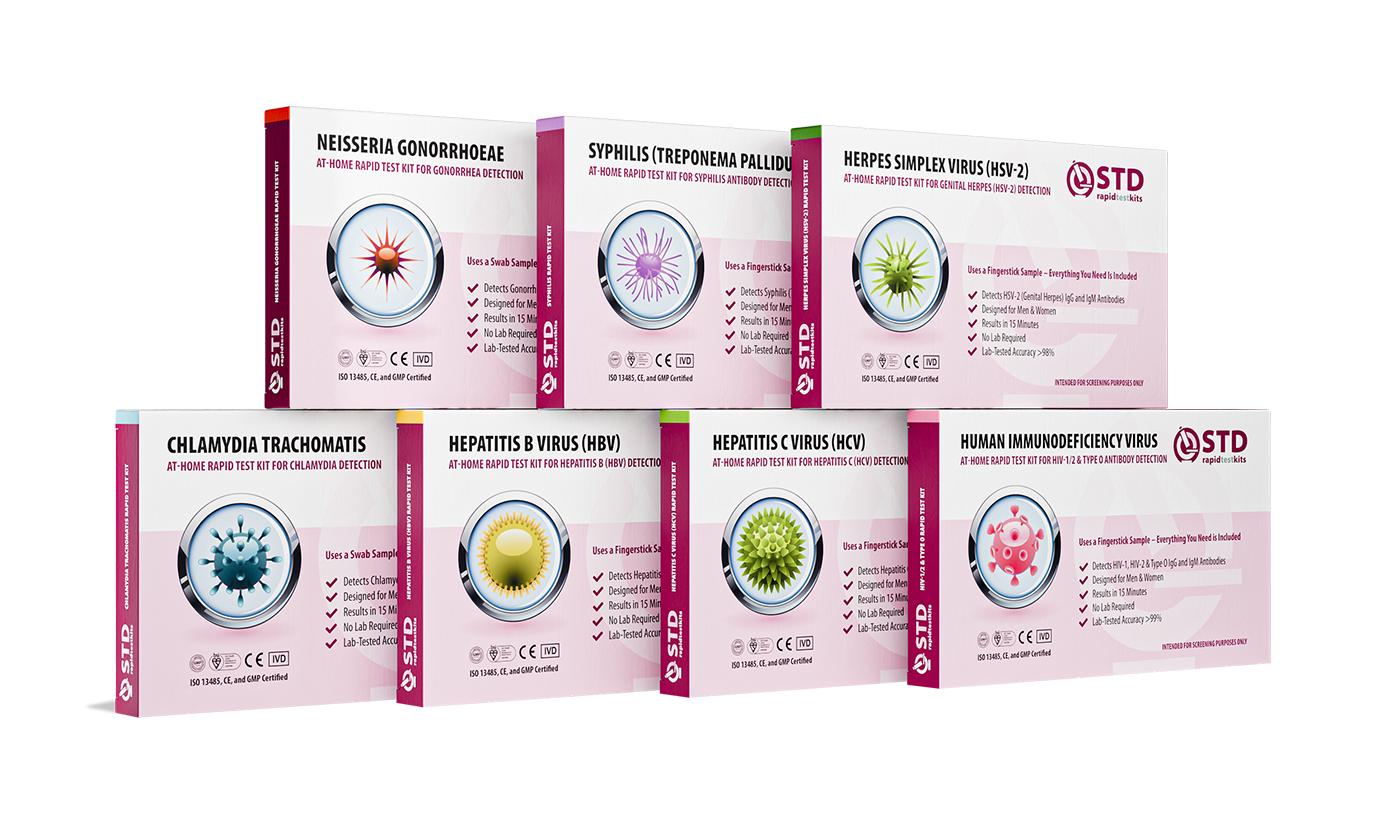
 For Men & Women
 Results in Minutes
 No Lab Needed
 Private & Discreet
Order Now $129.00 $343.00
For all 7 tests
When Testicular Pain Is an Emergency
While most testicular discomfort is not life-threatening, there is one condition that requires immediate attention: testicular torsion.
Torsion happens when the spermatic cord twists and cuts off blood flow to the testicle. It causes sudden, severe pain and usually makes you feel sick and swell up. Torsion usually happens suddenly, while epididymitis happens slowly over time.
If someone experiences severe pain that begins suddenly and doesn’t improve, emergency medical care is essential. Waiting too long can permanently damage the testicle.
This distinction, gradual versus sudden pain, is one of the reasons doctors ask detailed questions about how symptoms started.
Why Getting Answers Early Actually Reduces Anxiety
Most of the stress around testicular pain comes from uncertainty. People imagine worst-case scenarios because they don’t have clear information.
Testing changes that. Even a bad result can be comforting because it means you don't have a common infection. If you have a bacterial STD, treatment is usually easy with antibiotics.
The important thing is not to ignore persistent symptoms. The body is good at letting you know when something needs your attention. Pain in the testicles is one of those signs that you should look into.
What Doctors Usually Check When Someone Reports Testicular Pain
When someone walks into a clinic complaining about pain in one testicle, doctors rarely jump to conclusions. The reproductive system is complex, and several structures sit close together in the groin area. Because of that, a single symptom can come from multiple sources.
A typical evaluation starts with simple questions. A clinician might ask when the pain began, whether it came on suddenly or gradually, whether there was recent sexual activity, and whether any other symptoms are present. These details help narrow the possibilities quickly.
From there, a physical examination may check for swelling, tenderness, temperature differences in the scrotum, or visible abnormalities. If infection is suspected, urine samples or STD testing may be recommended.
Most of the time, this process rules out the more serious conditions fairly quickly.
Why Epididymitis Often Gets Mistaken for “Just a Strain”
One of the tricky things about epididymitis is that the early symptoms can feel mild. Instead of dramatic pain, many men describe a subtle heaviness in the scrotum. It might feel like a pulled muscle or soreness from sitting too long.
That’s why some people ignore the symptom for days or even weeks. They assume it’s related to exercise, cycling, or minor injury.
But when an STD like chlamydia or gonorrhea is the cause, inflammation gradually increases. The epididymis swells, and the pain gets worse over time.
Eventually the pain may become noticeable enough to interfere with walking, exercise, or sexual activity.
Recognizing this pattern, mild discomfort that steadily worsens, is one reason healthcare providers consider infections during evaluation.
Symptoms That Sometimes Appear Alongside Testicular Pain
Not every infection produces obvious warning signs, but some additional symptoms can appear when bacteria affect the reproductive tract.
People experiencing infection-related inflammation may notice:
- A feeling of warmth or redness in the scrotum
- Swelling on one side of the scrotum
- Discomfort during ejaculation
- Burning when urinating
- Unusual discharge from the penis
However, it’s important to emphasize something many people don’t realize: some of the most common STDs in men produce very subtle symptoms.
For example, many chlamydia infections cause minimal discharge or irritation. Testicular pain may appear before other symptoms become obvious.
This is why screening is often recommended even when symptoms seem minor.
How At-Home Testing Changed the Way People Check for STDs
Not long ago, the only way to test for sexually transmitted infections was to schedule a clinic visit. For some people that’s easy. For others it feels awkward, inconvenient, or intimidating.
At-home testing has changed that dynamic. Modern test kits allow individuals to collect samples privately and send them to certified laboratories. Results are typically delivered online in a secure format.
A lot of people like this method because it gets rid of a lot of the things that stop them from getting tested. People often put off getting tested for STDs because they are worried about their privacy, have other things to do, or are too embarrassed.
Services such as the testing options available through STD Rapid Test Kits allow individuals to screen for infections like chlamydia and gonorrhea without visiting a clinic first.
For someone experiencing unexplained testicular discomfort, that kind of access can make it easier to rule out infections quickly.

People are also reading: Think Oral Sex Is Safe? These 6 STDs Say Otherwise
What Happens If an STD Is Actually the Cause
If tests show that an infection is causing testicular pain, treatment is usually simple. People with bacterial infections like chlamydia and gonorrhea usually get antibiotics from their doctor.
Getting treated early makes a real difference. It helps the inflammation settle down faster, reduces the chance of complications, and protects your partners from being exposed.
In many cases, symptoms begin improving within a few days of treatment. It may take a little longer to fully recover as the inflammation goes down.
Doctors often tell people not to have sex until their treatment is over and their symptoms go away. This helps stop the spread of the disease or reinfection.
Why Ignoring Persistent Pain Isn’t a Good Strategy
Many men are tempted to wait and see if discomfort disappears on its own. In some cases that approach works, minor strain or irritation often resolves naturally.
But pain that doesn't go away or gets worse needs to be looked into. Infections that aren't treated can sometimes spread or get worse.
For instance, untreated epididymitis can cause chronic pain or problems getting pregnant in rare cases. Early treatment greatly lowers those risks.
Testing isn’t about assuming the worst. It's about getting rid of doubt and keeping your health good for a long time.
Situations Where Testing Is Especially Worth Considering
There are a few scenarios where STD testing becomes particularly sensible if testicular pain appears.
| Situation | Why Testing Helps |
|---|---|
| New sexual partner recently | Some infections can develop without obvious early symptoms. |
| Unprotected sex | Higher likelihood of bacterial transmission. |
| Pain accompanied by discharge or burning | These symptoms may indicate urethral infection. |
| Pain lasting more than a few days | Persistent symptoms suggest inflammation or infection. |
| Partner reports an STD diagnosis | Testing helps identify infections early. |
These situations don’t automatically mean infection is present, but they can justify screening to be safe.
The Quiet Psychological Side of Symptoms Like This
Symptoms involving sexual health carry a psychological weight that other health issues rarely do. People often feel embarrassed, anxious, or even ashamed when they notice something unusual.
But sexual health concerns are incredibly common. Millions of STD cases are diagnosed every year, and most are treatable.
Seeing symptoms as a health issue rather than a moral one makes it easier to act quickly and responsibly. The sooner someone checks what’s happening, the sooner they can move forward with clarity.
That mindset shift, viewing testing as routine healthcare rather than a sign of failure, has helped reduce stigma around sexual health in recent years.
How Long After Exposure Can Testicular Pain From an STD Appear?
A lot of people want to know how soon after having sex they can see signs of a problem. It depends on what kind of infection it is and how the body reacts.
Symptoms of bacterial infections like chlamydia and gonorrhea can show up anywhere from a few days to a couple of weeks after being exposed. Men often notice urethral symptoms like burning when they urinate or a mild discharge before any pain reaches the testicles.
But in some cases, inflammation spreads toward the epididymis before those symptoms become obvious. That’s when a dull ache in the testicle can appear as one of the earliest warning signs.
This delay is also why someone might not immediately connect a symptom to a sexual encounter that happened days earlier.
The Difference Between Sudden Pain and Gradual Pain
Knowing how pain develops can give you important hints about what might be going on. Doctors usually divide testicular pain into two groups: those that start suddenly and those that start slowly.
Infections like epididymitis usually don’t start with intense pain right away. Instead, the discomfort tends to build gradually over hours or days, and the area may start to swell or feel tender.
People worry about things like torsion when they suddenly feel pain. This type of pain usually comes on quickly and can get worse very quickly.
While infections can certainly cause significant discomfort, they rarely produce the intense, immediate pain that torsion causes. This distinction is one reason healthcare providers ask detailed questions about how symptoms started.
Check Your STD Status in Minutes
Test at Home with Remedium8-in-1 STD Test Kit
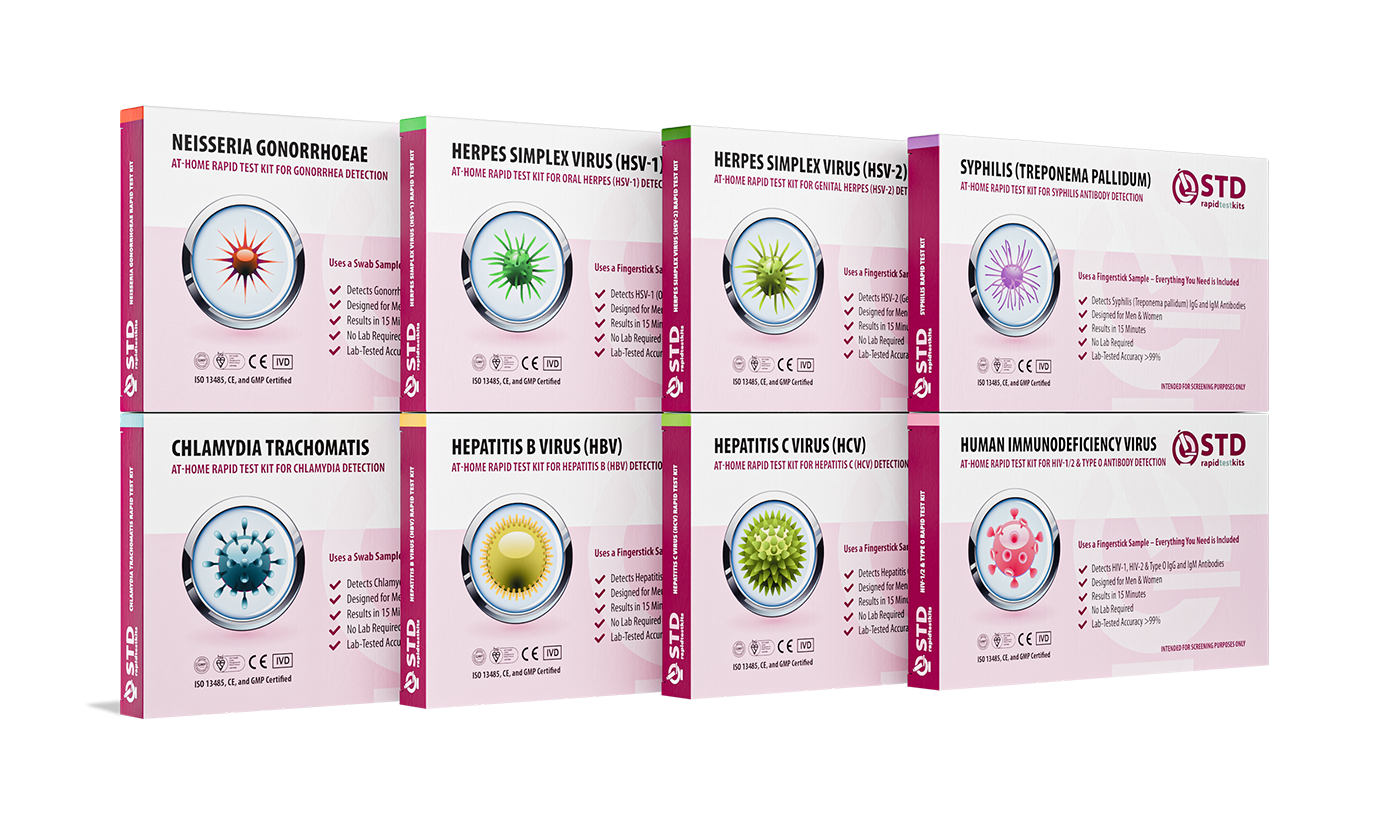 For Men & WomenResults in MinutesNo Lab NeededPrivate & Discreet
Order Now $149.00 $392.00
For all 8 tests
Why One Testicle Often Hurts Instead of Both
Many people expect that infections would affect both testicles equally, but that’s rarely the case. Infections that spread through the reproductive tract often begin on one side.
Each testicle has its own pathway for sperm to travel through. When bacteria travel that way, inflammation usually starts on one side and then spreads.
As a result, someone might notice pain or swelling on only one side of the scrotum. The other testicle may feel completely normal.
This asymmetry can be confusing, but it’s actually one of the more typical patterns when infections reach the epididymis.
When to Stop Guessing and Get Checked
Testicular discomfort that lasts longer than a few days deserves attention, even if the pain is mild. The goal isn’t to assume something serious, it’s to eliminate uncertainty.
A quick medical evaluation can tell you if inflammation, infection, or another condition is to blame. In many cases, straightforward tests and checks yield definitive answers.
For individuals who want to check for common infections privately, screening options are available online. The combo STD home test kit allows users to screen for several common STDs from home using discreet sample collection.
This approach can help people take the first step toward clarity without waiting weeks for a clinic appointment.
A Quiet Reminder About Sexual Health
Sexual health issues often have an emotional impact that physical injuries don't. A sore knee doesn't usually make people feel embarrassed, but pain in the reproductive system can make people feel anxious and ashamed.
But infections are simply medical conditions. They don’t reflect someone’s character, judgment, or worth.
Every year, millions of people get sexually transmitted infections, but most of the time they are easy to treat. Testing and treatment are just two parts of good healthcare.
Looking at symptoms with curiosity instead of fear makes it easier to address problems early.
FAQs
1. Can an STD actually cause testicular pain?
Yes, it can. The most common culprits are chlamydia and gonorrhea, which can travel up the reproductive tract and inflame the epididymis, the small tube behind the testicle that stores sperm. When that structure gets mad, it can make the scrotum feel heavy, swell, or hurt.
2. I have testicle pain but no other symptoms. Could it still be an STD?
Surprisingly, yes. Many men with early chlamydia infections don’t notice obvious symptoms like discharge or burning. Sometimes the only clue is a persistent ache in one testicle that doesn’t quite feel like a muscle strain.
3. How soon after sex could testicular pain from an STD show up?
It usually isn’t immediate. Most bacterial STDs take several days to a couple of weeks before symptoms start appearing. That delay is why people often don’t connect the discomfort with a hookup from a week or two earlier.
4. Why does only one testicle hurt if the problem is an infection?
Because infections often travel along one side of the reproductive tract first. The epididymis and spermatic cord are separate pathways for each testicle, so inflammation usually starts on one side before it spreads. It’s actually very common for one testicle to feel perfectly normal while the other aches.
5. How does testicular pain from an STD usually feel?
Most people say it hurts like a dull ache or a heavy feeling, not like a sharp stabbing pain. You might notice that the area is a little swollen, that it hurts when you touch it, or that it feels like something is pulling inside the scrotum.
6. Could testicular pain just be from exercise or sitting too long?
Absolutely. Cycling, heavy lifting, long hours sitting at a desk, or even tight clothing can irritate the groin area. The difference is that strain-related discomfort usually fades with rest, while infection-related pain tends to linger or slowly get worse.
7. When should someone actually get tested?
If the pain sticks around for more than a few days, especially after a recent sexual encounter, testing is a smart move. It doesn’t mean something serious is happening, it just removes the guesswork and gives you real information.
8. Can an at-home STD test help figure this out?
It can rule out a few of the most likely causes. Home test kits can find infections like chlamydia and gonorrhea, which are the STDs that are most likely to cause epididymitis and pain in the testicles. If the tests come back negative but the pain doesn't go away, a doctor can look for other problems.
9. Is sudden severe testicular pain an STD symptom?
Usually not. Sudden, intense pain, especially if it appears out of nowhere, can signal testicular torsion, which is a medical emergency. That’s the kind of symptom that should be checked immediately rather than waiting to see if it improves.
10. If it does turn out to be an STD, is it treatable?
Yes, most of the time. People usually take antibiotics to get rid of bacterial infections like gonorrhea and chlamydia. The symptoms usually get better quickly after treatment starts. The sooner it’s addressed, the faster inflammation settles down and the lower the chance of complications.
You Deserve Clarity, Not Guesswork
Testicular pain is one of those symptoms that instantly gets your attention. It’s uncomfortable, yes, but more than that, it creates uncertainty. Your brain jumps from harmless explanations to worst-case scenarios in seconds. The goal isn’t to panic about every ache. The goal is to figure out what your body is actually telling you.
If you’ve had recent sexual exposure, testing removes the guesswork. If infection is ruled out and discomfort continues, a doctor can look at other causes like inflammation, muscle strain, or circulation issues. Each step replaces uncertainty with real answers.
Don’t wait and wonder. If an infection could even be part of the picture, start with a discreet screen like the Combo STD Home Test Kit. Results stay private. The process is straightforward. And knowing what’s actually going on is always better than guessing.
How We Sourced This Article: This article draws on current clinical guidance on sexually transmitted infections and epididymitis from major public health organizations, along with peer-reviewed urology research. We looked at medical literature on bacterial STDs, inflammation of the reproductive tract, and common causes of testicular pain to make sure that the information is accurate and useful for readers.
Sources
1. Centers for Disease Control and Prevention – Sexually Transmitted Infections Overview
2. Centers for Disease Control and Prevention – Chlamydia Fact Sheet
3. Centers for Disease Control and Prevention – Gonorrhea Fact Sheet
6. World Health Organization – Sexually Transmitted Infections Fact Sheet
About the Author
Dr. F. David, MD is a board-certified infectious disease specialist focused on sexually transmitted infection prevention, diagnosis, and treatment. His work centers on helping people understand symptoms early, access discreet testing, and make informed decisions about their sexual health.
Reviewed by: Michael R. Levin, MD, Urology | Last medically reviewed: February 2026
This article is only for informational purposes and should not be used as a substitute for professional medical advice.


