







Skin Rash and STDs: Symptoms, Types, Differentiation
The Prevalence of Syphilis
That will be an estimated 4.5 million adults in the U.S. diagnosed with syphilis in 2022, but this is only including reported cases. Medical experts say that the real number could be much more, as many cases go unreported. Of these reported cases, it is estimated that 35,063 cases were diagnosed to be primary and secondary syphilis, which are the earliest two stages of this disease. These were, for the most part, reported in the male population who practice same-sex relations, including both gay and bisexual men.
Methods of Syphilis Transmission
Syphilis is contracted through direct contact with a primary syphilis lesion, also known as a syphilitic sore. These sores are hard to detect because they may occur on the inside of the vagina or rectum, or they can appear on less noticeable parts of the body such as the scrotum or foreskin area of the penis.
Thus, any sexual practice may transmit the disease, including vaginal, anal, or oral sex, and even non-penetrative sexual contact such as frottage. Besides, a pregnant woman can transmit the infection to her unborn child, which is called congenital syphilis.
Congenital Syphilis: The Unidentified Menace
Congenital syphilis takes place as the infection of the bacterium is transmitted from a pregnant woman to her baby. It can further lead to serious complications, such as miscarriage, stillbirth, preterm birth, or grave health problems in newborn babies. Congenital syphilis manifests itself in symptoms in babies that include deformation of bones, severe anemia, enlarged liver or spleen, and jaundice. Disorders of the central nervous system and meningitis are some major complications. All these risks to mother and baby can be averted through early diagnosis and timely treatment.
Recognizing the Symptoms of Syphilis
Syphilis has been coined 'The Great Pretender' since it can exhibit symptoms of so many other diseases, which makes it very difficult to diagnose based on symptoms. Syphilis has four different stages, and each one of them has different signs and symptoms.
Initial Stage
Its characteristic first stage presents with a chancre-a hard, round, nontender lesion described as the site of bacterial invasion into the body. The site may be the genitals, the anal region, or the mouth area. The sore remains for 3 to 6 weeks, after which it heals without intervention, treated or not. If left untreated, the disease continues through the secondary stage.
Secondary Stage
The skin rash and sores describe the secondary stage. The rash usually first appears on the sternum and then extends to the limbs, even to the palms and soles. Sometimes it is red or reddish-brown and can often look just like other skin diseases. The symptoms that follow in this stage, apart from rash, include fever, sore muscles, swollen lymph nodes, sore throat, hair falling off, headache, unexplained weight loss, and fatigue.
Similar to the primary stage, symptoms at this point are usually self-limiting, but if left untreated, the disease will then progress to the latent stage.
Latency Stage
Latent syphilis is the period when the infection is quiet. During that period, the individual does not show any symptoms of the infection. In fact, it gives a false impression of whether the disease has been resolved. The asymptomatic period can persist for several years. If left untested and untreated, the disease will progress to the most dangerous final stage called tertiary syphilis.
Tertiary Stage
Tertiary syphilis, though rare, can appear years after the initial infection and is usually fatal. The stages involve widespread organ damage: the nervous system, heart, liver, lungs, among others. Symptoms are varied and depend on the involved organ systems.
Neurosyphilis: A Serious Complication
Neurosyphilis results when the infection of syphilis passes through the nervous system. It may occur during any of the stages of syphilis and is manifested by different neurological disturbances like headache, difficulty with coordination, abnormal behavior, dementia, paralysis, and sensory problems. Syphilis of the eyeball may also occur when the infection invaded the eyes, affecting vision, visual acuity, and even irreversible blindness.
Who Should Be Tested for Syphilis?
Medical experts say anyone with symptoms of the infection, or anyone who has had protected or unprotected sex with someone who has just been diagnosed with syphilis, should get tested immediately. Other candidates for testing, regardless of symptoms, are persons in the higher-risk categories: pregnant women, men who have sex with men, patients with HIV-positive status, and those exposed to HIV and on PrEP.
Home Testing for Syphilis
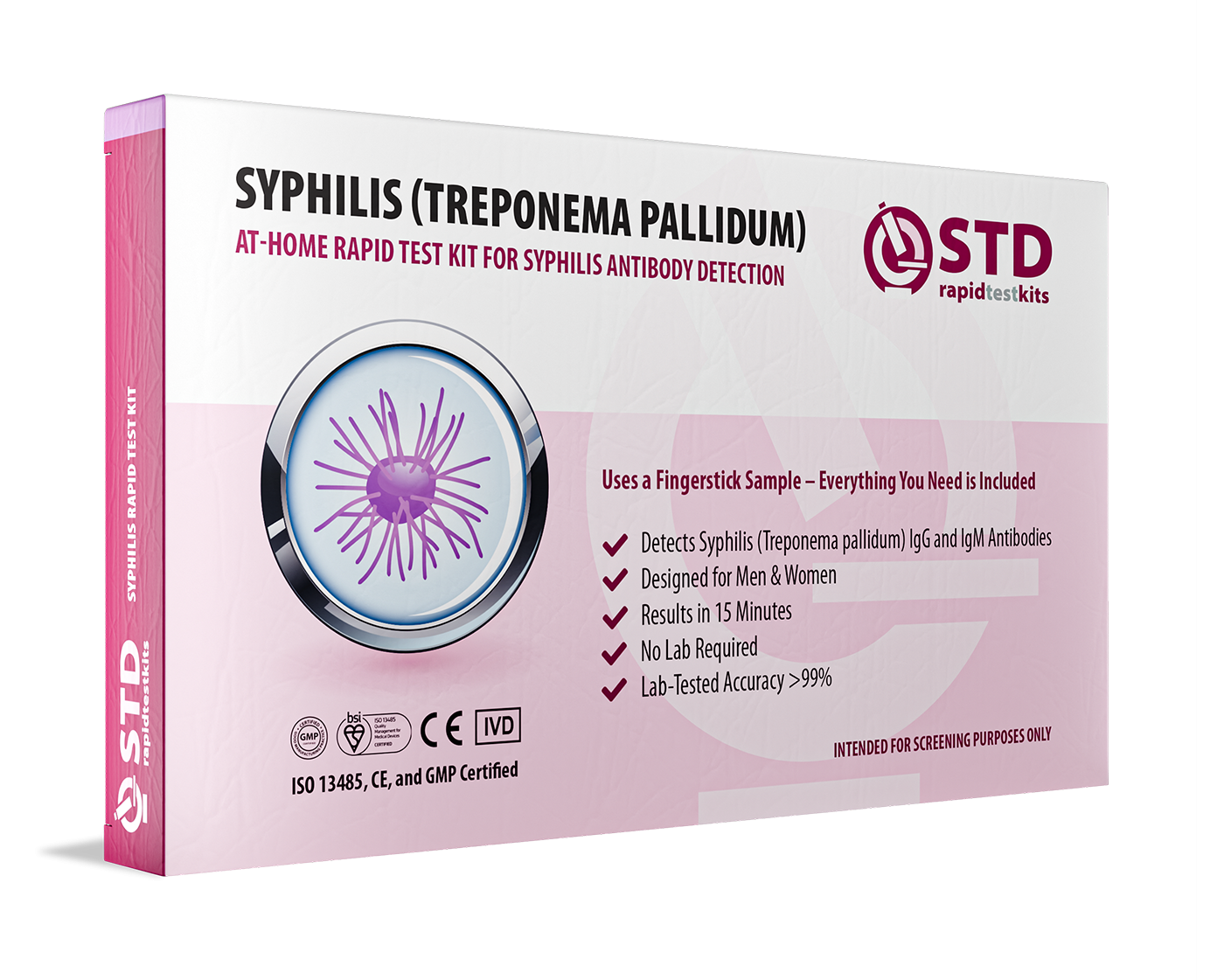
An at-home STD testing kit is a quick and private way to get tested for syphilis. You purchase a kit, follow the instructions included in the package for a finger prick to collect a small amount of blood, and within twenty minutes, you have results. These come sealed and are delivered to an individual's location in order to use in privacy and convenience.
Check Your STD Status in Minutes
Test at Home with RemediumSyphilis Test Kit
Claim Your Kit Today
Save 31%
 For Men & Women
 Results in Minutes
 No Lab Needed
 Private & Discreet
Order Now $33.99 $49.00
Can syphilis occur more than once?
Unfortunately, previous treatment against syphilis does not protect future infections. Unlike some viral infections, such as HIV or HBV, where a person can only become infected once, this infection can happen more than once when one comes in contact with an infected sore. Thus, it may be prevented against re-infection even after treatment. If diagnosed and treated on time, syphilis is curable without recurrence.


