







Quick Answer: Before moving in, getting tested for sexually transmitted diseases (STDs) can identify infections that don't exhibit any symptoms, prevent future surprises, and foster trust. It's not about not trusting each other; it's about caring for each other and timing things right.
Why It Matters More Than You Think
On paper, you’ve both been exclusive for months. Maybe even years. You trust each other. You’ve stopped using condoms. You’ve met each other’s moms. But then one of you suggests getting tested “just in case” before cohabiting, and suddenly, the air feels tight.
“Do you not trust me?” becomes the first question. Followed by “Why now?” But the real question hiding underneath is more vulnerable: “What if we find something we didn’t expect?”
This is the emotional landmine most couples don’t talk about. But the reality is this: a surprising number of STDs are asymptomatic. According to the CDC, up to 90% of people with herpes don’t know they have it. Chlamydia can linger quietly for months. Even in faithful relationships, infections can be left over from years ago, especially if testing wasn’t routine before.
Getting tested together isn’t about blame. It’s a preemptive act of protection. It means, “Let’s make sure we’re both safe before we fully share our lives.” That kind of maturity? It’s sexy.
The Timeline No One Talks About
When Sam and Jordan decided to move in together after 14 months of dating, they split chores, budgeted for rent, and skipped the STD conversation. “We’d both been tested when we first got together,” Sam recalls, “so we thought we were covered.”
But two months after move-in day, Jordan developed painful urination and discharge. A test confirmed it was gonorrhea. The questions came fast and brutal, Did someone cheat? Was the test wrong? But in the end, it turned out Jordan’s infection was asymptomatic and had likely been there for over a year. They’d both missed it. Now, Sam was also infected, and furious.
This is where the timeline gets complicated. STDs don’t follow emotional schedules. Some show up days after exposure; others take weeks. That’s why knowing the window period, the time between exposure and detectable infection, is crucial.
| STD | Window Period | Best Time to Test | Silent Carriers Common? |
|---|---|---|---|
| Chlamydia | 7–21 days | 2 weeks after exposure | Yes |
| Gonorrhea | 2–7 days | 1 week after exposure | Yes |
| Herpes (HSV-2) | 4–12 days (symptoms), up to 16 weeks for antibodies | 12–16 weeks for blood test | Yes |
| HIV | 2–6 weeks | 4–6 weeks with Ag/Ab test | Sometimes |
| Syphilis | 3–6 weeks | 6 weeks for best accuracy | Yes |
Table 1: Common STD window periods. Testing too early may yield false negatives, especially if the last test was months ago or before monogamy was established.

People are also reading: Recurring Vaginal Sores Before Your Period? Here’s What That Might Mean
Testing Together: The Emotional Script
So how do you bring it up without making it weird? Start with vulnerability, not accusation. You’re not saying, “I think you’ve got something.” You’re saying, “I care about our future and want to make sure we start it from a place of trust.”
Nina, 27, remembers how she broached it with her girlfriend before moving in. “I just said, ‘I know we’ve been exclusive, but I’d love for us to get tested together, just so we’re covered before sharing everything else.’ And my girlfriend actually sighed in relief. She’d been thinking the same thing but was afraid to offend me.”
The key is to normalize the conversation. STD testing isn’t just for people with dozens of partners or risky behavior. It’s for people who want to protect each other, whether you met last week or have been together since college.
Testing can be a shared experience. Some couples make a date of it: test together, then grab brunch. Others opt for private, at-home kits like the Combo STD Home Test Kit, no clinics, no awkward waiting rooms.
But We’re Monogamous, Why Would We Need to Test?
This is the most common pushback, and it usually comes from a place of surprise, not malice. If both partners are faithful, testing might seem unnecessary, until you understand how infections actually work. Many STDs can be dormant, undetected, or passed along from prior relationships. You could have contracted chlamydia years ago, had no symptoms, and unknowingly carried it into your current relationship.
Testing before moving in isn’t an accusation. It’s an audit. And like any good audit, it doesn’t mean someone did something wrong. It just verifies that things are where you think they are. And if something is found? Better now than when you’ve already tangled finances, pets, or, yes, shared sex toys.
Let’s be honest: STDs don’t care how in love you are. They don’t check your relationship status. They don’t wait until you’re ready. But you can be ready, with knowledge, not assumptions.
At-Home Testing vs Clinic: What’s Right for You?
Not everyone feels comfortable going to a clinic, especially if they’re in a small town, fear stigma, or just want privacy. That’s where at-home testing steps in. Modern kits, like those from STD Rapid Test Kits, are FDA-approved, discreet, and surprisingly easy to use.
But what kind of testing is best for your relationship? Let's examine the choices side by side:
| Testing Method | Privacy | Speed | Best For... |
|---|---|---|---|
| At-Home Rapid Test | High | 15–20 minutes | Peace of mind before or after intimacy, discreet environments |
| Mail-In Lab Test | High | 2–5 business days | Couples who want broad panels and lab-level accuracy |
| In-Clinic Testing | Moderate | Same day to 1 week | People with symptoms, or seeking treatment & in-person care |
Table 2: Comparing STD testing methods. There is no "one size fits all" method; choose one based on how easy it is to get to, how comfortable it is, and when you need it.
For couples preparing to move in, at-home testing offers a low-pressure, non-clinical option. You can swab, test, and see results in minutes, then go back to picking out curtain rods or ordering furniture. That ease is why more couples are opting for it as part of their move-in checklist.
Check Your STD Status in Minutes
Test at Home with Remedium6-in-1 STD Test Kit
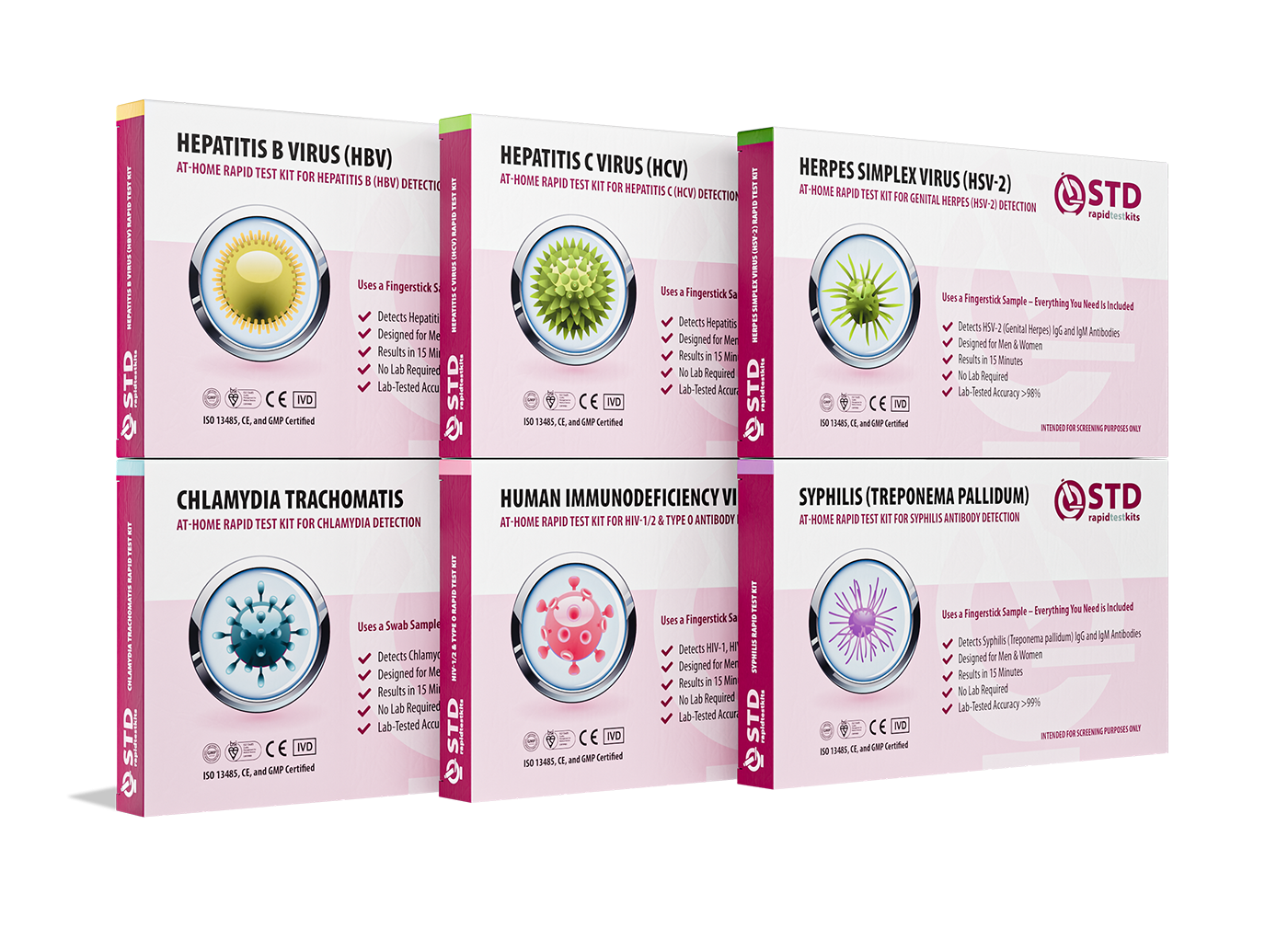
 For Men & Women
 Results in Minutes
 No Lab Needed
 Private & Discreet
Order Now $119.00 $294.00
For all 6 tests
The “What If It’s Positive?” Moment
This is the part everyone secretly dreads. What if the test comes back positive? What happens then, especially if you were both sure there was no risk?
Here’s the truth: a positive test doesn’t mean someone cheated. It doesn’t mean someone lied. It means you uncovered a health issue early enough to do something about it. That’s a win.
Take Tara and Luis. They did a mail-in test before moving in. Tara’s came back clean, but Luis tested positive for syphilis. “I was floored,” he admitted. “I hadn’t had any symptoms, and I hadn’t been with anyone but Tara in over a year.” It turned out he’d been exposed during a casual encounter months before they met, but had never tested for it.
After the initial shock, they got treatment, talked it through, and moved in as planned. “We cried, yeah,” said Tara. “But honestly? I was glad we knew. That would’ve blown up our relationship later if we’d found out by accident.”
This is the power of preemptive testing: it gives you control over the timeline. Not every result is easy, but every result is better than being blindsided months after you’ve merged lives.
If you’re not sure where to start, take one step now. Order a Combo Test Kit and open the conversation from a place of partnership, not panic.
Testing Doesn’t Kill the Mood, Avoiding It Might
We get it. The idea of whipping out test kits while house-hunting or planning your cohabitation dinner playlist feels like a buzzkill. But here’s the irony, testing can actually deepen intimacy. You’re showing up for each other, not just sexually but holistically.
Sex educator Janelle H., who works with newly engaged couples, says it best: “The best sex lives I see aren’t between people who avoid hard conversations. They’re between people who have them early and often. STD testing is just one of those talks.”
For some couples, testing together opens the door to even deeper conversations, past trauma, STI stigma, previous partners, and fears around health or fertility. And that’s a good thing. A shared home deserves shared trust. Transparency is part of that foundation.
If it helps, frame the test as part of a bigger care ritual. Light a candle, queue up a movie, swab, test, wait, debrief. You don’t need lab coats or sterile energy. You just need mutual respect, and the willingness to make health sexy, not scary.
What About After the Move?
Just because you got tested before cohabiting doesn’t mean you’re done forever. Life happens. Some couples open up their relationship later. Others go through breakups and reconciliations. Some discover new symptoms or risk factors.
That’s why many experts recommend building STD testing into your relationship rhythm, not as punishment, but as self-checks. Some couples do it annually, others after any major change in sexual activity or relationship structure.
Think of it like dental cleanings. You don’t only go when something hurts, you go to stay healthy. And when your body’s on the line, ignorance isn’t bliss. It’s risk.
Testing post-move-in is also smart if one or both partners experience symptoms like burning, itching, unusual discharge, or even fatigue. Remember: not all infections affect genitals directly. HIV, for instance, can present with flu-like symptoms weeks after exposure.
Set reminders. Share responsibility. Make it part of your new home’s culture. You’re already doing joint grocery runs, add joint health check-ins, too.
What to Expect With At-Home Results
If you’ve never used an at-home rapid STD test before, here’s what to expect: most tests require a small fingerprick of blood or a self-collected swab (oral, vaginal, or rectal, depending on the kit). Results are usually available in 15–20 minutes, and they’ll show as lines, dots, or color changes depending on the infection type.
One common concern? Faint lines. They can be confusing. In general, any line, even a light one, should be considered a preliminary positive. This is where confirmatory testing comes in. If your at-home result is positive, follow up with a clinic or telehealth provider for next steps. And don’t panic. Many STDs are easily treated with a single dose of antibiotics or a short antiviral regimen.
Privacy-wise, these kits are designed with discretion in mind. Packaging is plain. Instructions are simple. And results are not reported to anyone but you.
If you want extra assurance, pair the rapid test with a mail-in panel or clinic visit. Or retest in a few weeks if your window period was borderline. Think of it like taking a second pregnancy test, not because you distrust the first, but because you want certainty before taking the next step.
If your result is negative, it doesn’t mean you're invincible, it means you're informed. Use that confidence to start your life together from a place of shared health, not quiet fear.

People are also reading: Do Dental Dams Actually Work? A Sex-Positive Deep Dive
What Real Couples Say After Testing Together
Let’s be real: the idea of STD testing as romantic doesn’t land for everyone. But talk to couples who’ve done it, and you’ll hear a different story.
Arjun and Casey, both 30, tested together before moving in after three years of dating. “We knew it was probably fine,” Arjun said, “but we also didn’t want any surprises down the line. We’d been monogamous, but not tested since we got together. So we did a combo test at home the week before the lease started.”
Their results were negative. More importantly, the process opened up a deeper layer of conversation. “We ended up talking about past partners, birth control, STI scares in college…stuff we had never really unpacked,” Casey said. “It made me feel like we were really starting fresh.”
For Lex and Jo, a queer couple who’d recently transitioned from an open to a monogamous relationship, testing helped anchor a shift in boundaries. “We were used to using condoms and having rules with other people,” Jo explained, “but moving in meant it was just us now. Testing was our way of saying, ‘this is our bubble, and we’re taking care of it.’”
Even couples with uncomfortable results often say it was better to know. Sara, 24, found out she had HPV during a mail-in panel she did with her boyfriend. “I panicked at first,” she said. “But then I realized, this is actually really common. And I never would’ve known if we hadn’t done it together.”
Her boyfriend, Mateo, stood by her. They got follow-up care, learned about future screenings, and moved in two months later as planned. “Honestly,” he said, “the whole thing made me trust her more. We dealt with it as a team.”
Stories like these aren’t rare, they’re just under-shared. The cultural script still tells us that STD testing is awkward, accusatory, or only for hookups. But in reality, it’s becoming a new kind of commitment ritual. Not sexy in the roses-and-bubble-bath sense. Sexy in the we’ve-got-each-other’s-backs way.
And let’s face it: that kind of intimacy lasts way longer than a honeymoon phase.
Check Your STD Status in Minutes
Test at Home with Remedium8-in-1 STD Test Kit
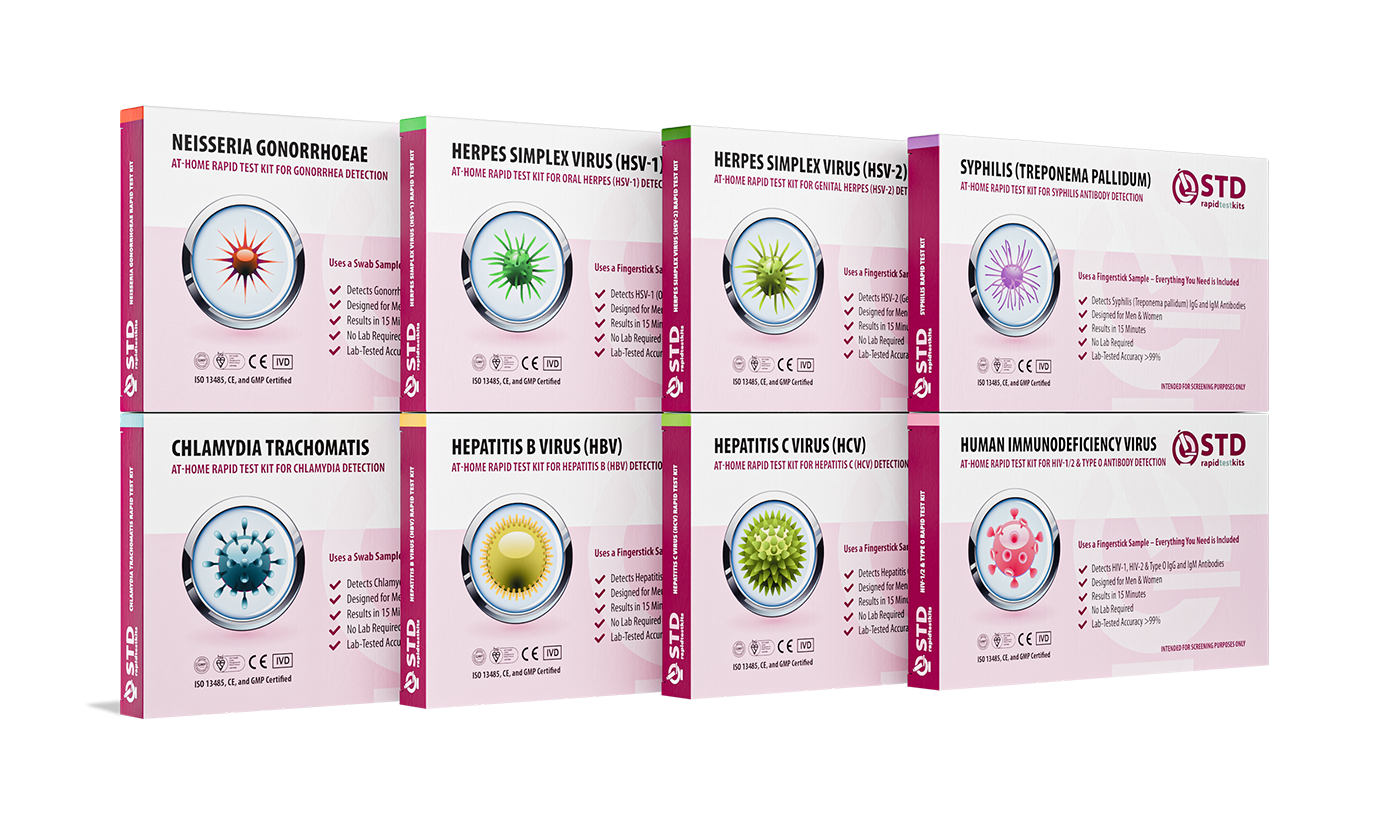 For Men & WomenResults in MinutesNo Lab NeededPrivate & Discreet
Order Now $149.00 $392.00
For all 8 tests
Why We’re Still Talking About This
You’d think by now, STD testing would be as routine as couples therapy, budgeting apps, or making shared grocery lists. But here we are, in 2026, and people are still afraid to bring it up. Why? Because the stigma around STDs hasn’t caught up with the facts.
We know most infections are treatable. We know you can have one and not know it. We know that testing isn’t just about risk, it’s about reassurance. And yet, couples delay, deflect, or avoid the topic entirely. Often until something forces it.
Don’t wait for that moment. Make testing your “we’re serious now” move. Fold it into the same decision-making zone as signing the lease or choosing a mattress. It’s not weird. It’s smart. It’s sexy. And it’s one of the easiest ways to show your partner that what you’re building is built on honesty.
Testing together says: “I care about your body. I care about your health. I want our shared life to start with the truth.” If that’s not love, what is?
FAQs
1. Is it really necessary to get tested before moving in together?
If you’ve both been tested recently and have had zero partners since, maybe not. But if you’re relying on vibes, assumptions, or “I’m pretty sure I’m clean”, yeah, it’s necessary. Silent STDs exist. Think of this as housecleaning for your body before sharing sheets long-term.
2. Will my partner think I don’t trust them if I ask for a test?
Possibly, for like five seconds. Then they’ll realize you’re being responsible, not accusatory. Try saying, “I trust you and I care about us, so I’d love to test together.” Most people actually appreciate the honesty. If they react with anger or deflection? That says more about them than it does about you.
3. What if one of us tests positive? Does that mean someone cheated?
Not necessarily. STDs don’t come with timestamps. Your partner could’ve picked something up years ago and never knew. A positive result can feel heavy, but it’s also a chance to deal with it before it spirals into blame, confusion, or worse: untreated infection.
4. We’ve been exclusive for a while. Isn’t it too late to bring this up?
No way. There is no end date for putting your health first. If anything, talking about it now, before you live together, shows that you care about your future together. It's better to be late than never, especially when it comes to STDs that don't always show up.
5. Are at-home STD tests actually accurate?
Yes, when they come from trusted providers. Rapid tests can detect common STDs with high accuracy, especially if used after the correct window period. They’re not 100% perfect (nothing is), but they’re damn close and often more accessible than clinics.
6. What do we do if our test windows are different?
That’s common. Maybe one of you was last sexually active two years ago, the other two months ago. No problem, just test based on the most recent potential exposure. And if you’re borderline, retest in a few weeks. Clarity now is better than confusion later.
7. Can we stop using condoms after we both test negative?
Maybe, but only if you’re both negative, fully monogamous, and neither of you is in a window period where an infection might not show up yet. Testing is one part of the puzzle; timing, honesty, and follow-up matter too.
8. How do we make testing feel less awkward and more... us?
Make it a moment, not a chore. Light some candles. Watch a bad movie while you wait for the test timer. Swab, wait, laugh, debrief. You’re already building a life together, this is just one more honest step in that foundation.
9. What if my partner flat-out refuses to get tested?
That’s a big deal. You deserve someone who values your health as much as their own. Maybe they’re scared or ashamed, cool, that’s workable. But if they dig in with defensiveness or dodge accountability? Think hard before signing that lease.
10. Does this mean we have to keep testing forever?
Not forever, but regularly is smart, especially if anything changes (like opening the relationship, travel, new symptoms, or just a long time passing). Think of it like oil changes for your sex life. Preventative maintenance beats breakdowns.
You Deserve Answers, Not Assumptions
Moving in together is a big emotional leap. It deserves physical honesty, too. Testing for STDs before you share a bed full-time doesn’t mean you doubt your partner. It means you’re choosing truth over assumption, clarity over quiet uncertainty.
If you're ready to start your new chapter with confidence, don’t wait and wonder, get a combo test kit and open the door to deeper trust.
How We Sourced This Article: We combined current guidance from leading medical organizations with peer-reviewed research and lived-experience reporting to make this guide practical, compassionate, and accurate.
Sources
1. CDC – Genital Herpes Fact Sheet
2. CDC – STD Screening Recommendations
3. Planned Parenthood – Get Tested Guide
4. STD testing: What’s right for you? (Mayo Clinic)
5. CDC's recommendations for STI testing
7. CDC's Guide to Taking a Sexual History
8. Sexually Transmitted Infection Risk Reduction Strategies (NCBI Bookshelf)
9. Re-examining the effectiveness of monogamy as an STI prevention strategy (PubMed)
10. Sexually Transmitted Infections: Behavioral Counseling (USPSTF)
About the Author
Dr. F. David, MD is a board-certified infectious disease specialist focused on STI prevention, diagnosis, and treatment. He blends clinical precision with a no-nonsense, sex-positive approach and is committed to expanding access for readers in both urban and off-grid settings.
Reviewed by: L. Reyes, MPH | Last medically reviewed: January 2026
This article is only for information and should not be used instead of medical advice.


