







Quick Answer: White spots in the throat after oral sex can sometimes signal an oral sexually transmitted infection such as gonorrhea, syphilis, or herpes, though many oral STDs cause no symptoms at all. Because symptoms often resemble strep throat or tonsillitis, testing is the only reliable way to know what’s actually happening.
The Quiet Reality of Oral STDs
Oral sex is often treated like the “safer” part of intimacy. People talk openly about condoms for vaginal or anal sex, but conversations around oral protection tend to fade into awkward silence. The result is that infections transmitted through the mouth are frequently overlooked.
Doctors who work in sexual health clinics see this confusion constantly. A patient comes in complaining of a persistent sore throat, or sometimes they come in for something unrelated and a routine swab reveals an infection they had no idea was there. Oral gonorrhea, in particular, is notorious for slipping under the radar.
One infectious disease clinician once described it this way: “The throat is one of the most common hiding places for gonorrhea because it often doesn’t cause obvious symptoms.” That means someone can carry the infection for weeks or months without realizing it, potentially passing it to partners through oral contact.
This quiet nature is one reason public health experts encourage regular testing for people who are sexually active, especially if oral sex is part of their routine. Knowing what’s happening in your body removes a lot of the guesswork, and the anxiety that often comes with it.
Common Oral STDs and What They Can Look Like
Several sexually transmitted infections can affect the throat or mouth. Some produce noticeable symptoms, while others stay silent. Understanding the possibilities can help people recognize when testing might be worth considering.
| Infection | Possible Throat or Mouth Symptoms | Notes |
|---|---|---|
| Gonorrhea | Sore throat, redness, mild swelling, sometimes white patches | Most cases cause no symptoms at all |
| Chlamydia | Mild throat irritation or no symptoms | Oral infection is less common but possible |
| Syphilis | Painless sores in the mouth or on the lips | Sores can appear weeks after exposure |
| Herpes (HSV-1 or HSV-2) | Painful blisters, ulcers, or sores in the mouth | Often accompanied by fever or swollen glands |
What stands out in this table is how inconsistent symptoms can be. The same infection might cause intense pain in one person and absolutely nothing in another. This variability is one of the biggest reasons oral STDs often go undetected.
If a sore throat appears shortly after oral sex, the timing alone doesn’t confirm anything. But it does make testing a reasonable step, especially if symptoms linger or worsen.
Why Oral Gonorrhea Is Often the Hidden Culprit
Among oral STDs, gonorrhea is the one clinicians most frequently detect in the throat. It spreads through oral contact with infected genital or anal tissue, and it thrives surprisingly well in the back of the throat.
Unlike genital infections, which often cause burning or discharge, throat infections with gonorrhea may barely be noticeable. Some people experience mild soreness that feels like the beginning of a cold. Others have slight redness that would be impossible to distinguish from a typical viral infection.
A nurse practitioner in a busy urban clinic once recalled a patient who came in for routine testing before starting a new relationship. The patient felt completely healthy. The throat swab still came back positive for gonorrhea.
“I would have never known,” the patient said, stunned.
Situations like this are common enough that health organizations recommend throat testing for people who have oral sex with new or multiple partners. A quick swab can reveal infections that would otherwise remain invisible.
When Symptoms Aren’t Actually an STD
Because throat infections can mimic each other, many symptoms people worry about turn out to have completely different explanations. White patches in the throat are particularly notorious for causing unnecessary panic.
Some of the most common non-STD causes include viral infections, bacterial strep throat, and small calcium deposits known as tonsil stones. Each can make visual changes that look scary but aren't related to sexual transmission.
| Condition | Typical Symptoms | Common Clues |
|---|---|---|
| Strep throat | White patches, fever, painful swallowing | Often accompanied by swollen lymph nodes |
| Tonsil stones | White or yellow lumps on tonsils | May cause bad breath |
| Oral thrush | Creamy white coating on tongue or cheeks | More common after antibiotics |
| Oral STD | Sores, redness, or mild irritation | Sometimes appears after oral sex exposure |
The overlap between these conditions explains why doctors rarely diagnose throat infections by sight alone. Laboratory testing remains the most reliable method.
For someone staring into the mirror and worrying about those mysterious white spots, the key takeaway is simple: visual symptoms alone cannot confirm what’s going on.
How Oral STDs Actually Spread During Oral Sex
Transmission through oral sex is surprisingly straightforward. When the mouth, tongue, or throat comes into contact with infected genital tissue, bacteria or viruses can move directly into the lining of the throat. That lining is thin and highly absorbent, which makes it easy for certain pathogens to establish themselves there.
In real life, the moment rarely feels risky. Someone leans in during a hookup, maybe after a few drinks or in the quiet intimacy of a relationship. Oral sex feels familiar, routine, and for many people it carries a sense of being lower risk than other sexual activities. Condoms or dental dams are less commonly used in that setting, partly because people underestimate the possibility of throat infections.
Health professionals see the consequences of that assumption regularly. A clinician in a sexual health clinic once described the pattern this way: “People are careful about intercourse but not about oral sex. Then they come in weeks later with a persistent sore throat or a positive throat swab.”
Several infections can move this way. Gonorrhea is the most common oral bacterial infection transmitted through oral sex. Chlamydia can also infect the throat, although it happens less frequently. Viral infections such as herpes or syphilis may produce visible sores in the mouth or on the lips.
The important point is that transmission does not require dramatic symptoms in the partner who carries the infection. Many sexually transmitted infections spread easily from people who feel completely healthy.
Check Your STD Status in Minutes
Test at Home with Remedium7-in-1 STD Test Kit
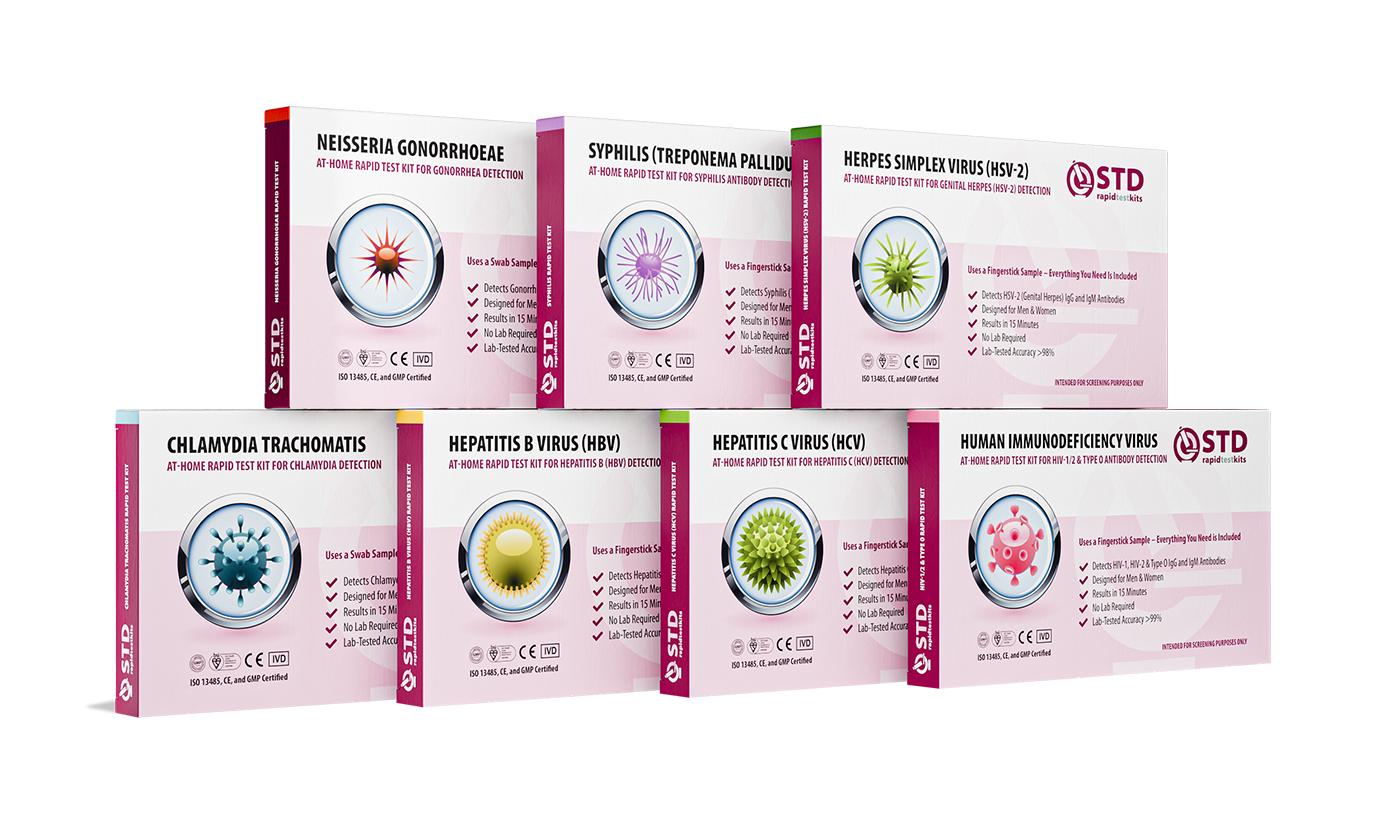
 For Men & Women
 Results in Minutes
 No Lab Needed
 Private & Discreet
Order Now $129.00 $343.00
For all 7 tests
When Symptoms Usually Appear After Exposure
One of the first questions people ask after noticing throat symptoms is whether the timing fits an infection transmitted during oral sex. The answer varies depending on the organism involved. Some infections create symptoms within days, while others may take weeks or may never produce noticeable symptoms at all.
Imagine someone named Daniel who wakes up with a sore throat three days after a new sexual encounter. The timing makes him uneasy. He scrolls through search results late at night, wondering if the discomfort could be connected to what happened earlier that week.
Incubation periods, the time between exposure and symptoms, can help frame the situation, though they are not precise diagnostic tools. Many infections overlap in their timelines.
| Infection | Typical Incubation Period | Possible Throat Symptoms |
|---|---|---|
| Gonorrhea | 2–7 days | Mild sore throat, redness, sometimes white spots |
| Chlamydia | 1–3 weeks | Often no symptoms, occasionally throat irritation |
| Syphilis | 10–90 days | Painless mouth or throat sores |
| Herpes (HSV-1 or HSV-2) | 2–12 days | Painful blisters, ulcers, swollen glands |
Even this timeline can be misleading. Someone might develop a sore throat from a cold a few days after oral sex and assume it must be related, when in reality the two events are unrelated. On the other hand, a person could carry an infection for weeks without realizing it.
This uncertainty explains why clinicians rely on testing rather than symptom timing to determine whether an infection is present.
The Case Study Doctors See All the Time
One of the most revealing stories shared in sexual health clinics is surprisingly ordinary. A young professional named Rafael came in for testing before starting a new relationship. He felt healthy and had no symptoms whatsoever. The visit was simply meant to be responsible and routine.
The clinician performed the usual panel of tests and included a throat swab because Rafael mentioned that oral sex had been part of his recent encounters. A few days later, the result came back positive for oral gonorrhea.
Rafael was shocked. He had experienced no pain, no white patches, and no fever. In fact, if he had not scheduled the screening appointment, he likely would have continued carrying the infection without realizing it.
“I felt completely normal,” he told the clinician. “I would never have guessed.”
This type of discovery is exactly why many sexual health professionals emphasize regular testing rather than waiting for symptoms to appear. Oral infections are frequently silent, and silence can allow them to spread unknowingly.
How Throat Swab Testing Works
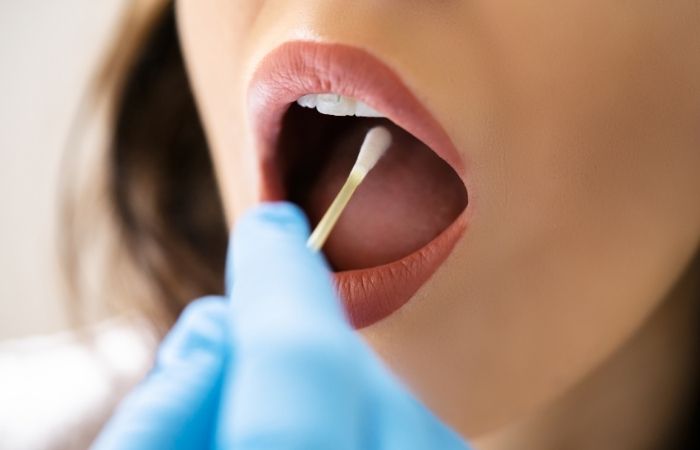
Testing for oral sexually transmitted infections is simpler than many people expect. The most common method involves a throat swab, which is similar to the swab used during a strep test.
The doctor gently rubs a clean swab along the back of the throat or tonsils during the procedure. It only takes a few seconds to do. After that, the sample is sent to a lab to look for genetic material from bacteria like chlamydia or gonorrhea.
In clinical settings, these tests are highly accurate. Many home testing kits now include throat swabs as well, allowing people to collect samples privately and send them to a laboratory for analysis. For readers who prefer privacy and convenience, options like the combo STD home test kit allow multiple infections to be screened discreetly from home.
The key is timing. Testing too soon after exposure may give a false negative because the infection hasn't reached levels that can be found yet. Waiting the appropriate window period improves the reliability of the result.
| Test Type | Sample Collected | What It Detects |
|---|---|---|
| Throat swab PCR test | Swab from back of throat | Bacterial infections like gonorrhea or chlamydia |
| Blood test | Blood sample | Syphilis and some viral infections |
| Lesion swab | Swab from mouth sores | Herpes virus |
Most people describe throat swabs as mildly uncomfortable but quick. The swab touches the tonsils for only a moment, and the entire process usually takes less time than brushing your teeth.
People are also reading: When to Get Tested for STDs (Even If You Have No Symptoms)
The Emotional Side of Waiting for Results
The hours or days after testing can feel surprisingly heavy. Even people who consider themselves calm and rational often find their minds drifting back to the question again and again. Was that sore throat a coincidence? Did that one encounter matter more than it seemed at the time?
Many clinicians notice the same pattern among patients waiting for results. Anxiety peaks not because people expect the worst, but because uncertainty creates space for imagination to fill in the gaps.
One patient once described the experience vividly. She said the waiting period felt like “having a tiny storm cloud floating above your head while you’re trying to go about normal life.” Work meetings happen. Groceries get bought. But the thought returns every so often until the result arrives.
The encouraging reality is that most throat symptoms turn out to be routine infections unrelated to sexual transmission. When an oral STD is identified, treatment is typically straightforward and effective.
When a Sore Throat After Oral Sex Deserves Attention
Most sore throats are routine illnesses that clear on their own. Seasonal viruses, dry air, and everyday bacterial infections cause far more throat discomfort than sexually transmitted infections. Still, certain situations make testing a smart step.
Think of Lina, who has had a new partner for about a week and now has a constant sore throat. At first it feels mild, the kind of irritation that usually disappears after a few days. But by the end of the week the soreness remains, and white patches have appeared on the tonsils.
Moments like that often prompt the question many people hesitate to ask out loud: Could this be related to oral sex?
Medical professionals generally suggest testing if throat symptoms appear after a recent sexual encounter and do not improve within several days. Testing may also be recommended when someone has multiple partners or learns that a partner has recently tested positive for an infection.
The goal is not to create alarm but to replace uncertainty with clear information. A simple swab can quickly confirm whether an infection is present.
Understanding the Testing Timeline
Timing matters when it comes to STD testing. Each infection requires a short period after exposure before it becomes detectable. Testing too early may produce a negative result even when an infection is developing.
Picture someone named Marcus sitting on the edge of the bed late at night, searching online for answers after noticing throat irritation. He wonders if testing the next morning will make things clearer or if he should wait.
Health professionals often explain that the most reliable testing window varies by infection. Waiting the appropriate number of days after exposure allows the bacteria or virus to reach detectable levels.
| Infection | Earliest Reliable Testing Time | Preferred Testing Method |
|---|---|---|
| Gonorrhea | 5–7 days after exposure | Throat swab PCR |
| Chlamydia | 7–14 days after exposure | Throat swab PCR |
| Syphilis | 3–6 weeks after exposure | Blood test |
| Herpes | When sores appear | Lesion swab or blood test |
These time frames are more like suggestions than hard and fast rules. In some cases doctors recommend retesting if symptoms persist or if exposure risk was particularly high. The goal is to ensure infections are not missed during the early stages.
Check Your STD Status in Minutes
Test at Home with Remedium6-in-1 STD Test Kit
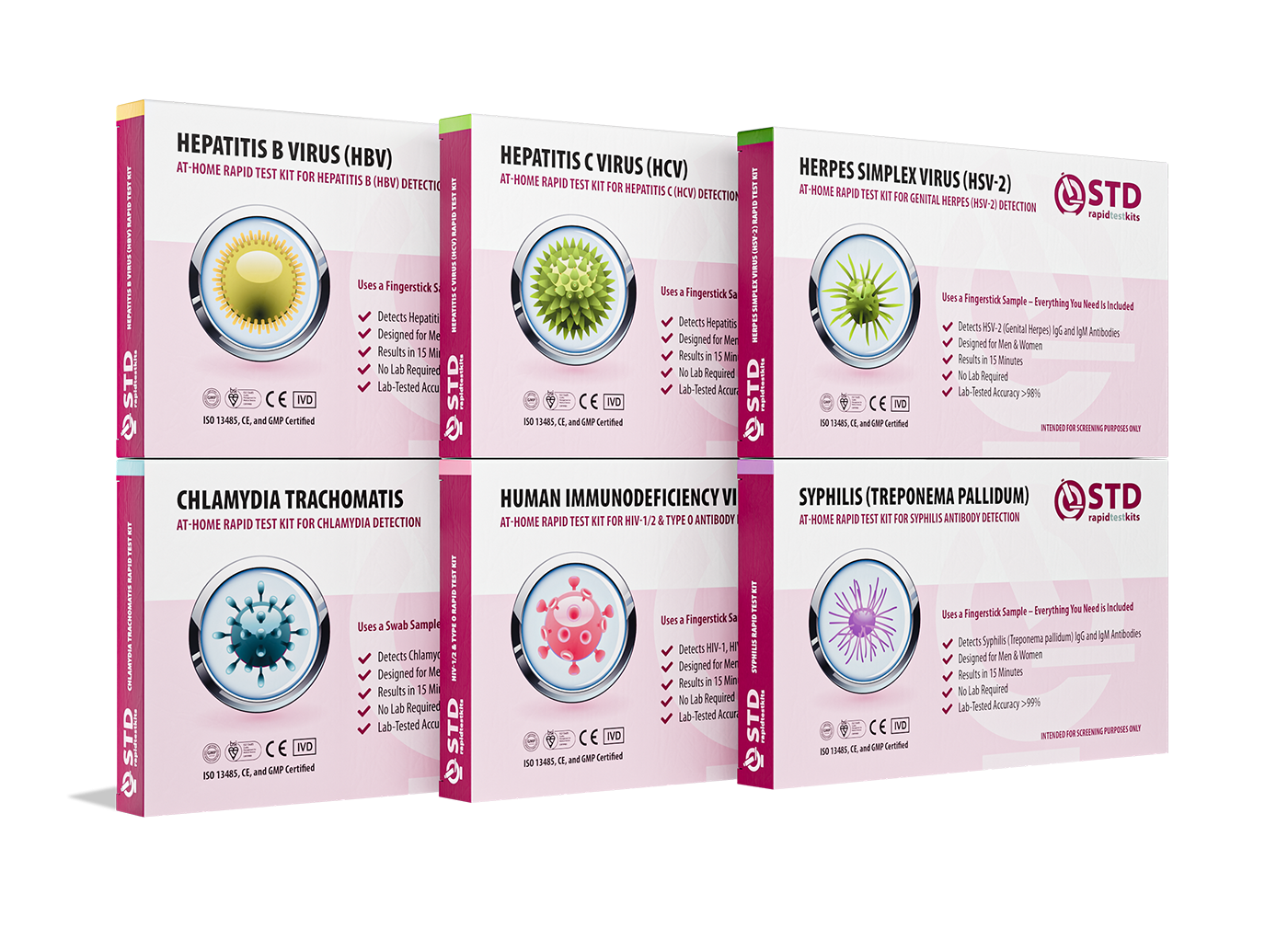 For Men & WomenResults in MinutesNo Lab NeededPrivate & Discreet
Order Now $119.00 $294.00
For all 6 tests
What Treatment Usually Looks Like
The phrase “STD” often carries a heavy emotional weight, but treatment for most oral infections is straightforward. Bacterial infections such as gonorrhea and chlamydia are typically treated with antibiotics. Once treatment begins, symptoms often improve quickly.
Herpes and other viral infections are managed, not cured. Antiviral drugs help keep outbreaks under control and lower the risk of spreading the virus. Once the initial infection clears up, many people with oral herpes go a long time without any symptoms.
Doctors say that getting treatment early not only makes you feel better, but it also lowers the risk of spreading the infection to others. That's why it's a good idea to get tested right away after you notice symptoms. It can help keep both you and your partner healthy.
For individuals who prefer privacy or convenience, many infections can be screened discreetly at home before seeking medical care. Options available through STD Rapid Test Kits allow people to check for several common infections without scheduling a clinic visit.
The Bigger Picture: Normalizing Conversations About Oral Health and Sex
One of the reasons oral STDs remain misunderstood is simple silence. People rarely discuss throat infections in the context of sexual health, even though they are medically recognized and treatable conditions.
Public health researchers often point out that removing stigma makes prevention easier. When conversations about oral sex and infection risk become normal, people feel more comfortable seeking testing and treatment.
In many healthcare settings, that change has already started. When talking about screening options, clinics now always ask about oral sex, and throat swabs are now a standard part of full STD testing.
For individuals, the message is reassuring rather than alarming. Having a sore throat after oral sex doesn't always mean you have an infection. But if something feels unusual or persistent, testing provides clarity and peace of mind.
FAQs
1. Can white spots in my throat actually be an STD?
Yes, white spots in the throat can sometimes be a sign of an infection, like oral gonorrhea or syphilis. But most of the time, they are caused by things like strep throat or tonsil stones. Because several conditions look nearly identical, a test is usually needed to confirm the cause. If the spots appear after oral sex and don’t improve within several days, testing can provide clarity.
2. What STD causes white spots in the throat?
Oral gonorrhea and syphilis are the sexually transmitted infections most often associated with visible throat lesions or patches. However, many people with these infections experience no symptoms at all. This is why throat swab testing is the only reliable way to know whether an STD is present.
3. Can you have an STD in your throat with no symptoms?
Yes, a lot of oral STDs don't show any signs at all. People can have infections like oral gonorrhea and chlamydia in their throats without knowing it. These infections are often found during routine screenings.
4. How common is oral gonorrhea?
Oral gonorrhea is one of the most common throat infections that happen after sex. If you touch infected genital or anal tissue with your mouth, the virus spreads. Many cases are found during routine screening instead of testing because symptoms are often mild or not present at all.
5. Can a sore throat after oral sex mean an STD?
A sore throat after oral sex can occasionally be related to an oral STD, but most sore throats are caused by common viral or bacterial infections. The cause cannot be confirmed by timing alone. If symptoms persist or manifest with unusual sores or lesions, testing may be recommended.
6.How do doctors look for STDs in the throat?
A throat swab is a small sample taken from the back of the throat or the tonsils. A lab checks the sample for bacteria like gonorrhea or chlamydia. The process is quick and similar to the swab that is used to check for strep throat.
7. How long after oral sex should you get tested?
Most bacterial throat infections become detectable within about one week after exposure. Some doctors say you should wait 5 to 7 days before getting tested for chlamydia and gonorrhea. If symptoms show up earlier, a doctor may still suggest testing or follow-up screening.
8. Can oral STDs go away on their own?
Some infections may seem to get better for a short time, but untreated bacterial STDs usually don't go away on their own. The right treatment clears up the infection and stops it from spreading to partners. This is why it is important to see a doctor if you think you have an infection.
9. Do condoms stop STDs from spreading through oral sex?
Using condoms and dental dams during oral sex significantly reduces the risk of transmitting infections. People don't use them as much when they kiss as when they have sex, but they are still one of the best ways to keep the disease from spreading.
10. What should I do if I think I have an oral STD?
The first step is to get tested so you know exactly what is happening. Once a diagnosis is confirmed, treatment options are straightforward for most infections. Early testing also helps protect partners by preventing unintentional transmission.
You Deserve Clarity, Not Guesswork
White spots in the throat can be unsettling. A sore throat after oral sex can make your mind race. But the goal isn’t to panic over every symptom or assume the worst. The real goal is to separate signal from noise and get clear answers.
If the spots fade in a few days, it may have been nothing more than a routine throat infection. If symptoms linger, worsen, or appear after a new sexual encounter, testing is the next logical step. A quick throat swab or screening test can replace hours of internet searching with real information about what’s actually happening.
Don’t wait and wonder. If infection is even a small possibility, start with a discreet screen like the Combo STD Home Test Kit. Your results stay private, the process is straightforward, and knowing the truth always feels better than guessing.
How We Sourced This Article: This guide blends clinical guidance on oral sexually transmitted infections with peer-reviewed research and real-world patient experience from sexual health clinics. We reviewed medical literature on oropharyngeal gonorrhea, oral herpes, and syphilis transmission along with public health recommendations for throat testing after oral sex.
Sources
1. Centers for Disease Control and Prevention – STI Treatment Guidelines
2. Fact Sheet on Gonorrhea from the CDC
3. Mayo Clinic: What causes and what are the signs of gonorrhea
5. National Library of Medicine – Research on Oropharyngeal STIs
6. World Health Organization – Sexually Transmitted Infections Fact Sheet
About the Author
Dr. F. David, MD is a board-certified expert in infectious diseases who works to stop, diagnose, and treat sexually transmitted infections. His writing blends clinical accuracy with clear, stigma-free explanations so readers can understand symptoms, testing timelines, and next steps with confidence.
Reviewed by: Laura G. Mendoza, MD, Infectious Disease | Last medically reviewed: March 2026
This article is only meant to give you information and should not be used instead of getting medical advice from a doctor. If you think you might have symptoms of a STI, you should see a qualified healthcare professional for an evaluation and treatment.


