







Quick Answer: STD testing before sex catches silent infections, builds trust, and prevents long-term damage. Many STIs show no symptoms but are still contagious. Testing together is a powerful way to protect your health and your relationship.
This Isn’t Just Razor Burn, And Here’s Why
More than 1 in 2 sexually active people will contract an STI by age 25, according to the CDC. And yet, the most common symptom of an STI is nothing at all. You read that right, no itch, no burn, no discharge, no sore. Just silence. That’s why the bump wasn’t a red flag at first. We thought we were fine. We assumed being monogamous meant being safe.
We weren’t alone in that thinking. A study published in the journal Sexual Health found that fewer than 30% of sexually active couples had been tested together, and many wrongly believed that exclusivity made them immune to risk. But STIs don’t wait for relationship status updates. They follow biology, not intentions.
I had no symptoms. He had that one little spot. But when we went to the clinic, I tested positive for Chlamydia. I’d been carrying it unknowingly, probably for months. No pain, no clues. If he hadn’t said something, I would’ve never known.
People are also reading: How High Is the Risk of Getting STDs from Sex Workers?
What No One Tells You After the Hookup
Here’s the thing about STIs: they don’t just show up after reckless one-night stands. They live quietly in bodies that seem totally fine. You can get one from oral sex, from a previous partner who didn’t know they were infected, from someone you trust completely. You don’t have to be careless, you just have to be human.
That’s what made testing together feel so radical. It wasn’t just about getting answers. It was about being honest. Stripping down, not just physically, but emotionally. We booked an appointment at a walk-in sexual health clinic near our apartment. No appointment needed, no judgment. The nurse handed us two clipboards and said, “Good on you two.”
We laughed nervously as we checked boxes: Unprotected sex? Check. More than one partner in the last year? Check. Symptoms? Nope. But our results told a different story. My infection was early-stage, easily treated with antibiotics. If we’d waited another few months, it could’ve affected my fertility. That still hits me in the gut.
There’s this narrative that if you “look clean,” you are. But Herpes, HPV, Chlamydia, and even HIV can go unnoticed for months, or years. According to the World Health Organization, more than 370 million new STI cases are diagnosed globally each year, and many more go unreported because people just don’t know they’re infected.
Is It Too Soon to Ask for an STD Test?
That’s the fear, isn’t it? That asking for an STD test will ruin the mood. That it makes you seem paranoid, dirty, or, god forbid, accusatory. But when we finally sat down and said it out loud, “I think we should get tested”, it didn’t destroy the connection. It deepened it.
We made it about us, not suspicion. Not “I don’t trust you,” but “I want to protect us.” That framing changed everything. It was surprisingly intimate. Like buying Plan B together or grocery shopping hungover. Ordinary, awkward, vulnerable, and weirdly sexy.
The stigma around testing is what stops people from doing it. In fact, a study from the JAMA Network found that perceived judgment, shame, and discomfort were major barriers to STD screening among young adults, even those with access to care. But here’s the kicker: those who tested with a partner reported higher satisfaction, less anxiety, and stronger communication afterward.
There’s also a quiet kind of gendered panic here. I’ll be real, he was more worried about being judged, and I was more worried about being blamed. That says something. Women, queer folks, and anyone assigned female at birth are often held responsible for “asking the hard questions,” but simultaneously shamed for doing it. Double bind. That’s why we decided to ask together.
It wasn’t about “proving” anything. It was about building something. Getting tested wasn’t just a medical act, it was emotional safety. It was clarity. It was us choosing truth over assumption, and it made the sex that came after it better. Honestly, so much better. Because peace of mind? That’s hot.
Check Your STD Status in Minutes
Test at Home with Remedium3-in-1 STD Test Kit
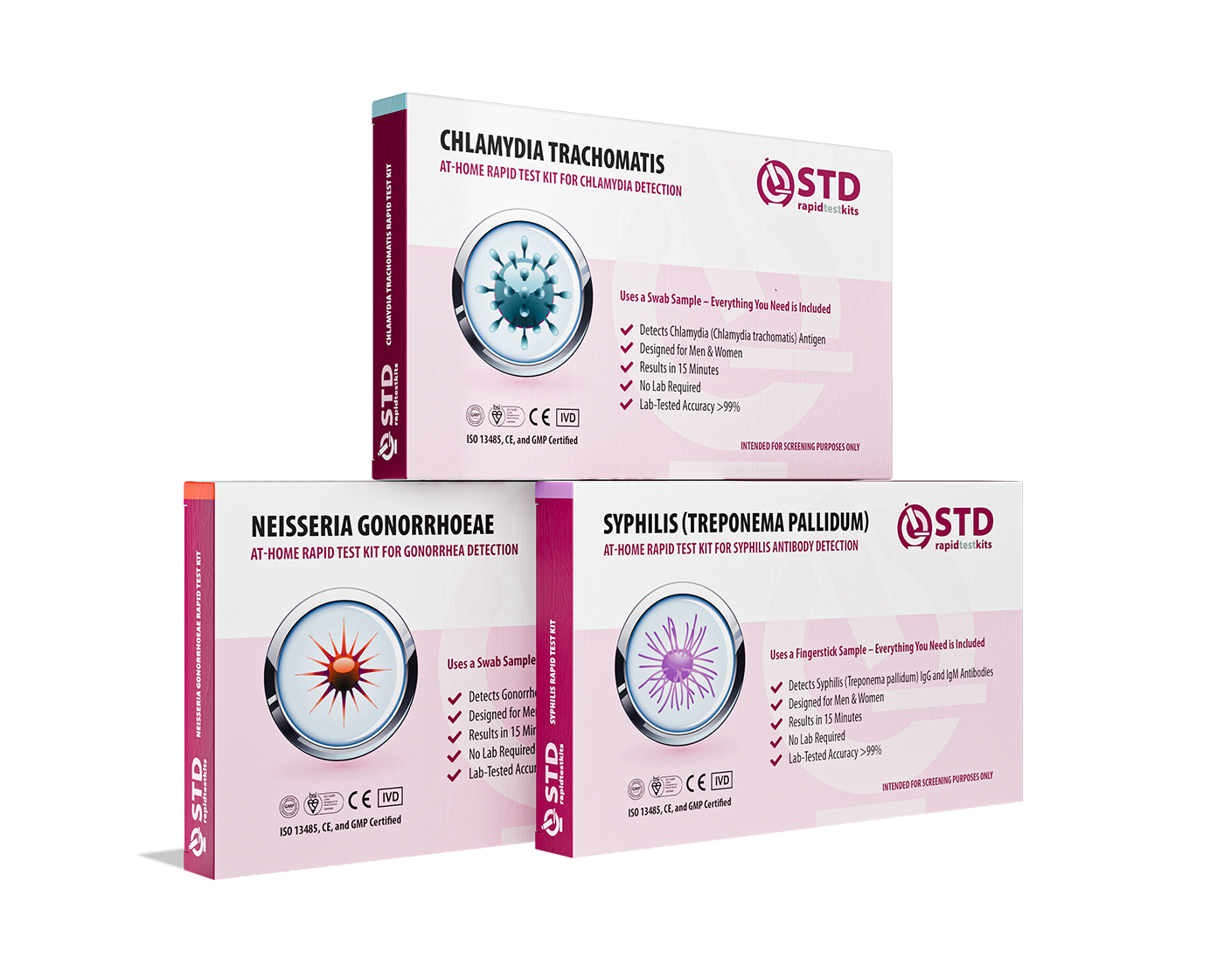
 For Men & Women
 Results in Minutes
 No Lab Needed
 Private & Discreet
Order Now $69.00 $147.00
For all 3 tests
We Thought We Were Fine, Here’s Why We Weren’t
After our results, I went down another research rabbit hole. I wanted to understand how I could have an infection without knowing. Turns out, it's not just possible, it's common. Chlamydia, for example, is nicknamed “the silent STI” for a reason. According to Planned Parenthood, up to 90% of people with it show no symptoms at all. It can quietly inflame your reproductive tract for months, sometimes years, before it’s ever noticed.
And the consequences? Pelvic inflammatory disease. Infertility. Increased HIV risk. Not to mention the mental toll of not knowing. I kept thinking, what if I’d never seen that bump? What if we’d waited?
Same goes for HPV and Herpes. Many people carry these viruses without symptoms, especially in the early stages. A 2020 study in the journal Sexually Transmitted Infections revealed that routine testing often detects infections in individuals who considered themselves “low risk.” That’s the thing: STI transmission doesn’t always feel dramatic. Sometimes it looks like a trusted relationship. A quiet month. A condom that broke. A past partner who didn’t know.
So we stopped looking for red flags and started looking for facts. Getting tested before sex wasn’t just prevention, it was liberation. No more guessing. No more “maybe it’s just dry skin.” We finally knew where we stood, and it felt damn good to stand there together.
Testing Isn’t a Vibe Killer, It’s a Green Flag
If I could bottle the feeling we had after leaving that clinic, honestly, I’d sell it. It was relief, adrenaline, validation. The kind of high you only get from facing something scary and realizing it wasn’t the monster you imagined. That’s the part people don’t talk about: getting tested can actually make sex better. You stop overthinking every itch. You stop spiraling in shame. You show up more fully because you’re not hiding behind assumptions.
It's not just a matter of being positive or negative. It's all about being aware. Power. Respect. A 2021 survey published in the journal BMC Public Health found that couples who test together have more trust, are more open about their past partners, and are less anxious about sex in the future. It becomes a normal part of sex, not an awkward start, but a ritual of safety and care for each other.
And no, it doesn’t have to mean waiting three weeks for a cold, impersonal clinic call. These days, you can test from home. We used an in-person clinic the first time, but later switched to a combo STD home test kit. Quick swabs. Clear instructions. Confidential results in minutes. No stares. No shame. Just facts.
If you’re sexually active, especially with new or multiple partners, most experts recommend getting tested every 3–6 months. Even if you’re monogamous, a one-time test when starting a relationship gives you both a clean slate, and a reason to exhale. It’s not just medical maintenance. It’s emotional insurance.
And here’s something else: even if you’ve already had sex, it’s not too late. The conversation doesn’t expire. One couple I spoke to got tested six months into dating, after a condom broke. “We should’ve done it sooner,” she said. “But I’m glad we finally did. Now we talk about everything differently.”

People are also reading: Herpes: Among the Most Prevalent STDs
FAQs
1. Do I really need to get tested if I don’t have any symptoms?
Yep, especially then. The most common symptom of an STI is actually no symptom at all. You could feel totally fine, be totally in love, and still be carrying something from the past. Testing isn’t about paranoia. It’s about self-respect and making sure you’re not accidentally playing sexual Russian roulette.
2. How soon after sex should I get tested?
It depends on what you’re testing for. Some infections like Chlamydia or Gonorrhea can show up in about a week, while others like HIV or Syphilis take a bit longer. If you're panicking after a risky night, go get checked, but follow up again in a few weeks to be sure. Think of it like the second date, but way more important.
3. Is it weird to ask someone to get tested with me?
Not weird, wise. If they’re into you, they’ll care about your peace of mind. If they ghost or deflect when you bring it up, consider it a glowing red flag. Testing together can actually be kind of sexy. It says, “I want this to be good, and I want us both to feel safe doing it.” That’s a green flag if I’ve ever seen one.
4. Can I really get an STD from oral sex?
Totally. Herpes, HPV, Gonorrhea, and even Syphilis can all be transmitted through oral. Just because there’s no penetration doesn’t mean there’s no risk. If mouths are involved, so are microbes. Use barriers or get tested, it’s that simple.
5. What if I get a positive result? Am I screwed?
Nope. You’re informed. Most STIs are treatable or manageable with meds, especially when caught early. Getting a positive result sucks, yes, but ghosting your own body is worse. It doesn’t mean you’re dirty or broken. It means you’re human and now you have a plan.
6. Can I still have sex while waiting for results?
If you're testing because of a specific concern, like a possible exposure, a weird bump, or unprotected sex, it's smarter to hit pause until you know what's up. It’s not about being paranoid. It’s about not accidentally passing something along when you didn’t mean to. Communication > assumptions, always.
7. We’re monogamous, do we still need to get tested?
Honestly? Yes. Monogamy isn’t magic. STIs don’t disappear just because you changed your relationship status. You or your partner could’ve had something before you met. Testing gives you both a clean slate, and it makes your version of monogamy stronger, not weaker.
8. Is testing going to be awkward or painful?
Awkward? Maybe a little. Painful? Not really. Most tests involve a swab, urine sample, or quick finger prick. At-home tests make it even easier, no waiting rooms, no side-eyes, just you, a kit, and some peace of mind.
9. What if I test negative but still feel “off”?
Listen to your gut. Not everything weird down there is an STI, but if you’re itchy, irritated, or something just feels off, talk to a provider. Yeast infections, BV, and allergic reactions to products are all real things, and they deserve care too.
10. What’s the easiest way to get tested without dealing with a clinic?
Skip the line. Stay home. Use a rapid home test kit that checks for multiple STIs at once. It’s discreet, fast, and puts the control back in your hands, literally.
You Deserve Better Than Guessing
If you’re here, reading this, Googling symptoms, scrolling past Reddit horror stories, you’re probably already thinking about it. Maybe you saw something that didn’t look right. Maybe your partner had a history you didn’t ask enough about. Maybe you’re just tired of wondering. Either way, this is your sign: test now.
It’s not overreacting. It’s not dramatic. It’s care. You’d be shocked how many people carry Herpes or HPV and don’t know. And you’d be amazed how much lighter life feels when you know what’s going on with your body. One couple I interviewed for a piece on sexual health said it best: “Getting tested was the most grown-up thing we ever did. And the sex was great after.”
We’re told testing is awkward. We’re told it means you’re dirty, untrusting, or promiscuous. That’s all noise. The truth is, testing is love. Testing is respect. Testing is foreplay with a clipboard. And in a world where STIs are common, treatable, and largely silent? That’s not a warning. That’s a gift.
If you’re ready to take the next step, you don’t need to wait for an appointment or have an awkward conversation with a stranger. Order your rapid test today, results in minutes. Whether it’s a new partner, a quiet concern, or just overdue peace of mind, the answer is closer than you think.
People are also reading: How Long After Sex Should I Get Tested?
People are also reading: STD Symptoms in Women vs Men, What to Look For
Sources
WHO – Sexually Transmitted Infections Fact Sheet
PLOS Global Public Health – Asymptomatic Prevalence of STIs in Women
Nature – Chlamydia Screening and Asymptomatic Rates


