







Quick Answer: Yes, syphilis can infect the eyes, this is called ocular syphilis. It may cause blurred vision, eye pain, floaters, or even blindness. Testing and treatment are crucial and time-sensitive.
Why This Matters Now
If you’ve recently had unprotected sex, or even protected sex with a new partner, and now your eyes feel off, don’t dismiss it. Ocular syphilis often mimics more common issues like conjunctivitis, dry eye, migraines, or even aging-related vision changes. But when it's missed, the consequences can be permanent. According to the CDC, cases of ocular syphilis have increased in the last decade, particularly among men who have sex with men and people with HIV.
Ocular symptoms can be the first sign of syphilis in someone who never noticed a sore or rash. That means many people may not even realize they're infected until their vision starts to fail. We’re not telling you this to scare you, we’re telling you because no one else is.
What Exactly Is Ocular Syphilis?
Ocular syphilis is when the Treponema pallidum bacteria (which causes syphilis) spreads to structures of the eye. It’s considered a type of neurosyphilis, because the optic nerve is part of your central nervous system. That makes it a serious complication, even though it can appear at any stage of syphilis infection.
The infection can affect different parts of the eye, leading to various symptoms. The most commonly affected areas include:
| Eye Structure | Condition Caused | Common Symptoms |
|---|---|---|
| Uvea | Uveitis | Eye pain, redness, blurred vision |
| Retina | Retinitis | Floaters, blind spots, decreased vision |
| Optic Nerve | Optic Neuritis | Color vision loss, pain with eye movement |
| Cornea | Keratitis | Light sensitivity, tearing, irritation |
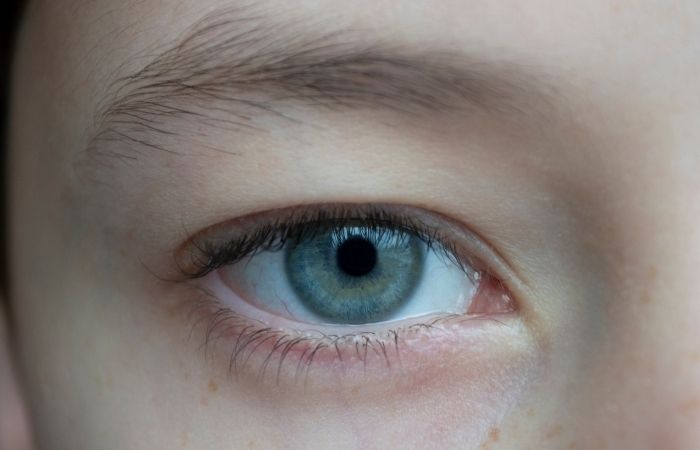
Figure 1. Areas of the eye commonly affected by syphilis and their symptoms.
People are also reading: Can You Catch Hepatitis B From Dried Blood? What Science Actually Says
Early Symptoms: What You Might Notice First
The symptoms of ocular syphilis are diverse, and confusing. They don’t always appear alongside genital sores or rashes. Here’s what people often report first:
Kai, a 28-year-old graphic designer, noticed that bright lights began to “sting” their eyes after a weekend hookup. Within days, they were seeing floaters in their right eye and struggling to read client emails. Their first thought? “Maybe it’s just screen time burnout.” But the pain and haze worsened until they couldn’t ignore it.
Common early symptoms of ocular syphilis include:
- Blurry vision that comes and goes or worsens over time
- Eye pain, especially behind the eye or with movement
- Floaters or shadows in your field of vision
- Increased sensitivity to light (photophobia)
- Redness or inflammation around one or both eyes
If untreated, ocular syphilis can progress to severe outcomes like optic nerve damage or retinal detachment, leading to partial or full blindness.
Check Your STD Status in Minutes
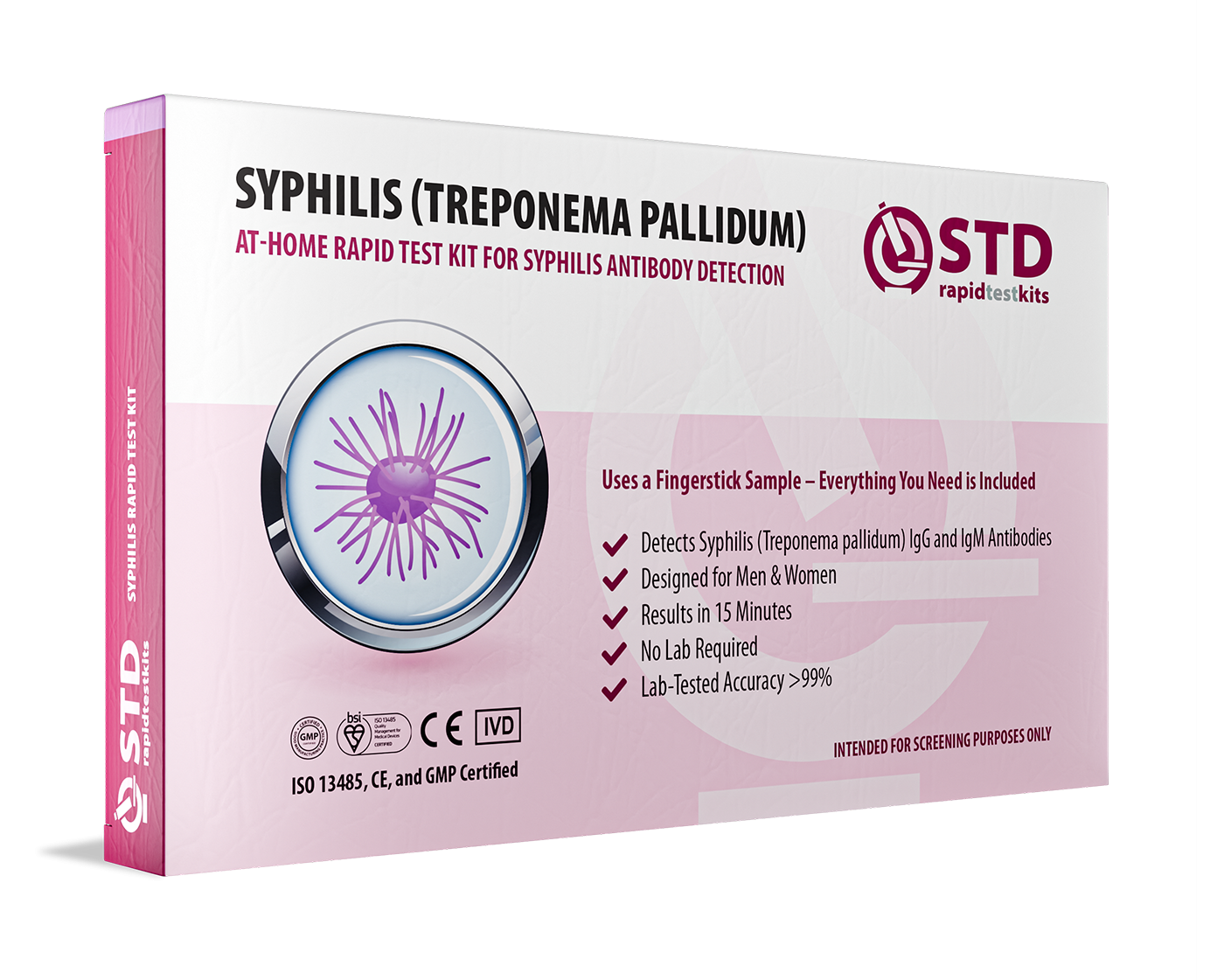
Test at Home with RemediumSyphilis Test Kit
 For Men & Women
 Results in Minutes
 No Lab Needed
 Private & Discreet
Order Now $33.99 $49.00
Can You Get Ocular Syphilis Without Other Symptoms?
Yes, and this is what makes it so dangerous. Many cases of ocular syphilis appear in people who never noticed the hallmark syphilis sore (chancre) or rash. Others may have had symptoms weeks or months earlier that they didn’t connect to an STD.
That’s because syphilis has multiple stages, and ocular complications can arise during any of them:
| Stage | Timeline | Other Symptoms |
|---|---|---|
| Primary Syphilis | 10–90 days after exposure | Painless sore (chancre), often missed |
| Secondary Syphilis | 2–12 weeks after sore | Rash, fever, swollen lymph nodes |
| Latent Syphilis | Months to years | No symptoms, but infection is still active |
| Tertiary/Neurosyphilis | Years later (if untreated) | Brain, eye, or nerve involvement, including ocular syphilis |
Figure 2. Syphilis stages and when ocular symptoms may appear.
This timeline means you could be carrying syphilis for months without knowing, and eye symptoms might be your only warning.
When to Test (and Why Sooner Is Better)
If you're experiencing unexplained eye symptoms and you’ve had unprotected sex or exposure risk in the last 6–12 months, test for syphilis immediately. Blood-based rapid syphilis tests can give results in minutes, and follow-up confirmatory tests are available through clinics or mail-in labs.
Getting tested isn’t about guilt. It’s about protecting your body, including your eyes, before damage becomes irreversible. STD Rapid Test Kits offers discreet, FDA-approved testing that you can do at home, no judgment, no waiting rooms.
Order a confidential syphilis test kit here if you’re experiencing symptoms or need peace of mind after exposure.
What Happens If You Ignore It?
Let’s be real, syphilis isn’t the terrifying death sentence it was before penicillin. But if you ignore ocular syphilis, the consequences aren’t just visual, they’re neurological. That’s because ocular syphilis often signals that the infection has already moved into your central nervous system, sometimes before you even feel sick.
Permanent complications may include:
- Partial or total blindness in one or both eyes
- Optic neuritis, damaging the nerve that transmits visual signals
- Retinal scarring that distorts central or peripheral vision
- Increased stroke risk in untreated neurosyphilis cases
That’s not drama, it’s medically documented. Studies in peer-reviewed journals report that patients with untreated ocular syphilis can deteriorate within weeks, sometimes losing vision permanently before they’re even diagnosed.
Case Study: “I Thought It Was Pink Eye. It Was Syphilis.”
Luis, 34, had a new partner and thought they were being safe. But a few weeks later, one of his eyes turned red and started hurting. He assumed it was allergies or maybe conjunctivitis from his contact lenses. A quick trip to urgent care led to antibiotic drops, and no improvement.
It wasn’t until he visited an ophthalmologist that he heard the words “uveitis” and “possible syphilitic origin.” Bloodwork confirmed the diagnosis: active syphilis infection likely acquired 6–8 weeks earlier. Luis had no other symptoms, just his eye. With treatment, his vision returned, but he admitted: “I almost didn’t go. I was embarrassed to even bring up my sex life.”
This story isn’t rare. It’s reality for many. The takeaway? If something feels off, especially in your eyes, it’s worth testing. You’re not overreacting. You’re being responsible.

People are also reading: You Have Gonorrhea. Don’t Panic, Here’s How to Handle It
How Is Ocular Syphilis Diagnosed?
There’s no single test for ocular syphilis alone, it’s diagnosed based on symptoms, eye exams, and blood tests for syphilis. Here’s how it usually plays out:
- Step 1: An eye doctor (or ER doctor) notices inflammation that can’t be explained by other causes.
- Step 2: They order syphilis testing, usually a rapid treponemal test, followed by a confirmatory blood test.
- Step 3: If positive, they may refer you for a lumbar puncture to check if neurosyphilis is present.
You don’t need to wait for an eye doctor to bring it up. If you suspect it, ask for the test. Especially if you’ve had recent unprotected sex, are living with HIV, or are part of a high-risk group. Early diagnosis can prevent long-term damage.
Treatment: What Works (and How Fast)
Once diagnosed, treatment is surprisingly straightforward: IV penicillin G, usually administered for 10–14 days in a hospital or outpatient setting. This is the same protocol used for neurosyphilis. In some cases, additional steroids may be prescribed to reduce inflammation in the eyes during treatment.
Here’s the good news: many people see improvement within days of starting antibiotics. But the key is speed. The longer the infection lingers, the higher the chance of permanent nerve or retinal damage, even if the bacteria are cleared.
After treatment, you’ll still need follow-up eye exams and retesting to confirm the infection is gone. For some, full vision returns. For others, the damage can’t be reversed.
Check Your STD Status in Minutes
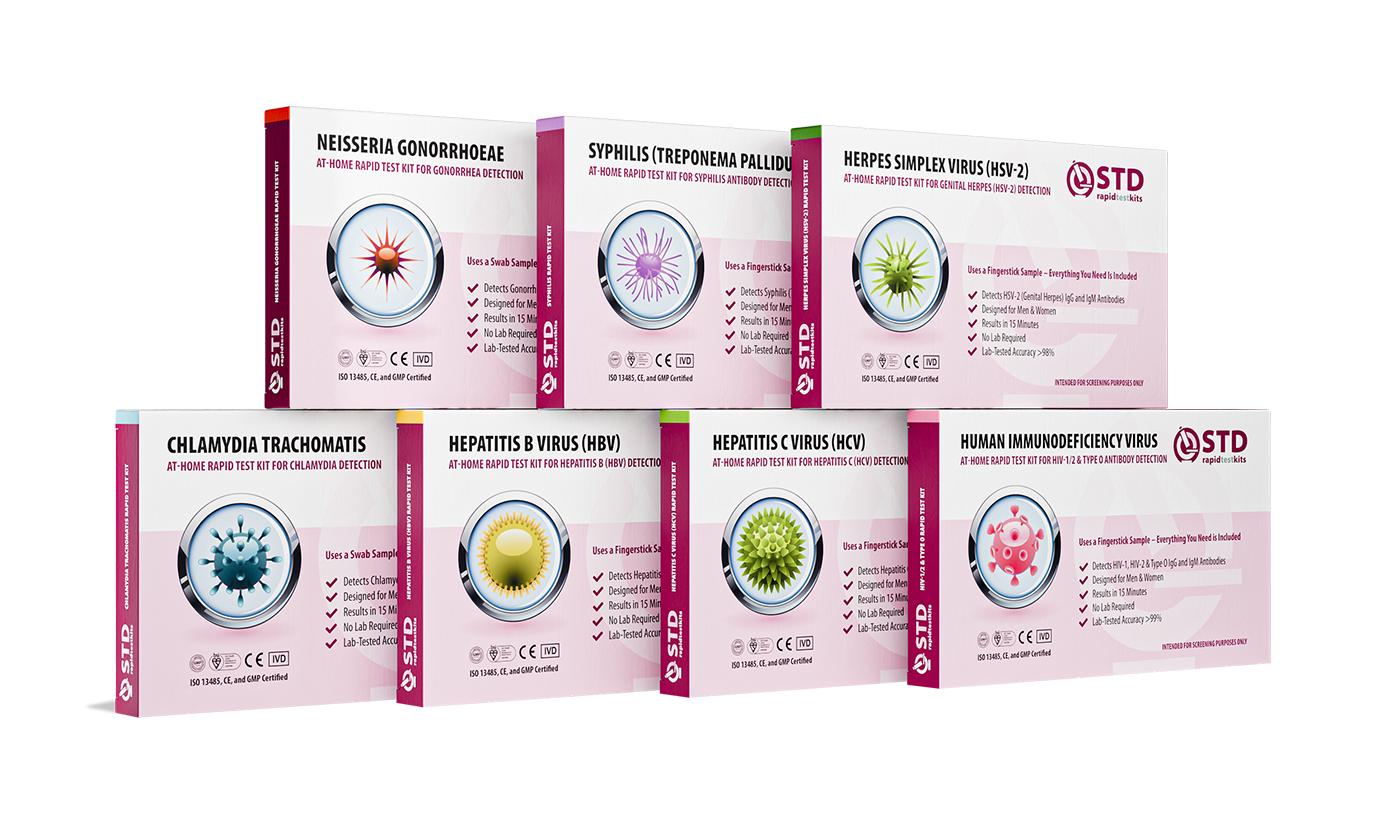
Test at Home with Remedium7-in-1 STD Test Kit
 For Men & WomenResults in MinutesNo Lab NeededPrivate & Discreet
Order Now $129.00 $343.00
For all 7 tests
Coinfections and Why They Matter
Syphilis doesn’t always travel alone. People with ocular syphilis are more likely to have other STDs, especially HIV. In fact, up to 50% of ocular syphilis cases occur in people who are HIV-positive, according to the CDC.
This matters because untreated HIV can make syphilis more aggressive, faster to spread to the nervous system, and harder to treat. That’s why providers usually recommend a full STD panel when ocular symptoms are suspicious. If you’re testing for one, you should test for all.
If you’ve recently tested positive for any STD, or have symptoms that aren’t going away, consider using the Combo STD Test Kit to screen discreetly at home for multiple infections at once. It’s fast, confidential, and accurate.
Protecting Yourself and Your Partners
STDs in the eyes may sound shocking, but they’re just another part of how complex syphilis can be. Protection isn’t just about condoms. It’s about testing, retesting, talking to your partners, and knowing what symptoms matter.
You can’t protect your sight if you don’t know you’re at risk. And you can’t protect your partners if you're afraid to find out. If you need a test, we’ve got you covered.
FAQs
1. Wait, so you can actually get syphilis in your eyes?
Yep. It’s called ocular syphilis, and while it’s rare, it’s 100% real. The same bacteria that causes syphilis sores down there can hitch a ride through your bloodstream and mess with your eyes. It doesn’t care if you’re 22 or 62, monogamous or exploring , if you’ve got untreated syphilis, your eyeballs aren’t off-limits.
2. What does syphilis in the eyes even feel like?
It can sneak up on you. Some folks say it starts with blurry vision or weird floaters. Others get pain behind the eye, or sudden light sensitivity, like bright lights feel stabby. Think less “STD vibes,” more “something’s off but I can’t tell what.” That’s what makes it so easy to miss.
3. Is it always from sex?
Syphilis itself is sexually transmitted , usually through oral, vaginal, or anal sex , but once it’s in your system, it can go rogue. So no, you’re not getting it from rubbing your eyes after a hookup. You got syphilis through sex. Your eyes are just collateral damage.
4. But I didn’t notice a sore or rash. Could it still be syphilis?
Absolutely. Most people never notice the “classic” symptoms. That painless sore might’ve been inside your mouth or genitals and gone totally unnoticed. By the time your eye acts up, the original signs might be long gone. That’s why testing matters , it catches what you can’t see.
5. Can this actually make me go blind?
We wish the answer were softer, but yes , if untreated, ocular syphilis can cause partial or even permanent vision loss. The good news? If you catch it early, treatment is fast and effective. Don’t wait for it to get worse to take it seriously.
6. Do I have to go to a clinic to get tested?
Not necessarily. You can use an FDA-approved at-home syphilis test to check from home, no awkward convo required. But if you’re already dealing with eye symptoms, you’ll want follow-up care ASAP. You can start at home, but don’t stop there if something’s wrong.
7. What kind of treatment are we talking about?
Penicillin , the old-school kind, but given as an IV drip over several days (yep, hospital-style). It’s annoying but effective. Some people also get steroids to calm inflammation. The key? Start early, before the bacteria does lasting damage.
8. Should I be worried about other STDs too?
Honestly, yes. Syphilis often hangs out with other infections like HIV or gonorrhea. If your body is dealing with one, it’s more vulnerable to others. A combo test kit is your best bet if you’re playing catch-up or haven’t tested in a while.
9. Is this only happening to certain groups?
Nope. While ocular syphilis has shown up more in men who have sex with men and people with HIV, it’s not exclusive. Anyone who’s sexually active , especially with multiple or new partners , can be at risk. Bacteria don’t discriminate.
10. Bottom line: when should I test?
If your eyes are doing anything weird and you’ve had recent exposure , even if it was “just oral” or you used protection , test now. Blood tests can catch syphilis within 3–6 weeks of exposure, and symptoms are your green light to act sooner.
You Deserve Clear Vision and Clear Answers
If your eyes are telling you something’s wrong, listen. Ocular syphilis isn’t common, but it’s serious, and it’s often overlooked. You don’t have to wait for things to get worse or for shame to disappear before taking action.
Order a rapid syphilis test from home and get answers discreetly. Your vision, your body, your choice. No one else needs to know, unless you choose to tell them.
How We Sourced This Article: We combined current guidance from leading medical organizations with peer-reviewed research and lived-experience reporting to make this guide practical, compassionate, and accurate.
Sources
2. World Health Organization – STIs Fact Sheet
3. CDC – Neurosyphilis, Ocular Syphilis, & Otosyphilis
4. WHO – Syphilis Fact Sheet (includes ocular syphilis)
5. StatPearls – Syphilis Ocular Manifestations (NCBI Bookshelf)
6. CDC MMWR – Ocular Syphilis Cases in the United States
7. American Academy of Ophthalmology – Diagnosis and Management of Ocular Syphilis
8. PubMed – Ocular Syphilis: Eight Jurisdictions, United States, 2014
9. American Family Physician – Neurosyphilis, Ocular Syphilis, and Otosyphilis
About the Author
Dr. F. David, MD is a board-certified infectious disease specialist focused on STI prevention, diagnosis, and treatment. He blends clinical precision with a no-nonsense, sex-positive approach and is committed to expanding access for readers in both urban and off-grid settings.
Reviewed by: J. Torres, NP-C | Last medically reviewed: January 2026
This article is meant to give you information, not to give you medical advice.


