






Quick Answer: The new FDA-approved treatment for gonorrhea, zoliflodacin, is a major medical win, but testing remains the first step. At-home STD kits can help catch infections early, especially since many gonorrhea cases show no symptoms.
Who This Guide Is For (And Why It Matters)
If you're scrolling this after a sketchy hookup, a new relationship, or just waking up with a weird twinge in your urethra, you’re in the right place. This guide is for anyone who needs real answers about testing, symptoms, drug resistance, and next steps now that zoliflodacin is part of the treatment toolbox. Maybe you’re nervous. Maybe you’re just curious. Either way, we’ll walk through what’s changed, what hasn’t, and how to stay ahead of gonorrhea’s evolving risks.
We’ll break down testing types (especially the pros and cons of at-home kits), window periods, treatment timelines, and how to navigate results with zero shame. Whether you’ve tested positive before or you’re trying to avoid ever seeing that pink line, this article is built to get you through the confusion and toward clarity, without a clinic if that’s your choice.
What Actually Counts as a Gonorrhea Test?
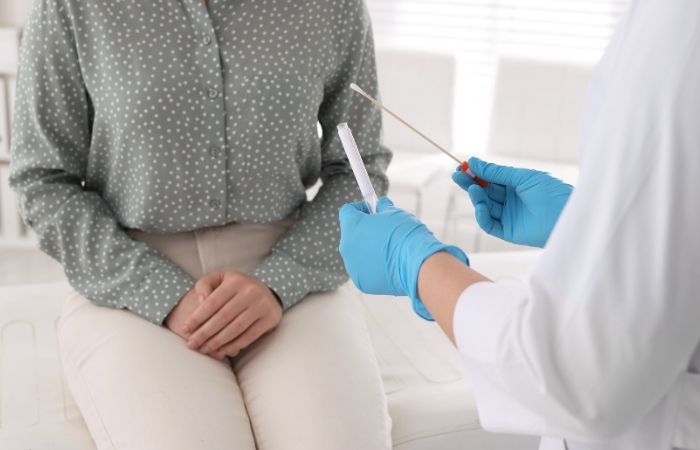
Here’s what you need to know up front: most gonorrhea tests look for the bacteria’s DNA using NAATs (nucleic acid amplification tests), which are the gold standard for accuracy. These can be run on urine samples or swabs from the throat, rectum, vagina, or urethra. You can get NAAT-based results from a doctor, a lab-based mail-in kit, or certain at-home rapid kits depending on the provider.
At-home gonorrhea tests are becoming more common, especially for people who don’t want to deal with clinics, insurance, or waiting rooms. These often use lab-verified NAATs where you collect a sample at home and ship it in. Some newer rapid kits offer results in minutes from a fingerstick or swab, though timing and accuracy still depend on when you test. For peace of mind without the hassle, discreet options are available at STD Rapid Test Kits. You can order a gonorrhea test kit here and test in total privacy.
People are also reading: He Used Our Toy on Someone Else, Now I’m Scared It’s an STD
Window Periods: What to Know for Gonorrhea
Think of the window period as the time between when you’re exposed and when a test can reliably detect the infection. For gonorrhea, the typical window is 7 to 14 days. Testing too early might miss it, especially if you’re using a rapid test instead of a lab-based NAAT.
| STD | Common Test Type | Sample | Typical Window Period | When Accuracy Peaks |
|---|---|---|---|---|
| Gonorrhea | NAAT/PCR | Urine or swab | 7–14 days | 14+ days |
| Chlamydia | NAAT/PCR | Urine or swab | 7–14 days | 14+ days |
| Trichomoniasis | NAAT/Rapid antigen | Swab or urine | 5–28 days | 2–4 weeks |
Figure 1. Window periods for gonorrhea and similar STDs. Timing matters most when using at-home or rapid tests. If you test too early, retest later to be safe.
Rapid Test vs Lab Test: Pros, Cons, and Tradeoffs
Imagine two people. One has a panic moment and grabs a rapid STD kit from the medicine drawer. The other just got back from vacation and mails in a sample to a certified lab. Both are valid testing options, but they’re not interchangeable. Here’s why.
| Method | Privacy | Speed | Sensitivity/Accuracy | Good Fit When |
|---|---|---|---|---|
| At-Home Rapid | Very high | Minutes | Moderate–High | You need an immediate read and value privacy |
| Mail-In Lab | High | 1–3 business days | High | You want lab-grade accuracy without visiting a clinic |
| Clinic Visit | Low–Moderate | Same-day to several days | Very high | You have symptoms or need medical care |
Figure 2. Comparing test types. The best test is the one you’ll actually take, on time, in your comfort zone, and with a clear plan for follow-up if needed.
Order Now $129.00 $343.00 Check Your STD Status in Minutes
Test at Home with Remedium
7-in-1 STD Test Kit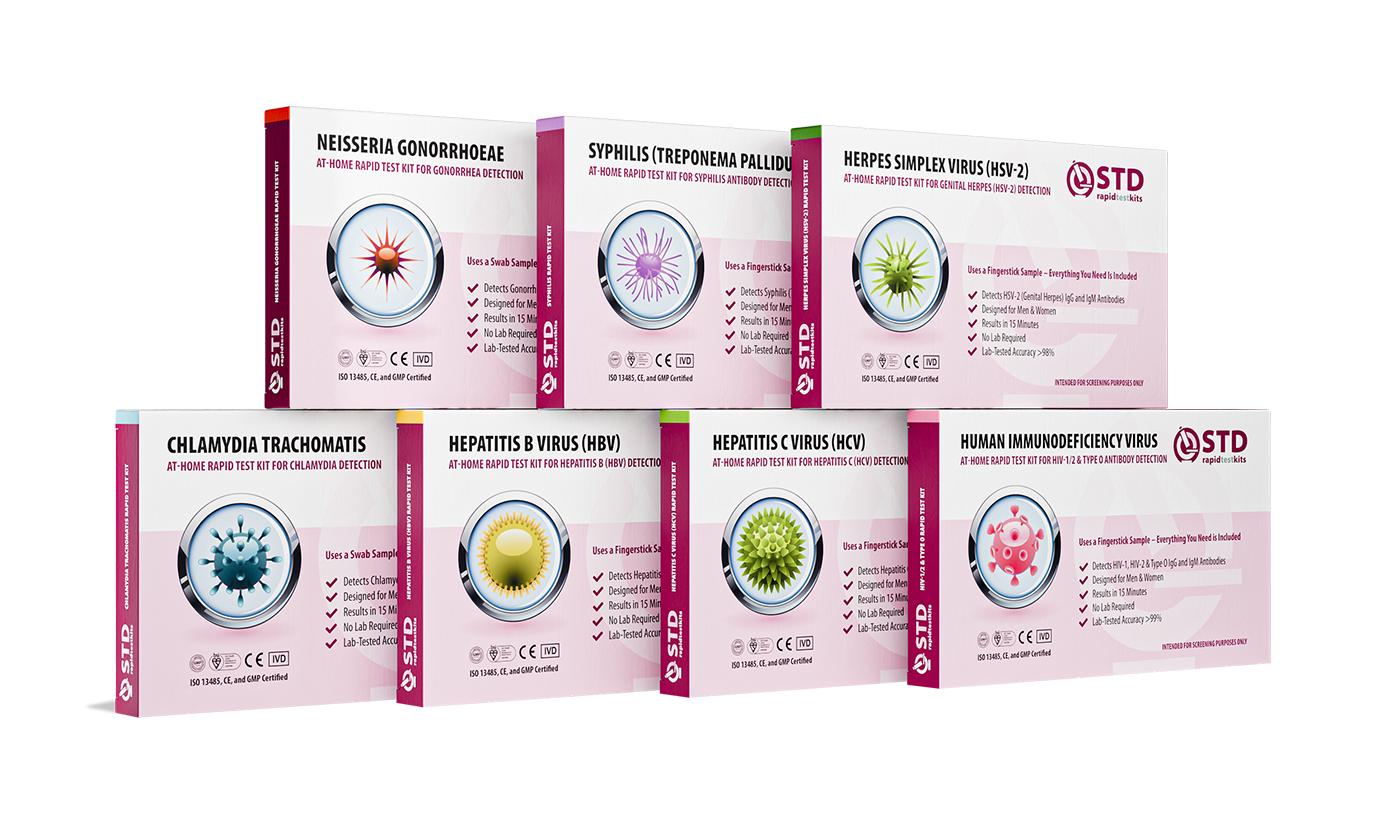
 For Men & Women
 Results in Minutes
 No Lab Needed
 Private & Discreet
For all 7 tests
When to Test After Exposure
Let’s say you had unprotected sex last weekend and now you're spiraling. It’s been four days. You want answers, but testing now could give you a false negative. That’s because gonorrhea bacteria needs time to multiply to detectable levels, and most tests, especially rapid ones, aren’t built for day-two panic scans.
If it's been fewer than 5 days since exposure, take a breath. Wait until day 7 to 14 if you can, especially if you're asymptomatic. If you're having symptoms (like burning urination, greenish discharge, or pain in the throat or rectum), test sooner, but know that you may need to retest if results are negative. That’s not a glitch. It’s biology.
If you're past the 14-day mark, you're in the peak accuracy zone. This is when at-home kits perform best. For lab accuracy with privacy, consider mail-in options that still spare you the clinic drama. And if you’re retesting after treatment or a previous infection, we’ll cover that next.
If your head keeps spinning, peace of mind is one test away. Order a combo STD kit that screens for gonorrhea, chlamydia, syphilis, and more, all from home, no judgment included.
Do You Need to Retest? Here’s How to Know
Retesting isn't just about second-guessing, it's a smart move depending on timing, symptoms, and exposure. After treatment, most health authorities suggest waiting at least 7 days before resuming sexual activity and retesting after 3 months to catch potential reinfections, especially if your partner wasn’t treated too.
One reader shared this: she tested negative on day 5 after a one-night stand in Vegas. Two weeks later, symptoms hit. A second test came back positive. “I almost didn’t retest,” she said. “But something felt off.” Her story isn’t rare. Gonorrhea doesn’t always follow a predictable path, so listen to your body, and don’t dismiss retesting as paranoia.
Even with the new treatment available, nothing changes this truth: If you don't know you're infected, you won't seek treatment, new or old. That's why accurate, well-timed testing still matters most. You can return to STD Rapid Test Kits and find the right option for your timeline and comfort level.
Privacy, Shipping, and Discreet Support
Worried about someone seeing the box? Don’t be. At-home STD kits ship in plain packaging with no health-related markings. Most orders arrive within 1–3 business days depending on your location. If you’re traveling, living rurally, or just need control over timing, this gives you the freedom to test when and where you want.
Results are private, only you see them unless you choose to share. For many, this privacy is what makes testing possible in the first place. If you're dealing with anxiety, stigma, or relationship stress, the ability to test discreetly can mean the difference between acting now or avoiding it altogether. Testing is self-care, not confession.
What If You Test Positive?
First, exhale. Testing positive for gonorrhea isn’t a personal failure, it’s a medical event, and now there’s something you can do. Zoliflodacin is expected to become part of standard care once it's fully distributed, but for now, the most common treatment remains a shot of ceftriaxone (given in-clinic) and sometimes oral azithromycin depending on resistance patterns. Either way: it’s treatable.
We recommend confirming your result, especially if it came from a rapid at-home test. A lab-based follow-up or telehealth consult can clarify next steps. From there, treatment is straightforward. Many clinics and online providers now offer prescriptions through virtual visits. Partner notification is key, but there are anonymous services that help you alert previous contacts without disclosing your identity.
One user told us they cried in their car after seeing a positive result, but texting their partner and scheduling treatment helped them feel in control again. “I thought I’d be humiliated,” he said. “But taking action was empowering.” You can test again after treatment or send a kit to your partner through STD Rapid Test Kits. Clarity helps everyone involved.
This Isn’t Just a Burning Sensation, It’s a Pattern
There’s something terrifyingly consistent about gonorrhea symptoms in people who do notice them: pain when you pee, discharge that looks off, and a general sense of “this isn’t right.” But here’s the kicker, most people don’t get symptoms at all. The bacteria hides out, especially in the throat and rectum, and keeps spreading silently.
Take Marcus, 28. He thought his sore throat was from a new vape flavor. It wasn’t until a partner messaged him saying they’d tested positive that he even thought to check. “I had no idea,” he said. “If they hadn’t told me, I wouldn’t have tested.” That’s how this thing spreads. Silence, assumptions, and a lack of easy testing access.
If you’re reading this and wondering, “Could this weird thing be gonorrhea?”, that question alone is enough to warrant testing. You don’t need to wait for it to get worse. You don’t need to be certain. You just need to be curious enough to check.
Is It Gonorrhea, or Something Else?
Here’s the brutal truth: gonorrhea symptoms often look like other stuff. Burning while peeing? Could be a UTI. Vaginal discharge? Could be BV or yeast. Throat irritation? Could be allergies, a cold, or post-hookup dehydration. And that’s the problem, symptoms alone can’t tell you what’s going on.
Let’s map out a few real-life confusion points:
| Symptom | Could Be... | Why Testing Matters |
|---|---|---|
| Burning when urinating | UTI, chlamydia, gonorrhea | Only testing can tell them apart, treatment varies |
| Throat soreness after oral sex | Strep, gonorrhea, irritation | Gonorrhea can live in the throat without showing up on general strep tests |
| Unusual discharge | BV, yeast, trich, gonorrhea | Discharge alone can’t diagnose, especially in mixed infections |
Figure 3. STD symptom overlap. A swab is more trustworthy than your Google rabbit hole at 2AM.
Bottom line? If something feels off, don’t try to logic your way through it. Trust the science. A combo kit that screens for gonorrhea, chlamydia, and more can help you get clarity faster than a Reddit thread ever will.
How to Talk to a Partner About Testing (Without It Getting Weird)
This one’s awkward, until it’s not. Talking about STD testing can feel like accusing someone or confessing something. But it doesn’t have to. Here’s a better frame: “I care about both of us, so I want us to know where we stand.” That’s not blame. That’s trust-building.
Not sure how to start? Here’s a script you can steal: “Hey, this might sound awkward, but I’ve been reading up on how fast gonorrhea is spreading and how a new treatment just got approved. I’m planning to get tested just to be safe, I’d feel better if we both did.”
You’re not accusing anyone. You’re showing that you take sexual health seriously, and you’re inviting your partner into that space with you. A good partner will get it. And if they push back? That says more about them than it does about you.
If the conversation feels too tough, you don’t have to wait. You can order a test today, get results fast, and make empowered decisions without needing anyone else’s permission. The combo kit covers the STDs most likely to fly under the radar, quiet, quick, and nobody else needs to know unless you want them to.

People are also reading: Chlamydia Can Live in Your Throat. Here’s What That Feels Like
What Happens If You Don’t Test?
This is the part most websites gloss over. But you deserve the truth. If you have untreated gonorrhea, the symptoms might go away, but the infection doesn’t. It keeps doing damage behind the scenes. In women, it can lead to pelvic inflammatory disease, which scars the reproductive system and raises the risk of infertility. In men, it can cause epididymitis, a painful condition that can also affect fertility.
And that’s just the physical toll. Untreated gonorrhea also increases your risk of getting or spreading HIV. It creates inflammation, tiny tears, and immune vulnerabilities that make HIV transmission more likely, even during a single encounter. That’s not scare talk. That’s biology, backed by every major public health organization.
Now, none of this means you’re doomed if you skipped a test last month. But if you’re reading this with that “oh no” feeling in your gut, listen to it. Testing isn’t just about protecting partners. It’s about protecting your future self, your fertility, and your peace of mind. Especially now that treatment options are evolving, knowing your status is a power move.
Check Your STD Status in Minutes
Test at Home with Remedium8-in-1 STD Test Kit
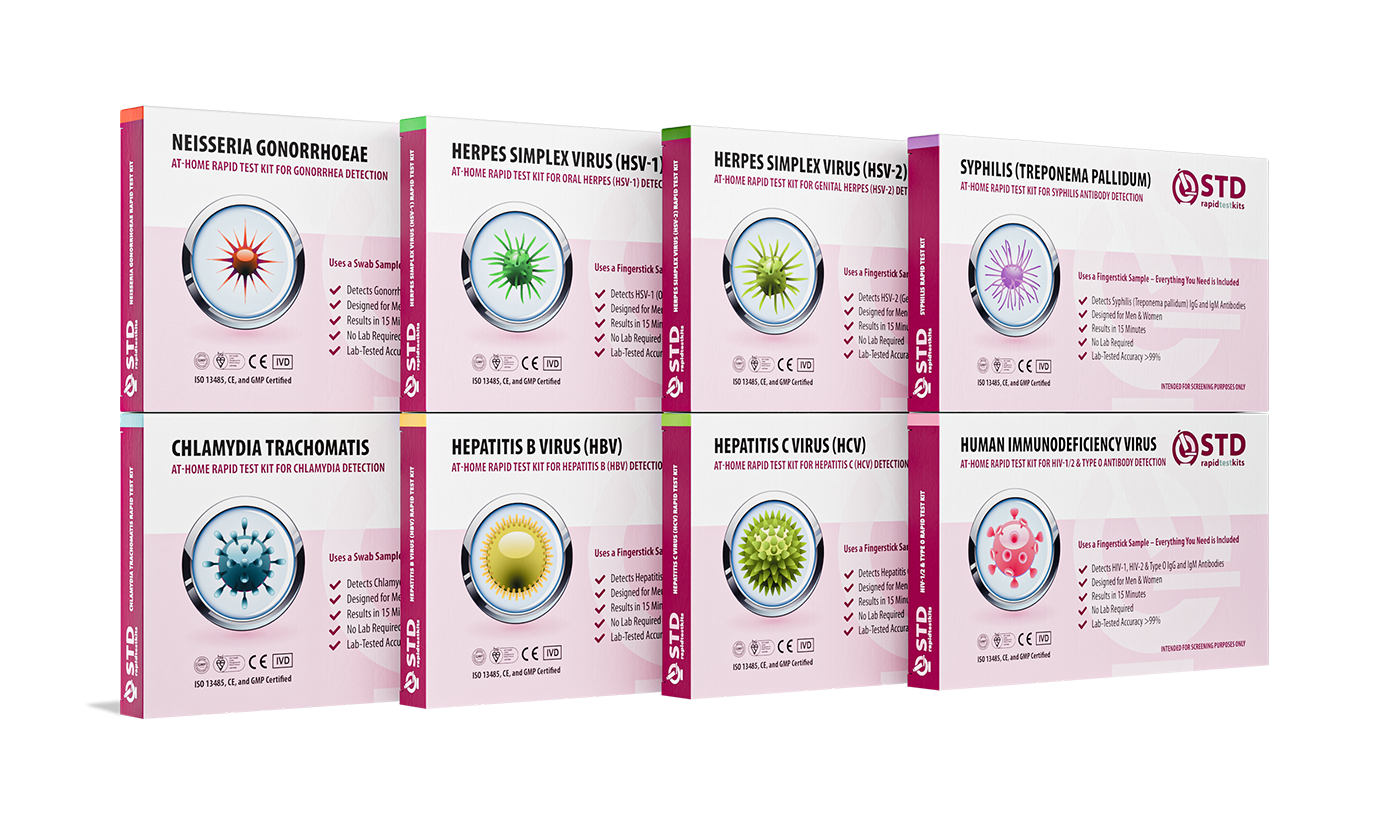 For Men & WomenResults in MinutesNo Lab NeededPrivate & Discreet
Order Now $149.00 $392.00
For all 8 tests
New Drug, Same Old Shame, Let’s Talk About That
We can celebrate zoliflodacin all we want (and we should), but one thing this drug won’t cure is the shame people still carry around STDs. Many people delay testing not because they don’t care, but because they’re scared. Scared of judgment. Of being “dirty.” Of having that one moment define them forever.
But here's the truth no one talks about enough: testing is one of the most caring things you can do, for yourself, and for the people you’ve been intimate with. It means you’re paying attention. It means you want clarity. And it means you’re not willing to ignore your body just because the topic makes people squirm.
The stigma around STDs is more harmful than most infections themselves. Gonorrhea? Treatable. But shame? That lingers. So if you’re testing, you’re not weak. You’re not reckless. You’re doing the adult, badass thing. That’s something to be proud of.
FAQs
1. So, is this new gonorrhea drug actually available yet?
Not everywhere, yet. Zoliflodacin got the FDA green light, which is huge, but it’s not on every pharmacy shelf tomorrow. Rollout takes time. Most folks who test positive right now will still be treated with ceftriaxone, the old standard. But the shift is coming, and this drug’s approval means there’s finally a backup plan against resistant strains.
2. Can I really trust an at-home gonorrhea test?
Yes, with a few caveats. If it’s a lab-backed NAAT (like the ones where you collect your sample and ship it), you’re getting top-tier accuracy. Rapid tests that give instant results are improving, but timing matters, test too early and you might get a false negative. If your result feels off, don’t hesitate to retest. Your peace of mind is worth a second swab.
3. How soon after a hookup can I test?
Ideally, wait 7 to 14 days after exposure. If it’s only been two days and you're spiraling? You’re not alone. Test early if you need to calm down, but plan to test again after the window for real accuracy. It’s like baking cookies, you can't judge if they’re done five minutes in.
4. Do I need symptoms to get tested?
Nope. In fact, gonorrhea loves flying under the radar. Most throat and rectal infections don’t cause any symptoms at all. That’s why regular testing matters, especially if you have multiple partners, skipped protection, or just feel like something’s off.
5. Wait… I thought gonorrhea was easy to treat?
It used to be. But over the years, gonorrhea has gotten trickier, mutating around the antibiotics we’ve been throwing at it. That’s why this new drug approval is a game changer, but it doesn’t mean we can relax. Testing and catching it early is still the best move.
6. Can I give this to someone through oral sex?
100% yes. Gonorrhea can infect the throat and be passed from mouth to genitals (or vice versa) without anyone knowing. Just because there’s no visible symptom doesn’t mean it’s not there. If you’re active, especially with new partners, regular screening is smart.
7. What do I do if my test says positive?
First: don’t panic. You’re not dirty, broken, or doomed. You’re human, and now you have info you can act on. You can seek in-person treatment or use a telehealth service (some can prescribe right after confirming your result). And yep, it’s treatable. You’ll be okay.
8. Do I really have to tell my partners?
Ethically, yes. Medically, also yes. But emotionally? We get it, it’s hard. That’s why services exist to send anonymous texts or emails to your past partners, no names attached. Telling someone you care about sucks less than unknowingly exposing them.
9. What if I already treated it once, do I need to test again?
If you’ve had gonorrhea before, retesting is a must. Not because the treatment failed (though that happens), but because reinfection is common, especially if your partner wasn’t treated too. Health orgs recommend retesting about 3 months later. Think of it like a follow-up oil change.
10. Can I skip the doctor and just handle this at home?
For testing? Absolutely. For treatment? Sometimes. Many online providers can prescribe antibiotics after reviewing your results. If your infection needs an injection (like ceftriaxone), you’ll need an in-person visit. But for diagnosis and follow-up, at-home kits and telehealth can cover a lot more than people realize.
You Deserve Answers, Not Assumptions
It’s tempting to wait and see. To hope that weird twinge goes away, or that your last partner was probably clean. But gonorrhea isn’t going anywhere, and even with a new treatment finally approved, it won’t find you unless you test first. Zoliflodacin is a breakthrough, but it’s not a shortcut. Testing is still the start of every solution.
You don’t need to justify your worry. You just need to act on it. This at-home combo test kit checks for the most common STDs discreetly and quickly. No clinic, no waiting room, no awkward questions. Just answers, and peace of mind.
How We Sourced This Article: We combined current guidance from leading medical organizations with peer-reviewed research and lived-experience reporting to make this guide practical, compassionate, and accurate.
Sources
1. FDA Approves First New Gonorrhea Treatments in 30 Years
2. Healthline - Gonorrhea Overview and Symptoms
3. Drug-Resistant Gonorrhea - CDC
4. FDA Approves Two Oral Therapies to Treat Gonorrhea
5. Gonococcal Infections Among Adolescents and Adults (CDC)
6. Gonorrhoea (Neisseria gonorrhoeae infection) – WHO
7. Gonorrhea - Symptoms and Causes (Mayo Clinic)
8. Gonorrhea - Diagnosis and Treatment (Mayo Clinic)
9. STI Treatment Guidelines (CDC)
10. Neisseria gonorrhoeae Antimicrobial Resistance: The Future - NIH
About the Author
Dr. F. David, MD is a board-certified infectious disease specialist focused on STI prevention, diagnosis, and treatment. He blends clinical precision with a no-nonsense, sex-positive approach and is committed to expanding access for readers in both urban and off-grid settings.
Reviewed by: Alicia M. Reed, MPH | Last medically reviewed: January 2026
This article is for informational purposes and does not replace medical advice.


