Published: August 2025 | Last updated: May 2026 | Editorial review and quality control: Martina N.
You woke up to itchy, raw, red skin on the head of your penis. Maybe the area under your foreskin feels tender. Maybe there is a faint white film, or tiny cracks that sting when you pee. The first thought is usually the worst one: a sexually transmitted infection. The truth is calmer. The most common cause of this exact picture in adult men is a yeast infection on the skin, not an STD. Doctors call it candidal balanitis when it inflames the head of the penis, and it usually responds quickly to simple over-the-counter care once you know what you are looking at.
Key Takeaways
- Male yeast infection (candidal balanitis) is the most common cause of redness, itching, and shiny skin on the head of the penis. It is not a sexually transmitted infection.
- Most cases clear in 7 to 14 days with an over-the-counter antifungal cream (clotrimazole 1% or miconazole 2%), better dryness habits, and a short pause from friction.
It's Not “Dirty,” It's Biology
Candida is a yeast that already lives on healthy skin and in normal body folds without causing any problems (Cleveland Clinic). It only becomes a problem when local conditions tilt in its favor: warmth, sweat, tight fabrics, recent antibiotic courses, high blood sugar, or moisture trapped under the foreskin. That overgrowth irritates the skin barrier and the nerve endings underneath, which is why everything suddenly feels raw, itchy, and overly sensitive at the same time. None of this means you are unclean or that you did something wrong. It means your microbiome and your environment teamed up at an inconvenient moment.
Because yeast flare-ups so often follow sex, gym sessions, or hot weather, people assume the equation is “infection equals STD.” But correlation is not causation. Friction, latex sensitivity, fragranced lubes, and trapped moisture can all flip the switch without any pathogen being transmitted between partners. The NHS describes balanitis as a common, treatable skin condition that affects boys and men of any age, separate from sexual infections (NHS). If anxiety spikes, remember you can both treat the irritation and rule out STDs at the same time. The two paths run in parallel.
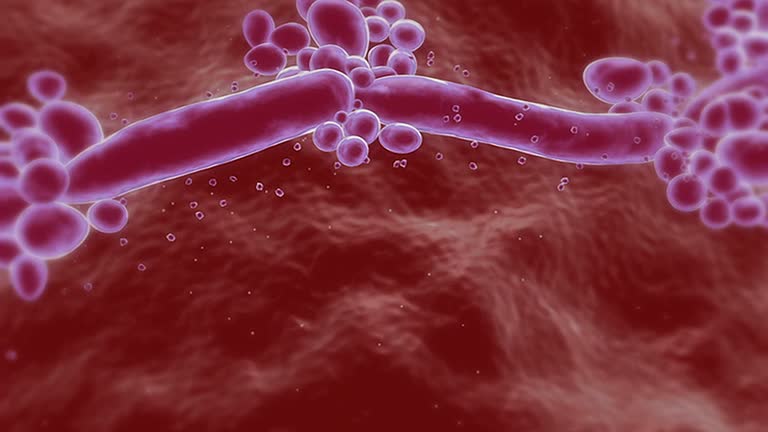
Candida normally lives on your skin without causing problems.
What Male Yeast Looks Like on Real Skin
Classic candidal balanitis shows up as bright red or pink shiny patches on lighter skin. On brown and Black skin, the same inflammation tends to look dusky, purple, or slightly gray with a subtle sheen rather than a vivid red flush. The surface often looks moist. Small fissures (tiny cracks) can form, and a white or curd-like material sometimes collects under the foreskin or in the corona. The border can be sharply defined or scalloped, and “satellite spots,” small red or dark specks just outside the main patch, often dot the surrounding skin (DermNet NZ).
- Common sites: Glans (head of the penis), inner foreskin, corona, frenulum, groin folds, and sometimes perianal skin.
- Typical symptoms: Itching and burning, tenderness with friction, stinging right after urination, discomfort during sex, and occasionally a faint yeasty smell.
- Clues against an STD: No clustered painful blisters or deep ulcers (more typical of herpes), no urethral discharge or pelvic ache (think chlamydia or gonorrhea), no painless firm sore (early syphilis), and a clear response to antifungal care.
If you are uncircumcised, a tight foreskin (phimosis) can trap moisture and make flares more likely. Gentle daily hygiene matters, but over-washing with harsh soaps or antiseptics tends to make things worse. Think “rinse and pat dry,” not “scrub and scorch.”
Why Sex Can Trigger Symptoms Without Being an STD
Sex is a perfect storm of heat, friction, fluids, and sometimes products your skin does not love. Add a latex condom if you are sensitive to latex, a flavored or warming lube with sugar alcohols, or a marathon session that overheats the tissue, and the local environment swings toward Candida. That is why symptoms can flare right after sex even when no one passed anything along. The same logic applies to swimming, sauna trips, long bike rides, or a hot beach weekend.
- Friction: Micro-abrasions sting on their own and let yeast take advantage of already irritated skin.
- Products: Fragranced body washes, numbing lubes, spermicides, and certain condom materials can disrupt the skin barrier (DermNet NZ).
- Moisture: Post-sex humidity under the foreskin or in groin folds feeds yeast growth for hours afterward if you do not dry off and air out.
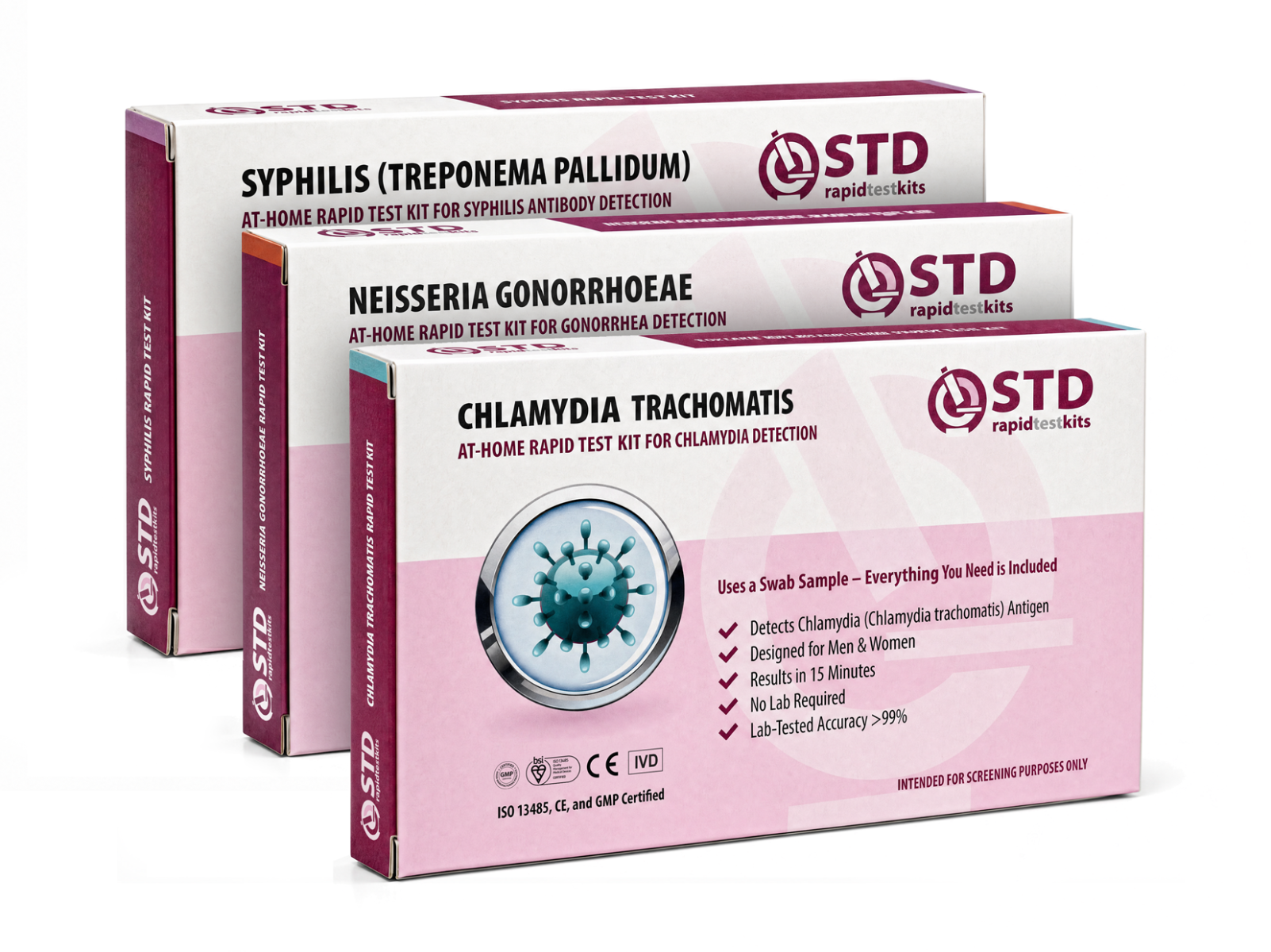
The takeaway is simple. Treat the skin, cut the triggers, and reach for STD testing only if your story or symptoms point that way. If you want a discreet way to rule out the most common infections while you treat the irritation, an at-home rapid panel is the calmest next step.
Treating the skin first costs you nothing. Apply an antifungal, run the dryness protocol, and pause friction for a few days. If your story includes new partners or unprotected sex, you can test for STDs in parallel without waiting for the skin to settle.
Fast Relief: What Actually Works at Home
Most male yeast infections respond quickly to simple, consistent care. First-line therapy is an over-the-counter azole antifungal cream like clotrimazole 1% or miconazole 2% (NHS). Apply a thin layer to affected skin twice daily, and continue for 2 to 3 days after symptoms clear; standard clinical guidance for candidal balanitis is roughly 7 to 14 days of treatment (DermNet NZ). Pair the cream with three dryness habits that do half the work for you.
- Rinse, do not scrub: Lukewarm water only, no soap on the inflamed skin, then pat dry. A cool hairdryer on the lowest setting can finish the job in folds without rubbing.
- Loose and breathable: Swap tight synthetics for breathable, moisture-wicking underwear. Change out of sweaty gym clothes within minutes, not hours.
- Night routine: After your evening rinse, apply the antifungal, let it absorb, then sleep in loose cotton boxers or go commando to drop the humidity overnight.
If the skin is tender or fissured, a thin layer of plain petrolatum over the antifungal can protect cracks from urine, sweat, and friction. Give the area a short break from sex (3 to 5 days is usually enough) so micro-fissures can heal. If symptoms noticeably improve within 48 to 72 hours, you are on the right track. If nothing changes or pain gets worse, loop in a clinician to rule out a mixed infection or another diagnosis that needs prescription therapy. For full transparency: this site sells at-home rapid test kits, and the clinical guidance above is editorially independent of those products.

What Not to Do, So You Don't Make It Worse
When the skin is on fire it is tempting to throw the whole bathroom cabinet at it. Most of those “fixes” backfire. Skip antiseptics, alcohol wipes, fragranced body washes, and rough washcloths. They strip the skin barrier, sting like fire, and give yeast more raw skin to work with. Do not reach for a leftover oral or topical antibiotic either. Antibiotics flatten the normal bacteria that keep yeast in check, and they reliably make balanitis worse.
- No scrubbing: Over-washing inflames delicate tissue and prolongs burning. One gentle daily rinse is enough while skin is healing.
- No solo steroid creams: A steroid alone can mask redness while Candida keeps growing underneath. If a clinician prescribes a brief steroid, it is usually combined with an antifungal and used sparingly (DermNet NZ).
- Careful with powders: Talc or cornstarch can cake in folds and feed yeast. If you need moisture control, ask a clinician about a light medical-grade drying gel.
Also avoid picking at the white film under the foreskin. Gentle rinsing lifts it without trauma. If the foreskin starts to feel tighter or hard to retract, stop experimenting at home and get evaluated. Persistent inflammation can scar the foreskin, particularly when phimosis develops or worsens, and scarring needs medical care.
Antiseptics and alcohol wipes, fragranced body washes and rough washcloths, leftover oral or topical antibiotics, and any steroid cream used on its own. Each of these will predictably make balanitis worse, even when the package looks reassuring.
When It's Not Yeast: Common Look-Alikes
Yeast is common, and it is not the only culprit. Several conditions look almost identical at first glance and need very different treatment. Contact dermatitis from latex condoms, scented soaps, or new laundry detergent can mimic the redness and burning. Jock itch (tinea cruris) tends to form a scaly, ring-shaped border in the groin folds and usually spares the glans itself. Eczema and psoriasis can affect the penis as shiny red-brown or violaceous plaques that improve with barrier repair and targeted dermatology care rather than antifungals.
The table below is a quick visual sort. None of these signs are diagnostic on their own, but the pattern of redness, pain, discharge, and timing usually narrows the list.
| Condition | Skin signs | Other clues | What helps |
|---|---|---|---|
| Candida balanitis (yeast) | Shiny red or dusky patches on glans, white curd, tiny fissures | Itch and burning, often after sex, antibiotics, or heat | Topical antifungal cream, dryness habits |
| Genital herpes | Clustered small blisters that break into shallow painful ulcers | Tingling or aching before outbreak, swollen lymph nodes nearby | Antiviral medicine, STD testing |
| Chlamydia or gonorrhea | Usually no skin rash on the glans itself | Clear, white, or yellow urethral discharge, burning when urinating | Lab testing, prescription antibiotics |
| Primary syphilis | Single firm, painless ulcer (chancre) | Painless and not itchy, heals on its own, rash can follow weeks later | Blood testing, penicillin |
| Jock itch (tinea cruris) | Scaly, ring-shaped rash in groin folds that usually spares the glans | Itchy, more common in athletes and warm climates | Topical antifungal, dryness |
| Contact dermatitis | Red, itchy, sometimes weeping skin tied to a product exposure | Symptoms track a new soap, condom, lube, or detergent | Stop the trigger, fragrance-free barrier care |
Recurring Yeast? Look Under the Hood
If male yeast keeps boomeranging back, it is not because you are “dirty.” Something in the background is stacking the odds for Candida. The usual suspects are simple and fixable: moisture trapped under the foreskin, tight synthetic underwear, recent courses of antibiotics, or high blood sugar. Skin conditions like eczema and immunosuppression (including poorly controlled HIV or long-term steroid use) can also lower local defenses (StatPearls / NCBI). The goal is not perfection. It is identifying your personal triggers and dialing them down so the skin barrier can recover.
- Check glucose: Recurrent episodes are suggestive of diabetes (StatPearls / NCBI). If you are thirstier than usual, peeing often, or unusually tired, ask your clinician for a blood sugar check.
- Review medications: Recent oral antibiotics, inhaled steroids for asthma, or topical steroids for skin conditions can all tilt the microbiome. Note the dates and doses before your appointment.
- Fit and fabric: Swap tight synthetics for breathable, quick-dry fabrics. Change out of gym gear within minutes, not after a long lunch.
- Foreskin factors: A snug foreskin (phimosis) traps humidity and makes flares predictable. Gentle hygiene and clinician-guided stretching exercises help in many cases.
- Products and friction: Retire fragranced soaps, harsh scrubs, and warming or numbing lubes. They irritate the skin barrier without delivering anything you actually need.
Write down what flares precede your symptoms: sex marathons, antibiotics, sauna sessions, a new detergent. The pattern usually reveals itself in two or three flares. Once you find it, prevention gets easier and the gap between flares grows.
Peer-reviewed clinical references list recurrent candidal balanitis as one of the patterns that should prompt a blood sugar check, particularly when paired with increased thirst, frequent urination, or unexplained fatigue. Asking a clinician for a glucose screen is a reasonable next step if flares keep returning.
Smart Prevention: The Dryness Protocol
Prevention is a few small habits stacked on top of each other. Morning and night, rinse with lukewarm water (no soap on the glans), pat completely dry, and apply a thin layer of antifungal while you are still treating an active flare. On non-flare days, barrier repair is your friend. A fragrance-free moisturizer applied around (not inside) the foreskin can reduce the micro-fissures that sting during sex or urination.
- After sweat or sex: Rinse, pat dry, and air out for 10 to 15 minutes. A cool hairdryer on the lowest setting helps folds dry without rubbing.
- Underwear upgrade: Pick breathable, quick-dry fabrics and change daily, or more often in hot climates and after workouts.
- Lube logic: Use plenty of body-safe, unscented lubricant to reduce friction during sex. If latex condoms reliably irritate you, try polyisoprene or polyurethane alternatives.
- Travel kit: Keep a small bottle of rinse water, a spare pair of breathable underwear, and a travel-size tube of antifungal cream so you can intervene at the first hint of itch.
Prevention is a quiet, consistent routine, and it pays well. Most people who adopt a dryness protocol notice fewer flares within a few weeks, especially when they pair it with smarter fabrics and less irritating products. None of this requires perfection. Even a partial routine usually cuts flare frequency noticeably.
For Queer, Trans, and Nonbinary Readers
Candidal skin infections show up across bodies and identities. The underlying principles do not change; the application sometimes does. If you tuck, pack, or wear gear that traps heat, build in cool-down time and breathable layers between sessions. For receptive anal sex, more generous lubrication, barrier methods, and a gentle post-play rinse can reduce friction and trapped moisture in skin folds that are already prone to yeast.
If you are on gender-affirming hormones or have post-op anatomy, talk with a clinician who knows your specific care needs. Skin and mucosa can behave differently under hormone shifts, and your antifungal regimen, including which product to use and for how long, should match your body. Your comfort is not negotiable. Tailor the dryness protocol to your gear, your routines, and your partners, and bring questions to a clinician who already understands your care.
Community sexual-health clinics, LGBTQ+ health centers, and gender-affirming primary care clinics often have providers experienced in post-op anatomy, hormone interactions, and the specific friction-and-moisture patterns that come with tucking, packing, or wearing gear. A short phone call to ask about experience before your first visit is reasonable.
Common Questions
- Is a male yeast infection an STD?
- No. A penile yeast infection (often called candidal balanitis when it inflames the head of the penis) is an overgrowth of Candida on the skin. The yeast already lives on healthy skin. Triggers are usually moisture, friction, antibiotics, or high blood sugar, not sexual transmission. Sex can trigger symptoms without being the cause.
- Can I pass a yeast infection to my partner?
- Yeast is not classified as a sexually transmitted infection, but irritated skin and shared environments can ping-pong symptoms between partners for a few weeks. If both of you are symptomatic, simultaneous antifungal treatment plus a short break from friction usually breaks the cycle. Barriers and unscented lube help while skin heals.
- What does a male yeast infection actually look like?
- Shiny red, dusky, or purple patches on the glans or inner foreskin, with itching and burning, sometimes tiny fissures, and a white curd-like material that collects under the foreskin. Look-alikes include herpes (clustered painful blisters) and primary syphilis (a single painless firm sore). If your symptoms include clustered blisters, a deep ulcer, or urethral discharge, see a clinician.
- How do I treat it at home?
- Most cases clear in one to two weeks of consistent over-the-counter antifungal cream paired with a strict dryness routine. The key habits are lukewarm rinses, patting (not rubbing) dry, breathable underwear, and a short pause from friction. If you see no improvement after 72 hours of correct use, book a clinician visit to check for a mixed infection or a different diagnosis.
- Why does it keep coming back?
- Recurrent balanitis usually points to a background trigger: tight foreskin, recent antibiotic courses, harsh soaps, tight synthetics, or undiagnosed or poorly controlled diabetes. Talk with a clinician about a glucose check, a medication review, and any skin conditions like eczema that might lower local defenses.
- When should I test for STDs instead?
- Test if you have urethral discharge, painful urination, fever, new partners with possible exposure, clustered painful blisters or shallow ulcers (which suggest herpes), or a painless firm sore (which suggests primary syphilis). When the story is uncertain, treat the skin and rule out STDs at the same time. They are parallel tracks.
- Does circumcision prevent yeast?
- Not entirely. Circumcision can reduce moisture trapping under the foreskin, which lowers risk, but anyone can develop balanitis with the right combination of heat, friction, antibiotics, or blood sugar issues. Good hygiene, breathable fabrics, and ample lubrication during sex still matter for everyone.
- Can I keep having sex while I treat it?
- If the skin burns or feels raw, a 3 to 5 day pause speeds healing. Once you are comfortable, use plenty of unscented lube and barriers while skin recovers. If both partners had symptoms, treating together and re-starting slowly reduces the risk of bouncing the infection back and forth.
You Deserve Relief, Not Guesswork
Male yeast infections are common, treatable, and nobody's moral report card. If you are itchy and irritated, run two parallel tracks: soothe the skin with an antifungal and a dryness routine, and, if your story is uncertain, rule out the usual STDs so you can stop spinning. Small, consistent steps beat frantic fixes every single time.
Want clarity while you treat? An at-home rapid panel can quietly rule out the most common STDs in about 15 minutes while your antifungal does its work. If anything looks unusual, lasts more than two weeks despite proper care, or comes back repeatedly, a clinician visit is worth the appointment slot.
Twice-daily antifungal cream, lukewarm rinse and full dry-off, breathable underwear, a short pause from friction, and an at-home STD panel if your story has any uncertainty in it.
- DermNet NZ. Balanitis: causes, symptoms, and management of inflammation of the glans, including candidal balanitis, treatment duration, and look-alike dermatoses.
- NHS. Balanitis patient information page: symptoms, common causes, self-care, first-line antifungal treatment, and when to see a clinician.
- Cleveland Clinic. Male yeast infection (candidal balanitis): patient education on causes, symptoms, home care, and the distinction from sexually transmitted infections.
- MedlinePlus Medical Encyclopedia. Balanitis: overview of causes, diabetes-related risk, and treatment principles.
- StatPearls (NCBI Bookshelf). Balanitis overview: peer-reviewed clinical summary covering phimosis, diabetes (including the link between recurrent episodes and diabetes), immunosuppression, and recurrence factors.
