







Quick Answer: New soap burning genital area symptoms usually appear within minutes to hours and are caused by skin irritation, not an STD. Most STD symptoms take days to weeks to develop and follow specific exposure timelines.
The First Question That Actually Matters: Timing
When someone searches “STD symptoms appear how fast,” what they’re really asking is: did this happen too quickly to be an infection?
Soap irritation typically shows up fast. Sometimes immediately. You dry off, and the skin feels tight, tingly, or raw. That’s contact dermatitis, your skin reacting to fragrance, preservatives, dyes, or even “natural” essential oils that don’t belong on delicate tissue.
STDs don’t behave like that. They have incubation periods. That means even if exposure happened yesterday, symptoms usually don’t appear within hours. They take time because infection requires replication inside the body, not just surface irritation.
Let’s put this into perspective.
| Condition | How Fast Symptoms Start | Typical Sensation | Visible Changes |
|---|---|---|---|
| Soap / Contact Dermatitis | Minutes to 24 hours | Burning, stinging, raw feeling | Redness, mild swelling, dry patches |
| Herpes | 2–12 days after exposure | Tingling before sores | Clusters of painful blisters |
| Chlamydia | 7–21 days | Often no symptoms | Possible discharge, burning urination |
| Gonorrhea | 2–14 days | Burning urination | Thick discharge |
| Syphilis | 10–90 days | Usually painless | Single firm sore |
If the burning started the same day you switched soap, especially right after showering, that timing strongly points toward irritation, not infection.
What Soap Irritation Actually Feels Like
When people type “genital irritation after shower,” they’re usually describing something that feels surface-level. It’s not deep pelvic pain. It’s not flu-like symptoms. It’s skin discomfort.
A soap reaction often feels like:
Itching without discharge. A raw sensation when clothing rubs. Redness that looks more like chafing than sores. Sometimes tiny raised bumps that resemble heat rash.
And here’s the part most people don’t realize: genital skin is thinner than the skin on your arm. It absorbs chemicals faster. Fragrance-heavy body washes, antibacterial cleansers, even heavily scented “feminine washes” can disrupt the natural pH balance. That disruption can mimic early STD anxiety symptoms without being infectious at all.
One patient once told me, “I thought I ruined my life because I used a new coconut body wash.” It wasn’t Herpes. It was fragrance.
When It’s Not Just Irritation
Now let’s be real. Sometimes burning is not from soap.
If there was recent unprotected oral, vaginal, or anal sex within the past two weeks, it’s fair to pause and assess. If burning is paired with discharge, painful blisters, unusual odor, fever, or swollen lymph nodes, that moves the needle toward infection.
The difference isn’t panic. It’s pattern recognition.
| Clue | More Likely Irritation | More Likely STD |
|---|---|---|
| Started right after shower | Yes | Rare |
| New hygiene product introduced | Yes | No |
| Painful blisters | No | Herpes |
| Thick yellow/green discharge | No | Gonorrhea |
| No sexual exposure in months | Likely irritation | Unlikely new STD |
| Burning only when urine touches skin | Common | Possible but less typical |
Soap reactions stay external. STDs often involve internal symptoms or systemic signs over time.
People are also reading: Painful Peeing, No Infection: When It’s Not a UTI
The Panic Spiral: Why Our Brains Jump to STDs
Here’s the psychology piece no one talks about.
Genitals carry shame. Cultural stigma wires us to assume infection over irritation. A rash on your elbow doesn’t trigger a Google search at midnight. A rash near your vulva does.
And because search engines show phrases like “is it herpes or razor burn,” your brain latches onto the scariest explanation first.
But anxiety is not a diagnostic tool. Timing is.
When Testing Makes Sense (And When It Doesn’t)
If you truly had no recent exposure and the irritation began immediately after switching products, testing right now may not be necessary.
If you had a possible exposure within the correct window period, testing becomes empowering, not accusatory.
For most bacterial STDs like Chlamydia and Gonorrhea, testing is most accurate 14 days after exposure. For Herpes, blood testing may take several weeks to show antibodies. Testing too early can create false reassurance.
If you’re unsure and the anxiety won’t quiet down, discreet at-home options exist. You can explore private testing through STD Rapid Test Kits without sitting in a waiting room. For broader screening, many people choose a combo STD home test kit to cover common infections at once.
Testing is clarity. Not confession.
How to Calm a Soap Reaction Fast
If this is irritation, your skin will usually improve within 24 to 72 hours once the product is discontinued.
Rinse with lukewarm water only. Avoid fragranced lotions. Wear loose cotton underwear. Skip shaving temporarily. Let the skin barrier reset.
If redness spreads, becomes severely painful, or doesn’t improve after several days, that’s when medical evaluation makes sense, not because it’s automatically an STD, but because persistent inflammation deserves attention.
Let’s Talk About Herpes Specifically, Because That’s the One People Fear
When someone feels burning and types “contact dermatitis vs herpes,” they are almost always imagining blisters that haven’t appeared yet. Herpes anxiety has a very specific flavor. It’s the “what if it’s just starting?” spiral.
Here’s what matters clinically: herpes outbreaks usually begin with a prodrome. That’s a deep tingling, nerve-like sensation that develops 24 to 48 hours before visible sores. Not just surface irritation. Not just raw skin from soap. It’s often described as electric, itchy from the inside, or accompanied by fatigue or swollen lymph nodes during a first outbreak.
Soap reactions don’t cluster into fluid-filled blisters. They don’t crust over. They don’t ulcerate. They don’t follow a nerve path. They look like irritated skin.
A patient once told me, “I kept checking every hour waiting for blisters to form.” They never did. Because it wasn’t viral. It was fragrance and over-washing.
Vaginal Burning After New Soap: Why pH Disruption Feels So Scary
If you have a vulva, the panic can feel even sharper. The vagina maintains a naturally acidic pH that protects against infection. Scented washes, antibacterial soaps, and even some “feminine hygiene” products can disrupt that balance within hours.
That disruption can cause stinging, itching, or dryness that feels alarmingly similar to early infection symptoms. But irritation from pH imbalance usually lacks one key feature: progressive worsening.
STD symptoms tend to evolve. Discharge changes. Odor shifts. Pain increases. With irritation, symptoms often plateau and then improve once the product is stopped.
When people search “can soap cause vaginal burning,” the answer is yes, absolutely. And it happens more often than new infections do.
Check Your STD Status in Minutes
Test at Home with Remedium7-in-1 STD Test Kit

 For Men & Women
 Results in Minutes
 No Lab Needed
 Private & Discreet
Order Now $129.00 $343.00
For all 7 tests
Penile Rash After Soap: The Thin-Skin Factor
The head of the penis has thinner, more absorbent skin than most other body areas. That makes it more reactive to new cleansers. Men frequently describe redness on the glans, mild swelling, or a tight dry sensation after switching body wash.
Unlike Gonorrhea or Chlamydia, which often produce discharge or burning during urination that persists regardless of shower timing, soap irritation typically worsens immediately after washing and then calms during the day.
If the irritation disappears within a few days after stopping the product, infection becomes unlikely.
The Window Period Reality Check
This is where we ground everything in facts instead of fear.
Even if you had sex recently, infection detection follows biological timelines. Testing the day symptoms start, especially if that’s within a few days of exposure, may not give reliable results.
| STD | Earliest Possible Detection | Best Testing Window |
|---|---|---|
| Chlamydia | 7 days | 14 days |
| Gonorrhea | 7 days | 14 days |
| Syphilis | 3 weeks | 6 weeks |
| Herpes (blood test) | 3–4 weeks | 6–12 weeks |
| HIV (antigen/antibody) | 2–4 weeks | 6 weeks+ |
If your burning started the same day you tried a new soap, but your last sexual exposure was three days ago, infection simply would not present that fast in most cases.
Biology is slower than anxiety.
A Real Story: “I Thought I Ruined My Relationship”
Marcus, 27, switched to a heavily scented charcoal body wash after a weekend trip. The next morning, the tip of his penis felt irritated and red. He had unprotected oral sex two days earlier. His brain connected those dots instantly.
“I was rehearsing how I’d tell her I gave her something,” he said. “I felt sick to my stomach.”
He stopped using the soap. The redness improved in 48 hours. He tested two weeks later for peace of mind, negative across the board.
What saved him wasn’t denial. It was understanding timing.
When You Should Absolutely Get Checked
Let’s not dismiss real risk. If you experience painful blisters, thick discharge, fever, pelvic pain, testicular pain, or symptoms that worsen rather than improve, testing becomes necessary regardless of soap timing.
If you’re within the appropriate window period and anxiety is interfering with sleep, work, or intimacy, clarity helps. A discreet option like a combo STD home test kit allows you to test privately on your schedule.
You deserve certainty, not spiraling.
What Not to Do in the First 24 Hours
Do not scrub harder. Do not apply multiple creams at once. Do not switch to three different new products trying to “fix” it.
Overcorrecting can prolong irritation. The best move is simplicity. Water only. Gentle pat dry. Time.
If symptoms improve steadily over 48 to 72 hours after removing the suspected irritant, that pattern strongly favors dermatitis over infection.
Why This Confusion Is So Common
Because STD symptoms are not dramatic most of the time. Many infections are silent. That silence makes people hyper-aware of any sensation at all.
And because hygiene marketing convinces us that stronger, fresher, more fragranced equals cleaner. It doesn’t. The genital area does not require perfume. It requires balance.
The overlap in language, burning, itching, rash, fuels fear. But context and timing separate irritation from infection.
When Irritation Turns Into Infection, And When It Doesn’t
Here’s where things get nuanced. Soap itself doesn’t cause STDs. But severe irritation can sometimes create tiny micro-tears in the skin. And when skin barriers weaken, bacteria or viruses have an easier entry point during sexual contact.
This is why timing matters so much. If irritation started first, immediately after product use, and there was no new sexual exposure afterward, infection is unlikely. But if irritation happened, then you had sex while the skin was inflamed, that changes the risk calculation slightly.
The body is not fragile. But inflamed skin is more vulnerable than healthy skin. That doesn’t mean panic. It means awareness.
Let’s break down how symptoms evolve over time when something is irritation versus infection.
| Timeline | Irritation Pattern | Infection Pattern |
|---|---|---|
| First 24 hours | Burning, redness, tight or dry skin immediately after product exposure | Usually no symptoms yet (incubation phase) |
| 48–72 hours | Improving if irritant removed | Possible early signs depending on STD type |
| 1 week | Mostly resolved | Burning urination, discharge, sores, or evolving symptoms |
| 2+ weeks | Resolved unless product reintroduced | Clearer clinical picture; optimal testing window for many bacterial STDs |
If symptoms are fading by day three, that’s your body healing. Infections don’t quietly retreat because you changed body wash.
People are also reading: Why Am I Waking Up With Discharge? 7 Things It Could Be
The Discharge Question No One Wants to Ask
Discharge is often the tipping point in someone’s anxiety spiral. People search phrases like “itchy genitals no discharge” hoping that absence equals reassurance.
Here’s the honest answer: irritation rarely causes thick, colored discharge. It can cause mild increased moisture from inflammation, but it doesn’t produce yellow, green, or foul-smelling fluid. When discharge changes dramatically, that’s when we think more seriously about infections like Gonorrhea, Chlamydia, or even Trichomoniasis.
If everything is external, redness, surface-level stinging, mild itch, irritation remains the front-runner.
A Second Story: “I Googled for Six Hours”
Alina, 24, switched to a lavender-scented body wash marketed as “natural.” Within an hour, her vulva felt irritated and slightly swollen. She had protected sex three nights earlier.
“I convinced myself it was something permanent. I kept checking with a mirror. I couldn’t sleep.”
She stopped using the wash. The swelling improved within 36 hours. By day three, the burning was gone. She still tested at two weeks for peace of mind. Negative.
What she learned wasn’t just about soap. It was about how quickly fear fills in the blanks.
The Anxiety Amplifier: Why Symptoms Feel Worse at Night
Here’s something fascinating: physical sensations often intensify when you focus on them. Especially at night. Especially in silence. Especially when your brain is scanning for danger.
Genital skin is richly supplied with nerve endings. Mild irritation can feel dramatic simply because of location and attention. Add shame or fear, and your body’s stress response heightens sensitivity further.
This doesn’t mean you’re imagining symptoms. It means your nervous system is participating in the experience.
If You Want a Clear Yes-or-No Framework
Ask yourself these five questions honestly:
Did symptoms start within hours of using a new product?
Did you recently shave, exfoliate, or scrub more aggressively than usual?
Are there no blisters, no thick discharge, and no fever?
Are symptoms already improving after stopping the product?
Was your last sexual exposure outside the typical incubation window for rapid symptom appearance?
If most of those answers are yes, irritation is far more likely than infection.
If you answer no to several, especially if symptoms are worsening or evolving, that’s when testing becomes logical rather than fear-driven.
Check Your STD Status in Minutes
Test at Home with Remedium8-in-1 STD Test Kit
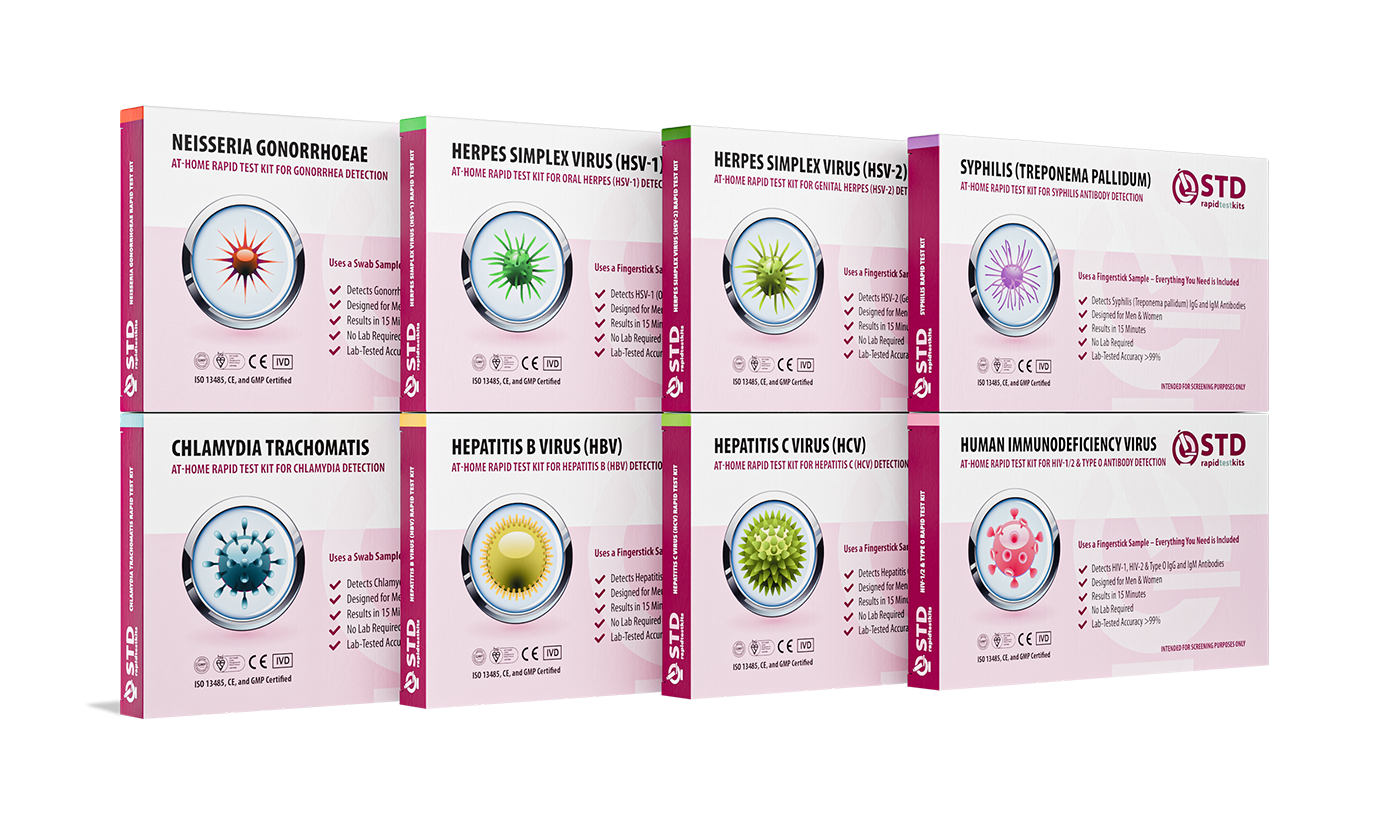 For Men & WomenResults in MinutesNo Lab NeededPrivate & Discreet
Order Now $149.00 $392.00
For all 8 tests
When to Loop in a Clinician
There are moments when guessing isn’t helpful. Severe pain. Open sores. Spreading rash. Fever. Pelvic or testicular pain. These require evaluation regardless of soap timing.
And here’s something important: seeking medical care does not mean you “did something wrong.” It means you’re taking your health seriously.
If access or privacy is a barrier, discreet screening options exist. A combo STD home test kit can provide clarity for common infections without leaving your home. Testing is a tool, not a punishment.
The Bigger Picture: Your Skin Is Not a Moral Barometer
I want to end this section with something that matters emotionally.
Your skin reacting to fragrance does not say anything about your sexual choices. And your anxiety does not mean you’re reckless. It means you care.
The body responds to chemicals. Infections respond to exposure and time. When you separate those two truths, the panic softens.
FAQs
1. Be honest, can soap really make it burn that much?
Absolutely. Genital skin is thin and sensitive, and fragrance-heavy body washes can hit it like a chemical slap. I’ve seen people panic over what turned out to be a “tropical mango blast” body wash. If the burning started right after you showered and improves when you stop using the product, your skin is reacting, not confessing to a secret infection.
2. Okay, but what if this is how herpes starts?
Fair question. Herpes usually begins with a deep tingling or nerve-like discomfort before blisters appear, not just surface-level stinginess. And those blisters? They cluster, fill with fluid, and eventually crust. Irritation from soap doesn’t follow that script. It stays red, maybe dry, maybe itchy, but it doesn’t evolve into sores.
3. How fast would an STD actually show up?
Slower than anxiety. Most bacterial infections like Chlamydia or Gonorrhea take about a week or more before symptoms appear, and many people never notice symptoms at all. If your discomfort started within hours of using a new product, that timeline points strongly toward irritation.
4. There’s burning when I pee. That has to mean STD, right?
Not automatically. If urine hits irritated skin, it can sting like crazy. That’s chemistry, not necessarily infection. The difference is persistence. STD-related burning usually doesn’t improve just because you skipped soap for two days. Irritation often does.
5. What if I had sex recently and also switched soaps?
Then we use logic instead of fear. If symptoms began immediately after the new soap, that’s your leading suspect. But if you’re within the proper testing window and peace of mind would help you sleep, getting screened isn’t dramatic, it’s responsible. Testing isn’t an admission of guilt. It’s clarity.
6. Can soap cause discharge too?
Typically no. Irritation affects skin. Thick yellow, green, or unusual discharge is more consistent with infections like Gonorrhea or Chlamydia. If discharge changes noticeably, that’s when testing moves from optional to wise.
7. How long should a soap reaction last?
Mild irritation usually improves within 48 to 72 hours after you stop using the product. If things are getting worse instead of better, or lasting beyond a few days, that’s your cue to check in with a clinician.
8. Why does my brain immediately jump to STD?
Because sex carries cultural shame, and shame amplifies fear. A rash on your elbow is an annoyance. A rash near your genitals feels like a moral emergency. But biology doesn’t operate on shame. It operates on timing and exposure.
9. Do STDs always have obvious symptoms?
No, and that’s important. Many infections are quiet. That’s why testing based on exposure risk matters more than symptom-guessing. But quiet doesn’t mean instant. It still follows incubation timelines.
10. If I’m still anxious, what’s the smartest move?
Pause. Stop the new product. Give it 48 hours. If anxiety is still buzzing in your chest, consider discreet testing through STD Rapid Test Kits. Knowledge lowers cortisol. Guessing raises it.
Before You Spiral, Walk Through This Calm Decision Path
If you switched soap and burning started within hours, pause. Remove the product. Give your skin 48 to 72 hours. If symptoms steadily improve, that pattern strongly supports irritation.
If symptoms worsen, new signs appear like blisters or discharge, or you had a meaningful sexual exposure within the past two weeks, plan testing based on window periods, not panic timing. Remember that most bacterial infections like Chlamydia and Gonorrhea are most reliably detected at 14 days. Blood testing for Herpes is most accurate weeks later, not days.
If anxiety is loud, clarity is powerful. You can explore private options through STD Rapid Test Kits without stepping into a waiting room. Your results stay yours. Your timeline stays yours.
How We Sourced This Article: This guide blends current clinical guidance from the Centers for Disease Control and Prevention, Mayo Clinic educational materials, and peer-reviewed research on incubation periods and contact dermatitis.
Sources
1. Guidelines from the CDC for treating sexually transmitted infections
2. CDC Genital Herpes Fact Sheet
3. Mayo Clinic: A Summary of Contact Dermatitis
4. World Health Organization: Sexually Transmitted Infections
5. StatPearls: Contact Dermatitis
8. American Academy of Dermatology: Contact Dermatitis Overview
About the Author
Dr. F. David, MD is a board-certified infectious disease specialist focused on STI prevention, diagnosis, and treatment. He combines clinical accuracy with a sex-positive, stigma-free approach to help patients make informed decisions about their health.
Reviewed by: [Reviewer Name, Credentials] | Last medically reviewed: March 2026
This article is for informational purposes and does not replace medical advice.


