Testicular pain can be quite distressing; the causes can be mild and span to serious ones. While injuries and other conditions can lead to discomfort, sexually transmitted infections are an often overlooked common cause.
It is important to establish a relation between testicular pain and STIs for seeking timely treatment and preventing complications. This article aims to present an overview of testicular pain caused by sexually transmitted infections, including their causes, symptoms, and diagnostic processes. By knowing the risk, you could ensure measures to sustain reproductive health along with general health.
18 November 2024
6 min read
3119
Understanding Testicular Pain and STIs
The testes are crucial for the production of sperm and testosterone, enclosed within the scrotum. Equally as important structures that surround them are the epididymis, responsible for sperm storage, and the spermatic cord, which provides blood and nerves to the testicles.
STIs can lead to inflammation or infection of these parts, causing pain, swelling, or tenderness. Knowing how such parts function and interact will lead to early identification of abnormalities.
How STIs Cause Testicular Pain
STIs such as chlamydia, gonorrhea, syphilis, and herpes can result in testicular pain through several mechanisms:
Inflammation: Epididymitis and orchitis occur when the epididymis or testicles become inflamed.
Spread of Infection: Untreated infections may extend to nearby structures, exacerbating symptoms.
Systemic Symptoms: Some infections, such as syphilis, exert systemic effects that include genital discomfort.
Causes of Testicular Pain Expanded
STI-Related Causes
Epididymitis
Pain, swelling, and tenderness in one testicle are usually caused by chlamydia or gonorrhea.
May be accompanied by painful urination or discharge.
Orchitis
Inflammation of the testicle may be caused by bacterial STIs or by viral infections, such as mumps.
Symptoms include fever, testicular swelling, and sharp pain.
Syphilis
In its secondary stage, syphilis may cause generalized discomfort in the testicles.
Herpes Simplex Virus (HSV)
Though rare, herpes infections can cause an aching testicle or scrotum, especially when first infected.
Testicular Torsion: A medical emergency where the spermatic cord becomes twisted.
Hydrocele or Varicocele: Swelling of the testicles caused by fluid buildup or enlarged veins.
Trauma: Physical injury causing localized pain and swelling.
Diagnosis and Testing for Testicular Pain
Identifying Symptoms
The symptoms of STI-related testicular pain may vary, but most often include:
Unilateral testicular pain: Pain affecting one testicle.
Swelling or redness of the scrotum.
Painful urination or discharge from the penis.
Fever or general malaise.
Diagnostic Procedures
Physical Examination: A doctor examines the testicles for swelling, tenderness, or unusual lumps.
STI Tests:
Urine Tests: Detect infections like chlamydia or gonorrhea.
Swab Tests: Examine the urethra for bacterial infections.
Blood Tests: Screen for systemic STIs like syphilis or HIV.
Imaging: Ultrasound is sometimes performed to rule out torsion, tumors, or other abnormalities.
Self-Assessment
Regular testicular self-exams can help identify lumps, swelling, or changes in the early stages:
Gently roll each testicle between your thumb and fingers.
Be aware of any irregular lumps, soreness, or changes in size.
If abnormalities are detected, consult a healthcare provider immediately.
Treatment of STI-Related Testicular Pain
Antibiotics
These are administered in instances of bacterial infection—chlamydia and gonorrhea. Treatment is usually a single dose of antibiotics or several days of medication.
Antiviral Medications
Herpes infections are not treatable, but antiviral medications diminish the intensity of the outbreaks.
Supportive Care
Over-the-counter pain relievers like ibuprofen for pain.
Scrotal support to reduce pain and swelling.
Surgical Intervention
Rarely is it required, but in serious complications like abscess or structural issues, this may be recommended.
How to Protect Your Testicles
Practicing Safer Sex
Wearing condoms can lower the chances of giving someone an STI.
Dental dams can be used while performing oral sex.
Vaccination
Vaccination against such preventable infections like HPV and hepatitis B.
Healthy Lifestyle
Maintain general health through proper nutrition, exercise, and avoiding substances that can compromise immunity.
Testicular Self-Exams
Monthly self-checks can identify abnormalities early, ensuring prompt treatment.
Regular Testing for STIs
Testing regularly if sexually active can allow for the early diagnosis of an infection.
Yes, STIs like chlamydia, gonorrhea, syphilis, and herpes can lead to testicular pain, often through inflammation or infection.
2.- How do I know if my testicular pain is STI-related?
Watch for other symptoms such as painful urination, unusual discharge, or fever. The infection can only be diagnosed with testing.
3.- Can testicular pain from an STI heal by itself?
While symptoms can also disappear temporarily, uncomplicated infections may cause long-term health consequences; thus, always seek professional help.
4.- How are STI-related testicular conditions diagnosed?
Diagnosis is based on physical examination, testing for STIs—urine, swab, or blood—and occasionally ultrasound imaging.
5.- What is epididymitis?
Epididymitis is the inflammation of the epididymis, which is caused by bacterial STIs such as chlamydia or gonorrhea.
6.- Can I experience pain in the testicle from causes not associated with sexually transmitted infections?
Yes, non-STI-associated conditions may include torsion, trauma, and varicocele.
7.- Will antibiotics work against sexually transmitted infection-related testicular pain?
Yes, usually the bacterial sexually transmitted infections like chlamydia and gonorrhea respond to treatment with antibiotics.
8.- How best can I protect myself against sexually transmitted infection-related testicular pain?
Practice safe sex, go for regular STI screenings, and communicate openly with partners about sexual health.
9.- Is pain in the testicles always serious?
Not always, but sudden, severe, or persistent pain deserves immediate medical attention.
10.- Can untreated testicular pain lead to infertility?
Yes, prolonged inflammation or infection can cause scarring in the reproductive system that can affect fertility.
Healthy Choices Lead to Healthy Testicles
It is never appropriate to ignore pains in the testicles, especially when these are linked to probable STIs. Early recognition, testing in time, and treatment on time can prevent complications such as infertility, chronic pains, and systemic infections.
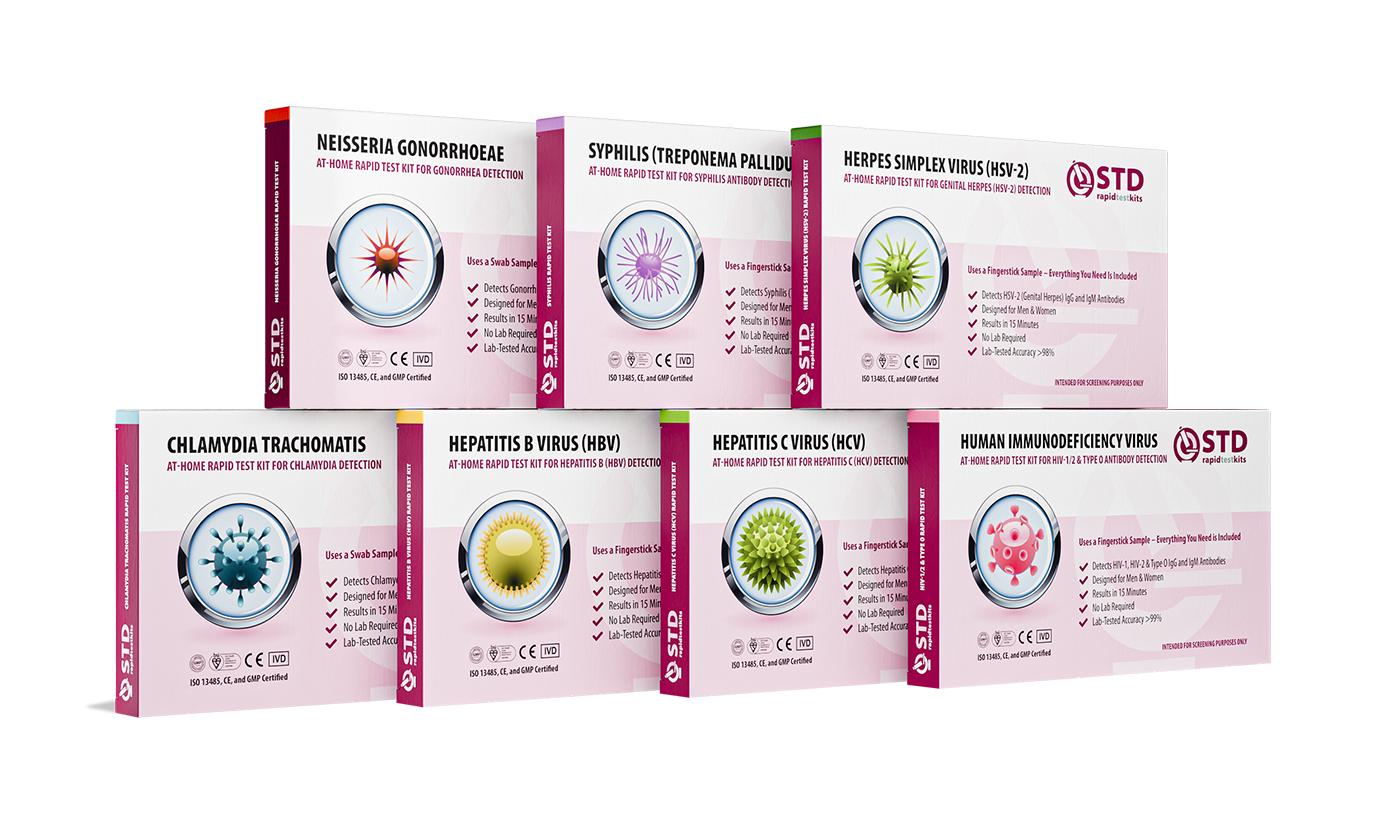
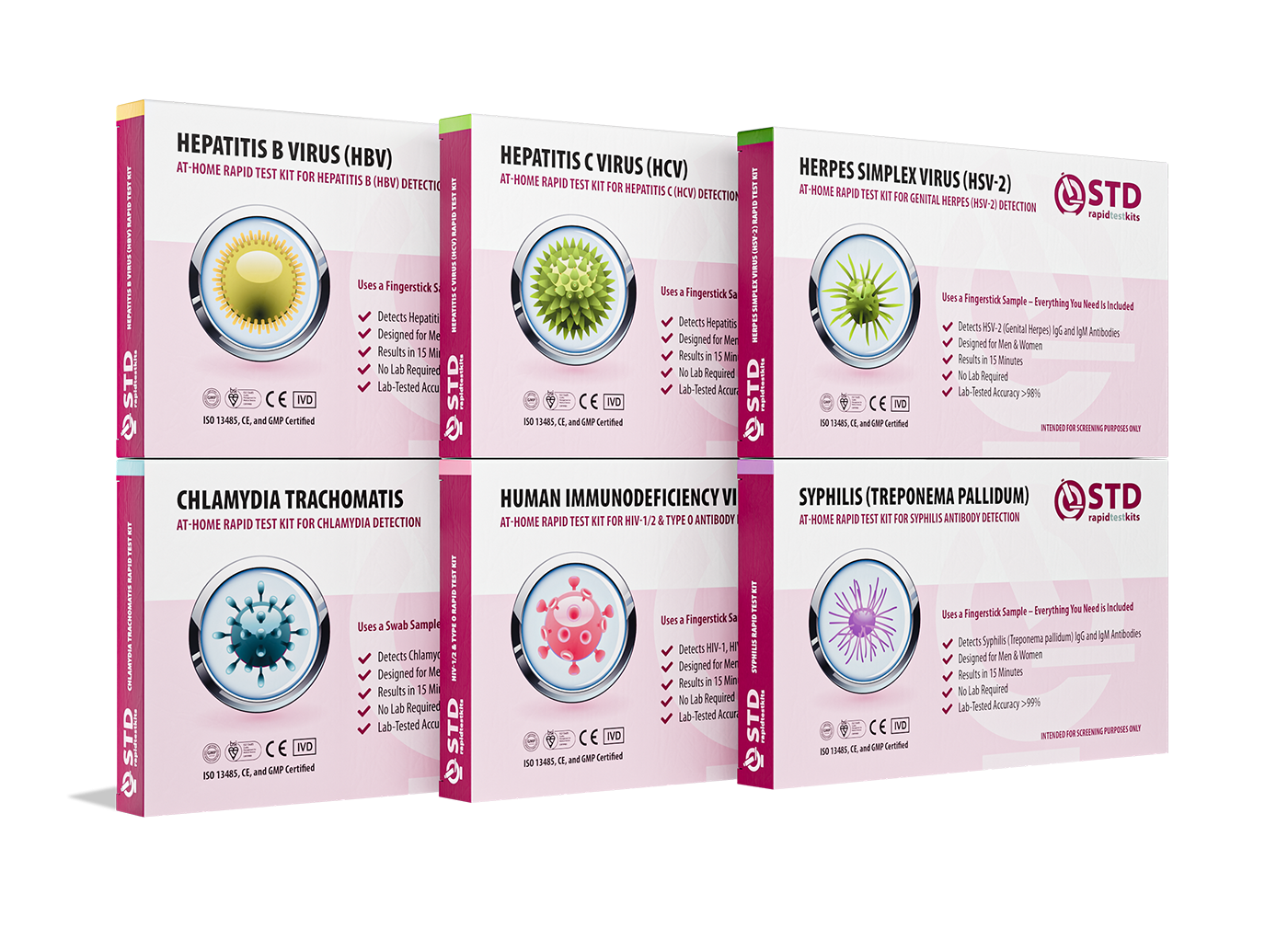
The road to good reproductive health is maintained by continuing good safe sex practices, vaccination, and conducting regular self-exams. Knowledge empowers them to be watchful and early address issues that may arise for them to continue in good health. Take control of your health and protect your testicles—get an at-home STD test kit today for quick, private answers!








 For Men & Women
 Results in Minutes
 No Lab Needed
 Private & Discreet