






Yeast Infection or STD? When Antifungals Don’t Fix the Problem
What is Trichomoniasis?
Trichomoniasis-also known as "trich"-can be described as a sexually transmitted infection caused by the parasite Trichomonas vaginalis. The infection is most commonly transmitted through vaginal, oral, and anal sexual contact. While it may manifest in a number of ways including itching, irritation, and discharge, asymptomatic infection is also possible.
If the infection is not cured, serious complications such as inflammation, increased risk for other STIs, and complications in pregnancy can result. Because of the health and relational damage it can cause, it is important to know how to prevent trichomoniasis.

Safe Sexual Practices
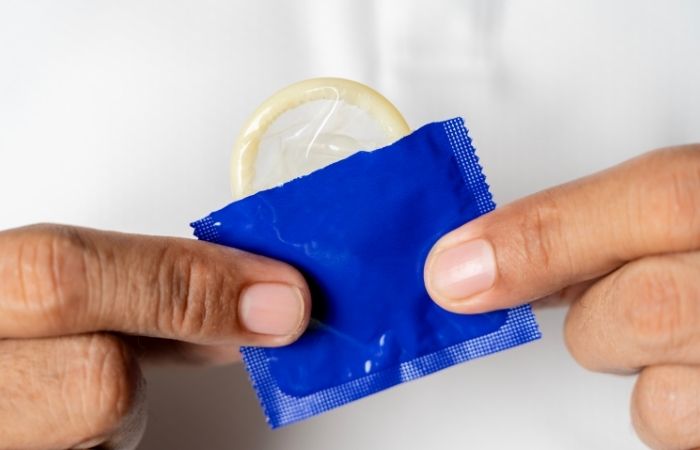
- Lower Transmission Risks: The consistent use of condoms prevents trichomoniasis and most other sexually transmitted infections.
- Less Stress: Safe sex helps in trusting a relationship and builds confidence, thus enabling frank health discussions between partners.
- Low-Cost Prevention: Rather than spend money on medical complications later, it is cheaper to prevent the infection using barrier methods and regular check-ups.
Challenges in Eradicating Trichomoniasis
Failure to Identify
Most of the infected individuals are unaware of symptoms related to trichomoniasis. Due to ignorance, people procrastinate on precautionary measures or try to ignore the signs and symptoms, which later become complications.
Unequal Application of Security Measures
Appropriate and consistent use of condoms decreases the risk of STIs. Where there is either no protection or an inappropriate use of protection in sexual relations, the chance of getting infected with trichomoniasis increases.
No Apparent Symptoms
Trichomoniasis doesn't give symptoms to as many as 70% of the people with the infection. This, particularly in circumstances when routine testing is not a priority, makes the accidental spread of this infection easy.
Barriers to Testing
Judgment is one of the significant barriers to getting tested for STIs apart from the sensitive nature of discussing one's sexual health. This has, over time, resulted in undiagnosed and untreated infections.
Inaccessibility to Resources
Access to medical treatment at an affordable cost and lack of diagnostic tools hinder disease prevention and treatment among many communities.
Order Now $119.00 $294.00 Check Your STD Status in Minutes
Test at Home with Remedium
6-in-1 STD Rapid Test Kit Claim Your Kit TodaySave 60%
 For Men & Women
 Results in Minutes
 No Lab Needed
 Private & Discreet
For all 6 tests
Conclusion and Recommendations
Realistic plans and doable actions are necessary to overcome these obstacles. Take charge of your sexual health by following these steps to reduce your chance of contracting trichomoniasis:
- Inform Yourself and Your Colleagues Discussing sexual health openly is essential. Find out what trichomoniasis is, how it spreads, and what signs to look out for. To foster mutual understanding and accountability, share this information with your partner(s).
- Utilize Condoms Having always the most effective method of preventing trichomoniasis is the proper and continuous use of condoms. Use a condom whenever you engage in sexual activity, whether it's vaginal, oral, or anal.
- Make Sure to Get Tested Often The individuals who have sex with multiple partners or people who do not use protection must get their routine checkups for STIs. Monitoring your sexual health does not necessarily mean an uncomfortable visit to the clinic because you can monitor it through an at-home STD test kit.
- Prevention of Sexual Assault Having fewer sexual partners reduces the risk of trichomoniasis and other infections. Ensure both of you in a monogamous relationship are tested and free from the infections.
- Get Medical Attention Immediately Get immediate medical attention if you or your partner are experiencing symptoms of trichomoniasis. Early treatment will reduce complications and the rate of infection spread.
Statistics: Facts and Figures
It is estimated by the World Health Organization that 156 million new cases occur annually, and more than 70% of the infected people are asymptomatic, which becomes a problem with diagnosis and transmission.
- Consistent use of condoms can reduce the occurrence of trichomoniasis by up to 98%, according to research.
- There is a big lacking in STI prevention, considering that close to 60% of the sexually active respondents to a CDC survey reported never having been tested for trichomoniasis.
Professional Opinions and Real-World Examples
According to Specialists
The best way to prevent trichomoniasis is by enabling education, communication, and frequent testing: "I think that most people don't realize the necessity of regular testing for asymptomatic STIs such as trichomoniasis," says infectious disease specialist Dr. Samantha Lee. One possible solution for encouraging more people to take ownership of their health is by providing them with at-home testing kits.
Real-Life Case Studies
A case study is that of a couple in their twenties where, after one partner noticed moderate signs of trichomoniasis, they opted for at-home STD testing to prevent an outbreak in their social circle. Early detection thus enabled timely treatment, reducing further dangers of additional transmission.
Order Now $129.00 $343.00 Check Your STD Status in Minutes
Test at Home with Remedium
7-in-1 STD Test Kit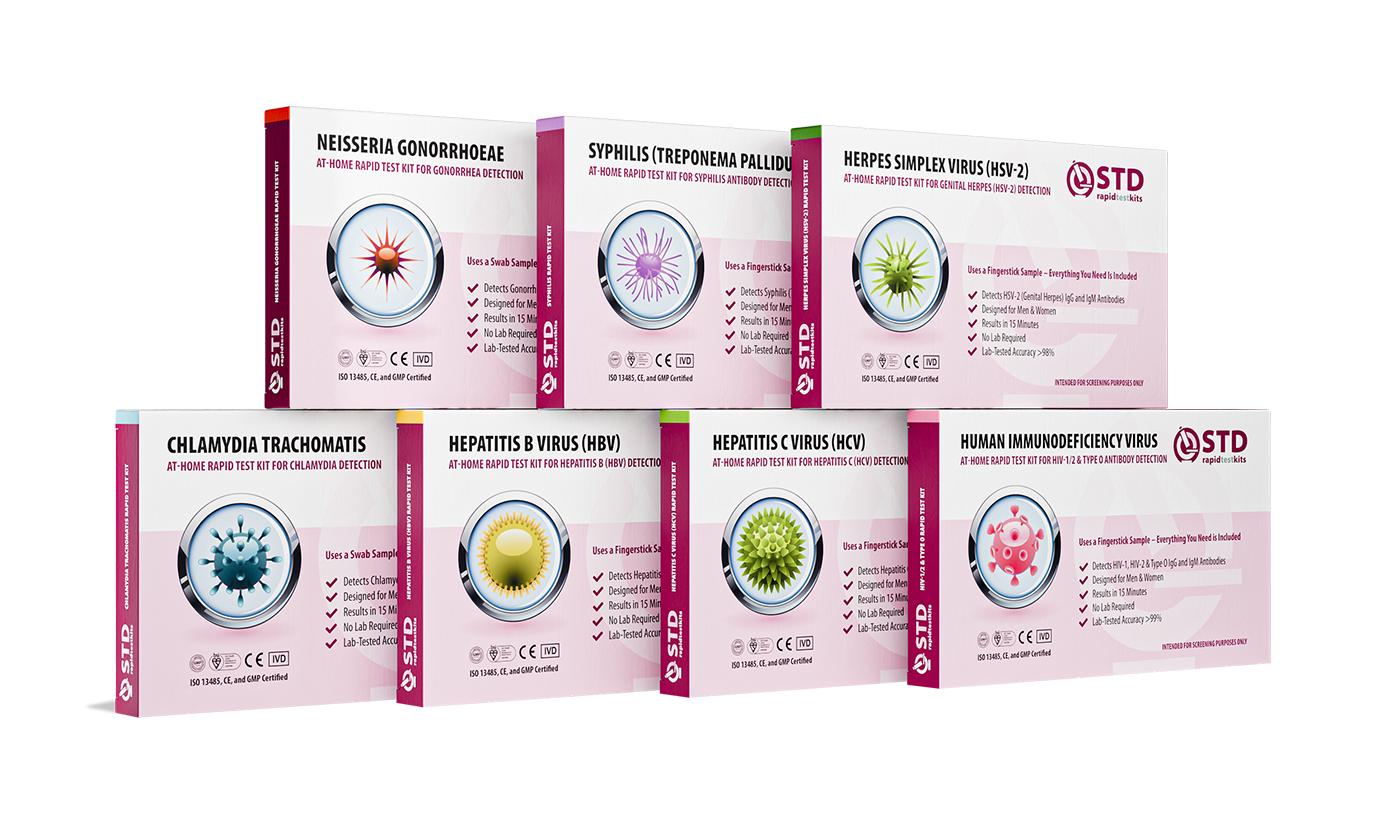 Claim Your Kit TodaySave 62%For Men & WomenResults in MinutesNo Lab NeededPrivate & Discreet
For all 7 tests
Background
In the years since, our understanding of trichomoniasis and how to prevent the infection has evolved. Symptoms being very mild and sexual health concerns being treated as taboo meant the infection was initially greatly underdiagnosed. Thanks to rapid improvements in diagnostic technologies—including at-home STD test kits—detection today is easier and less stigmatizing than it has ever been.
To date, public health campaigns and educational programs play a very important role in spreading the word about this virus and the need for safe sex.
Current and Emerging Methods for the Prevention of Trichomoniasis
Improved Home Testing
A sea change in sexual health will likely arrive courtesy of reliable, affordable home test kits for STDs. The increased privacy and convenience of such kits will lead more people to test more frequently.
Public Education Efforts
Greater public information efforts aimed at disadvantaged groups and those of younger age will help in the quest for improved understanding and prevention of trichomoniasis and other sexually transmitted infections.
Better Methods of Treatment
Ongoing research in the direction of better treatments increases recovery rates and reduces transmission rates of trichomoniasis.
Integrating Technology
Most materials regarding sexual health, appointment booking, and even consultations with specialists are accessible via smartphone applications or telehealth.

Practical Steps for Prevention
Stockpile a Line of Defense
A physical barrier, such as a condom, should always be in supply. For maximum protection against STIs like trichomoniasis, invest in a good product.
Establish a Testing Regimen
Get tested for STIs by a physician or with a home testing kit regularly. This can be tricky if one has a new or multiple partners; it may be helpful to set a recurring reminder in one's phone.
Encourage Open Communication
Bring up the topic of sexual health in casual conversation with your spouse or partners. Be comfortable being open about your testing history, protection preferences, and symptoms.
Maximize School Materials
Take advantage of public health resources, internet resources, and local workshops to learn all you can about STI prevention and treatment options.
Prevention of Trichomoniasis
Medical Field
Diagnosis has totally changed with the introduction of home test kits for STDs, easing pressure on clinics apart from facilitating early diagnosis.
Academic Field
Lectures on trichomoniasis prevention are included in comprehensive sex education classes emphasizing the importance of protection and regular testing.
Campaigns for Public Health
New advertisements from for-profit and non-profit organizations remind people to practice safe sex and protect themselves against less common STIs such as trichomoniasis.
Order Now $69.00 $147.00 Check Your STD Status in Minutes
Test at Home with Remedium
3-in-1 STD Test Kit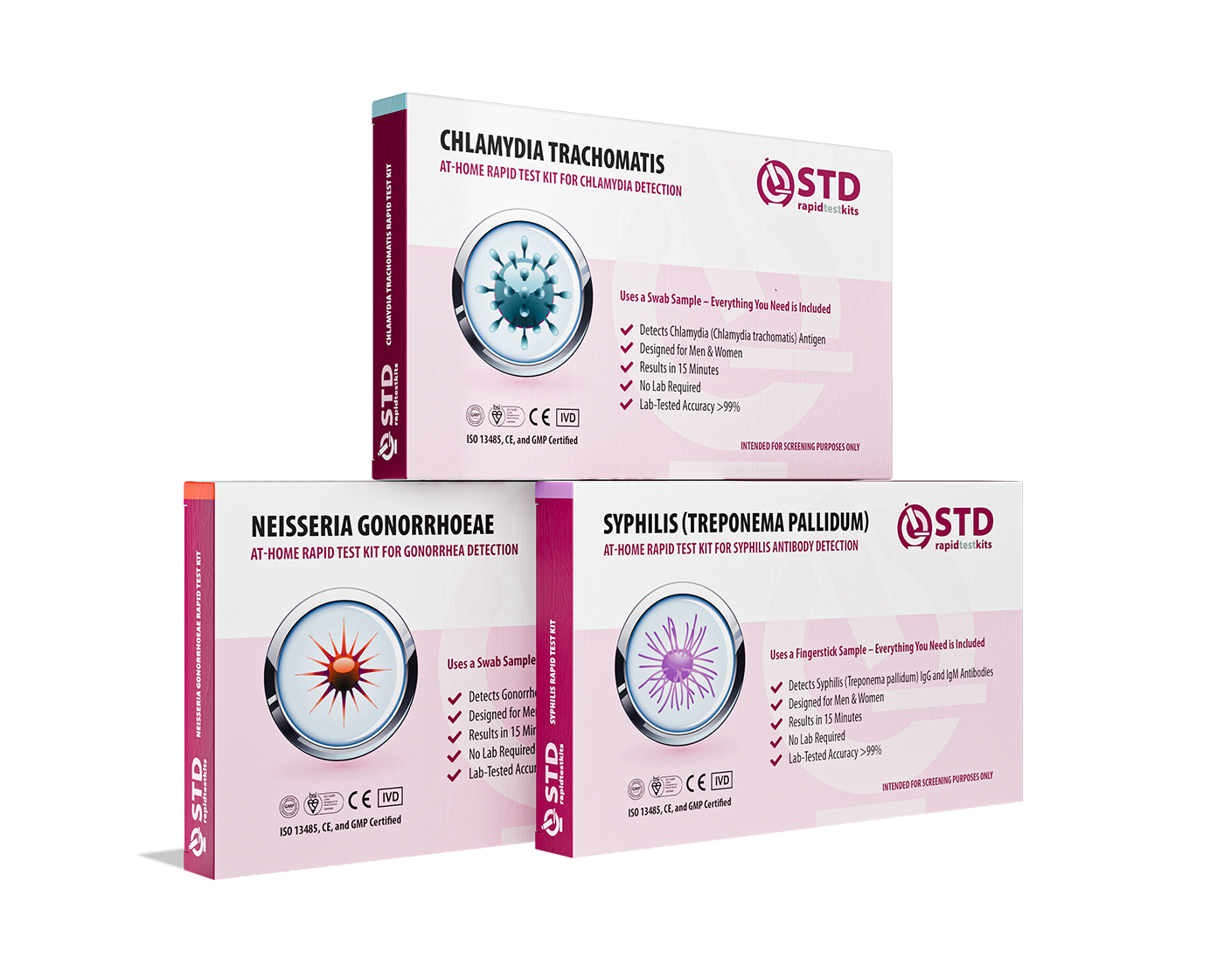 Claim Your Kit TodaySave 53%For Men & WomenResults in MinutesNo Lab NeededPrivate & Discreet
For all 3 tests
Common Misconceptions About Trichomoniasis
- "Trichomoniasis Is Only Contagious Through Sexual Contact"
- Trichomoniasis is most commonly spread person to person by dirty, shared items such as towels. However, it can be transmitted through sexual intercourse as well. Practice good hygiene at all times to reduce risk.
- "I Wouldn't Have to Admit to Having It If There Aren't Any Symptoms Showing"
- Not exactly! Trichomoniasis very rarely shows symptoms at all. The only real way to find out for sure is through routine testing.
- "The Greatest Thing About Oral Sex Is That There Is No Need for Condoms"
- That is not true. Trichomoniasis can be spread through oral sex; therefore, all sexual activities require protection.
- "The Only People Who Get Trichomoniasis Are Those Who Engage in Sexually Risky Behavior"
- Stigma remains because of this myth. It does not matter how many different partners one has—sexually active persons with any number of partners can get trichomoniasis.

FAQs
1.- Can Trichomoniasis Be Prevented?
There is no sure protection from the virus. Nevertheless, continuous practice of safe sex, regular screening, and decreased number of sex partners will surely decrease risk considerably.
2.- What About Detecting the Disease at-Home STD Testing Kit for Trichomoniasis Accuracy?
If they are correctly done, self-test kits offer an approximately immediate, private, and inexpensive method for detecting trichomoniasis among other sexually transmitted infections.
3.- Does Trichomoniasis Have a Cure?
Yes, trichomoniasis is curable with prescription medication administered by a doctor. The important thing to avoid complications is testing for early detection.
4.- Does Anything Prevent Trichomoniasis Besides Condoms?
While condoms are an excellent method, the best approach is using condoms, frequent testing, and communication.
5.- If I Think I May Have Trichomoniasis, What Do I Do?
See a doctor right away and avoid sexual relations. You might want to confirm your suspicions before seeking treatment by using an at-home STD test kit.
6.- Will Trichomoniasis Return After I Am Treated?
Yes, it can if you are exposed again. You must treat all of your partners to prevent it from occurring again.
7.- How Would I Talk With My Partner About Preventing Sexually Transmitted Infection?
Talk openly and honestly. Take responsibility for your sexual health. Talk to your partner about what you both know about testing and protection.
8.- What If I Have Had Trichomoniasis for a Long Time and Have Not Been Treated?
Yes, trichomoniasis that is not cured can lead to problems such as increased risk for other sexually transmitted infections and complications of pregnancy.
9.- How Often Should I Get Tested to Find Out if I Have Trichomoniasis?
How often you should be tested depends on your sexual behavior. You should be tested more frequently or at least once a year if you have more than one sex partner or if you do not use condoms.
10.- Does It Matter If I Only Have One Partner If I Get Tested?
Yes, especially if both of you have been in sexual relationships. The testing ensures that neither of you has any sexually transmitted infections.
Prioritizing Your Sexual Health
In sexual health, prevention is the best, and trichomoniasis is no exception. Using at-home STD test kits, being open with your partner(s), and using protection can greatly lower your chances of infection.
Break the chains of ignorance and stigma. Protect yourself and others by staying informed, getting tested often, and being proactive with precautions. Take responsibility for your sexual health!
Sources
1.- Cleveland Clinic: Trichomoniasis
2.- VA Public Health: Trichomoniasis
3.- NCBI: Trichomoniasis Overview


