How Private Is At-Home STD Testing? Packaging, Billing, and Delivery
At-home STD tests promise privacy, but how far does that promise actually go? Here is what shows up on your doorstep, what posts to your bank statement, and how results travel from the kit back to you without a paper trail anyone else can read.
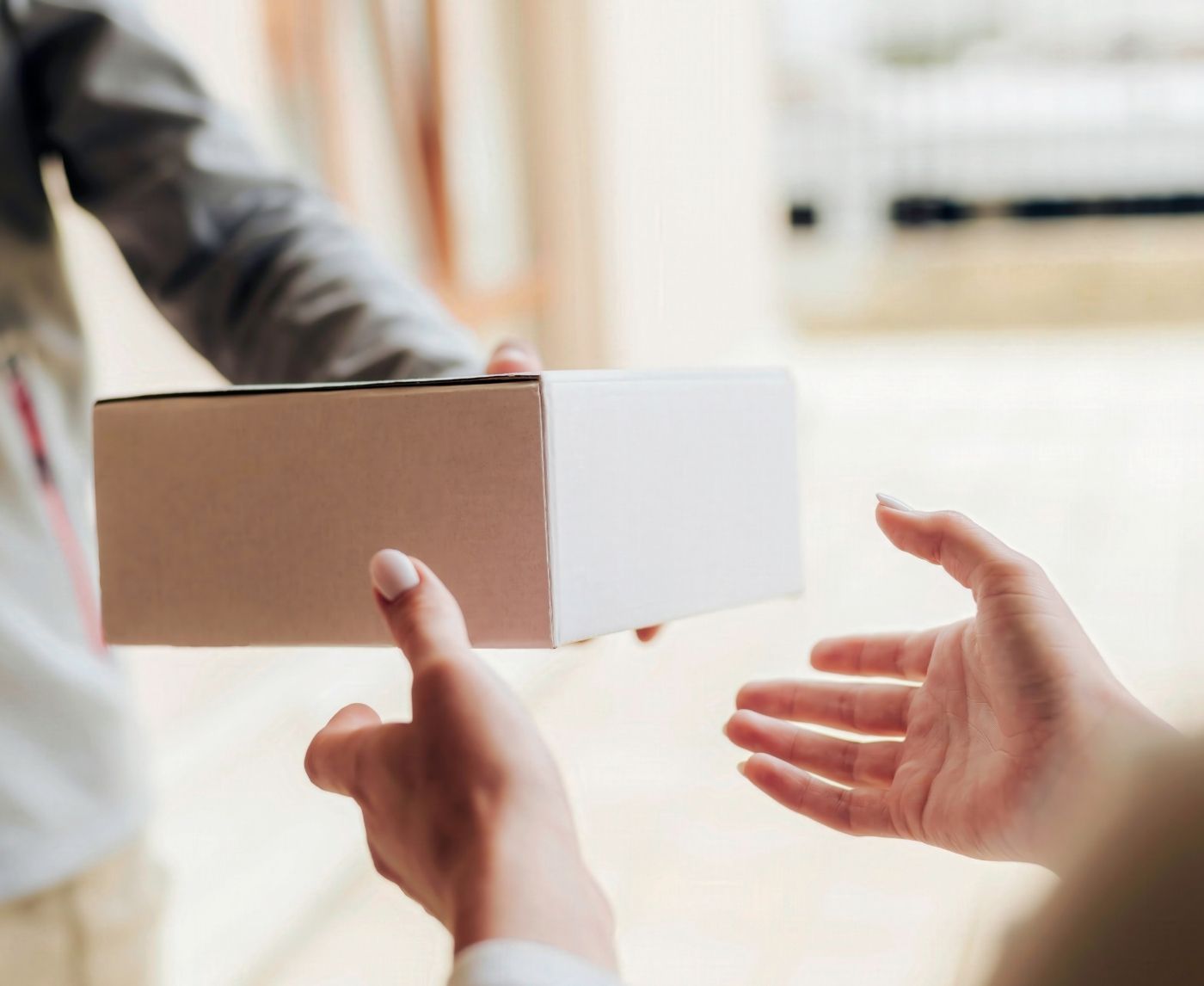



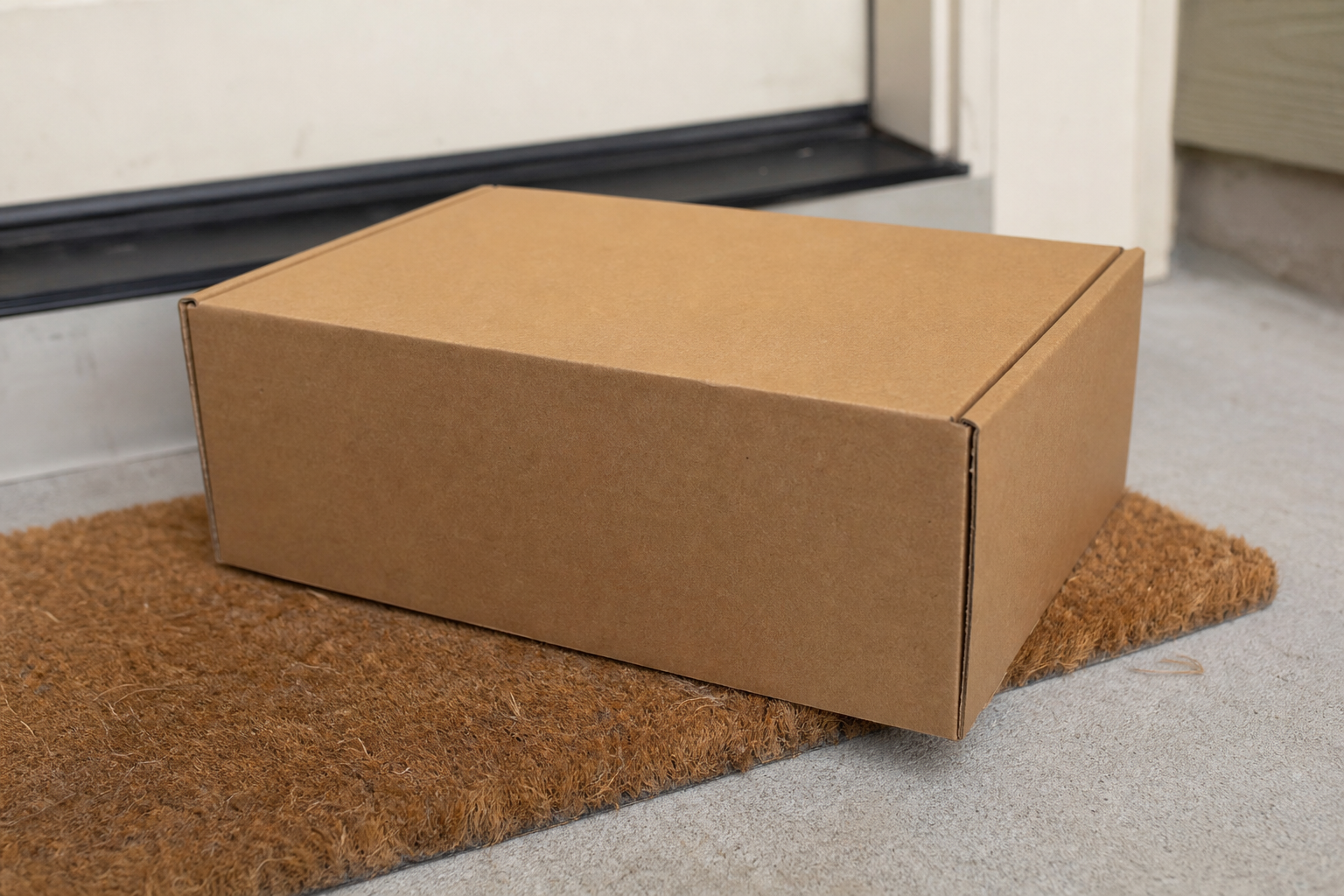
- At-home STD test boxes show no clinical branding, no infection name, and a generic return address. The shipping label looks identical to any other online order.
- Billing descriptors and results portals are equally discreet. The card charge reads as a generic health or wellness vendor, and results land behind a password-protected login rather than in the mail.
Published: October 2025 | Last updated: May 2026 | Editorial review and quality control: Martina N.
Privacy is the reason most people order an at-home STD test instead of walking into a clinic. The promise on every product page sounds reassuring, but the practical questions stay the same once you click order. What will the box look like when it lands on a shared porch? What word lands on your bank statement next to the grocery run? Can someone in your household see results before you do?
This guide walks the test through every touchpoint that matters: the packaging, the carrier label, the billing descriptor, the results portal, the follow-up care. The short version is encouraging. At every step, reputable at-home testing services build in protections that meet or beat what you would get walking into a clinic. The longer version covers how each of those protections actually works in practice.
Why Privacy Is the First Question People Ask
For many readers, the decision to test does not stall on cost or accuracy. It stalls on visibility. Sexual health still carries enough social weight that the prospect of a parent, partner, roommate, or coworker glimpsing a clinical box can feel worse than the unknown of an unanswered exposure.
The U.S. Centers for Disease Control and Prevention's STI resources document that stigma and confidentiality concerns are recurrent barriers to STI testing, especially for adolescents, young adults, and people in shared-living situations. The same agency points to at-home and self-collected testing as one of the practical levers for closing that gap.
Privacy here is not about secrecy. It is about control. The reader who wants to test without disclosing the decision to a parent on a shared insurance plan, or to a partner during a slow conversation about exclusivity, is not hiding anything dishonest. They are choosing the order in which they share information about their own body. The packaging, billing, and results infrastructure either supports that choice or quietly undermines it.
Will the box, the bill, or the results expose what I ordered?
No on all three counts when you order from a reputable at-home STD test provider. The shipping box arrives in plain cardboard or a polymailer with no clinical branding, no "STD" wording, and a generic company return address. The credit-card descriptor reads as a non-specific health or wellness vendor (something like "HLTHSRVCS" or the parent company's neutral name), never "STD test". Results are delivered through a password-protected portal or secure email link, not by mail or unsolicited phone call.
What the Package Actually Looks Like
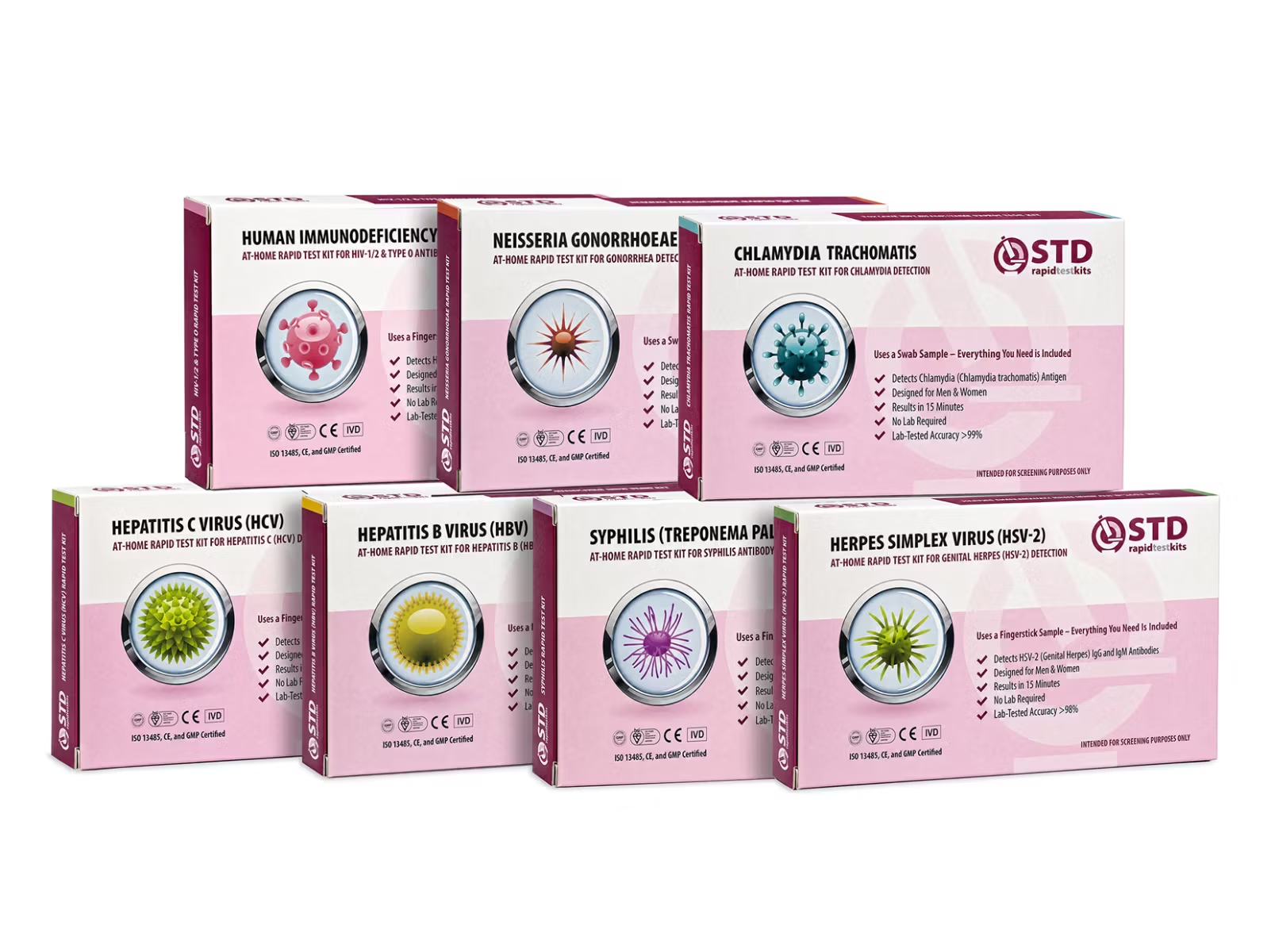
The most common search related to discreet STD testing is some version of "does the box say STD?" Reputable providers, including this site (stdrapidtestkits.com, which sells the at-home kits referenced throughout this article), ship in plain, unbranded outer packaging. There is no sexual-health language, no medical logo, no diagnosis name, and no indication of what is inside. To a roommate, a doorman, or a curious sibling, it reads as any other online order.
The result is that the package can land on a shared apartment porch, a college dorm mailroom, or a parent's house without giving away what is inside. The instructions sheet is the only layer that names the kit explicitly, and that sheet sits inside a sealed inner sleeve a casual mail-opener is unlikely to unfold. Here is what each layer typically shows:
| Packaging Layer | What It Shows | Privacy Level |
|---|---|---|
| Outer shipping box or polymailer | Plain cardboard or neutral mailer, no medical branding | High. No branding, generic label. |
| Return address | Neutral company name (e.g. "Health Services LLC" or a generic fulfillment entity) | Very high. No mention of STD, sex, or testing. |
| Carrier shipping label | Carrier name, your address, tracking number only | High. Identical to any e-commerce order. |
| Inner packaging | Unmarked sleeve, envelope, or pouch around the kit components | Very high. Discreet even if the outer box is opened. |
| Kit instructions inside | Step-by-step instructions that name the kit | Moderate. Visible only if someone removes and reads the insert. |
Shipping Speed and Tracking Without the Stress
The waiting period between order and delivery is the most anxiety-heavy stretch of the whole process for many buyers, especially in shared-housing situations where someone else might collect the mail. Reputable at-home testing services offer multiple shipping speeds, and all of them keep the outside of the package equally generic.
If you are planning around roommates, a partner's visit, or travel, choose a shipping window that minimizes overlap. Some carriers let you add delivery instructions (such as "leave at back door" or "hold at post office") for an additional layer of control. Real-time shipment notifications also let you grab the package the moment it arrives rather than relying on whoever happens to walk past the mailbox first.
| Shipping Method | Typical Speed | Privacy Notes |
|---|---|---|
| Standard ground | 3 to 5 business days | Tracked, discreet, no branding. |
| Expedited | 2 to 3 business days | Tracked, discreet, often plain carrier packaging. |
| Overnight (where offered) | 1 business day if ordered before cutoff | Fastest option for time-sensitive testing windows. |
Will the Charge Show Up on a Bank Statement?
The credit-card line is the privacy detail people most often forget until it is too late. If you share an account with a parent, a partner, or a household budgeting app, an unexpected line item from a clinical-sounding vendor can prompt the exact conversation the at-home test was meant to delay until you are ready.
Reputable at-home STD test providers do not include the words "STD", "sexual health", or any infection name in their billing descriptor. The line on your statement reads as a generic health or wellness vendor, often the parent company's name or a coded fulfillment label. The descriptor varies by provider, but the pattern is consistent: nothing on the line tells a casual reader what was bought.
If your situation calls for an extra layer of separation, a few practical moves help. A prepaid Visa or Mastercard removes the order from your primary card history entirely. A digital wallet such as Apple Pay or Google Pay routes the charge through a tokenized payment that may post under a different descriptor than the underlying card. Some providers let you separate the billing email from the shipping address, which keeps the receipt out of a shared inbox.
Before you order, the cleanest step is to check the provider's FAQ or help center for the exact billing descriptor they use. Knowing what to expect on the statement removes the surprise even when the line itself is generic.
When the Mail Is Not Really Yours
The hardest privacy situation is not the random delivery driver. It is the housemate, parent, or partner who routinely opens mail addressed to other people. The good news is that the outer and inner packaging are designed to read as generic even when opened. The better news is that several practical workarounds give you full control.
1. Redirect the delivery in transit. USPS, FedEx, and UPS all let you redirect a package mid-route to a nearby pickup location. Many post offices and pharmacies host secure parcel lockers for exactly this purpose.
2. Ship to a parcel locker or PO box. Amazon Hub lockers, USPS PO boxes, UPS Access Point pickups, and most private mailbox services give you a non-residential delivery address you control. You collect the package on your own schedule, with no household mailbox overlap.
3. Use a work or trusted-coworker address. If your workplace accepts personal mail, or you have a coworker or friend with a single-person mailbox, that address can serve as the delivery target. The package looks identical to any online order arriving there.
4. Use initials or a middle name on the order. If the label name might draw attention, many providers accept variant forms. Keep your ID matching the chosen name if you plan to collect at a location that asks for one.
Do the Results Stay Private Too?
For at-home rapid lateral-flow tests, including the kits sold on stdrapidtestkits.com, the answer is structurally simple. The result appears on the test cassette in your hand, within about 15 minutes, in your own bathroom. There is no lab, no paper report, and no email or text unless you choose to capture and share the result yourself. That keeps the result inside the same four walls where you took the test.
For mail-in lab tests offered by other companies, results travel back to you electronically. Reputable providers deliver them through a password-protected portal, often with two-step verification on the login, rather than by mail or unsolicited phone call. Paper reports are sent only on explicit request.
What about positive results? Good providers offer follow-up options, including telehealth, treatment referrals, and downloadable documentation if you want to share results with a partner or doctor. Everything is opt-in. No one gets notified on your behalf unless you initiate the conversation.
For at-home rapid kits, the result reads on the cassette in your hand in about 15 minutes. No lab, no portal login, no email notification, and no record outside your own bathroom unless you photograph the cassette yourself.
Digital Trail: Browsing, Cookies, and Targeted Ads
Physical packaging gets the most attention, but the digital trail is often leakier. Search history, retargeting ads, and shared device logins can all surface a search someone made for "STD test kit" days or weeks after the order arrives.
Reputable providers do not sell your data to third-party advertisers, but generic browser cookies can still fuel retargeting ads on shared devices. A few habits close most of that gap: search in a private window, clear cookies after ordering, sign out of shared-device accounts before browsing, and consider a separate email address for health-related orders so receipts and provider follow-ups stay out of a shared inbox.
- Search in a private or incognito browser window so the visit does not write to shared history.
- Clear cookies after the order is placed to break the retargeting trail.
- Sign out of any account that syncs across devices, including a home assistant or family tablet, before browsing.
- Use a separate email address for health-related orders so receipts, marketing emails, and provider follow-ups stay out of a shared inbox.
Telehealth and Treatment: Privacy Beyond the Result
A positive result is where privacy questions multiply, because treatment usually requires a prescription, and prescriptions create medical records. If your result is positive and you want to keep follow-up care equally discreet, several options exist.
Telehealth clinics that handle STI follow-up are typically HIPAA-covered, which means how the clinician contacts you and where the prescription goes are choices you control. Most platforms ask up front: secure portal message only, app notification, encrypted email, or phone call to a number you specify. Many also send prescriptions to a pharmacy of your choice rather than the default on your insurance file.
For sensitive cases, paying out of pocket rather than billing insurance keeps the visit and the prescription off the insurer's claim history. The trade-off is cost, but for some readers the privacy gain is worth it. Some retail pharmacies also accept paper-prescription pickup with cash payment, which keeps the medication off any auto-refill or insurance trail entirely.
Testing With a Partner Without Pooling Your Records
Couples, polycules, and friend groups increasingly order at-home tests together. The privacy question shifts in this scenario, because shared testing involves shared logistics: who orders, whose address, whose card. The control structure still works. You can test at the same time and still keep separate results, separate packaging, and separate billing.
The clean version looks like this. Each person orders a kit through their own account, even if you place the orders within minutes of each other. Each kit ships to the address its owner controls. Each result lives in its own portal account. You then talk to each other about the results on whatever timeline fits the relationship, rather than letting the testing platform set that timing for you.
Each person orders through their own account, ships to their own address, and views results in their own portal. Only the conversation between you is shared.
Privacy Across the Full Testing Journey
Here is a step-by-step view of where privacy is protected by default, and what you can do to add a layer when the default is not quite enough for your situation.
| Step | Default Privacy Protection | Optional User-Side Steps |
|---|---|---|
| Browsing and ordering | No infection name in site URLs, no clinical iconography on product photos | Use private browsing, sign out of synced accounts |
| Payment | Generic billing descriptor, no "STD" wording | Prepaid card, digital wallet, separate billing email |
| Shipping | Plain outer packaging, generic return address, neutral inner sleeve | Track delivery in real time, redirect to a parcel locker or PO box |
| Results | Password-protected portal with two-step verification; cassette-only readout for rapid tests | Use a personal device, avoid auto-forwarding email |
| Treatment | Opt-in telehealth, user-set contact preferences, pharmacy of choice | Pay out of pocket, request a paper script for cash pickup |
Privacy FAQs
- Will the box say "STD" anywhere on the outside?
- The outer packaging is plain cardboard or a neutral polymailer. The return address shows a generic company name, no infection name, no clinic branding, and nothing a curious roommate would flag. Carrier label and tracking are identical to any other online order.
- What does the charge actually look like on my bank statement?
- A generic health, wellness, or fulfillment descriptor rather than "STD test" or any infection name. The exact wording varies by provider, so the safest move is to check the provider's FAQ or help center for the descriptor before placing the order if a household member monitors transactions.
- Can I ship the test to a PO box or parcel locker instead of home?
- Yes. USPS PO boxes, Amazon Hub lockers, UPS Access Point locations, FedEx Hold at Location, and most private mailbox services accept at-home STD test deliveries. The address goes on the order the same way a residential address would.
- What happens if a roommate opens the package?
- Even the inner packaging is designed to be visually generic. A roommate who slices open the outer box will see a plain sleeve or envelope around the kit components, not packaging that names the kit. The instructions sheet inside identifies the kit by name, so the privacy gap closes only if someone unfolds and reads the insert.
- Will I get mailed paper results?
- Not unless you specifically request them. For at-home rapid lateral-flow kits like those on stdrapidtestkits.com, the result appears on the cassette in your hand within about 15 minutes. For mail-in lab tests, results are delivered through a password-protected portal or secure email link, not by paper mail.
- Can someone trace my order through search history or ads?
- Reputable providers do not sell your data to third-party advertisers, but generic browser cookies can still fuel retargeting ads on shared devices. Searching in a private or incognito window and signing out of shared-device accounts before ordering closes most of that gap.
- If I test positive, does follow-up care stay private?
- Yes, with the right setup. Telehealth clinics that handle STI follow-up are HIPAA-covered and let you choose how the clinician contacts you. Prescriptions can be sent to a pharmacy of your choice rather than the default on your insurance file. Paying out of pocket rather than billing insurance keeps the visit off the insurer's claim history.
- Is at-home testing safe to order if I am not out to my family or partner?
- Yes. The entire chain (packaging, billing, results, follow-up) is built to put control of disclosure in your hands. The infrastructure exists precisely because access to testing should not depend on a reader's willingness to disclose.
How we sourced this article: We combined current guidance from leading public-health and medical organizations with peer-reviewed research on STI screening barriers, and we drew on stdrapidtestkits.com's own packaging, billing, and results-delivery process to describe what readers actually experience.
- U.S. Centers for Disease Control and Prevention. Sexually Transmitted Infections data, surveillance, and screening guidance.
- U.S. Centers for Disease Control and Prevention. Clinical Guidance for STIs, including the 2021 STI Treatment Guidelines and confidentiality considerations in clinical care.
- World Health Organization. Self-care interventions for health, including sexual and reproductive health, the foundational framework for at-home and self-administered diagnostics.
- U.S. Department of Health and Human Services. HIPAA Privacy Rule overview for health-information confidentiality.
- U.S. Centers for Disease Control and Prevention. Getting Tested for STIs, covering provider testing, at-home self-tests, and mail-in self-collection kits.