





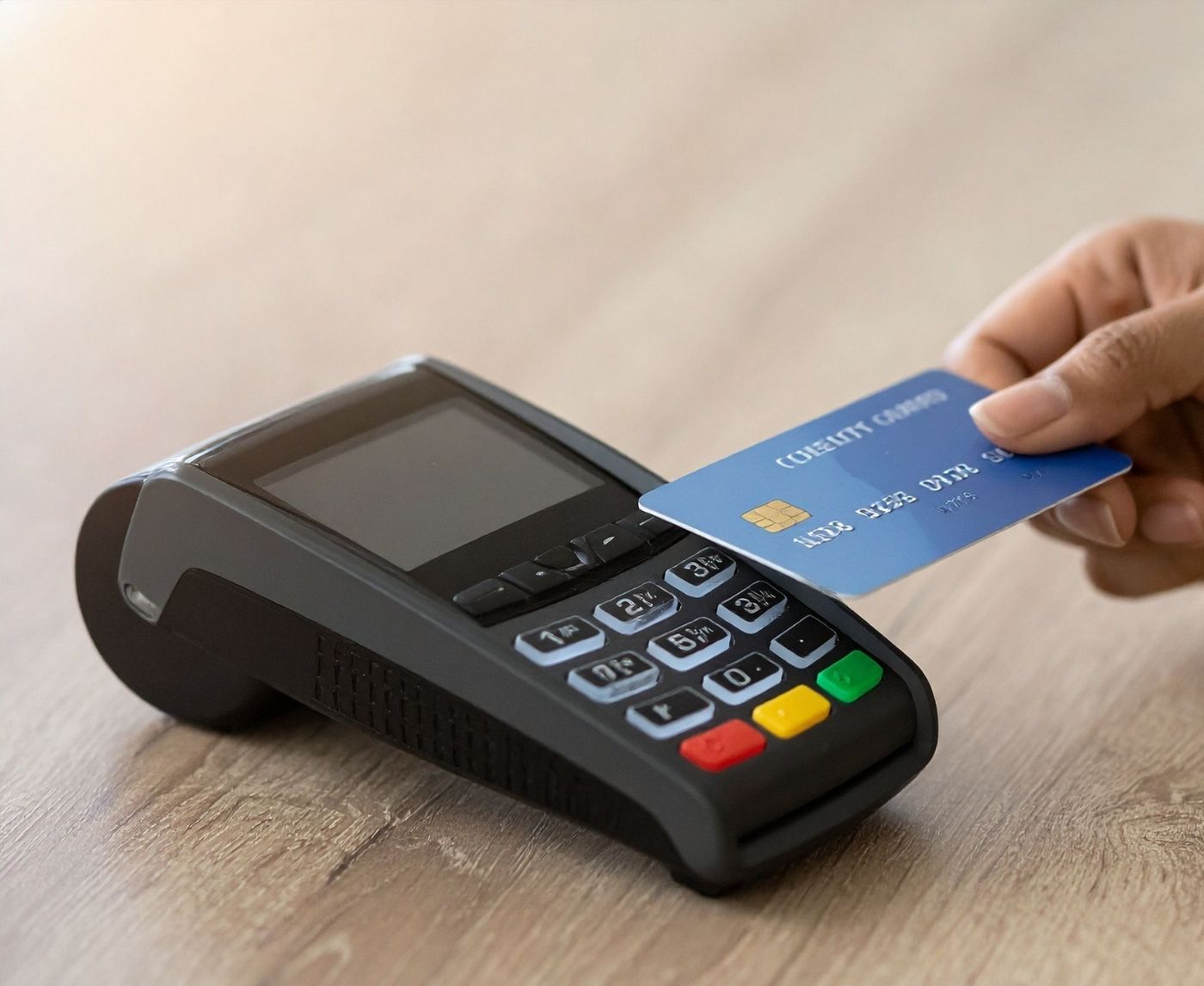

Quick Answer: Most reliable at-home chlamydia tests cost between $49 and $129. Most of the time, kits that cost more than $200 have more than one infection or lab processing. Anything under $30 should be carefully verified for accuracy and legitimacy.
“Why Is One Kit $49 and Another $400?”
Jordan, 26, ordered a $39 test from an online store that looked legit. It promised “results in minutes” and arrived in a plastic sleeve with a faint chemical smell. The instructions were unclear, the lines were hard to read, and there was no follow-up info. Meanwhile, his roommate Claire spent $229 on a test from a “doctor-backed” brand that came in sleek packaging with overnight shipping and telehealth access. Both said “chlamydia test,” but the experience couldn’t have been more different.
At-home chlamydia tests fall into several categories, and each one affects pricing differently: whether it's a rapid result or mail-in lab kit, whether you're testing for one STD or several, and whether the brand adds services like consultations, shipping perks, or anonymous partner alerts. In many cases, you're not just paying for the test, you’re paying for the whole experience, including accuracy, discretion, and post-result support.
How Much Is “Too Much” for a Chlamydia Test?
The short answer: anything over $150 for a standalone chlamydia test is probably pushing it, unless it includes multiple infections or premium services. And anything under $30 might not give you results you can trust.
That doesn’t mean more expensive always means better, though. Some kits charge high prices for features you may not need, like rush shipping, subscription add-ons, or excessive branding. Other times, you’re paying for bundled testing, for example, one swab tested for chlamydia, gonorrhea, trich, and mycoplasma all at once. That can be cost-effective if you're concerned about multiple infections, but unnecessary if you’re focused solely on one risk exposure.
| Kit Type | Typical Price Range (USD) | What You're Paying For |
|---|---|---|
| Rapid Self-Test (single STD) | $40–$80 | Instant result, moderate accuracy, no lab needed |
| Mail-In Lab Test (single STD) | $69–$129 | Lab-processed, higher accuracy, results in 2–5 days |
| Combo STD Panel (3–5 infections) | $129–$229 | Covers multiple STDs, typically mail-in, often includes chlamydia + gonorrhea |
| Clinic-Based Rapid Test | $0–$200+ | Depends on insurance, location, and clinic markup |
Figure 1. General price tiers for at-home and clinic chlamydia testing, based on market research from major kit providers and comparison sites.
People are also reading: What Herpes Looks Like And How Its Not What You Think
The Hidden Costs No One Talks About
When you’re comparing test kits, it’s not just about the number on the box. Some brands offer a low base price, but charge extra for shipping, lab fees, or unlocking your results. Others advertise a full kit but quietly require you to mail additional samples later for an added fee. Still others upsell you into monthly subscriptions you didn’t mean to sign up for.
Case in point: a Reddit user shared that their $69 test turned into a $129 charge when they realized follow-up consultation wasn’t optional, it was the only way to access their lab results. Another buyer reported buying a $20 test from a third-party marketplace only to find out it was expired. The brand had no customer service line. They ended up paying for a second kit elsewhere, days lost and stress doubled.
So if you’re shopping for chlamydia testing online, ask yourself:
“Is this price the total price?”
“Does the kit include everything I need to get a result?”
“Is there a clear way to reach support if something goes wrong?”
If the answer to any of those is “no” or unclear, it's probably not the right test.
Check Your STD Status in Minutes
Test at Home with Remedium6-in-1 STD Rapid Test Kit

 For Men & Women
 Results in Minutes
 No Lab Needed
 Private & Discreet
Order Now $119.00 $294.00
For all 6 tests
How Accuracy and Cost Are (Sometimes) Linked
One of the biggest drivers of cost is the type of test used, and how it’s processed. A $39 rapid test that uses lateral flow (think pregnancy-test style cassette) might give you fast results, but those results depend heavily on timing, sample collection, and manufacturing consistency. Meanwhile, a $109 mail-in kit that uses NAAT (nucleic acid amplification testing) through a CLIA-certified lab can detect chlamydia with over 95% sensitivity and specificity, which is the gold standard for diagnosis.
That said, a cheap test isn't always wrong, and an expensive test isn’t always right. What matters more is what method the kit uses, how recently it was manufactured, and whether it’s been evaluated by a reputable medical body.
| Test Type | Typical Use | Accuracy | Price Range |
|---|---|---|---|
| NAAT (lab-based) | Mail-in, high-grade detection | 95–99% | $69–$129 |
| Lateral Flow Cassette | Rapid test at home | 70–90% | $35–$80 |
| Immunoassay / Serological | Rare for chlamydia; used in some bundled panels | Varies | $120–$300+ |
Figure 2. Accuracy versus cost for different at-home chlamydia testing methods. Numbers based on published NAAT performance data and manufacturer-reported sensitivity ranges.
Does Higher Price = More Privacy?
Let’s get honest: for many people, privacy is the number one reason they turn to at-home STD testing. Not convenience. Not price. Not even speed. It’s the ability to pee in your own bathroom, seal a test tube in a nondescript envelope, and never have to lock eyes with a nurse while explaining your last hookup.
But privacy, like everything else in this space, has layers. Some companies go above and beyond: nondescript packaging, encrypted portals, clear data policies, and even the option to delete your records after results. Others are vague about where your data goes, how your samples are handled, or whether your results are stored with third-party labs indefinitely.
A kit that costs $99 and protects your identity may be a better deal than a $49 test that ends up mailing you an embarrassing box or sends your info to a marketing database. That doesn’t mean more expensive is always safer, but if privacy is important to you, check the company’s data policy and reviews before clicking “buy.”
If you’re not sure where to start, STD Rapid Test Kits offers discreet shipping, no lab data sharing, and doctor-trusted screening options. You can order a single chlamydia rapid test or bundle with a combo kit, either way, you stay in control.
When Is a Combo Kit Worth the Price?
Let’s say you’re worried about more than just chlamydia. Maybe you’ve had unprotected sex, multiple partners, or symptoms that could be linked to several STDs. In that case, a combo kit might actually save you money, even if it looks expensive upfront.
Take Sasha, 31, who was experiencing pelvic pain, bleeding after sex, and fatigue. She was convinced it was just stress, but her gut said otherwise. She debated between a $59 chlamydia-only test and a $199 5-in-1 kit that checked for chlamydia, gonorrhea, trichomoniasis, mycoplasma, and BV. The bundle gave her peace of mind, and detected a co-infection she might’ve missed otherwise. Her treatment plan changed because of it.
Combo kits make sense if you’re not sure what’s going on, if you’ve had new or multiple partners, or if you’ve had a past infection and know they often travel in pairs. But if you’re testing after a known exposure or your symptoms align closely with one infection, a targeted kit may be all you need.
Bottom line? Buy what matches your risk, not just your fear.
Can You Get a Reliable Test for Free?
Yes, but with conditions. Some public health departments and sexual health nonprofits offer free chlamydia tests, either by mail or through in-person clinics. These programs are often limited to certain age groups (like teens or people under 26), income brackets, or geographic locations. Availability also changes by funding cycle.
For example, Planned Parenthood in some regions offers walk-in testing with a sliding fee scale. Certain U.S. states, like California and New York, have at-home test pilot programs that let you request free kits online. But these resources often fly under the radar and may not show up in the first few Google results.
If cost is your biggest barrier, we recommend checking with:
American Sexual Health Association
Planned Parenthood’s Get Tested Tool
Some users also report using FSA or HSA cards to pay for kits, even if their insurance doesn’t reimburse. Just make sure the provider is FDA-registered or CLIA-certified to avoid claim denials.
Story Snapshot: When Cheap Backfired
Marcus, 22, bought what looked like a bargain test online. It arrived in a plain manila envelope with a QR code but no written instructions. He followed the steps shown in the app, dipped a swab into a vial, waited the 10 minutes, and saw… nothing. No lines. Not even a control line. He emailed support. No reply. It was $29 wasted, plus another week of not knowing.
Eventually, he ordered a verified mail-in kit that cost $109. The instructions were clear, the shipping was fast, and the results came back in three days: positive for chlamydia. He started antibiotics that same week. “The first test made me think I was fine,” he said. “The second one saved me from passing it to someone else.”
False negatives and invalid results aren’t just frustrating, they can have real consequences for your health and the people you care about. If a test is confusing, unreliable, or unclear, it doesn’t matter how cheap it was.
This combo STD home test kit checks for the most common infections in one go and gives you peace of mind without hidden fees or sketchy packaging. Don’t gamble with uncertainty, especially if you’re already stressed or symptomatic.
How Pricing Affects Peace of Mind
Sometimes the biggest thing you’re buying isn’t the test, it’s the relief. The ability to take action without anyone watching. The reassurance that your result is real. The control over what happens next.
We’ve seen it again and again: people trying to save money end up paying more in stress, delays, and retesting. But we’ve also seen people overpay for flashy branding that didn’t deliver anything better than a more affordable, well-made test. That’s why this article exists, to help you cut through the noise and choose based on truth, not fear.
When you look at cost, always factor in:
• Type of test (rapid vs lab)
• Number of infections covered
• Support access and privacy
• Transparency in pricing
• Reputation of the company
Your health is worth more than a mystery box with no instructions. But you also don’t have to spend $300 just to pee in a cup. You deserve a clear answer, a fair price, and real support.
When Should You Be Suspicious of the Price?
If you’re scrolling late at night and see a chlamydia test for $9 with no brand name and a website that looks like it was made in 2008, pause. That price isn’t a good deal, it’s a red flag. Unbranded kits, resold expired tests, and unregulated imports flood certain marketplaces every year, especially during peak testing seasons (like right after New Year’s or Spring Break).
Here’s what to look for before hitting “Buy Now”:
If a test doesn’t clearly say it’s FDA-cleared (or has an international equivalent like CE marking), that’s a problem. If the website has no return policy, no mailing address, or only uses third-party sellers, that’s another. If reviews mention invalid results, vague instructions, or “no control line showed up,” step away.
Testing for STDs is too important to be a gamble. A legit test will always show:
• Clear sample collection steps
• Time frame for result accuracy
• A contact method for support
• Pricing that includes all lab or shipping fees (if relevant)
Anything less is just a risk you don’t need.

People are also reading: New STI Alert: What MG-B Means for Your Sexual Health and At-Home Testing
Should You Pay for Faster Results?
In some moments, yes. If you’re spiraling with anxiety, if a partner has symptoms, or if you’re days away from starting a new relationship and need closure, you might value speed over savings.
Some brands offer 24-hour lab turnaround or same-day shipping, and these options usually cost more, sometimes an extra $30 to $60. The question is: does that premium actually help you sleep at night, or can you wait another day or two for a standard result?
Tip: If you’re in a rush, make sure “overnight shipping” actually means what you think it does. Some companies print a label within 24 hours but don’t ship until 2–3 days later. Read reviews carefully. If time really matters, call customer service before ordering.
And remember: most at-home tests, especially lab-based kits, aren’t “instant” no matter what the packaging says. Rapid tests provide quick results, but they’re not always the best fit if you’re testing outside the optimal window period or need confirmation after treatment.
Check Your STD Status in Minutes
Test at Home with Remedium8-in-1 STD Test Kit
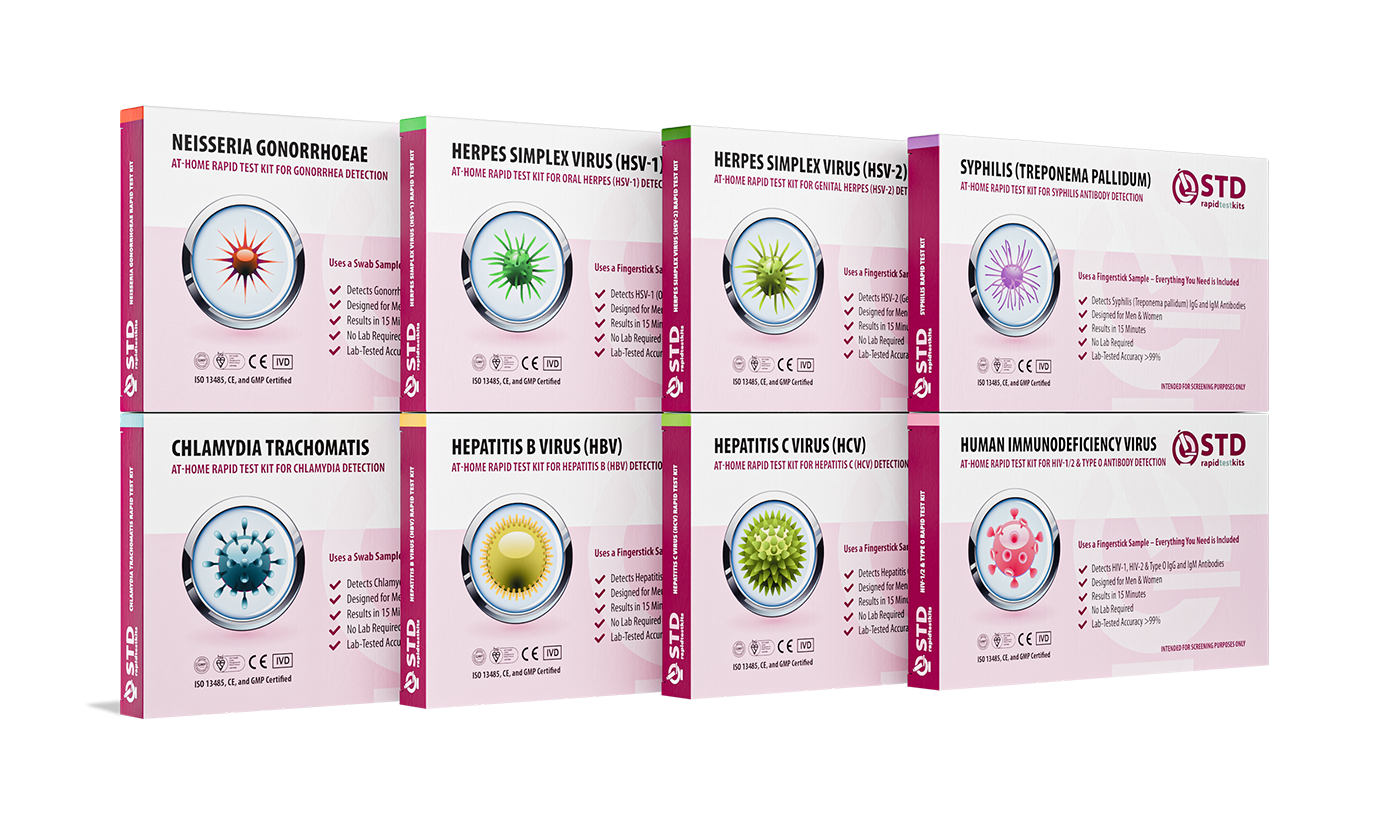 For Men & WomenResults in MinutesNo Lab NeededPrivate & Discreet
Order Now $149.00 $392.00
For all 8 tests
Let’s Talk Value, Not Just Cost
Here’s the truth: paying $89 for a reliable chlamydia test that protects your privacy, gets you accurate results, and includes follow-up support is better than paying $39 for a test that leaves you with more questions than answers.
But the most expensive kit isn’t automatically the best either. Some kits charge a premium for extras you may not need, like in-app result tracking, automatic reminders, or branded shipping boxes. For some, that’s worth it. For others, it’s just noise.
Think about what matters to you:
• Do you want speed?
• Do you need privacy above all?
• Are you okay mailing a sample or do you want instant results?
• Do you prefer a chlamydia-only test or a full STD panel?
Once you know what you care about, the price starts to make more sense. And your decision gets a lot easier.
FAQs
1. Why are chlamydia tests so expensive?
Great question, and the short answer is: they shouldn’t be. You’re often paying for extras like overnight shipping, lab work, bundled tests, or a fancy app interface. A solid chlamydia test doesn’t need to break $100, unless it comes with added services like telehealth or full STD panels. But if you see one for $300? That test better make you breakfast too.
2. Is a $29 test legit?
Sometimes, but it depends on where you get it. If it's from a sketchy marketplace with no reviews or branding, that’s a red flag. Think of it like sushi from a gas station, you might be okay, but do you really want to risk it?
3. What’s the difference between a rapid test and a mail-in one?
A rapid test gives you results at home, usually in 10–15 minutes. A mail-in test means you collect your sample, send it to a lab, and get results in a few days. Rapid tests are faster, but lab tests are more accurate. If you’re testing early after exposure or have symptoms, go lab. If your anxiety can’t wait? A rapid might help for peace of mind, but follow up if anything feels off.
4. Do I need to test again if it came back negative?
Depends. If you tested too early (like within a few days of exposure), your body might not have enough bacteria to trigger a result yet. Most pros recommend testing again after 14 days for chlamydia. So if you took a test on day 5 and it said negative, but you're still stressing on day 12? Retest. Better safe than sorry, and no shame in checking twice.
5. Can I use my HSA or FSA to pay for this?
Usually, yes! Most at-home STD kits qualify, especially if the provider uses CLIA-certified labs. Just double-check the seller’s receipt and make sure it shows the medical nature of the test. (Some even include a letter for your plan.)
6. Will the package say “STD” on it?
Not from any brand that respects you. The good ones use discreet packaging, plain envelopes, no branding, no “STD” on the label. If privacy matters to you (and for many, it does), check this before buying. You deserve discretion.
7. What if my test doesn’t work or gives no result?
If you follow the instructions and the test doesn’t give a clear reading, like no lines show up or it’s super faint, contact the company immediately. A reputable brand will send you a replacement. If they ghost you? That's your sign to never order from them again.
8. I feel fine. Do I really need to test?
Here’s the tricky part: most people with chlamydia don’t feel anything. No symptoms. No burning. Nothing. But the infection can still spread to partners, and in some cases, lead to long-term problems like infertility. Testing isn’t about panic; it’s about knowing what’s up, even when your body isn’t saying much.
9. How fast can I get results?
If you're using a rapid test, you’ll know in 15–20 minutes. Mail-in tests usually take 2–5 business days once your sample arrives at the lab. Some companies offer express shipping or 24-hour lab results, but you'll often pay extra. If you’re spiraling, paying for speed might be worth it.
10. What’s the smartest move if I had a risky hookup last weekend?
First: breathe. You’re doing the right thing by thinking about testing. For chlamydia, try to wait at least 7 days after the encounter for the most accurate result. In the meantime, avoid new partners and watch for any symptoms. And hey, if your gut says “test now anyway”, that’s okay. Just plan to retest around day 14 to be sure.
You Deserve Answers, Not Assumptions
Choosing an at-home chlamydia test shouldn’t feel like navigating a minefield, but we get it. The price differences are confusing. The fear of picking the wrong kit is real. And when you're already anxious, overwhelmed, or ashamed, it’s hard to know who to trust.
But we do know this: your body is worth being clear about, not guessing. A test that works is worth your peace of mind. You deserve accurate results and help you can count on, whether you need a single-use kit that is easy to hide or a full panel that checks for everything.
Don't wait and wonder; get the answers you need. This at-home combo test kit quickly and discreetly checks for the most common STDs.
How We Sourced This: We combined current guidance from leading medical organizations with peer-reviewed research and lived-experience reporting to make this guide practical, compassionate, and accurate.
Sources
2. Planned Parenthood – Get Tested
3. American Sexual Health Association – Home Testing Options
4. Getting Tested for STIs | CDC
5. Chlamydial Infections - STI Treatment Guidelines | CDC
6. Acceptability of Home-Based Chlamydia and Gonorrhea Testing | NIH/PMC
7. Chlamydia and Gonorrhea Screening Recommendations | USPSTF
8. Sexually Transmitted Infection (STI) Tests | MedlinePlus
9. Screening for STIs at Home or in the Clinic? | NIH/PMC
10. Self‑tests for STIs Increase Diagnoses and Reduce Costs | NIHR
11. FDA‑Authorized At‑Home Chlamydia and Gonorrhea Test | Verywell Health
About the Author
Dr. F. David, MD is a board-certified infectious disease specialist focused on STI prevention, diagnosis, and treatment. He blends clinical precision with a no-nonsense, sex-positive approach and is committed to expanding access for readers in both urban and off-grid settings.
Reviewed by: Riley Chen, NP, MPH | Last medically reviewed: January 2026
This article is meant to give you information, not to give you medical advice.


